

A good cutting board is one of the most used tools in any kitchen. It’s the silent partner for every meal prep session, from dicing onions for a weeknight soup to slicing up a celebratory roast. But like all good things, a cutting board has a finite lifespan. There comes a day when that trusty slab of wood or plastic goes from a helpful kitchen companion to a liability.
Knowing when to say goodbye is crucial for keeping your food safe and your kitchen running smoothly. So, how do you know when your cutting board has officially retired itself without telling you? It won’t send a formal two-week notice. Instead, it offers subtle, and sometimes not-so-subtle, hints. Here are the signs.
1. It Has Perpetual Stains and Odors

Image Credit: Shutterstock.
You scrub, you soak, you might even say a little prayer to the kitchen gods, but those beet stains and that faint onion-garlic perfume just won’t leave. When cleaning your cutting board starts to feel like a losing battle, it’s a clear signal. A well-functioning board should clean up with relative ease after a wash with hot, soapy water. Lingering stains and smells indicate that the surface is no longer non-porous.
Food particles and liquids are seeping into the material, creating a permanent residence for bacteria and odors. This is more than just a cosmetic issue; it’s a food safety concern. A board that holds onto the ghosts of meals past is also more likely to harbor germs that can cause cross-contamination.
2. It’s Covered in Deep Grooves
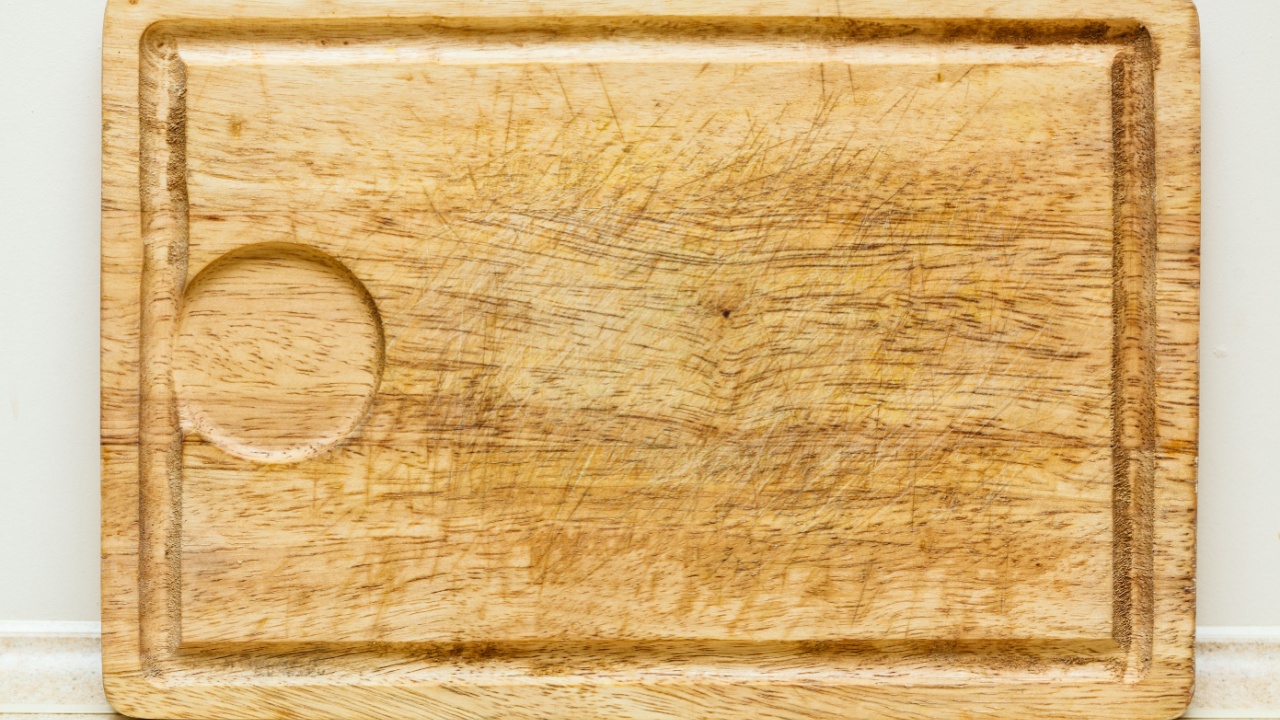
Image Credit: Shutterstock.
Every cutting board will show some wear and tear. Knife marks are a sign of a life well-lived. However, there is a difference between gentle scratches and deep, cavernous gouges. When your board starts to look like a topographical map of a canyon, you have a problem. These deep cuts and grooves are prime hiding spots for moisture and food debris.
No amount of scrubbing can reliably penetrate these crevices to remove all the trapped particles. Bacteria can thrive in these dark, damp little valleys, waiting to contaminate the next food you place on the board. While you can sometimes sand down a wooden board to create a new, smooth surface, some grooves are simply too deep to be safely removed.
3. The Board is Warped or Cracked
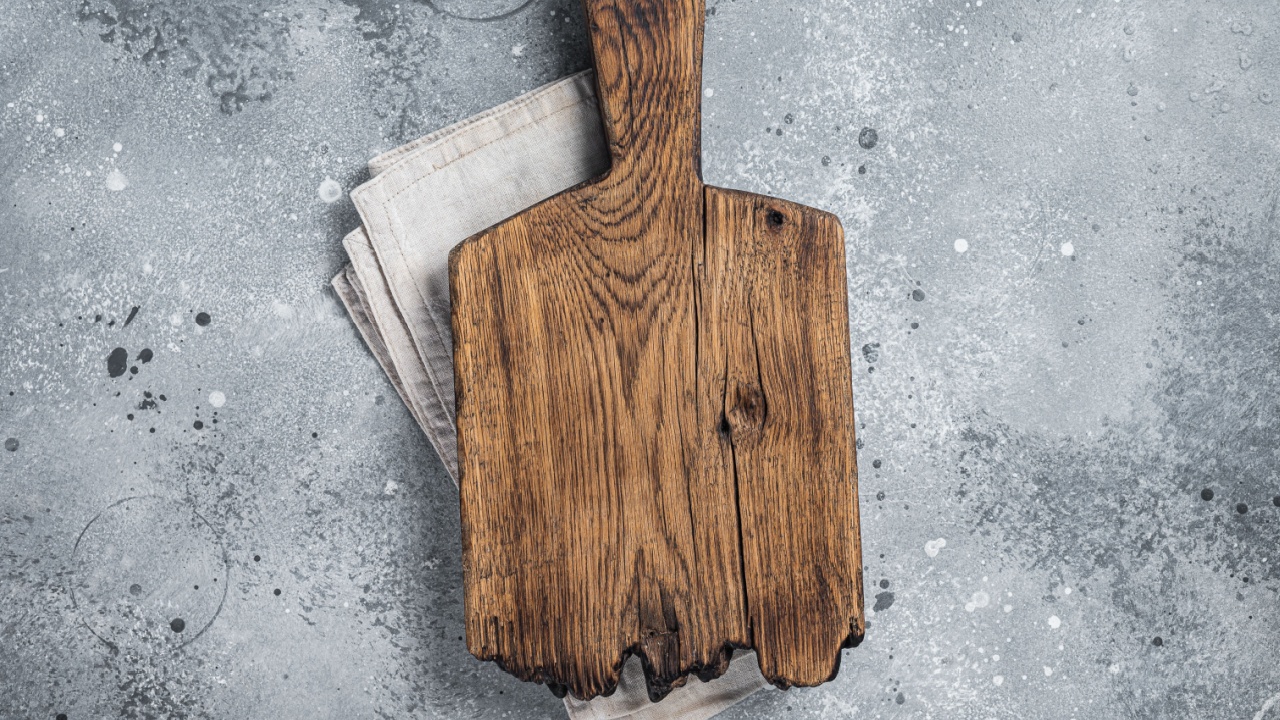
Image Credit: Shutterstock.
A cutting board should provide a stable, flat surface for chopping. If your board has started to wobble, spin, or rock on the countertop, it has likely warped. Warping happens when the board is exposed to uneven moisture or heat, causing it to bend and lose its shape. A warped board is not just annoying; it’s a safety hazard.
An unstable surface increases the risk of your knife slipping, which can lead to injury. To fix a warped cutting board, try soaking it in water and applying even pressure to flatten it back into shape. If it still rocks more than your favorite 80s band, it’s time to say goodbye.
4. Age and Material are a Factor
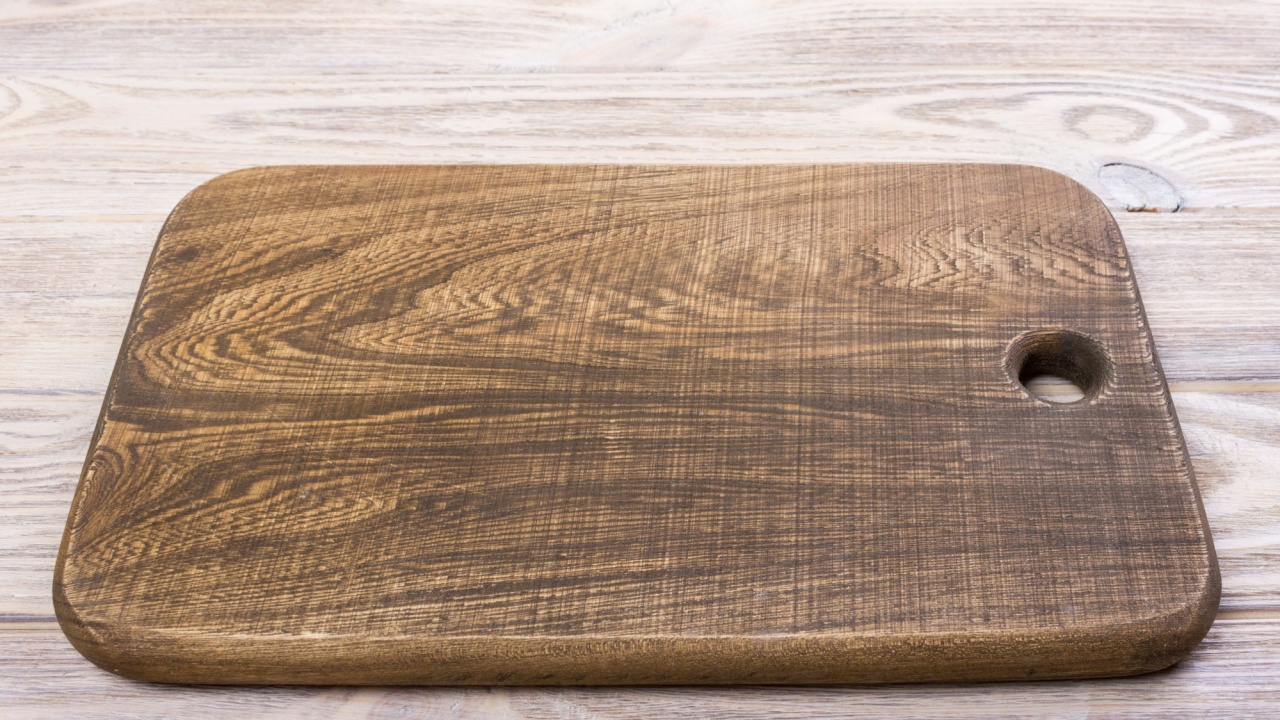
Image Credit: Shutterstock.
Sometimes, a board’s time is up simply because it’s old. The lifespan of a cutting board depends heavily on its material and how frequently it’s used. A heavily used plastic board, for instance, might only last a year before it becomes excessively scarred and difficult to sanitize. The soft nature of plastic means it grooves easily, and once those grooves are deep, the board is compromised. A plastic board may also be adding microplastics to your food.
Wooden boards can last much longer, sometimes for many years, especially if they are properly maintained. However, even the hardiest maple or walnut board will eventually succumb to wear. If you’ve had your board for several years and it’s showing a combination of the other signs, like deep scratches and stubborn stains, its age is likely contributing to its decline.
Choosing a New Board

Image Credit: Shutterstock.
If you’ve recognized your cutting board in any of these descriptions, it’s time to bid it a fond farewell. Don’t try to salvage a board that is cracked, warped, or deeply gouged. The risk isn’t worth it.
When choosing a replacement, consider your needs. A good system is to have at least two boards: one reserved strictly for raw meat, poultry, and fish, and another for everything else, like produce, bread, and cheese. Glass cutting boards are easy to clean and don’t harbor bacteria, stains, or odors. They are worth considering if food safety and effortless cleanup rank high.