
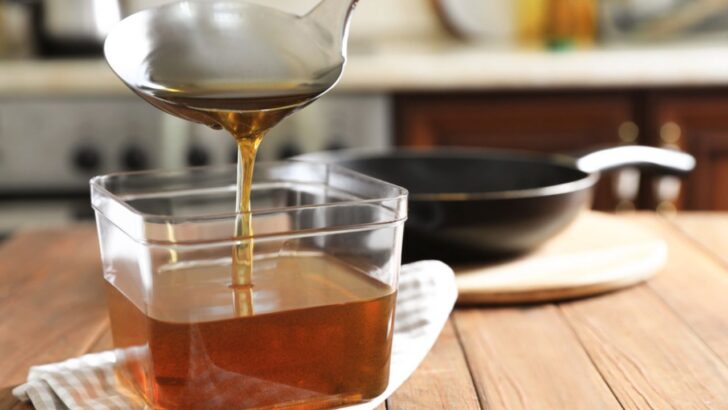
You’ve just fried up a batch of something delicious. The kitchen smells amazing, your stomach is happy, and everything seems just right. Then you turn around and see it: the pan of used cooking oil, sitting there, quietly waiting for attention.
It’s the houseguest that has overstayed its welcome. Pouring it down the drain creates plumbing problems that nobody wants to deal with. So, what is a responsible, food-loving gardener supposed to do?
Here are 3 simple and safe methods to dispose of that leftover liquid gold without causing a household or environmental mess.
1. Seal It and Trash It
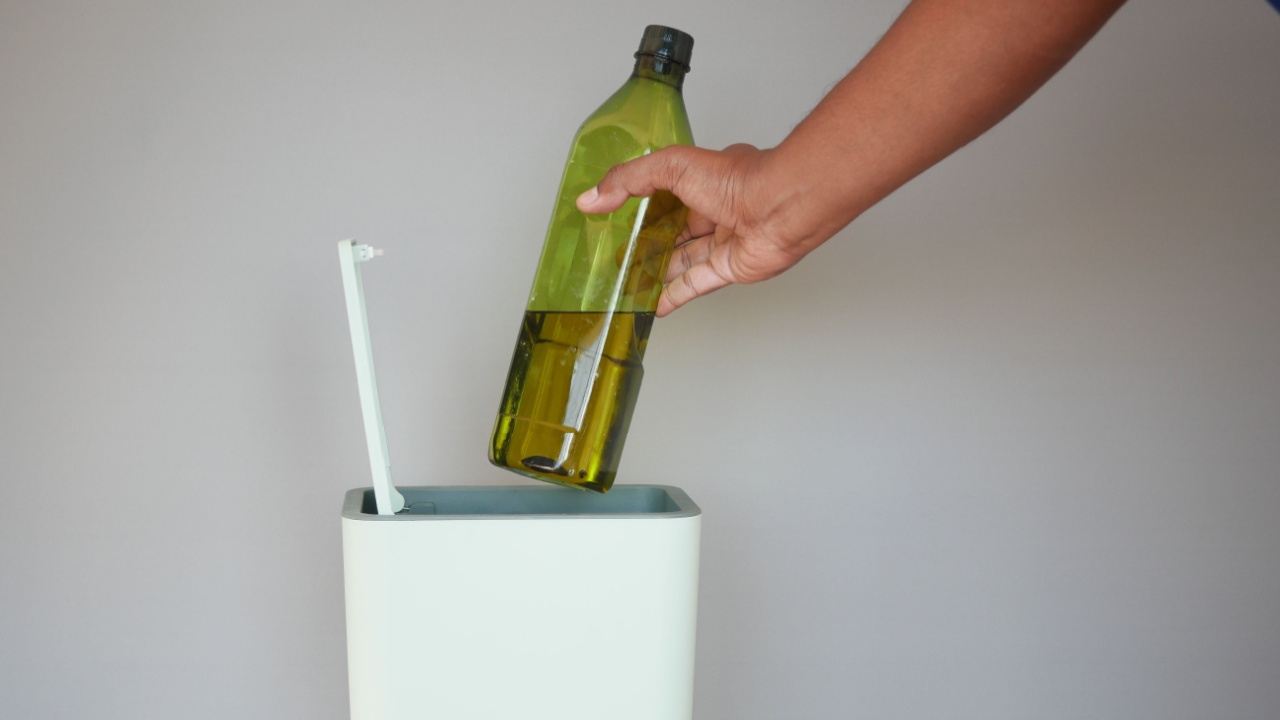
Image Credit: Shutterstock.
First, and this is important, let the oil cool down completely. Handling hot oil can cause serious burns. Give it a few hours or let it sit overnight. Once it reaches room temperature, pour it into a container you don’t plan on keeping. A disposable, non-recyclable container with a secure lid works well.
Old take-out soup containers, empty milk cartons, or a sturdy jar with a lid you can screw on work well. This keeps leaks at bay. Once sealed, you can put the whole container into your regular household trash. It’s a straightforward fix for small-scale home cooking.
2. Recycle It Locally
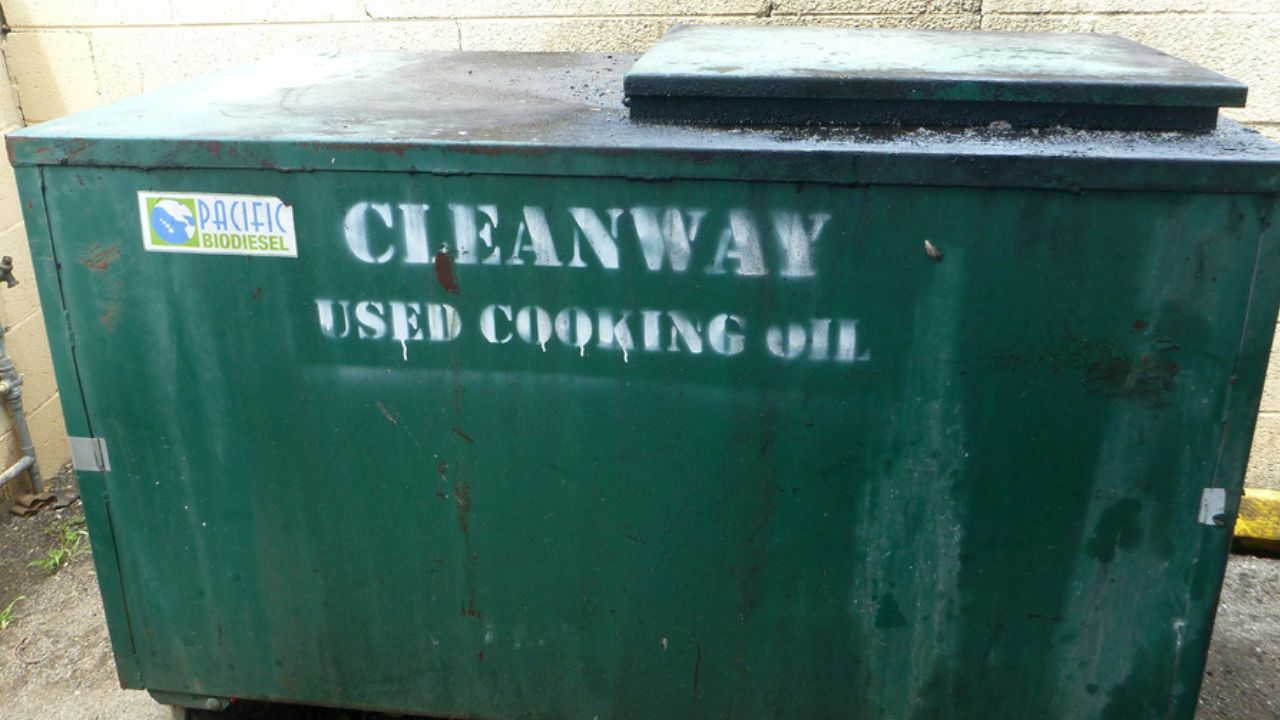
Image Credit: Deposit Photos.
If you end up with more used cooking oil than you know what to do with, or you want a more planet-friendly approach, recycling is worth considering. Many communities offer programs that collect used cooking oil for repurposing. Old oil can become biofuel, a renewable energy source that helps power vehicles. By recycling, you avoid plumbing problems and help the environment at the same time.
To get started, local research helps. Searching for “cooking oil recycling near me” works well. Waste management authorities, public works departments, or even some auto shops and restaurants sometimes have collection sites. These facilities are set up to handle larger amounts of oil and can process it effectively. In some places, curbside pickup is available for used oil, but this is rare. Collect cooled oil in a durable, sealed container and drop it off when it’s full.
3. Add Small Amounts to Your Compost
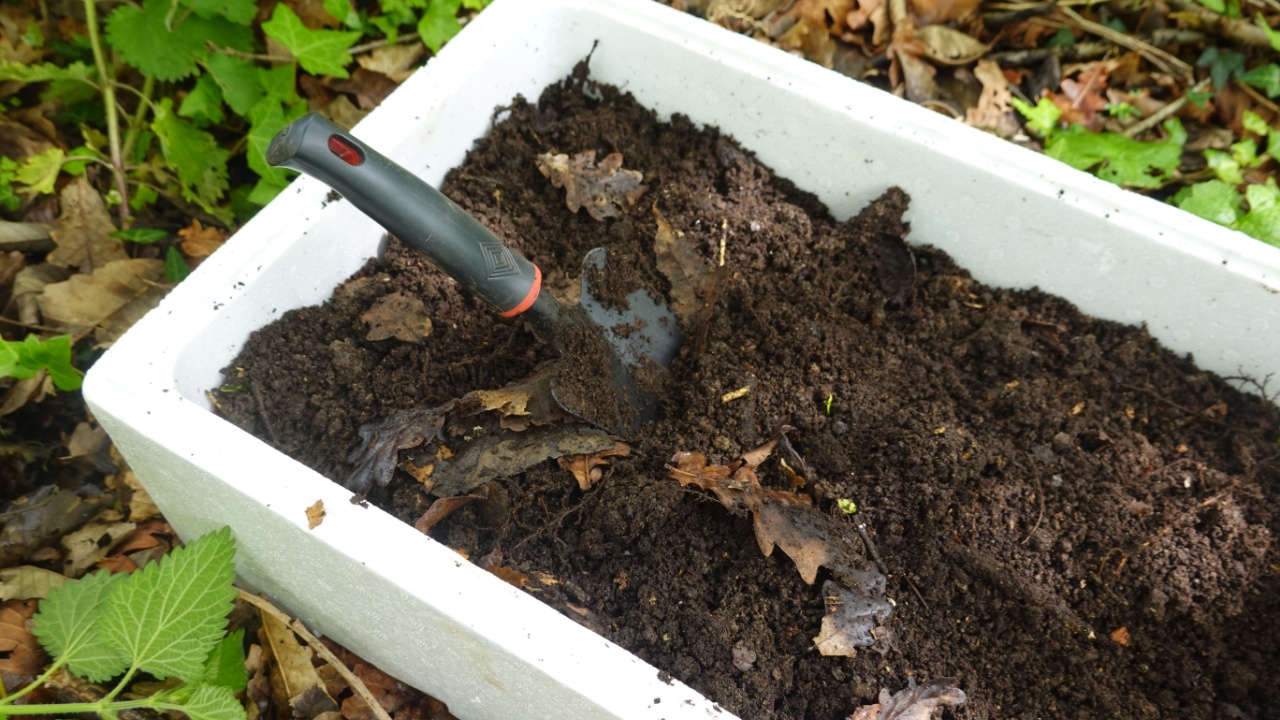
Image Credit: Shutterstock.
If you’re a gardener with a compost pile, pouring used oil straight in isn’t the answer. While composting cooking oil is possible, it calls for a careful approach. Large amounts will make the compost slimy and smelly, slow the breakdown process, attract pests, and create pockets of poor airflow, which isn’t good for the pile’s health.
Moderation and balance matter here. Add only small amounts of vegetable-based oils, such as canola, sunflower, or olive oil. Mix a little oil with plenty of “brown” or carbon-rich materials. Use shredded newspaper, sawdust, or dry leaves, as these help absorb and distribute the oil, keeping it from pooling into a water-repellent layer. This option works best for gardeners who deal with leftover oil occasionally and have some composting experience.
A Greasy Situation
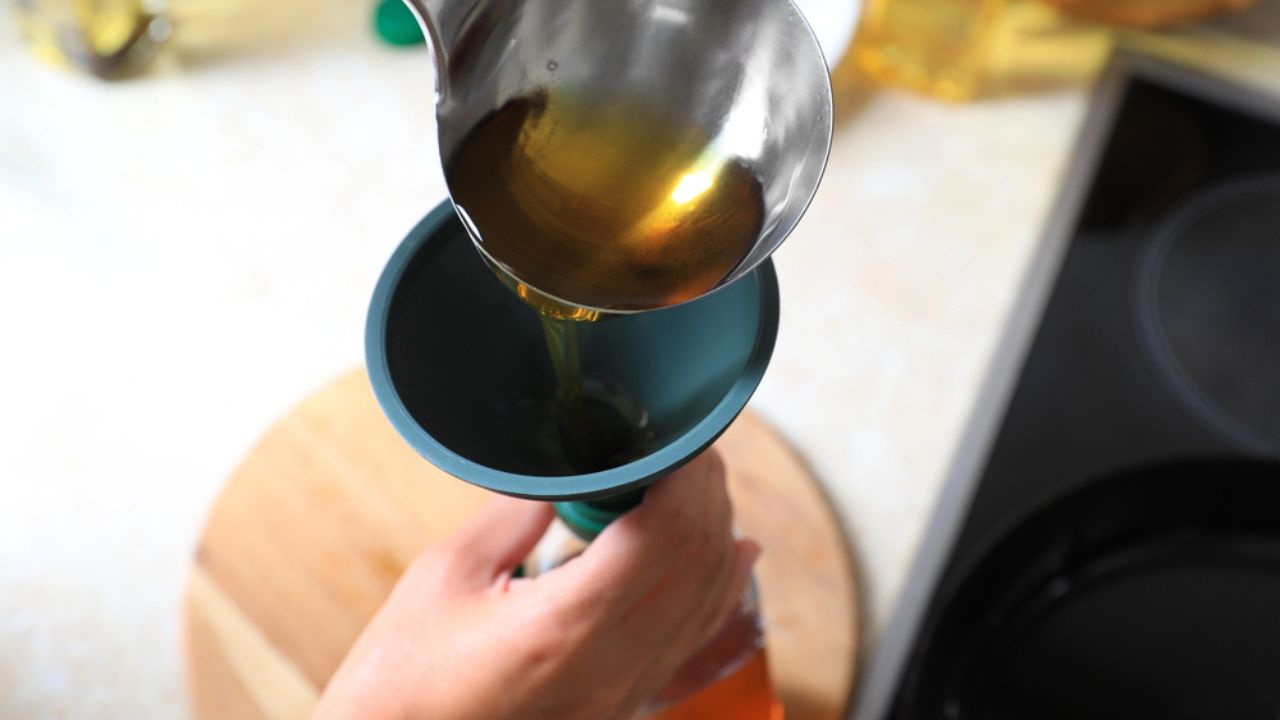
Image Credit: Deposit Photos.
Managing used cooking oil is one of those household tasks that makes a real difference and gives you a clean kitchen. Choosing a safe disposal method keeps plumbing clear and the local water system protected from clogs. It’s helpful for both your home and neighborhood.
Seen another way, setting up an “oil disposal station” can make this routine task smoother. Keep a dedicated, large-mouthed, sealable jug in your kitchen or garage for collecting used oil, along with a funnel. With this setup, taking care of cooled oil is fast and easy.