
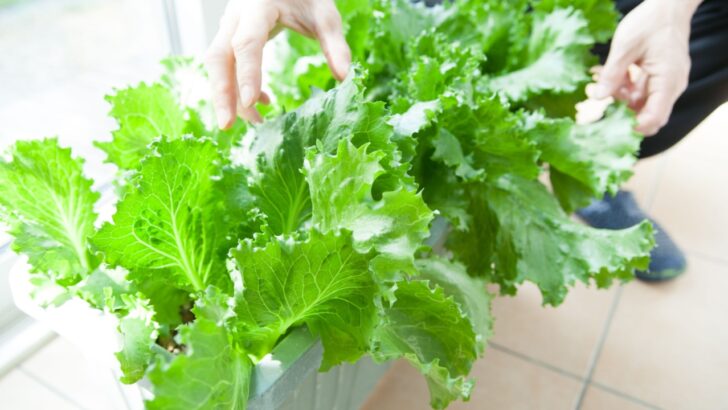
Indoor lettuce growing is quickly becoming a favorite for home gardeners who want crisp, pesticide-free greens without relying on outdoor space or perfect weather. Lettuce is one of the few crops that thrives indoors thanks to its shallow roots, fast growth cycle, and ability to grow well under artificial light.
Indoor-grown lettuce also offers consistency that outdoor gardens often can’t. Stable temperatures, predictable lighting, and reduced pest pressure help plants focus their energy on leaf production rather than survival. With the right varieties, a small indoor setup can turn unused counter space into a steady source of fresh, flavorful salads all year long.
1. Butterhead Lettuce
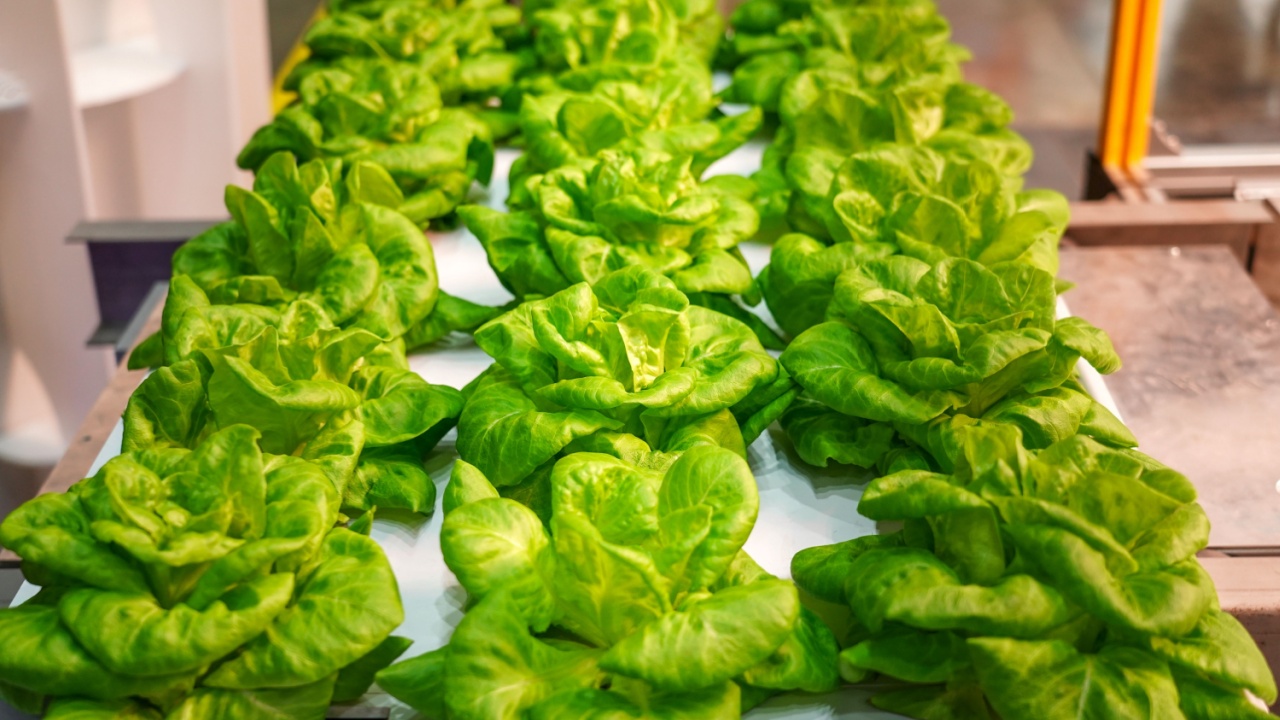
Image Credit: Shutterstock.
Butterhead lettuce is often the first success story for indoor gardeners. Its soft, round leaves grow in a loose rosette, making it perfect for small pots, windowsills, or countertop hydroponic systems. This lettuce doesn’t demand deep soil, which makes it incredibly forgiving indoors. As long as it gets steady moisture and at least 12 to 16 hours of moderate light (this might require a grow light in some winter months), it grows quickly and evenly.
Butterhead lettuce stays mild, slightly sweet, and never overpowering, which makes it ideal for salads, sandwiches, and wraps. Harvesting outer leaves instead of the whole plant also extends its lifespan, giving weeks of fresh greens from one plant.
2. Loose-Leaf Lettuce
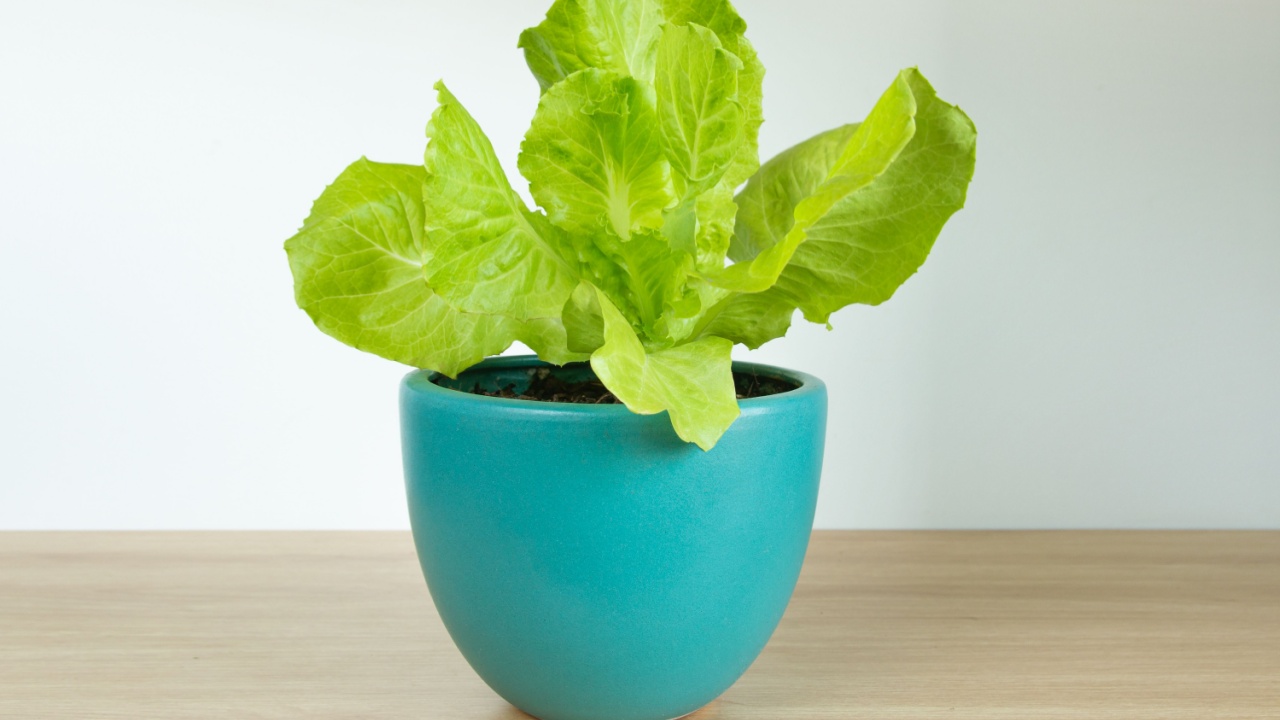
Image Credit: Shutterstock.
Loose-leaf lettuce is practically made for indoor growing. Unlike head-forming types, it grows outward instead of inward, so it doesn’t need much space or perfect conditions. This makes it one of the most reliable lettuces for beginners. Even if lighting or watering isn’t perfect, loose-leaf varieties usually keep growing.
Loose-leaf lettuce also offers visual appeal. Red varieties add color to indoor setups, while green varieties grow thick and lush. The leaves regrow quickly after harvesting, making them ideal for “cut-and-come-again” harvesting. This reduces waste and keeps plants productive longer.
3. Romaine Lettuce

Image Credit: Shutterstock.
Romaine lettuce is often thought of as an outdoor crop, but compact or baby romaine varieties do surprisingly well indoors. These smaller versions grow upright, saving space while still delivering crisp texture and bold flavor. Indoor conditions help control bitterness, which is common in outdoor romaine during warm weather.
Romaine does require light for 6 to 8 hours, but the payoff is worth it (plus, you won’t have to worry about this commonly contaminated crop). The crunch makes it perfect for hearty salads and wraps. Harvesting early, such as before full head formation, keeps leaves tender and avoids overcrowding indoors.
Your Indoor Garden’s Easiest Win
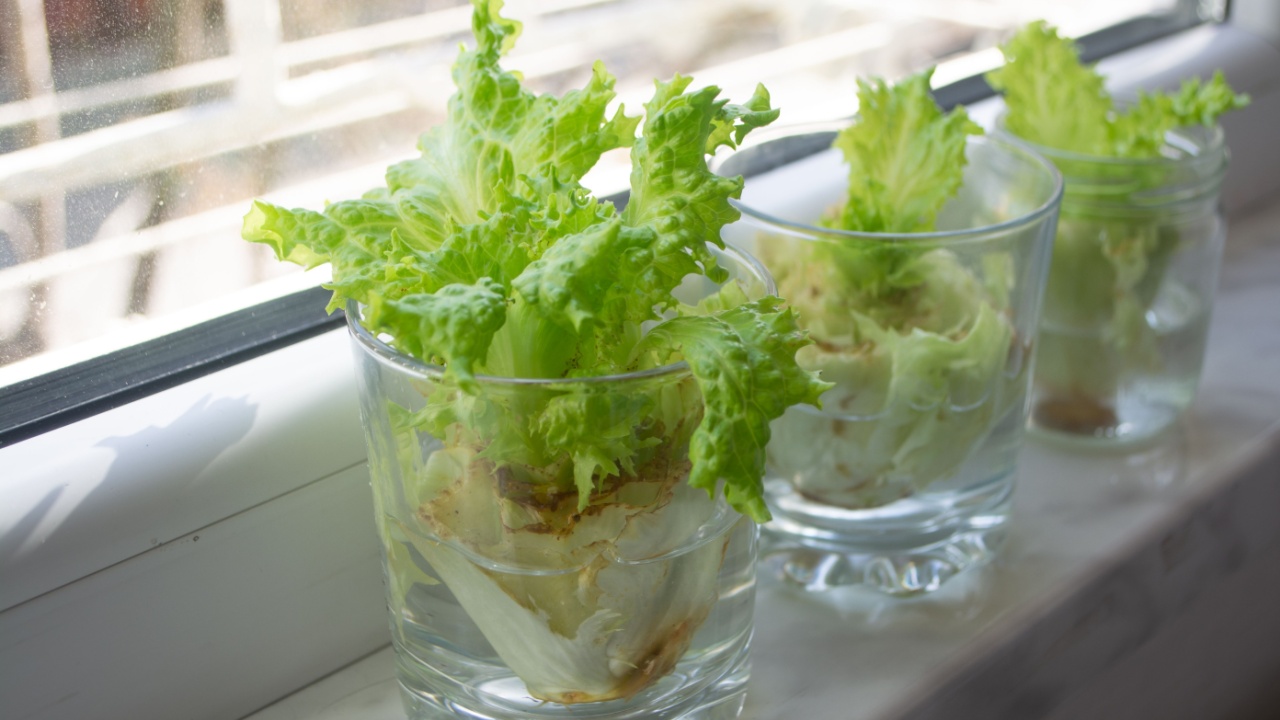
Image Credit: Shutterstock.
Indoor lettuce growing doesn’t require fancy equipment or expert skills—just the right varieties and a little consistency. Starting with butterhead, loose-leaf, or baby romaine sets up a strong foundation for year-round harvests right in the kitchen. Once confidence builds, experimenting with grow lights, hydroponic jars, or vertical shelves can take things even further.