
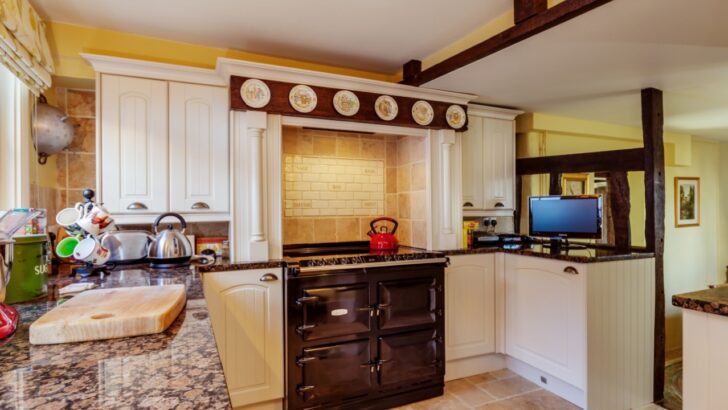
Styles from the 1980s have a reputation, and it is not always a good one. When you hear “80s design,” you might picture floral chintz on every available surface, an abundance of ruffles, and maybe even a questionable shade of dusty rose. But beyond the shoulder pads and big hair, the decade offered a softer, more enduring style: the country cottage look.
This approach to interiors celebrated comfort, practicality, and a connection to the past. Now, some of its most charming elements are returning, proving that good design never really fades away. These six trends from the 80s country cottage playbook are finding their way back into our hearts and homes.
1. Freestanding Kitchen Furniture
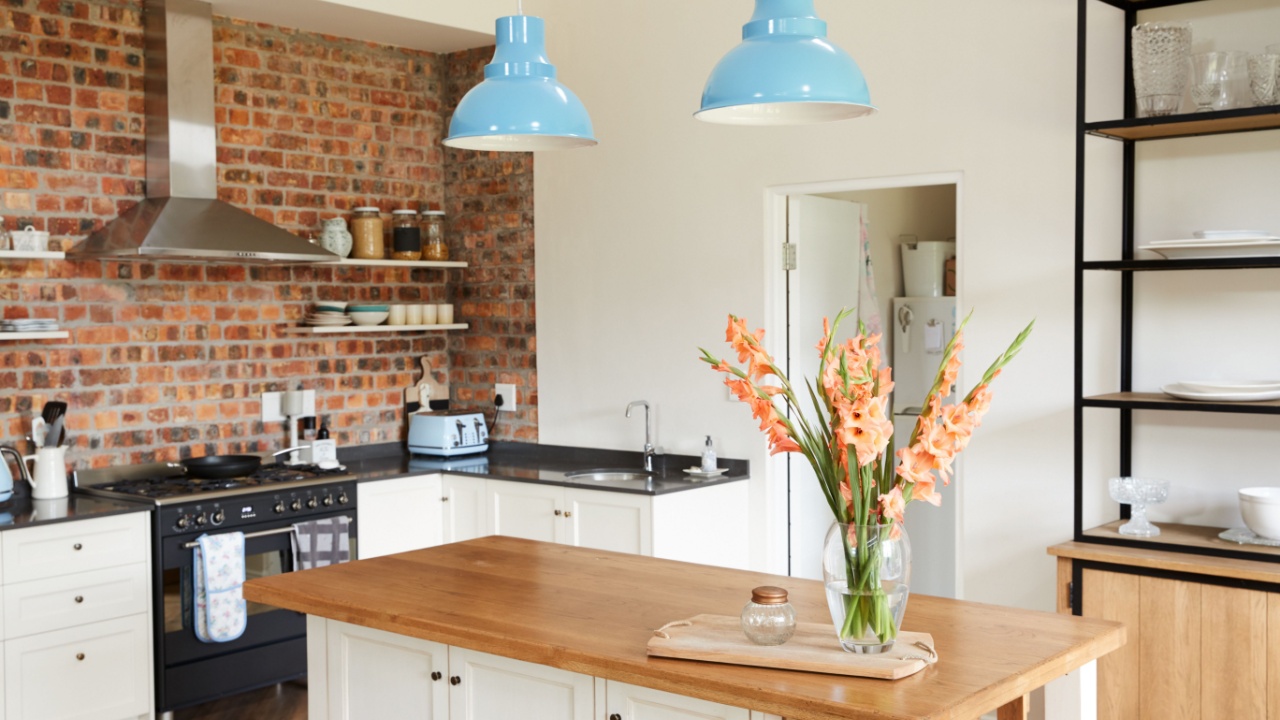
Image Credit: Shutterstock.
For decades, the standard kitchen involved wall-to-wall fitted cabinetry. This created a uniform, seamless appearance, but it could also feel a bit impersonal and restrictive. The 80s country cottage aesthetic embraced a more flexible approach with freestanding furniture. Pieces like worktables, butcher’s blocks, and standalone cabinets were used to create a layered, collected-over-time atmosphere.
A freestanding island can be moved to accommodate guests or repositioned for a better workflow. A vintage baker’s table adds instant history and a functional prep surface. This unfitted kitchen allows you to build your kitchen piece by piece, adapting it as your needs change. It breaks up the monotony of matching cabinets and makes the room feel less like a laboratory and more like the true heart of the home.
2. Kitchen Dressers and Display Cupboards
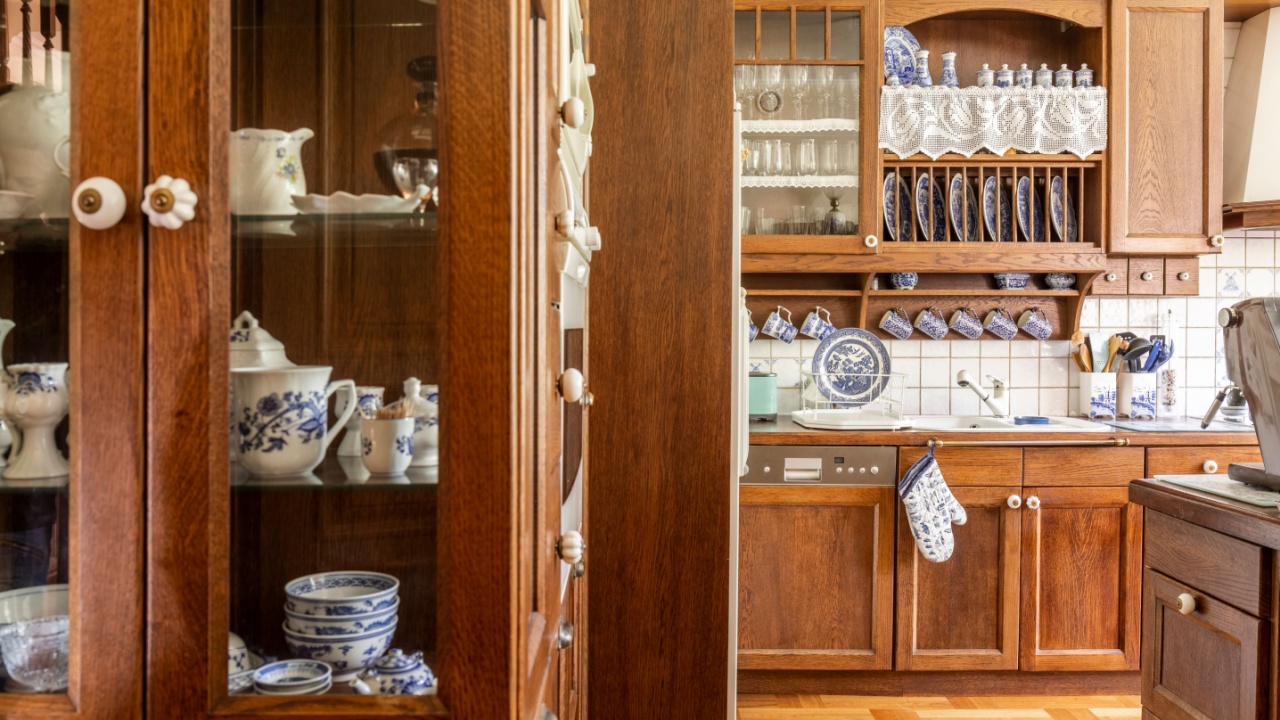
Image Credit: Shutterstock.
In the 80s cottage kitchen, the dresser was a centerpiece. Not the bedroom kind, but a large piece of furniture, often with a base of cupboards and drawers and an upper section of shelves or glass-fronted cabinets. These were used to store and display everyday dishes, glassware, and serving platters. It was a practical solution that also served as a decorative focal point.
Bringing a dresser or display cupboard into a modern kitchen is a brilliant way to add personality. It allows you to showcase your favorite ceramics or that set of glasses you inherited, turning functional items into part of the decor. A glass-front cabinet forces you to be organized, but it also protects your dishes from dust. This piece can introduce a different color or wood tone, adding depth and interest to your kitchen’s design scheme.
3. Walk-In Pantries and Larder Storage
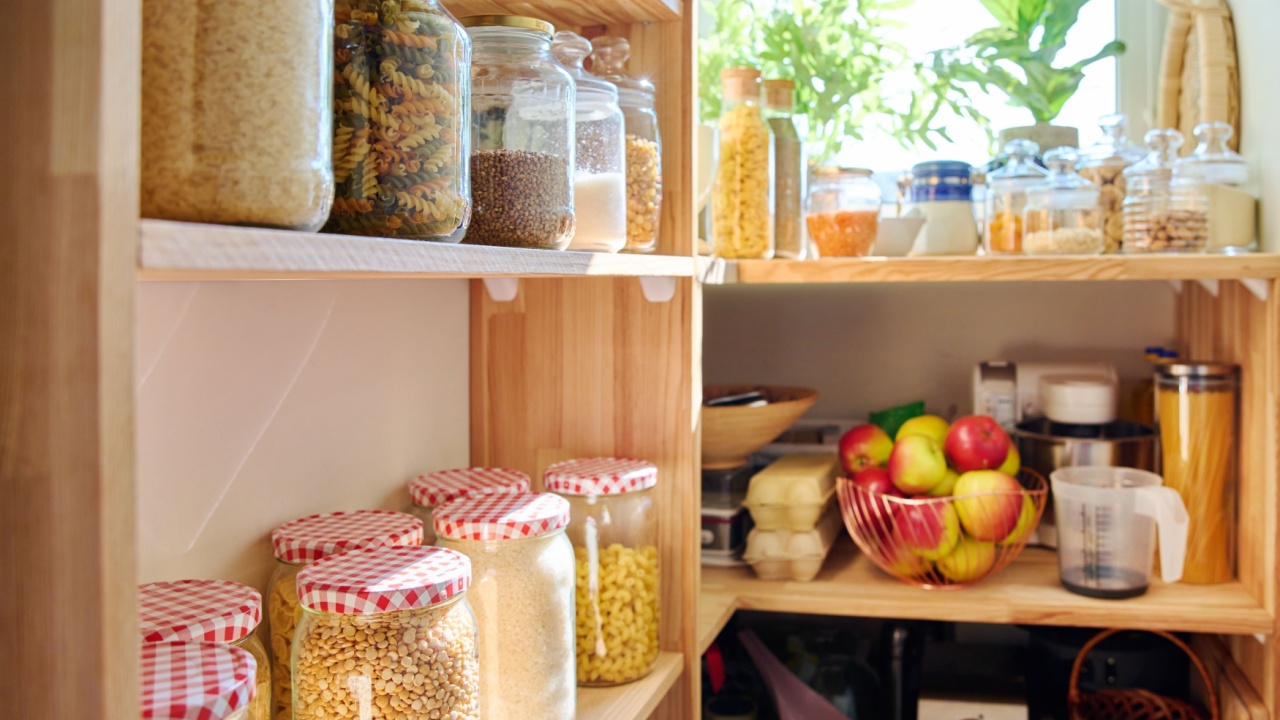
Image Credit: Shutterstock.
Before the era of cavernous refrigerators, the larder or walk-in pantry was an essential feature of any hardworking kitchen. These cool, dark spaces were used to store dry goods, preserves, root vegetables, and other staples. The 80s country revival celebrated these storage powerhouses, recognizing their superior function. A well-organized pantry is a thing of beauty and immense practicality.
The resurgence of the pantry is driven by a desire for better organization. It provides a central location for all your food supplies, freeing up valuable cabinet space for cookware and dishes. Having everything visible in one area helps reduce food waste, as you are less likely to forget that bag of lentils tucked in a back corner. Even if you do not have space for a full walk-in, a tall, standalone larder cabinet can replicate the function on a smaller scale, providing dedicated, accessible food storage.
4. Open Shelving Instead of Wall Cabinets

Image Credit: Shutterstock.
Wall-to-wall upper cabinets can make a kitchen feel top-heavy and enclosed. The cottage style of the 80s often did away with them in favor of simple open shelving. This lightened the look of the room, creating a more airy and informal feeling. Shelves were used for frequently reached-for items like mugs, bowls, and spices, keeping them within easy arm’s reach.
This trend is popular again for good reason. Open shelves can make a small kitchen feel larger and brighter. They provide an opportunity to display beautiful pottery, cookbooks, or small plants, adding a dose of personality that is often missing from purely functional cabinetry. The key to making it work is curation. You do not have to display everything you own. Reserve the shelves for your most attractive and frequently used items to maintain a sense of order and prevent a cluttered look.
5. Butler and Belfast Sinks
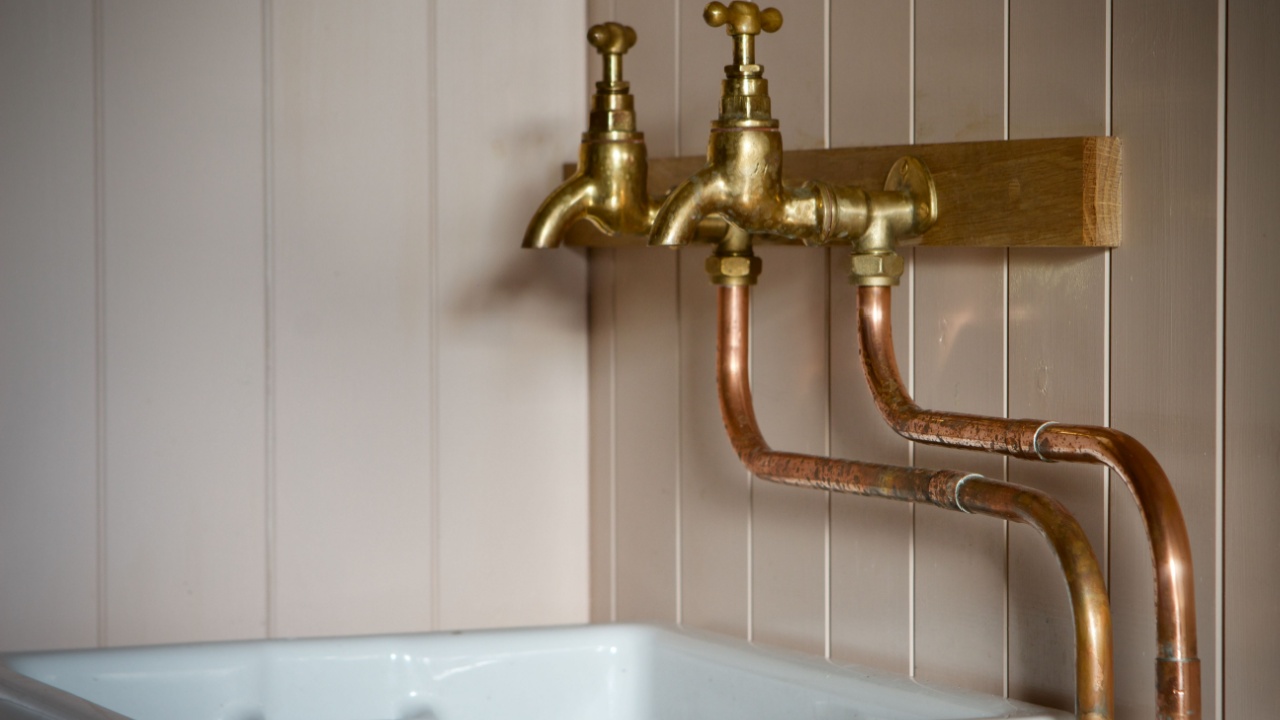
Image Credit: Shutterstock.
A deep, durable ceramic sink is a hallmark of the country kitchen. Known as Butler or Belfast sinks, these single-basin behemoths were designed for serious work. Their generous depth makes them ideal for washing large pots, prepping vegetables, or even bathing a small dog. During the 80s, they were a must-have for anyone trying to capture that authentic farmhouse feel.
Today, it’s one of the vintage things people love to see in their kitchens; their appeal is just as strong. Sinks have mainly been stainless steel; a ceramic sink offers a softer, more classic look. Its solid presence acts as an anchor in the kitchen’s design. The single, deep bowl is incredibly practical, easily containing splashes and accommodating bulky items that would be awkward to wash in a divided sink. It is a timeless feature that combines rustic charm with undeniable utility.
6. Range Cookers as the Main Focal Point
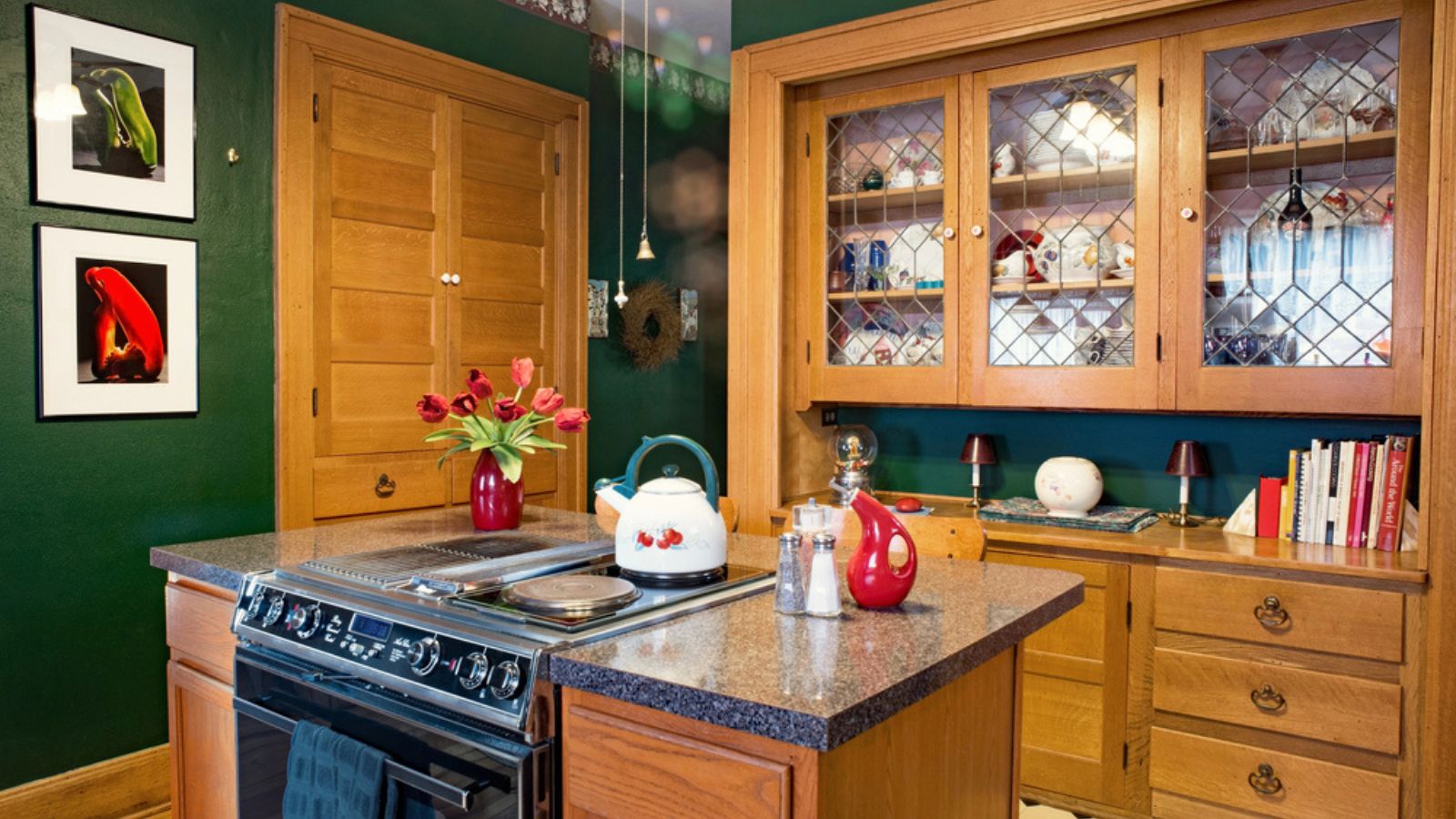
Image Credit: Deposit Photos.
The range cooker is the king of the cottage kitchen. These large, often colorful appliances combine ovens, a stovetop, and sometimes even warming drawers into one commanding unit. In the 80s, a classic cream or green range was a significant style statement, immediately signaling a warm, welcoming, food-focused home.
Their comeback is tied to a renewed appreciation for cooking and gathering. A range cooker is more than just an appliance; it is a destination. It becomes the natural focal point of the room, a place where family and friends gravitate. Modern versions offer all the latest cooking technology, but they retain that classic, robust look that suggests good food and great company. Placing one in your kitchen makes a clear statement that this is a room for cooking, eating, and enjoying life.
Give Your Space That Cottage Character
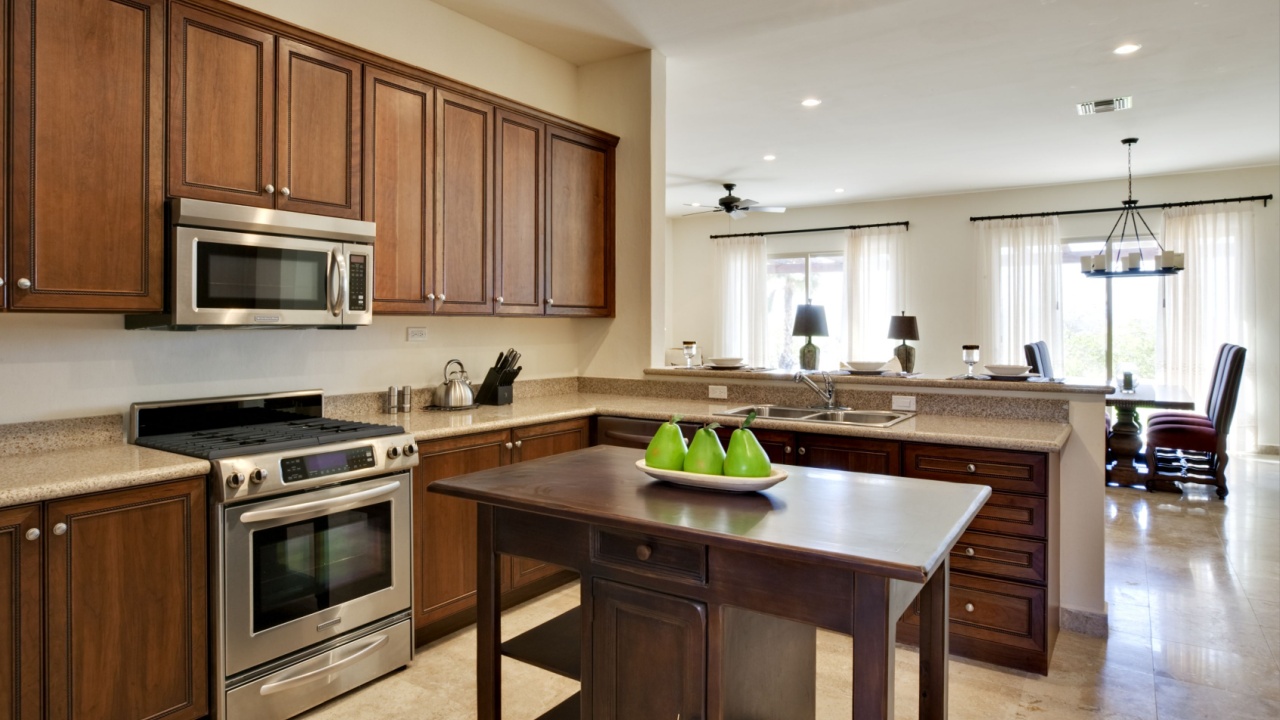
Image Credit: Shutterstock.
Bringing these 1980s cottage ideas into your space isn’t throwing a time-travel party for your cupboards. Mix and match pieces until your kitchen works for you. That freestanding dresser might be perfect for storing mixing bowls, or maybe those open shelves are just waiting to hold your grandma’s mugs (chips and all). Tuck away the chaos with a walk-in pantry, then go ahead, let that chunky range cooker steal the attention.