
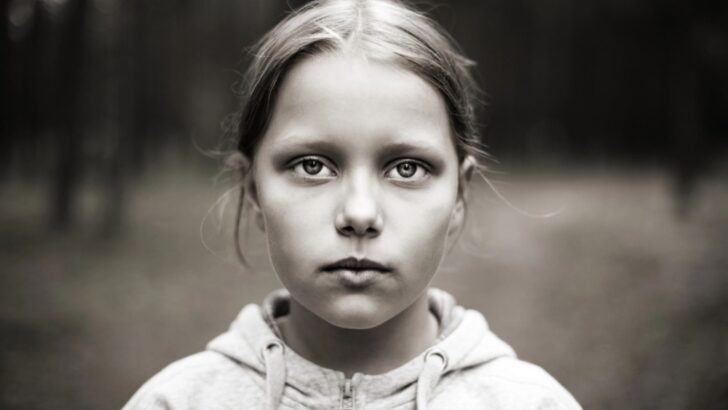
Have you ever considered the lasting effects of childhood trauma and how they extend into adulthood? How we are raised profoundly impacts how we see and interact with the world well into our later years. Neglect and other traumatic events can deeply influence adult behavior and lifestyle, in some ways that are more noticeable than others.
If you were a victim of childhood trauma (even if you don’t think it was ‘big’ enough to impact you) or know someone who was, the trauma often follows you into adulthood, manifesting in particular behaviors. Given your upbringing, you may not realize the cause of these behaviors until you take the time to reflect and process your childhood more thoroughly.
Ultimately, the repercussions of early-life wounds can be profound and long-lasting. Telltale signs reflect this sad reality that can be spotted in adults everywhere.
In reality, neglect and trauma can lead to signs from both ends of the spectrum (as you’ll see below). These behaviors can also occur in people who were raised in a loving home, but are just more likely in a less loving home. Always seek professional help if you are concerned about your mental health.
1. Perpetual Guilt

Image Credit: Deposit Photos.
One of the prominent signs of childhood neglect is the persistent feeling of being in trouble, even when there’s no apparent reason for it. Adults report continuing to feel this way even though there is no reason to.
For some people, they must constantly remind themselves that they are not on the verge of being punished- even when they’re living on their own and in charge of their own choices.
2. Unseen and Unheard

Image Credit: Deposit Photos.
Some kids are conditioned to feel that their actions and presence don’t matter. As an adult, this can lead to “flakiness.” They don’t realize that not showing up for a meetup, lack of response, or showing up late affects others because they learned early on that their presence isn’t meaningful.
3. Hyper Independence

Image Credit: Deposit Photos.
Childhood neglect victims are often afraid to ask for help or rely on others. This can lead to a strong, resilient personality, where an individual feels responsible for “doing it all.
They didn’t have anyone to trust and count on in their childhood, so they know how to take care of themselves efficiently.
4. Talking Fast

Image Credit: Deposit Photos.
Children who aren’t used to having a voice or only have short moments to speak may become speed talkers as adults. They may have found themselves trying to rapidly explain something to avoid getting in bigger trouble, or they were simply ignored most of the time. Feeling seen and heard in adulthood can help them heal.
5. Unnecessary and Excessive Apologizing

Image Credit: Deposit Photos.
Some adults apologize for everything, even when playing games or if the issue clearly isn’t their fault. An excessive feeling of guilt might stem from the way they were raised, always being blamed for everything.
6. Emotional Disconnection

Image Credit: Deposit Photos.
Some adults may have a hard time remembering their past or connecting with their family members- particularly their neglectful parents. This was a defense mechanism for them to feel some semblance of normalcy that they carried with them to adulthood.
7. People Pleasing

Image Credit: Deposit Photos.
Constant worry about whether someone is mad or going to leave alludes to a troublesome childhood. Feeling the need to make others happy, even at the expense of their own happiness, is often a learned habit from a rough childhood.
8. Hoarding

Image Credit: Deposit Photos.
Fear that someone will take your possessions is a sign of childhood neglect. This may be even more evident in adulthood when they have more control over their belongings, causing them to be extra protective and have trouble letting go of even the most mundane objects.
9. Trying to Be Invisible

Image Credit: Deposit Photos.
Some kids learn to be invisible due to a lack of attention or wanting to avoid conflict. These individuals, as adults, may feel very uncomfortable whenever attention is given to them.
10. Extreme Defensiveness
Image Credit: Deposit Photos.
Parents who gaslight their kids, making them question everything they know constantly, can lead to a defensive personality. Kids being told that their own experiences and beliefs weren’t true definitely plays a role in this development.
11. Seeking Validation

Image Credit: Deposit Photos.
Kids who didn’t get much encouragement from their parents may develop into adults who need constant reassurance. For example, they may need constant affirmations for a job well done, or they will assume it was done wrong.
12. Compulsive Lying

Image Credit: Deposit Photos.
Lying can become a safety mechanism for kids in broken homes. This helped protect their personal inner truth and kept them from feeling invalidated for what they believed. Adults struggling with lying may have experienced this in their own childhood.
13. Food Anxiety

Image Credit: Deposit Photos.
Anxiety over having enough food due to scarcity as a child is commonly carried into adulthood. This can also lead to many issues around food waste or not finishing one’s plate (for themselves and their own kids).
14. Difficulty Maintaining Relationships

Image Credit: Deposit Photos.
Poor role models at home have adults confused about how to maintain meaningful relationships in their lives. Being vulnerable and putting the work (and trusting others) in for a thriving relationship may be difficult for this reason.
15. Looking for an Exit

Image Credit: Deposit Photos.
Adults from troubled pasts often have a hard time dealing with conflict and will try to avoid it at all costs by exiting the situation as hastily as possible, rather than being uncomfortable and addressing underlying issues.
If an adult has trouble keeping friends, lovers, jobs, and beyond, there might be some underlying trauma from childhood that needs to be worked through.
16. Not Trusting Gifts

Image Credit: Deposit Photos.
Feeling guilty when someone gives a gift or wondering if it’ll be held over their head as a debt later is a trauma many kids face from narcissistic and/or abusive parents. They have learned that gifts come with a price tag they might not be willing to pay.
17. Feeling More Comfortable Alone

Image Credit: Deposit Photos.
The presence of other people around can cause major anxiety for some. They’d rather be alone or with animals because of their childhood experiences.
18. Unable to Invest Too Much Into Friendships

Image Credit: Deposit Photos.
Many people share they’ve had many “best friends” over the years and are always surprised when someone calls them a friend because they have difficulty trusting or maintaining their friendships. This stems from a childhood where relationships were not highly valued.