
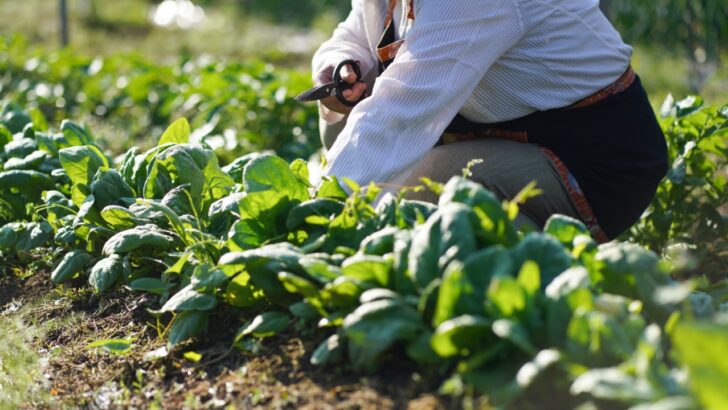
After a cozy night by the fireplace, most people scoop out the ash and toss it without a second thought. But did you know that soft gray powder is packed with minerals that can quietly improve your garden soil? Wood ash contains calcium carbonate, potassium, magnesium, phosphorus, and trace elements that plants need for growth and resilience.
What makes fireplace ash especially useful is its ability to change soil conditions, not just feed plants. Many garden soils slowly become acidic over time due to rainfall and fertilizer use. Wood ash can correct this imbalance, making nutrients more available to plant roots. However, ash isn’t for every plant. Used incorrectly, it can cause more harm than good. The plants below are ones that truly benefit when ash is applied thoughtfully and sparingly.
1. Tomatoes
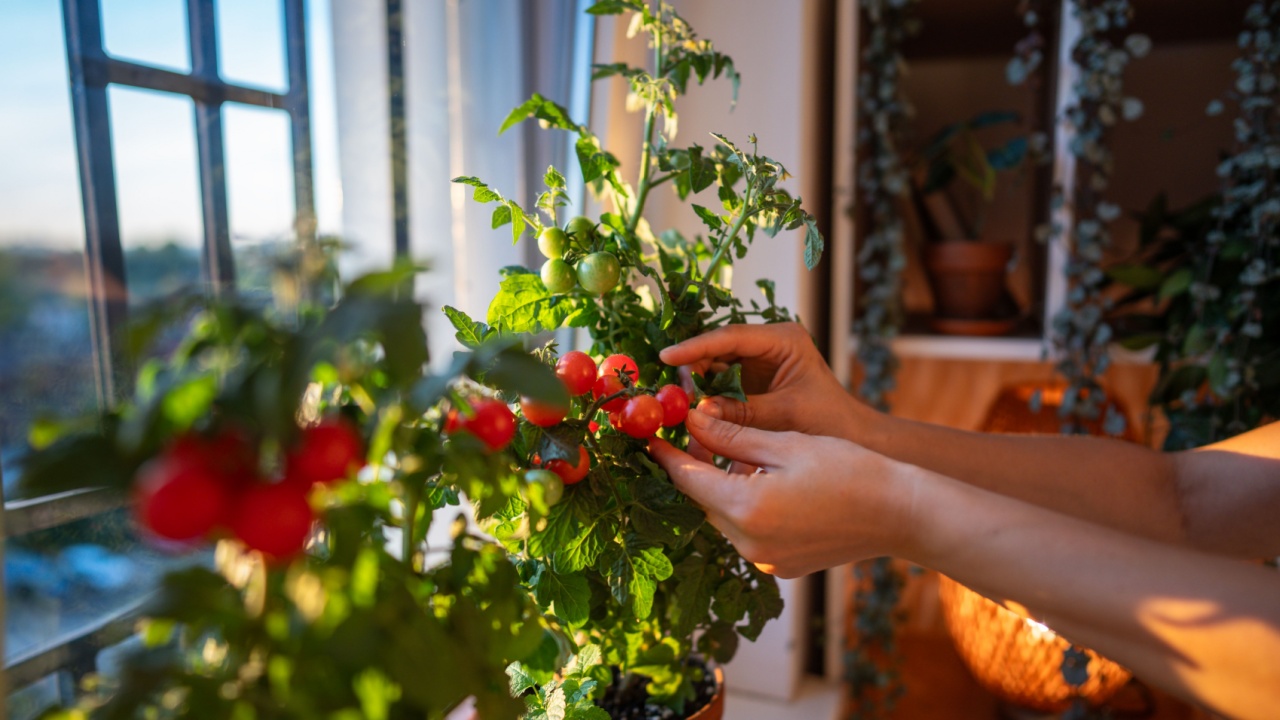
Image Credit: Shutterstock.
Tomatoes are heavy feeders that rely on potassium and calcium to develop strong vines and high-quality fruit. Wood ash supplies both nutrients in a slow, natural form. Potassium improves sugar movement within the plant, which directly affects flavor, while calcium strengthens cell walls and reduces problems like blossom-end rot.
Another advantage of ash for tomatoes is its ability to slightly raise soil pH. Tomatoes prefer soil that is close to neutral, and acidic soil can limit calcium uptake even when calcium is present. By correcting soil acidity, ash helps tomatoes access nutrients already in the ground rather than forcing growers to add more fertilizer.
2. Peppers

Image Credit: Shutterstock.
Peppers benefit from wood ash in a different way than tomatoes. While they also need potassium for fruit production, peppers use potassium to regulate water balance within the plant. This helps them tolerate heat stress and prevents flower drop during warm weather
Ash also supports steady fruit development by strengthening root systems through added calcium. Unlike fast-growing leafy crops, peppers respond best to gradual soil improvement, which makes ash a good long-term amendment rather than a quick fix.
3. Onions and Garlic
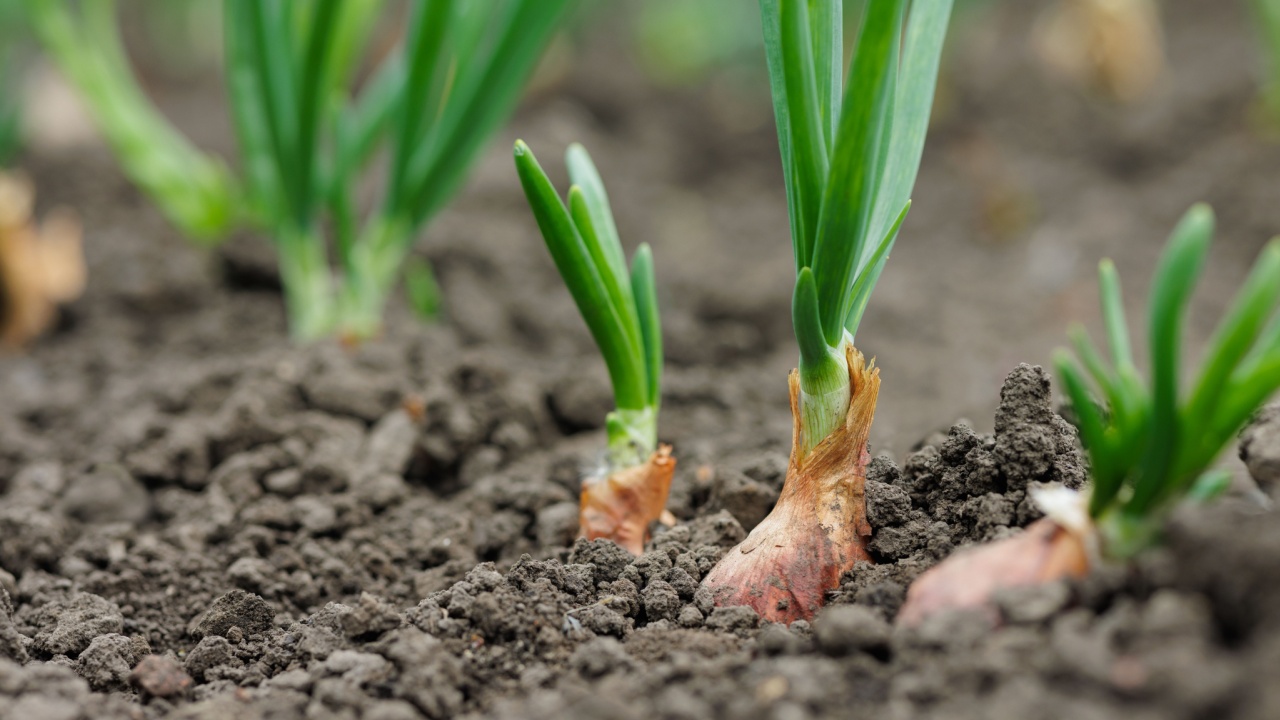
Image Credit: Shutterstock.
Onions and garlic store nutrients in their bulbs, making potassium especially important. Wood ash helps increase bulb size and improves the formation of strong outer skins, which protect bulbs during curing and storage.
Another benefit is calcium, which strengthens cell structure and reduces soft or misshapen bulbs. Since alliums prefer soil that is slightly neutral, ash works best in gardens where soil tends to be acidic from repeated compost use.
4. Brassicas (Broccoli, Cabbage, Cauliflower)

Image Credit: Shutterstock.
Brassicas are known for their high calcium demand, which supports leaf structure and prevents internal disorders like hollow stems. Wood ash provides calcium in a form that becomes available as soil pH rises.
Research also shows that neutral soil conditions reduce the severity of clubroot, a common disease in cabbage-family crops. By adjusting soil pH, ash helps create an environment where brassicas grow more consistently.
5. Spinach

Image Credit: Deposit Photos.
Spinach grows quickly and relies on magnesium and potassium to produce lush, green leaves. Wood ash supplies both, supporting chlorophyll production and overall vigor.
Because spinach matures fast, timing matters. Ash works best when added before planting, allowing nutrients to settle into the soil. Too much ash, however, can interfere with nitrogen uptake, which spinach also needs for leaf growth.
6. Carrots
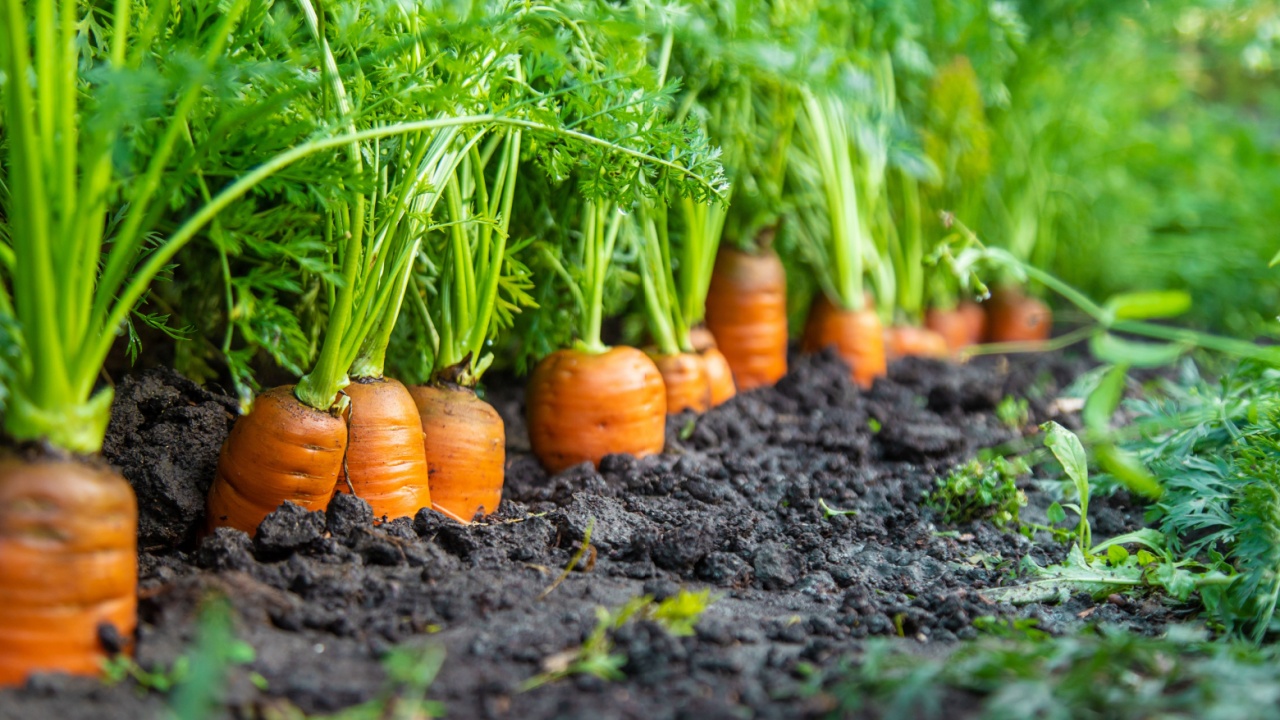
Image Credit: Shutterstock.
Carrots respond well to calcium, which strengthens root cells and reduces splitting. Potassium also improves sugar accumulation, making carrots sweeter and more flavorful.
Ash is especially helpful in heavy or acidic soils where root development is uneven. When mixed deeply into loose soil, ash improves nutrient balance without overstimulating leafy growth. Mix ash evenly into the soil before sowing seeds.
7. Asparagus
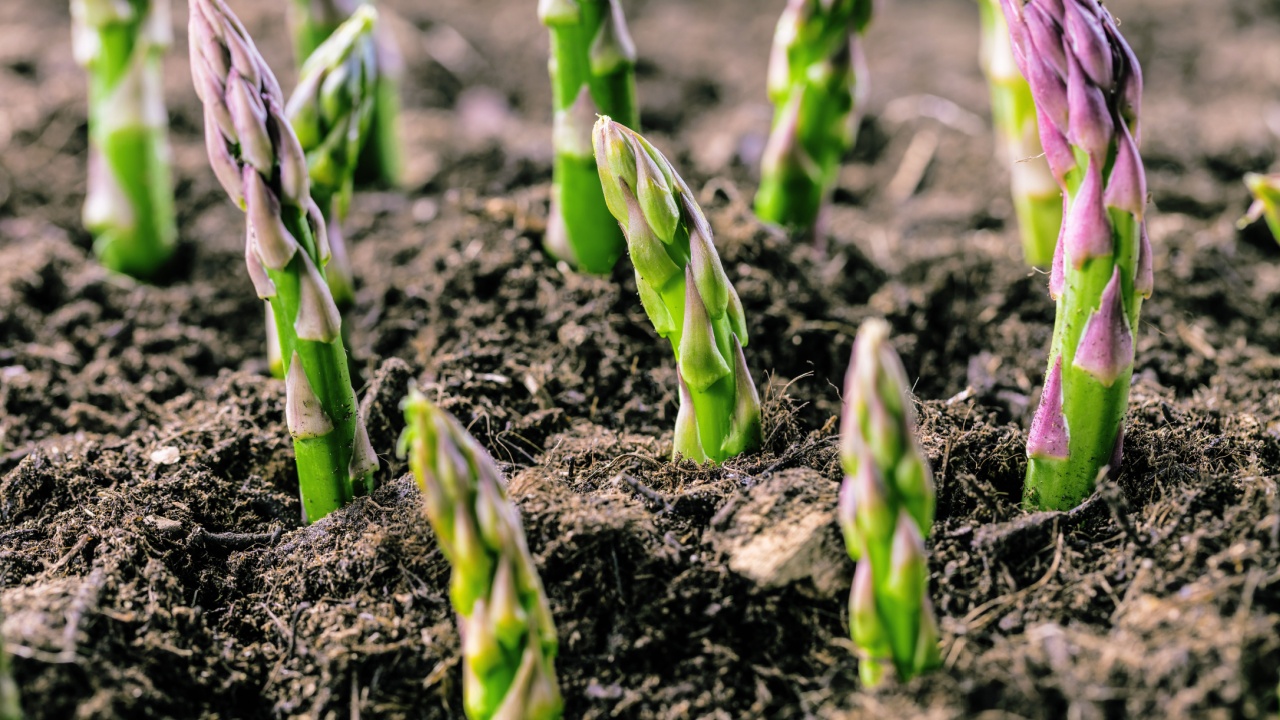
Image Credit: Shutterstock.
Asparagus is a long-lived perennial that slowly drains minerals from the soil over many years. Wood ash helps replenish potassium and calcium without promoting excessive top growth.
Because asparagus beds remain in place for decades, soil pH tends to drop over time. Ash restores balance gradually, supporting spear strength and long-term productivity. Apply ash during dormancy in fall or early spring.
8. Apple Trees
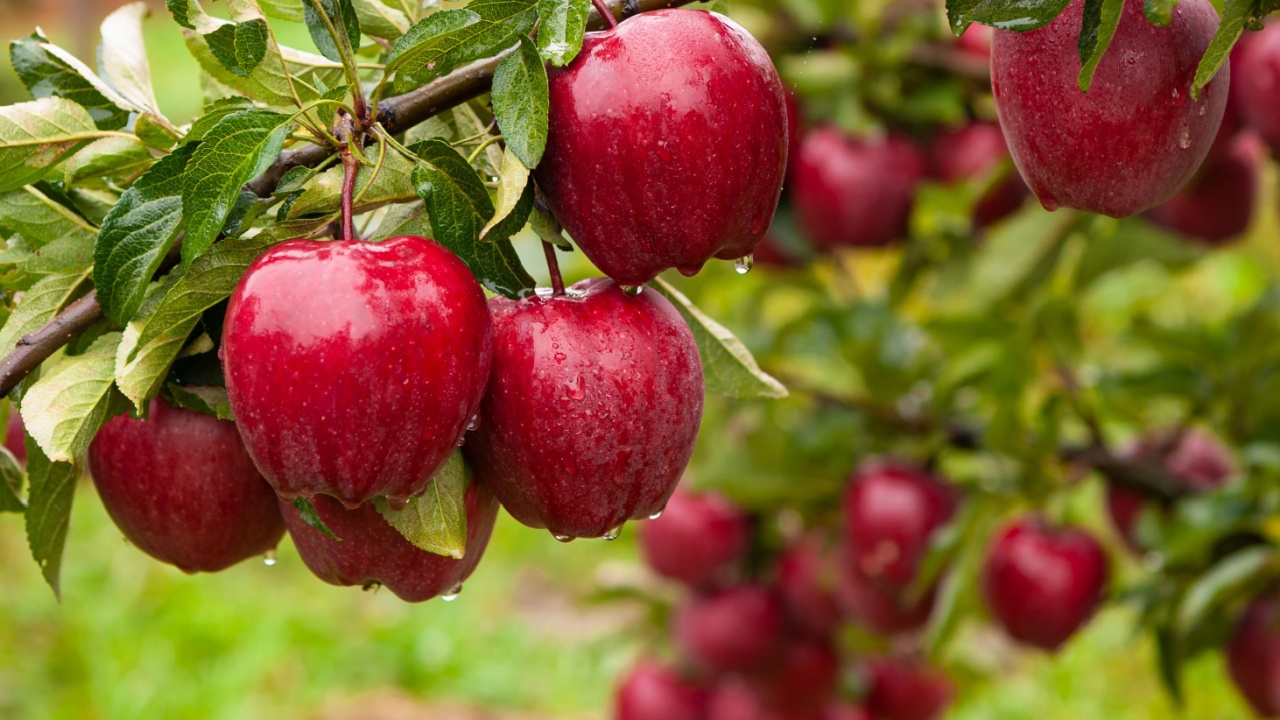
Image Credit: Shutterstock.
Apple trees require potassium for fruit size and sugar development. Wood ash improves these traits while calcium reduces bitter pit, a storage disorder common in apples.
Ash also improves soil conditions under the tree canopy, where feeder roots absorb nutrients. When soil acidity is corrected, trees make better use of existing fertilizers. Spread ash around the drip line, not near the trunk. Apply in late winter or early spring before growth begins.
9. Stone Fruit Trees (Plum, Cherry, Pear)
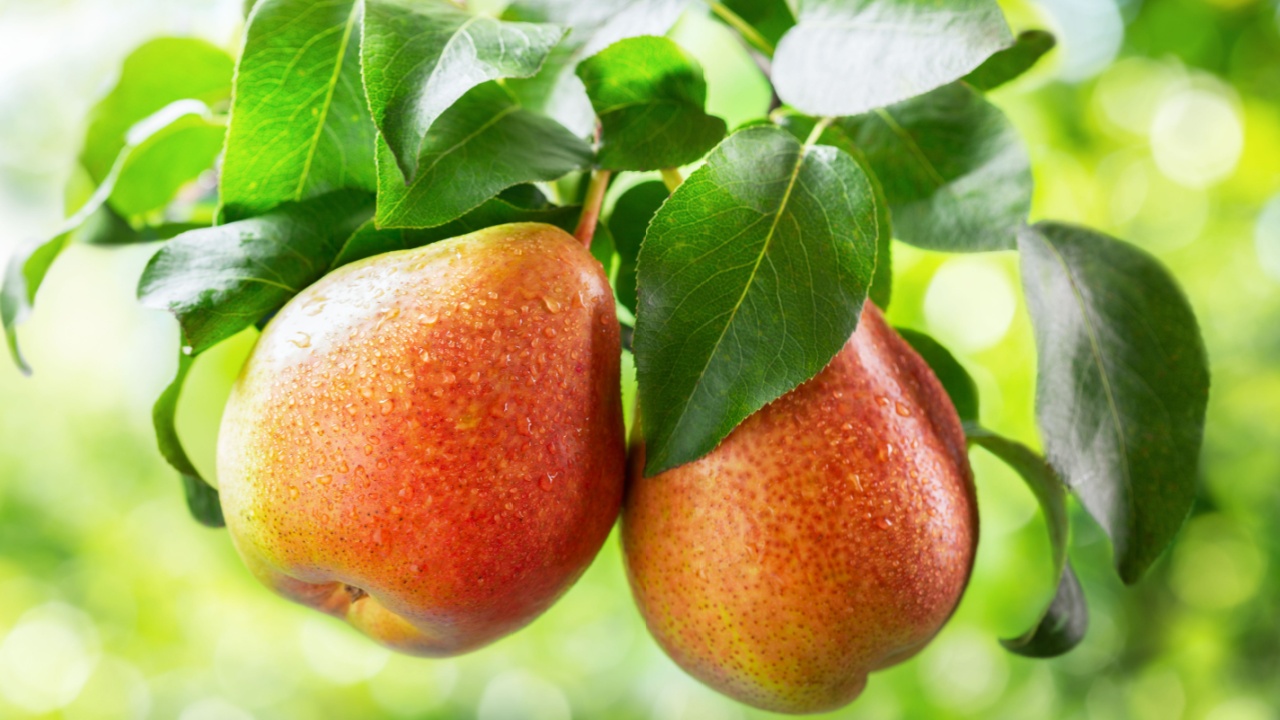
Image Credit: Shutterstock.
Stone fruits thrive in neutral soil and depend heavily on potassium during flowering and fruit set. Wood ash helps stabilize soil chemistry and supports consistent bloom development.
Calcium from ash strengthens fruit skins, reducing cracking and improving shelf life. Overuse, however, can lead to nutrient imbalances, making moderation essential. Apply ash before bud break and avoid using it every year. Soil testing every two to three years is recommended.
10. Roses

Image Credit: Deposit Photos.
Roses use potassium to produce large, vibrant blooms and calcium to build strong stems. Wood ash supplies both while also reducing soil acidity that limits nutrient uptake.
Healthy soil structure also improves disease resistance, making roses less prone to fungal problems when ash is used responsibly. Incorporate ash into soil before spring growth begins. Always water after application and avoid combining ash with acidic fertilizers.
11. Lilacs

Image Credit: Shutterstock.
Lilacs naturally prefer slightly alkaline soil, making them ideal candidates for wood ash. Higher pH improves nutrient availability and encourages consistent flowering.
Many poorly blooming lilacs struggle due to soil that has slowly turned acidic over time. Ash helps restore the conditions lilacs evolved in. Apply ash in early spring or fall. Avoid repeated annual applications and test soil pH periodically.
12. Lavender
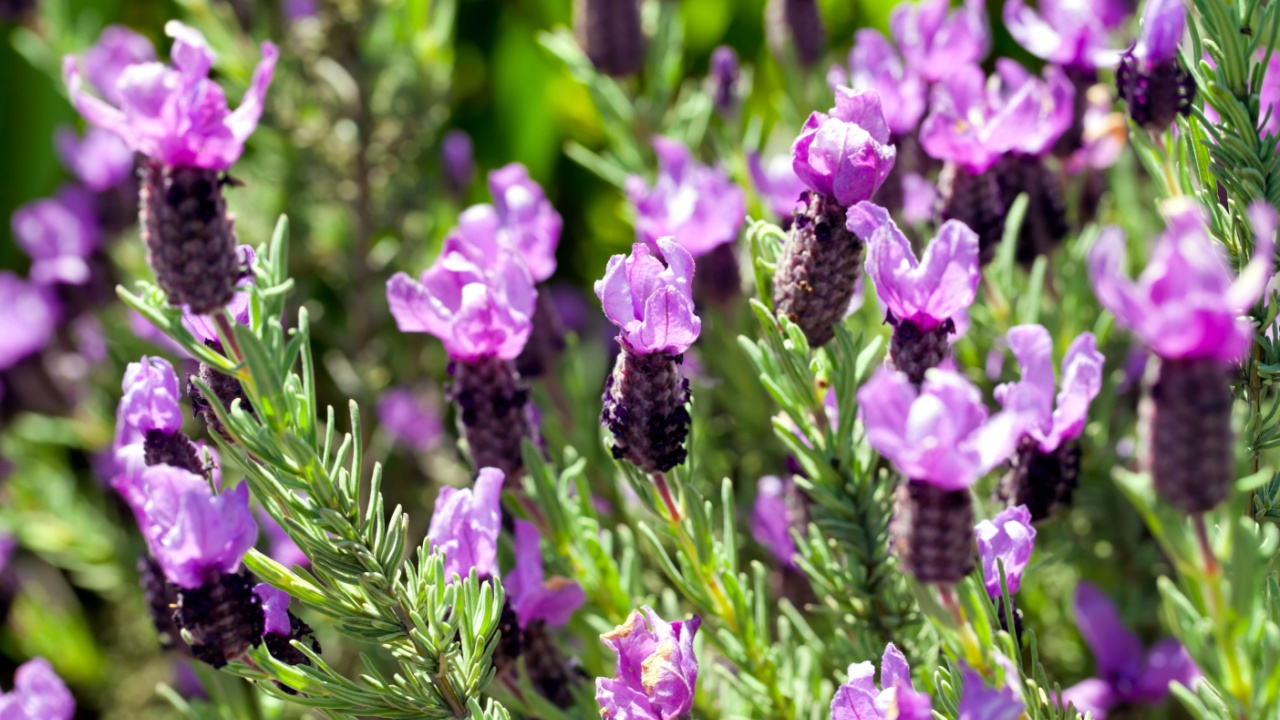
Image Credit: Shutterstock.
Lavender originates from rocky, alkaline soils and performs poorly in rich, acidic environments. Wood ash mimics its natural growing conditions by raising pH and supplying minerals.
Ash also improves drainage in clay soils by encouraging soil particles to clump, reducing water retention around roots. Mix ash into the soil before planting. Use sparingly, especially in containers, and avoid heavy compost use.
Turning Winter Ash into Garden Gold

Image Credit: Shutterstock.
Fireplace ash is not a fertilizer replacement, but it’s a soil adjustment tool. The smartest next step is to test your soil, identify acidity issues, and match ash use to plants that actually benefit. Apply lightly, store ash dry, and avoid acid-loving plants.
With careful use, yesterday’s fire becomes tomorrow’s growth, closing the loop between home and garden in one of the most natural ways possible.