
Before yard work came with YouTube tutorials and product warnings longer than a bedtime story, we did what everyone else on the block did. We took notes from the neighbor, the back of the bottle, or just “how Grandpa always did it.”
The yard was both a playground and a testing ground. If something grew, we kept doing it. If it didn’t, we kept doing it with more fertilizer. Looking back, a lot of it was questionable. Some of it was downright horrifying. And most of it would get you side-eyed at the garden center today. We hurt the environment quite a bit, and we’re sorry, Mother Earth.
In our defence, we didn’t know any better. The goal was simple: keep the lawn green and the pests gone, and maybe grow a tomato or two before the squirrels got it. These yard habits seemed perfectly fine at the time, but now make us pause, squint, and think, “Did we really do that?”
1. Sprayed DDT: A Lot

Image Credit: Shutterstock.
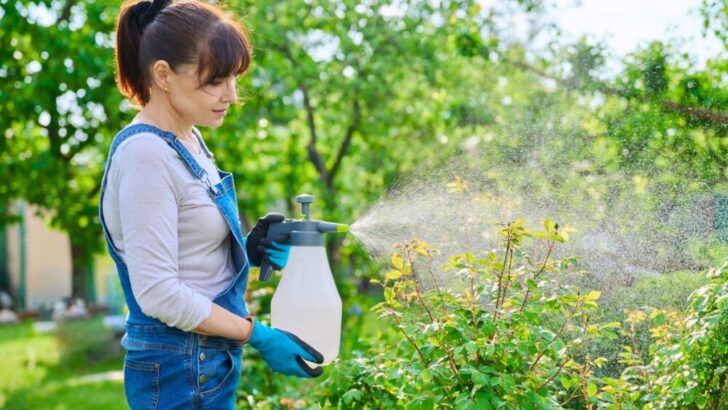
If you had bugs, you reached for DDT. It was the go-to fix for aphids, mites, flies, and pretty much anything that crawled. And it wasn’t just used sparingly. It was sprayed like whipped cream on every plant someone owned right before the family barbecue or while kids played ten feet away. It didn’t matter if you were growing vegetables or petunias. If it moved, DDT stopped it.
No one questioned what it did to the soil, birds, or our lungs. It worked, and that was enough. The warning labels came much later, after it had already been linked to cancer, reproductive issues, and environmental damage. Now it’s banned in most countries, but the yard still tells the story. Especially the spots where nothing’s grown quite right since 1972 (the year it as banned in the U.S.).
2. Burned Leaves Without a Mask, a Permit, or a Clue
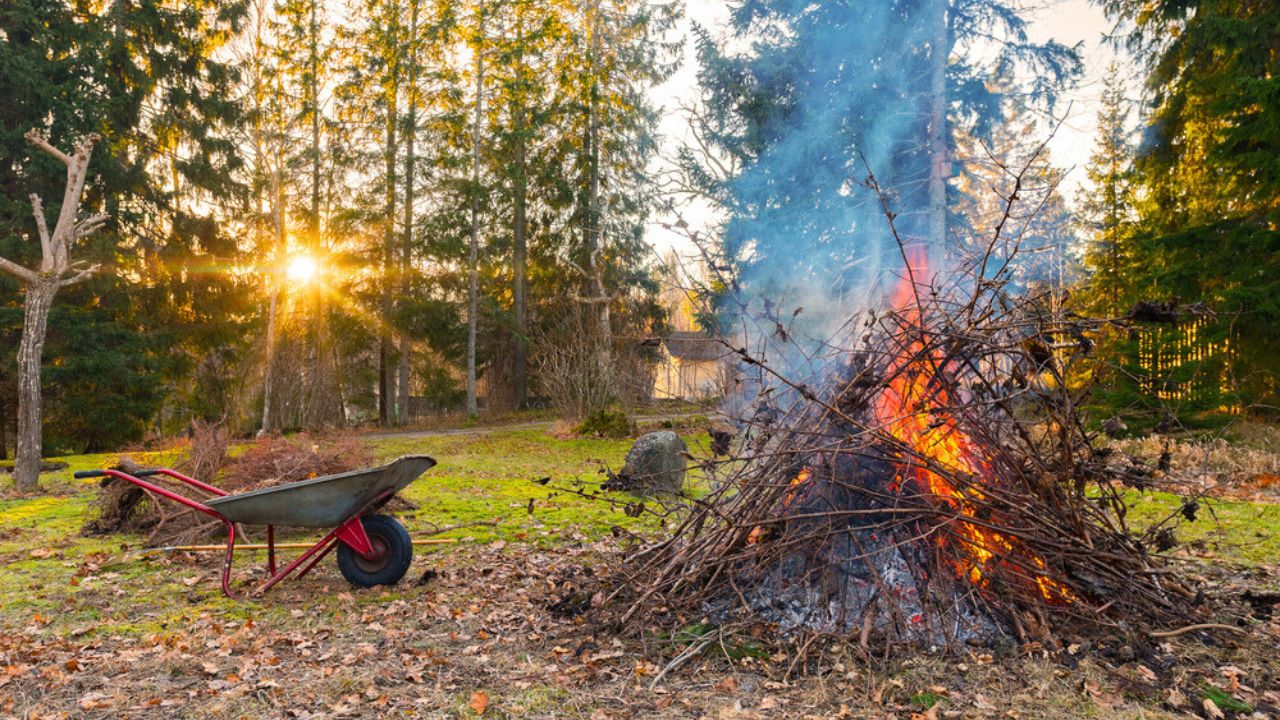
Image Credit: Shutterstock.
Back in the day (think 50s, 60s to as recent as the early 2000s), fall clean-up meant raking everything into a big pile and lighting it on fire. Masks were an alien thought, and there was concern about what was in the smoke. Kids stood close enough to roast marshmallows. Pets wandered through the smoke cloud. And every neighbor did the same thing, so it wasn’t even weird.
We didn’t know those piles released fine particulate matter, mold spores, and sometimes toxic fumes, especially if someone had tossed in painted wood or plastic. We just liked the smell. And the fire. And the weird crunching sound they made when they burned. Now, most places ban open burning without a permit, and for good reason.
3. Used Old Tires as Garden Beds
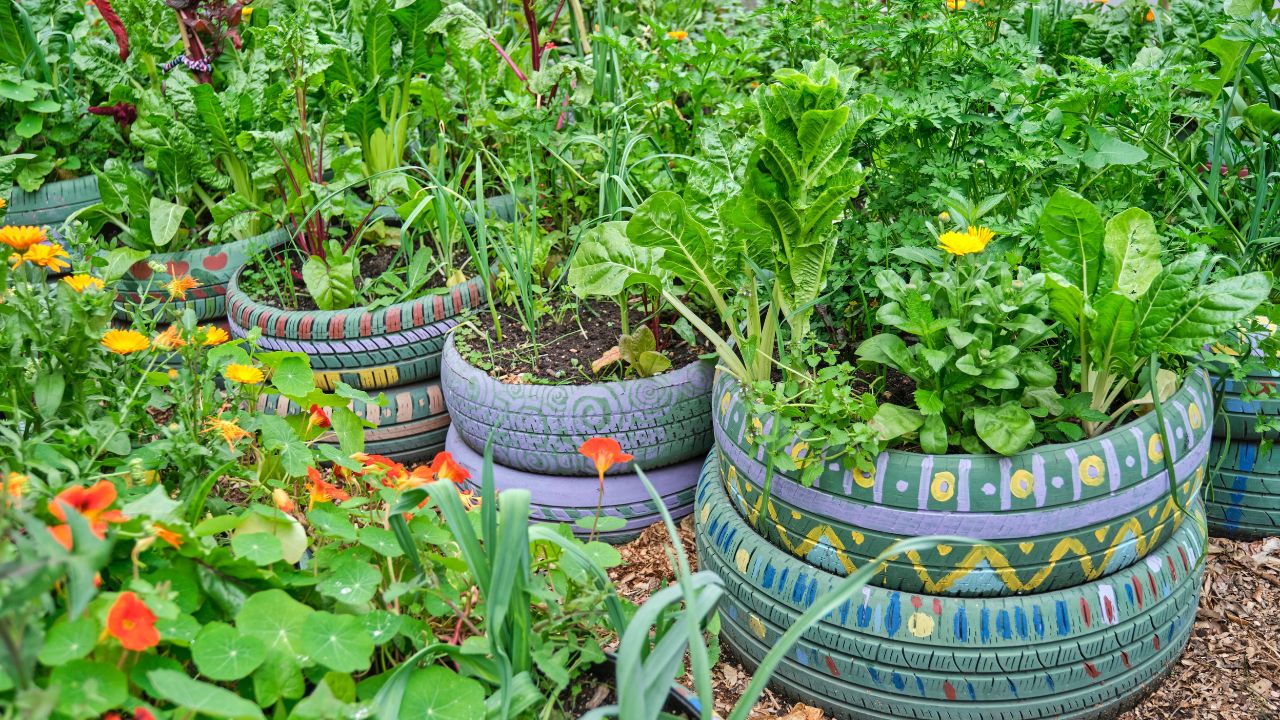
Image Credit: Shutterstock.
Stack a few bald tires in the corner of the yard, fill them with soil, and plant your potatoes right inside. It felt clever. Tires kept the soil warm, held everything in place, and were free if you asked around. Some people even painted them bright colors to make them “cute.”
What nobody mentioned was that tires break down slowly and release heavy metals, petroleum byproducts, and toxic compounds into the soil. Especially in hot weather. Which is exactly when most plants grow. So instead of healthy food, we might have been growing salads with a side of chemicals. If you want to plant something in upcycled tires, stick to nonedible varieties!
4. Painted Garden Rocks with Whatever Paint Was Lying Around
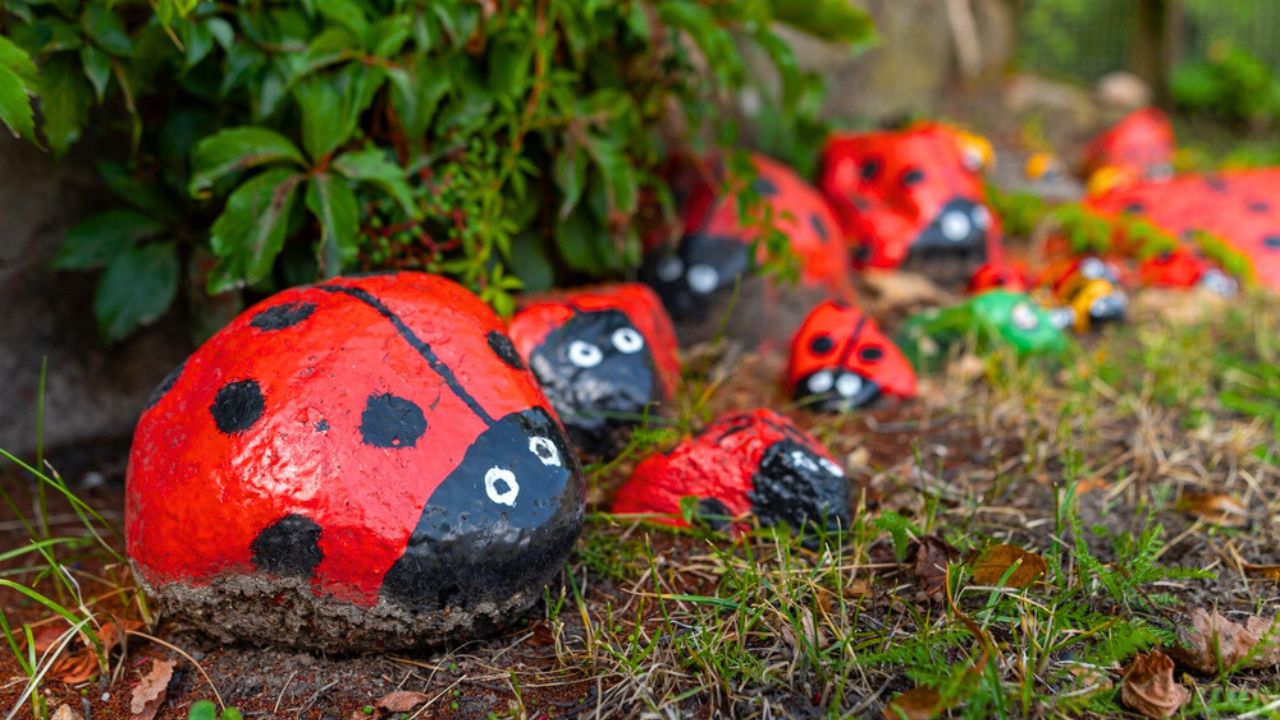
Image Credit: Shutterstock.
Rocks make great garden labels or decorations. So we painted them bright bugs, flower names, polka dots, you name it (this is still a fun project for kids!). The problem is that the paint was whatever was left in the garage. Oil-based, lead-based, half-dried, or mystery goo from an unlabeled can. If it stuck, we used it.
That paint flaked off over time, especially in rain and sun. And those flakes went straight into the soil. Some of it contained lead. Some of it had solvents that stuck around for years. And all of it made future planting a bit trickier. Today’s garden-safe paint exists for a reason, but we were out here making soil confetti out of indoor wall primer.
5. Generously Sprinkled Sevin Dust on Pests

Image Credit: Shutterstock.
This stuff was the go-to pest control. You could dust it over your tomatoes, sprinkle it on roses, and shake it into the lettuce patch like Parmesan cheese. Sometimes we even let the kids “help,” because it looked like powdered sugar and didn’t smell too strong.
Sevin Dust works, too well, in fact (its a pesticide that works against over 65 bugs). It didn’t just kill the pests. It knocked out bees, beneficial insects, and sometimes the plants themselves if we got too generous. The active ingredients in older versions were stronger and more persistent than we realized. These days, you have to follow exact application rules.
6. Lined Beds with Old Carpet Because It Was Free
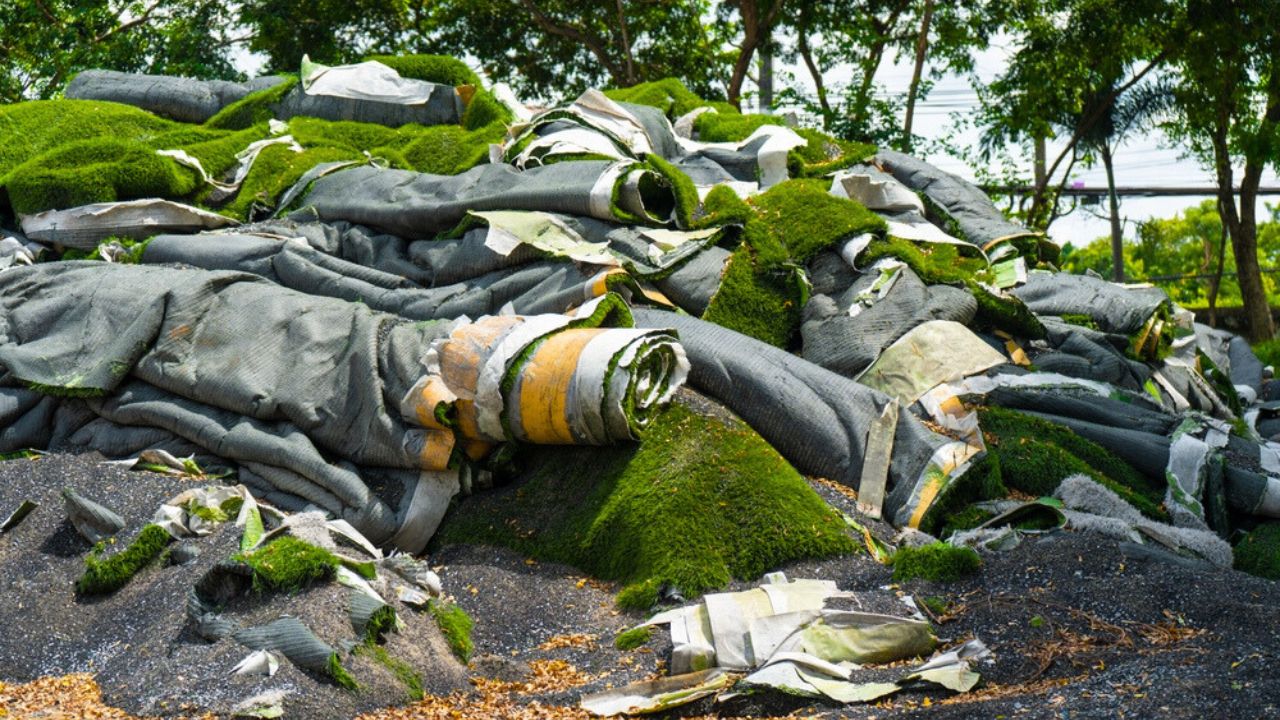
Image Credit: Shutterstock.
Weeds, meet our recycled carpet collection. People used to roll out strips of old carpet as a cheap weed barrier under raised beds or walkways. It held the weeds back for a bit, soaked up rain, and seemed like a win-win.
But those carpets weren’t just fabric. They had glue, synthetic fibers, and sometimes mold from years in the basement. Once they started breaking down, they released all kinds of things into the soil—none of them good. And trying to dig them back out years later was almost impossible. It’s the buried treasure nobody wants to find.
7. Used Motor Oil to Keep the Fence Line “Clean”
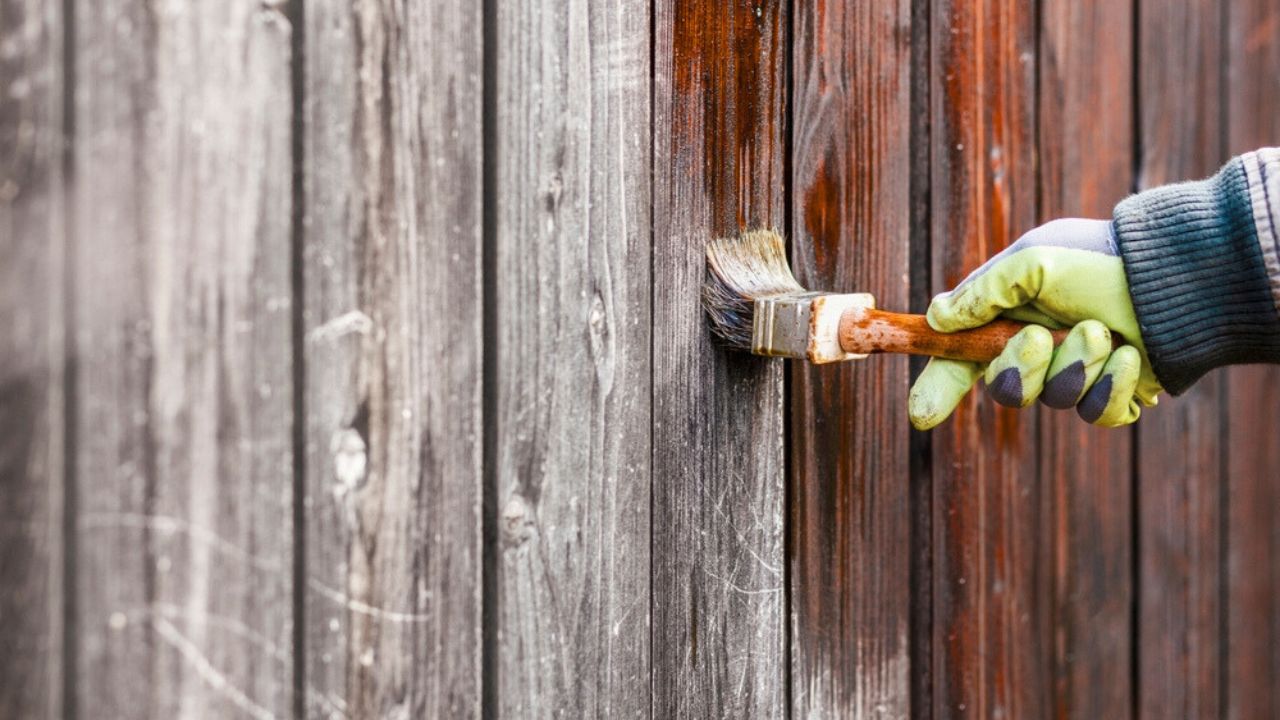
Image Credit: Shutterstock.
Weed whackers existed. So did hoes. But motor oil was faster. We’d pour used oil along the base of fences to keep grass from growing. It worked like a charm—and poisoned the soil for decades. Rain carried it into the yard. Kids stepped in it. Pets sniffed around it. And the dirt never recovered.
Now we know it contaminates groundwater and kills helpful microbes. Back then (20+ years ago), it just looked like a good use for old oil. It was common enough that some hardware stores casually recommended it. That part’s hard to believe—but it happened.
8. Mixed Concrete Right on the Lawn
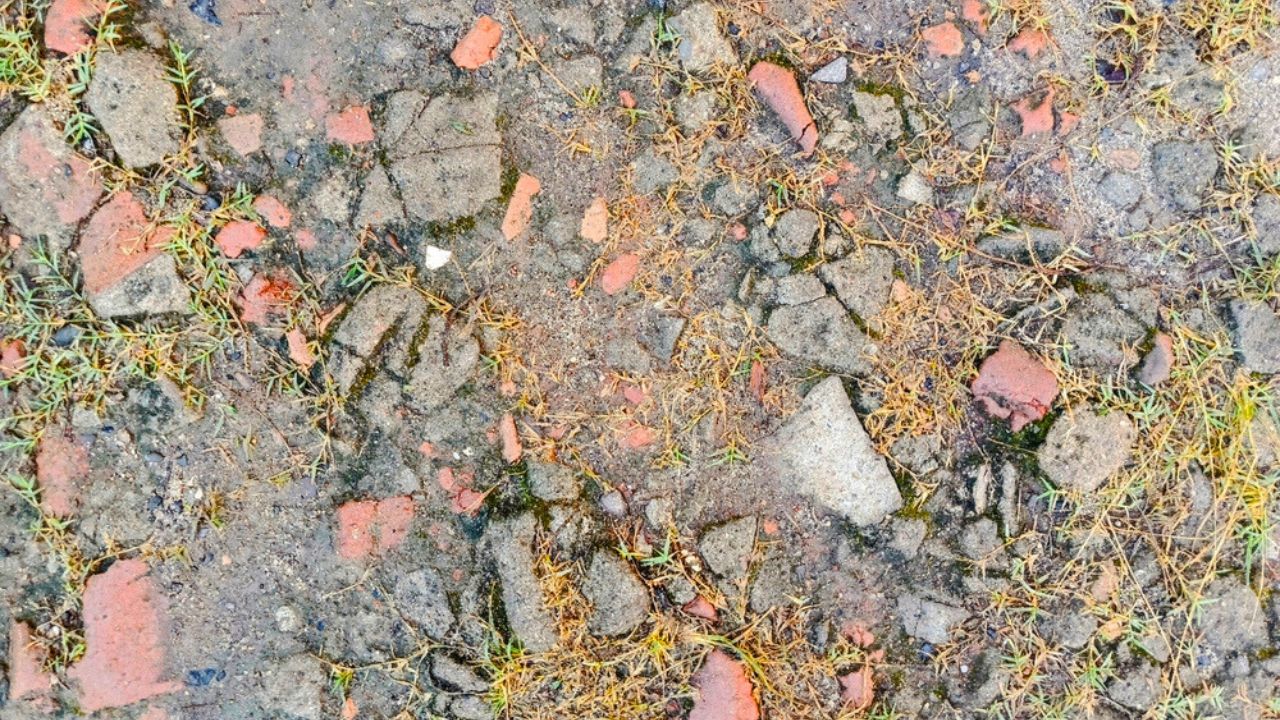
Image Credit: Shutterstock.
If you needed a quick slab, patio step, or shed base, you dumped the mix right on the grass and added water. Stir it up with a shovel, smooth it out with a stick, and boom—done. But that meant killing the lawn underneath, contaminating the soil with lime and additives, and sometimes creating a rock-hard mystery mound that stayed there for decades.
Many people didn’t use tarps or mix pans; they used the yard itself. And when the concrete job was done, the leftover mess just got hosed off into the garden or the driveway. It’s why some random patches of grass never quite bounced back. People might still do this today, but with all the YouTube tutorials out there, it’s easy to make it a bit prettier and less messy.
9. Let Mint Run Wild
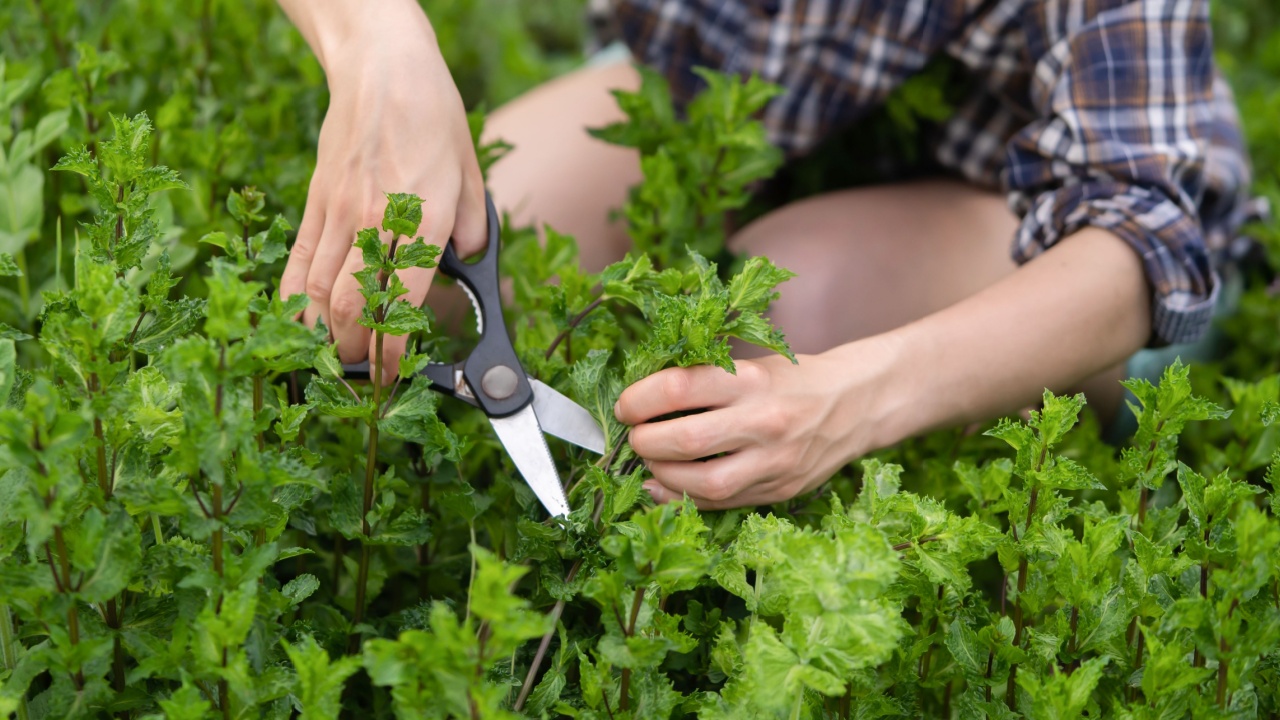
Image Credit: Shutterstock.
Someone planted mint. That’s how it always starts. Maybe for tea. Maybe for mojitos. Maybe just because it smelled good. What followed was a full-on invasion. Mint crept into neighboring beds, climbed over bricks, and tunneled under the fence like it was trying to escape the yard itself.
It doesn’t respect borders, and once it takes hold, it’s nearly impossible to remove. But nobody warned us. We thought we were growing a polite little herb. Instead, we were unleashing the leafy version of a backyard takeover. In the end, mint still takes over unsuspecting garden even now.
10. Built Garden Beds From Railroad Ties

Image Credit: Shutterstock.
They were heavy, cheap, and indestructible. That’s because railroad ties were soaked in creosote, a wood preservative that’s also a known carcinogen. It leaches into the soil and sticks around for decades, especially when wet. But for years, people used them for raised beds and garden edging.
We planted flowers, veggies, and sometimes even herbs next to them. It was suspected that they smelled weird because that was just “how treated wood smells.” Now, they’re restricted for home use and for good reason. It turns out durability sometimes comes with a health warning.
11. Let the Hose Sit in the Sun All Day
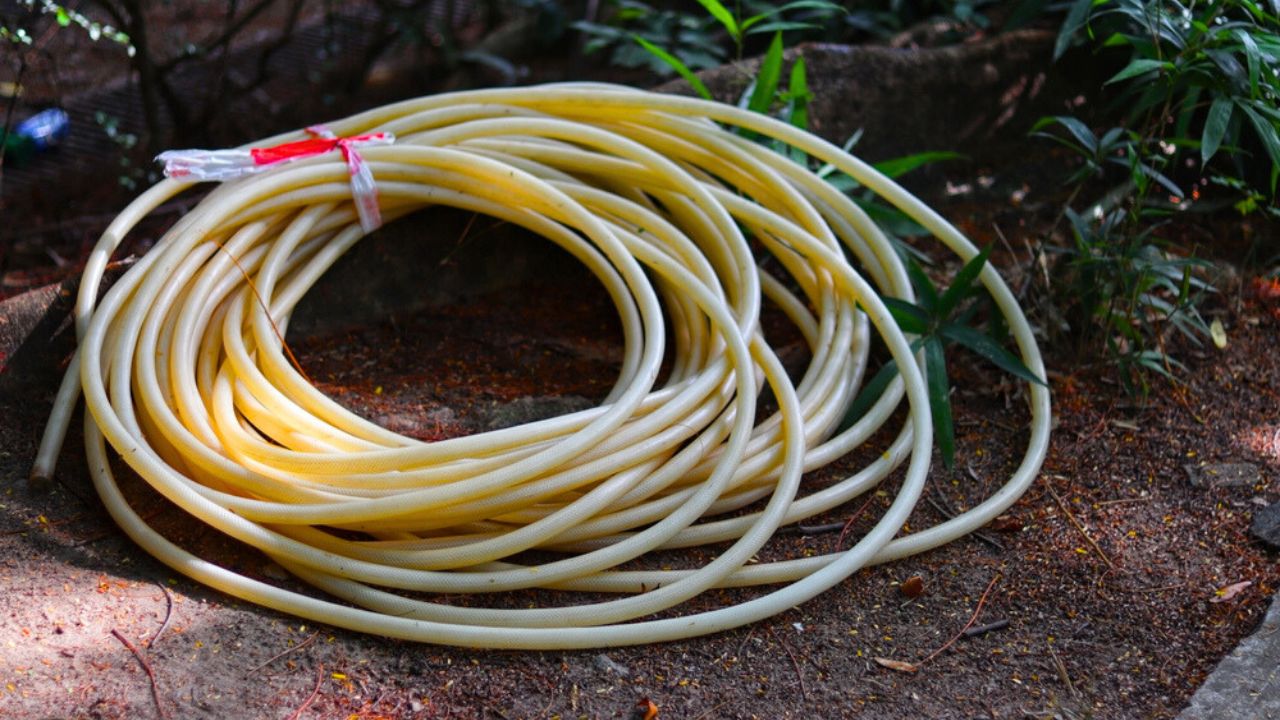
Image Credit: Shutterstock.
There’s nothing like that first blast of water from a sunbaked hose. Unless you remember it came from metal plumbing and rubber tubing that had been marinating in heat for hours. Some older hoses weren’t safe for drinking, and they certainly weren’t safe for watering edible plants directly.
But we didn’t know. We handed the hose to the kids. We drank from it ourselves (it’s something many of us brag about doing as kids). And we used it on the garden without thinking twice. It’s a miracle we didn’t all end up with a mild case of polymer poisoning.
12. Buried Trash in the Garden Like It Was a Time Capsule
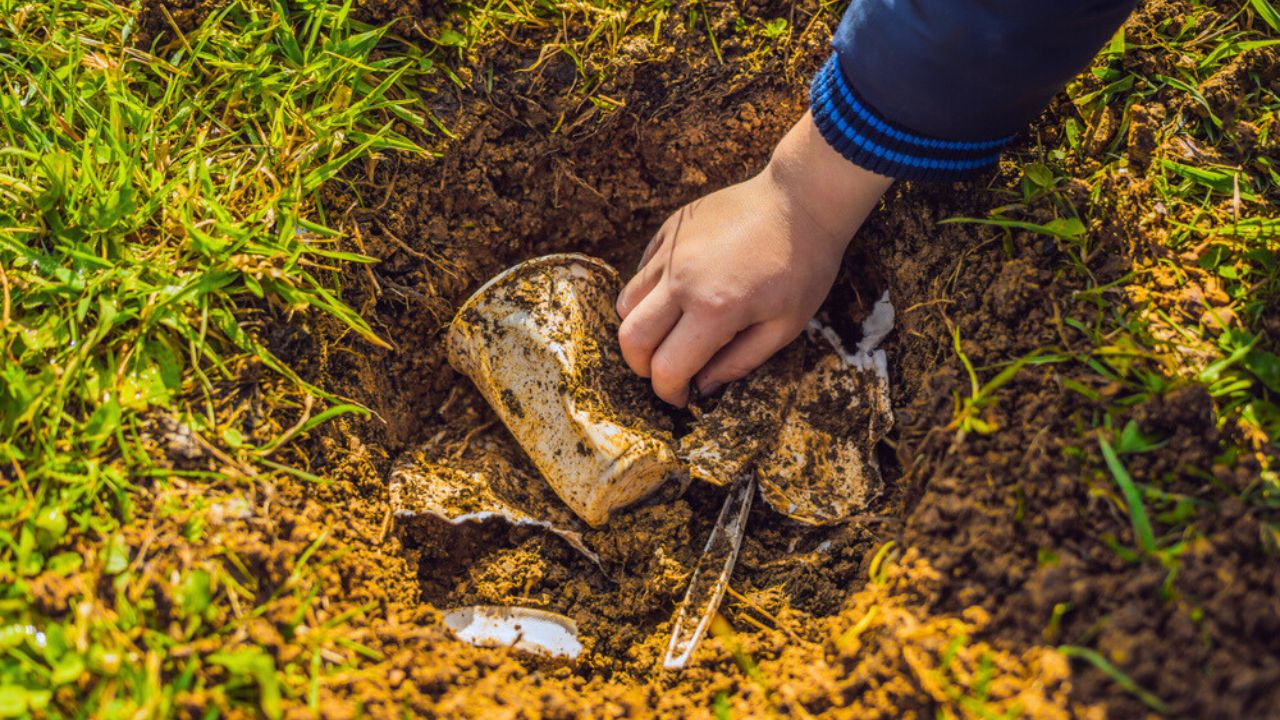
Image Credit: Shutterstock.
If you didn’t have compost or trash pickup, you’d dig a hole and bury kitchen scraps, broken toys, foil, wrappers, and whatever else didn’t belong in the house. Sometimes it was an attempt at compost. Sometimes it was just “out of sight, out of mind.”
The problem is that trash doesn’t stay buried. Years later, gardeners would dig up plastic bags, rusty metal, or half-decomposed candy wrappers while planting tomatoes. It was a recycling effort with zero payoff and a whole lot of cleanup.
Knowledge is Power
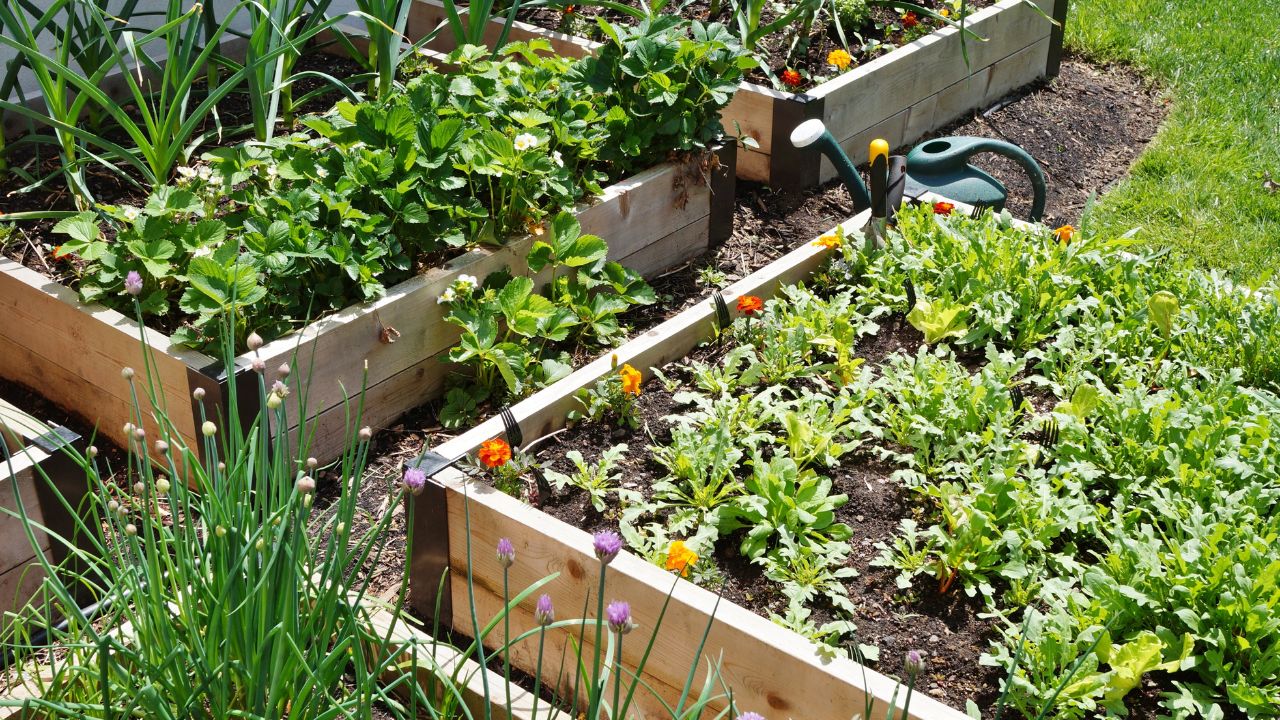
Image Credit: Shutterstock.
Do we know better these days? Sometimes. But there’s still plenty to learn and likely a few trends now that will end up being unsafe later.
We didn’t ruin our yards on purpose—we just inherited habits, shortcuts, and half-true advice that sounded fine at the time. Now we know better. And if you’re curious what your past yardwork left behind, most local extension offices offer soil testing that checks for pH, lead, and chemical residue. It’s a smart step if you’ve got a garden with a suspicious bald patch or veggies that just won’t thrive no matter what you do. Sometimes the soil isn’t stubborn, it’s just still recovering from 1982.