10 New Underground Railroad Sites Were Just Added to the National Park Service’s Network to Freedom
The National Park Service has added 10 new listings to its National Underground Railroad Network to Freedom. The newest group stretches from Georgia to Oklahoma and includes historic sites, cemeteries, a museum, and even an exhibit.
The program was created by Congress in 1998 to preserve and share places and stories connected to people who escaped enslavement and those who helped them. There are now more than 900 listings across 41 states, Washington, D.C., Canada and the U.S. Virgin Islands.
Two of the new listings are in Georgia, and two are in Michigan. The others are in Illinois, Iowa, Maryland, Minnesota, Ohio and Oklahoma.
There is one thing to know before planning a visit. The Network to Freedom includes sites, programs and research or educational facilities, and some properties are privately owned and not open to the public.
Two Michigan Places Were Added
Embedded media follows. Please allow a moment for it to load.
View this post on Instagram
One of the new listings focuses on Henry Bibb in Detroit. Bibb escaped enslavement and later became an abolitionist who wrote about his repeated attempts to gain freedom in his 1849 autobiography.
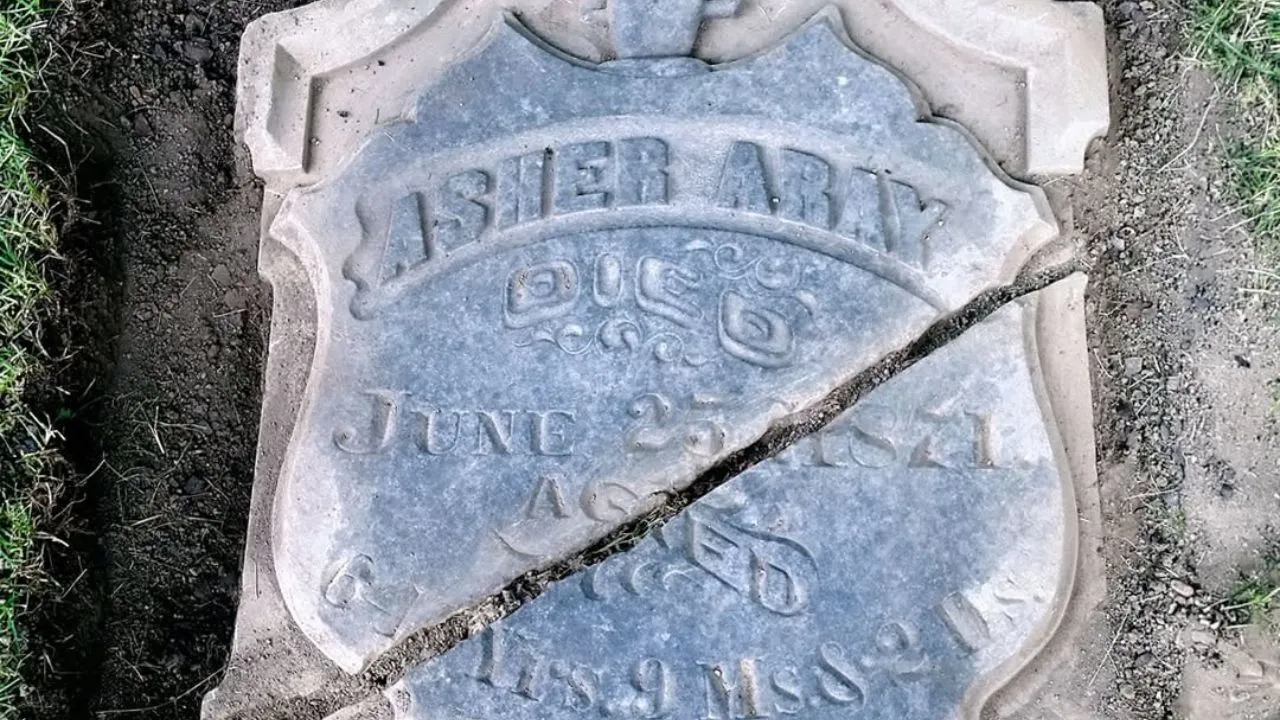
The other is the homesite of Asher and Catherine Aray in Ypsilanti. The couple used their farm to help freedom seekers traveling toward Canada. Pittsfield Township’s own history of the property calls Asher Aray an important Underground Railroad conductor. It says his farm was the final stop before Canada for one group of freedom seekers making their way through Michigan.
One Story Goes Back to 1526
Georgia’s new listings include McDonough Memorial Cemetery, where freedom seekers Anthony Crockett and Halloway Crockett are buried. Both men were born enslaved in Henry County, escaped, and later served in the United States Colored Troops.
The other Georgia listing goes much further back. Around 100 enslaved Africans at the Spanish settlement of San Miguel de Gualdape revolted in 1526, burning buildings and escaping. The National Park Service calls it the earliest known slave revolt in what is now the southeastern United States.
Maryland’s Brown-Cummens Escape Site was the scene of two separate group escapes in 1847 and 1854. Iowa’s Old City Cemetery was also added because abolitionists Samuel Luke Howe and Charlotte Perrin Howe, who worked with the Underground Railroad beginning in 1841, are buried there.
The List Includes Museums and Exhibits Too
The Eliza Winston Exhibit in Minneapolis tells the story of Winston’s successful fight for freedom in 1860. Hennepin County says Winston went to court after abolitionists helped her and was declared free.
The Midwest Underground Railroad Network in Illinois, an Ohio historical marker honoring Underground Railroad conductor David Adams, and the Black Creek Freedmen’s Museum in Oklahoma were also added. The City of Findlay had already recognized the Ohio marker’s new national designation earlier this month.
The Black Creek Freedmen’s Museum is operated by descendants of Creek Freedmen and preserves their history through exhibits, documents and educational programs.