Family Wins $630,500 Against Contractor, but $125 Weekly Payments Could Take 97 Years
A Maine family won a court judgment of more than $630,500 against a contractor after a disastrous camp renovation. But the contractor agreed to repay the money at just $125 a week, a pace that would take approximately 97 years to cover the judgment, even without interest.
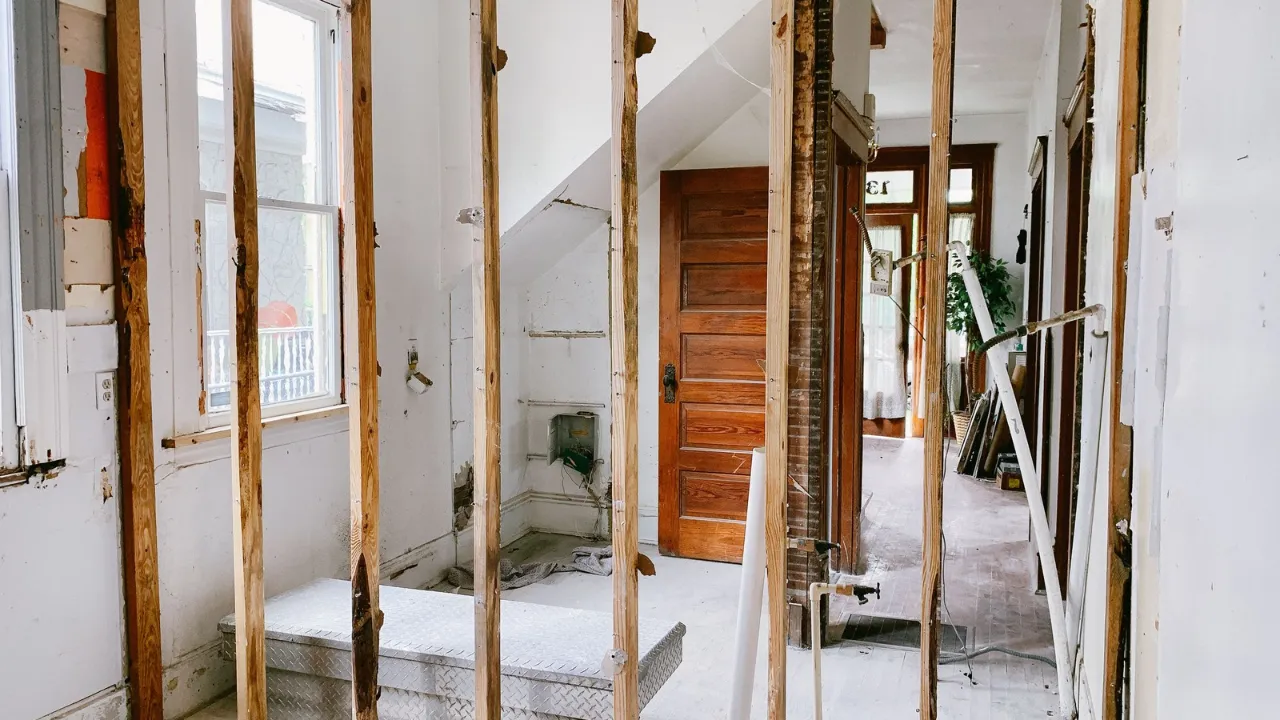
Adam Goode hired Ryan Meliota in 2022 to rebuild his family’s longtime camp in Raymond, Maine. The roughly $281,000 project was supposed to create a comfortable retreat for the family, including their daughter Olivia, who was born with severe disabilities. Instead, the renovation dragged on, leaving the property unfinished and rainwater entering the building.
The Goodes eventually took the contractor to court and won. Yet getting a favorable judgment proved very different from collecting the money. Goode said Meliota made some weekly payments before the checks stopped arriving for more than six months.
The family’s experience was featured in a November 19, 2026, investigation by CBS13’s I-Team. Beyond the staggering repayment timeline, their case raises a troubling question for homeowners: What happens when a contractor is ordered to pay for a failed project but the money never arrives?
A Family’s Plans Unravel
Embedded media follows; please allow a moment to load.
Goode told CBS13 investigative reporter Dan Lampariello that the camp had long been his family’s home away from home. He wanted to preserve that history while making the property more comfortable for his daughter.
Meliota came recommended by someone the family trusted and presented himself as the owner of Timberline Construction in Windham. The agreement called for stripping the camp down to its framing and rebuilding major portions of the property, with work expected to take about a year.
Instead, Goode said the contractor repeatedly requested additional money while construction fell behind. When Meliota asked for another $20,000 to continue, Goode refused to pay more without seeing meaningful progress. He eventually fired him.
Rain Inside the Camp
Goode hired another contractor to assess the unfinished work. The replacement contractor discovered construction problems, including roof and ceiling issues that allowed water into the building. Goode recalled seeing rain dripping through a light fixture and entering other areas of the camp.
“It was raining in the house,” he told CBS13. The replacement contractor also reportedly discovered an area missing a vapor barrier, adding to concerns about the work already completed.
By then, the Goodes faced both an unfinished renovation and the cost of addressing problems left behind. They hired an attorney and pursued the dispute in civil court.
During that process, they learned another troubling detail. According to CBS13’s review of court records, Timberline Construction had been administratively dissolved years earlier and was no longer actively registered with the state.
A Victory With a Catch
In 2025, a judge found that Meliota had committed unfair trade practices through multiple violations of Maine’s Home Construction Contracts Act. The court ordered him to pay the Goodes more than $630,500, plus interest.
The judgment was more than twice the original renovation contract. But according to court documents reviewed by CBS13, Meliota agreed to make payments of only $125 per week.
At that rate, repaying $630,500 would take approximately 97 years, provided every payment arrived on schedule. Interest would make the repayment timeline even longer.
The payments didn’t arrive consistently. Goode said they continued for several months before stopping for more than six months. A check finally arrived during the week of November 16, 2026, but the family still didn’t know whether regular payments would resume.
According to CBS13, Meliota also signed a turnover order warning that failure to comply could lead to contempt proceedings and possible imprisonment. The station attempted to contact him about the dispute and interrupted payments but received no response.
Why Only $125?
How can someone owing more than $630,000 repay that debt at just $125 a week? Maine’s judgment enforcement laws provide some context, although the available records do not explain how Meliota’s particular payment arrangement was reached.
Under Maine law, courts can consider a person’s earnings, necessary living expenses, dependents, and other obligations when establishing installment payments. Creditors can also pursue enforcement when court orders are disregarded, although missed payments do not automatically result in imprisonment.
For the Goodes, the distinction is painfully practical. Winning their case established how much they were owed, but it did not guarantee they could recover that money.
What Protects Homeowners?
Maine does not generally require residential building contractors to hold a state license, although specialized trades have separate requirements. The state does, however, regulate home construction contracts.
According to the Maine Attorney General’s Office, construction and repair contracts exceeding $3,000 generally must be written and describe the work, payment terms, and expected completion dates. Initial down payments are generally limited to one-third of the contract price, and changes affecting the price require written change orders, subject to statutory exceptions.
Those protections can help homeowners understand their agreements before work begins. But the Goodes’ experience demonstrates the difficulties that can remain even after a homeowner successfully pursues a contractor in court.
Goode believes the legal system should provide stronger follow-up when large judgments go unpaid. After years of construction problems and litigation, he told CBS13 what he wanted from the process.
“I want accountability,” Goode said.