Couple Gets $324 in Tickets After 10 Years Parking in Their Own Driveway, Suspect Neighbors Reported Them
For 10 years, a San Francisco couple parked two cars in their driveway without attracting much attention. Then came a $108 ticket, followed by two more. Suddenly, an arrangement that had worked for a decade was costing Bobby Khanna and Krupa Patel hundreds of dollars.
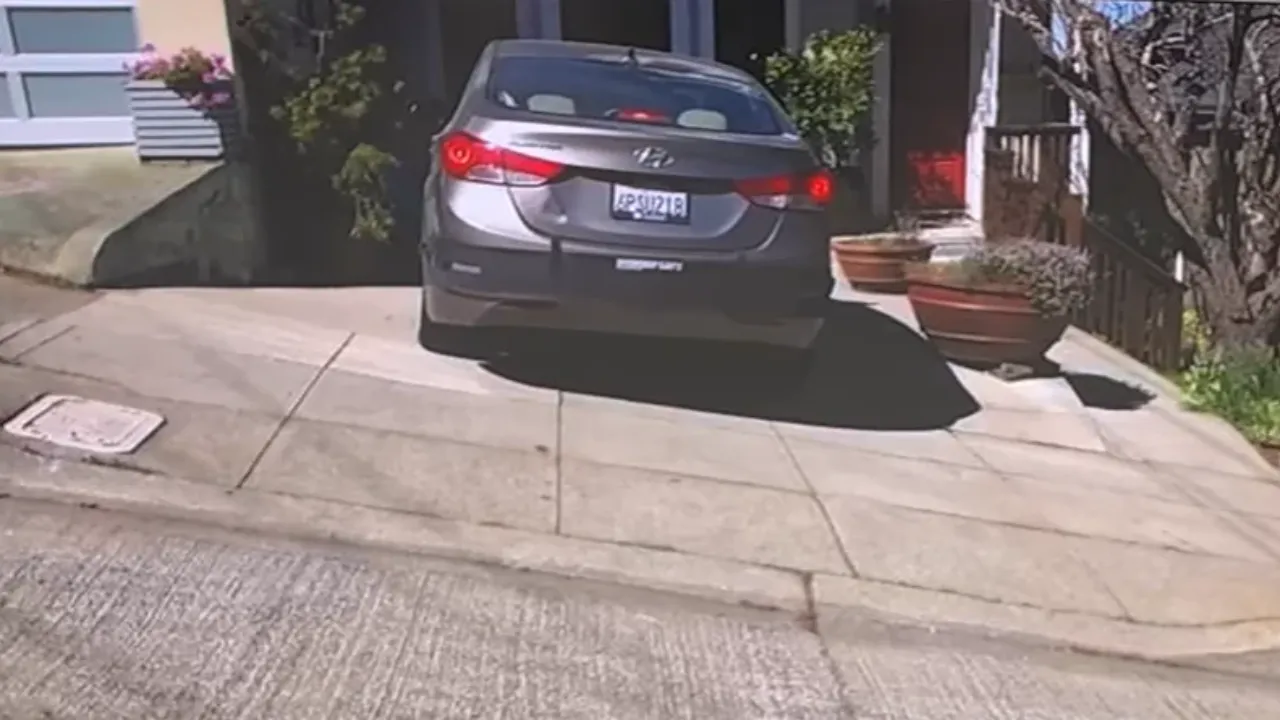
The couple lives in a Marina District duplex, where their SUV extends about 16 inches beyond their property line. Their sidewalk is roughly 14 feet wide, and they say pedestrians, parents pushing strollers, and people using wheelchairs have plenty of room to pass.
San Francisco parking enforcement sees things differently. Under California law, a vehicle cannot extend over any portion of a sidewalk, regardless of how much space remains. The couple’s three citations total $324, and their experience reflects complaints that have surfaced in other neighborhoods.
For Khanna and Patel, who have a toddler and a newborn, finding another place to park has become a daily hassle. Their frustration runs deeper because they suspect a disagreement with a neighbor may have brought unwanted attention to their driveway.
Sixteen Inches Too Far
Embedded media follows; please allow a moment to load.
The first citation arrived last summer. When ABC7 News investigated, reporters measured the couple’s SUV and confirmed that it extended approximately 16 inches over the sidewalk.
Khanna and Patel acknowledge the vehicle crosses the boundary, but question why that should warrant a fine when people can still walk past comfortably.
“We’re encroaching in the space, but we’re not blocking it,” Patel explained.
The couple’s experience raises a question for homeowners who have parked the same way for years: Why would an arrangement that previously attracted little attention suddenly result in repeated tickets?
A Neighbor Dispute Raises Suspicions
Khanna believes the timing may be connected to a disagreement with someone living nearby.
He told ABC7 that a neighbor confronted him after a vehicle was towed, accusing him of being responsible. Khanna denied having anything to do with the towing. The couple subsequently began receiving parking citations, leading him to wonder whether someone had started reporting their driveway to the city.
There is no confirmation that the neighbor filed any complaints or that the confrontation was connected to the tickets. However, several nearby residents also received citations, adding to the couple’s frustration.
Similar concerns surfaced in another San Francisco neighborhood in July 2025, when residents reported receiving tickets after years of parking in their driveways without problems.
Larry Reed received a $108 citation after someone reported his vehicle through the city’s 311 complaint system. According to NBC Bay Area’s report, neighbors believed someone was repeatedly submitting photographs of cars extending onto the sidewalk.
Resident Yolanda Francisco said the same images appeared to have been reported multiple times. Her son-in-law, David Chen, questioned why anyone would repeatedly complain about vehicles that left substantial room for pedestrians.
Reed eventually posted a message asking anyone bothered by his parking to contact him directly. He offered to move his vehicle rather than continue receiving citations.
The SFMTA told NBC Bay Area it wasn’t targeting particular residents or violations. Its officers were responding to complaints submitted through 311.
Why the City Can Issue Tickets
The disagreement comes down to what counts as blocking a sidewalk.
California Vehicle Code Section 22500(f) prohibits parking with the body of a vehicle extending over a sidewalk. It doesn’t require pedestrians to be completely obstructed before a citation can be issued.
In guidance published June 23, 2026, the SFMTA reinforced that rule, explaining that even a small intrusion can result in a ticket. The agency says keeping sidewalks clear protects people using wheelchairs, strollers, and other mobility aids.
Viktoriya Wise, San Francisco’s director of streets, told ABC7 that parking officers cannot monitor every street continuously. Some violations are discovered during patrols, while others come to the city’s attention through complaints.
That helps explain why residents can park the same way for years before suddenly receiving fines, even when the underlying law hasn’t changed.
ABC7 found that San Francisco issued 21,852 sidewalk-blocking citations in 2025, compared with 18,026 in 2016.
Homeowners Left With Few Options
San Francisco does offer another option for some homeowners. Residents of qualifying one- or two-unit properties can park parallel to their own driveway entrances if their vehicles are registered to the address and they follow other parking restrictions.
However, those rules still prohibit sidewalk encroachment, and street-cleaning restrictions continue to apply.
For Khanna and Patel, the workaround has been to park one car sideways in their driveway and leave the other on the street. That brought another unwelcome surprise: a street-sweeping ticket.
With two young children and limited parking, Khanna said the situation has made him reconsider staying in San Francisco, a city he has called home for a decade.
The couple still believes their driveway arrangement leaves sufficient room for pedestrians, but city rules don’t make an exception based on the remaining sidewalk width. Whether the tickets began because of a neighbor’s complaint remains unknown.