Montanans Protest Housing as Residents Face Rising Rents and Years-Long Waitlists
A Montana woman who owns her home is now paying $800 a month just to rent the land beneath it. In 2020, her total monthly housing costs were $283. With additional charges for utilities and services, the cost of staying in her own home has become increasingly difficult to manage.
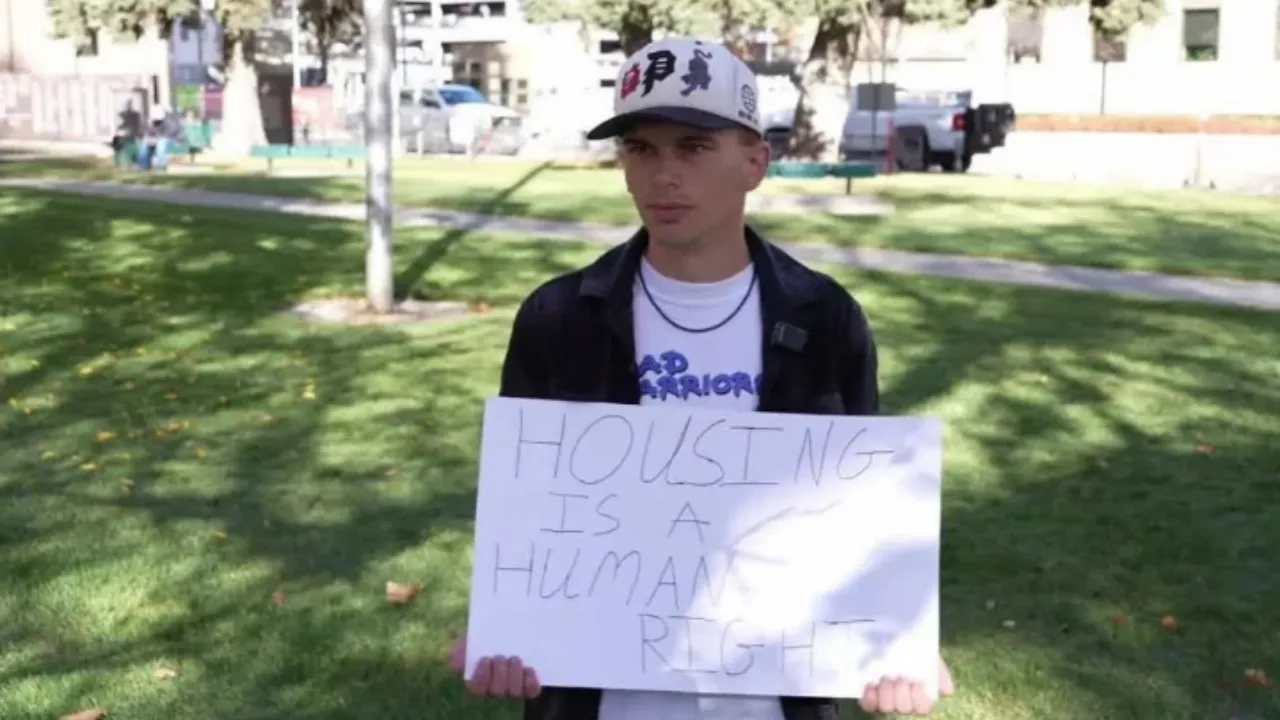
Penny Brown was among several dozen Billings residents who gathered outside the courthouse on November 17 to protest rising housing costs and the shortage of affordable places to live. For Brown and other manufactured-home owners, leaving isn’t necessarily an option because moving an entire house can be prohibitively expensive.
Other demonstrators described different housing struggles. Marine veteran Mariah Williams said she had been homeless for two years while waiting for assistance, while another resident, Wesley Lewis, said a house fire had left him without stable housing.
The protest brought together people facing different circumstances but a common problem: finding or keeping an affordable home. It also sparked an argument online about who should be responsible for addressing the crisis, as residents debated rising rents, available jobs, and the expenses landlords face.
Homeowners Say They Can’t Afford to Move
Embedded media follows; please allow a moment to load.
Brown lives at Golden Meadows, a manufactured-home community where residents own their houses but lease the lots underneath them. She told Q2 News that her monthly lot rent had reached $800, with additional charges for water, sewer connections, and garbage collection.
That is a substantial change from 2020, when she said she paid $283 per month for everything. Fellow resident Nancy Moore described the same problem of rising costs and limited options.
“We’re up against a wall. Really bad right now. We need help,” Moore said.
Their concerns didn’t begin with the November demonstration. In September, Q2 News reported that Golden Meadows residents were organizing a homeowners association following a roughly 33% lot-rent increase. The park has approximately 520 lots, and residents hoped collective action would give them more influence over future changes.
But even residents who want to leave may have trouble doing so. Unlike a traditional homeowner who can sell a house and its land together, a manufactured-home owner renting a lot must find a buyer willing to keep the home there or arrange to move the structure elsewhere.
Relocation can involve transportation expenses, utility disconnections, permits, and finding another community willing to accept the home. Older manufactured homes may also be difficult or impossible to move safely.
Montana’s Residential Mobile Home Lot Rental Act provides certain protections for residents who own their homes but rent the land. However, those protections don’t eliminate the cost of relocation or guarantee that another affordable lot will be available.
That leaves homeowners like Brown facing a difficult choice: absorb rising costs or attempt a move they say they cannot afford.
Thousands Still Waiting for Housing
For other protesters, the problem wasn’t keeping an existing home but finding one.
Williams, who served four years in the Marine Corps, told Q2 News she had been homeless for two years while waiting for housing assistance. Lewis, who lost his housing after a fire, rejected the suggestion that everyone experiencing homelessness simply needed to find work.
“We’re all not out here just because we can’t get jobs. You know, some of us just got a bad hand,” Lewis said.
The scale of local demand is reflected in Billings’ 2025–2029 housing planning documents. HomeFront, a local housing organization, reported 8,096 people on its affordable-housing waiting lists in December 2024, including 3,688 seeking one-bedroom units.
More recent reporting suggests the total has declined, but the need remains substantial. In July 2026, HomeFront occupancy director Amber Uzelac told KULR8 that just under 6,000 people remained on the organization’s waiting lists.
Those numbers help explain why moving to another affordable rental may not be a realistic alternative for residents already struggling to remain housed.
The Protest Sparks a Debate
Embedded media follows; please allow a moment to load.
The reaction to Q2 News’ Facebook coverage showed how divided residents were over the protest.
Some commenters pointed to businesses advertising jobs, suggested finding roommates, or argued that people should reduce expenses before seeking additional assistance. Others countered that those suggestions overlooked the cost of housing compared with local wages.
Property owners also weighed in. One commenter identifying as a landlord argued that insurance, construction, and operating costs made it difficult to keep rents affordable. Others questioned whether landlords should be expected to absorb rising property taxes and maintenance expenses.
The comments reflected competing concerns, but they did not resolve the practical problems described by protesters. For someone who owns a manufactured home but cannot afford to relocate it, simply finding another rental or moving in with a roommate may not offer an easy solution.
What Protesters Want the City to Do
Organizer Bailey Desper brought several proposals to Billings City Council, seeking changes to how the city responds to housing insecurity and homelessness.
In an October 29 letter submitted to the council, Desper requested a review of restrictions on sleeping in vehicles, consideration of a Housing First approach, exploration of safe parking alternatives, and measurable goals for preventing homelessness.
The letter also called for including people with firsthand experience of homelessness in policy discussions and encouraging cooperation between public agencies and private organizations.
These proposals address broader housing insecurity rather than specifically regulating lot rents at Golden Meadows. They were requests for consideration, not measures the city had approved.
Chyrel Snediger of the Rimrock Foundation told Q2 News that permanent supportive housing had been a local priority for years. She acknowledged that changes would take time but argued that bringing proposals forward was a necessary step.
For Brown and her neighbors, the immediate concern remains the cost of staying in homes they already own. For Williams and other residents still waiting for housing, the challenge is finding a permanent place to live.
As of the November 17 protest, the requests had reached city officials, but no resulting housing expansion or council approval had been confirmed.