Nearly 50% Fewer Renters Are Becoming Homeowners, New Study Finds
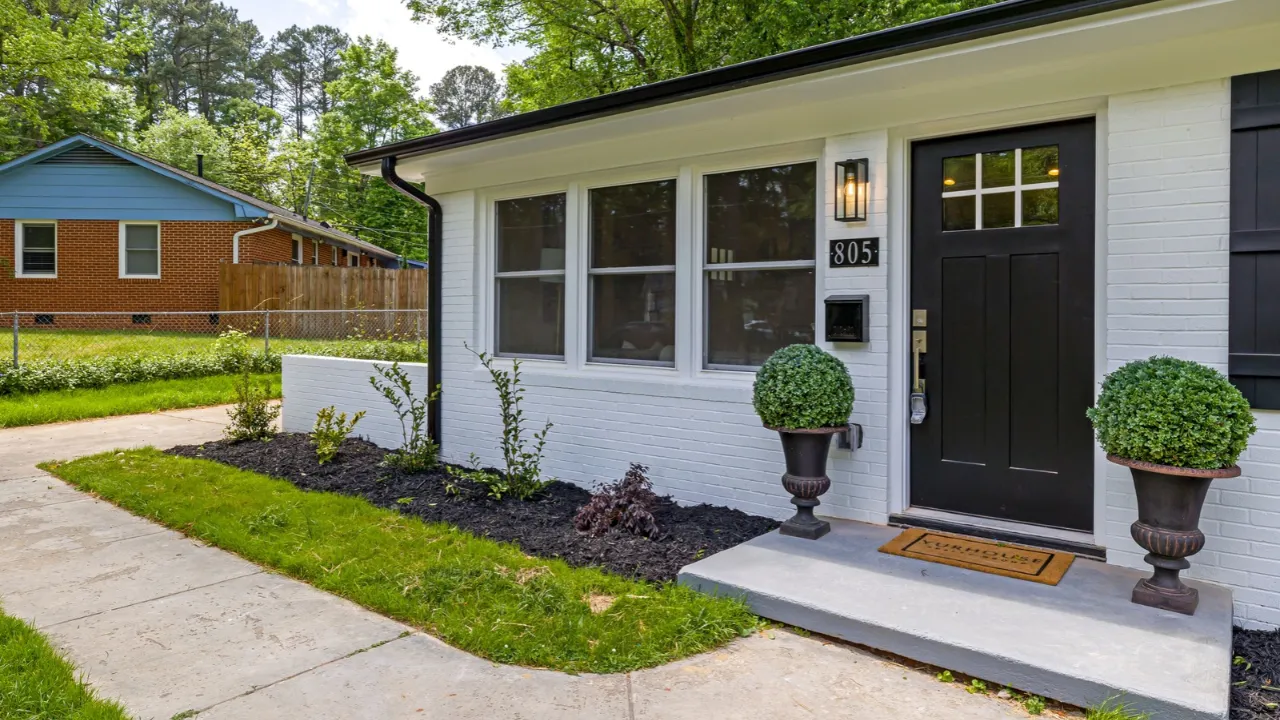
A backyard with room for a garden, space for outdoor gatherings, and the freedom to make lasting improvements are among the reasons people dream of owning a home. But for Americans who currently rent, whether an apartment or a house, that next step is becoming harder to reach.
According to a November 17 report from TransUnion, the share of renters transitioning into homeownership has fallen by nearly half since 2009. The findings point to a housing market where buying a home has become increasingly difficult, particularly for people trying to purchase their first property.
The challenge goes beyond finding a house with an affordable asking price. Higher mortgage payments, property taxes, insurance premiums, and maintenance expenses can push ownership out of reach, even for households that have spent years saving.
For renters hoping to put down permanent roots, the findings raise a difficult question: What does it take to afford a home today, and how much longer will they have to wait?
Fewer Keys Handed Over
The TransUnion analysis found that the share of renters becoming homeowners fell from 7.2% in 2009 to 3.9% in 2025. That’s a 46% decline over 16 years.
These figures measure the rate at which renters transition into ownership, rather than the total number of homes sold. They also don’t distinguish between people renting apartments and those renting houses. What they reveal is that a considerably smaller share of renters are becoming homeowners than in the past.
Other research suggests Americans are reaching that milestone later in life. According to the National Association of Realtors’ 2026 findings, the median age of first-time buyers remained at a record 40, compared with 30 in 2010.
That extra decade can change how households plan their futures. Projects such as renovating a kitchen, planting permanent landscaping, or creating an outdoor living area may remain on hold when people don’t own the property where they live.
More Than a Mortgage
Affordability remains one of the biggest obstacles. Ryan Thomson of The Assumable Guy told Realtor.com that rising home prices and mortgage rates have made monthly payments unmanageable for many prospective buyers.
He pointed to Colorado Springs, where 71% of households could afford a median-priced home in 2019. By 2023, that figure had fallen to 25.3%.
Purchasing a home also introduces financial responsibilities that can be difficult to anticipate. A failing heating system, damaged roof, or unexpected plumbing repair can cost thousands of dollars, potentially exhausting savings accumulated during the buying process.
Outdoor space brings its own responsibilities. Trees may need professional attention, fences eventually require repairs, and drainage problems can threaten landscaping or even the home’s foundation. For buyers stretching their budgets to afford a property, these costs can make an already difficult decision more complicated.
Cheaper Homes, Higher Risks
Moving to a less expensive state might seem like an answer, but TransUnion’s findings suggest that relocation brings additional financial considerations.
The company identified Texas, Florida, North Carolina, South Carolina, and Tennessee as states with the highest inbound migration rates. Some households moving to these destinations may find larger properties or more affordable housing than they could purchase in their previous communities.
However, all five states face elevated exposure to hurricanes, severe thunderstorms, and other damaging weather events compared with many of the states residents are leaving.
Those risks can translate into higher insurance expenses, particularly in areas where storms frequently damage homes. An attractive purchase price may lose some of its appeal when homeowners factor in coverage costs and the possibility of expensive repairs.
Cameron Walker, a real estate expert at Clever Real Estate, told Realtor.com that growing demand in popular Sun Belt destinations can also drive up property values, taxes, and insurance premiums. Moving somewhere cheaper doesn’t necessarily guarantee that homeownership will remain affordable.
A Longer Wait for Homeownership
Walker believes expanding the supply of affordable entry-level homes and improving financing options could help more renters enter the market. But the latest figures suggest that the barriers facing buyers have become more substantial over time.
The consequences reach beyond the housing market. People who delay buying may also postpone improvements they have imagined for years, whether that’s renovating a home to suit their family or creating a garden they can watch mature over decades.
The TransUnion findings do not establish how many renters want to buy, or how many are choosing to continue renting. They do show that the transition is happening less frequently, while the typical first-time buyer is considerably older than in previous generations.
For renters who want a home of their own, that distinction matters. The dream of choosing a property, making it their own, and putting down lasting roots may still be within reach. But increasingly, getting there appears to require more time, more money, and a level of financial security that many households have yet to achieve.