California City Cracks Down on RV Living as 428 Vehicles Turn Streets Into Homes
Mountain View, California, has voted to crack down on people renting out recreational vehicles as housing and prohibit unhitched trailers from parking on public streets. The decision follows a sharp increase in the number of people living in vehicles throughout the city.
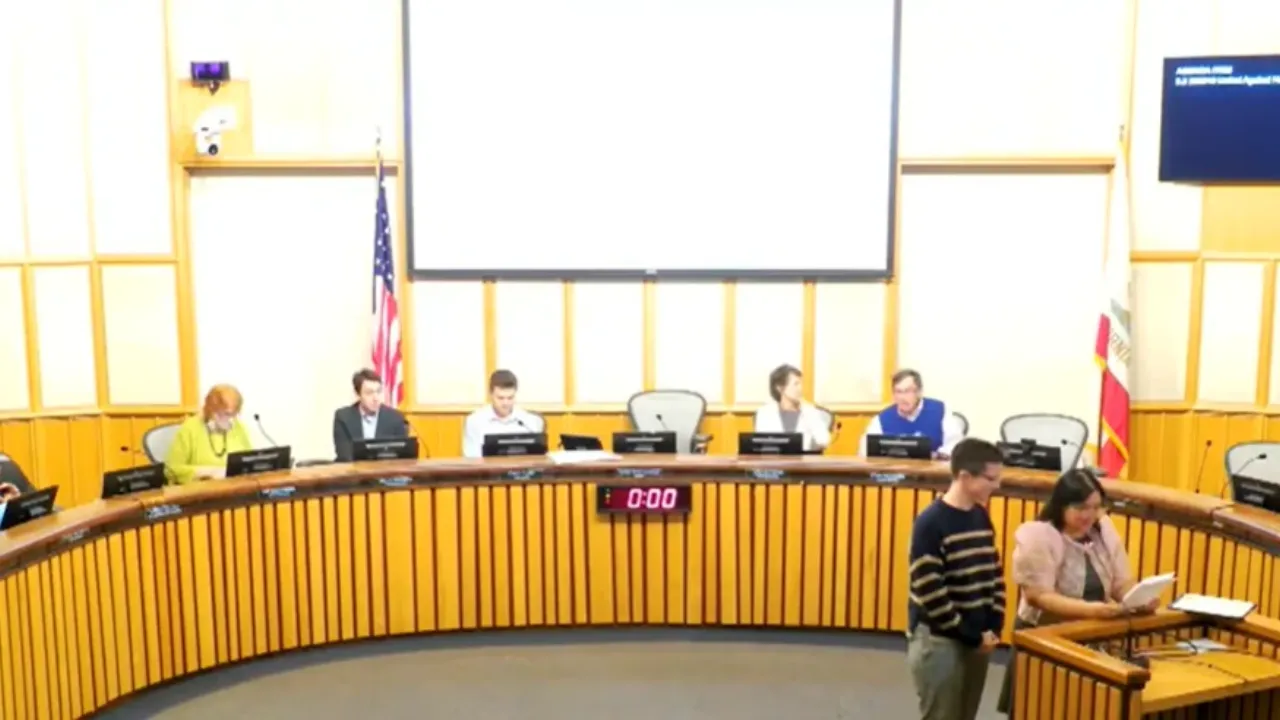
The City Council unanimously advanced both ordinances on November 17 after roughly four hours of discussion. The vote came amid complaints from businesses and residents about traffic safety, sanitation, and access to commercial properties. However, enforcement won’t begin until July 1, 2027, giving affected residents additional time to prepare.
City staff counted 428 inhabited vehicles in July 2026, a 40% increase from the previous year. Of those, 402 were oversized vehicles, including 67 unhitched trailers. Officials say the growing number of vehicles has made enforcement increasingly difficult.
The issue has become particularly contentious in Mountain View’s industrial areas, where some businesses say RV parking is interfering with daily operations. Yet many of the vehicles are also people’s homes, leaving city officials to balance public safety concerns against the needs of residents who have nowhere else to live.
Businesses Push Back
During an October 13 City Council meeting, Lunar Energy CEO Kunal Gerotra described how RV parking had changed the area around his company’s offices on Ravenale Drive.
Gerotra said the company employs more than 150 people and occupies approximately 40,000 square feet of office space. According to his testimony, the number of RVs outside the property had grown considerably over 18 months, creating visibility problems near driveways and increasing the risk of collisions.
He warned that the situation could influence whether the company remains in Mountain View.
“We feel we’ll have to leave the city if this continues for any longer than what it is right now,” Gerotra told council members.
Other speakers described similar concerns. Central Avenue resident Neil Gornflow reported witnessing near misses involving vehicles and bicyclists, sewage leaks, and RVs unable to move regularly enough to comply with parking restrictions.
Gornflow also argued that leaving people to live along public roads was not an adequate response to the city’s housing problems.
Rules With Teeth
Under the ordinances advanced on November 17, renting vehicles for lodging on city-controlled public property would be prohibited. The practice, commonly called “vanlording,” involves owners providing RVs or other vehicles to paying occupants.
City staff describes these arrangements as potentially exploitative because renters may pay to live in vehicles without adequate facilities or reliable access to basic services.
The rental prohibition would allow misdemeanor charges against vehicle owners involved in prohibited arrangements. Importantly, tenants would not face enforcement under that ordinance.
A separate measure would prohibit unhitched trailers and semitrailers from parking on public streets, with limited exceptions for construction, utility work, deliveries, and certain repairs.
Mountain View already enforces a strict 72-hour parking rule. Vehicles remaining in one location for that period must move at least 1,000 feet and cannot return to the same parking space for another 24 hours.
Assistant City Manager Audrey Seymour explained during the October meeting that unhitched trailers create additional difficulties because they cannot move without another vehicle. Rental arrangements also complicate enforcement when the owner and occupant are different people.
Nowhere Else to Go
The council’s decision comes as an existing legal settlement governing RV parking approaches its February 2027 expiration. That agreement requires Mountain View to maintain at least three miles of streets with parking available on both sides for oversized vehicles.
During the November 17 meeting, council members expressed concerns about how the restrictions could affect people who rely on vehicles for shelter. Councilmember Lucas Ramirez pushed to delay enforcement until July 1, 2027, allowing additional time for outreach and giving families an opportunity to finish the school year before the restrictions take effect.
The city also addressed funding for homelessness prevention and support services. During the meeting, the council considered the funding in separate actions, including $248,000 for financial assistance and outreach and $200,000 for Hope’s Corner. Members also supported an additional $50,000 for an emergency lodging voucher program intended to help people affected by the new restrictions.
Those efforts would operate alongside Mountain View’s existing safe-parking facilities, which provide designated spaces for people living in vehicles.
Restrictions Move Forward
The City Council voted unanimously on November 17 to advance both ordinances, although several members expressed reservations about the potential impact on vulnerable residents.
The restrictions are scheduled for a second and final reading on December 8. If adopted, they would take legal effect 30 days later, but enforcement would be postponed until July 1, 2027.
The delay gives city staff several months to notify vehicle residents, explain the new requirements, and connect affected households with available assistance.
For businesses and residents frustrated by crowded streets, the vote represents progress toward addressing longstanding complaints. For people living in RVs and trailers, it also begins a countdown toward restrictions that could force them to find somewhere else to stay.