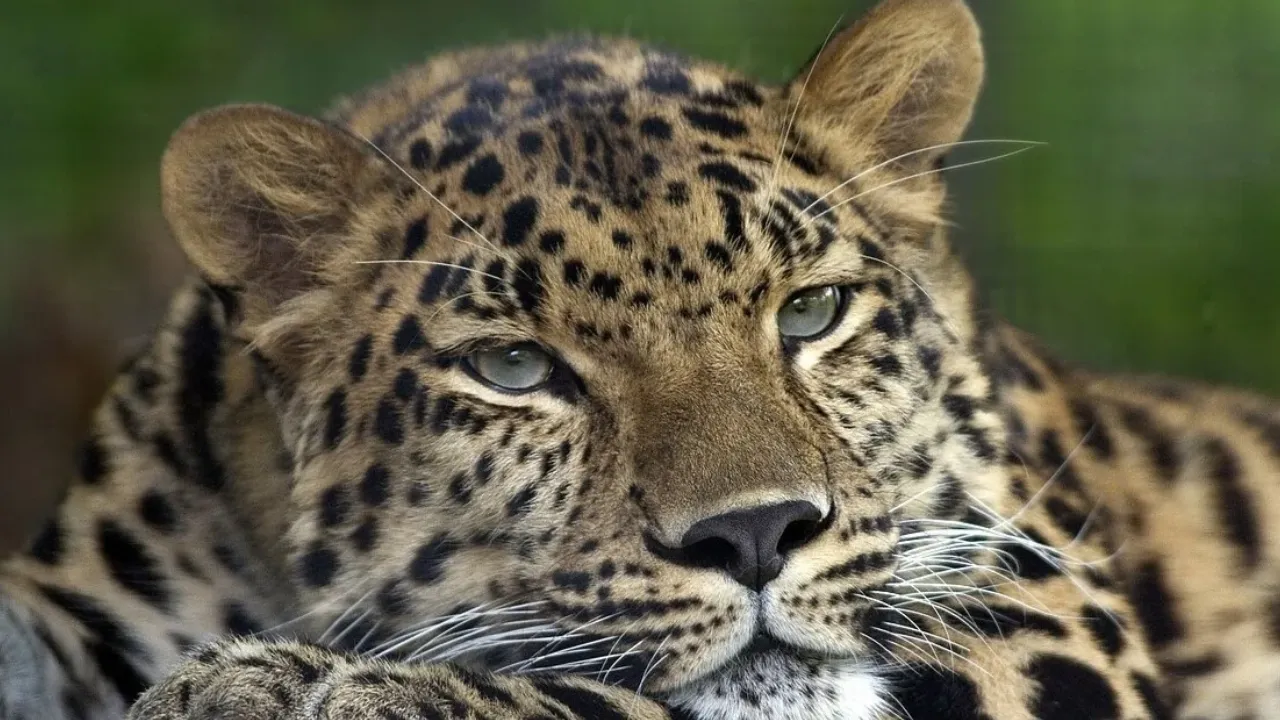
Fake Leopard Skins Are Helping Save Real Leopards in Zambia
Fake leopard skins are helping save real leopards in Zambia. What began as a way to protect wildlife without changing local traditions has now led to some promising results.
For generations, the Lozi people of western Zambia have worn leopard skins during important royal ceremonies. These spotted garments are part of their cultural identity, but demand for real fur has also put pressure on wild leopard populations.
Rather than asking people to give up their customs, the conservation group Panthera worked with traditional leaders to create lifelike replacements. The goal was to keep the meaning of the clothing while reducing the need to hunt leopards.
The approach appears to be working. Thousands of fake furs have been supplied across southern Africa, and recent research shows fewer real skins in use, less reported poaching, and more leopards in monitored areas.
Keeping The Tradition
Embedded media follows; please allow a moment to load.
Through its Furs for Life program, Panthera began providing synthetic leopard skins in Zambia in 2019.
Known as Heritage Furs, the garments closely resemble genuine leopard skins. They are worn by royal paddlers during the Kuomboka ceremony, when the Lozi king travels across the floodplain by boat.
Traditional leaders supported the project, helping the new clothing gain acceptance. About 1,350 replacement garments were provided free of charge, with plans to reuse them for years.
That local support helped make the switch possible without taking away the ceremony’s meaning.
Leopards Are Returning
A 2026 study published in Conservation Biology found that ownership of real leopard skins among surveyed paddlers dropped by 78% between 2020 and 2024.
Camera traps also recorded an encouraging change. Average leopard density increased from 2.7 to 3.8 animals per 100 square kilometers, a rise of roughly 41%.
Recorded poaching cases in the Greater Kafue region fell from fourteen during 2018 through 2020 to two during 2021 through 2024.
Researchers linked the progress to several efforts, including the replacement garments, stronger wildlife patrols, and action against illegal trafficking.
People Have Questions
After a Facebook video highlighted the project, viewers shared both praise and concerns about the approach.
“Huge props to them for being open to the change!” wrote one commenter.
Another welcomed the wider access to ceremonial clothing, explaining that the alternatives make cultural attire available to more people.
Not everyone agreed about the source of the problem. One commenter argued that local communities should not bear the blame for the wider demand for leopard products.
Others raised practical questions, including what happens to existing real skins and whether making synthetic fur could create other environmental problems.
Panthera has begun working with newer bio-based fabrics designed to use less energy and produce fewer emissions than conventional synthetic materials.
More Than a Swap
The program has also created opportunities for local tailors, who help produce ceremonial garments and other products.
Across southern Africa, Panthera reports that more than 22,000 Heritage Furs have been distributed to communities involved in the effort.
Acceptance has grown in Zambia as well. According to the research in Conservation Biology, 95% of prospective royal paddlers surveyed in 2024 supported using the replacement garments.
During the Kuomboka ceremony, the share of paddlers wearing genuine leopard fur fell from 39% in 2022 to just 10% in 2024.
Ultimately, the leopard population is on the up, reducing the risk of extinction and ecological imbalance in the local habitat.