Residents Say Birds Are Vanishing Near Data Centers, but What’s Causing It?
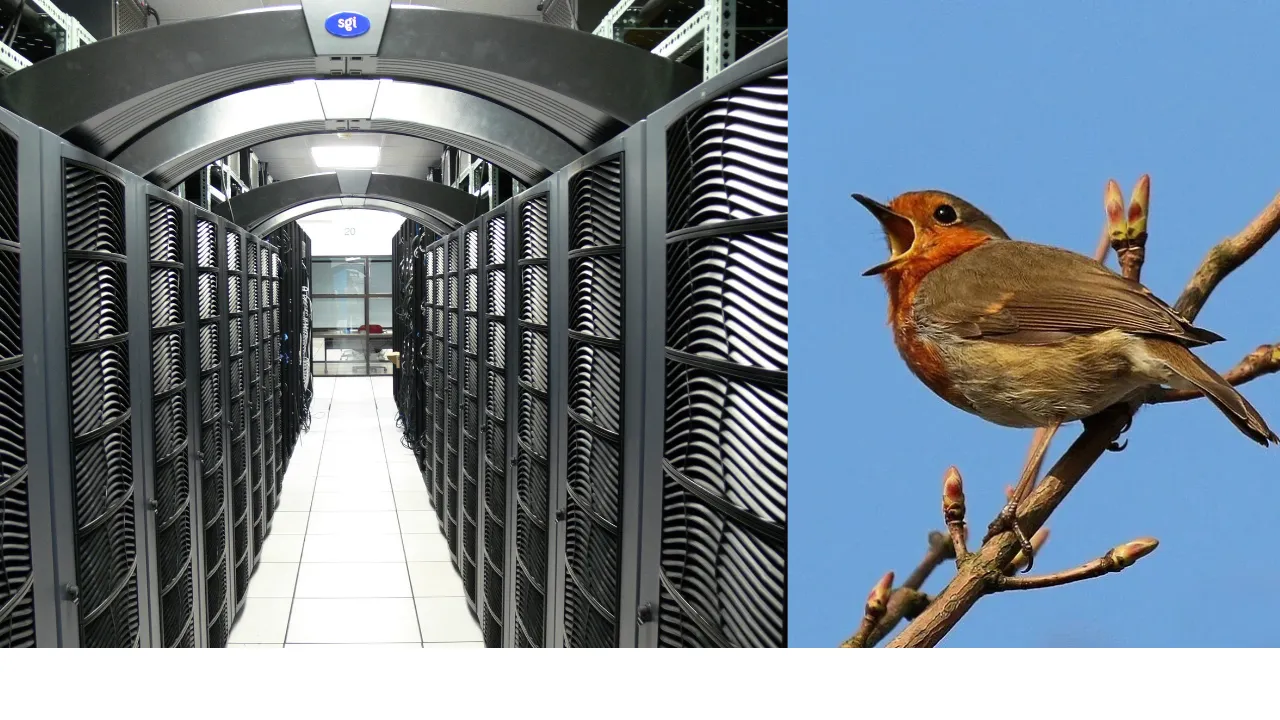
Birds and other wildlife appear to be disappearing from some neighborhoods near data centers, according to residents who have contacted environmental activist Erin Brockovich. Some say once-busy areas have grown quiet, while others report changes in familiar bird migration patterns.
Greenpeace USA brought fresh attention to those concerns in a November 4 Facebook post. The group shared Brockovich’s observations and raised questions about what happens to wildlife when large data centers are built near natural habitats.
Brockovich first discussed the reports during a July 16 appearance on The Shawn Ryan Show. She described hearing from people across the country about problems they believe are tied to nearby data centers, including constant noise, water concerns, and disappearing animals.
While the wildlife reports have not been confirmed through scientific surveys, there is research showing that industrial noise can affect birds. Scientists have found that some species avoid noisy areas, while others struggle to communicate and raise their young.
Where Did They Go?
Embedded media follows; please allow a moment to load.
During her interview with Shawn Ryan, Brockovich explained that she began collecting reports after residents contacted her about data center projects in their communities.
As more people reached out, she noticed similar complaints coming from different areas. Along with concerns about water and electricity costs, some residents described changes in the natural environment around their homes.
“People are reporting migratory pathways have changed. The animals are gone. The birds are gone,” Brockovich said.
She also pointed to land being cleared for construction as a possible factor. When trees and other plants are removed, animals can lose the food, shelter, and nesting areas they depend on.
Brockovich has since created a public reporting map where residents can document data center projects and share concerns. As of October 25, the site listed more than 9,700 community reports nationwide.
What Noise Does
One possible explanation involves the steady sound produced by industrial equipment. Birds use calls and songs to find mates, warn others about danger, and communicate with their young.
A 2024 U.S. Geological Survey report examined how noise from oil and gas operations affects birds. Researchers found that some species avoid noisy locations, while others experience problems with nesting and reproduction.
The effects vary depending on the bird, the type of noise, and the surrounding habitat. Some species can adapt their calls, but others may leave areas where they have trouble hearing one another.
Although the study did not examine data centers, it offers a possible explanation for why birds might avoid places with constant mechanical noise. Whether that is happening around the facilities Brockovich discussed still needs to be studied.
Not Everyone Agrees
The Greenpeace post drew comments from people who had noticed fewer birds in their own neighborhoods. Others suggested that pesticides, outdoor cats, and the loss of native plants could also be affecting wildlife.
One commenter described how birds disappeared for about a year after a golf course was built nearby, then eventually returned. Another urged people to find out which changes were responsible before blaming any single cause.
Those comments point to an important distinction. A drop in bird sightings does not necessarily mean birds have died or permanently left an area. They may have moved elsewhere because of construction, reduced food supplies, or other changes.
Finding the cause would require researchers to count bird populations, measure noise, and study the surrounding habitat. Comparing results before and after construction could help show whether a particular data center is affecting wildlife.
Greenpeace’s post also called for wildlife surveys and scientific studies to examine the residents’ reports.