Is an Automatic Weather Station Worth It in the Home Garden? Avoid These 7 Mistakes That Can Cost You a Harvest
Your phone’s weather app has never stood in your vegetable garden. It reports conditions from an airport, a park, or a rooftop that may sit miles from your tomatoes, and on a clear, still night in spring or fall, that distance can mean the difference between a harvest and a bed of black mush.
Most gardeners learn this the hard way. The forecast says 38 degrees, so the basil stays uncovered, and by sunrise it has collapsed. Experienced growers have measured gaps of 6 to 8 degrees between a thermometer on the house and the far corner of the yard. The villain here isn’t the weather. It’s our habit of trusting someone else’s thermometer to make decisions about our own plants.
That habit gets expensive. Every spring and every fall, a single surprise frost can wipe out a season of transplants, seed, and effort, and the risk returns year after year. Add the water most of us pour onto lawns and beds on autopilot, and the cost of guessing climbs into the hundreds of dollars.
So, is an automatic weather station worth it in the home garden? For most of us, the answer is yes, with one big catch: the value comes from how you set it up, not how much you spend. Before you buy anything, steer clear of these seven mistakes.
1. Stop Trusting a Forecast Taken Miles Away
Regional forecasts are built for regions, not backyards. A fact sheet from the UMass Amherst Center for Agriculture, Food, and the Environment notes that public network readings are often taken miles away and may not be accurate enough for watering or frost decisions, adding that cold pockets created by small elevation changes make local readings especially valuable. As the fact sheet puts it, “weather conditions can vary over short distances.” Your yard has its own climate, and nobody else is measuring it.
2. Never Hang Your Sensor on the House
Meteorologists know this, but most gardeners never hear it: where a sensor sits matters more than which brand you buy. In an interview on Beyond the Garden Basics with longtime Master Gardener Fred Hoffman, climate scientist Daniel Swain explained that a house wall leaks heat on cold nights and a sunny spot reads far too hot by day, so neither reflects what your plants feel. Hoffman has measured his house thermometer reading 6 to 8 degrees warmer than his orchard. Swain’s advice is blunt: “you got to measure what you actually want to measure.” That means placing the probe at plant height, in shade, out where the crops actually grow, because cold air settles near the ground on clear nights. A frost forecast tells you what’s happening in your town; a $40 sensor tells you what’s happening to your tomatoes.
3. Don’t Treat the Almanac’s Frost Date as a Promise
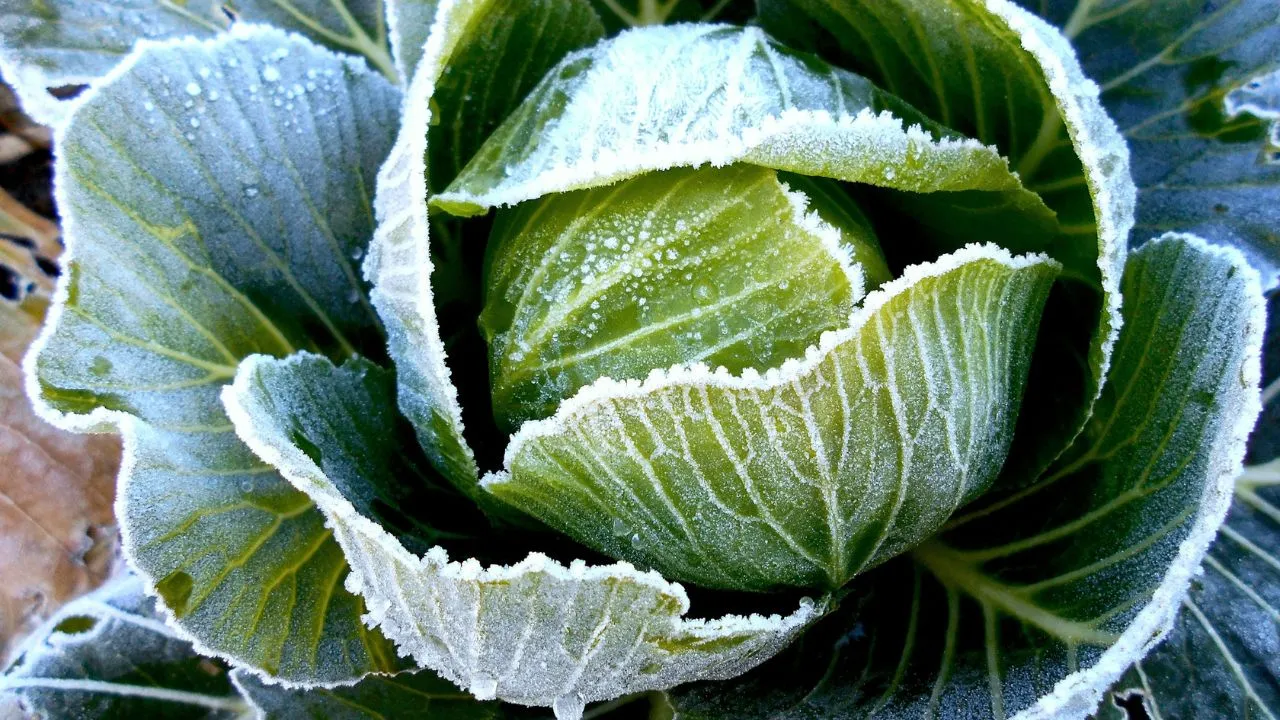
Your grandmother kept the Almanac by the back door for good reason, and she knew to read it with a grain of salt. Here is the surprising part: the frost dates published by The Old Farmer’s Almanac are set at a 30 percent probability threshold, built from NOAA’s 1991 to 2020 climate normals. In plain terms, there’s roughly a 3 in 10 chance of frost after the “last” spring date or before the “first” fall date. Even the Almanac says to “use these dates as a flexible guide, not a guarantee.” A backyard sensor turns those odds into a reading you can act on, on the nights that matter most.
4. Stop Watering by the Calendar
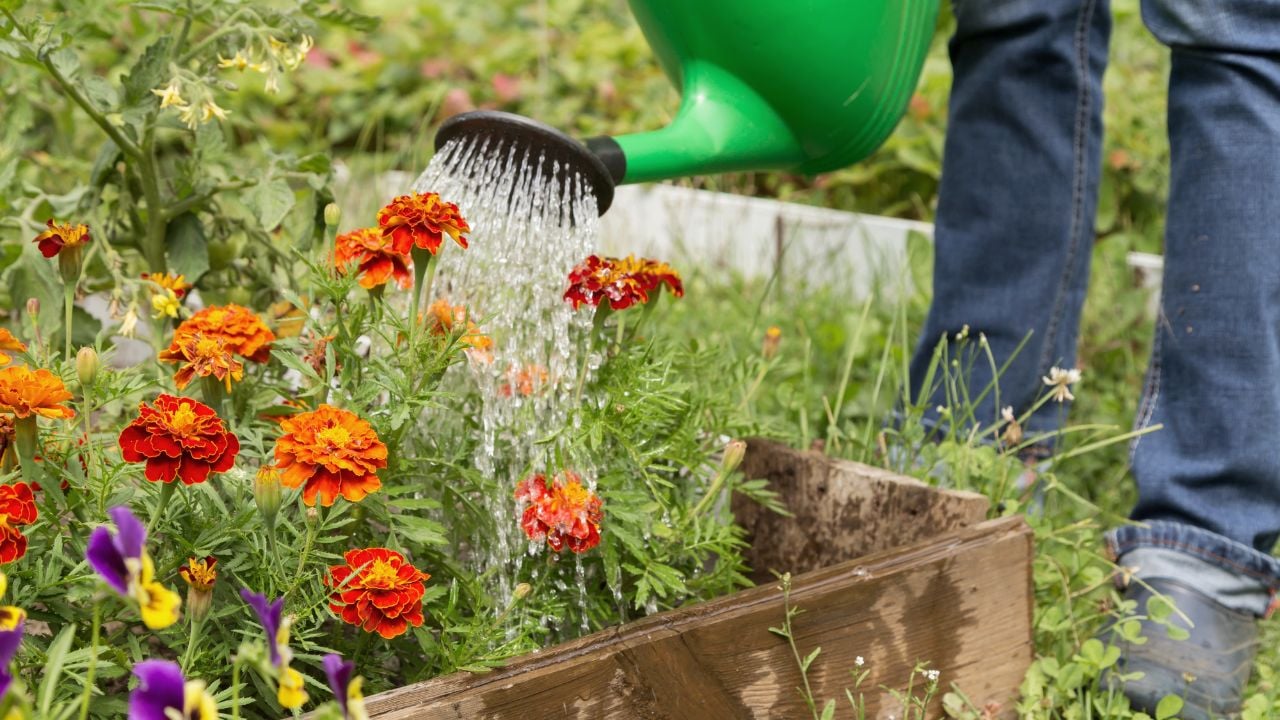
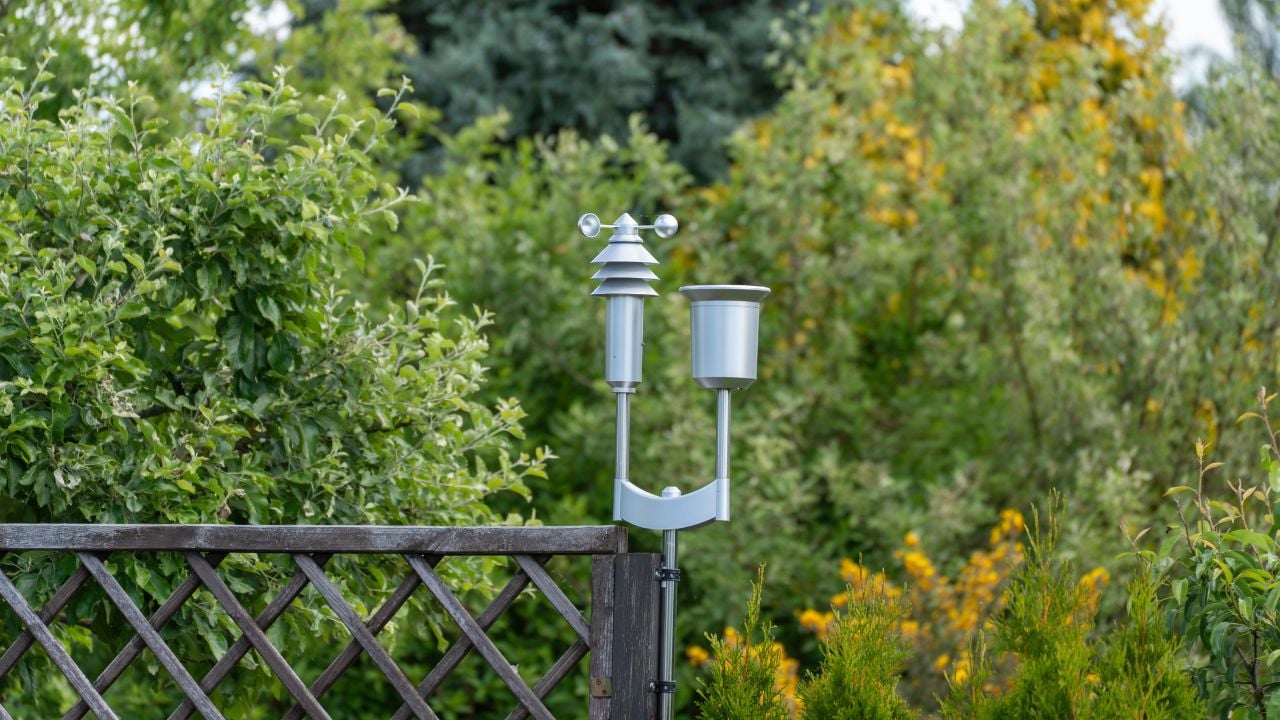
This mistake costs real money every summer. The EPA’s WaterSense program estimates that as much as half of residential outdoor water is wasted through overwatering, and says smarter, weather-based watering nationwide could save up to $4.5 billion a year in water costs. A simple rain gauge tells you exactly how much fell on your beds, not across town. At a large community farm in Albuquerque, board member Kemper Barkhurst told AcuRite that on-site rain data changed their schedule: “We have monitored enough rainfall that we can skip irrigating.” Every skipped cycle is money back in your pocket.
5. Never Ignore the Lightning Warning in the Yard
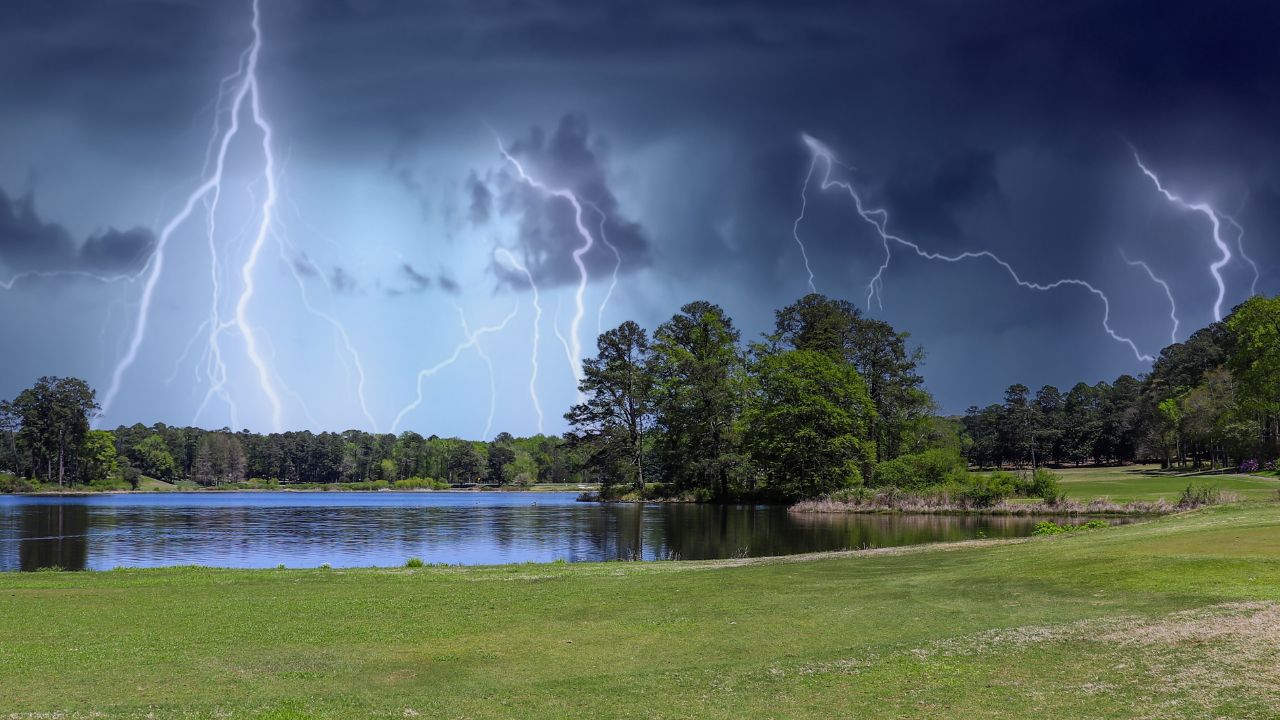
This is the safety stake few gardeners consider. The National Weather Service calls lightning “one of the nation’s deadliest weather phenomena,” with a recent ten-year average of 21 deaths a year in the United States, nearly all of them outdoors. In a National Weather Service fatality analysis, yard work, including mowing the lawn, accounted for 18 deaths. Many home stations now include lightning detection that alerts you to strikes up to about 25 miles away, long before you hear thunder over the clatter of a mower. If you weed or mow in the late afternoon, this feature alone may justify the purchase.
6. Don’t Raise a Mast Before You Read Your HOA Rules
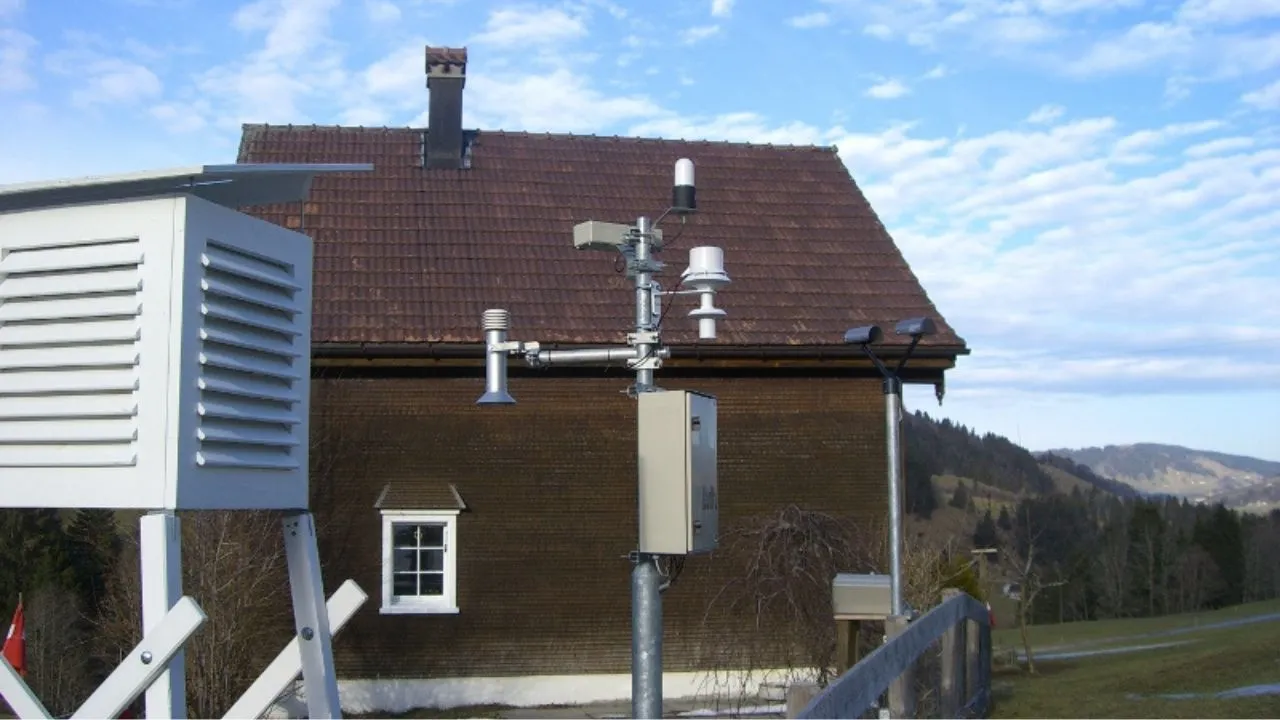
Most homeowners assume a weather station is protected like a TV antenna, but it may not be. In a Maryland dispute decided by the Montgomery County Commission on Common Ownership Communities, a panel found the federal rule a homeowner relied on “protected only television antennas and the masts used to support them,” and ordered a rooftop mast removed within 30 days, with the association allowed to take it down and bill the owner. That case involved a radio antenna, but the lesson carries over: a tall pole visible from the street can draw complaints from neighbors and a violation notice from your HOA. Read your covenants and request approval first. The good news is that a rooftop isn’t ideal placement for a weather station anyway; Swain warns that roofline wind sensors mostly measure turbulence that the house creates.
7. Stop Paying for Sensors You’ll Never Use
Permit yourself to skip the bells and whistles. After testing 18 stations priced from $35 to $559, The Spruce concluded, “You really only need temperature and humidity sensors,” and its best value pick sells for around $69. The same review notes that cheaper units with spinning wind cups are the parts most likely to break. If you’re in your 50s or 60s and have spent decades reading the sky, you don’t need a dashboard of 20 numbers. You need an honest overnight low from the bed you care about most.
How to Get Started
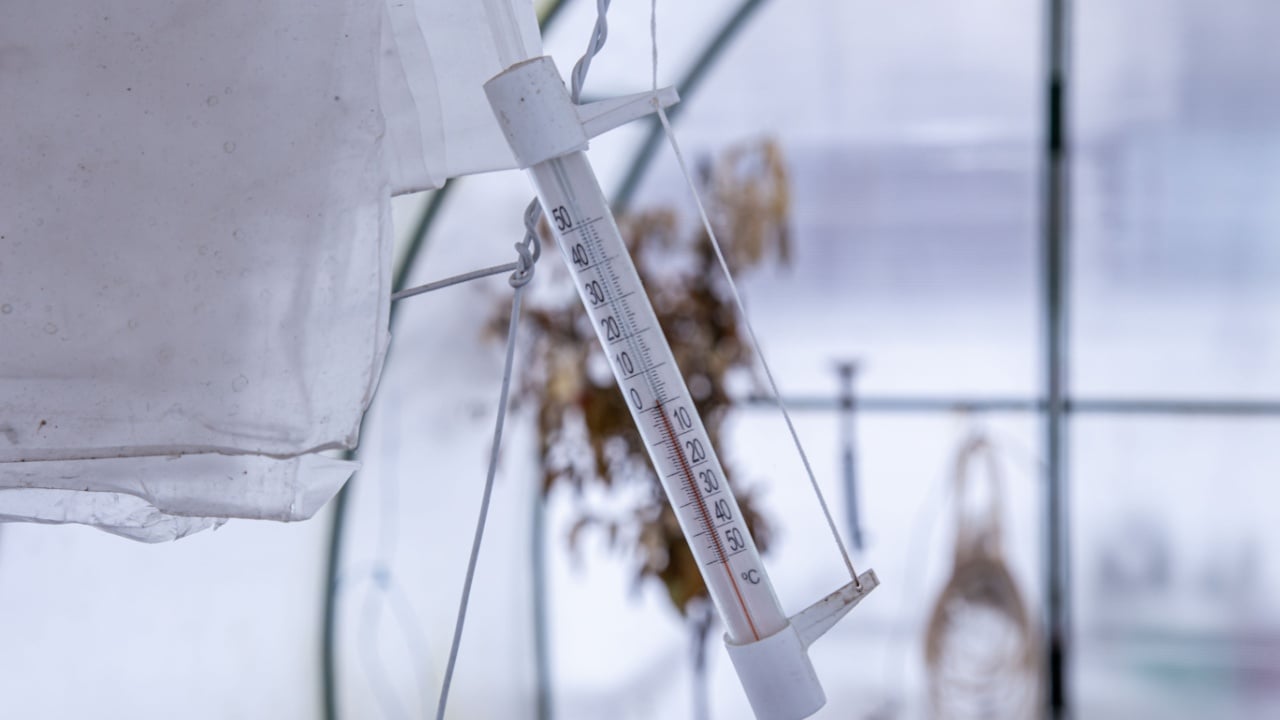
Start small and place it smart. Buy a basic station with one or two remote probes, then set a probe about two feet off the ground, shaded, in the lowest bed in your yard. University of Georgia Extension climatologists explain that cold air “is denser than surrounding air and is likely to flow downhill,” creating frost pockets in low spots. On clear, calm evenings in frost season, check your reading and the dew point before dark. Many gardeners have found that when the dew point dips toward 32, frost follows even when the forecast low looks safe. Cover tender crops, and keep a simple log for a full year.
The Bottom Line: Is an Automatic Weather Station Worth It?
Yes, if you let it replace guessing rather than gut instinct. Cold Climate Gardening writer Kathy Purdy told AcuRite that her backyard runs consistently colder in winter and warmer in summer than official reports, and summed it up simply: “You can’t really succeed in gardening without understanding your climate.” The airport forecast will always have its place. But your garden deserves its own thermometer, and a modest one, placed well, will repay you the first night it saves a bed from frost.
Read More
The 7 Best Garden Items to Thrift This Fall
9 Smart Ways to Save Money in the Garden Before Fall Ends