Big Bend National Park is Closing Several Areas to Remove Invasive Sheep
If you’re heading to Big Bend National Park in early October, you may run into a few temporary closures. The park is closing several areas while crews work to remove invasive Barbary sheep.
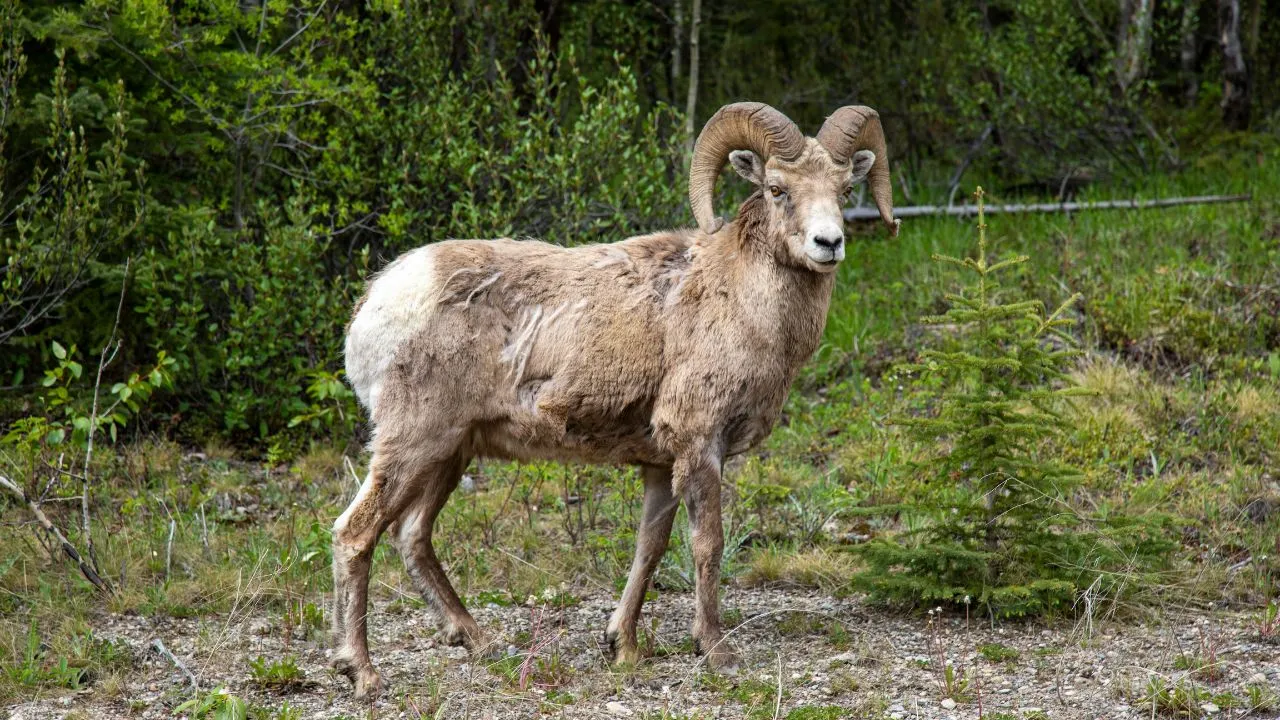
The animals, also called aoudad, have become a problem for the park’s small population of native desert bighorn sheep. Hundreds of aoudad now live in Big Bend and compete with the bighorn sheep for food and water.
The National Park Service is once again working with the Texas Parks and Wildlife Department to reduce the population. The annual project begins October 1 and includes aerial operations in some of the park’s more remote areas.
Thankfully, the closures shouldn’t last too long. NPS says each area normally closes for about one full day, although weather or mechanical problems could keep an area closed longer.
Several Areas Will Close
Embedded media follows. Please allow a moment for it to load.
The first closure starts at the Mesa de Anguila on October 1. The area will actually close the evening before crews begin working and reopen once the operation is finished.
The Rio Grande and Santa Elena Canyon Trail will remain open during that closure. On October 2, the Deadhorse Mountains and nearby areas will close. That includes Dagger Flat Road and Old Ore Road.
One thing to keep in mind is that Old Ore Road is already listed as closed until further notice because of damage from earlier flash flooding. The Rio Grande and Boquillas Canyon Trail will stay open during the October 2 work.
Why Is Big Bend Removing Them?
Aoudad aren’t native to Texas. They originally came from North Africa and were brought to Texas for private game ranches. Over time, some spread into Big Bend. NPS says they likely arrived in the park in the 1970s and can now be found throughout it.
Meanwhile, desert bighorn sheep are native to the area and are still being restored after disappearing from the park in the past. The two animals use many of the same areas. Large groups of aoudad can keep bighorn sheep away from water and compete with them for food.
Texas Parks and Wildlife says aoudad herds in the Trans-Pecos can include more than 100 animals at a time. They can also damage desert plants and compete with native wildlife for space, food and water.
Big Bend Has Been Doing This For Years
Big Bend and Texas Parks and Wildlife have worked together on similar projects for years. The park’s current plan for controlling aoudad and other invasive animals dates back to 2018.
That plan allows Big Bend to use several methods to control invasive animals, including limited aerial removal.
For this year’s project, NPS says visitors should watch for posted closure signs at roads and trailheads. The areas will reopen as soon as crews finish the work.