How to Prepare Your Home Before Leaving on Vacation (A Checklist)
Packing may get most of the attention before a vacation, but the house needs some preparation too. A small leak, failed appliance, or temperature problem can cause far more damage when nobody is home to notice it. Preparing the property before departure can reduce those risks while making the return home easier.
The amount of preparation depends on how long the house will be empty, but several areas deserve attention even for a relatively short trip.
Reduce the Risk of Water Damage
Water leaks can become expensive quickly in an unattended house. Check visible plumbing around toilets, sinks, washing machines, and water heaters for moisture or signs of deterioration before leaving.
Homeowners going away for an extended period may consider shutting off the main water supply when appropriate. If the home’s heating system or other equipment depends on a water supply, however, confirm how those systems operate before closing any valves.
Outdoor irrigation deserves attention too. Automatic sprinklers should follow an appropriate schedule rather than continuing to run unnecessarily during rainy conditions.
Set the HVAC System for an Empty House
Turning heating or cooling completely off can create problems. Extreme indoor temperatures may affect plumbing, electronics, furniture, and other household materials
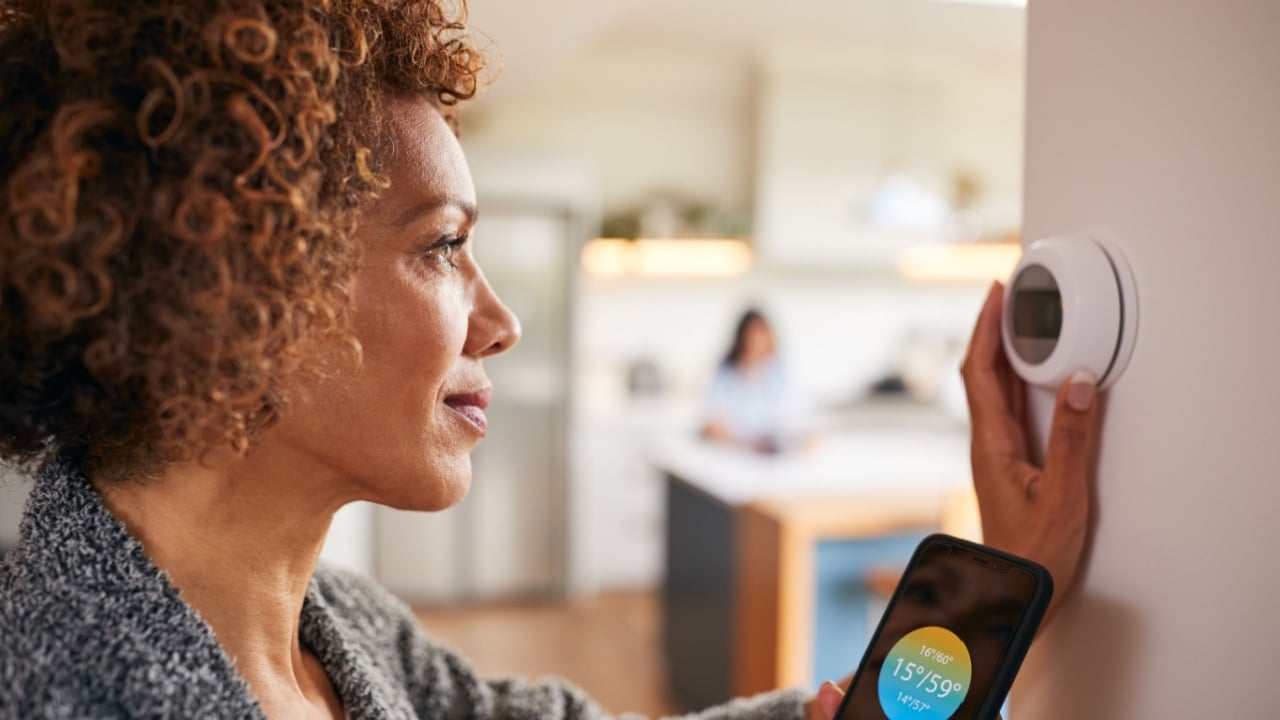
Instead, adjust the thermostat to reduce energy use while maintaining a safe indoor temperature. The appropriate setting depends on the season, climate, house, and any pets or plants remaining inside.
Unusual furnace noises, weak airflow, or inconsistent temperatures should be investigated before departure. If a system is already showing signs of trouble, contacting a heating repair company before a winter trip may be preferable to discovering a failure after returning home.
Remove Common Household Risks
Kitchen preparation should go beyond taking out the trash. Dispose of food likely to spoil and check the refrigerator for anything that could create odors during a longer absence.
Small appliances that do not need to operate can be unplugged. Washing machines, dishwashers, and dryers should not be left running as the family heads out the door. Make sure windows are fully closed and exterior doors are locked, including less frequently used entrances.
Outdoor items can create problems during severe weather. Secure lightweight furniture, decorations, and other objects that could move during high winds.
Make the Home Look Attended
A house that remains completely dark for several nights can make an extended absence more noticeable. Timers or smart lighting can create normal changes in indoor lighting without leaving lamps on continuously.
Mail and package accumulation is another clue that nobody is home. Arrange for mail to be held or collected and pause routine deliveries when possible.
For longer trips, ask a trusted person to check the property periodically. A quick visit can identify a leak, power outage, HVAC problem, storm damage, or another issue before it becomes more serious.
Preparing a vacation home should focus on reducing the consequences of problems that might otherwise go unnoticed. Checking plumbing, adjusting indoor temperatures, securing entry points, managing deliveries, and arranging occasional property checks can provide valuable protection while the house is empty. Look over the infographic below to learn more.