An Endangered Wolf in North Carolina Sees a Baby Boom After Four Litters Were Born in the Wild This Year
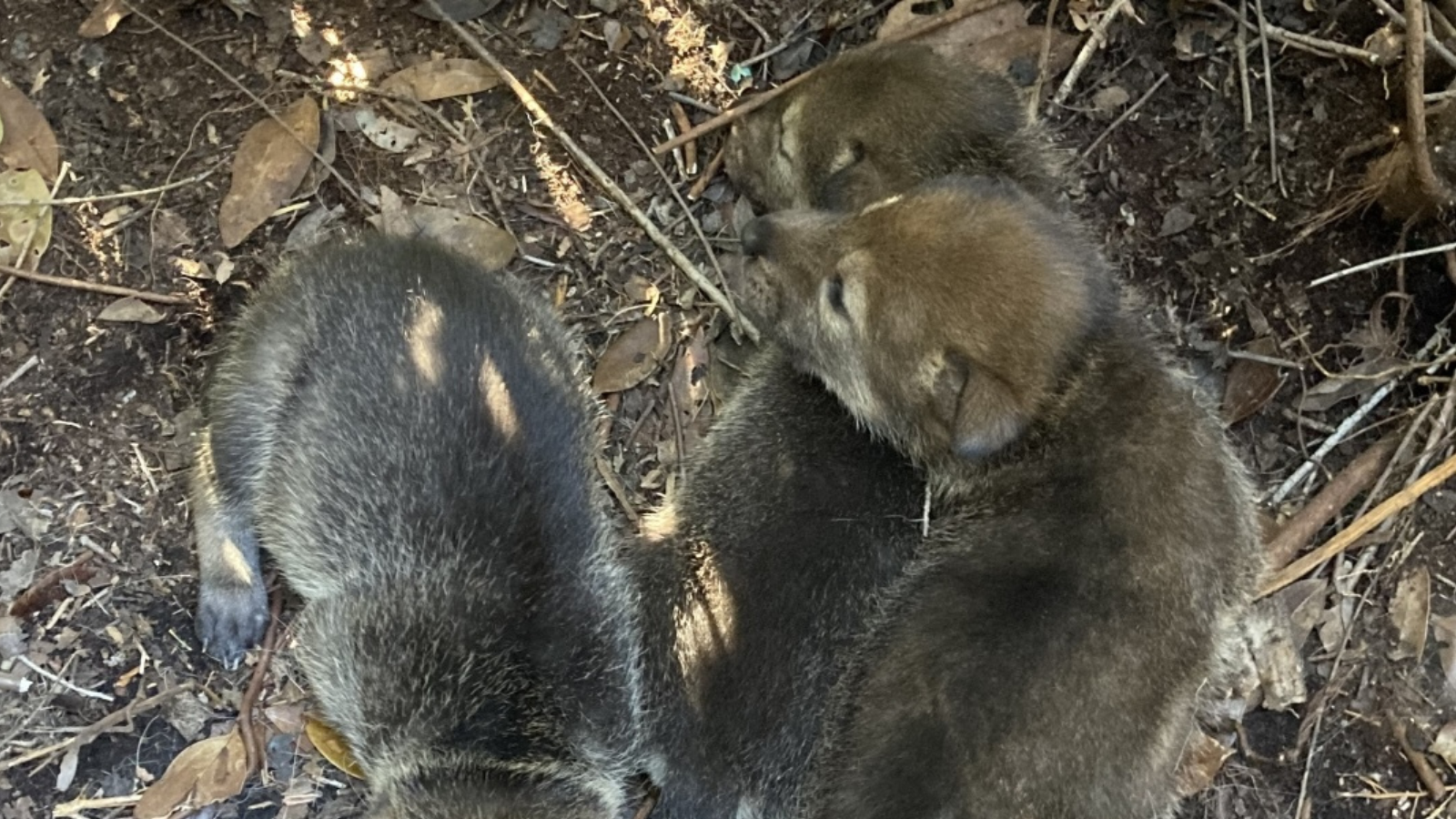
Wildlife advocates have a reason to celebrate in North Carolina after the Center for Biological Diversity issued a press release announcing the birth of four litters of red wolf pups. The July 15, 2026 press release used information from a U.S. Fish and Wildlife Service (FWS) announcement on the Red Wolf Recovery Program, which has been working to restore populations to the region.
According to the most recent data, there are now between 23 and 24 adult red wolves in Eastern North Carolina, and 12 to 16 pups. That doesn’t include the number of red wolves that are currently living in some type of captivity, which FWS estimates at 295.
The happy news is being shared by local reporters, and ABC News 12 says that the pups were born in the area around Alligator River and Pocosin Lakes. The pups were born on both national wildlife refuges and private lands, highlighting how important it has been for locals to work with FWS on this project.
Red wolves have only been back in the area for a few decades, and they were reintroduced to the region in 1987. There’s still a lot of work to be done, but for now officials have a reason to celebrate.
Red Wolves are Returning to North Carolina
View this post on Instagram
“It’s inspiring to see these underdogs making another incredible comeback,” Will Harlan, Southeast director at the Center for Biological Diversity, said in the press release. “Red wolves are thriving in the wild thanks to the dedication of the Fish and Wildlife Service, landowners and communities working together. These pups provide real hope for the future of red wolves.”
Several organizations have come together to make this happen, including the Prey for the Pack Program, which offers financial compensation to private landowners who allow red wolves on their property.
North Carolina is Working to Protect Red Wolves and Other Wildlife
Automobiles have been the leading cause of death for red wolves since 2020, according to the Center for Biological Diversity. As such, the state of North Carolina has been working to obtain funding that will help create wildlife crossings under the deadly Highway 64. The state recently received a $31 million grant to build the crossing. The Center for Biological Diversity has managed to raise an additional $2 million for the project, which will also help river otters, black bears, spotted turtles, and dozens more.
According to the National Park Service, most U.S. wolves are considered endangered. That’s because many farmers believed they were a danger to livestock, and they were hunted into extinction in many areas.
Over the years, many organizations have attempted to reintroduce wolves into the wild, with varying degrees of success and acceptance. Hopefully, this latest announcement is a sign that the red wolves are making a real comeback.