A 150-Year-Old Oak Was Cut Down in a New Jersey Woman’s Backyard without Permission. Now She’s Suing
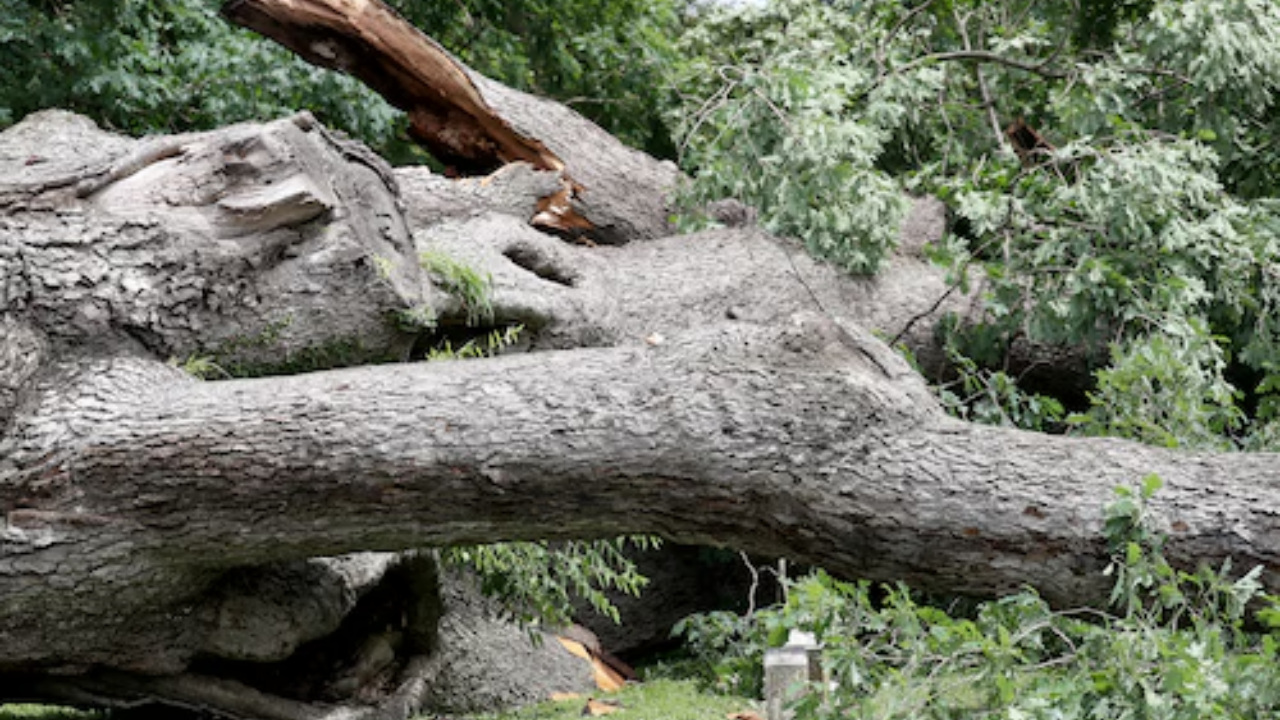
A Hackensack, New Jersey homeowner is suing the city, the school board, and several other government agencies after a contractor removing trees on neighboring school property cut down a 150-year-old oak in her backyard without permission. Lenora Pascuzzo says the roughly 80-foot tree stood about 40 feet inside her property line, NJ.com reported. The oak was a sapling around the time of the country’s 1876 centennial and had grown alongside what became a residential Bergen County backyard.
Pascuzzo was away when it happened. On August 12, 2025, according to the lawsuit, the defendants or their contractors crossed onto her property without authorization, then cut down and removed the tree. It had provided shade, privacy, and environmental benefits and was a defining feature of her home, her attorney said.
The lawsuit was filed on June 11, alleging that the defendants trespassed on Pascuzzo’s property, destroyed her real property interests, acted negligently and with reckless disregard, and violated additional rights, among other claims. Pascuzzo has named as defendants the City of Hackensack, the Hackensack school board, Bergen County, the state of New Jersey, and other state agencies. She has also sued a South Plainfield business, Rich Tree Service, Inc. Pascuzzo is seeking all damages she may be entitled to under the law, including lost property value, the cost of restoring and replacing the tree, and the loss of shade, privacy, and aesthetic value.
Pascuzzo’s attorney, Christopher T. Karounos, said the case is about more than a tree, describing it as being about respecting private property and holding public entities accountable. He said the law gives no one, government included, the right to trespass first and ask questions later. Hackensack Mayor Caseen Gaines denied wrongdoing on the city’s behalf, telling NJ.com that no municipal employees handled tree maintenance at the time and place alleged. School board president Jennifer Harris said the district’s insurance carrier is handling the suit and will pursue claims against whoever was responsible for the removal.
How New Jersey Values a Wrongly Cut Tree
New Jersey courts don’t limit damages in these cases to the price of the lumber. When a mature, established tree is destroyed, judges can award the cost of replacing it, and for a specimen the size of Pascuzzo’s oak that figure climbs fast, because sourcing, transporting, and planting a comparable tree is expensive and, past a certain size, effectively impossible. That gap between lumber value and replacement value is what pushes a claim like this well beyond the cost of the wood, and Pascuzzo’s suit asks for replacement-value damages directly.
New Jersey also treats unauthorized tree cutting like trespassing, which can expose the responsible party to liability separate from the tree’s value. Pascuzzo’s claim turns on the crew having crossed onto private property, roughly 40 feet past her line, to do the work. Whether the various defendants are held liable, and which of them, will depend on how those trespass and damages questions are resolved, and on who is found to have directed or performed the removal.
Other Similar New Jersey Tree Cases
The dispute echoes a 2023 case in Kinnelon, where a property owner named Grant Haber had 32 of a neighbor’s trees cut down, some of them up to 150 years old. Kinnelon charged $1,000 per tree, and estimates for replanting ran far higher because a local ordinance required replacing removed trees with ones of like or superior species. The wronged homeowner, Samih Shinway, said the job would require building an access road to the planting site and watering the new trees for two years.
Municipalities have also faced large payouts when trees they were responsible for caused harm, though those cases run the opposite direction, with the public entity liable for a tree it failed to maintain rather than one it wrongly removed. They point to the same underlying principle, which is that responsibility for a tree carries real financial weight in New Jersey. As of the NJ.com report, Rich Tree Service, Bergen County, and the state agencies named in the suit had not responded to requests for comment.