13 Collectibles Aren’t Actually Worth Much
From limited-edition stamps to antique toys, the world of collectibles is massive and appealing, filled with promises of hidden treasures and lucrative investments. Many collectors dream of stumbling upon a rare gem that will eventually skyrocket in value, transforming their hobby into a financial jackpot. However, it’s important to remember that not all that glitters is gold, and some collectibles may not be worth the dust they gather in your attic.
Although certain items can appreciate in value over time, others are simply mass-produced items with little to no inherent resale value. It’s vital to distinguish between genuine treasures and worthless trinkets to avoid wasting time and money on items that won’t yield any returns.
We are exposing 13 collectibles often considered worthless (despite people’s dreams) and shedding light on the reasons behind their lack of value. So, whether you’re a seasoned collector or just starting to dabble in the world of antiques and memorabilia, prepare to be surprised and educated as we separate the treasure from the trash.
1. Mass-produced Toys
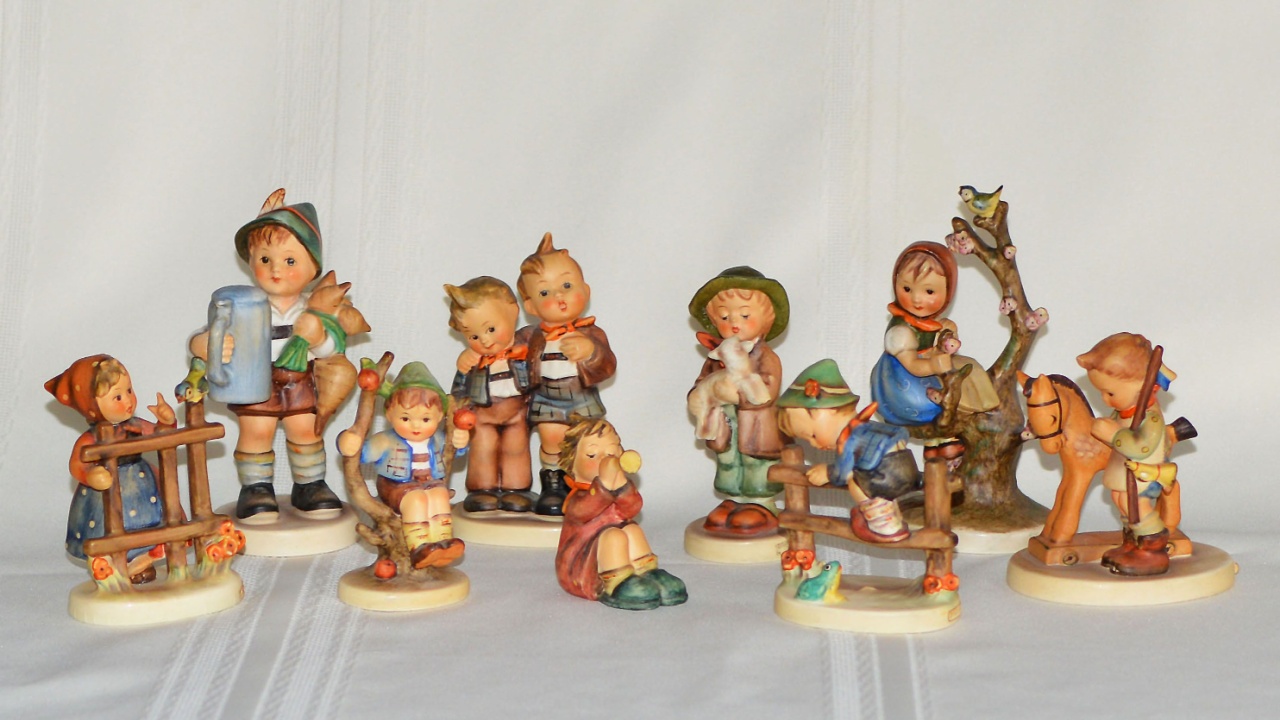
While some vintage toys can be valuable, most mass-produced toys from recent decades, such as Happy Meal toys, Furbies, and generic action figures, hold little value. Their abundance and lack of unique features make them less appealing to collectors.
The sheer volume of these toys produced makes it difficult for them to appreciate in value. Unless you have a rare or first-edition toy in mint condition, it’s unlikely to be worth more than a few dollars.
2. Limited Edition Items (with Exceptions)

Many companies release “limited edition” items to create a sense of exclusivity and drive sales. However, these items are often not truly limited in quantity, and their value doesn’t always appreciate over time.
Be wary of limited edition items (such as figurines, tea sets, books, etc.), especially mass-produced items that lack a unique feature or historical significance. Do your research to determine the true rarity and demand for the item before investing in it.
3. Collectible Plates and Figurines
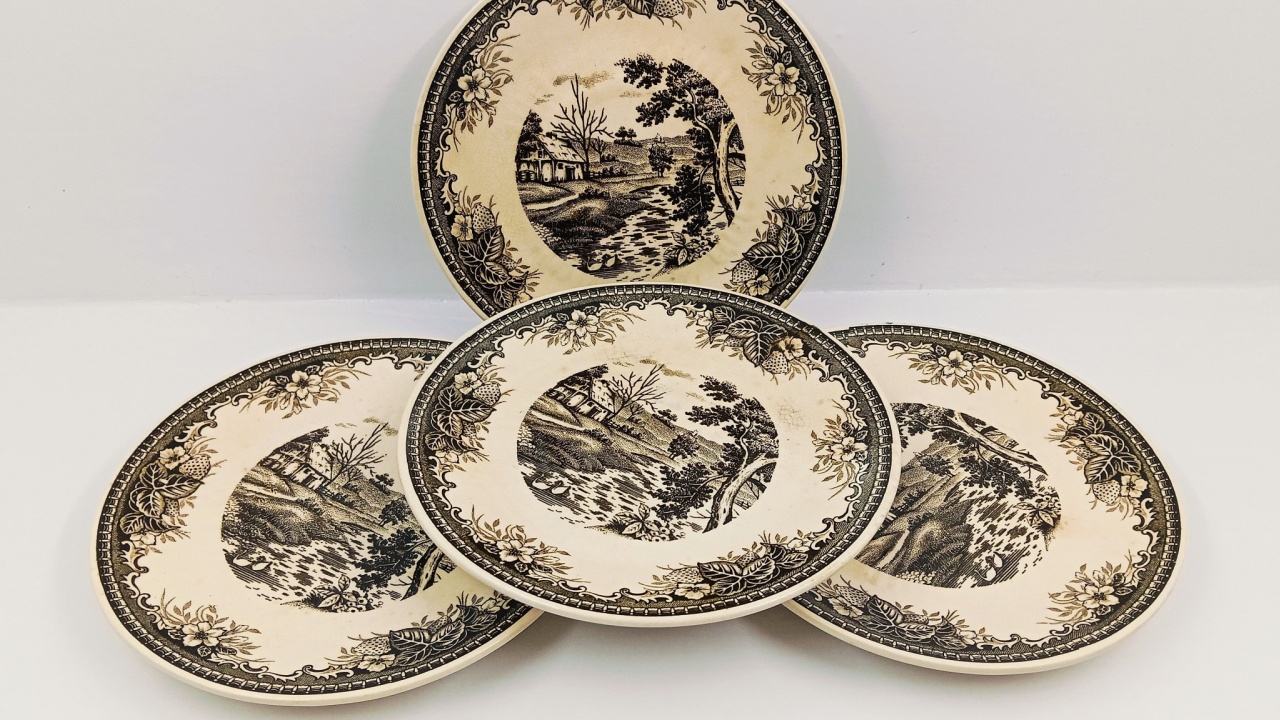
Decorative plates and figurines, often featuring popular characters or themes, were once marketed as valuable collectibles. However, their mass production and limited demand have rendered most of them virtually worthless.
Unless you have a plate or figurine from a renowned artist (think Pablo Picasso) or a truly limited-edition release (Royal Copenhagen or Royal Vienna), it’s unlikely to be worth much more than its original purchase price. These items are best enjoyed for their decorative value or sentimental significance rather than their potential resale value.
4. Sports Memorabilia
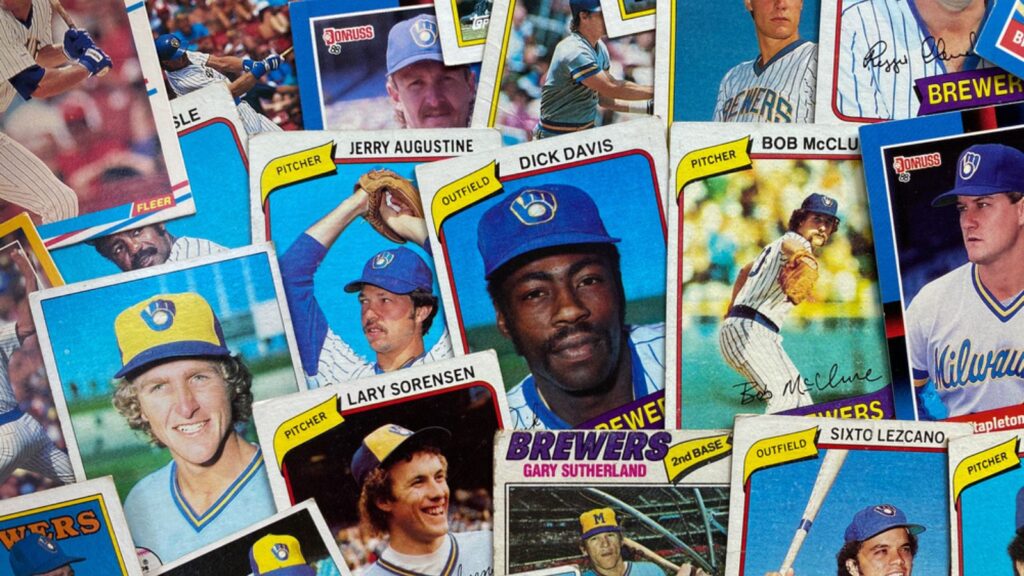
Game-used jerseys, signed balls, and other sports memorabilia can be valuable collectibles, but most items hold little value. The large volume of these items on the market makes it difficult for them to appreciate in value.
Focus on collecting memorabilia from iconic athletes, championship games, or historic events to increase your chances of finding valuable additions to your collection. Authenticity is crucial, so ensure the item includes a certificate of authenticity from a reputable source.
5. Used Clothing and Accessories

Although vintage clothing and accessories from iconic designers or eras can be valuable, most used items from fast-fashion brands or everyday wear are unlikely to fetch a high price.
The substantial volume of used clothing available, coupled with typical wear and tear, makes it difficult to find buyers willing to pay a premium. Consider donating or recycling unwanted clothing instead of expecting to make a profit.
6. Outdated Technology

With the rapid pace of technological advancements, outdated technology quickly becomes obsolete and loses its value. This includes VHS tapes, cassette tapes, old computer models, and even early-generation cell phones.
Unless you have a rare or vintage piece of technology in pristine condition, it’s unlikely to be worth much. Most of these items can be found in thrift stores or online marketplaces for a fraction of their original price.
7. Mass-produced Books

While rare first editions or signed copies of books can be valuable, most used books, especially those in poor condition, are worth very little. With the rise of e-books and online marketplaces, the demand for used books has decreased significantly.
Focus on collecting rare or signed books, those with historical or literary significance, or those in excellent condition, to increase your chances of finding valuable additions to your collection. Research the specific book and its edition before investing in it.
8. Furniture
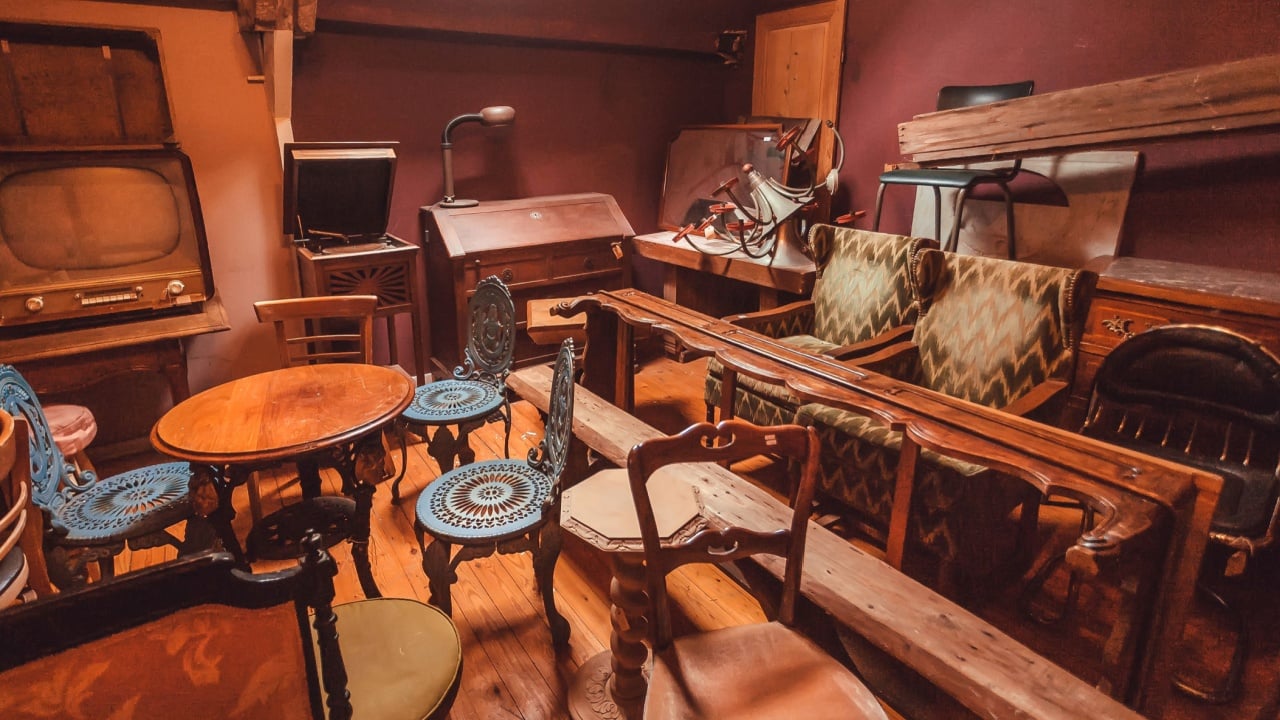
Even though certain pieces of antique or vintage furniture from renowned designers or periods can be valuable, furniture that was manufactured in bulk from recent decades often lacks the craftsmanship, quality materials, and unique design that attract collectors.
The abundance of these pieces, coupled with their often lower-quality construction, makes them less desirable in the resale market. Instead of investing in trendy or generic furniture, consider spending your money on well-made, timeless pieces that will hold their value.
9. Common Household Items

Everyday household items like dishes, glassware, and utensils rarely appreciate in value. Unless you have a rare or vintage piece from a renowned manufacturer or designer, these items are typically worth very little.
Certain antique or collectible household items can be valuable, but most everyday items are readily available and don’t hold much interest for collectors. Focus on collecting unique or rare pieces with historical or artistic significance to increase your chances of finding worthwhile additions to your collection.
10. Generic Souvenirs
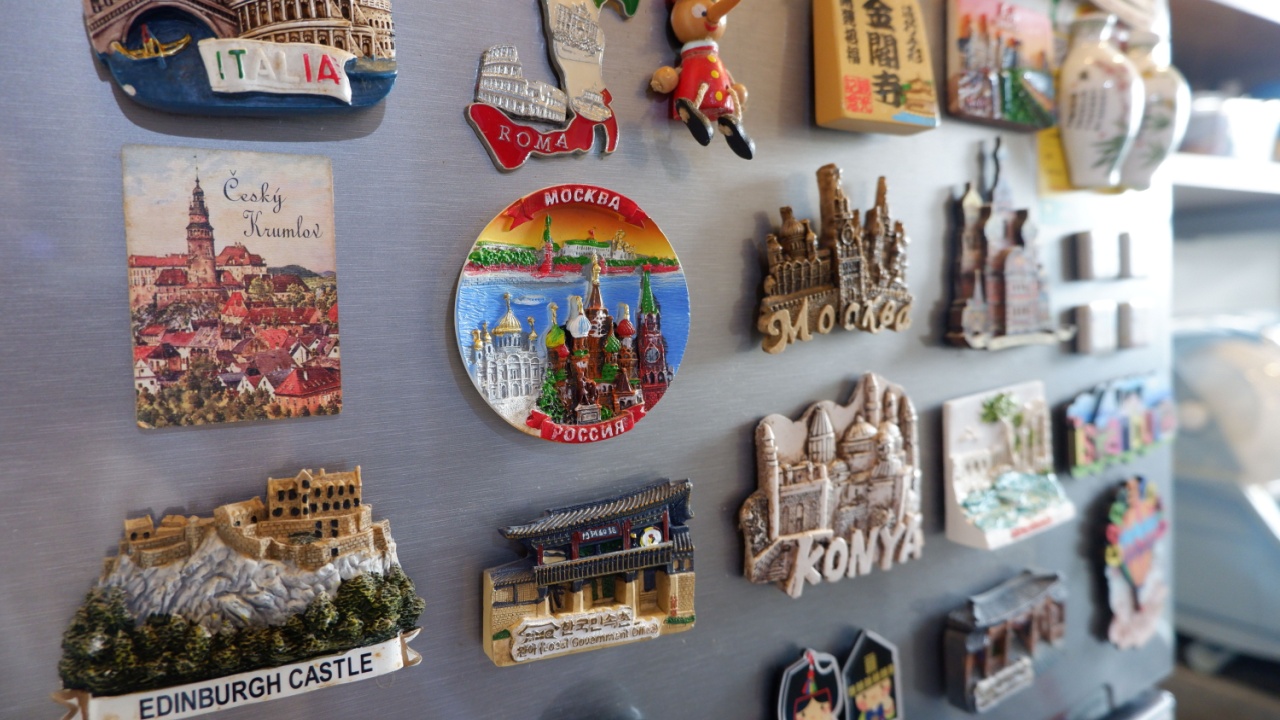
Touristy trinkets like shot glasses, keychains, and t-shirts with generic slogans or logos rarely hold any value. These items are mass-produced and readily available, making them unappealing to collectors.
While some vintage souvenirs or those from rare events might have some value, most run-of-the-mill souvenirs are simply mementos of your travels. Enjoy them for their sentimental value rather than their potential resale value.
11. Common Coins
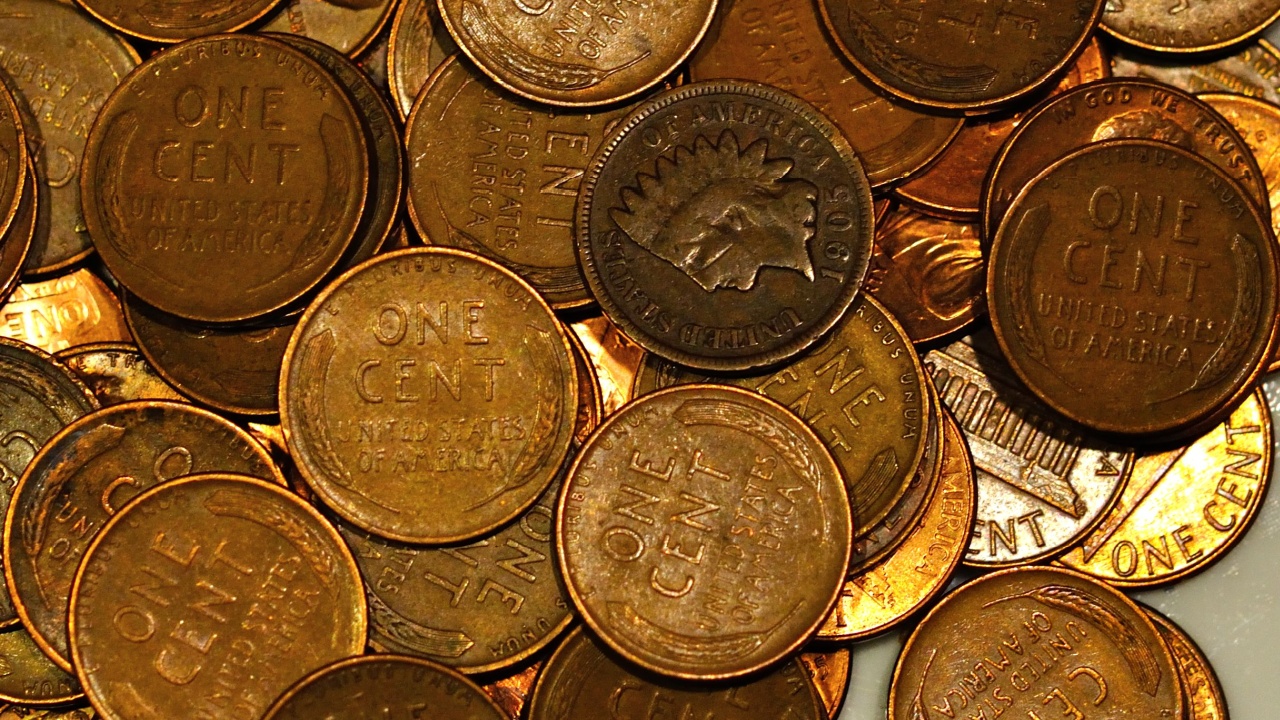
While rare or error coins can be valuable, most common coins in circulation are worth only their face value. Unless you have a rare penny, nickel, dime, or quarter, it’s unlikely to be worth much more than its denomination.
Focus on collecting rare coins, those with errors or misprints, or those from specific years or mints to increase your chances of finding valuable additions to your collection. Research the specific coin and its rarity before investing in it.
12. Modern Comic Books

Some vintage or rare comic books can be worth a fortune, but most modern comic books are mass-produced and readily available, making them less desirable as collectibles. Unless you have a first issue or a comic book featuring a key character’s first appearance, it’s unlikely to be worth much.
Put your energy into collecting rare or vintage comic books, those with iconic covers or storylines, or those in pristine condition, to increase your chances of finding valuable additions to your collection. Investigate the specific comic book and its publisher before investing in it.
13. Generic Posters and Prints

While original artwork or limited-edition prints can be valuable, mass-produced posters and prints are typically not worth much. Their widespread availability and lack of scarcity make them less desirable as collectibles.
If you still want to grow your collection, consider seeking out original artwork, limited-edition prints, or posters from significant events or iconic figures to increase your chances of finding valuable additions to your collection. Research the artist, the print run, and the condition of the item before investing in it.
Read more: