
10 Home Gadgets Designed to Save You Money
Could your home be quietly wasting money every day without anyone realizing it? From hidden energy drains to food that spoils too quickly, many common household habits and overlooked appliances silently inflate utility bills and grocery costs.
Fortunately, modern gadgets are stepping in to help households save both money and resources while making daily life easier. Energy-efficient devices, smart sensors, and innovative storage solutions now allow homes to run smarter, not harder. Here are ten gadgets that transform ordinary routines into money-saving opportunities.
1. Smart Thermostat

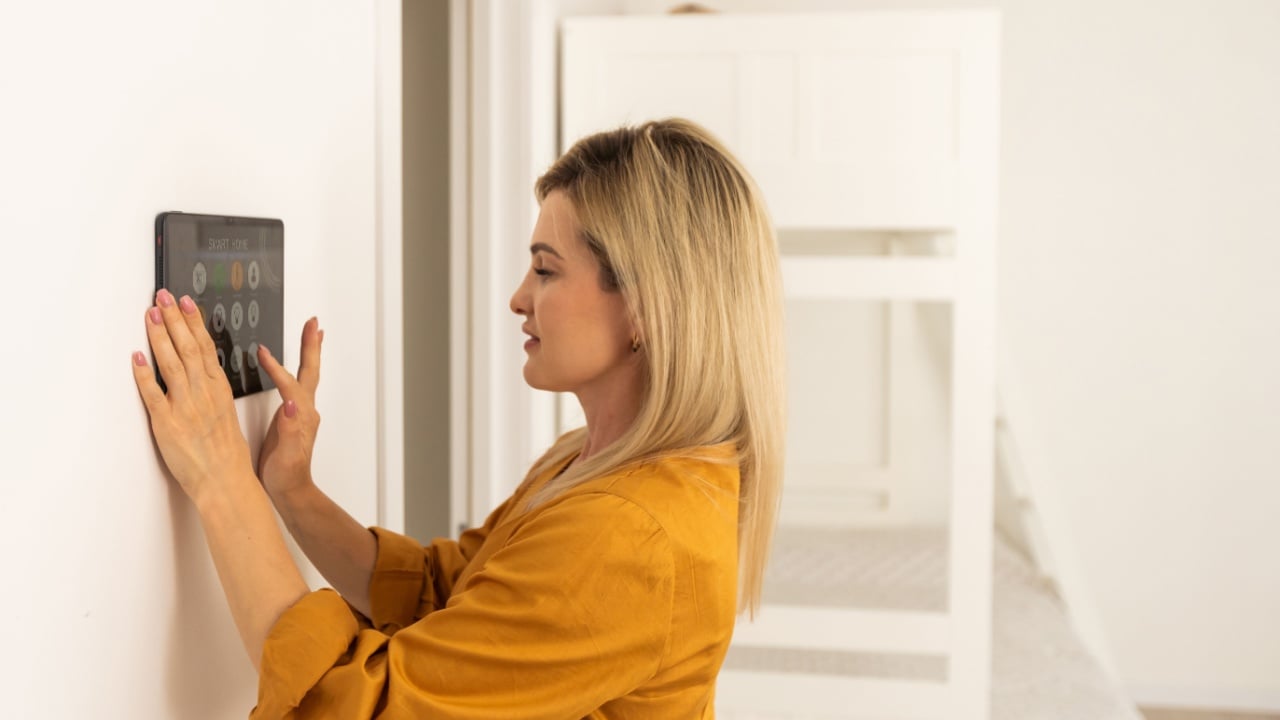
Smart thermostats learn daily routines and automatically adjust heating and cooling to avoid wastage of energy. Instead of blasting AC or heat all day, they fine-tune temperatures based on when someone is actually home. Over time, this can cut major energy costs without sacrificing comfort.
Data suggests that smart thermostat users save an average of 10–15% on heating bills and cooling costs. These savings continue year after year, making the device pay for itself over time.
2. Smart Power Strip
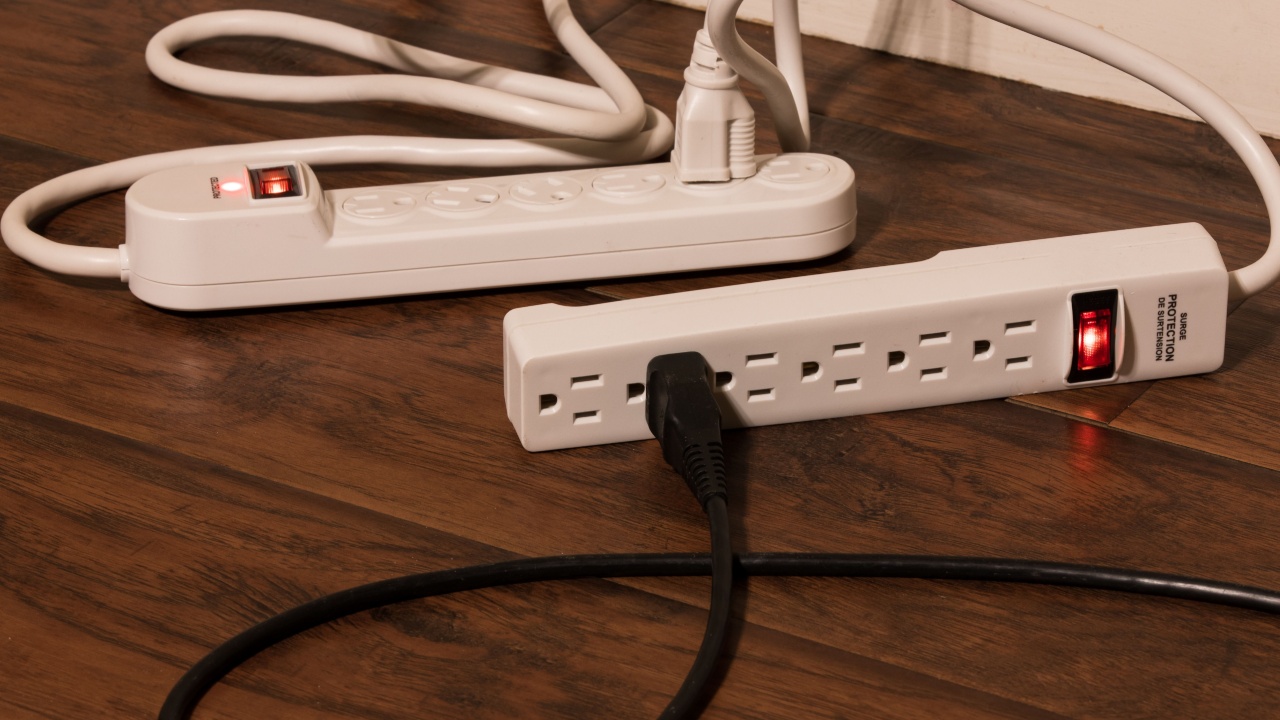
Many electronic devices continue to use electricity even when turned off. This hidden drain, known as phantom power or standby power, comes from TVs, gaming consoles, computers, printers, and kitchen appliances that stay plugged in all day. A smart power strip eliminates this waste by cutting power to devices that aren’t actively in use.
Standby power can account for 5–10% of a household’s total electricity use, adding unnecessary costs to monthly bills. Smart power strips directly target this problem without requiring major changes.
3. Low-Flow Showerhead
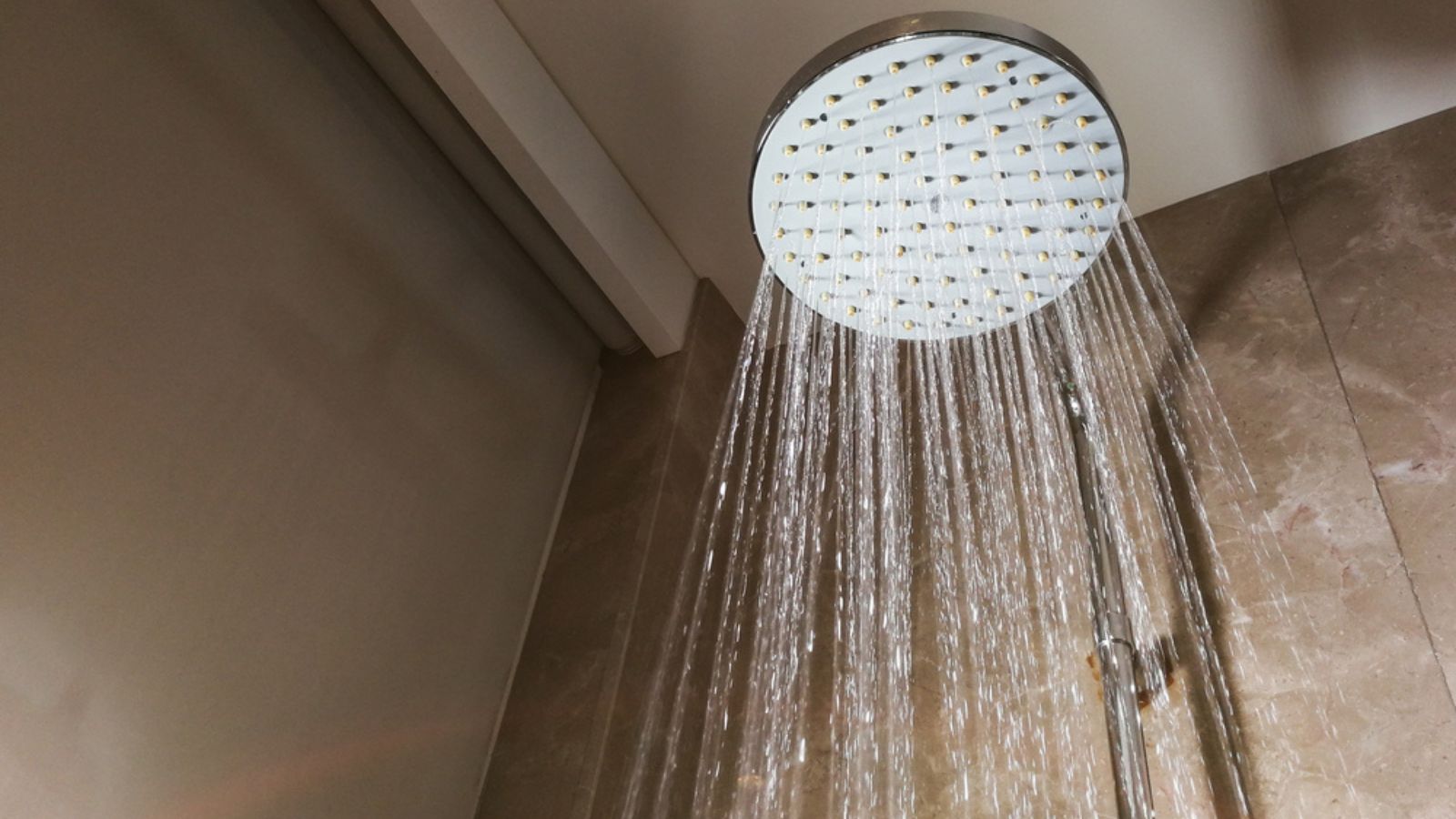
Showers are one of the biggest sources of indoor water use in most homes. Traditional showerheads can release 2.5 gallons of water per minute, which adds up quickly during daily use. A low-flow showerhead reduces water use by limiting flow while maintaining strong pressure through improved spray design.
WaterSense-labeled showerheads use no more than 2.0 gallons of water per minute and must demonstrate equal or better performance, helping families save water and energy.
4. Herb Preserver

Fresh herbs often go bad faster than expected. A bunch of cilantro or basil can wilt, turn slimy, or dry out within days when stored improperly in the fridge. Herb preservers are designed to slow this process by controlling moisture and airflow, helping herbs stay fresh for much longer.
Food waste is a serious issue. Reports highlight substantial food loss and waste; fresh produce and herbs are common contributors. Better storage, such as containers that optimize moisture and airflow, can help households reduce spoilage.
5. Energy-Efficient Light Bulbs

Lighting is used in nearly every room of a home, often for many hours each day. Traditional incandescent bulbs waste most of their energy as heat, which drives up electricity bills without providing extra brightness. Energy-efficient light bulbs, especially LEDs, solve this problem by converting more energy into light instead of heat.
LEDs use far less energy than incandescent bulbs, and widespread LED adoption has already saved U.S. consumers billions of dollars and significantly reduced building electricity use. This makes switching light bulbs one of the easiest ways to cut energy costs quickly.
6. Electricity Usage Monitor
Many households don’t realize how much money is quietly being spent on electricity because devices draw power even when they’re not actively used. An electricity usage monitor, also known as an energy meter, which plugs into a wall outlet and shows exactly how much power a device uses in real time. This makes invisible energy use visible and actionable.
Providing households with real-time feedback can reduce electricity consumption by prompting behavior changes and identifying high-usage devices, according to federal energy management guidance.
7. Motion-Sensing Light Switch
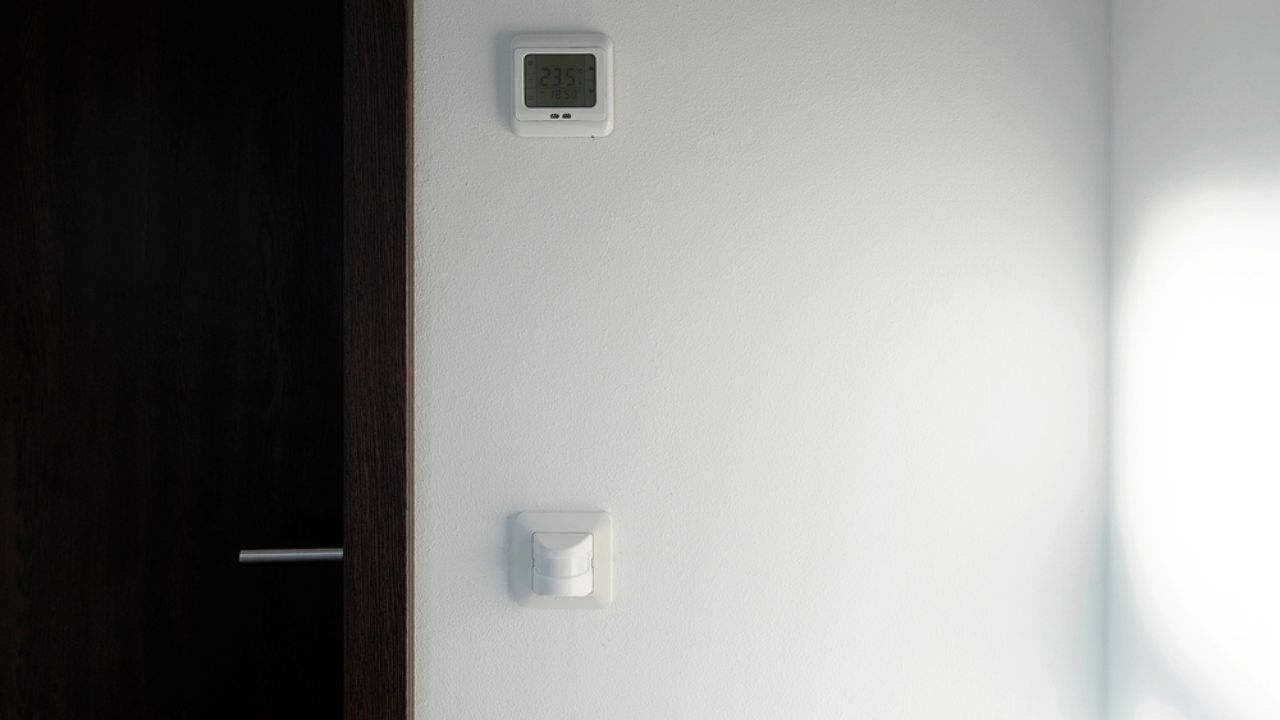
Lights are often left on in empty rooms, hallways, bathrooms, and garages without anyone noticing. This small habit adds up over time and leads to unnecessary electricity use. Motion-sensing light switches solve this problem by automatically turning lights on when movement is detected and switching them off when the room is empty.
Motion-sensing switches use infrared or ultrasonic sensors to detect movement and occupancy. When no motion is detected for a set period, the lights turn off automatically. This prevents lights from running for hours in unused rooms, which is especially common in bathrooms, closets, laundry rooms, and basements.
8. Solar Outdoor Lights

Outdoor lighting adds safety and ambiance to gardens, pathways, and driveways, but traditional wired lights increase electricity bills. Solar outdoor lights eliminate this cost by using sunlight to power LED bulbs at night. These lights store energy in rechargeable batteries during the day and turn on automatically after dark.
Solar lights require no wiring or electricity connection, which reduces installation costs. They automatically charge during daylight hours and use efficient LED bulbs that consume minimal power. This combination provides free nighttime illumination without affecting the electric bill.
9. Vacuum Sealer
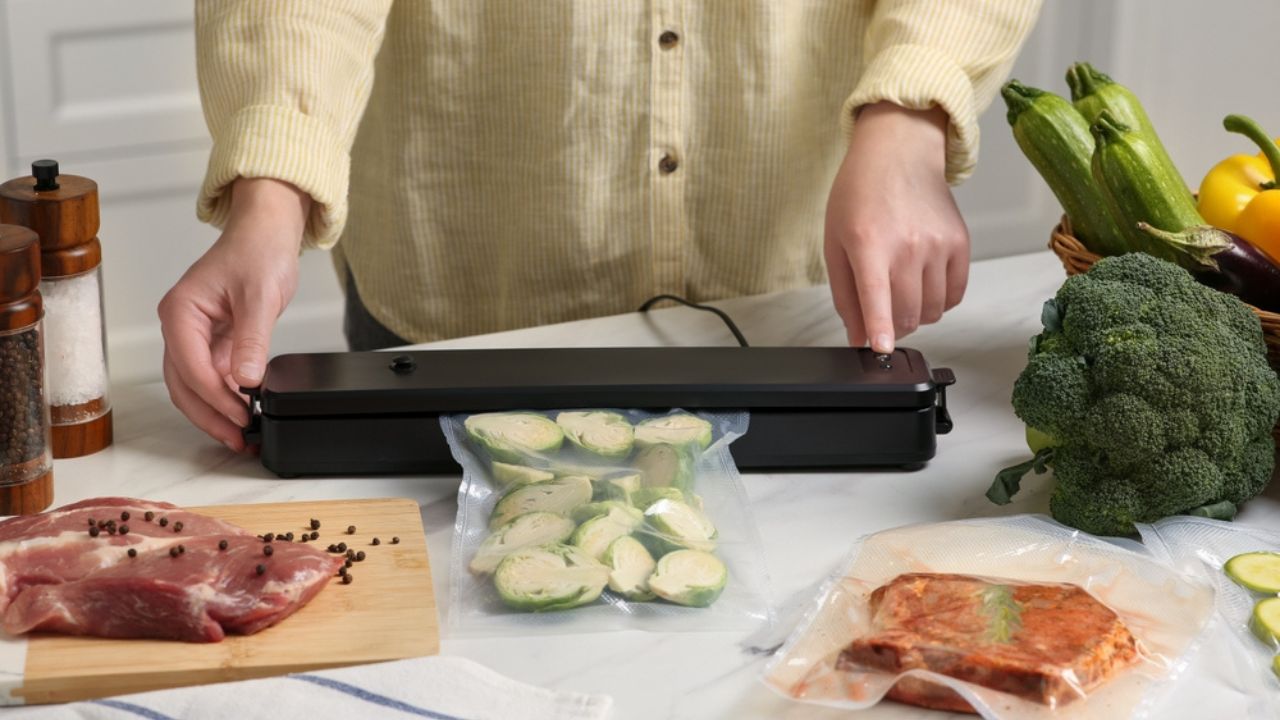
Food spoilage is a major contributor to household waste. Fresh meats, vegetables, and leftovers can lose quality within days if not stored properly. A vacuum sealer removes air from storage bags or containers, significantly slowing oxidation and spoilage, which extends the shelf life of food.
Vacuum sealing keeps food fresh 3–5 times longer than traditional storage methods. Meats, cheeses, herbs, and even baked goods benefit from longer preservation, reducing the frequency of grocery trips.
10. Smart Leak Detector

Water leaks in homes can cause serious damage if left undetected, from warped floors to mold growth and higher utility bills. Smart leak detectors identify leaks early and send alerts to smartphones, allowing homeowners to address problems before they escalate.
Smart leak detectors use moisture sensors to monitor areas such as under sinks, behind appliances, near water heaters, and in basements. When water is detected, the device immediately sends alerts via Wi-Fi, enabling prompt action before extensive damage occurs.
The Hidden Money-Savers in Your Home

Saving money around the house doesn’t have to be complicated. From smart thermostats that adjust heating automatically to vacuum sealers that keep food fresh longer, these gadgets work in the background, reducing waste and cutting costs without extra effort.
To maximize benefits, consider combining multiple gadgets for a comprehensive approach: pair smart power strips with electricity usage monitors, or use low-flow showerheads alongside water leak detectors. For garden enthusiasts, solar lights, smart irrigation, and produce or herb preservers can stretch resources while enhancing the outdoor space.
Read more
Forget Spring Cleaning— Speed Cleaning Will Change Your Life (and Save You Money)