

If shopping carts could talk, they’d say a lot about people. Or do they? A quick glance at the cart in front of you can reveal a surprising amount about a person’s week: a planned party, a new health kick, or a household recovering from the flu.
Your own cart tells a story, too, broadcasting your plans, priorities, and maybe even your secret indulgences to anyone who cares to look. That little metal basket on wheels is more than just a vessel for your food; it’s a rolling snapshot of your routines, habits, and occasional indulgences. The contents of your cart offer a glimpse into your world, telling a story about your week, your priorities, and your personality. So, what tale is your cart telling?
Where We Got Our Data
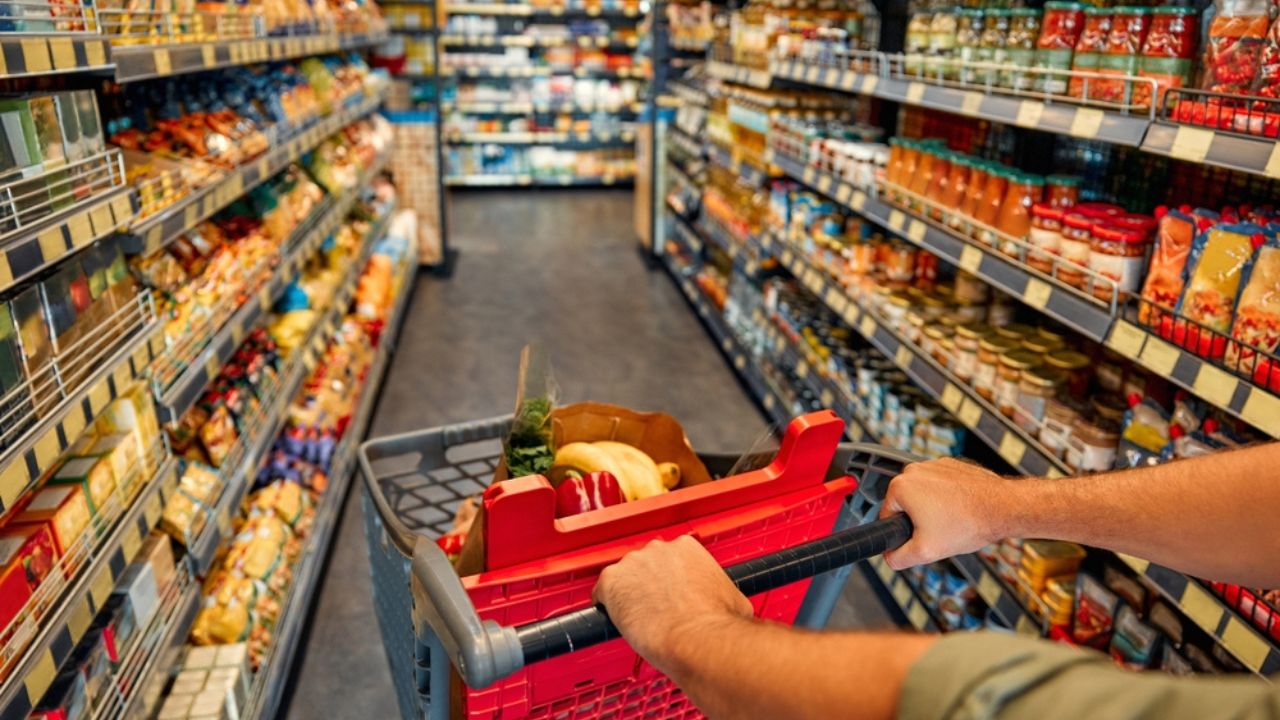
Image Credit: Shutterstock.
This article draws on a blend of expert research, institutional guidance, and real‑world perspectives. For a broader lifestyle context, we referenced VegOut Magazine’s feature on how shopping carts reveal personal priorities. To capture candid consumer voices, we looked at community discussions on Hungry Onion where shoppers share firsthand experiences about impulse buys and comfort foods. These highlight how spending patterns reflect household routines and shopping styles.
1. Food Choices and Energy Levels

Image Credit: Shutterstock.
A cart filled with energy drinks and sugary snacks may suggest someone looking for quick energy fixes. These items offer a quick burst of energy to get through a demanding day. While they provide a temporary lift, they can lead to a crash later, creating a cycle of fatigue.
On the other hand, a cart filled with whole grains, lean proteins, fruits, and vegetables suggests a focus on sustained energy. Foods like oats, chicken, and leafy greens release energy slowly, helping you power through your day without the dramatic highs and lows. This approach to shopping indicates a proactive stance on managing personal energy and well-being.
Quick Scan:
- High-Energy Cart: Quick fixes like coffee, soda, candy, and microwave meals.
- Sustained-Energy Cart: Whole foods like bananas, almonds, quinoa, and spinach.
- Next Step: If your cart is full of quick-fix foods, try swapping one sugary snack for a piece of fruit or a handful of nuts this week to build more lasting energy.
2. A Tidy Cart and an Organized Mind

Image Credit: Shutterstock.
Look down at your cart. Is it a neatly arranged grid of food groups, with produce safely separated from cleaning supplies? Or is it a chaotic jumble where the bread is getting squished by a watermelon? The way you organize your cart can reflect your general approach to life. A systematically packed cart often belongs to someone who values order and efficiency. This person likely has a detailed grocery list and a plan for the week ahead.
A more haphazardly filled cart doesn’t mean you’re a mess. It might just suggest a more spontaneous, go-with-the-flow personality. You might be shopping based on inspiration, grabbing what looks good at the moment. There is no right or wrong way, but your cart’s organization can be a window into your planning style.
Quick Scan:
- Organized Cart: Items are grouped by category; fragile items are on top.
- Spontaneous Cart: Items are tossed in as they are found.
- Next Step: If your cart is a jumble, try grouping items as you shop. Put cold items together to make unloading at home faster.
3. Stress and Shopping Habits

Image Credit: Shutterstock.
Stress can also show in how we shop. When life gets overwhelming, it’s common to see a shift in purchasing habits. This can manifest as impulse buys at the checkout counter. It can also appear as a cart full of overly indulgent items or, conversely, a nearly empty one because you lack the mental bandwidth to make decisions.
Shopping under pressure can lead to choices that don’t align with your usual goals. You might abandon your healthy eating plans for the comfort of familiar, less-nutritious options. Recognizing this pattern is the first step toward more mindful shopping, even when life feels chaotic.
Quick Scan:
- Stressed Cart: An abundance of sweets, salty snacks, and unplanned impulse buys.
- Mindful Cart: A balanced selection that reflects long-term health goals.
- Next Step: Before heading to the store, take five deep breaths. Having a list can also act as an anchor, helping you stay focused and reduce stress-driven purchases.
4. Short-Term vs. Long-Term Planning

Image Credit: Shutterstock.
Does your cart contain ingredients for tonight’s dinner or supplies for the entire month? This reveals your planning horizon. A cart with single-serving yogurts, a small bundle of asparagus, and one chicken breast is all about immediate needs. This shopper might live alone, have a packed schedule, or prefer to visit the store frequently.
In contrast, a cart loaded with bulk bags of rice, family-sized packs of meat, and large quantities of pantry staples points to a long-term planner. This person is thinking about future meals and stocking up to save time and money. Your shopping frequency and the volume of your purchases speak volumes about how you structure your life and manage your resources.
Quick Scan:
- Short-Term Cart: Small quantities, fresh ingredients for one or two meals.
- Long-Term Cart: Bulk items, pantry staples, and freezer-friendly foods.
- Next Step: Find a balance that works for you. Try planning three meals for the week while leaving room for a spontaneous grocery run for fresh items.
5. Comfort Foods and Deeper Patterns

Image Credit: Deposit Photos.
That tub of cookie dough ice cream or bag of potato chips isn’t just a snack; it’s a feeling. Comfort foods are deeply tied to our emotions and memories. Your go-to comfort items can reveal what makes you feel safe, nostalgic, or cared for. Perhaps a certain brand of soup reminds you of being looked after when you were sick as a child, or a specific dessert was always part of family celebrations.
These choices are not just about satisfying a craving; they are about satisfying an emotional need. Paying attention to when and why you reach for these foods can offer insights into your emotional triggers and coping mechanisms. It’s a way of understanding your own patterns of self-soothing.
Quick Scan:
- Comfort-Driven Cart: Heavy on nostalgic treats, rich carbs, and indulgent snacks.
- Pattern-Aware Cart: Balances comfort items with nutritious choices.
- Next Step: The next time you crave a comfort food, take a moment to ask yourself what feeling you’re trying to achieve. Sometimes, just acknowledging the emotion is helpful.
6. Personal Values in Your Purchases

Image Credit: Deposit Photos.
Your grocery cart can be a billboard for your personal values. If you prioritize environmental sustainability, your cart might feature locally grown produce, products with minimal packaging, and plant-based alternatives. If supporting small businesses is important to you, you might seek out artisanal cheeses or bread from a local bakery.
Similarly, a budget-conscious shopper’s cart will look different from a health-focused shopper’s cart. One will be full of store brands and sale items, while the other might contain organic produce and specialty health foods. Your choices reflect what you deem important, whether it’s ethics, economy, health, or convenience.
Quick Scan:
- Values-Driven Cart: Includes organic, local, fair-trade, or cruelty-free items.
- Budget-Driven Cart: Focuses on sales, coupons, and store-brand products.
- Next Step: Align your spending with your values. If you value sustainability, challenge yourself to find one new product each week that fits this goal.
7. Purchases and a Need for Control
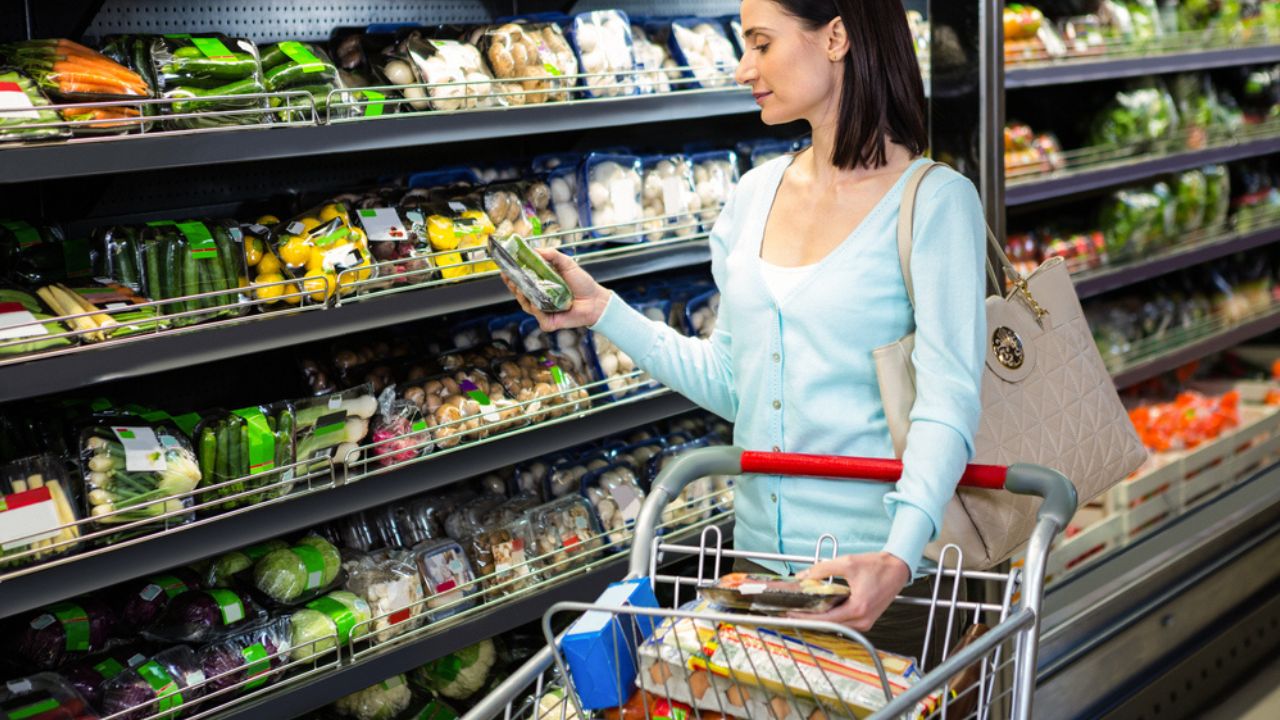
Image Credit: Deposit Photos.
The desire for control can manifest in interesting ways at the grocery store. A person who feels that life is unpredictable may seek to manage what they can, including their diet. This can lead to a cart filled with precisely measured, pre-portioned snacks, ingredients for highly structured meal plans, or items that fit a strict dietary regimen.
Shopping with a rigid list and refusing to deviate from it can be another sign. On the other side, a cart filled with new and unfamiliar items could belong to someone who embraces spontaneity and enjoys ceding a bit of control to adventure and discovery.
Quick Scan:
- Control-Focused Cart: Pre-portioned items, strict adherence to a list, and ingredients for a specific diet.
- Spontaneity-Focused Cart: New products, exotic ingredients, items not on the list.
- Next Step: If your shopping feels too rigid, allow yourself one “wild card” item per trip—something you’ve never tried before.
8. Impulse Buys and a Sense of Adventure

Image Credit: Shutterstock.
Those items that jump into your cart unexpectedly tell a story of their own. Was it a brightly colored tropical fruit you’ve never seen before? An interesting-looking sauce from the international aisle? Or the limited-edition cookies winking at you from an endcap? These impulse buys often represent a desire for novelty and adventure.
While some impulse buys are driven by stress, others come from a place of curiosity. They are small ways of breaking out of your routine and trying something new. A cart with a few surprising additions suggests a personality that is open to new experiences and finds joy in small discoveries. It’s a sign that you’re not just stocking a kitchen; you’re feeding your curiosity.
Quick Scan:
- AdventurousCart: Contains new-to-you ingredients, seasonal specialties, or fun snacks.
- Routine Cart: The same trusted items appear week after week.
- Next Step: Lean into that adventurous spirit. Dedicate a small part of your budget each month to trying a completely new recipe with ingredients you’ve never used.
Your Cart Says It All?

Image Credit: Shutterstock.
Your grocery cart is a personal diary written in barcodes and expiration dates. It’s a reflection of your mood, your schedule, and your deepest priorities. Instead of judging your choices, get curious about them. Your shopping habits can be a useful tool for self-reflection.
For your next grocery trip, take a moment before you check out. Look at the contents and ask, “What does this say about my week?” If you see a story you’d like to change, you have the power to do it. Swap one item, try a new vegetable, or leave the unplanned candy bar behind. Each choice is a chance to write a new chapter.