
Most of the time, you find a tangle of plastic lights that haven’t worked since 1998 and a few shattered baubles in your attic. But occasionally, amidst the tinsel and the tangled wires, you strike gold. Real, actual gold. Well, maybe not 24-karat gold, but certainly historical gold that collectors drool over.
Vintage holiday decor carries a specific weight. It has history, craftsmanship, and sometimes a face only a mother (or a serious collector) could love. If you keep your eyes peeled, you might spot pieces that fetch a pretty penny or simply bring a massive dose of nostalgia to your living room.
Here are twelve categories of vintage holiday treasures you should grab before someone else does (from the attic, thrift store, estate sales, etc.). Sometimes these have great monetary worth, but other times the real value is in the memories.
1. German Figural Blown-Glass Ornaments
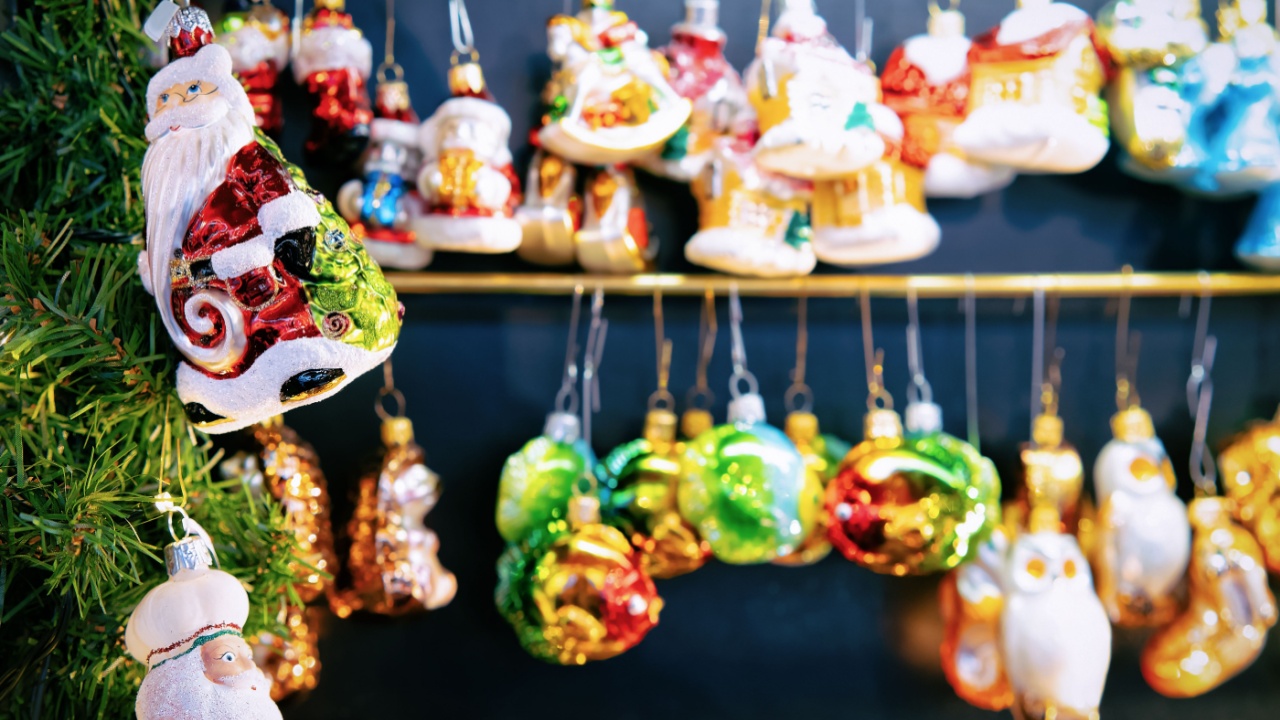
Image Credit: Roman Babakin at Shutterstock.
Before everything became plastic and shatterproof, glass ornaments were the standard. Specifically, German glassblowers in the late 19th and early 20th centuries created stunning figural ornaments. These artisans blew glass into molds shaped like fruit, nuts, birds, and even pickles. They are incredibly thin, light as a feather, and painted with delicate lacquers that fade beautifully over the decades.
Finding one of these intact feels like a miracle because they crumble if you look at them wrong. The metal caps usually sit flush with the glass stem, a sign of older age. Collectors hunt for rare shapes. A cluster of grapes is nice, but a character face or a specific animal can command much higher prices.
2. Paper Scrap Ornaments (Dresdens)
Image Credit: Jörg Blobelt – Own work – CC BY-SA 4.0/Wiki Commons.
If you think glass is fragile, meet the “Dresden.” These originated in the Dresden-Leipzig area of Germany between 1880 and 1910. They are made from embossed cardboard or heavy paper, often gilded or silvered to look like metal. They look deceptively sturdy, like tin, but they are actually just pressed paper.
These ornaments often feature animals like stags, eagles, or horses, alongside shapes like steamboats or musical instruments. Because they are made of paper, survival rates are low. Damp basements and hungry mice have destroyed many of them over the last century. Finding a pristine Dresden is a major victory for any enthusiast.
3. Victorian “Kugel” Ornaments
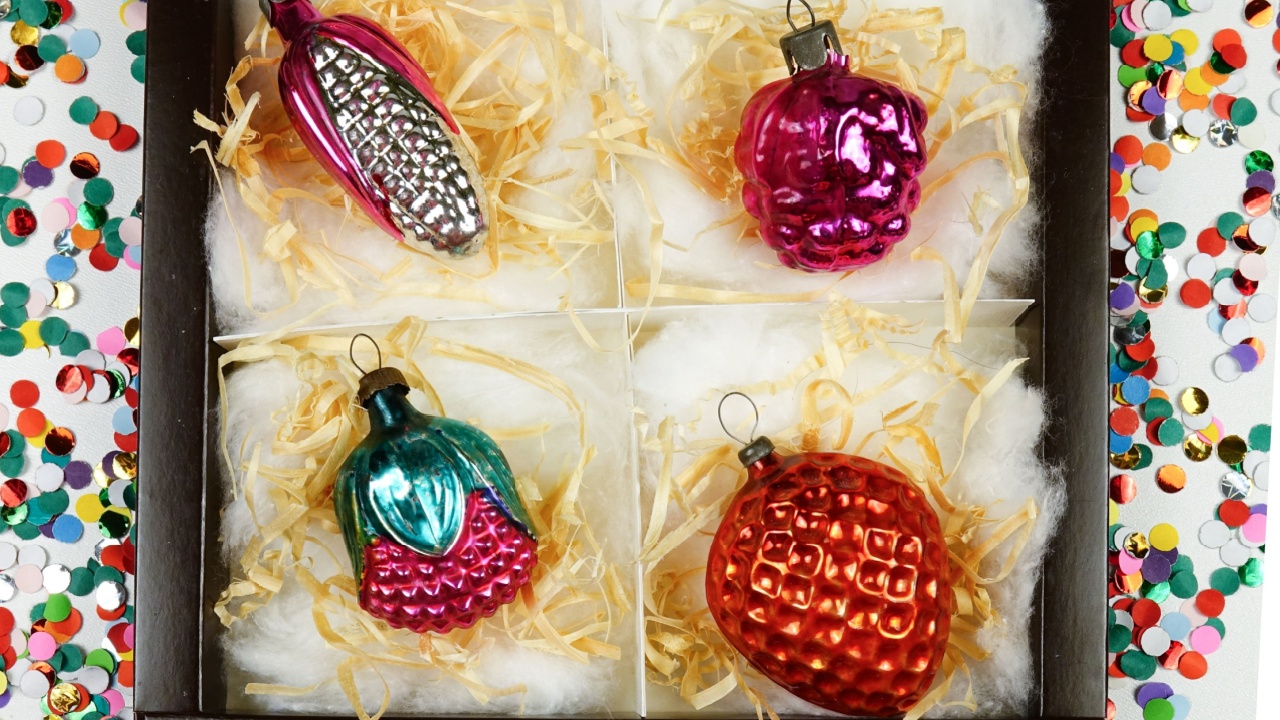
Image Credit: Shutterstock.
“Kugel” is the German word for ball or sphere. These heavy glass ornaments are the great-grandfathers of the modern Christmas bauble. Made in Germany starting around 1840, Kugels are lined with silver (initially lead) to make them shine. Unlike the thin figural ornaments, Kugels are thick and heavy. You could almost knock someone out with one, though we don’t recommend trying.
They come in various shapes, including grapes, eggs, and the classic ball. The colors range from deep reds and golds to rarer amethysts and cobalts. The decorative brass cap is usually cast in a distinct design that sits flush against the glass.
4. 20th-Century Vintage Tree Lights
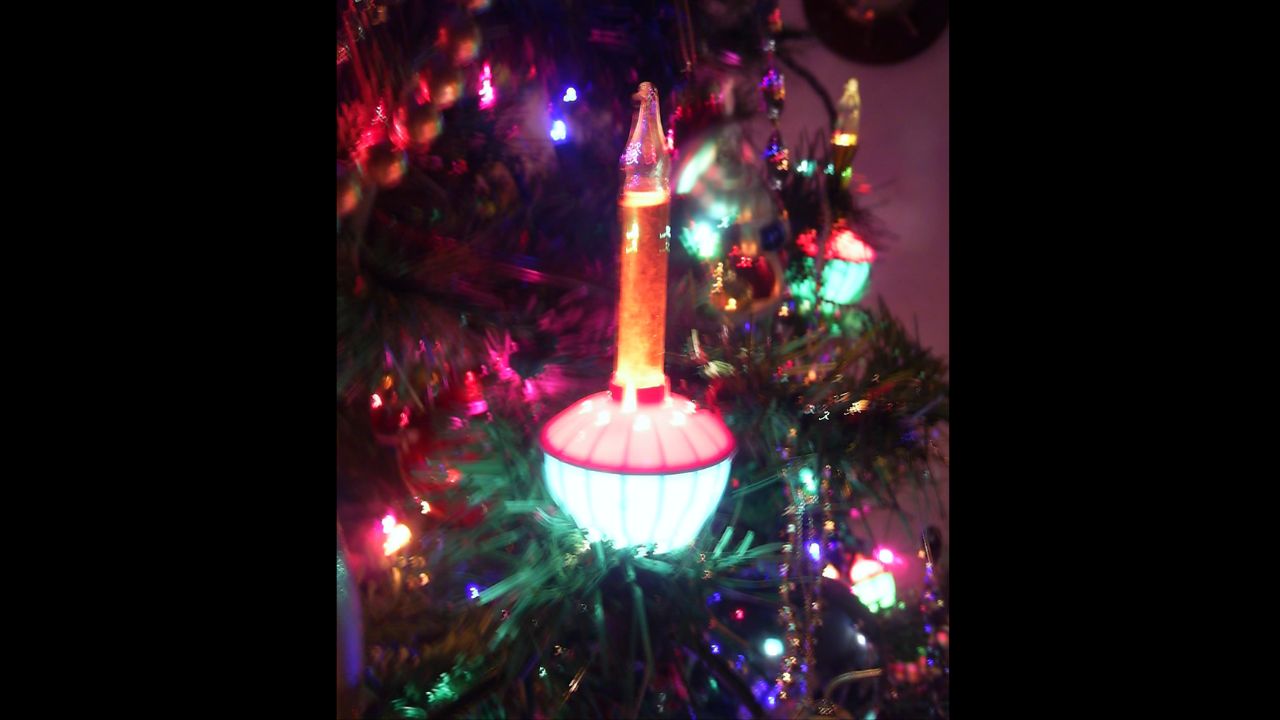
Photo Credit: D Patterson – Public Domain/Wiki Commons.
Modern LED lights are safe and cool to the touch, which is practical but arguably boring. Vintage lights from the mid-20th century offered serious heat and serious personality. We are talking about big C6 bulbs, bubble lights where liquid boils inside a glass tube, and figural bulbs shaped like Santa or snowmen.
Bubble lights are particularly sought after. Produced by companies like NOMA in the 1940s and 50s, these lights feature a reservoir of methylene chloride that bubbles when heated by the bulb below. While beautiful, old wiring is often a fire hazard. Many collectors buy them for display or rewire them completely before use.
5. Feather Trees (Vintage/Antique)
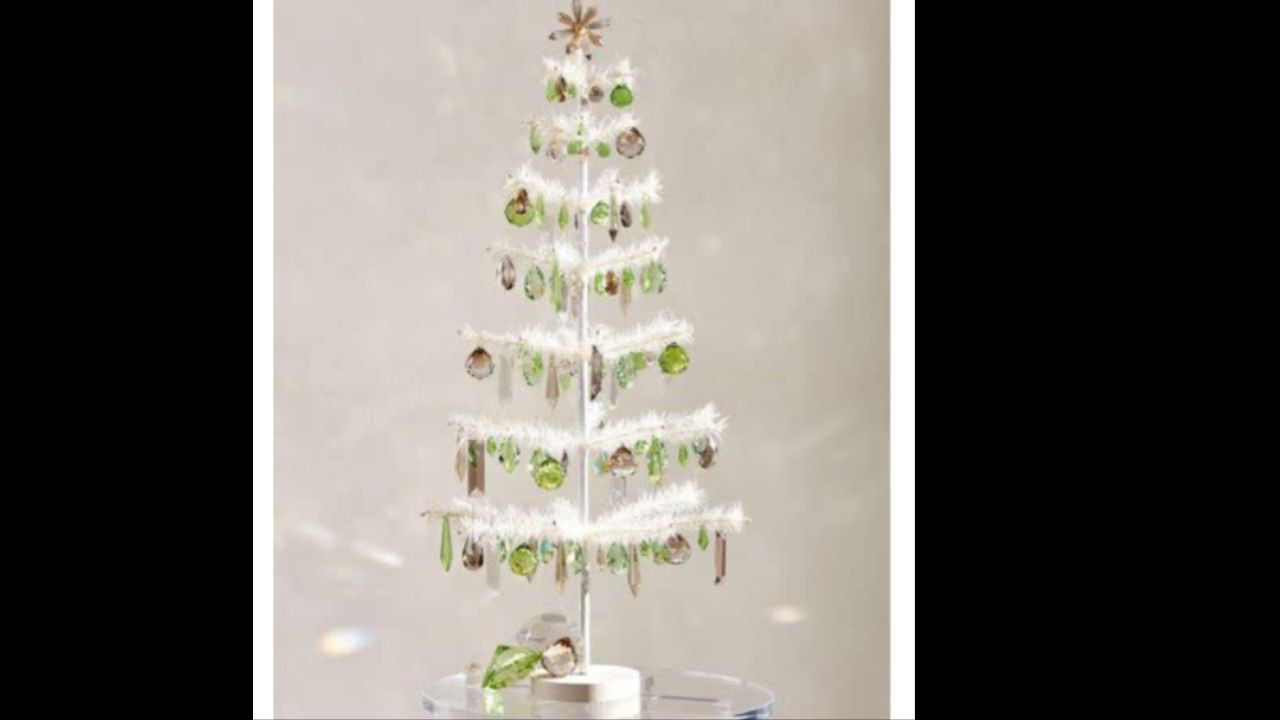
Image Credit: a2gemma, flickr – CC BY-SA 2.0/Wiki Commons.
Before plastic trees became the norm, and as deforestation became a concern in Germany in the late 1800s, the feather tree emerged. These are exactly what they sound like. Makers dyed goose feathers green and wrapped them around wire branches attached to a central dowel.
The branches on a feather tree are widely spaced. This spacing was intentional, designed to give candles (yes, real fire on trees) plenty of room to burn without igniting the branch above. Today, that wide spacing makes them perfect for displaying ornaments without crowding. Authentic antique feather trees often have a red berry at the tip of each branch and a wooden base.
6. Vintage Tree Stands
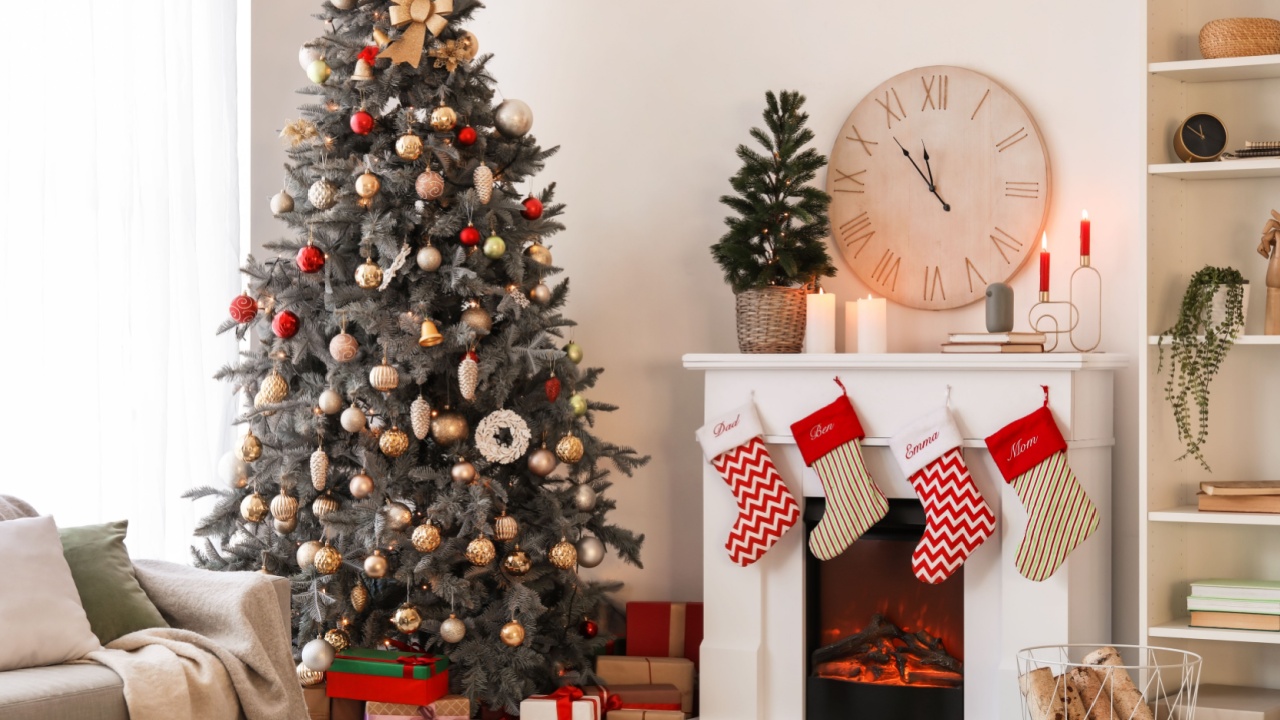
Image Credit: Shutterstock.
Most modern tree stands are ugly plastic tubs we hide with skirts. In the past, the stand was a piece of decor in its own right. In the late 19th and early 20th centuries, heavy cast-iron stands were the norm. They were ornate, practically unshakeable, and often featured elaborate designs like reindeer, Santa figures, or Art Nouveau scrolls.
Some of the most desirable stands are the musical rotating versions. You wind them up, and the tree slowly spins while a music box plinks out a carol. If you find a working musical stand that can still support a tree, grab it immediately.
7. Aluminum Christmas Trees

Image Credit: Mavarin at English Wikipedia – CC BY-SA 3.0/Wiki Commons.
If you love Mid-Century Modern style, the aluminum tree is the holy grail. Popularized in the late 1950s and 60s, these space-age trees featured branches made of aluminum foil. They shimmered and shone but could not hold electric lights safely because of the risk of shock. They are a Christmas tradition worth bringing back.
To solve the lighting problem, families used a rotating color wheel, a floor lamp with a motorized spinning disc of red, blue, green, and amber gels. The spotlight hit the rotating tree, changing its color every few seconds. While Charlie Brown may have hated them, collectors adore them today.
8. Stockings and Old Toys
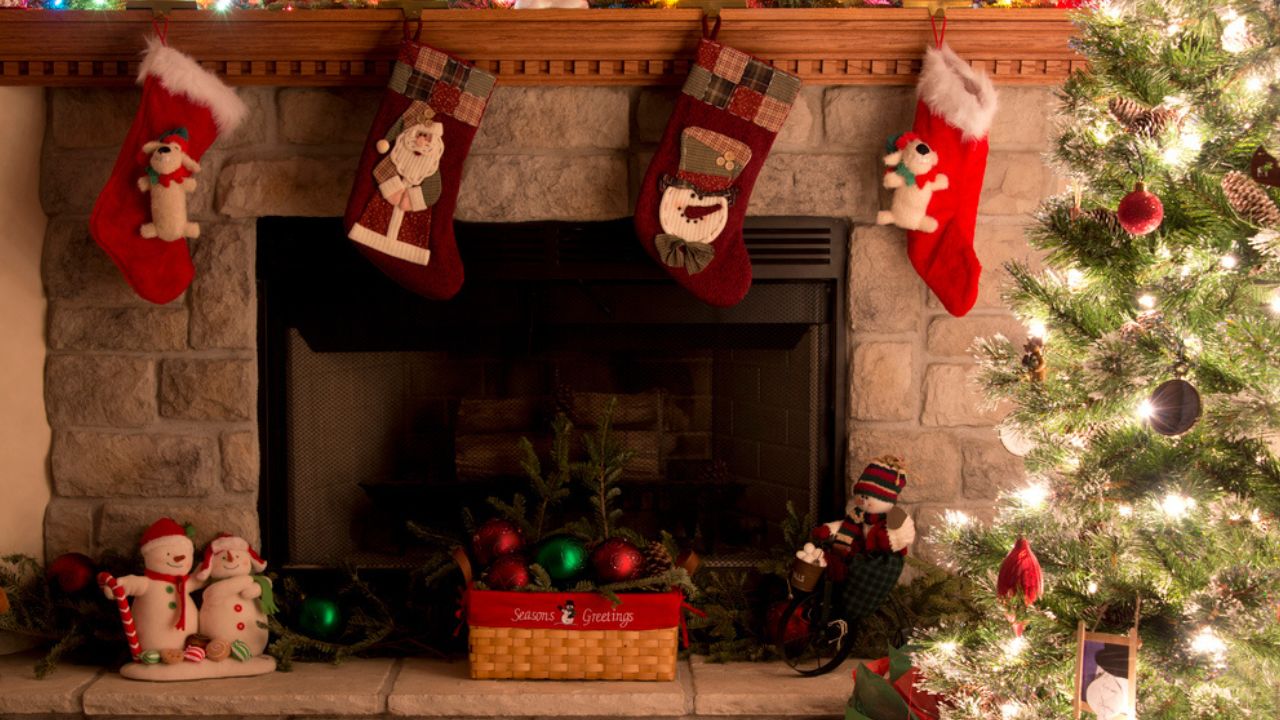
Image Credit: Deposit Photos.
Sometimes the best decor isn’t an ornament but what sits under or next to the tree. Vintage felt stockings, often decorated with sequins and glued-on felt appliques, have a kitschy charm that modern velvet stockings lack. They often feature whimsical scenes of Santa, reindeer, or snowmen.
Alongside stockings, look for vintage toys used as decor. Wooden trucks, tin wind-up toys, and old dollhouses create a beautiful vignette under a tree. Even worn paint adds to the aesthetic, suggesting years of play and love.
9. Vintage Santa & Elf Figures
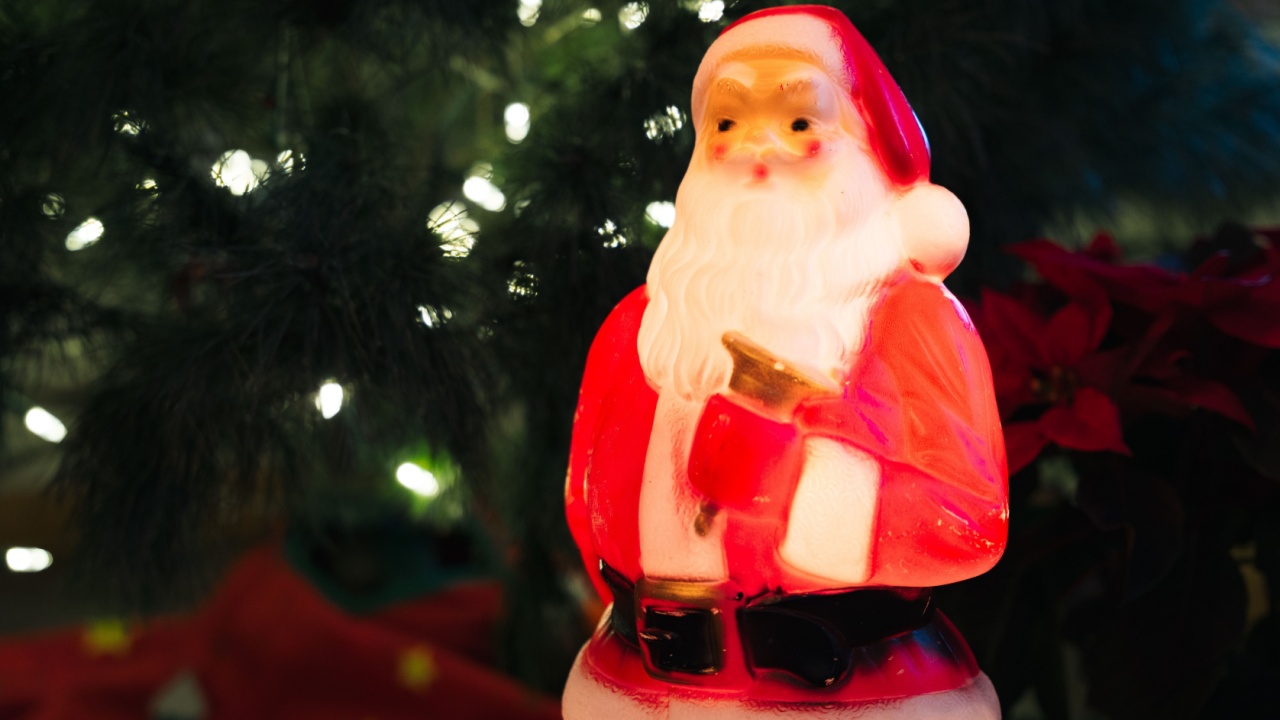
Image Credit: Logan Bush / Shutterstock.
Vintage holiday figures can range from adorable to slightly terrifying, which is part of the fun. Santa figures from the 1940s and 50s often had faces made of celluloid (an early plastic) or clay, with bodies made of plush or velvet. Their expressions can be stern or oddly wide-eyed.
Knee-hugger elves are another classic. These felt elves sit with their knees pulled to their chests and were popular shelf sitters long before a certain elf on a shelf trademarked the concept. Japan produced many of these in the mid-century era. Look for tags or stamps that say “Made in Japan.”
10. “Putz” Houses
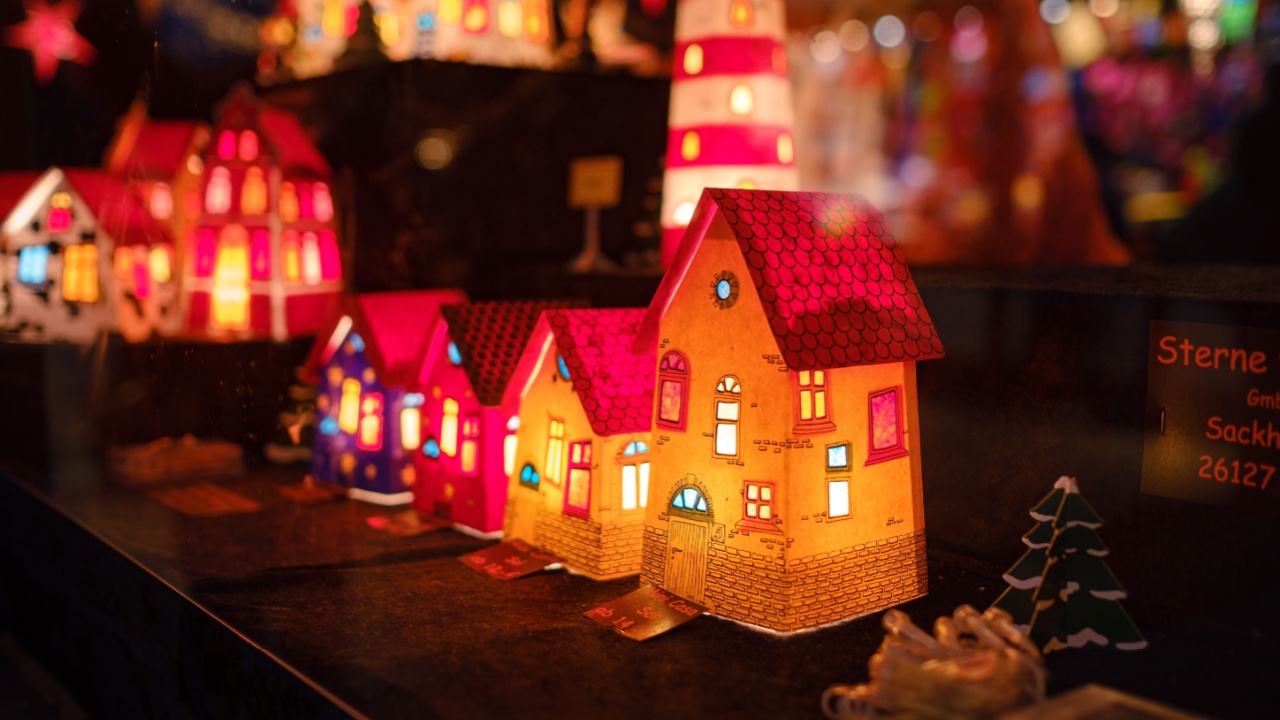
Image Credit: Shutterstock.
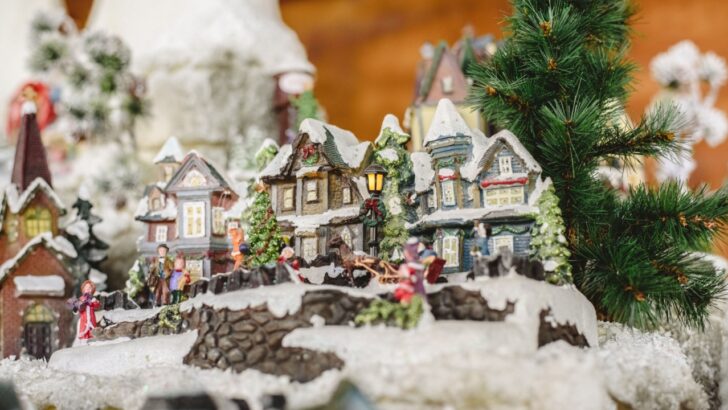
In the early 20th century, Americans adopted the Moravian tradition of building elaborate nativity scenes or villages around the tree. These were called “Putz” villages, from the German word “putzen,” meaning to clean or decorate. The little houses were made of cardboard, painted brightly, and covered in mica glitter to simulate snow.
Each house usually has a hole in the back for a light bulb, which illuminates the cellophane windows. They are simple, cheap constructions that have managed to survive for decades. Collectors look for “loofah” trees (bottle brush trees) attached to the sides and unique architectural styles.
11. First-Edition Holiday-themed Books and Old Christmas Photographs

Image Credit: Deposit Photos.
Decor doesn’t always have to be something you hang or stand up. Vintage books and photos add a literary and personal layer to holiday styling. Early editions of “The Night Before Christmas” or “A Christmas Carol” with illustrated plates are stunning when displayed open on a mantel.
Old black-and-white or sepia photographs of families gathered around trees offer a window into the past. Even if the people in the photos aren’t your relatives, they capture the fashion, the toys, and the decor of the era. They make fantastic conversation starters when framed or tucked into the branches of a tree.
12. Holiday China
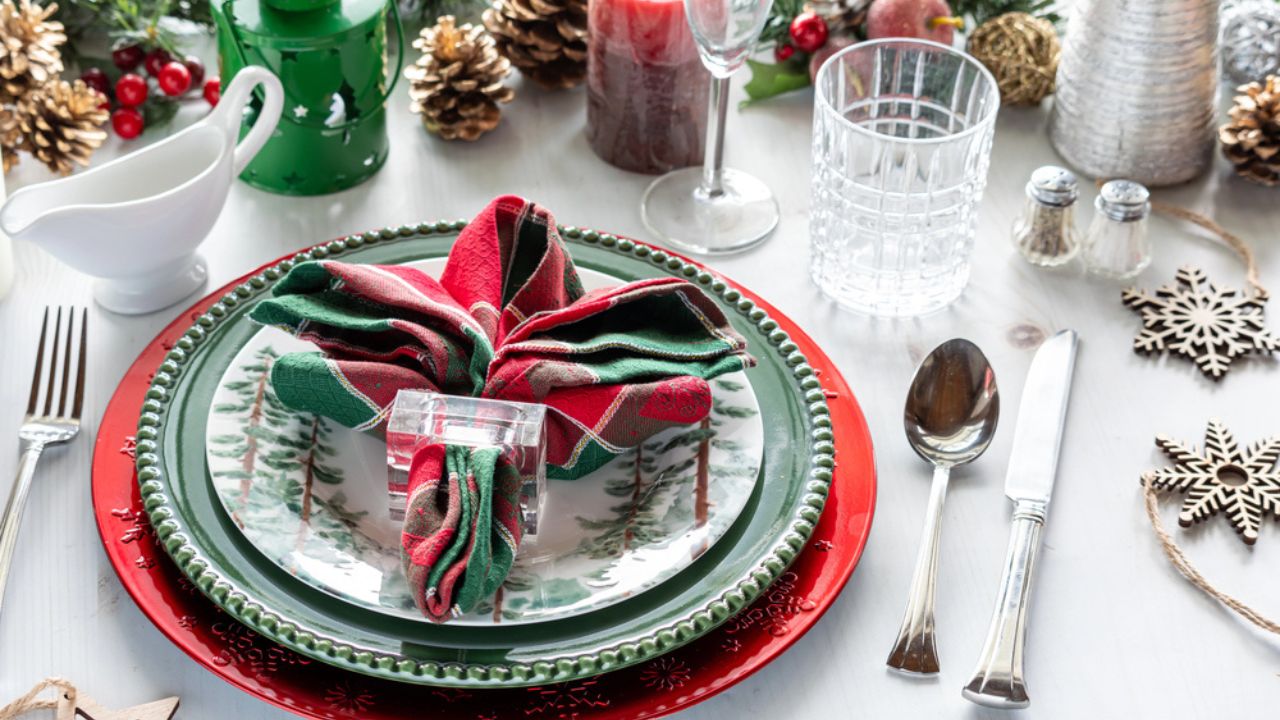
Image Credit: Deposit Photos.
Bringing out the “good plates” is a tradition in itself. Vintage holiday china ranges from elegant to playful. Patterns like Spode’s “Christmas Tree,” introduced in 1938, are iconic. The design features a decorated tree with a Santa atop it.
Other sought-after pieces include mid-century mugs with winking Santas or holly-patterned glassware. Using vintage china makes a holiday dinner feel grounded in tradition. Just be careful with the dishwasher; most of these older glazes and gold rims will vanish if you subject them to modern appliances.
Preserving Your Holiday Hoard
Image Credit: Shutterstock.
Vintage Christmas decor items have survived this long, and it is your job to keep them going a bit longer if you get one. Heat and moisture are the enemies here. Storing your kugel ornaments or Putz houses in an uninsulated attic is a recipe for disaster. The temperature fluctuations cause paint to flake and glass to crack.
Invest in acid-free tissue paper for wrapping ornaments. Avoid wrapping anything in newspaper, as the ink can transfer onto the decor over time. Hard plastic bins are better than cardboard boxes, which can attract pests looking for a winter snack. Treat these items like the fragile elders they are, and they will be around to confuse and delight the next generation of collectors.