
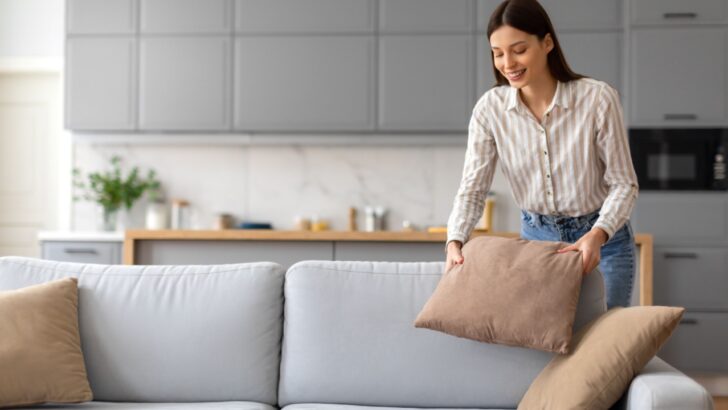
What if the secret to a home that feels “right” year after year has nothing to do with trends and everything to do with the tiny choices made before the first piece of decor even goes up? Most people only realize this after a season or two of shifting pillows, repainting walls, or swapping furniture, all in an attempt to make a space feel settled again. The truth is, a home that stays beautiful and functional over time isn’t an accident; it’s the result of designing with intention, comfort, and longevity in mind.
These 6 design choices create a home that carries you through shifts in style, lifestyle, and even mood, while still feeling grounded, warm, and authentically yours.
1. Begin with the Right Foundation: Structure, Layout & Lighting
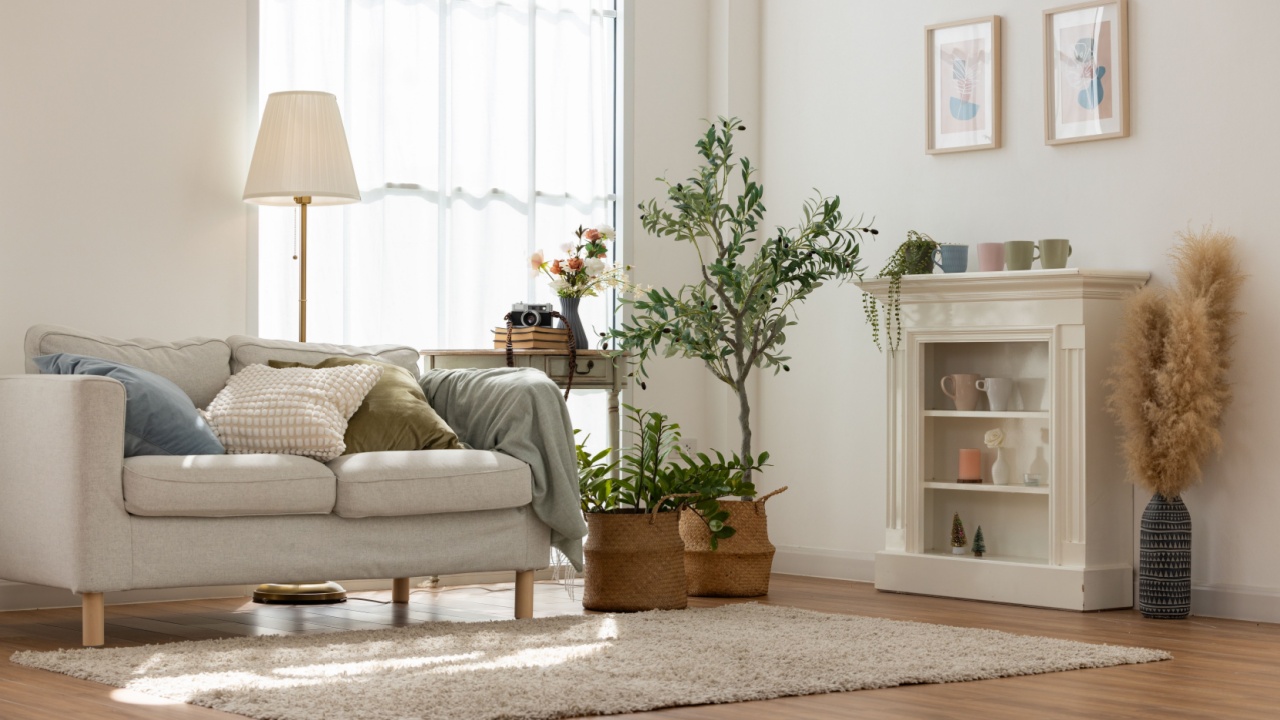
Image Credit: Shutterstock.
A home that lasts begins with thoughtful bones, like how rooms are laid out, how light moves, and how easily spaces can adapt. You should keep in mind the planning for flow, flexibility, and future changes rather than locking yourself into a rigid layout.
When you think about circulation paths, how furniture might be rearranged, or even how a room might serve different functions over time, you avoid future frustration. Good natural light via large windows or even skylights, plus layered artificial lighting, keeps the space comfortable as seasons and needs change.
2. Choose Materials That Age Gracefully
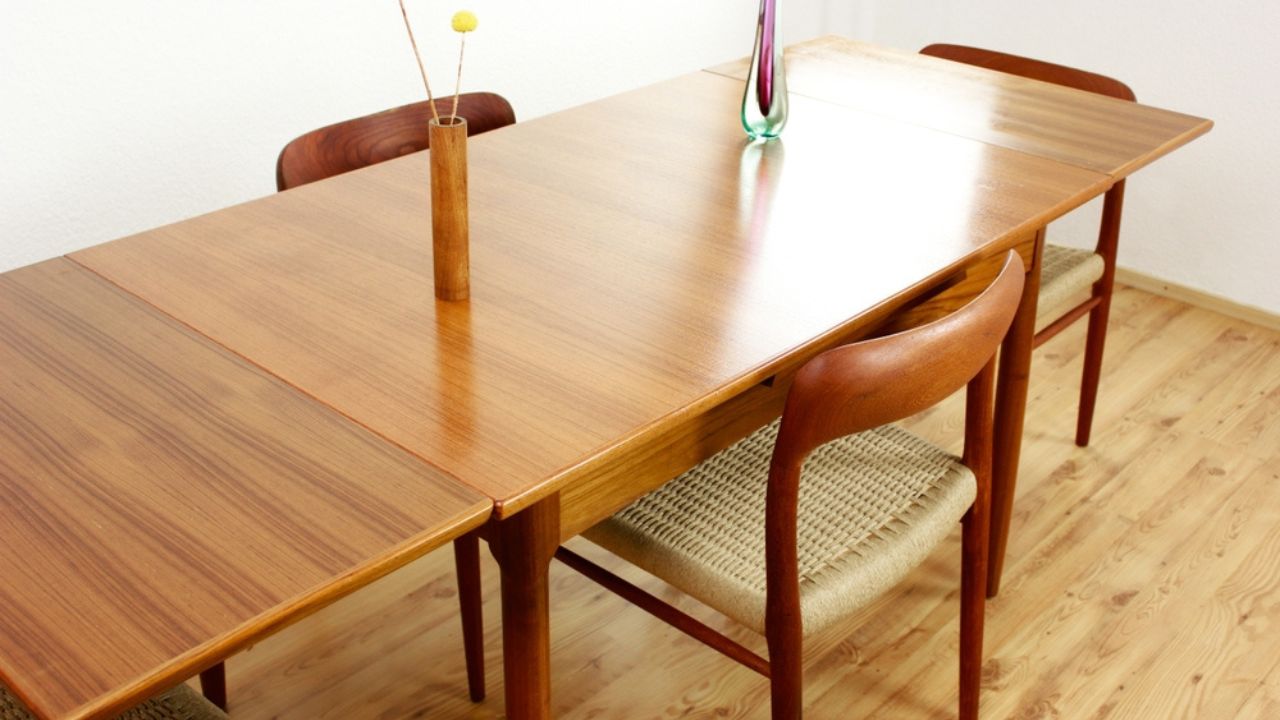
Image Credit: Shutterstock.
Rather than chasing trends, pick materials and finishes that stand the test of time: ones that look good now, and still look good years down the road. When buying furniture or finishes, lean toward items that can be refinished or reupholstered rather than replaced. Avoid overly “on-the-moment” materials if you want longevity.
Natural materials, like real wood, stone, metal, or even high-quality textiles, inherently age well. They may develop patina, minor wear, or subtle color shifts rather than looking outdated or worn out.
3. Design with Wellness
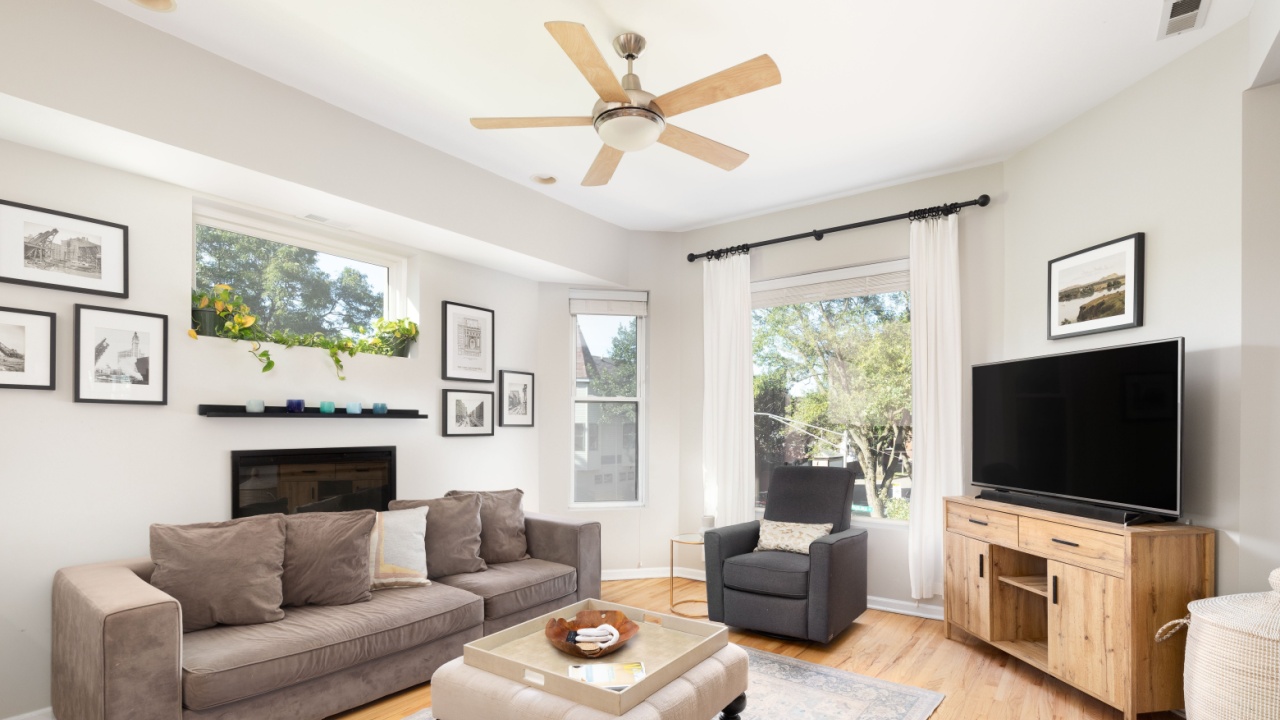
Image Credit: Joseph Hendrickson / Shutterstock.
A home isn’t just about how it looks: comfort, air quality, and mental well-being play a huge role. Use low-VOC paints and finishes, or natural materials like cork, wood, or stone for flooring and interiors. And also add indoor plants, natural textiles, and natural light. They improve air quality and make spaces feel calming.
Living in a space that breathes with good ventilation, natural light, and natural materials can positively influence mood, reduce stress, and support overall well-being. Natural materials and biophilic touches also tend to age beautifully and feel timeless.
4. Invest in Timeless, High-Quality Furnishings

Image Credit: Shutterstock.
Furniture and decor define daily living. Instead of chasing every trending style, choose pieces with solid craftsmanship, versatile style, and lasting quality. Choose furniture with clean lines and simple silhouettes rather than overly ornate or stylized pieces. When buying, think “will this still look good in 10 years?” and buy the best quality you can afford.
Well-made furniture tends to be more comfortable, durable, and less likely to look outdated as trends evolve. Neutral-base, good-quality foundational pieces give you the flexibility to update smaller decor items to shift style over time without replacing everything.
5. Add Thoughtful Storage & Flexible Spaces
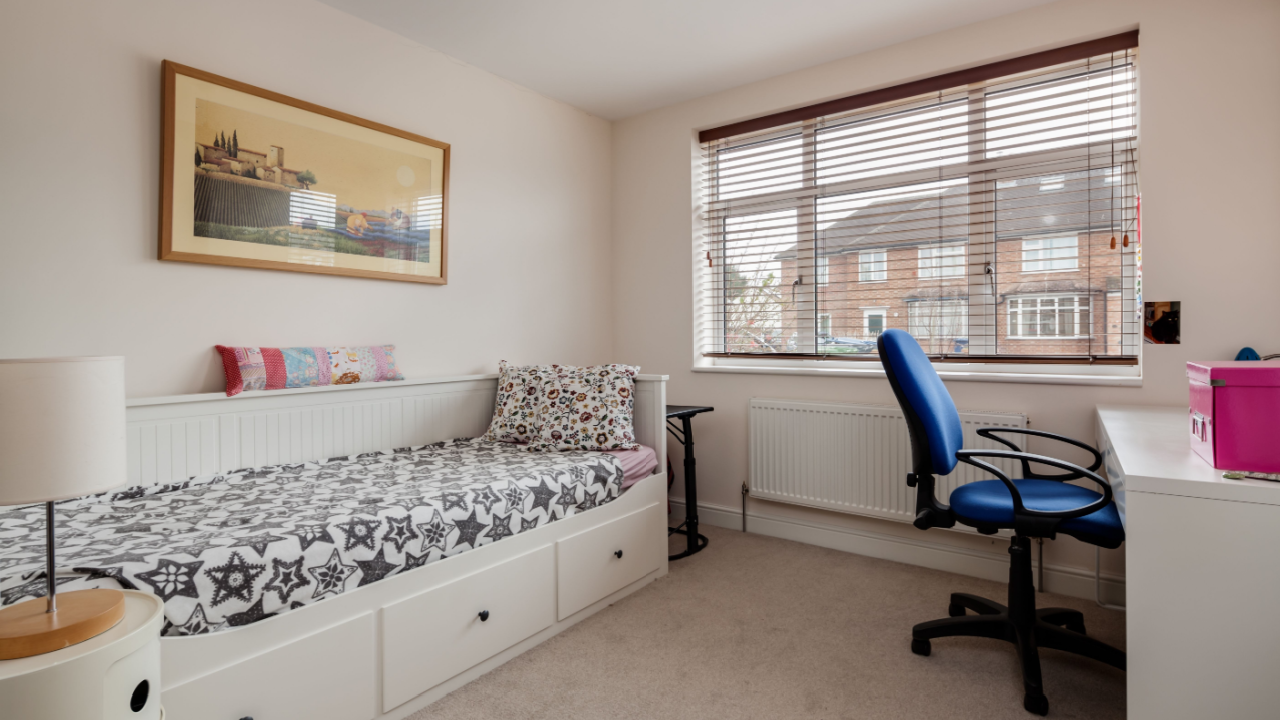
Image Credit: Mike Higginson / Shutterstock.
Homes evolve, families grow, routines change, hobbies emerge. Designing with flexibility ensures your space adapts without becoming cluttered or outdated. You can use built-in storage or modular furniture with hidden compartments.
Smart storage reduces clutter, keeps spaces functional, and adapts as needs change. Flexible spaces like rooms that can morph from a guest room to an office, or a living room to a workout space can make your home more future-proof.
6. Embrace Simplicity, Clean Lines & a Neutral Palette
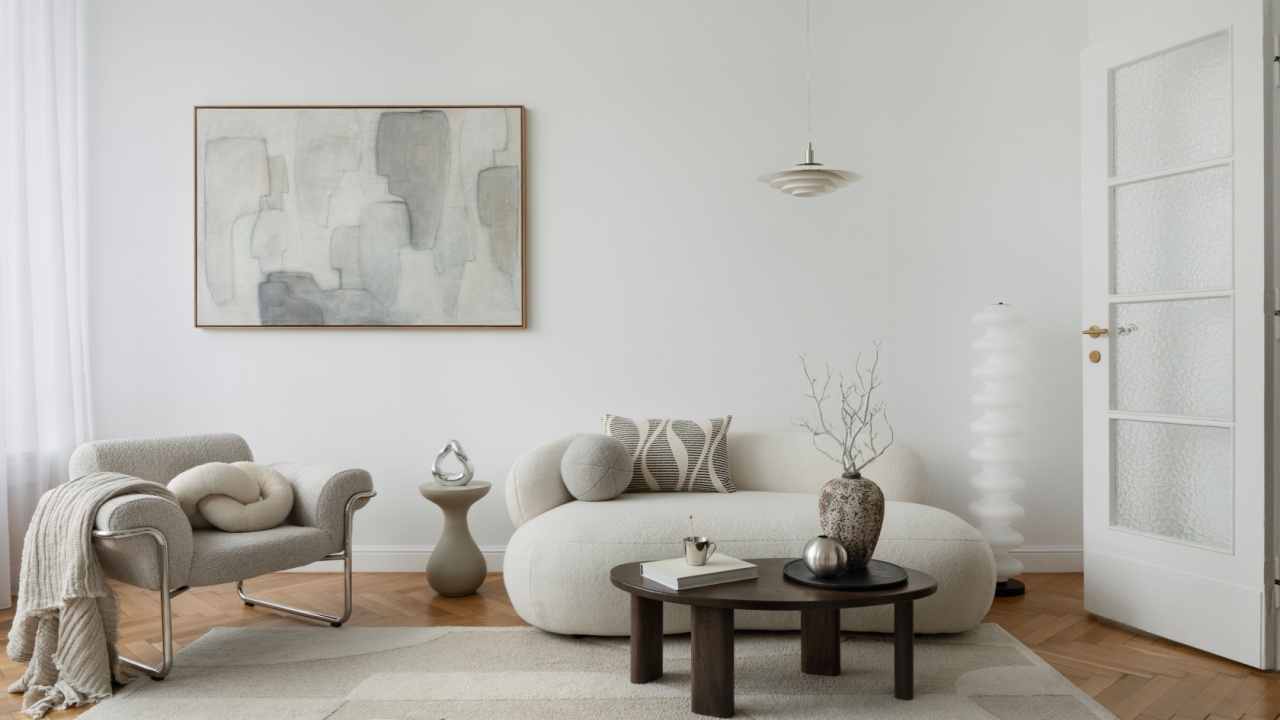
Image Credit: Shutterstock.
Because trends shift so quickly, a simple, calm base lets you evolve your decor over time without overhauling everything. Many timeless design guides recommend this as the backbone of long-lasting interiors.
Neutral colors (whites, creams, beiges, greys, soft earth tones) give you a versatile backdrop. Clean lines and minimal ornamentation mean your space avoids looking dated, even as tastes and trends shift.
A Home That Stays With You
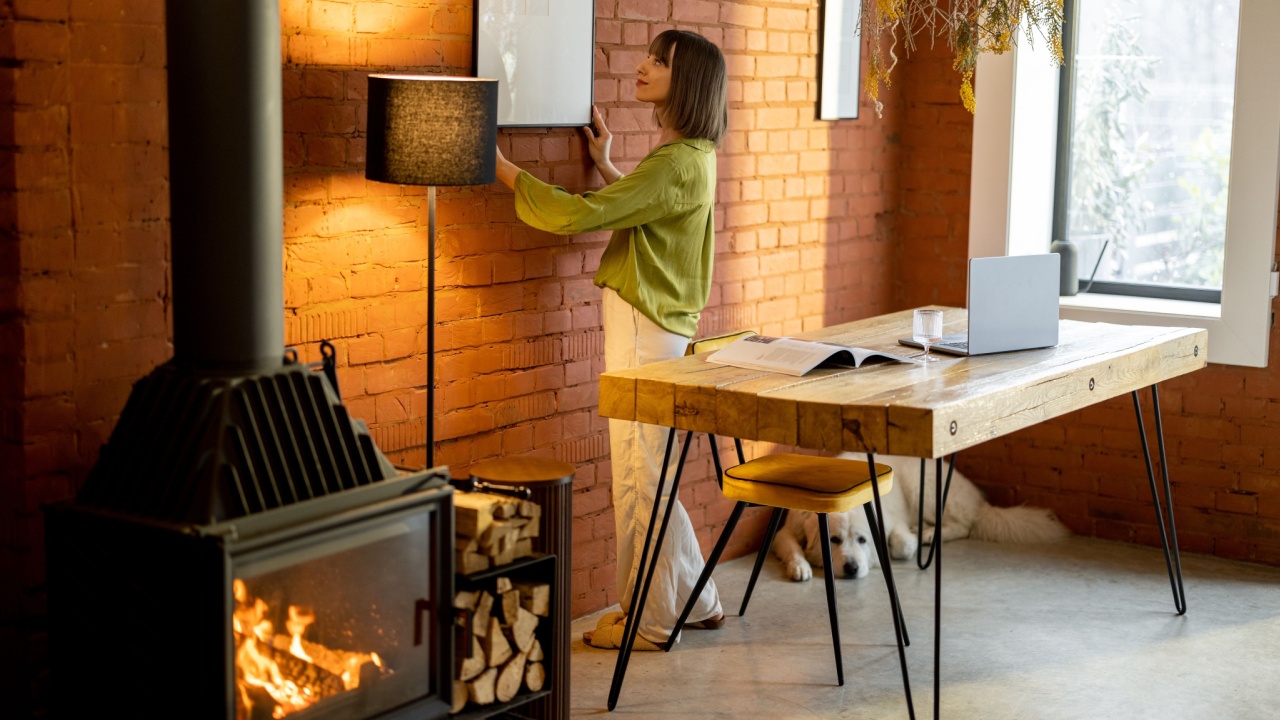
Image Credit: Shutterstock.
Designing a space you’ll love for more than a season isn’t about perfection; it’s about creating a foundation that grows with you. Once the core elements, such as layout, materials, furniture, and lighting, are chosen with longevity in mind, refreshing the look becomes simple and enjoyable.
Small swaps like throw pillows, greenery, art, or seasonal textures let your home evolve in subtle ways without losing its overall harmony. That’s the beauty of thoughtful, timeless design: it works quietly in the background while giving you the freedom to experiment.