

Creating a peaceful home and a beautiful garden often starts with the same principle: clearing out what’s unnecessary to make room for what you love. Just as we prune overgrown plants to encourage new growth, we need to declutter our homes to create a more functional and relaxing space. We’ve all been there: that drawer of “just in case” items, the closet full of things we might use “someday,” or the shed packed with projects waiting to happen. This habit of holding onto things can quickly turn our sanctuaries into sources of stress.
This guide will walk you through 21 common items that tend to pile up in our homes and gardens. We’ll explore why we hang onto them and how letting them go can bring a sense of relief and order, brought to you by home organization experts.
1. Old Magazines and Newspapers
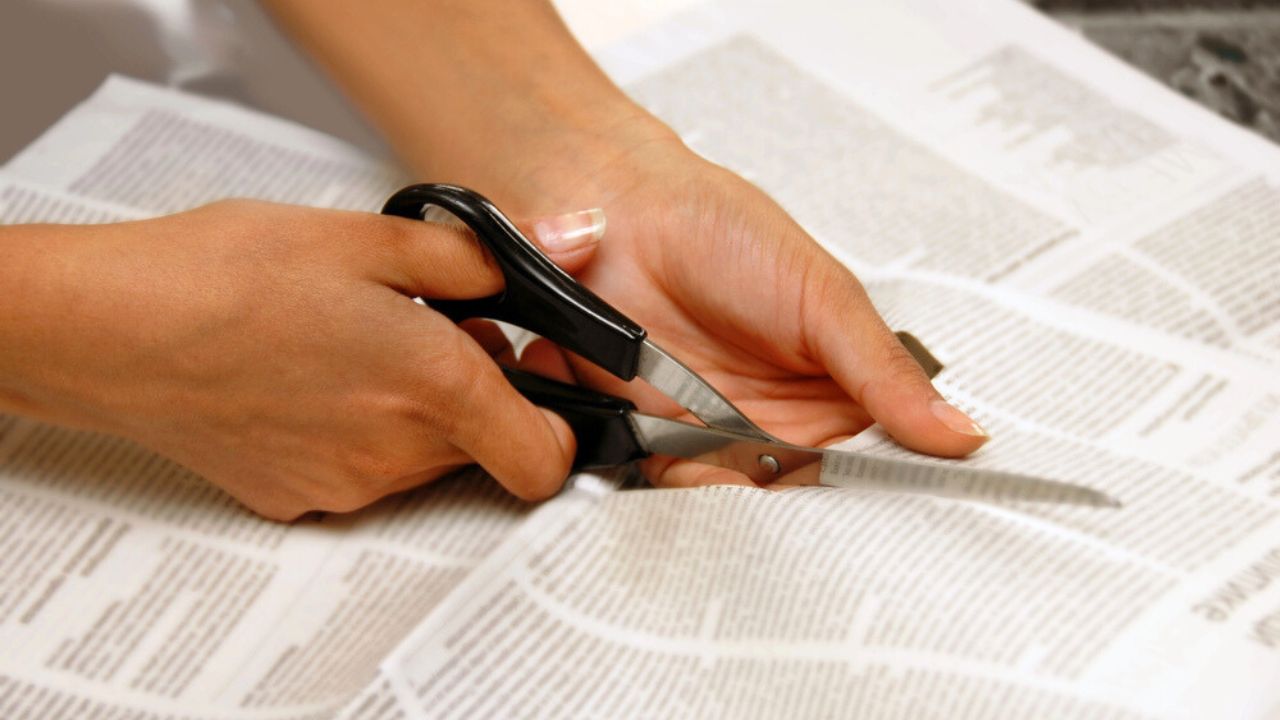
Image Credit: Depositphotos.com.
Many of us keep stacks of home and garden magazines, promising ourselves we’ll try that one recipe or landscaping idea. But as the pile grows, it becomes another piece of clutter. The inspiration they once offered gets lost in the sheer volume. While it feels productive to save them, the reality is that we rarely go back through them. Instead of letting them gather dust, go digital.
Use apps like Pinterest to create boards for recipes, garden designs, and DIY projects. If you can’t part with physical copies, dedicate one afternoon to tearing out only the articles you genuinely want. File them in a single binder. Once the binder is full, you must remove a page to add a new one. This keeps your collection curated and manageable.
Quick Scan:
- Why we hoard it: Inspiration for future projects.
- Why let it go: Creates paper clutter and is rarely revisited.
- Next Steps: Digitize ideas using Pinterest or clip and file articles in a single, limited-space binder. Recycle the rest.
2. Unused Kitchen Gadgets

Image credit: Depositphotos.com.
That apple corer, pasta maker, or specialty spiralizer seemed like a fantastic idea at the time. Kitchen gadgets often come from a place of good intention a gift, a sale item, or a burst of culinary ambition. However, if a gadget has been sitting in a cabinet untouched for over a year, it’s taking up prime real estate that could be used for items you use daily. A cluttered kitchen makes cooking feel like a chore.
By clearing out unused tools, you streamline your process and make it easier to find what you need. Consider who might actually use that ice cream maker or bread machine. Donating it gives the item a new life and gives you back valuable counter or cabinet space.
Quick Scan:
- Why we hoard it: We believe we will use it one day.
- Why let it go: They take up valuable space and complicate your kitchen workflow.
- Next Steps: Donate or sell any gadget you haven’t used in the last year.
3. Plastic Pots and Seedling Trays
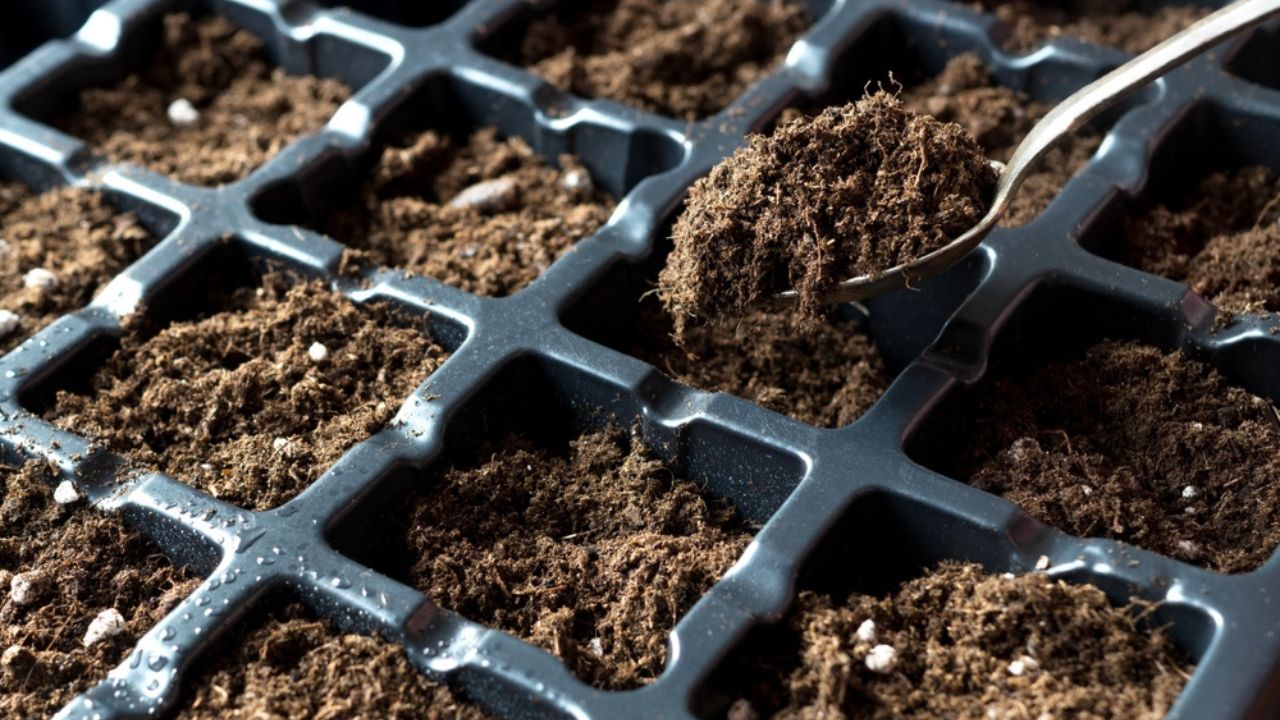
Image Credit: Shutterstock.
Every gardener is familiar with the ever-growing stack of plastic pots and trays. We save them from nursery purchases, thinking we’ll reuse them for seed starting or propagating cuttings. While keeping a small stash is practical, they can quickly multiply and take over your potting bench or garden shed, becoming brittle and cracked over time.
Assess your collection at the end of each growing season. Keep only the sturdy, undamaged pots in sizes you frequently use. Many local garden centers or community gardens have recycling programs for plastic pots. For a more sustainable approach, consider investing in soil blockers, biodegradable pots, or reusable silicone seedling trays that will last for years.
Quick Scan:
- Why we hoard it: They seem useful for future planting projects.
- Why let it go: They accumulate quickly, become brittle, and create clutter in garden spaces.
- Next Steps: Keep a small, organized stash of the best ones. Recycle the rest at a local nursery or switch to sustainable alternatives.
4. Plastic Bags and Takeout Containers
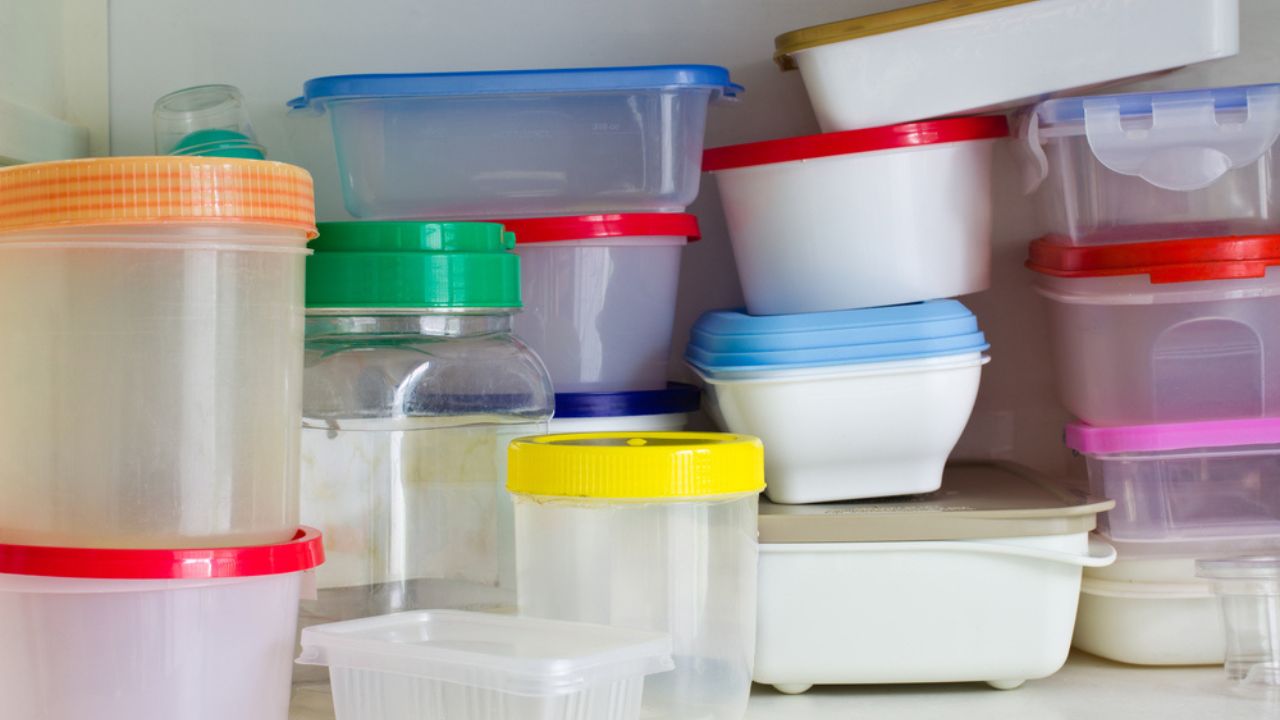
Image Credit: Shutterstock.
The “bag of bags” is a classic household staple, and takeout containers often seem too useful to throw away. While reusing them is an eco-friendly thought, the collection can quickly become an avalanche of plastic tumbling out of a cabinet. Most of us have far more than we could ever realistically use. Set a firm limit. For example, decide to keep only ten reusable bags and ten takeout containers. This forces you to use what you have and recycle the excess. To avoid accumulating more, invest in a set of quality reusable shopping bags and glass food storage containers. This not only reduces clutter but also minimizes your plastic waste.
Quick Scan:
- Why we hoard it: We feel it’s resourceful and eco-friendly to reuse them.
- Why let it go: The collection grows out of control and creates clutter.
- Next Steps: Set a strict limit on how many you keep. Recycle the rest and switch to durable, reusable alternatives.
5. Expired Spices and Condiments
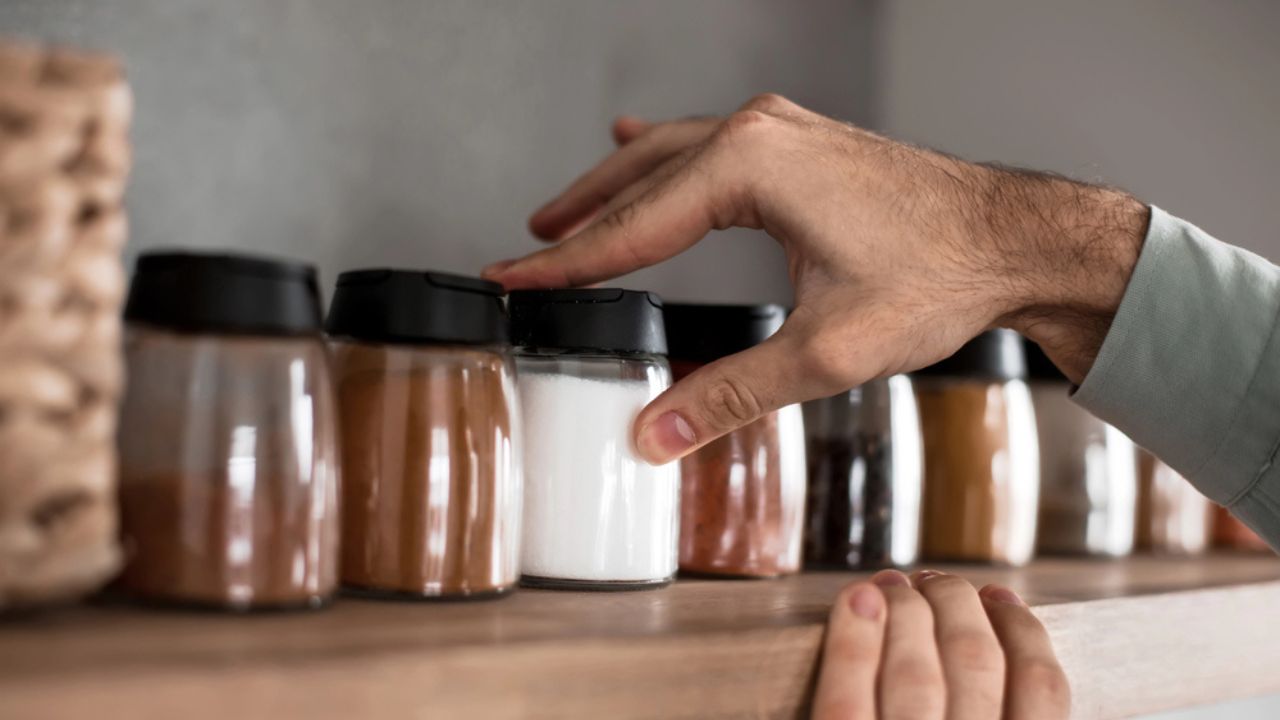
Image credit: Depositphotos.com.
Your spice rack and refrigerator door can easily become a museum of flavors past. We buy a specific spice for one recipe or try a new hot sauce, and then they sit, slowly losing their potency. Expired spices won’t make you sick, but they will make your food taste bland, defeating their purpose entirely. Old condiments can separate or grow bacteria. Once a year, go through your entire collection. Check expiration dates and be honest about what you actually use. For spices, if there’s no date, give them a sniff. If the aroma is faint, it’s time to toss it. Consolidate duplicates and organize what’s left so you can see everything. This will save you from buying a new jar of cumin when you already have three.
Quick Scan:
- Why we hoard it: Spices are expensive; we forget they are in the back of the cabinet.
- Why let it go: They lose flavor and take up valuable pantry space.
- Next Steps: Purge anything expired or flavorless annually. Organize the rest so it’s visible and easy to access.
6. Single Socks and Mismatched Gloves
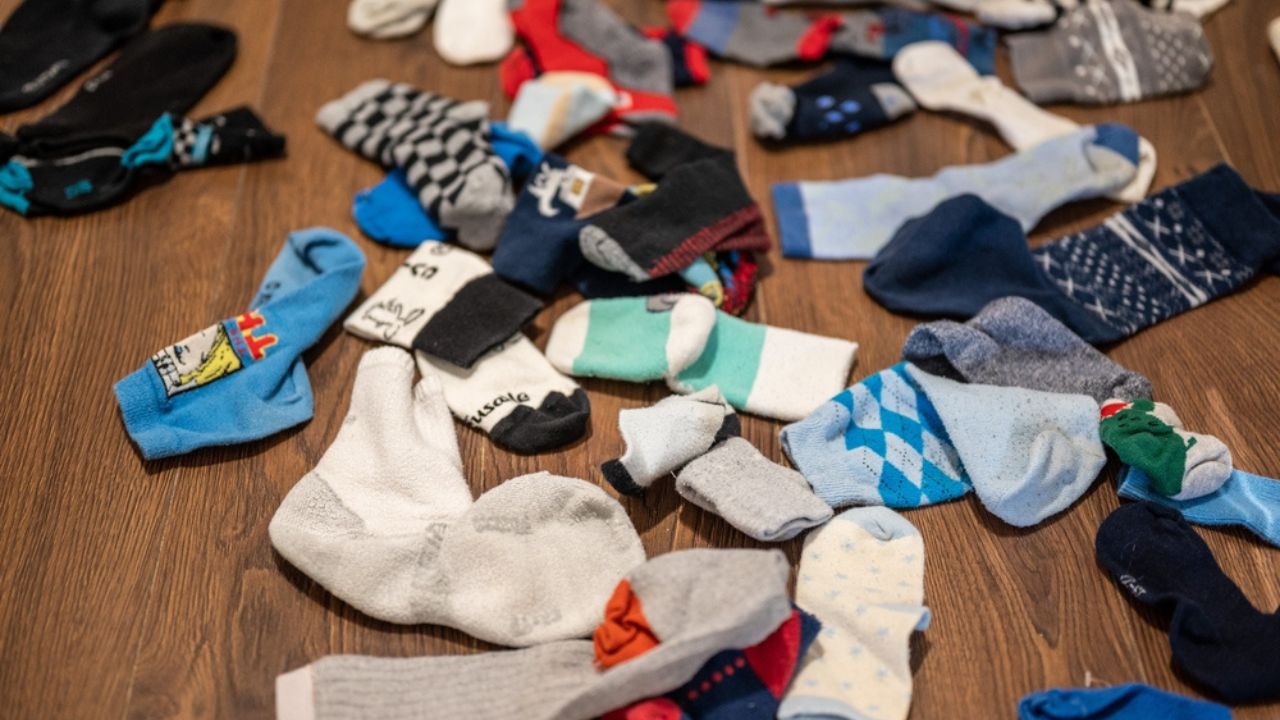
Image Credit: Shutterstock.
Everyone has a drawer with a few lonely socks and single garden or winter gloves, waiting patiently for their partners to return from the laundry dimension. We hold onto them with hope, but after a few months, it’s a safe bet that the match is gone for good. Give yourself a deadline. Keep a small basket for mismatched items. If the partner doesn’t show up within a month, it’s time to move on. Old socks make great dust rags or whiteboard erasers. Single gloves can still be useful for messy tasks. But if you have no immediate use for them, let them go and enjoy the extra drawer space.
Quick Scan:
- Why we hoard it: We hope the missing partner will reappear.
- Why let it go: They create clutter while waiting for a reunion that rarely happens.
- Next Steps: Keep a “lost and found” basket for one month. After that, repurpose or discard the single items.
7. Tangled Cords and Broken Electronics
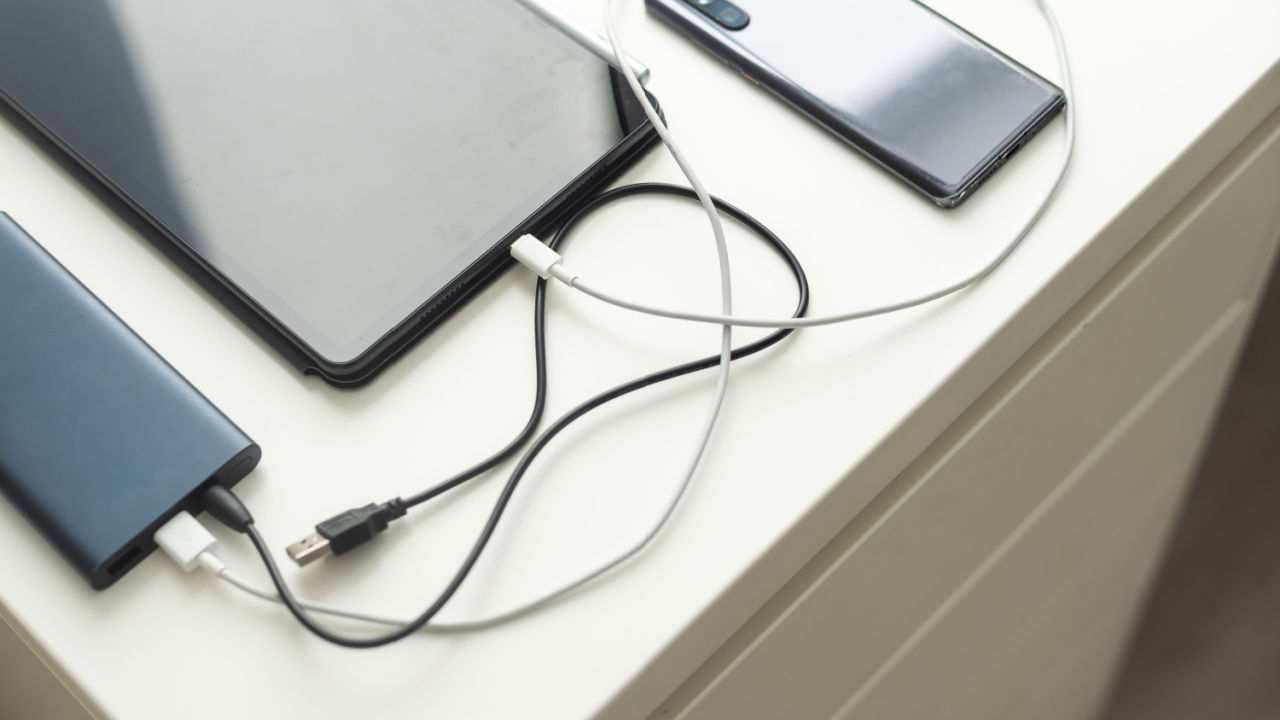
Image Credit: Shutterstock.
The infamous “cord drawer” is a tangled mess of mystery chargers, old USB cables, and electronics that are either broken or obsolete. We keep them “just in case” we find the device they belong to or think we might get around to fixing that old digital camera. If you can’t immediately identify what a cord charges, you probably don’t need it anymore. Gather all your loose cables and broken gadgets. Match every cord to a device you currently own and use. For the rest, bundle them up and take them to an electronics recycling center. Many office supply or electronics stores offer this service for free.
Quick Scan:
- Why we hoard it: Fear of needing it later or guilt over the cost.
- Why let it go: Creates a tangled, useless mess and makes it hard to find the cords you actually need.
- Next Steps: Match cords to current devices. Recycle the rest, along with any broken electronics.
8. Old Makeup and Skincare Products

Image Credit: Shutterstock.
That trendy eyeshadow palette you used once, or the sunscreen from two summers ago, is doing more than just cluttering your bathroom; it could be harmful. Makeup and skincare products have expiration dates for a reason. Over time, they can harbor bacteria, leading to breakouts, infections, or allergic reactions. Most products have a small symbol on the packaging indicating their shelf life after opening (e.g., “12M” for 12 months). Use a permanent marker to write the date you open a new product on the container itself. Go through your collection every six months and toss anything that’s expired, has changed color or texture, or you simply don’t use.
Quick Scan:
- Why we hoard it: Products are expensive, and we hope to use them eventually.
- Why let it go: Expired products are ineffective and can cause skin problems.
- Next Steps: Check expiration dates and toss old items. Label new products with the date you open them.
9. Clothes That No Longer Fit or Suit You

Image Credit: Shutterstock.
Our closets are often filled with ghosts of who we were or who we hope to be: the jeans from ten years ago, the suit for a job you don’t have, or the dress that never felt quite right. These clothes take up physical and mental space, often making us feel guilty or overwhelmed when getting dressed. Your wardrobe should serve you now. If an item doesn’t fit, is uncomfortable, or doesn’t match your current style, it’s time for it to go. Donate, consign, or sell these pieces. A curated closet filled only with clothes that make you feel confident and comfortable makes getting ready a joy instead of a struggle.
Quick Scan:
- Why we hoard it: Hope of fitting into it again or sentimental attachment.
- Why let it go: They create closet clutter and can negatively impact self-esteem.
- Next Steps: Donate or sell anything that doesn’t fit your body or lifestyle right now.
10. Empty or Nearly Empty Notebooks

Image Credit: Depositphotos.com.
The allure of a crisp, new notebook is hard to resist. But this often leads to a collection of notebooks with only a few pages used, scattered with old to-do lists or random thoughts. We feel we can’t throw them away because they’re not “finished,” so they pile up. Consolidate your thoughts. Go through your partially used notebooks and tear out any pages with important information. Transcribe these notes into a single, dedicated notebook or a digital file. Once you’ve saved what matters, you can recycle the rest without guilt. Moving forward, try to fill one notebook completely before starting another.
Quick Scan:
- Why we hoard it: The potential of the blank pages feels too valuable to discard.
- Why let it go: A collection of half-used notebooks is disorganized and impractical.
- Next Steps: Consolidate important notes into one place and recycle the empty pages.
11. Toys and Games Your Kids Have Outgrown
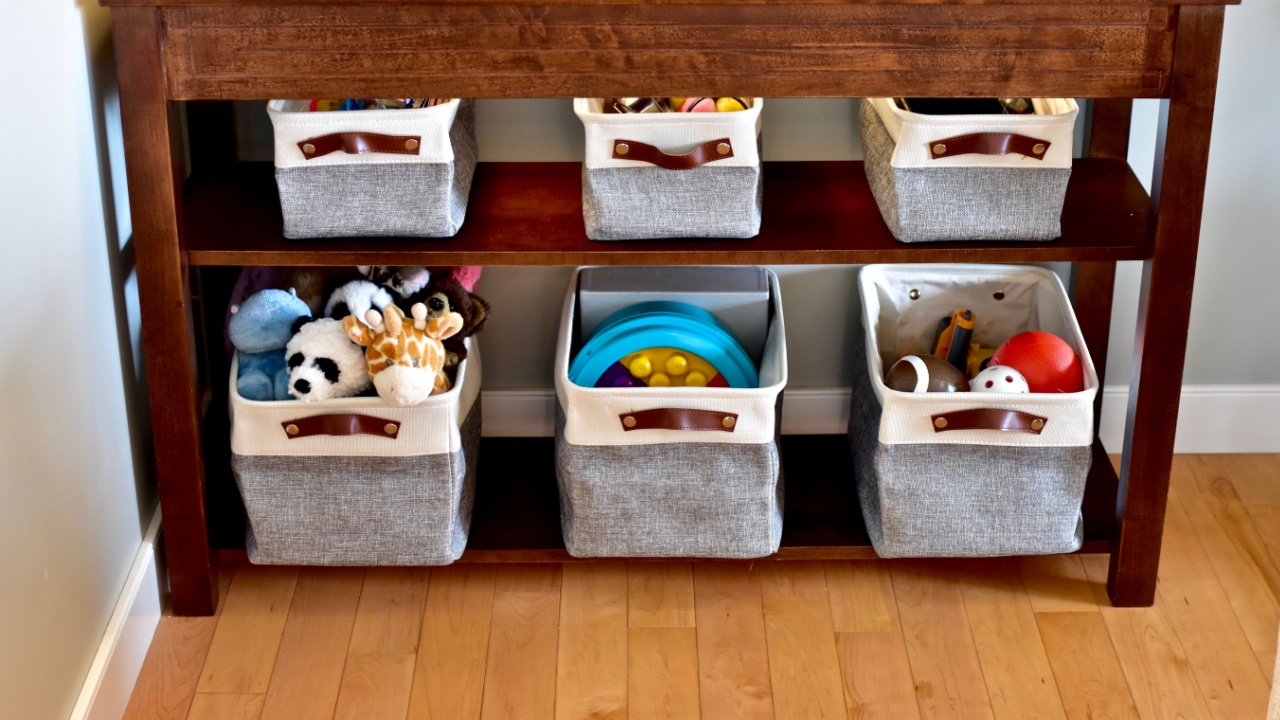
Image Credit: Shutterstock.
It’s difficult to part with the toys that brought your children so much joy. Some items hold deep sentimental value, but the mountain of outgrown board games, action figures, and puzzles can take over playrooms and basements.
Involve your children in the process, if they are old enough. Ask them to help you choose a few special items to save in a memory box. For the rest, talk about how another child would love to play with them. Donate to a local shelter, daycare, or family in need. This teaches a valuable lesson about generosity while reclaiming your space.
Quick Scan:
- Why we hoard it: Sentimental attachment to children’s milestones.
- Why let it go: They take up a significant amount of storage space long after they are used.
- Next Steps: Keep a few truly special items in a memory box. Donate the rest to give them a new life.
12. Broken Jewelry and Watches
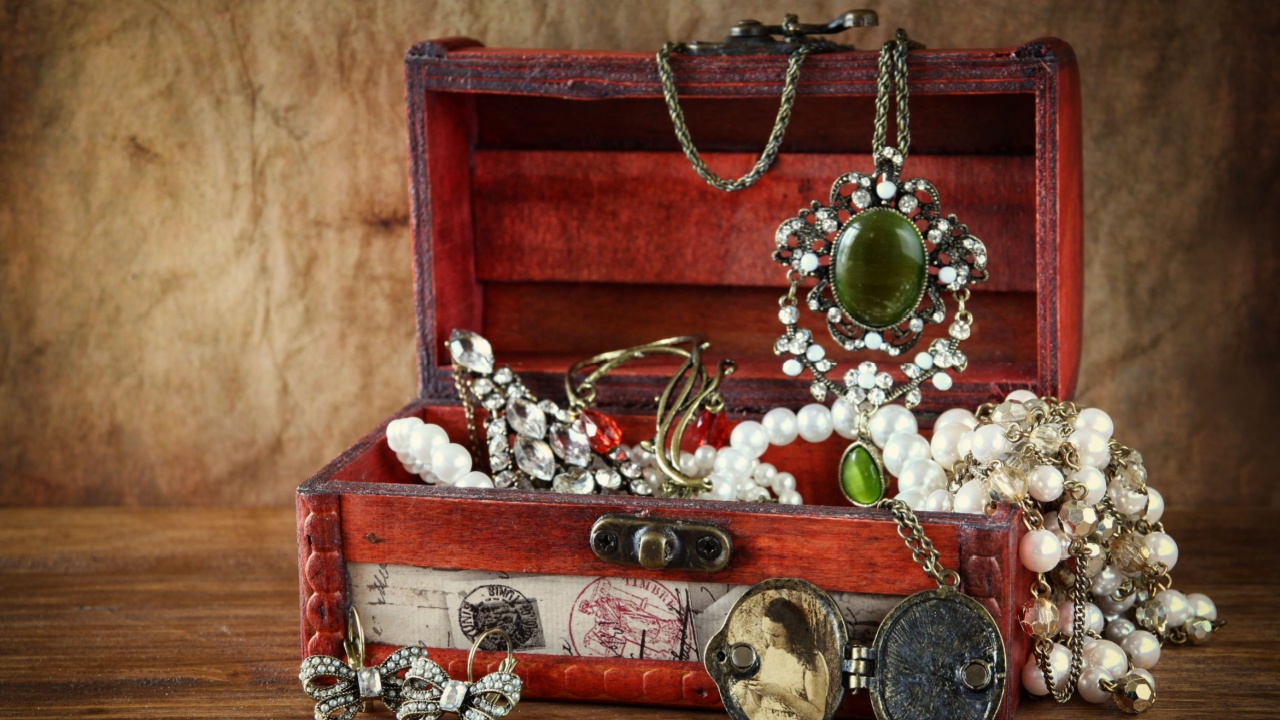
Image Credit: Shutterstock.
That necklace with a broken clasp, the single earring whose partner is long gone, or the watch with a dead battery that’s been sitting in your jewelry box for years. We keep these items with the intention of repairing them, but “someday” rarely comes.
Set a tangible goal. Place all your broken pieces in a small bag. Make a plan to take them to a jeweler for repair within the next month. If a month passes and you haven’t done it, it’s a sign that it’s not a priority. At that point, you can sell them for scrap metal, offer them to a crafter, or simply let them go.
Quick Scan:
- Why we hoard it: We intend to get them fixed.
- Why let it go: They clutter your jewelry box and are unusable in their current state.
- Next Steps: Commit to repairing them within one month. If you don’t, sell or discard them.
13. Sentimental Items Without a Purpose

Image Credit: Shutterstock.
This is perhaps the most challenging category. It includes gifts you don’t like but feel guilty parting with, inherited items that don’t fit your decor, and keepsakes from your past that live in a box. These objects are heavy with emotion, but they often don’t have a place or purpose in your home.
Preserve the memory, not the item. Take a high-quality photograph of the object. You can even write a short story about the memory associated with it and save it with the photo in a digital or physical album. This honors the sentiment without requiring you to store the physical item. Once you’ve captured the memory, you can donate the item with a clear conscience.
Quick Scan:
- Why we hoard it: Guilt or emotional attachment.
- Why let it go: They take up space without adding function or beauty to your home.
- Next Steps: Take a photo to preserve the memory, then donate the physical object.
14. Old Calendars and Planners

Image Credit: Shutterstock.
Old planners and wall calendars can feel like mini-diaries, filled with appointments, notes, and memories from a specific year. It can feel like you’re throwing away a piece of your history. However, a stack of old planners is bulky and rarely looked at.
If you enjoy looking back, choose one or two of the most significant planners to keep. For the rest, flip through and see if there are any truly meaningful pages: a ticket stub from a memorable concert, a sweet note, or a funny doodle. Cut these out and add them to a scrapbook or memory box. Then, recycle the remaining bulk.
Quick Scan:
- Why we hoard it: They serve as records of our lives.
- Why let it go: They are bulky and take up significant space.
- Next Steps: Save only the most meaningful pages or planners and recycle the rest.
15. Paperwork and Receipts You Don’t Need

Image Credit: Shutterstock.
The paper pile is a relentless beast. It includes old utility bills, ATM receipts, expired warranties, and manuals for appliances you no longer own. We fear we might need them for taxes or proof of purchase, so the pile grows into an intimidating tower of stress. Understand what you actually need to keep.
The IRS generally recommends keeping tax records for three to seven years. Most minor receipts can be tossed after you’ve reconciled your bank statement. For important documents, go digital. Use a scanning app on your phone to create PDF copies and store them in a clearly labeled cloud folder. Then, shred the originals.
Quick Scan:
- Why we hoard it: Fear of needing them for financial or legal reasons.
- Why let it go: Creates massive paper clutter and makes it hard to find important documents.
- Next Steps: Learn retention guidelines, digitize important papers, and shred the rest.
16. Duplicate or Unused Home Decor Items

Image Credit: Shutterstock.
It’s easy to accumulate extra vases, throw pillows, and picture frames. We buy new items to refresh our space, but often fail to get rid of the old ones. This results in a closet full of “someday” decor that just gathers dust. Implement the “one in, one out” rule. Every time you bring a new decor item into your home, an old one must leave. This keeps your collection curated and prevents over-stuffing closets and shelves. Choose your favorite pieces to display and donate the rest. Someone else will be thrilled to find that vase or frame you’re no longer using.
Quick Scan:
- Why we hoard it: We think we’ll rotate decor seasonally or use it in another room.
- Why let it go: Unused items take up valuable storage space.
- Next Steps: Follow the “one in, one out” rule. Donate decor you haven’t used in the last year.
17. Expired Medications and Supplements
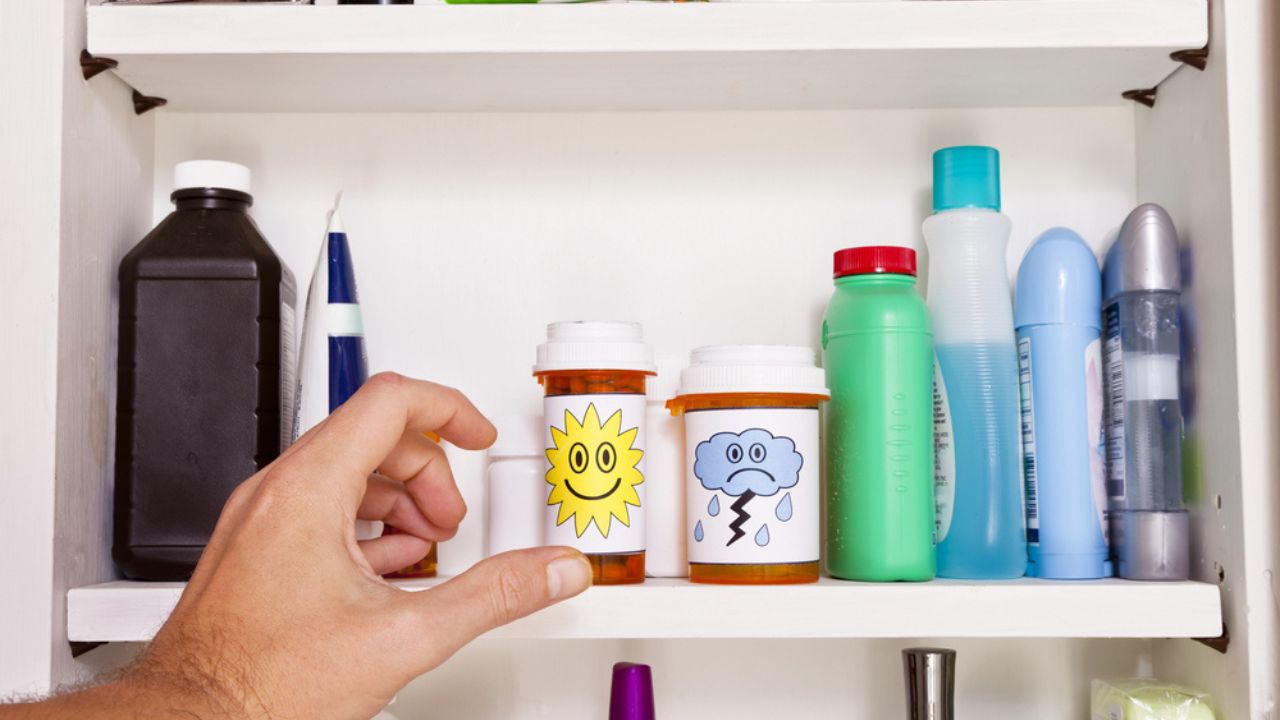
Image Credit: Depositphotos.com.
Your medicine cabinet can quickly become a repository for old prescriptions, half-finished bottles of cough syrup, and expired vitamins. Keeping these is not just clutter; it’s dangerous. Expired medications can lose their effectiveness or even become toxic. Twice a year, go through your medicine cabinet and first aid kits.
Check all the expiration dates. Do not throw medications in the trash or flush them down the toilet, as they can contaminate groundwater. Instead, take them to a pharmacy or a designated drug take-back day for safe disposal.
Quick Scan:
- Why we hoard it: We forget about them or don’t know how to dispose of them safely.
- Why let it go: They can be ineffective or harmful.
- Next Steps: Purge your medicine cabinet twice a year and dispose of expired items at a pharmacy.
18. Gift Bags and Wrapping Paper Scraps

Image Credit: Depositphotos.com.
Saving gift bags and reusable bows is both frugal and eco-conscious. However, the collection can quickly become a crumpled, disorganized mess. We save tiny scraps of wrapping paper, thinking we’ll find the perfect tiny gift to wrap, but we rarely do.
Be realistic. Keep only the gift bags that are in excellent condition and that you are likely to reuse. Store them neatly inside one another. For wrapping paper, save only scraps that are large enough to wrap a small book. Recycle the tiny, crinkled pieces. A well-organized gift wrap station makes gift-giving much more enjoyable.
Quick Scan:
- Why we hoard it: To save money and reduce waste.
- Why let it go: The collection becomes messy and difficult to store.
- Next Steps: Keep only high-quality bags and large scraps. Organize them neatly.
19. Freebies and Promotional Items

Image Credit: Depositphotos.com.
Those free pens, tote bags, and t-shirts from conferences and local events seem like a great perk at the time. But how many logo-emblazoned water bottles do you really need? These items often aren’t high-quality and end up cluttering our drawers and closets.
Be selective from the start. Just because something is free doesn’t mean you have to take it. Before accepting a promotional item, ask yourself if you will genuinely use it. For the items you’ve already accumulated, keep only your favorites and donate the rest.
Quick Scan:
- Why we hoard it: They are free, and it feels wasteful to refuse them.
- Why let it go: They are often low-quality and add to clutter.
- Next Steps: Be selective about what you accept. Donate any promotional items you don’t use regularly.
20. Old Towels, Linens, and Bedding
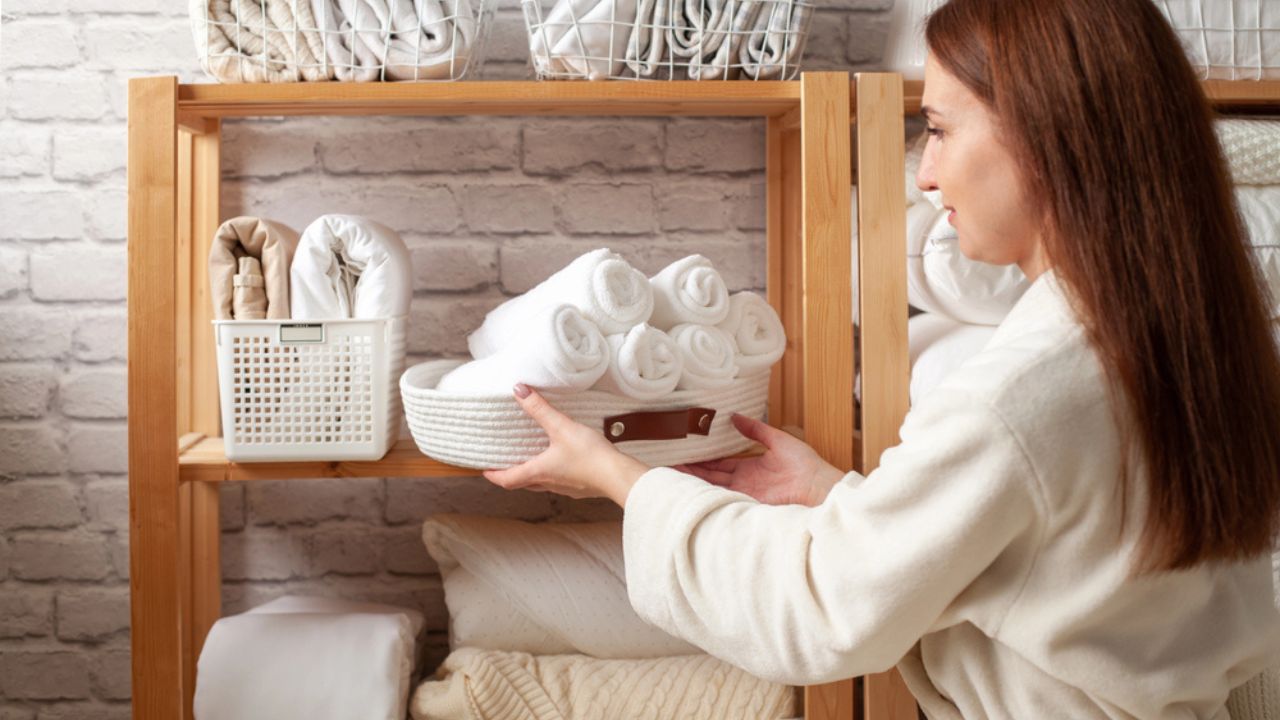
Image Credit: Depositphotos.com.
We often hang onto frayed towels and stained bedding “just in case” or for messy jobs. While having a few rags on hand is useful, a whole linen closet full of worn-out textiles is unnecessary. They take up space that could be used for fresh, clean linens that you actually enjoy using.
Set a reasonable limit for your “rag” pile. Keep five or six old towels for cleaning up spills or protecting floors during a project. For bedding, most households only need two sets per bed, one on the bed and one in the wash. Animal shelters are often grateful for donations of old towels and blankets to use for bedding.
Quick Scan:
- Why we hoard it: We think we’ll use them for cleaning or emergencies.
- Why let it go: They take up an entire shelf in the linen closet.
- Next Steps: Keep a small, designated stash of rags. Donate the rest of your old linens to an animal shelter.
21. Almost-Empty Paint Cans

Image Credit: Shutterstock.
After a painting project, it’s smart to keep a small amount of leftover paint for touch-ups. However, this often translates to a collection of half-empty, rusty cans taking up space in the garage or basement. Over time, the paint can dry out, separate, or go bad, making it unusable.
Consolidate and label. For small amounts of latex paint, you can combine them into a smaller, airtight container like a mason jar. Be sure to label it clearly with the color name/code and the room where it was used. Most paint is considered hazardous waste and needs to be disposed of properly. Check with your local waste management facility for instructions on how to dispose of old or unusable paint.
Quick Scan:
- Why we hoard it: For future touch-ups.
- Why let it go: Paint spoils over time, and the cans take up a lot of space.
- Next Steps: Consolidate small amounts into labeled jars. Dispose of old, unusable paint at a hazardous waste facility.
Your Next Steps to a Clutter-Free Home

Image Credit: Shutterstock.
Decluttering isn’t a one-time project; it’s an ongoing practice of mindful consumption and maintenance, much like tending a garden. Start small by choosing one category from this list and dedicating just 15 minutes to it. You might be surprised at how much you can accomplish.
As you clear out the physical clutter, you’ll also clear mental space, allowing for more creativity, peace, and enjoyment in your home and garden. The next time you’re about to put something in a “just in case” pile, ask yourself if it’s truly worth the space. Most of the time, the freedom of letting go is worth far more.