Decluttering your home and garden often feels like a fresh start, creating space for new growth and projects. Taking your unwanted items to a thrift store seems like a perfect solution. You clear out your space, your items get a second life, and you support a good cause. It’s a win-win-win, right? Mostly. While donation centers are grateful for your generosity, they often receive items they simply cannot accept or sell.
When thrift stores receive unusable goods, they must spend money and resources to dispose of them, which detracts from their charitable missions. Understanding what to donate helps these organizations thrive and ensures your decluttering efforts are genuinely sustainable. Knowing what not to bring saves you a trip and helps you find the right home for every item, from old garden tools to last season’s decor.
This guide will walk you through the top ten items that thrift stores would rather you keep at home or dispose of in another way.
1. Large Appliances
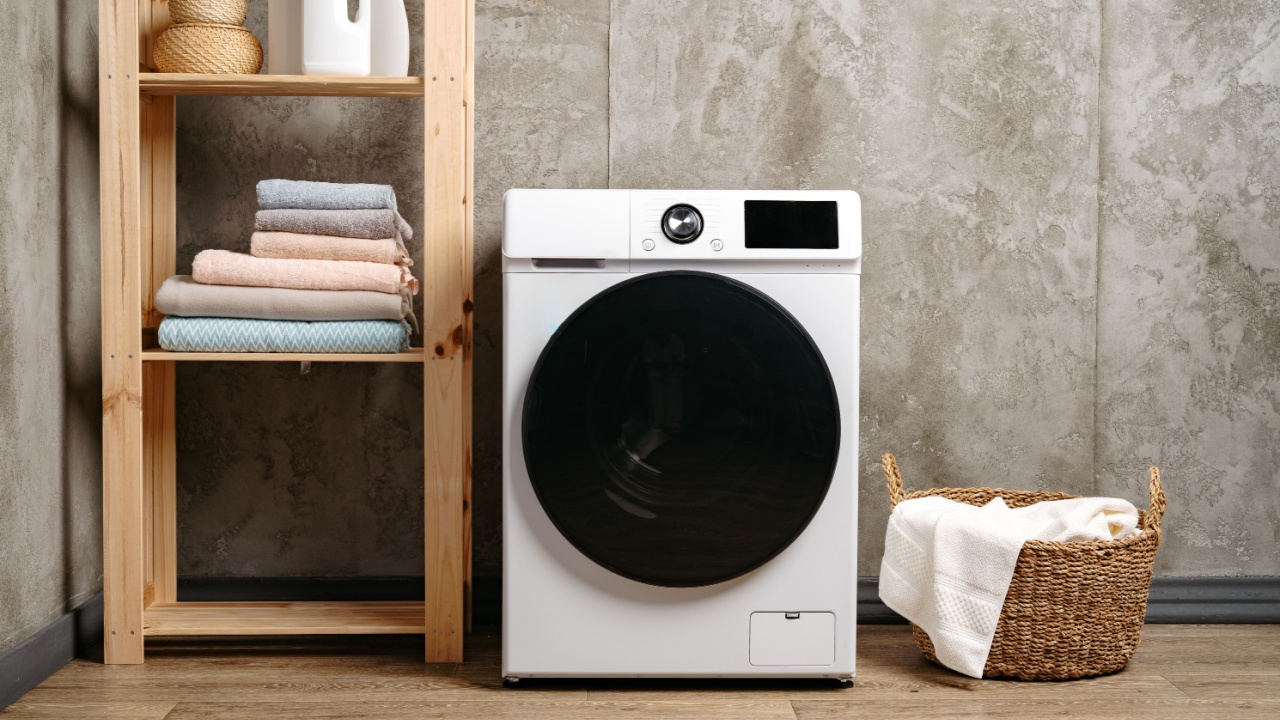
Image Credit: Shutterstock.
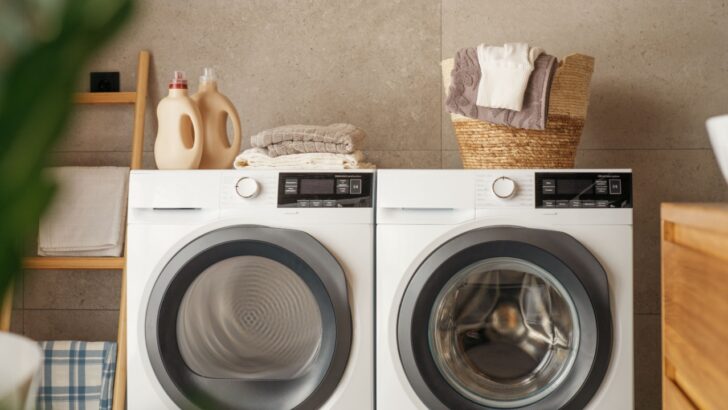
That old refrigerator in the garage or the washing machine that’s seen better days might seem like a valuable donation. For most thrift stores, however, these large appliances are a logistical nightmare. They require significant floor space, which is often limited and needed for faster-selling items like furniture and clothing. Additionally, moving these heavy items requires specialized equipment and multiple staff members, increasing the risk of injury and damage to the store.
Many older appliances may not be energy-efficient or could have hidden mechanical issues, making them difficult to sell. Federal regulations also govern the disposal of certain appliances containing refrigerants like Freon, adding another layer of complexity and cost for the charity.
Key Points:
- Requires too much floor space.
- Difficult and dangerous to move.
- Potential for hidden mechanical problems.
- May not meet modern energy efficiency standards.
- Disposal can be costly and regulated.
What to do instead: Contact your local sanitation department to ask about bulk waste pickup days. Some utility companies offer bounty programs, paying you to recycle old refrigerators or freezers. You can also look for local scrap metal recyclers, who may even pay you for the raw materials.
2. Old Electronics and Tube TVs
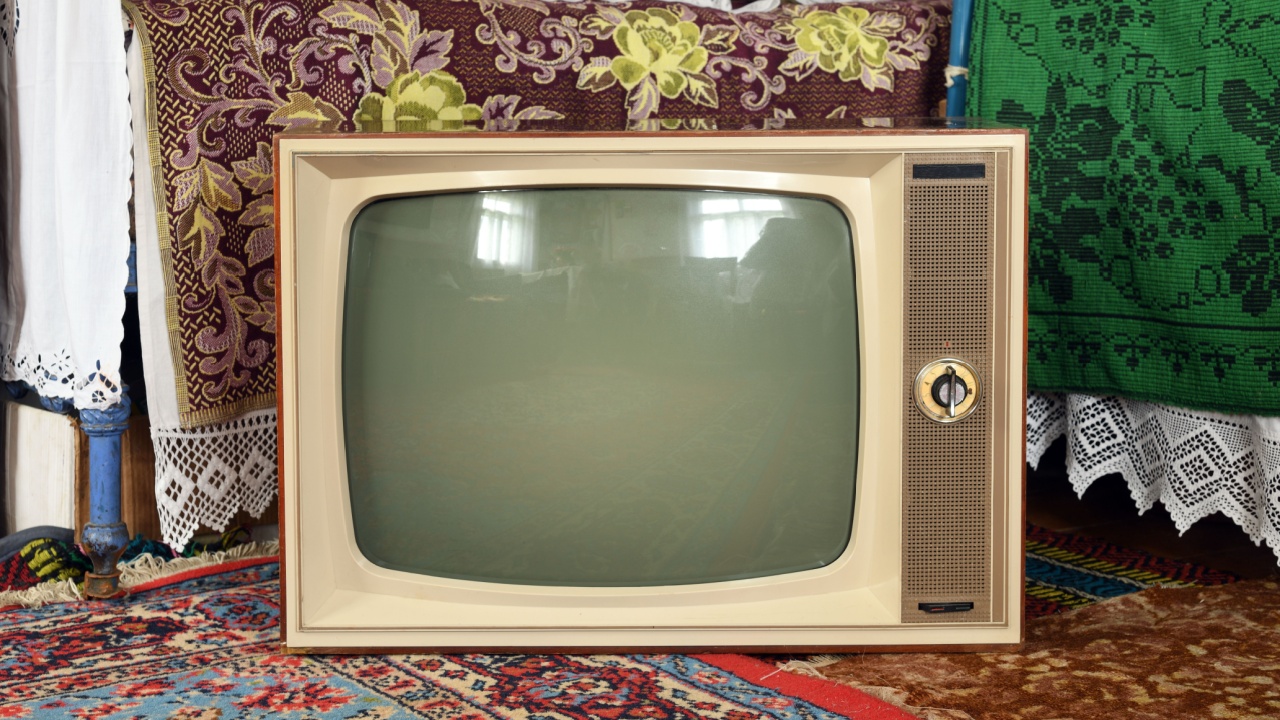
Image Credit: Shutterstock.
The rapid evolution of technology means that old electronics, especially bulky CRT (cathode ray tube) televisions and outdated computer monitors, have almost no resale value. These items contain hazardous materials like lead, mercury, and cadmium, which can harm the environment if not disposed of properly. Thrift stores are not equipped to handle or recycle e-waste, and the cost of doing so would be a significant financial burden.
Even seemingly harmless items like old printers, VCRs, and stereo systems are hard to sell. Most people want modern, compatible devices, so these electronics end up collecting dust on shelves before eventually being sent to a landfill at the store’s expense.
Key Points:
- Very low or no resale value.
- Contains hazardous materials like lead and mercury.
- Thrift stores lack resources for proper e-waste disposal.
- Bulky and takes up valuable shelf space.
What to do instead: Search for a certified e-waste recycling center in your area. Many municipalities and even some electronics retailers host free electronic recycling events throughout the year. Organizations like the EPA provide resources to help you find responsible recyclers near you.
3. Mattresses and Box Springs
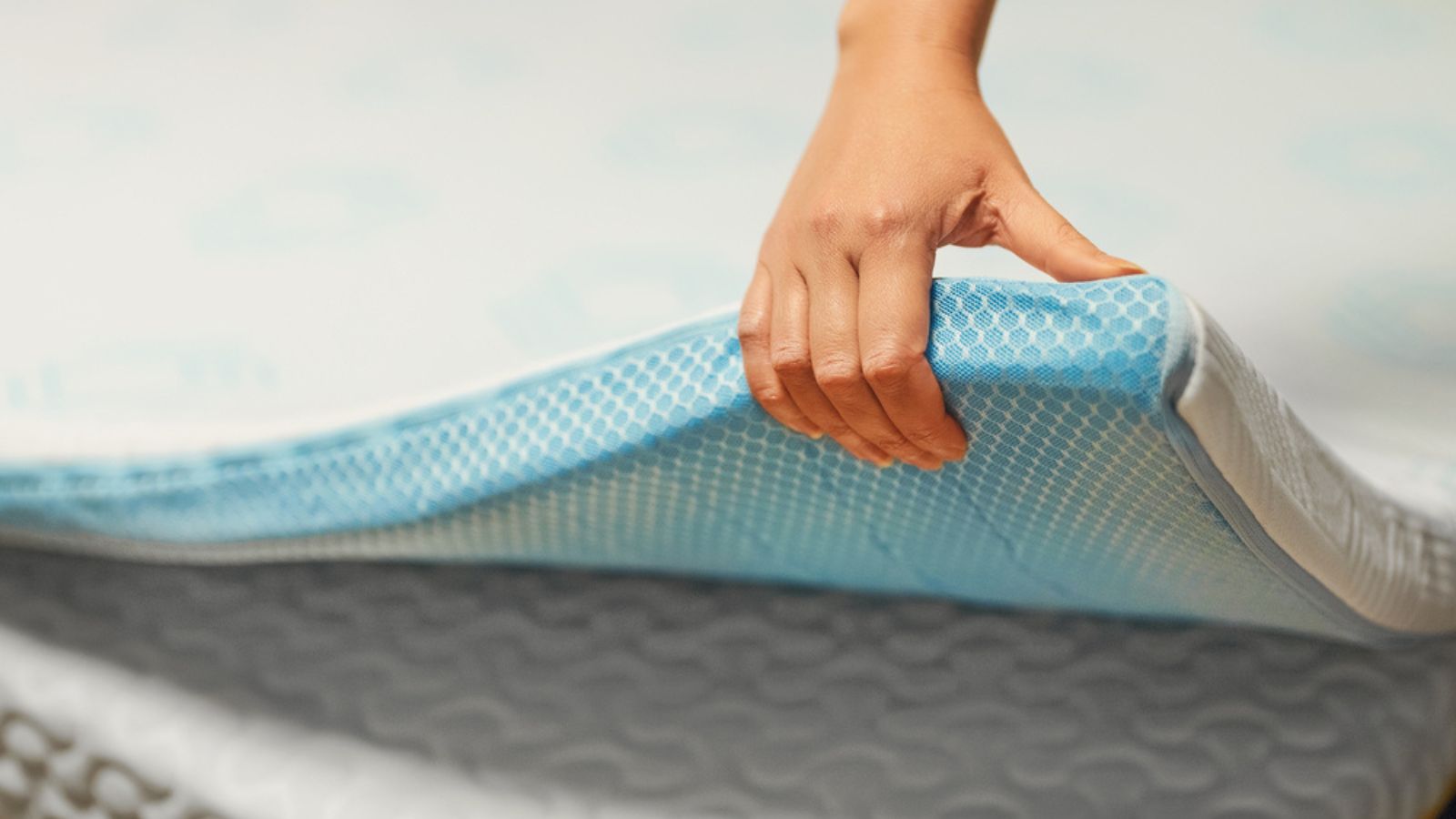
Photo Credit: Depositphotos.com.
Due to strict health and sanitation regulations, nearly all thrift stores have a firm policy against accepting used mattresses and box springs. These items can harbor bed bugs, dust mites, bacteria, and bodily fluids, posing a significant health risk to staff and shoppers. It is impossible to fully sanitize a used mattress, making it unsellable.
Beyond the hygiene concerns, mattresses are bulky and difficult to dispose of. When a thrift store is forced to take one, they almost always have to pay a fee to have it hauled away to the landfill, directly costing the charity money.
Key Points:
- Major health and hygiene risk (bed bugs, bacteria).
- Prohibited from resale by health regulations in many states.
- Impossible to properly clean and sanitize.
- Costly for the thrift store to transport and dispose of.
What to do instead: Check with your local waste management service about bulk item pickup. Some cities have dedicated mattress recycling programs that break them down into their component parts, like steel, foam, and wood. Companies like Bye Bye Mattress offer a network of recycling locations.
4. Damaged or Stained Upholstered Furniture

Photo Credit: Depositphotos.com.
A couch with a prominent wine stain or a recliner with torn upholstery is unlikely to find a new home on the thrift store floor. While minor scuffs on a wooden table can be seen as character, significant damage to upholstered furniture makes it almost impossible to sell. Shoppers are looking for items they can use immediately, not projects that require expensive and time-consuming reupholstering.
Like mattresses, upholstered furniture can hide allergens, pet dander, and unpleasant odors that are difficult to remove. If an item is visibly dirty, ripped, or broken, the thrift store will have to pay for its disposal.
Key Points:
- Difficult to sell due to stains, tears, and odors.
- Repairing or reupholstering is too costly for the average shopper.
- Can harbor hidden allergens and dirt.
- Represents a disposal cost for the charity.
What to do instead: If the frame is solid, you might consider reupholstering it yourself as a fun DIY project. You could also offer it for free on platforms like Facebook Marketplace or Craigslist, clearly stating its condition. Someone with the right skills might be happy to take it off your hands for a personal project. Otherwise, schedule a bulk trash pickup.
5. Baby Gear with Safety Concerns
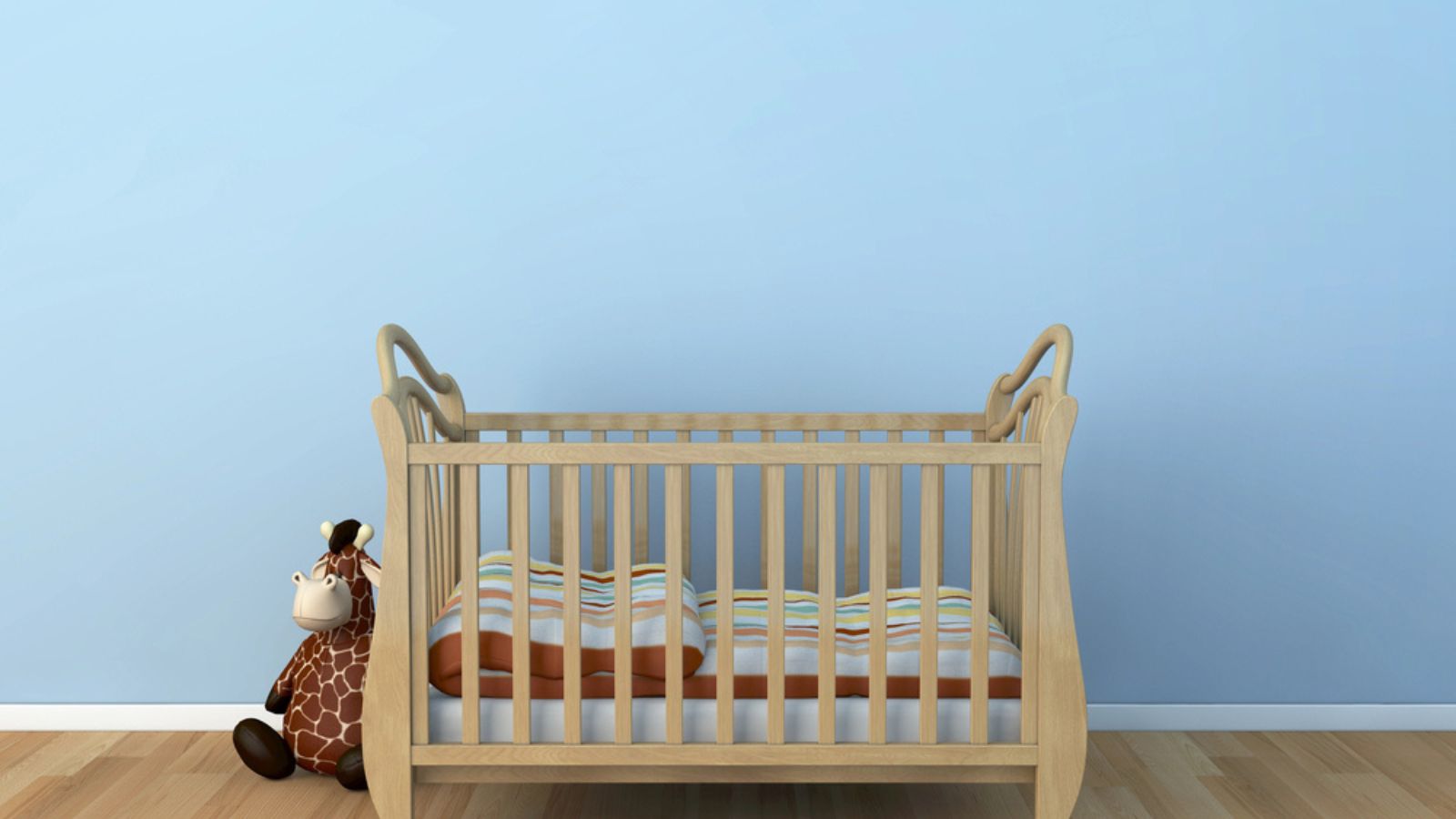
Image Credit: Depositphotos.com.
While donating gently used baby clothes and toys is wonderful, certain baby items are a major liability for thrift stores. Car seats, cribs, and walkers are subject to stringent federal safety standards that change frequently. Car seats even have expiration dates because the plastic can degrade, compromising their effectiveness in a crash. It is impossible for thrift store staff to verify an item’s history or confirm that it meets current safety regulations.
Because of the huge liability risk, most donation centers will not accept these items. Selling a recalled or expired car seat could have devastating consequences, and it is a risk that charities are unwilling to take.
Key Points:
- Subject to strict and changing safety standards.
- Car seats have expiration dates and are unsafe after that.
- Impossible to know the item’s history (e.g., if it was in an accident).
- Carries a massive liability risk for the organization.
What to do instead: For car seats, check the manufacturer’s expiration date. If it’s expired or has been in an accident, cut the straps to prevent anyone else from using it and dispose of it. Some retailers, like Target, offer trade-in events where you can get a discount for recycling an old car seat. For cribs, check the CPSC website for recalls. If it’s outdated, it should be disassembled and disposed of.
6. Personal Care and Beauty Products

Image Credit: Shutterstock.
Used or even unopened personal care products, cosmetics, and medical supplies cannot be accepted by thrift stores. It is impossible to guarantee that these products are sanitary and have not been tampered with. Selling used lipstick, half-empty lotion bottles, or expired sunscreen would be a major health violation.
This rule applies to everything from makeup and hairspray to medications and first-aid supplies. These items are considered personal and cannot be safely resold to the public.
Key Points:
- Major hygiene and sanitation concerns.
- Impossible to verify if the product has been used or tampered with.
- Potential for spreading germs and skin conditions.
- Expired products can be ineffective or harmful.
What to do instead: Unfortunately, most used cosmetics must be thrown away. For unopened products, consider donating them to a local women’s shelter or organizations like Project Beauty Share, which distributes personal hygiene products to non-profits serving women and families in need. Check their specific donation guidelines first.
7. Household Chemicals and Flammable Materials

Image Credit: Shutterstock.
Partially used cans of paint, pesticides, fertilizers, cleaning supplies, and other household chemicals are hazardous materials. Thrift stores are not licensed or equipped to handle, store, or dispose of these substances. They pose a risk of spills, toxic fumes, and are highly flammable.
Storing these items in a retail environment is a danger to employees and customers. If a thrift store receives them, it must treat them as hazardous waste, which involves a costly and complicated disposal process.
Key Points:
- Considered hazardous waste.
- Poses a fire risk and danger of toxic exposure.
- Thrift stores are not equipped for safe storage or disposal.
- Disposal is expensive and highly regulated.
What to do instead: Never pour chemicals down the drain or throw them in the regular trash. Contact your local hazardous waste facility to find out about collection days or drop-off locations. For leftover latex paint, you can sometimes donate it to organizations like Habitat for Humanity ReStore, but always call ahead to confirm.
8. Helmets and Protective Gear
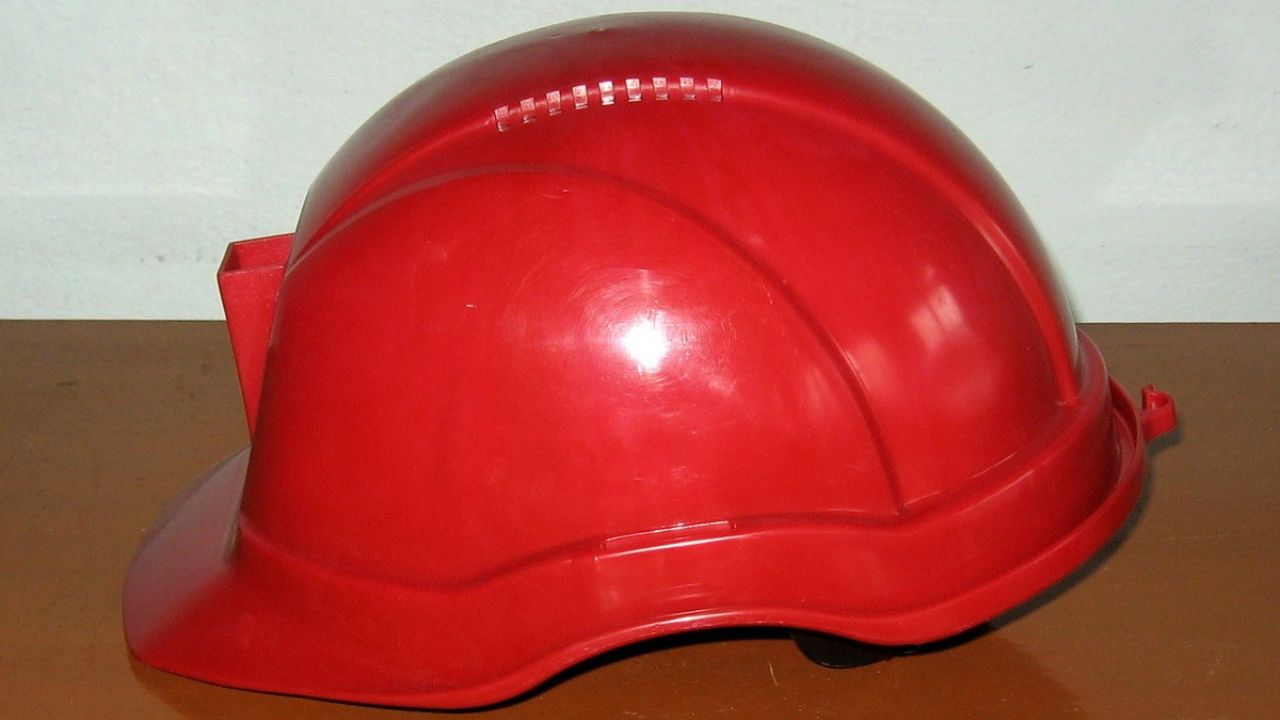
Photo Credit: Leon II – CC BY-SA 2.5/Wiki Commons.
Protective gear like car seats, helmets, and other protective gear is designed for a single impact. A bicycle helmet that has been in a crash may have invisible cracks that render it useless for future protection. Since thrift store employees have no way of knowing the history of a helmet, they cannot risk selling it.
Accepting and reselling used helmets would create a serious liability for the organization. The safety of their customers is paramount, so these items are universally rejected.
Key Points:
- Designed for single-impact protection.
- Damage can be invisible to the naked eye.
- The item’s history is unknown, making it a safety risk.
- Represents a significant liability for the thrift store.
What to do instead: If a helmet is past its expiration date (yes, they have them) or has been in an impact, make it unusable by cutting the straps and disposing of it. If it is old but unused, you could repurpose it in the garden as a quirky hanging planter for succulents or herbs.
9. Old Tires
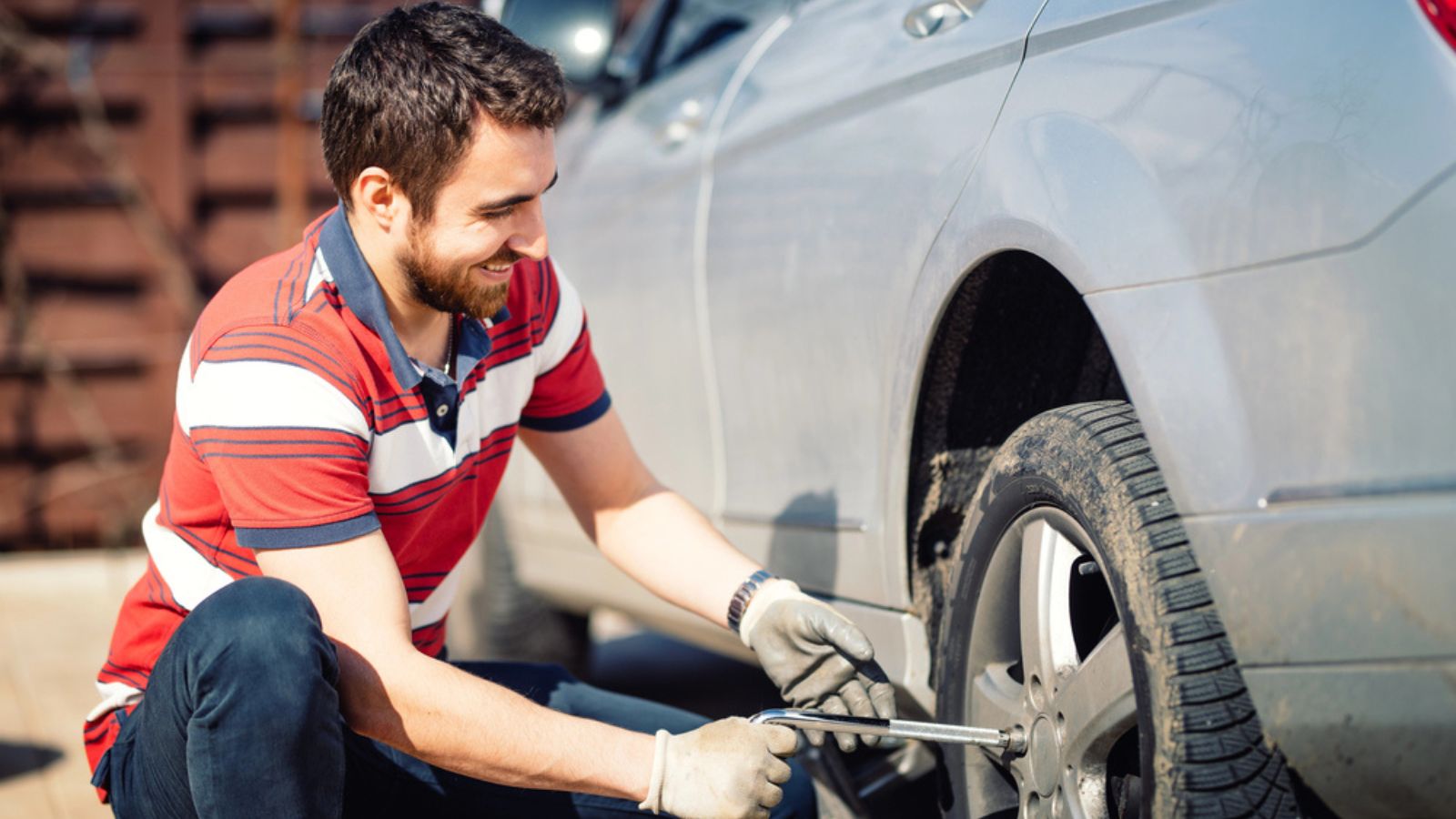
Photo Credit: Depositphotos.com.
Used tires are another item that thrift stores are simply not equipped to handle. They are bulky, dirty, and have no place in a retail store. More importantly, most states have specific regulations for tire disposal to prevent them from ending up in landfills, where they can become a fire hazard or a breeding ground for mosquitoes.
Thrift stores do not have the means to recycle tires properly and would have to pay a specialty recycler to take them. This is an expense that directly takes away from their charitable work.
Key Points:
- Bulky, dirty, and difficult to store.
- Regulated by state and local disposal laws.
- Costly for thrift stores to recycle properly.
- It can become a fire and health hazard in landfills.
What to do instead: When you buy new tires, the shop will typically take and recycle your old ones for a small fee. If you have extra tires lying around, contact your local auto parts store or recycling center. Many communities also host special collection events for tires.
10. Broken or Incomplete Items
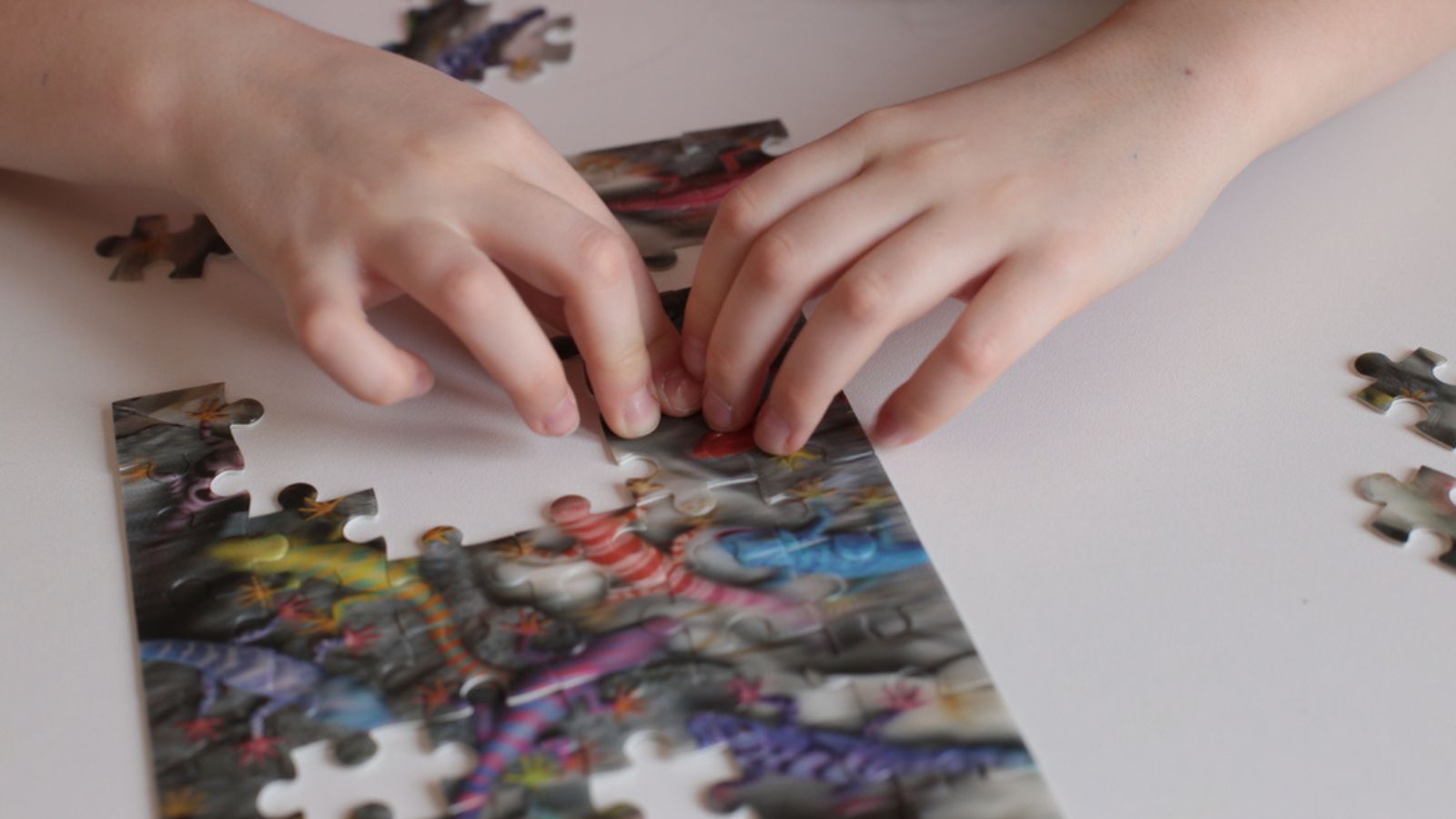
Image Credit: Depositphotos.com.
It may seem obvious, but thrift stores are inundated with broken items and incomplete sets. This includes puzzles or games with missing pieces, single drinking glasses from a set, or appliances that don’t turn on. While your intention might be that someone can fix it, the reality is that most shoppers are not looking for a project.
These items rarely sell and take up valuable space. The staff then has to spend time sorting through them only to throw them away, costing the store time and money. Every broken item donated is one that the charity must pay to get rid of.
Key Points:
- Extremely low chance of being sold.
- Shoppers want items that are ready to use.
- Takes up shelf space that could be used for sellable goods.
- Becomes a disposal cost for the charity.
What to do instead: Before donating, check that games have all their pieces and that electronics are working. If an item is broken, either repair it, use its parts for a creative project, or dispose of it responsibly. A single, beautiful glass could become a small vase, and broken ceramic pieces can be used to create a mosaic for a garden path or flowerpot.
Mindful Decluttering
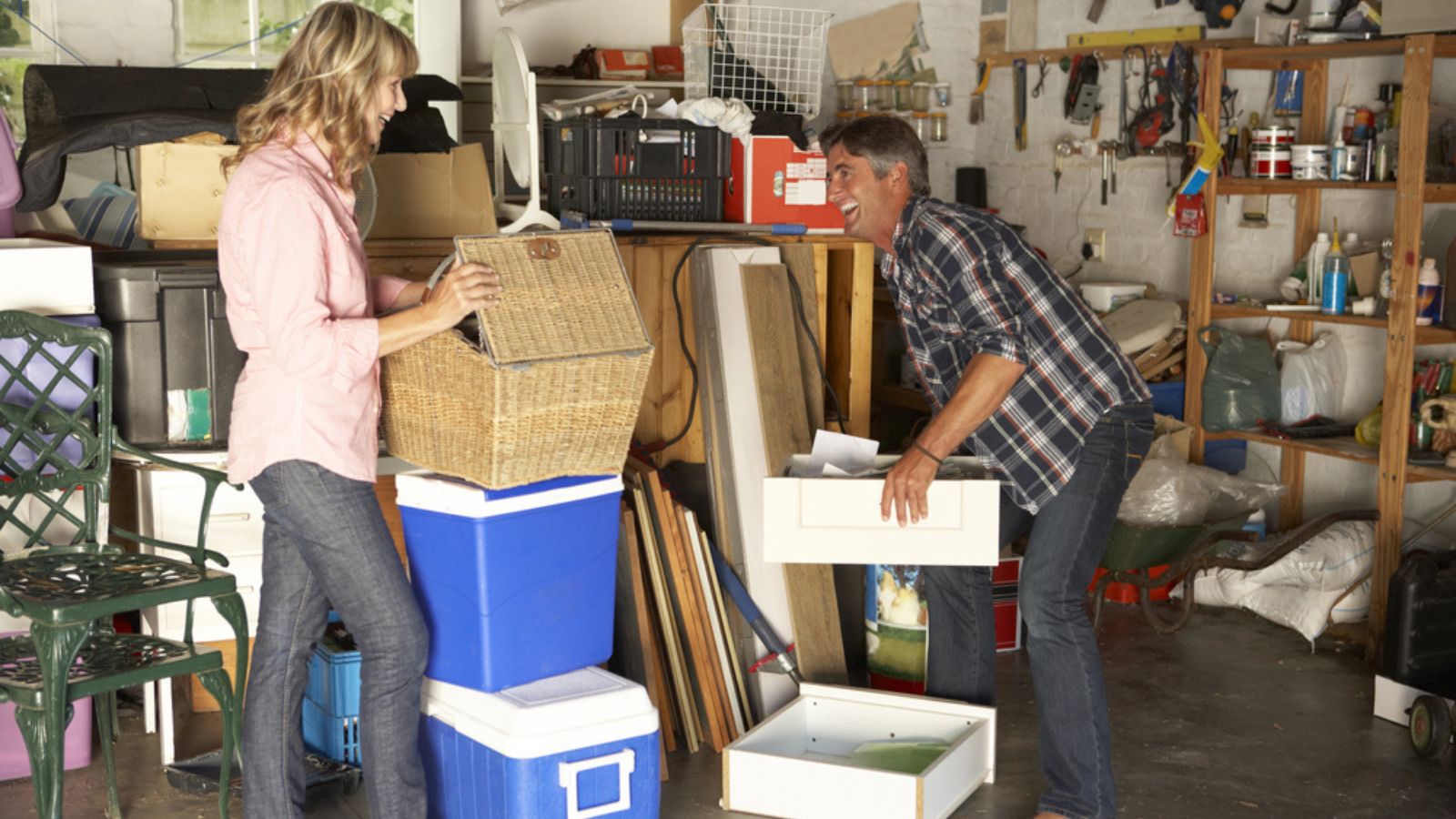
Image Credit: Depositphotos.com.
Thoughtful donating is a key part of a sustainable lifestyle. By keeping these items out of the donation bin, you help thrift stores focus their resources on their missions. For your next decluttering session, adopt a new approach. Before you bag everything up, sort your items into three piles: one for the thrift store, one for specialized recycling or disposal, and one for creative repurposing.
Challenge yourself to find a new life for one or two items you would have previously tossed. Broken ceramics can become drainage shards for your potted plants. An old, clean helmet can be transformed into a unique planter. A stained t-shirt can be cut into strips to create plant ties. By decluttering with intention, you not only clear your space but also contribute positively to your community and the environment.