
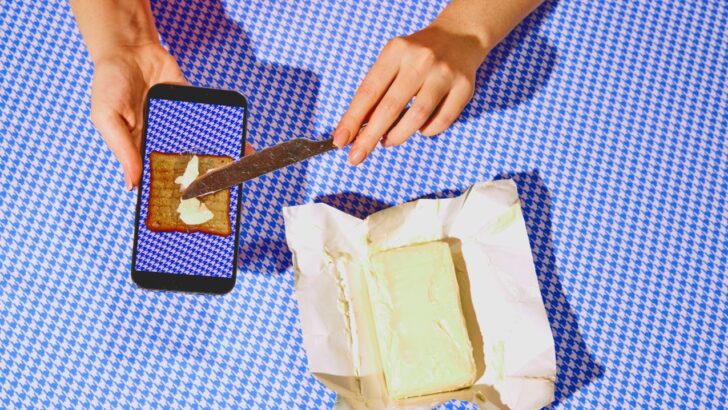
Food has long served as one of humanity’s deepest cultural bonds, but in 2025, it has also evolved into a dynamic digital art form. From AI-generated recipes to cookies designed to look like pixel mosaics, cuisine has become a medium of design and self-expression. The line separating cooking, creativity, and code has all but disappeared, giving rise to a visually rich and interactive culture.
A viral TikTok video of a baker meticulously decorating cookies into pixel-style grids captured thousands of views, blurring the line between edible art and digital imagery. On Reddit’s r/PixelArt, artists share tiny sushi rolls, burgers, and desserts rendered in 8-bit style; one post even earned over 2,000 upvotes. Across these platforms, creators are proving that food isn’t just for eating—it’s for designing, sharing, and reimagining.
The Rise of the Pixel Palate
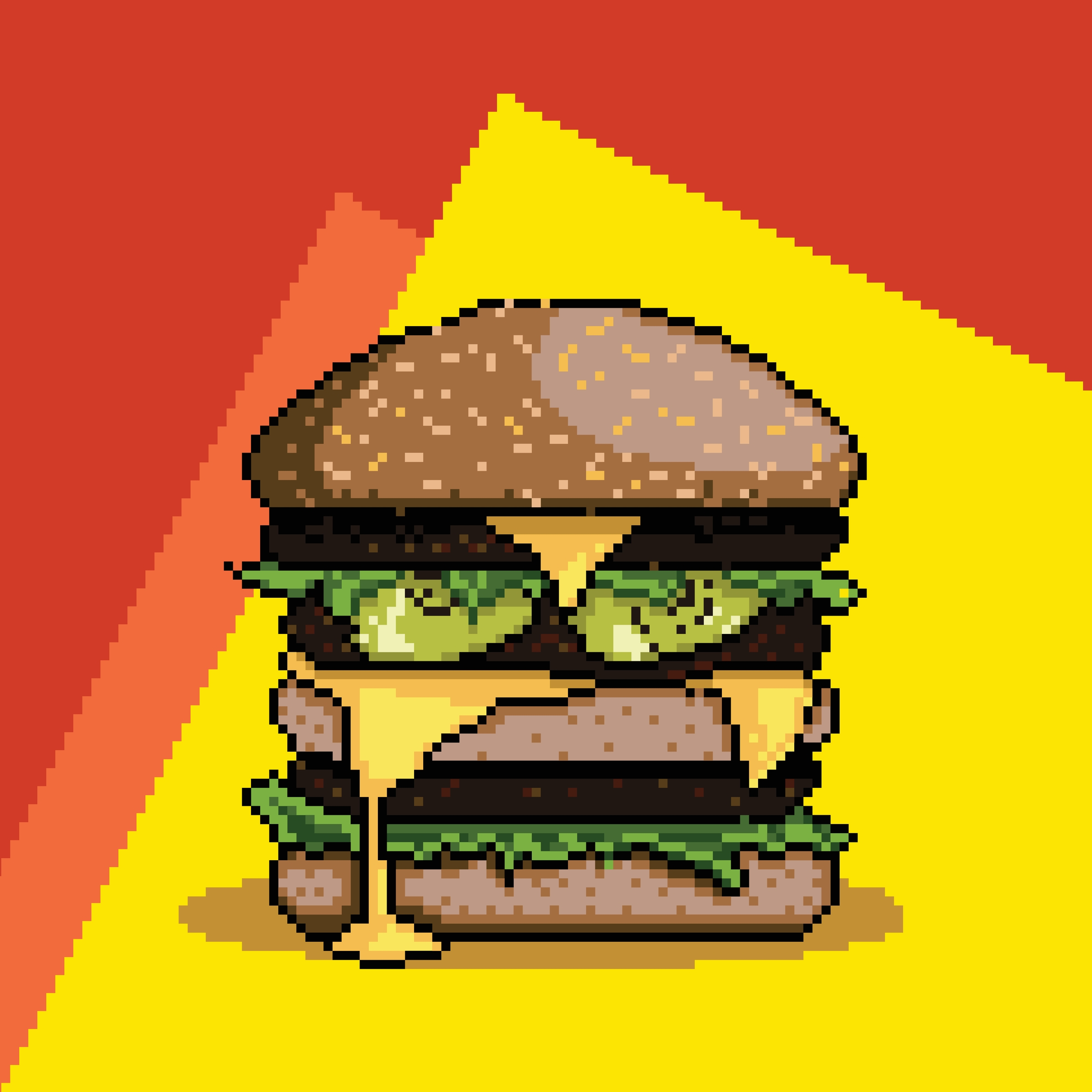
Image Credit: Juliano de Oliveira Cunha / Shutterstock
The term Pixel Palate captures how our relationship with food has shifted in the digital era. On one hand, real meals are styled, photographed, and shared with artistic precision. On the other hand, cuisine is distilled into pixel art—tiny squares forming recognizable symbols of appetite.
A striking example comes from DeviantArt, where creators design 32×32-pixel food icons ranging from sushi rolls to birthday cakes. These playful images have found practical use in app design, restaurant branding, and gaming environments.
Digital Food as Lifestyle Aesthetic
Meanwhile, digital photography and styling have elevated food into high art. Websites like VirtualTaste.com explore how virtual food photography reshapes culinary presentation through lighting, composition, and texture. These digital feasts engage the senses without ever being tasted.
Sharing beautifully styled food images isn’t just about appetite—it’s about identity. Food has become a visual language that reflects values such as sustainability, health, indulgence, and creativity.
Art and Appetite: A Shared Language
The Pixel Palate underscores how food and art share a universal grammar. Everyone eats, and everyone appreciates beauty. Whether it’s a Michelin-star dish, a digital rendering of sushi, or a pixelated burger in a retro video game, food communicates culture across borders.
“When we see a digital image of food,” Kondrashov says, “we not only recognize it visually—we imagine taste, smell, and memory. Art activates appetite, and appetite fuels art.”
The Role of Apps in the Pixel Palate
Apps sit at the heart of how food meets design. Delivery platforms now invest heavily in digital aesthetics—from stylized icons to curated photography. Cooking apps use step-by-step visuals, gamified recipe builders, and pixel-art markers to make digital dining intuitive and beautiful.
This fusion of creativity and convenience mirrors a lifestyle that’s fast, visual, and deeply personal.
From Kitchen to Canvas: Food as Digital Design
Chefs increasingly collaborate with designers to align menus, logos, and interiors with the visual storytelling of their dishes. Digital food photography doubles as branding; recipe videos become miniature art films.
As VirtualTaste notes, food styling today borrows as much from fashion and architecture as from cooking. Each plate becomes a digital canvas.
AI and the Algorithmic Appetite
Artificial intelligence has accelerated this revolution. Tools like Midjourney and DALL·E generate hyper-realistic food images so vivid they could be mistaken for haute-cuisine photography. AI-driven plating apps now suggest color pairings and symmetry inspired by design theory rather than recipe books.
On Reddit’s r/StableDiffusion, creators even share pixel-food prompt sets for AI models—blending culinary concepts with nostalgic 8-bit aesthetics. Fine-dining restaurants have started using AI mock-ups to visualize seasonal menus before any real cooking happens, creating digital drafts of dining experiences.
When Digital Food Influences Real Menus
The traffic between digital and physical dining flows both ways. Cafés now design desserts that mimic emoji icons, and bakeries recreate pixel-patterned cakes inspired by gaming culture. Menu names reference hashtags, and QR-code art lets customers “collect” their meals online.
This blending of real and virtual food isn’t just novelty—it’s marketing and community-building rolled into one. Sustainability themes often feature prominently too, with visuals highlighting local sourcing or zero-waste cooking through color palettes and minimalist composition.
The Collaborative Canvas: From r/Place to Wplace
The cultural appetite for pixel art goes well beyond fan forums. Reddit’s famous r/Place experiments, where millions of users co-created massive pixel murals in real time, proved how simple colored squares could become symbols of collaboration, identity, and creativity.
After the 2023 edition, the moderators locked the community, leaving behind digital murals that serve as time capsules of collective creativity. Their farewell message to users read like a wink to future projects: “Until we meet again.”
That creative spirit quickly resurfaced on Wplace. Live, a new platform launched in 2025 that uses a world map as its base canvas. Users “paint” over real geography with pixel art—from national flags to food icons and memes. The project has already gone viral on TikTok and across Reddit-inspired communities, underscoring how pixel art remains one of the internet’s favorite collaborative languages—and how naturally food fits into that global, visual dialogue.
Why Pixel Palates Resonate in 2025
Several trends explain the cultural staying power of the Pixel Palate:
- Visual Platforms Dominate – Instagram, TikTok, and Pinterest thrive on food aesthetics.
- Gaming Culture – Pixelated foods carry nostalgia and comfort.
- Global Connectivity – Digital food art transcends language.
- Lifestyle Curation – Food imagery shapes identity and belonging.
- Technology Integration – AI and design tools democratize creativity.
Food is no longer just sustenance—it’s a visual and cultural interface.
The Future of the Pixel Palate
Looking ahead, this digital-culinary fusion will continue evolving through:
- AR and VR Dining: Immersive experiences where digital design augments authentic flavor.
- AI Food Styling: Algorithms that recommend plating and lighting.
- NFT Food Art: Collectible culinary visuals.
- Sustainable Digital Recipes: Eco-conscious storytelling in food media.
As boundaries blur further, the Pixel Palate will keep feeding both imagination and identity.
Final Thoughts
The Pixel Palate reveals how food has escaped the boundaries of the kitchen to become art, design, and a part of the digital lifestyle. Whether it’s the pixel-cookie trend on TikTok, community-created pixel foods on Reddit, or playful icons on DeviantArt, each visual feast reflects a shared human desire—to connect, to create, and to express.