
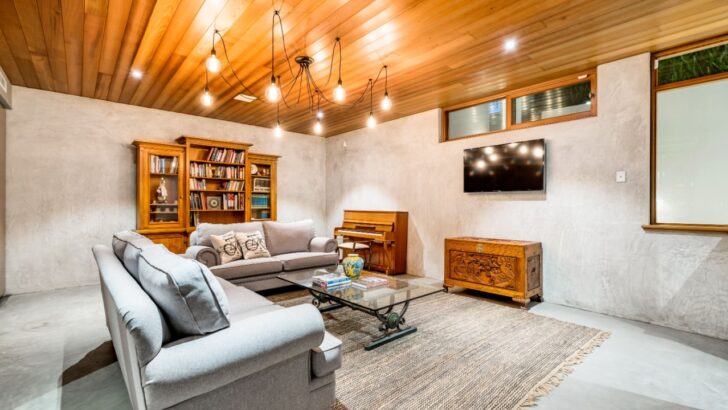
A basement with a low ceiling can feel more like a cramped cave than a usable part of your home. Many homeowners simply relegate this space to storage, letting valuable square footage go to waste. But what if you could transform that forgotten-about lower level into a bright, functional, and inviting room? With the right design choices, you can trick the eye, maximize every inch of vertical space, and create a cozy extension of your living area.
Don’t let a low ceiling limit your imagination. Whether you dream of a home theater, a guest suite, or a productive home office, a stunning transformation is within reach. We’ve gathered 14 smart ideas to help you turn your low-ceiling basement from a design challenge into a beautiful and practical space your whole family will love.
1. Embrace an Industrial Vibe
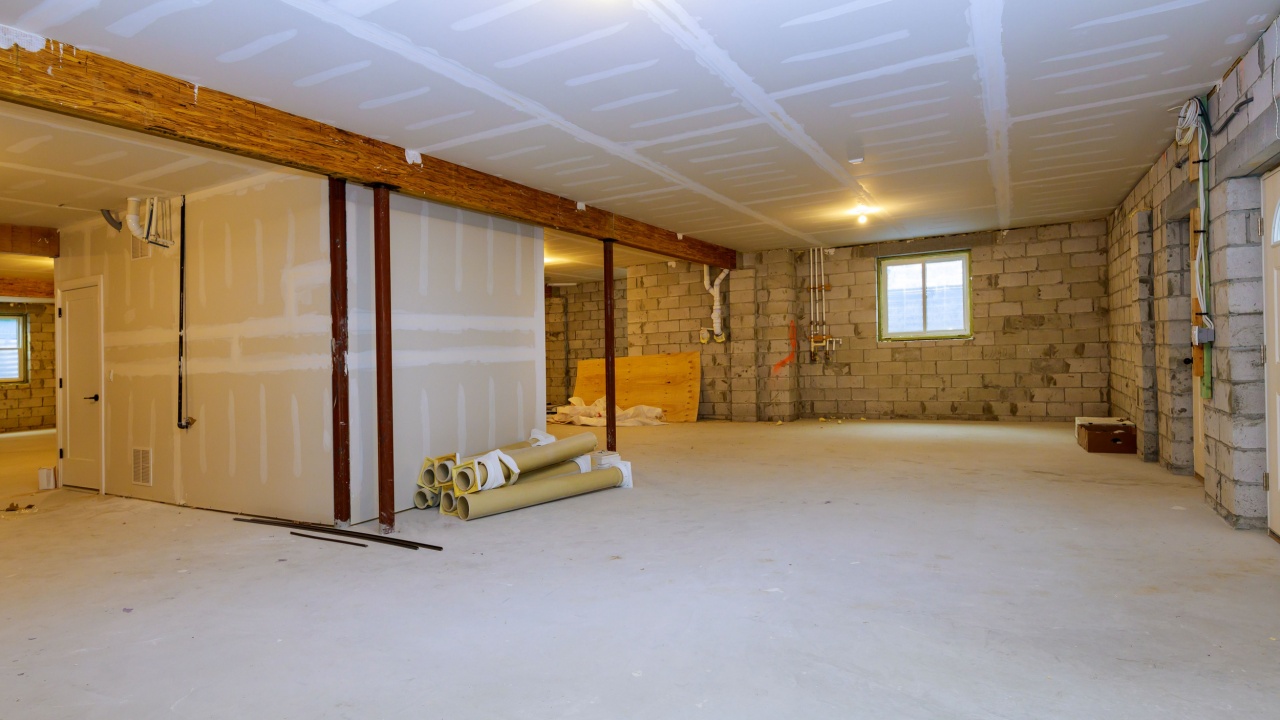
Image Credit: Shutterstock.com.
Leaving the ceiling unfinished is a bold move that can pay off beautifully in a low-clearance basement. Instead of trying to hide pipes, ductwork, and beams, make them a feature. This industrial-chic approach not only saves you the cost and effort of installing a drop ceiling or drywall but also maximizes every available inch of height.
Painting all the exposed elements—joists, pipes, and wiring—a single, uniform color can create a surprisingly sophisticated and cohesive look. A dark color like black or charcoal gray makes the ceiling recede, creating an illusion of depth and making the mechanics “disappear.” This allows you to draw focus downward to your furniture and decor.
To keep the space from feeling too cold or factory-like, balance the industrial ceiling with warm and soft textures below. Think plush area rugs, comfortable leather or fabric sofas, and warm wood tones in your furniture and flooring.
Quick Guide:
- What to do: Paint exposed joists, pipes, and ductwork a single dark color like black or charcoal gray.
- Why it works: It maximizes headspace and creates a modern, cohesive look by making the ceiling recede visually.
- Next steps: Clean the ceiling thoroughly before painting. Use a paint sprayer for even coverage. Pair with warm lighting and soft furnishings to create a cozy atmosphere.
2. Install a Coffered Ceiling
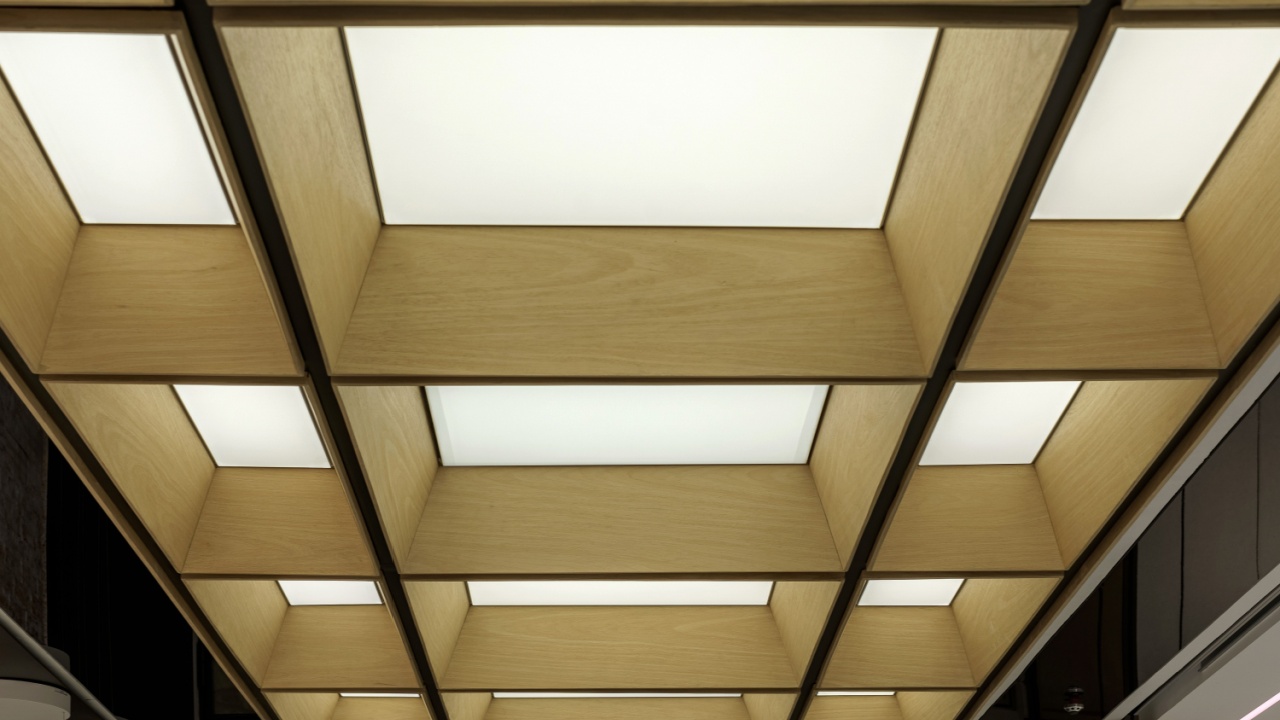
Image Credit: Shutterstock.com.
If you think elegant architectural details are only for rooms with soaring ceilings, think again. A coffered ceiling, which features a series of recessed panels in a grid pattern, can add a touch of luxury and visual interest to a basement. This design trick creates an illusion of height by drawing the eye upward and adding depth.
For low ceilings, the key is to keep the beams of the coffer relatively shallow and paint the entire structure a bright, uniform white. The white paint reflects light, making the space feel more open and airy, while the recessed panels add a sense of grandeur and structure. You can even place recessed lights inside each coffer to enhance the effect and provide even, ambient lighting without any hanging fixtures.
This is an excellent way to conceal any uneven surfaces or existing pipes while adding a high-end, custom-built look to your basement.
Quick Guide:
- What to do: Install a grid of shallow beams to create recessed panels on the ceiling. Paint the entire structure a uniform bright white.
- Why it works: The recessed panels create an illusion of depth and height, making the room feel more spacious and luxurious.
- Next steps: Plan your grid layout carefully around any existing lights or vents. Use lightweight materials to construct the coffers. Add recessed lighting within the panels to maximize the effect.
3. Go Bright with White Paneling
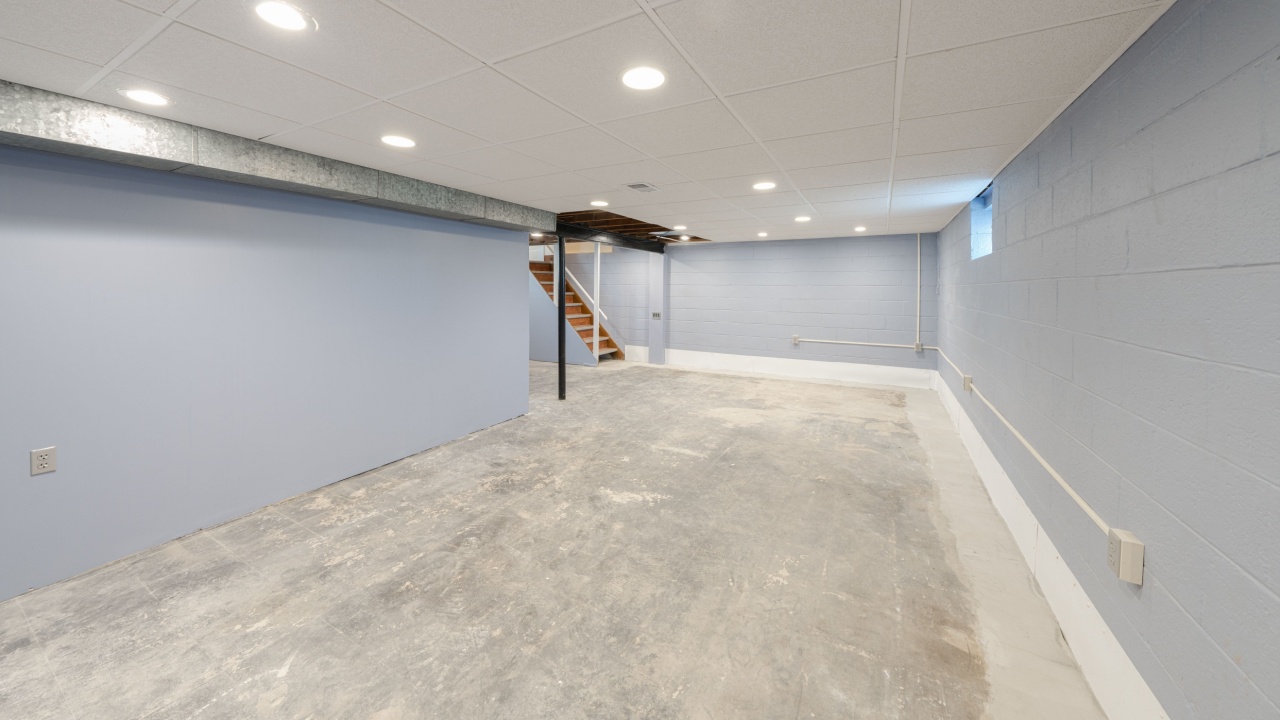
Image Credit: J.A. Dunbar / Shutterstock.com
One of the simplest yet most effective ways to make a low-ceiling basement feel taller is to use light colors. White beadboard or shiplap paneling on the ceiling can instantly brighten the space and create a classic, clean look. The subtle lines of the paneling help to elongate the room, guiding the eye and making the space feel larger than it is.
This approach works especially well for achieving a coastal, farmhouse, or cottage-style aesthetic. The crisp, clean look of white paneling reflects light beautifully, counteracting the natural darkness of a basement. When paired with light-colored walls, the transition from wall to ceiling becomes less distinct, further enhancing the sense of openness.
Unlike a flat-painted ceiling, paneling adds texture and character. It’s an effective way to cover up imperfections in the ceiling joists while adding a layer of architectural charm.
Quick Guide:
- What to do: Install white beadboard or shiplap planks directly onto the ceiling joists.
- Why it works: The bright white color reflects light, while the long lines of the planks create an illusion of a longer, taller space.
- Next steps: Choose paneling that is relatively thin to avoid losing precious height. Run the planks parallel to the longest wall in the room to maximize the elongating effect.
4. Use Strategic Ambient Lighting
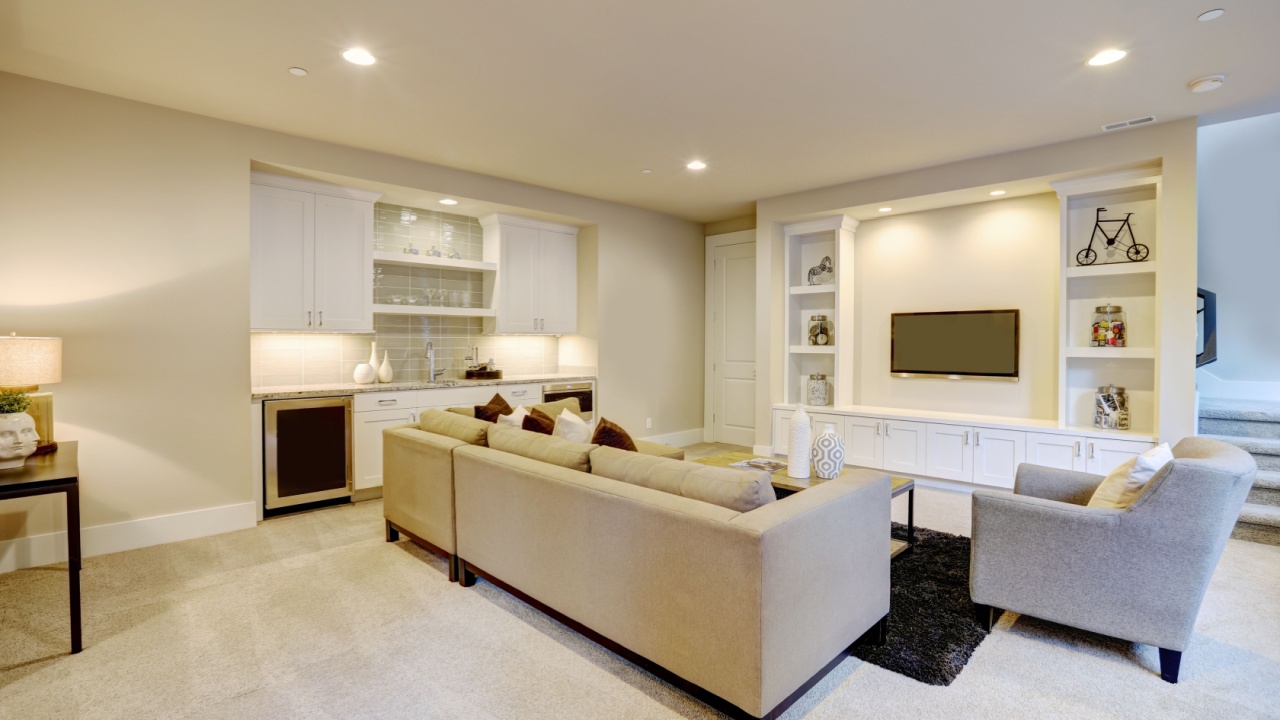
Image Credit: Shutterstock.com.
Lighting can make or break a low-ceiling space. Bulky, hanging fixtures are out of the question, but that doesn’t mean your lighting has to be boring. Using hidden, ambient lighting can create a dramatic and modern effect. Consider installing LED strip lights along the top of the walls, tucked into a small cove or behind a trim piece.
When turned on, these lights wash the ceiling in a soft glow, making it seem as if it’s floating. This technique not only provides indirect, comfortable illumination but also separates the ceiling from the walls visually, creating a sense of height and openness. You can even use color-changing LEDs to set different moods for a movie night or a party.
Combine this with recessed spotlights aimed at artwork or specific features in the room. This directs attention away from the ceiling and toward your carefully chosen decor.
Quick Guide:
- What to do: Install LED strip lights around the perimeter of the room, directing the light upward onto the ceiling.
- Why it works: It creates a soft, indirect glow that makes the ceiling appear to float, adding a sense of height and modern style.
- Next steps: Plan the electrical wiring before installing your ceiling or wall finishes. Choose dimmable LED strips to have full control over the brightness and mood.
5. Add Warm Wood Beams
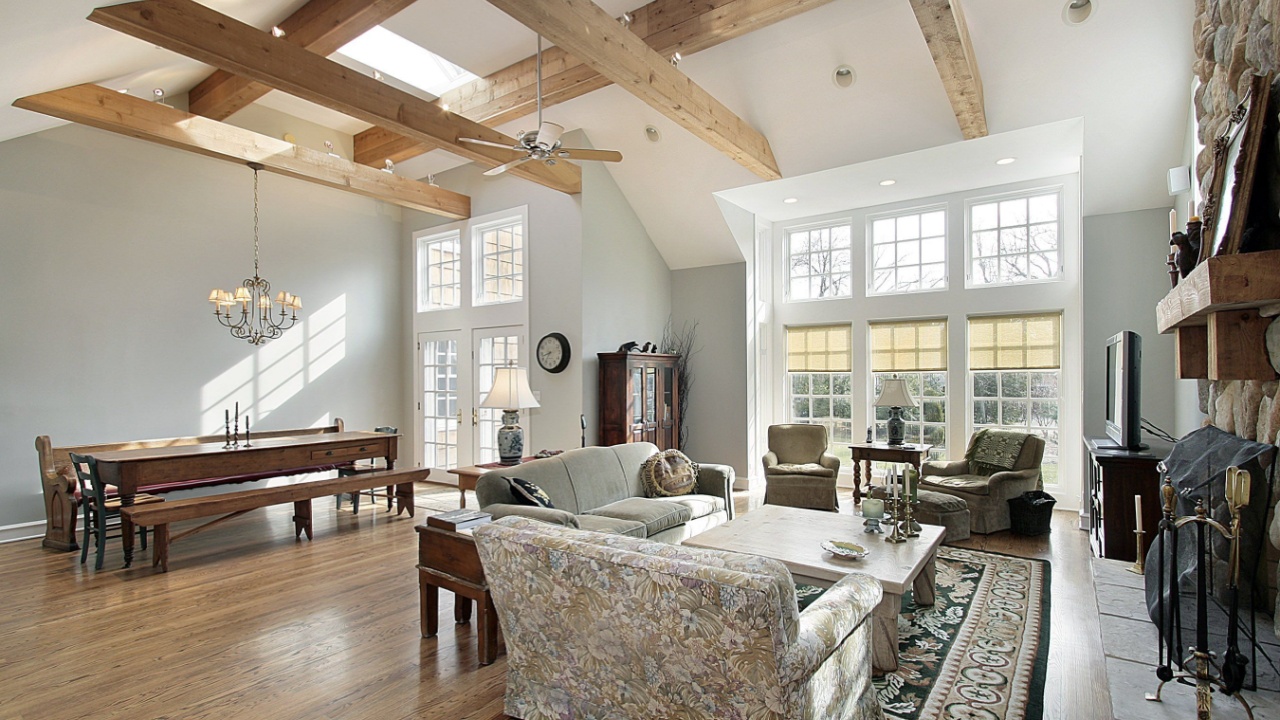
Image Credit: Shutterstock.com.
Bringing natural elements into a basement can make it feel cozier and less subterranean. Adding decorative wooden beams to the ceiling (like the image above, but in the basement!) is a fantastic way to introduce warmth and character. This works particularly well in a basement with a plain, flat ceiling, as it breaks up the monotony and adds architectural interest.
To avoid making the ceiling feel lower, opt for beams that are wide but not very deep. You can also use hollow faux-wood beams, which are lightweight and easier to install. Staining them in a light or medium wood tone will keep the space feeling airy, while a dark stain can create a dramatic, rustic contrast against a white ceiling.
Arranging the beams in a simple parallel pattern can help to visually elongate or widen the room, depending on the direction they run. This look is perfect for achieving a rustic, modern farmhouse, or coastal aesthetic.
Quick Guide:
- What to do: Install shallow, decorative wood beams on the ceiling.
- Why it works: The beams add natural warmth, texture, and architectural character, drawing the eye upward in a pleasing way.
- Why it works: Use lightweight faux-wood beams for easier installation. Space them widely to avoid cluttering the ceiling and maintain a sense of openness.
6. Opt for Sleek Recessed Lighting

Image Credit: Shutterstock.com.
Recessed lights, also known as can lights or pot lights, are the undisputed champion of low-ceiling spaces. Because they sit flush with the ceiling, they provide excellent illumination without taking up any vertical space. This creates a clean, uncluttered look and gives the illusion of more headspace.
When planning your recessed lighting, think about placement. A grid of evenly spaced lights will provide general, ambient light for the entire room. You can also use them more strategically as spotlights to highlight a piece of art, a textured wall, or a bookshelf. This draws the eye to specific points of interest, making the height of the ceiling less noticeable.
For a modern touch, choose “wafer” or “pancake” style LED recessed lights. These are incredibly thin and can be installed almost anywhere, even if you have very little clearance above your ceiling drywall.
Quick Guide:
- What to do: Install lighting fixtures that sit flush with the ceiling surface.
- Why it works: They provide ample light without any hanging parts, preserving every inch of headroom and creating a clean, modern look.
- Next steps: Use a lighting calculator to determine how many lights you need for your square footage. Install them on a dimmer switch so you can adjust the brightness for any activity.
7. Create a Contrast with Dark Paint
Image Credit: Shutterstock.com.
While the conventional wisdom is to paint low ceilings white, going in the opposite direction can have a surprisingly powerful effect. Painting the ceiling a dark, dramatic color like charcoal gray, navy blue, or even black can make it visually recede. This design trick, often used in home theaters, creates a cozy, intimate atmosphere.
When a ceiling is dark, it’s harder for your eye to tell exactly where it begins. This blurs the boundaries of the room and can create an illusion of infinite space above. The key is to balance the dark ceiling with plenty of light elsewhere. Keep the walls a lighter color and use a combination of recessed lighting, floor lamps, and table lamps to ensure the room feels moody, not gloomy.
This technique is especially effective for creating a dedicated media room, man cave, or cozy lounge where you want a den-like feel.
Quick Guide:
- What to do: Paint the ceiling a dark, matte color like black or navy blue.
- Why it works: A dark color makes the ceiling recede, blurring the edges of the room and creating a sense of depth and coziness.
- Next steps: Use a matte or flat paint finish to minimize light reflection. Ensure the room has ample artificial and natural light to balance the darkness.
8. Use Low-Profile Furniture

Image Credit: Shutterstock.com.
The furniture you choose plays a huge role in how tall a room feels. To maximize the sense of vertical space in a low-ceiling basement, opt for low-profile furniture. Sofas with low backs, armless chairs, and coffee tables that sit close to the ground will increase the visible distance between the furniture and the ceiling.
This simple trick makes the ceiling appear higher than it is. Look for furniture with clean lines and a modern or mid-century modern aesthetic, as these styles often feature low-slung designs. Avoid bulky, overstuffed armchairs or tall bookcases that extend all the way to the ceiling.
By keeping your main furnishings grounded, you create an open, airy feeling throughout the room, emphasizing the horizontal space rather than the limited vertical space.
Quick Guide:
- What to do: Choose sofas, chairs, and tables that are low to the ground.
- Why it works: It increases the empty space between the furniture and the ceiling, making the walls and ceiling feel taller.
- Next steps: Measure the height of potential furniture pieces before buying. Pair low-profile seating with floor lamps and taller plants to add varying height levels to the room’s decor.
9. Paint Vertical Stripes on Walls

Image Credit: Shutterstock.com.
Another excellent trick to create the illusion of height is to use vertical stripes on the walls. Vertical lines naturally draw the eye upward, making the walls seem taller and, by extension, the ceiling seem higher. You don’t have to go with bold, circus-like stripes; a subtle tone-on-tone pattern can be just as effective.
Consider painting one accent wall with vertical stripes to create a focal point without overwhelming the space. You could also use a wallpaper with a strong vertical pattern. For a more understated look, install vertical shiplap or beadboard paneling on the lower half of the wall to achieve a similar effect.
This visual trick works by redirecting attention from the horizontal constraints of the room to its vertical potential.
Quick Guide:
- What to do: Paint or apply wallpaper with vertical stripes on one or more walls.
- Why it works: The vertical lines guide the eye upward, creating a powerful illusion of height.
- Next steps: Use painter’s tape to create crisp, clean lines for painted stripes. For a subtle look, use two sheens of the same color, such as a matte stripe next to a satin one.
10. Lay Flooring Lengthwise
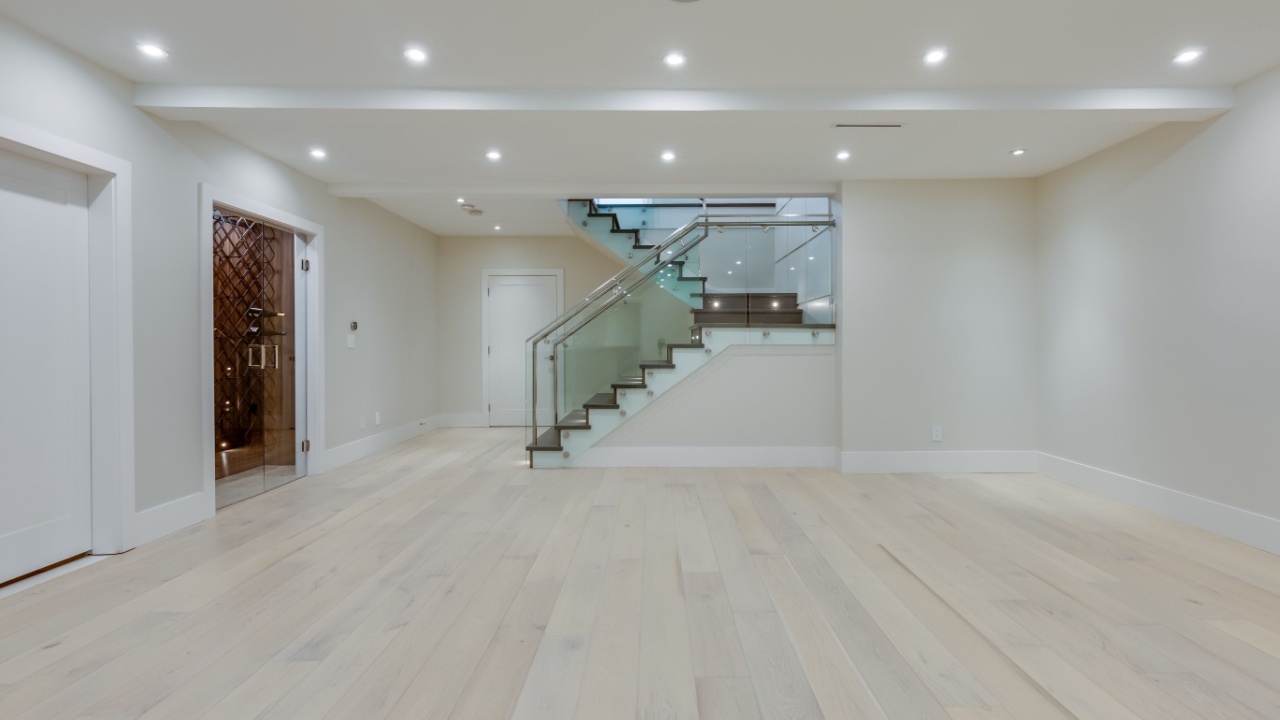
Image Credit: Shutterstock.com.
Just as vertical lines on the walls can make a room feel taller, the direction of your flooring can make it feel longer and more expansive. When installing plank flooring—whether it’s hardwood, laminate, or luxury vinyl—run the planks parallel to the longest wall in the room.
This technique creates long, uninterrupted lines that lead the eye through the space, making it feel more spacious and less confined. It’s a subtle but effective way to enhance the sense of scale in the room. If your basement is square, run the planks in the direction of the main light source or from the entrance into the room.
Choose a lighter color for your flooring to help reflect light and contribute to an overall airy feeling.
Quick Guide:
- What to do: Install plank flooring so that the boards run parallel to the longest dimension of the room.
- Why it works: It creates long sightlines that visually elongate the space, making it feel larger and more open.
- Next steps: Do a dry layout of a few rows of flooring before you begin installation to confirm the direction looks best in your space.
11. Create an Acoustic Ceiling
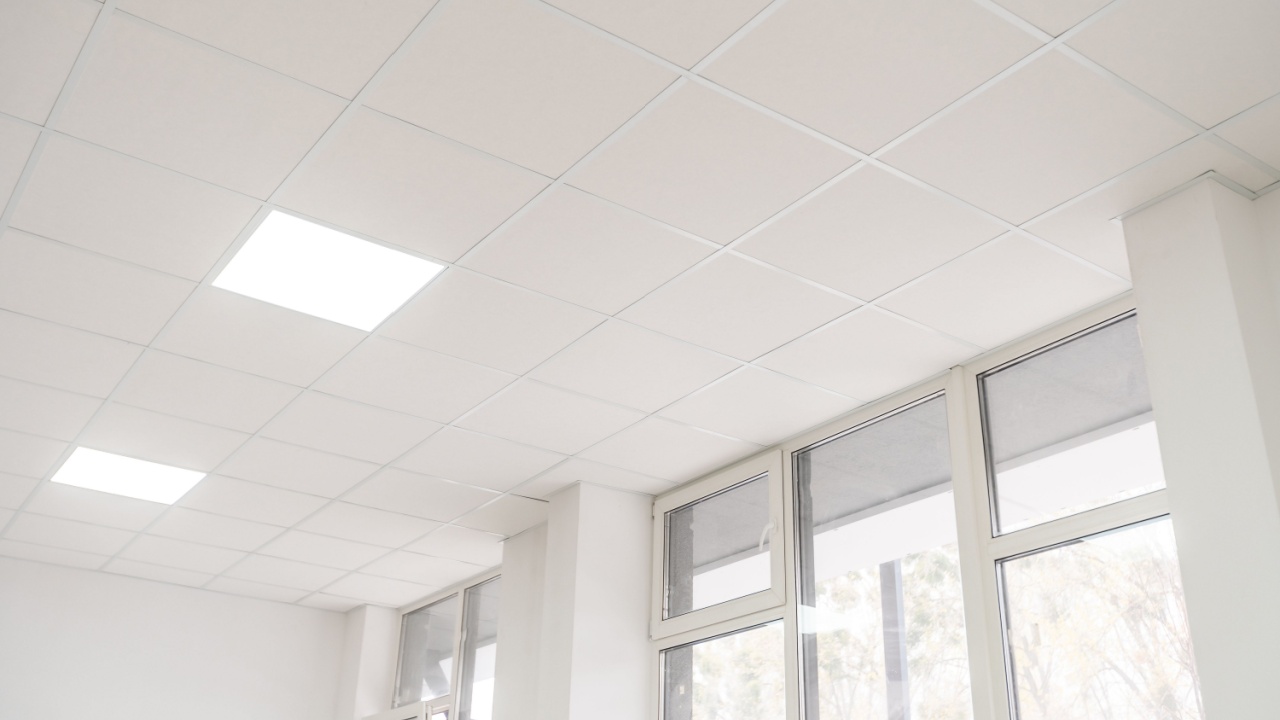
Image Credit: Shutterstock.com.
If your basement is destined to be a home theater, music room, or noisy playroom, an acoustic ceiling is a practical and stylish choice. Acoustic ceiling tiles are designed to absorb sound, reducing echo and preventing noise from traveling to the floors above.
Modern acoustic ceilings have come a long way from the standard-issue office tiles of the past. Today, you can find them in various textures, colors, and designs, including options that look like wood, metal, or patterned plaster. They are typically installed in a suspended grid system, which does take up a few inches of height but provides easy access to pipes and wiring.
For a more seamless look, you can also use acoustic panels that are adhered directly to a drywall ceiling. This gives you the sound-dampening benefits without the visible grid.
Quick Guide:
- What to do: Install sound-absorbing ceiling tiles or panels.
- Why it works: It improves the room’s acoustics and reduces noise transfer, making it ideal for media rooms or play areas.
- Next steps: If using a grid system, choose a slim-profile grid and paint it the same color as the tiles to make it less noticeable.
12. Incorporate Large Mirrors
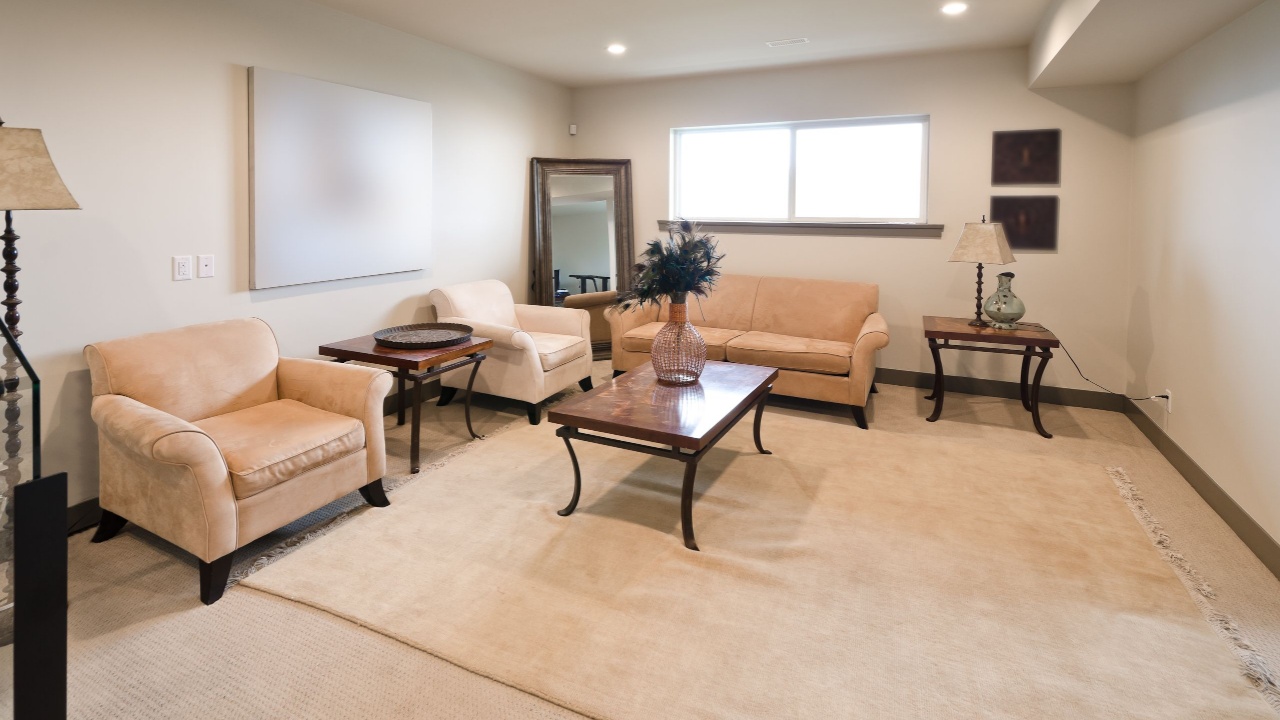
Image Credit: Shutterstock.com.
Mirrors are a classic tool for making any small space feel larger. In a low-ceiling basement, a large, well-placed mirror can work wonders. By reflecting light and the room itself, a mirror creates an illusion of depth and doubles the visual space.
Consider placing a large, floor-to-ceiling mirror on one wall. This will not only make the room feel wider but can also reflect the ceiling, making it seem higher. If a full wall mirror is too much, a large framed mirror leaning against a wall or hung horizontally above a sofa can have a similar, though less dramatic, effect.
This strategy is particularly effective in basement home gyms, where mirrors are both functional and space-enhancing.
Quick Guide:
- What to do: Hang one or more large mirrors on the walls.
- Why it works: Mirrors reflect light and the room’s decor, creating an illusion of depth and making the space feel bigger and brighter.
- Next steps: Position mirrors opposite a light source, like a window or a stylish lamp, to maximize the amount of light they bounce around the room.
13. Use Curtains to Your Advantage
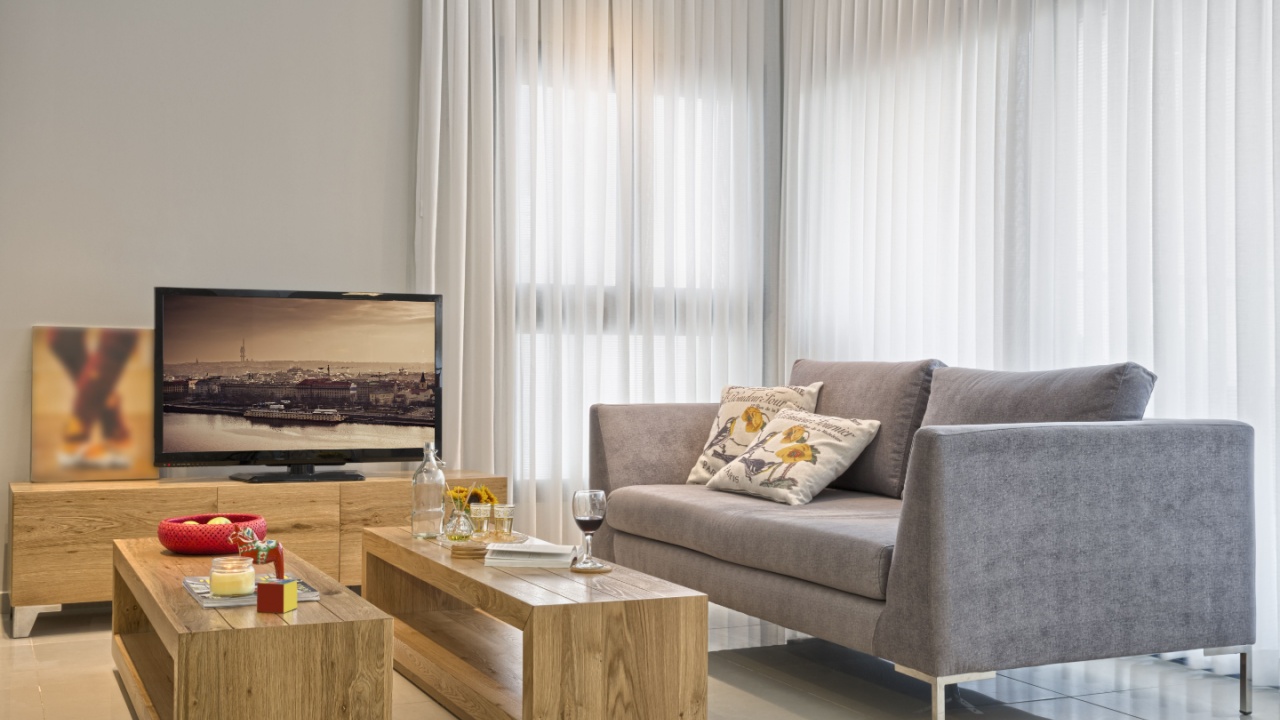
Image Credit: Shutterstock.com.
Even if your basement has small, high windows, you can use curtains to trick the eye into seeing a taller space. The trick is to hang the curtain rod as close to the ceiling as possible and use long curtain panels that go all the way to the floor.
This creates a long, unbroken vertical line that draws the eye upward, making the wall seem taller and the ceiling higher. The fabric of the curtains softens the hard edges of the basement and adds a touch of elegance. Choose a lightweight, light-colored fabric to keep the look airy and bright.
Avoid short curtains that stop at the bottom of the window sill, as this visually chops the wall in half and emphasizes the low ceiling height.
Quick Guide:
- What to do: Hang long curtain panels from a rod mounted just below the ceiling, letting them fall to the floor.
- Why it works: The long vertical lines create a powerful illusion of height.
- Next steps: Choose a curtain rod that is wider than the window frame. This allows you to pull the curtains completely to the side, maximizing the natural light that enters the room.
14. Keep it Minimal and Clutter-Free
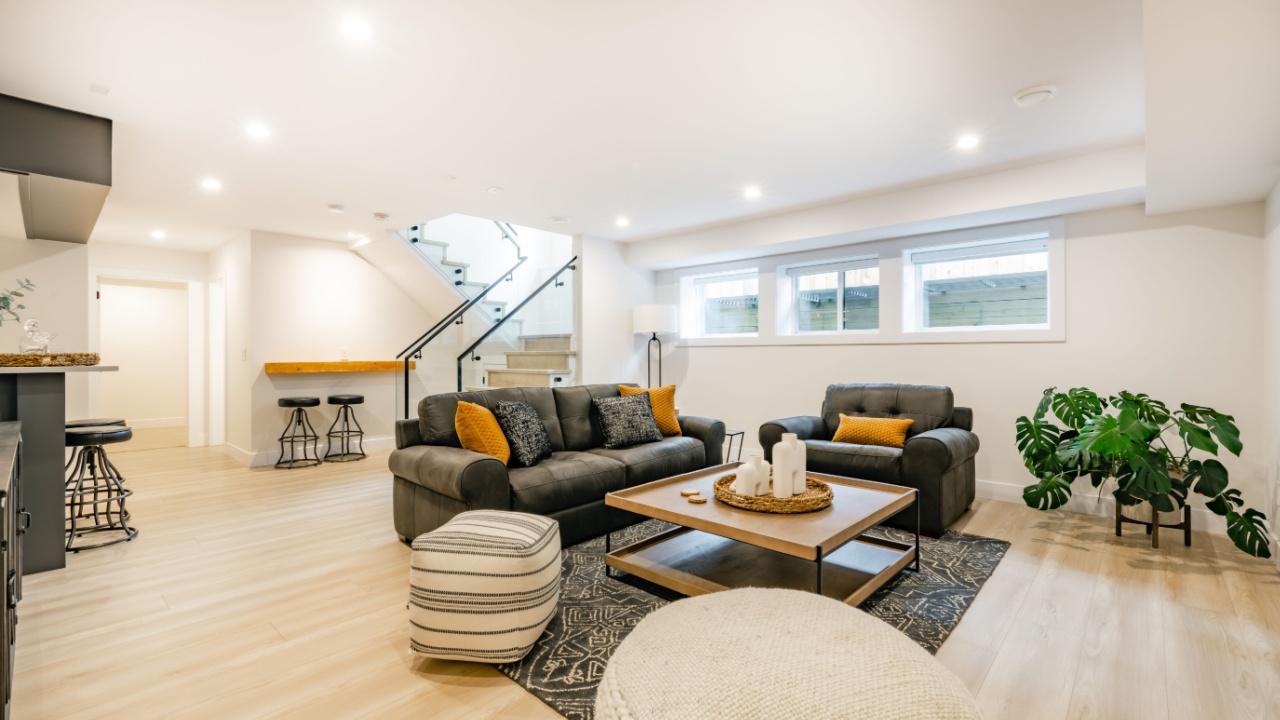
Image Credit: Shutterstock.
No matter which design tricks you use, a cluttered room will always feel small. One of the most important principles for a low-ceiling basement is to embrace minimalism. Keep the space as open and uncluttered as possible to create a sense of calm and order.
Be intentional with your decor. Instead of lots of small knick-knacks, opt for a few larger, statement pieces of art or decor. Invest in smart storage solutions, like built-in cabinets or stylish storage ottomans, to keep everything tucked away and out of sight. A clean, organized space will naturally feel larger, brighter, and more relaxing.
This “less is more” approach allows your chosen design elements—whether it’s a beautiful ceiling treatment or a striking piece of furniture—to truly shine.
Quick Guide:
- What to do: Maintain a minimalist aesthetic by reducing clutter and being selective with decor.
- Why it works: An open, organized space feels larger, calmer, and more inviting.
- Next steps: Regularly declutter the basement. Use multi-functional furniture with hidden storage to keep essentials out of sight.
Your Basement Transformation Awaits
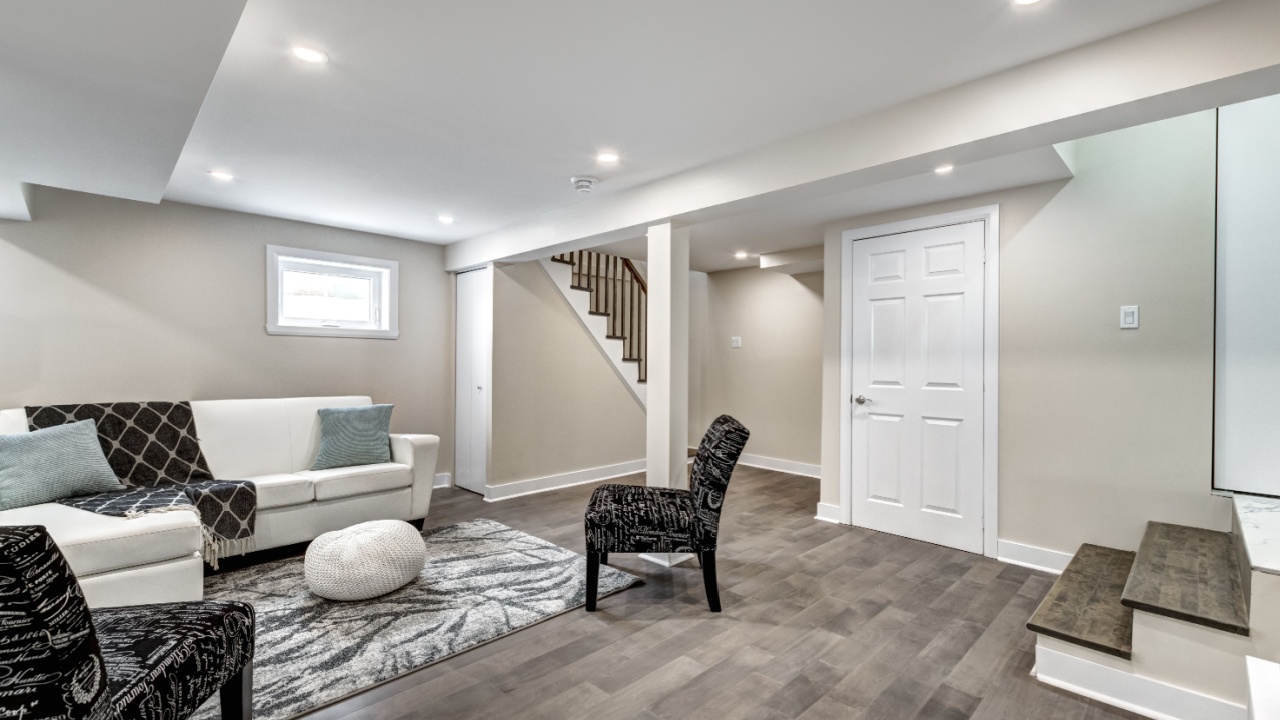
Image Credit: Shutterstock.
Your low-ceiling basement holds so much potential just waiting to be unlocked. With thoughtful planning and a few clever design strategies, you can transform it from a dark, cramped space into a functional and beautiful room that adds real value to your home.
The first step is to decide on the primary function for your new space. Will it be a family entertainment hub, a quiet home office, or a welcoming guest bedroom? Once you have a purpose in mind, you can start choosing the design elements that will work best for your needs. Begin by assessing your ceiling and deciding on a lighting plan. From there, you can layer in colors, furniture, and decor to bring your vision to life. Don’t be afraid to start small—even a fresh coat of paint and some smart lighting can make a world of difference.