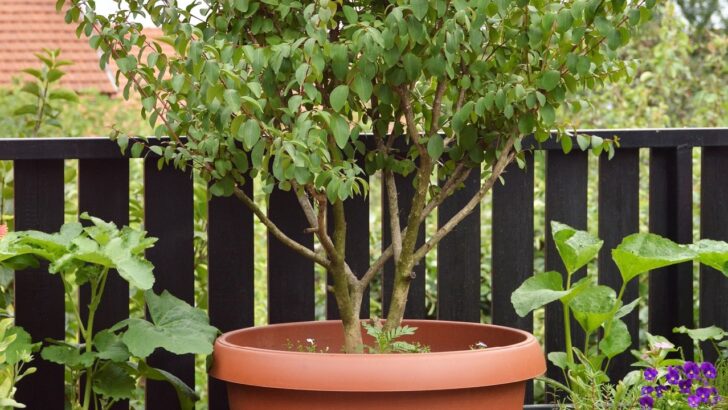
Want big blooms in a small space? Small flowering trees can add structure, color, and seasonal interest to patios, balconies, and tight yards—without outgrowing their spot.
This guide covers 12 compact trees that thrive in containers or small gardens. For each, you’ll find why it works in pots or compact yards, unique features, and practical care tips to help you succeed.
Sourced from the Experts
Image Credit: Shutterstock.
To ensure this list of fragrant flowers is accurate, practical, and safe for gardeners, we drew on trusted horticultural resources. Our research included guidance from university extension services such as Iowa State and Oregon State University Extensions, along with plant profiles from the Missouri Botanical Garden.
These sources provided verified information on bloom times, fragrance intensity, growing conditions, and care tips, ensuring every recommendation is backed by expert insight.
1. Vernal Witch Hazel (Hamamelis vernalis)
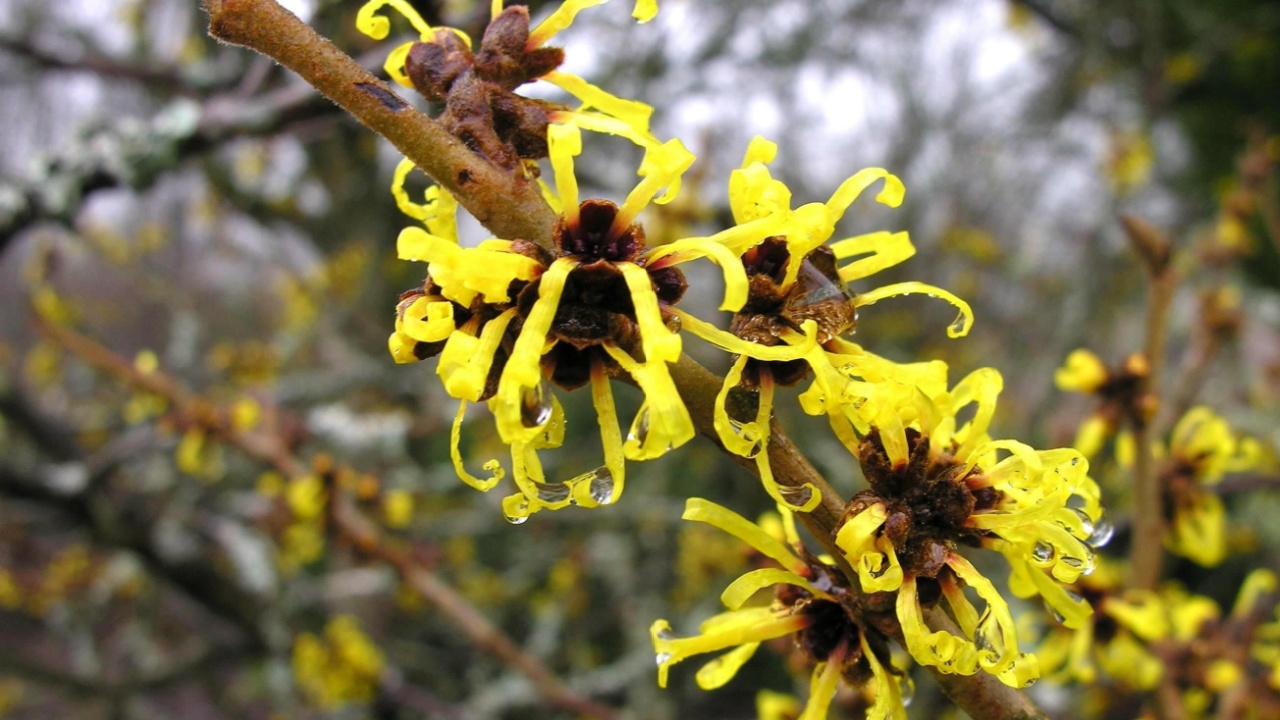
Image Credit: Shutterstock.
Why it works in pots or compact yards:
- Naturally small (6–10 feet) with a dense, manageable habit.
- Vernal Witch Hazel shines in winter with fragrant yellow to orange-red ribbon-like flowers—perfect for adding off-season interest on a patio or entry.
Unique features:
- Rare overlap of flowers, ripe fruit, and next year’s leaf buds on the plant at the same time.
- Cold-hardy and tough in zones 4–8.
Care tips:
- Light: Full sun to part shade. More sun equals better bloom.
- Soil: Moist, well-drained, rich, and slightly acidic; tolerates clay but not drought.
- Water: Keep evenly moist, especially in containers.
- Container notes: Use a large, heavy pot (18–24 inches wide) to stabilize the plant in winter winds. Mulch the soil surface to retain moisture.
2. Japanese Tree Lilac (Syringa reticulata)
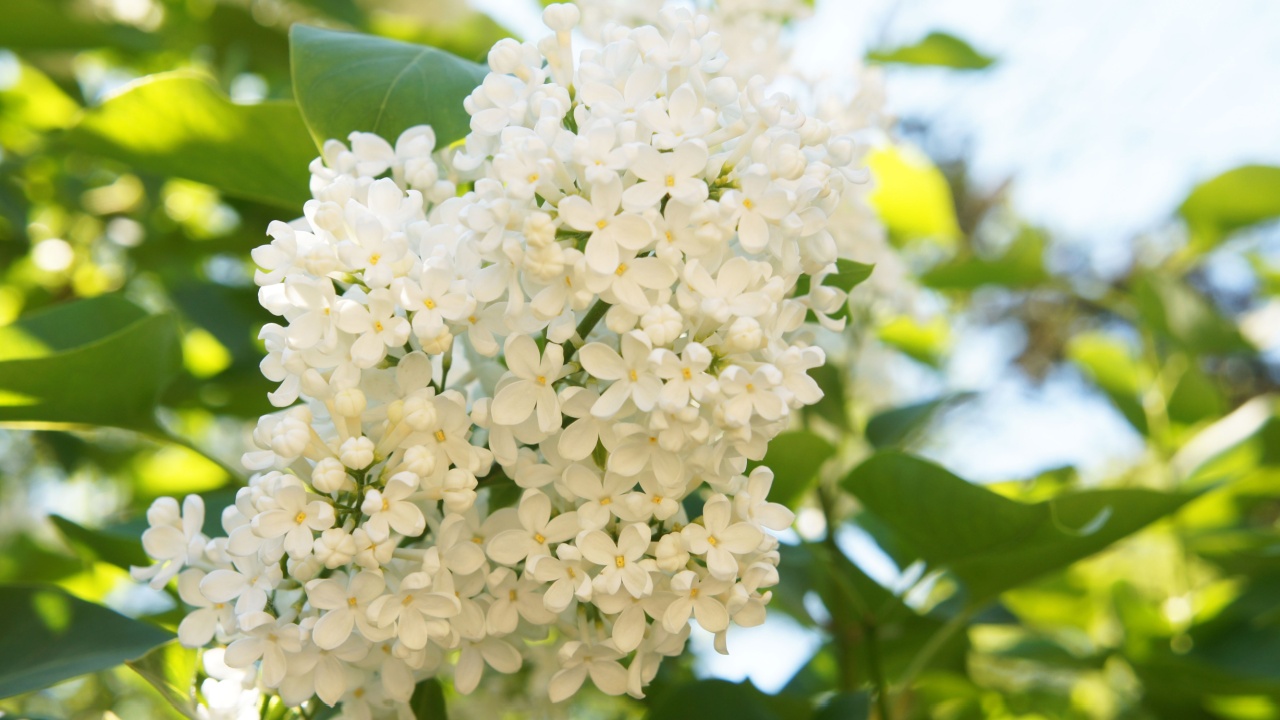
Image Credit: Shutterstock.
Why it works in pots or compact yards:
- Tall and narrow (up to 25 feet high, ~15 feet wide), so it suits tight side yards or vertical accents in small gardens.
- In containers, choose smaller cultivars or be prepared to root-prune every few years.
Unique features:
- Creamy white early-summer flowers extend the lilac season after spring bloomers fade.
- Attractive bark gives winter interest.
Care tips:
- Light: Full sun for best flowering.
- Soil: Well-drained, compost-enriched.
- Water: Moderate and consistent.
- Container notes: Use the largest container you can manage (at least 24 inches). Refresh the top 2–3 inches of potting mix annually and root-prune at 3–4 years to maintain vigor.
3. Dwarf River Birch (Betula nigra ‘Little King’/‘Fox Valley’)
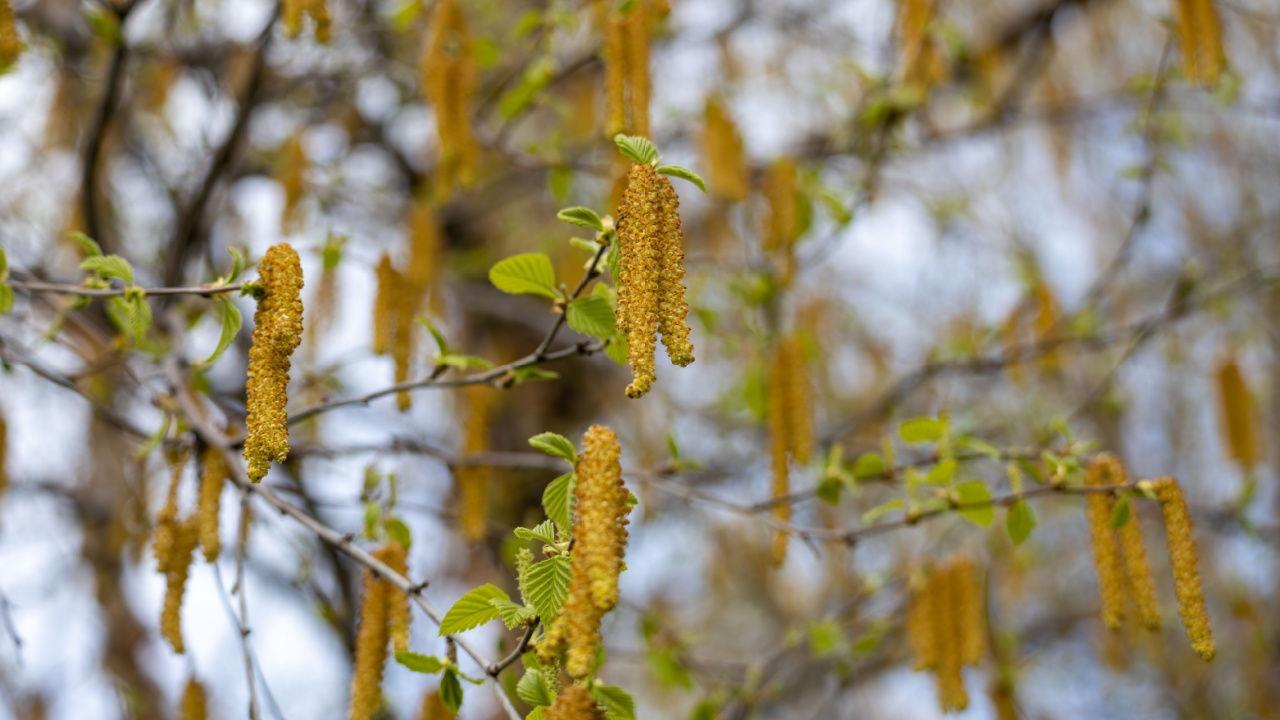
Image Credit: Shutterstock.
Why it works in pots or compact yards:
- Compact variety (10–12 feet) delivers the signature peeling bark of birch in a smaller package.
- Tolerates tough, wet spots—great for low areas of a small yard.
Unique features:
- Peeling cinnamon, tan, and cream bark for winter interest.
- Spring catkins add texture and support pollinators.
Care tips:
- Light: Full sun to part shade.
- Soil: Prefers moist, acidic soil; keep container-grown trees evenly moist.
- Water: Higher moisture needs than many trees.
- Container notes: Use a large pot with water-retentive, bark-based potting mix and ensure excellent drainage. Consider a rolling stand for mobility.
4. Serviceberry (Amelanchier spp.)

Image Credit: Shutterstock.
Why it works in pots or compact yards:
- Multi-season star in a modest footprint (15–25 feet in ground; smaller in containers).
- Fits beautifully as a specimen in narrow beds or as a patio focal point.
Unique features:
- Spring white flowers, summer edible berries, brilliant fall color, and smooth gray bark.
- Berries attract birds and are tasty fresh or in jam.
Care tips:
- Light: Full sun to part shade; more sun = more flowers and fruit.
- Soil: Moist, well-drained, slightly acidic.
- Water: Regular, especially during fruiting.
- Container notes: Choose a self-fertile species/cultivar for reliable fruiting in a single pot. Refresh soil every 2–3 years.
5. Star Magnolia (Magnolia stellata)
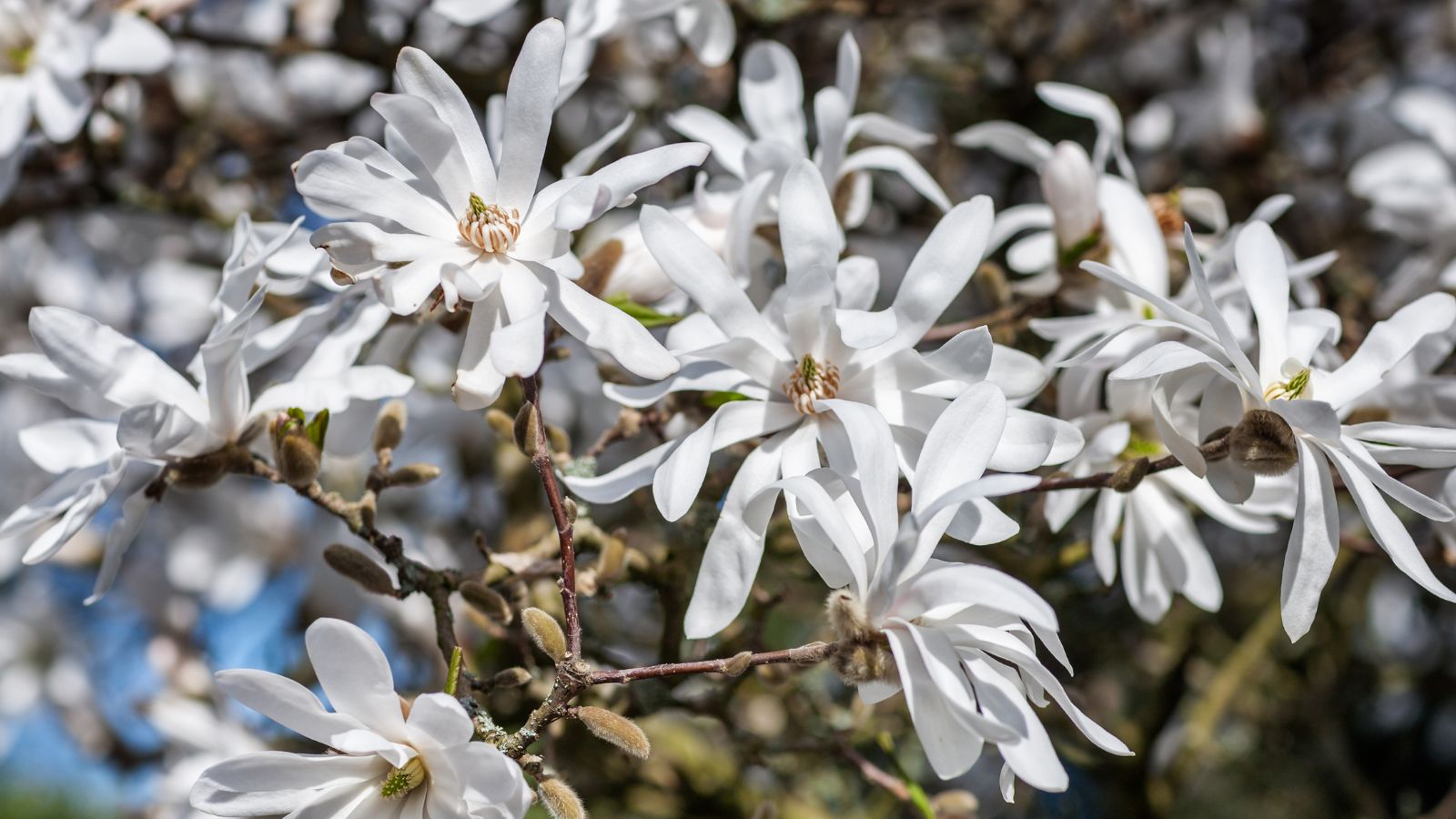
Image Credit: Depositphotos.com.
Why it works in pots or compact yards:
- Naturally compact (10–15 feet) and slow-growing—ideal for containers and small front yards.
- Early blooms provide a dramatic late-winter/early-spring show.
Unique features:
- Starry, lightly fragrant white flowers that open before leaves.
- Elegant branching and a refined silhouette year-round.
Care tips:
- Light: Full sun to part shade; protect from harsh afternoon sun in hot climates.
- Soil: Moist, well-drained, slightly acidic.
- Water: Even moisture; do not allow to dry out in pots.
- Container notes: Protect flower buds from late frosts with a light cover on cold nights. Avoid pruning except for shaping after bloom.
6. Eastern Redbud (Cercis canadensis)

Image Credit: Shutterstock.
Why it works in pots or compact yards:
- Modest size (15–25 feet), with dwarf cultivars like ‘Ruby Falls’ and ‘Little Woody’ perfect for pots and small gardens.
- Architectural branching provides winter structure; heart-shaped leaves add summer charm.
Unique features:
- Magenta-pink blossoms erupt along bare branches in early spring.
- Supports early pollinators.
Care tips:
- Light: Full sun to part shade.
- Soil: Well-drained; tolerates a range of soil types.
- Water: Moderate; avoid waterlogged roots.
- Container notes: Choose grafted dwarf varieties for the best container performance. Refresh potting mix every 2–3 years.
7. Flowering Crabapple (Malus spp., dwarf selections)

Image Credit; Shutterstock.
Why it works in pots or compact yards:
- Many dwarf cultivars stay under 12–15 feet and are naturally rounded—great for patios.
- Flowering Crabapple offers spring bloom and ornamental fruit without massive spread.
Unique features:
- Pink, red, or white blossoms; small fruits persist into winter and feed birds.
- Some cultivars have colorful foliage.
Care tips:
- Light: Full sun for best flowering and fruiting.
- Soil: Well-drained, average fertility.
- Water: Regular during establishment and fruit set.
- Container notes: Pick disease-resistant dwarfs like ‘Sugar Tyme’ or ‘Royal Raindrops’. Prune lightly after bloom to maintain shape.
8. Dwarf Crape Myrtle (Lagerstroemia indica, dwarf selections)
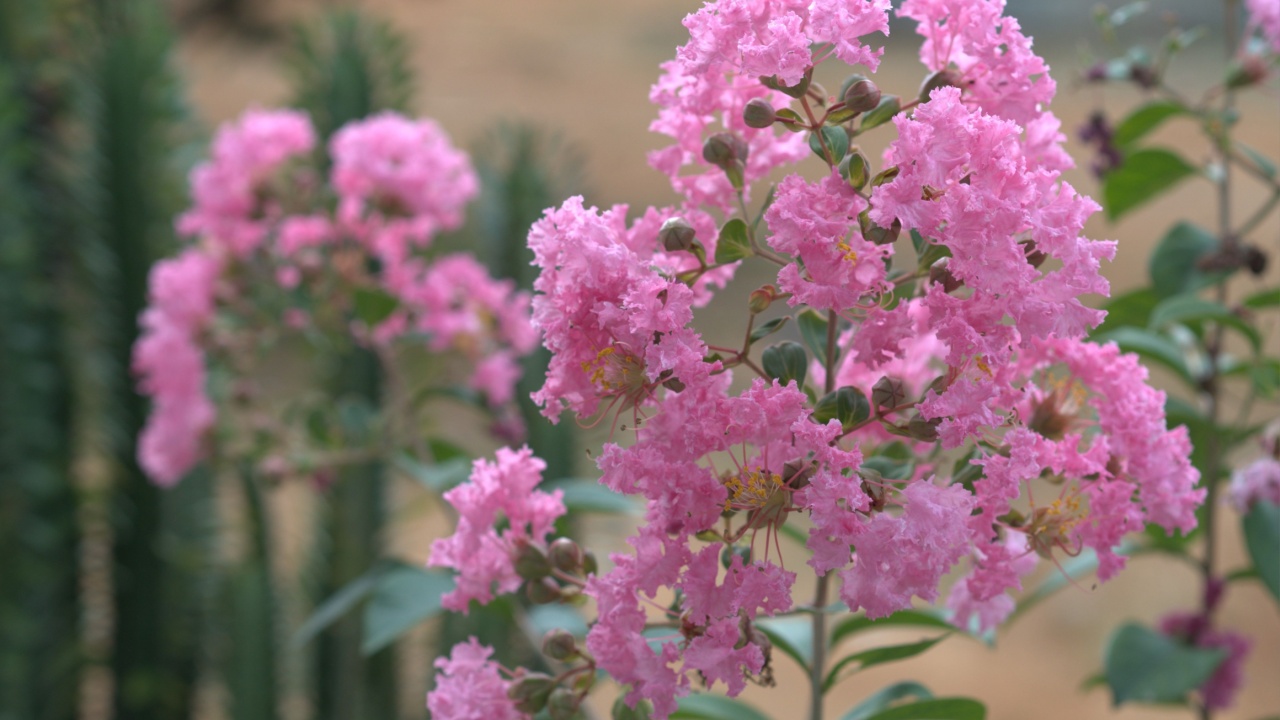
Image Credit: Shutterstock.
Why it works in pots or compact yards:
- Compact and heat-loving; many patio-sized varieties reach 4–10 feet.
- Thrives in containers in warm climates and provides long bloom seasons.
Unique features:
- Vibrant summer flowers (white, pink, red, purple) and handsome exfoliating bark.
- Good drought tolerance once established.
Care tips:
- Light: Full sun.
- Soil: Well-drained potting mix; avoid heavy soils in containers.
- Water: Moderate; more frequent in peak heat.
- Container notes: Choose mildew-resistant varieties; remove spent panicles to encourage continued blooming.
9. Dwarf Pomegranate (Punica granatum ‘Nana’)
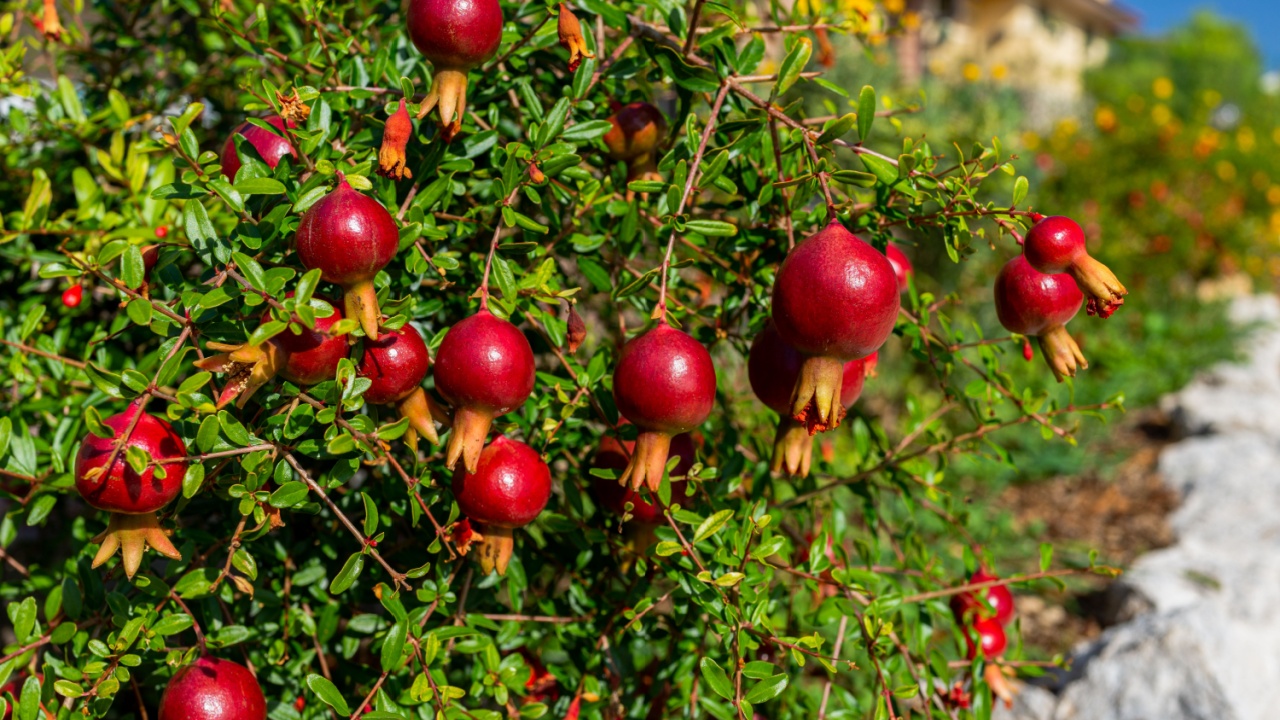
Image Credit: Shutterstock.
Why it works in pots or compact yards:
- Naturally dwarf (3–4 feet) and container-friendly—even suited to balcony gardens.
- In warm zones, it can produce small fruits; in cooler zones, enjoy the flowers and foliage.
Unique features:
- Fiery orange-red blooms followed by ornamental fruit; attractive fall color.
- Can be shaped as a miniature tree or standard.
Care tips:
- Light: Full sun.
- Soil: Well-drained; slightly alkaline to neutral is fine.
- Water: Allow the top inch of soil to dry between waterings.
- Container notes: Protect from hard frost or overwinter indoors in cold climates (below zone 7).
10. Dwarf Korean Lilac (Syringa meyeri ‘Palibin’ on standard)
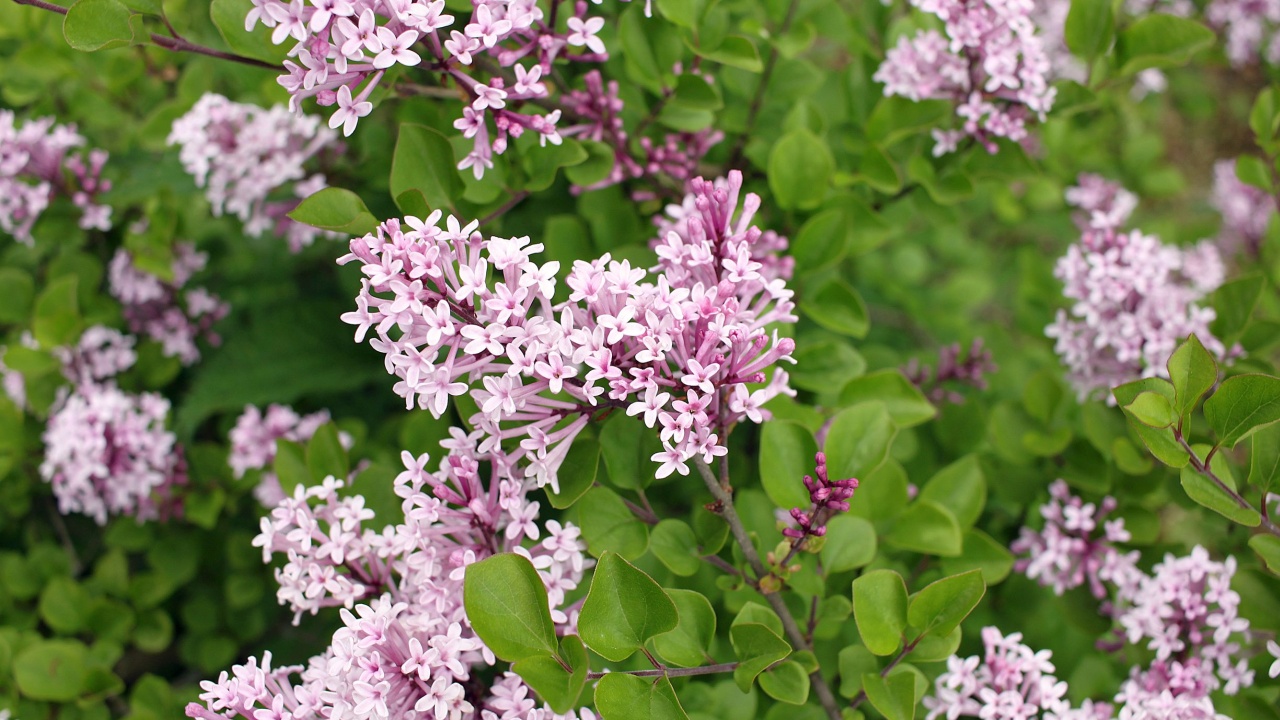
Image Credit: Shutterstock.
Why it works in pots or compact yards:
- Grafted “lollipop” standards keep foliage and bloom above the pot rim, saving space.
- Compact size (6–8 feet) with a neat, rounded canopy.
Unique features:
- Fragrant lavender blooms in late spring; occasional light rebloom.
- More mildew-resistant than common lilac.
Care tips:
- Light: Full sun for strong flowering.
- Soil: Well-drained and fertile.
- Water: Moderate; avoid soggy roots.
- Container notes: Deadhead after bloom to keep it tidy. Light pruning after flowering preserves the standard shape.
11. Dwarf Japanese Maple (Acer palmatum, dwarf cultivars)
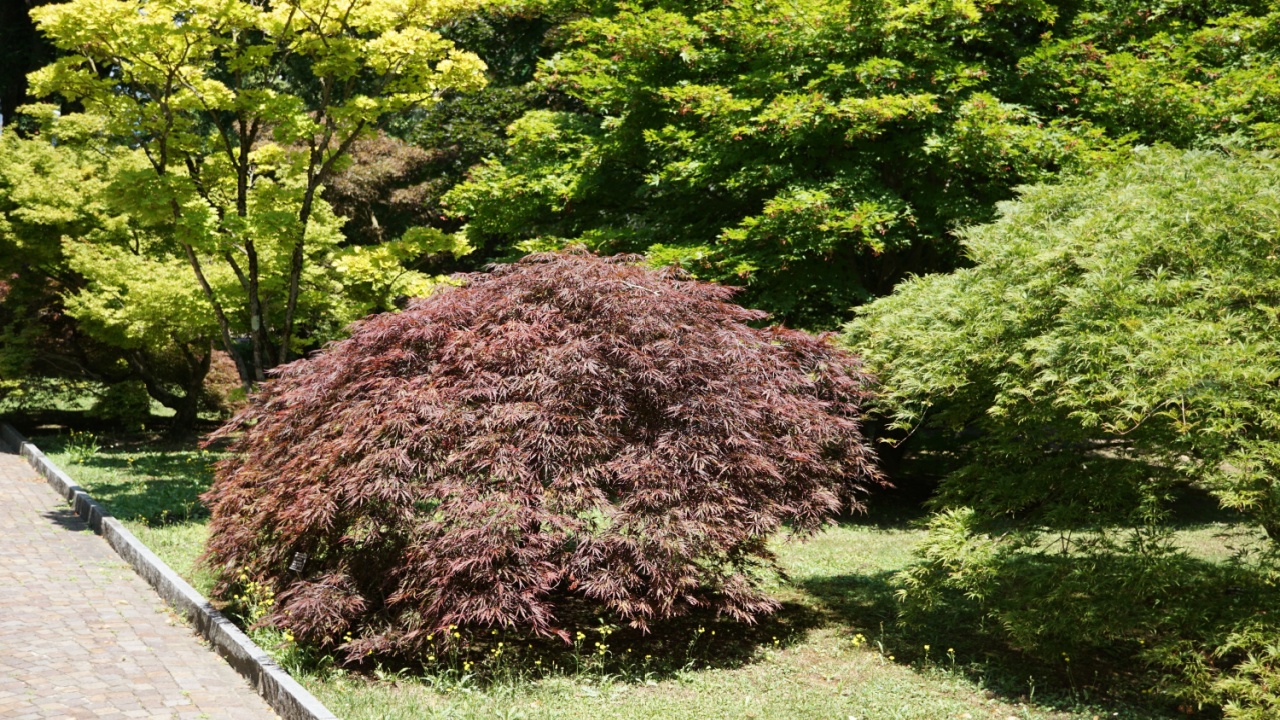
Image Credit: Shutterstock.
Why it works in pots or compact yards:
- Slow growth and compact forms make it perfect for containers and tight courtyards.
- Adds sculptural form and stunning foliage color spring through fall.
Unique features:
- Laceleaf or upright forms in reds, golds, and variegation; beautiful winter branching.
- Great underplanting opportunities with shade-tolerant perennials in the same container.
Care tips:
- Light: Morning sun, afternoon shade (especially in hot climates).
- Soil: Well-drained, slightly acidic potting mix with added bark.
- Water: Consistent moisture; never let fully dry in heat.
- Container notes: Protect from hot, drying winds; use a broad, shallow pot for stability and root spread.
12. Fringe Tree (Chionanthus virginicus)
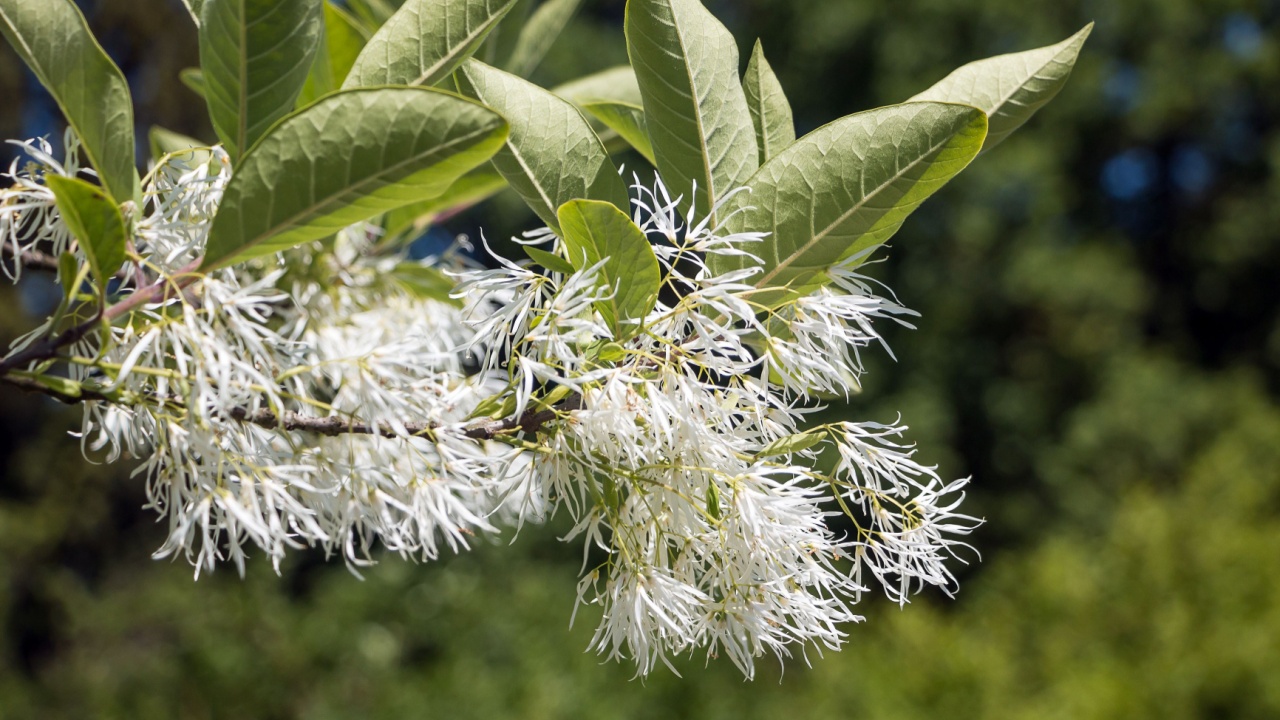
Image Credit: Shutterstock.
Why it works in pots or compact yards:
- Slow-growing native reaching 12–20 feet with a modest spread—fits narrow spaces.
- Works as a specimen near patios where blooms can be appreciated up close.
Unique features:
- Airy, fragrant, fringe-like white flowers in late spring; bright yellow fall color.
- Tolerant and adaptable once established.
Care tips:
- Light: Full sun to part shade.
- Soil: Moist, well-drained; slightly acidic preferred.
- Water: Moderate during establishment; then low to moderate.
- Container notes: Use a large container to accommodate its eventual size and repot every 3–4 years to refresh soil.
How to Choose and Grow Small Flowering Trees in Containers
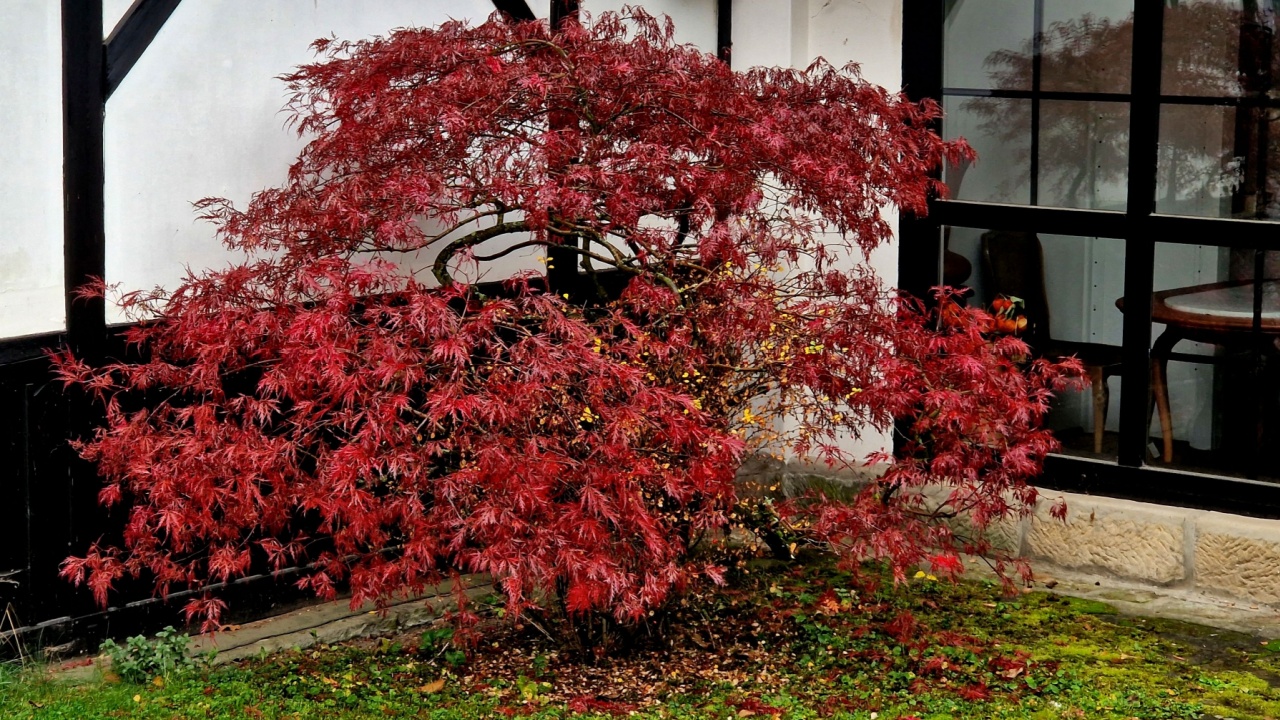
Image Credit: Shutterstock.
- Match the tree to your climate: Check USDA zones and heat tolerance. Some, like crape myrtle and pomegranate, love heat; others, like witch hazel and serviceberry, prefer cooler regions.
- Pick the right pot: Start with 16–24 inches wide for small trees; go larger for upright growers. Ensure drainage holes and elevate pots slightly off the ground.
- Use quality potting mix: Choose a woody-plant potting blend with bark for structure and aeration. Avoid garden soil in containers.
- Water smart: Container trees dry out faster. Water deeply until it drains out the bottom, then allow the top inch to dry before watering again (adjust per species).
- Feed lightly: Use a slow-release, balanced fertilizer in spring, and supplement with a liquid feed during peak growth if needed. Avoid late-season nitrogen in cold climates.
- Prune with purpose: Remove dead, crossing, or congested branches after bloom for spring-flowering trees; late winter for summer bloomers. Keep the natural form.
- Winter protection: In cold zones, group pots, wrap with burlap, or move to a sheltered area. Containers expose roots to colder temperatures than in-ground plantings.
The addition of flowering trees can add beauty and interest to any landscape. With the right care and consideration, these trees can thrive in containers and bring joy for years to come. Remember to choose a suitable variety for your space, provide proper care including regular watering and repotting, and ensure they receive adequate sunlight.