

Wouldn’t it be nice if houses came with a free handyman and a manual on how to DIY common problems? When you get the keys to your home, they also hand you some responsibility. As a homeowner, you will now need to know a little more than how to open and close the door.
Being a homeowner requires adaptability and some creativity, from maintenance to unexpected repairs. While calling a professional is always an option, having some basic skills can save you time and money. There’s a special kind of satisfaction that comes from solving a problem with your own two hands (and a hammer).
Here are some important skills every homeowner should have in their back pocket. We’ve rounded up these practical tips from our own knowledge as home owners and trusted home sites to give you the best insights on preparing for homeownership.
1. Cleaning Gutters

Image Credit: Depositphotos.com.
Once you own a home, you should also be climbing a ladder to clean your gutters. This prevents water damage to your home. Leaves, twigs, and other debris can clog your gutters, causing overflow and potential damage to your roof and foundation.
Ideally, you should clean your gutters twice a year—once in the spring and once in the fall.
2. Unclogging Drains and Sinks

Image Credit: Depositphotos.com.
Your sink or drain will clog on occasion, but you don’t need a plumber to fix them. Most clogs are caused by a buildup of hair, soap scum, and food particles. For this task, a plunger and a plumber’s snake are your best friends.
Use a plunger to dislodge the clog. If that doesn’t work, try a plumber’s snake to break up and remove the blockage. For stubborn clogs, you can dissolve the gunk with a mixture of baking soda and vinegar.
3. How to Change a Shower Head

Image Credit: Depositphotos.com.
Sometimes, you just need to upgrade your shower, which can also improve water pressure and save on water bills. It’s a straightforward task that doesn’t require professional skills.
Remove the old shower head by turning it counterclockwise with an adjustable wrench. Clean off the old plumber’s tape and apply new tape for a good seal. Hand-screw the new shower head onto the arm and tighten it with the wrench.
4. How to Paint Properly

Image Credit: Depositphotos.com.
It’s just a brush and a can of paint, right? There’s more. A fresh coat of paint can transform a room, but doing it right takes a bit of know-how. The best paint job requires cleaning, repairing, and sanding the walls.
Protect trim, edges, and floors with painter’s tape and drop cloths. Use quality tools, apply at least two coats, and allow adequate drying time for a professional-looking paint job.
5. Simple Electrical Fixtures

Image Credit: Depositphotos.com.
Basic electrical skills can save you a lot of money and hassle. Replacing light fixtures, installing dimmer switches, or fixing a faulty outlet are tasks you can do with caution and the right tools.
Always turn off the power at the circuit breaker before working with electrical fixtures. Use a voltage tester to ensure the power is off. If you’re unsure about any step, consult a professional to avoid potential hazards.
6. Turning Off Gas

Image Credit: Depositphotos.com.
This must be one of the most important safety skills to learn. Knowing how to turn off your home’s gas supply is crucial in case of a leak or emergency. Gas leaks are serious and can lead to explosions if not handled promptly.
Find your gas shutoff valve, usually near the gas meter, and turn it a quarter turn to make it perpendicular to the pipe to stop the gas. If you smell gas or suspect a leak, turn off the gas, evacuate, and contact your gas company or emergency services immediately.
7. Replacing Air Filters

Image Credit: Depositphotos.com.
Changing your HVAC air filters regularly keeps the air pure and the system purring. Ignoring those filters is like forcing your system to run a marathon in flip-flops. You will be rewarded with sky-high energy bills and the risk of a breakdown.
Find your air filter, typically in the return air duct or HVAC unit, remove the old filter, and replace it with a new one. Check your filters monthly and replace them every 1-3 months, depending on usage and the presence of pets or allergies.
8. Finding a Wall Stud

Image Credit: Depositphotos.com.
You will likely need to hang your graduation photos or mount your TV at some point. Locating a wall stud is crucial for secure installation. Drywall alone can’t support heavy weight, so finding the wooden studs behind it is essential.
You can tap the wall or use a stud finder to locate studs in your wall. These tools can detect the density change between drywall and wood.
9. How to Cut the Water Supply
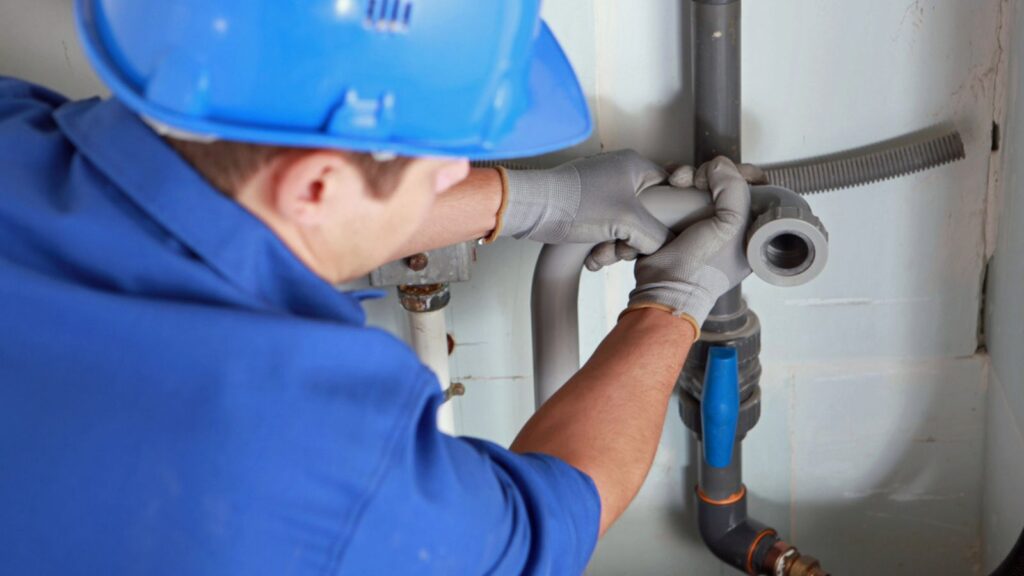
Image Credit: Depositphotos.com.
If there’s a major water leak or during plumbing repairs, you will need to cut your water supply promptly. This skill can prevent significant water damage in an emergency.
Find the main water shutoff valve where the line enters your home and turn it clockwise to stop the water. Also, learn how to shut off specific fixtures with valves under sinks or behind toilets, and test them regularly.
10. How to Clean Different Surfaces

Image Credit: Depositphotos.com.
You might have wooden surfaces, tiles with grout on them, and even marble surfaces. Using the wrong products or techniques can harm surfaces and shorten their lifespan.
Clean granite with mild soap; use a wood-specific cleaner for hardwood floors. Vacuum carpets and rugs regularly to remove dirt and allergens, and use a steam cleaner for deep cleaning.
11. How to Use a Fire Extinguisher
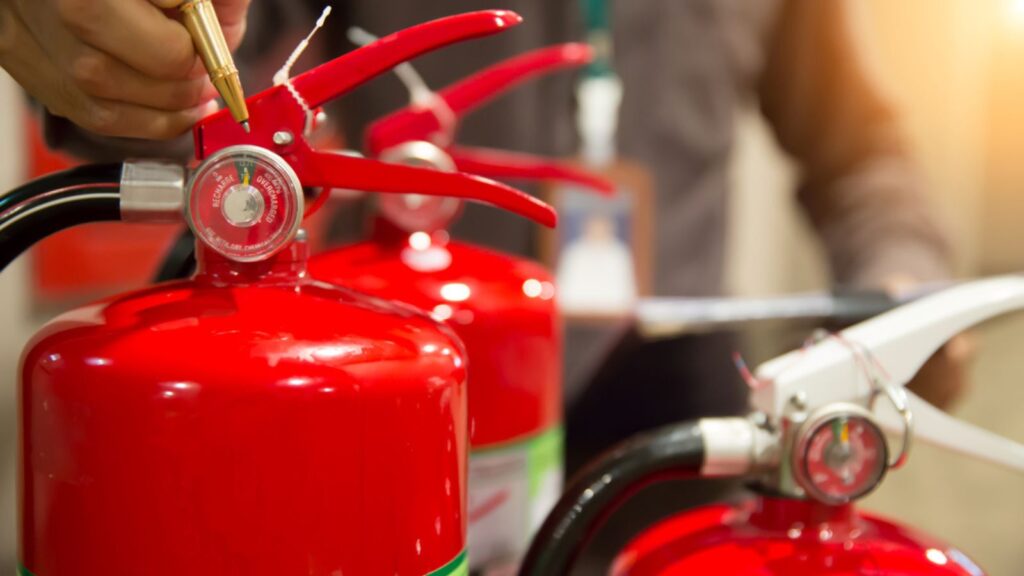
Image Credit: Depositphotos.com.
What do you do when your deep-frying fish suddenly becomes a bonfire? Knowing how to use a fire extinguisher can save lives and property in an emergency. A fire extinguisher must be accessible in key areas like the kitchen and garage.
Get acquainted with the PASS technique: Start by pulling the pin to break the tamper seal. Aim low and direct the nozzle at the fire’s base. Squeeze the handle to release the extinguishing agent, and sweep from side to side until the fire is completely out.
12. Caulking

Image Credit: Depositphotos.com.
Caulking is a simple yet effective way to seal gaps and cracks around your home, which helps improve energy efficiency and prevent moisture intrusion. It’s great for tackling windows, doors, or even bathroom fixtures.
Knowing how to caulk correctly can save you money on energy bills and repair costs in the long run. Clean the area first. Use silicone caulk for wet areas and acrylic latex for indoors. Apply with a caulk gun, keeping pressure consistent and smooth with a wet finger or tool.
13. How to Maintain Appliances

Image Credit: Depositphotos.com.
What do you do when your washing machine is smelly, or your fridge is more cool than cold? Keeping your appliances in great shape is key to making them last longer and run smoothly. A little regular maintenance can save you from expensive repairs later and keep your appliances working like new.
Clean refrigerator coils every six months, clear dryer lint traps after each load, descale your coffee maker periodically, and inspect oven and dishwasher seals for leaks. These steps save money and improve your home environment.
14. Using Basic Hand Tools
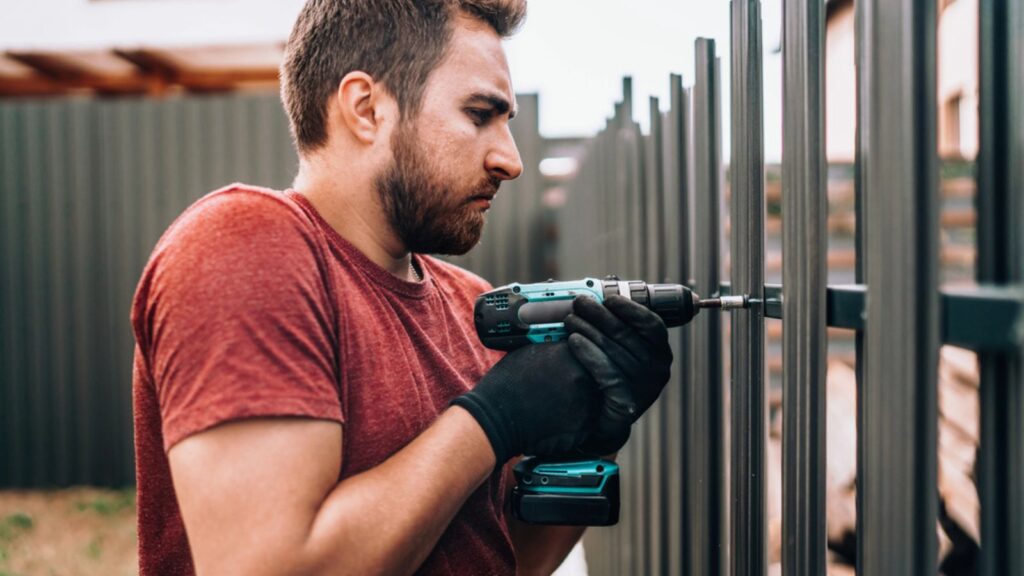
Image Credit: Depositphotos.com.
You will need a few tools in your new home, but more importantly, you will need to know how to use them. Basic tools like screwdrivers, pliers, and hammers are versatile and can help with simple repairs around the house.
Familiarize yourself with their uses and how to handle each correctly. Use pliers for gripping and twisting, screwdrivers for various screw heads, and hammers for nails or assembling furniture.