
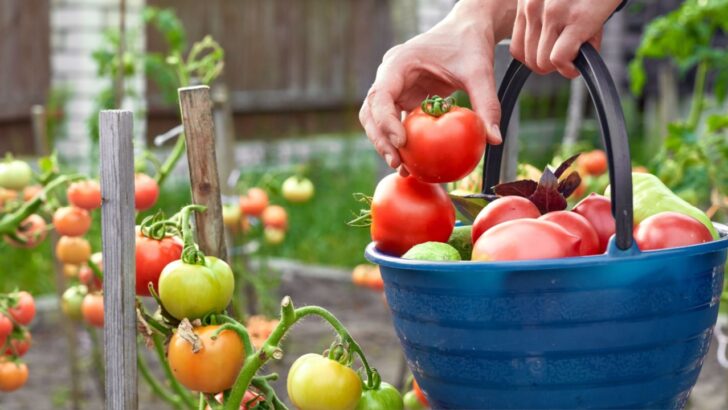
Imagine sinking your teeth into a tomato bursting with balanced sweetness, vivid acidity, and that unmistakable, sun‑ripened aroma. If you’ve ever grown tomatoes in your garden, it’s a flavor you likely know. Yet, some years might be better than others.
What’s the secret to the flavorful years? It’s not just necessarily the variety—it’s how you grow it. Experts claim that tomato flavor hinges on a harmony of sugars, acids, and volatile compounds. By tuning your growing methods, you can coax every flavorful note from each fruit.
Let’s look at 11 scientifically‑backed tricks that boost taste, texture, and vibrancy in your tomatoes.
1. Choose Flavor-First Varieties
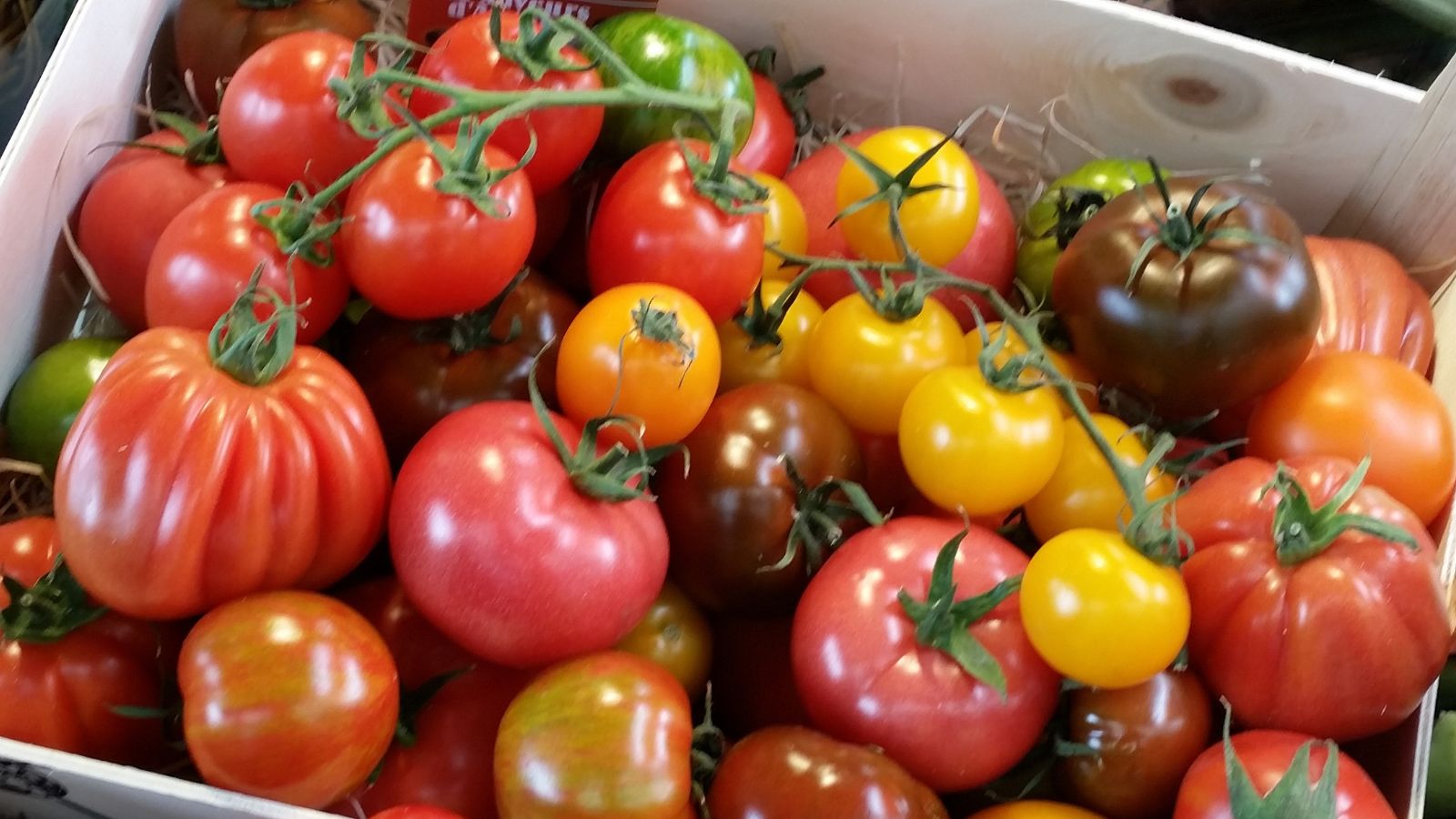
Image Credit: Emőke Dénes – kindly granted by the author, CC BY-SA 4.0/Wiki Commons.
Opt for heirloom or recent breeding lines known for high flavor.
Studies report that modern commercial tomatoes often sacrifice flavor for traits like yield and shelf-life. But you don’t have to do that at home. Select varieties with favorable sugar-to-acid ratios and robust volatile profiles
Best-Tasting Tomato Varieties to Try:
- Brandywine
- Cherokee Purple
- Black Krim
- Sun Gold
- Sweet 100
- Mortgage Lifter
- Green Zebra
- Paul Robeson
2. Sunlight Is Non-Negotiable
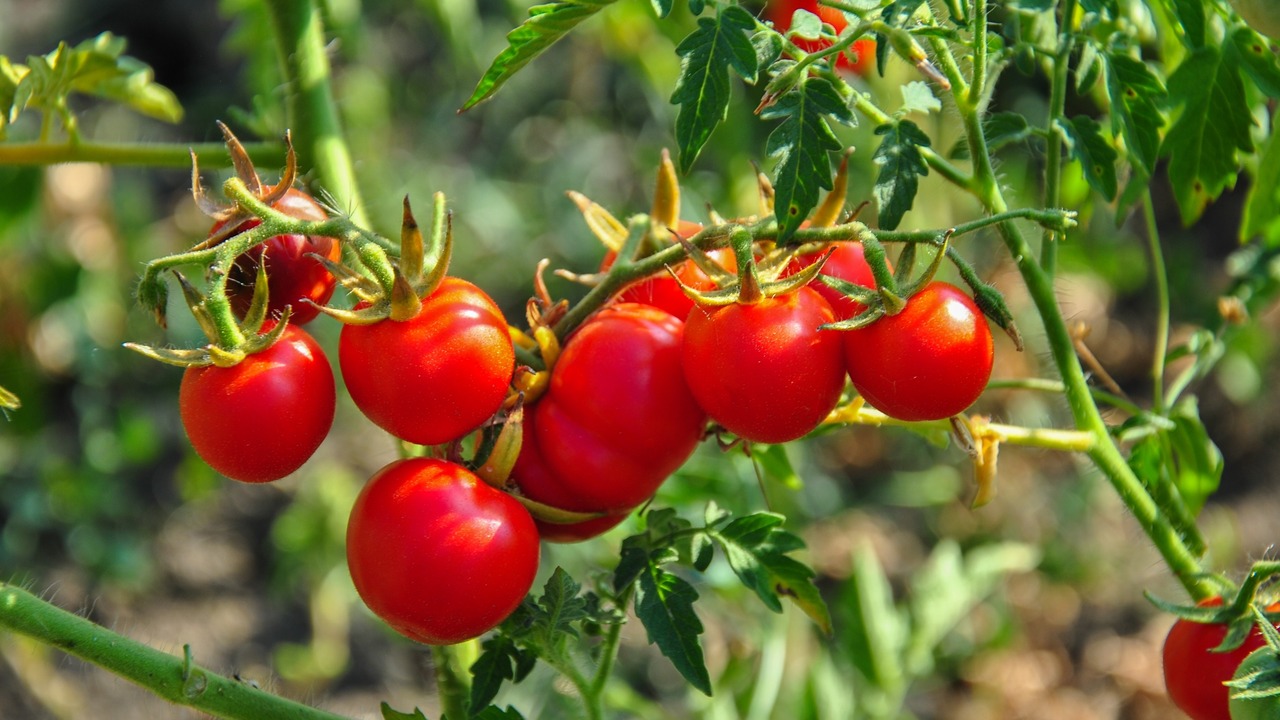
Image Credit: Shutterstock.
Tomatoes love the sunshine. Provide at least 8 hours of direct sun per day.
Why It Matters
Adequate sunlight boosts sugar and acid development—near-infrared spectroscopy confirms that sunlit fruits have significantly higher total soluble solids (TSS)hyper-grow.comSpectroscopy Online. So plant in the sunniest location you have!
3. Deep, Strategic Planting
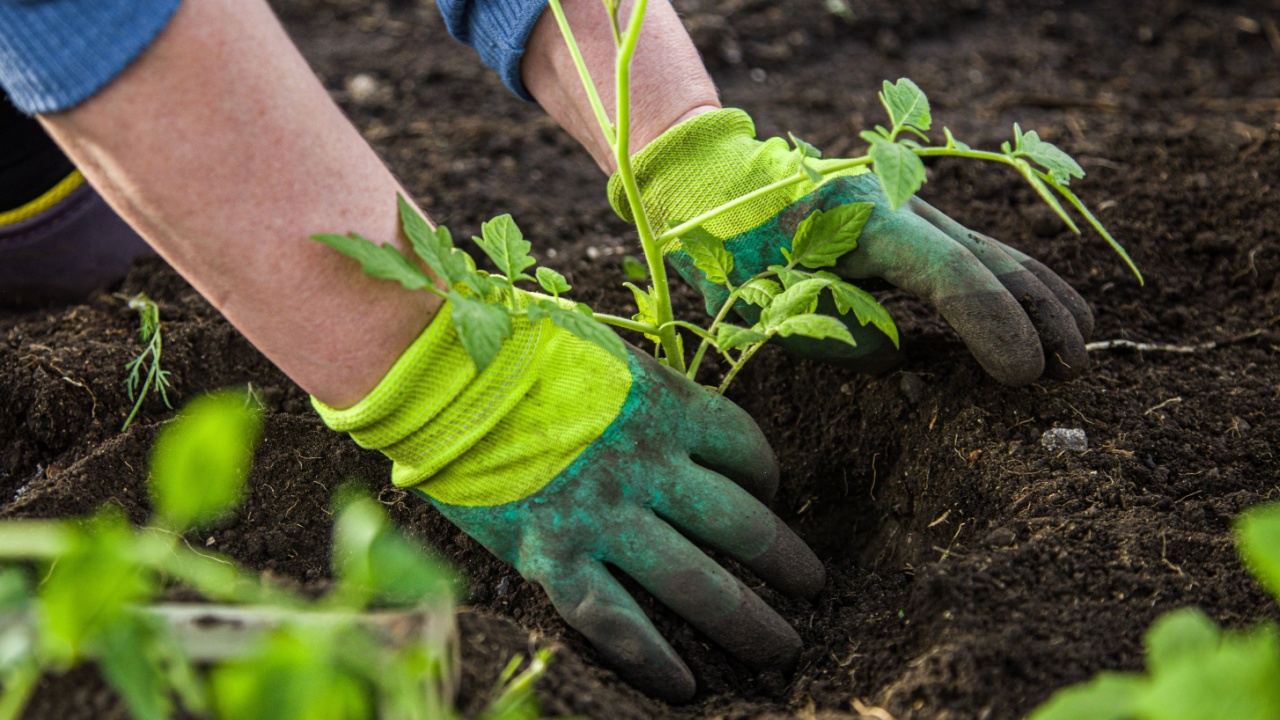
Image Credit: Shutterstock.
Giving your tomato plants extensive root systems helps them get the nutrients they need to thrive (and yield those tasty fruits). Bury most of the stem underground when transplanting.
How to Do It
Tomatoes root from buried stems, increasing root volume and nutrient uptake. More roots equates to more sugars and flavor compounds reaching the fruit.
4. Smart Water Stress (“Dry Farming”)
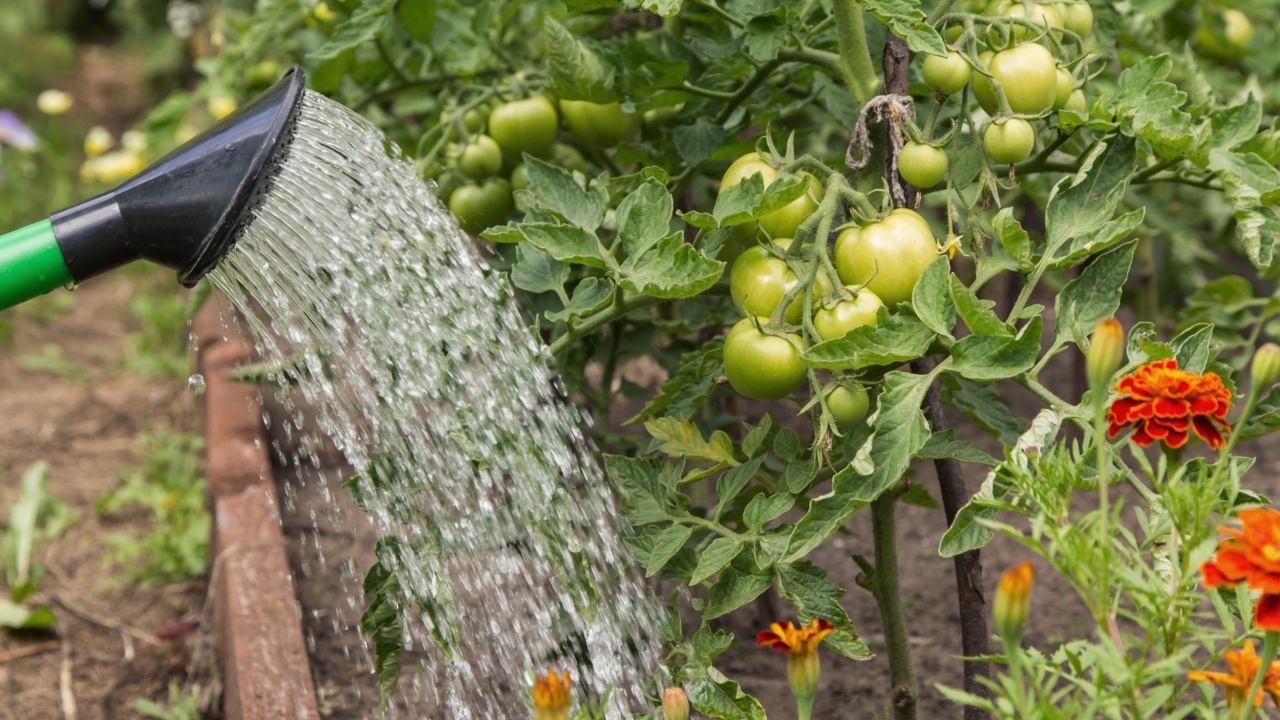
Image Credit: Shutterstock.
It might sound strange, but giving your tomato plants less water at the right time can actually boost their flavor.
This technique is called dry farming, and it’s used by some of the best tomato growers. After the plant is well-established and starts setting fruit, you gradually cut back on watering. This causes the plant to put more energy into developing flavorful fruit rather than growing big, watery ones.
Why It Works
When tomatoes get just enough water—not too much—their sugars and acids become more concentrated. That means the tomatoes taste sweeter, richer, and more tomato-y.
How to Do It
- Water regularly at first so the roots grow deep (about 3–4 weeks after planting).
- Once fruit starts forming, slowly reduce how often you water.
- Watch your plants closely. If they look wilted early in the day, they may need a little water. But slight wilting in hot afternoons is normal.
5. Mulch to Improve Flavor and Health
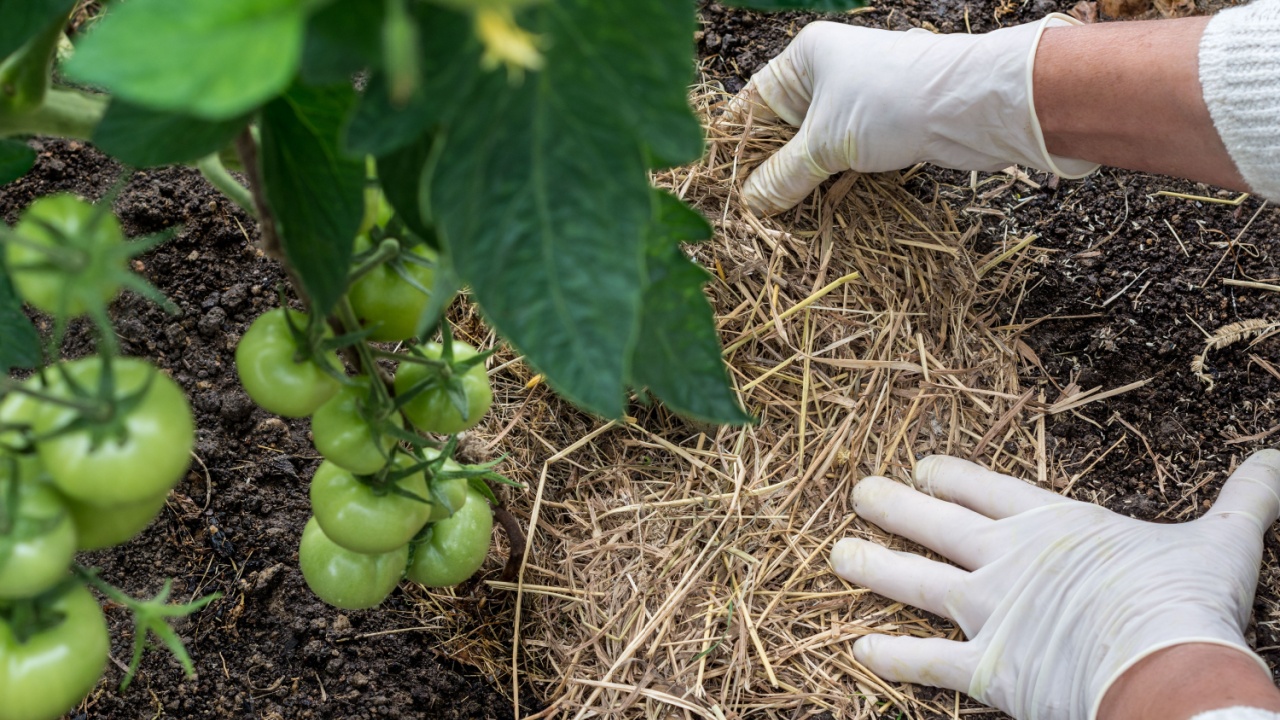
Image Credit: Shutterstock.
Mulching isn’t just for looks—it’s one of the easiest ways to grow better-tasting tomatoes. A good layer of mulch helps your plants stay strong, stress-free, and focused on growing rich, flavorful fruit.
Why It Helps
- Keeps moisture even: Tomatoes don’t like big swings between dry and soggy soil. Mulch helps the soil stay consistently moist, which prevents issues like cracking and blossom-end rot.
- Protects the roots: Mulch keeps the soil cool in summer and reduces stress, which can lead to tastier, juicier tomatoes.
- Improves flavor over time: Healthier, less-stressed plants put more energy into their fruit, not just survival. The result? More concentrated flavor.
How to Do It
- Once the soil has warmed up and your plants are 6–12 inches tall, add 2–3 inches of mulch around the base.
- Keep mulch a couple of inches away from the stem to avoid rot.
- Use natural mulches like straw, shredded leaves, grass clippings, or untreated wood chips. These also break down and improve your soil over time.
6. Feed Flavor, Not Just Yield
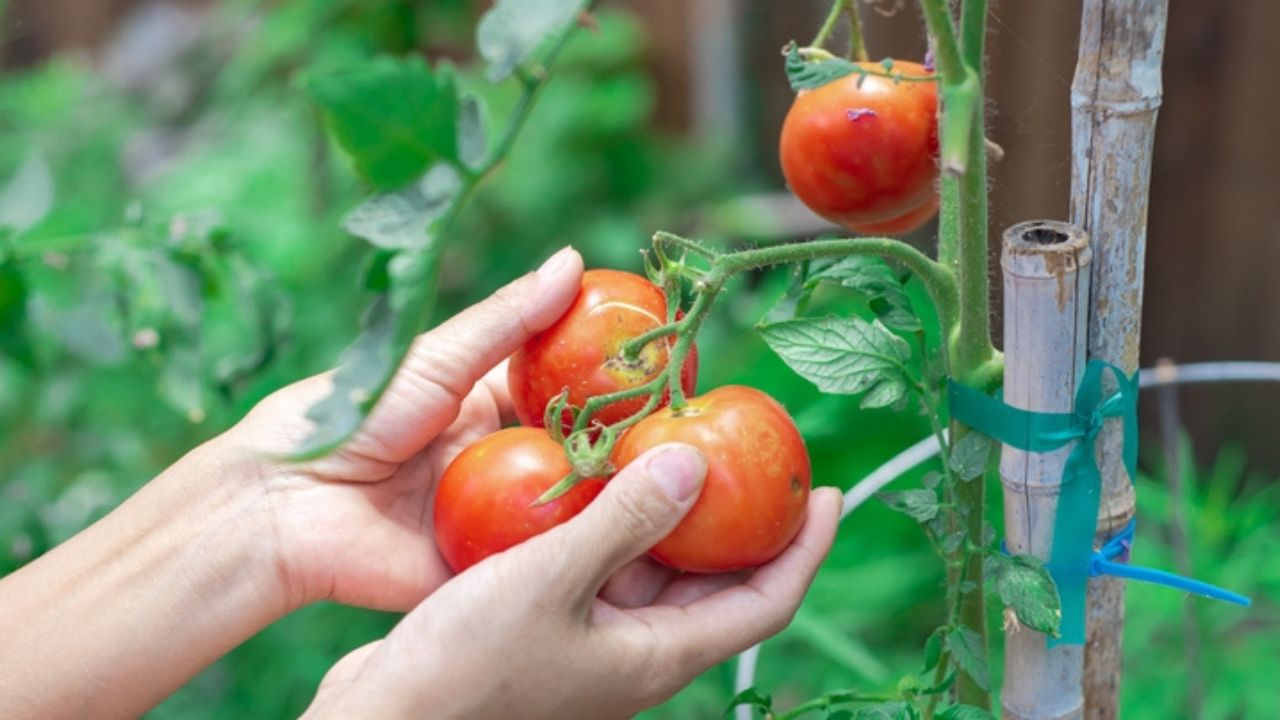
Image Credit: Shutterstock.
What you feed your plants can make a big difference—not just in how many tomatoes you get, but in how delicious they taste. Avoid relying heavily on synthetic fertilizers that are high in nitrogen (N). While nitrogen encourages lush, leafy growth, too much of it can dilute your tomatoes’ flavor and sweetness.
Why?
Excess nitrogen pushes the plant to focus energy on producing leaves and stems instead of developing the complex flavor compounds that make tomatoes taste rich and aromatic. These flavor compounds—called volatile organic compounds—are what give tomatoes their sweet, tangy, and fresh taste.
How to Feed for Flavor
- Use compost or balanced organic fertilizers that supply a mix of nutrients, including phosphorus and potassium, not just nitrogen. These nutrients support fruit development and the production of flavor compounds.
- Aim for a balanced nutrient profile that encourages steady growth and fruit ripening rather than rapid leafy growth.
- Incorporate amendments like bone meal, kelp meal, or fish emulsion, which provide a spectrum of nutrients that improve both plant health and fruit quality.
7. Rotate, But Occasionally Skip

Image Credit: Shutterstock.
Usually, it’s best to rotate where you plant your tomatoes each year to keep the soil healthy. But if you’re dry-farming tomatoes (growing them with minimal water), sometimes it can be beneficial to plant tomatoes in the same spot for a couple of years in a row.
Why It Matters
Crop rotation helps prevent soil diseases that build up when you plant the same crop repeatedly. However, with dry-farming, tomatoes develop deeper roots because they search farther for water. These deep roots can lead to better flavor and don’t necessarily reduce your harvest. So, occasionally skipping rotation under dry-farming conditions might actually improve your tomato flavor.
How to Decide
Check the overall health of your soil and plants. If your garden is free from tomato-related diseases and your plants look healthy, you might try skipping rotation once in a while. But if you notice disease or poor growth, it’s safer to stick to rotating crops every year.
8. Prune for Sunlight and Airflow
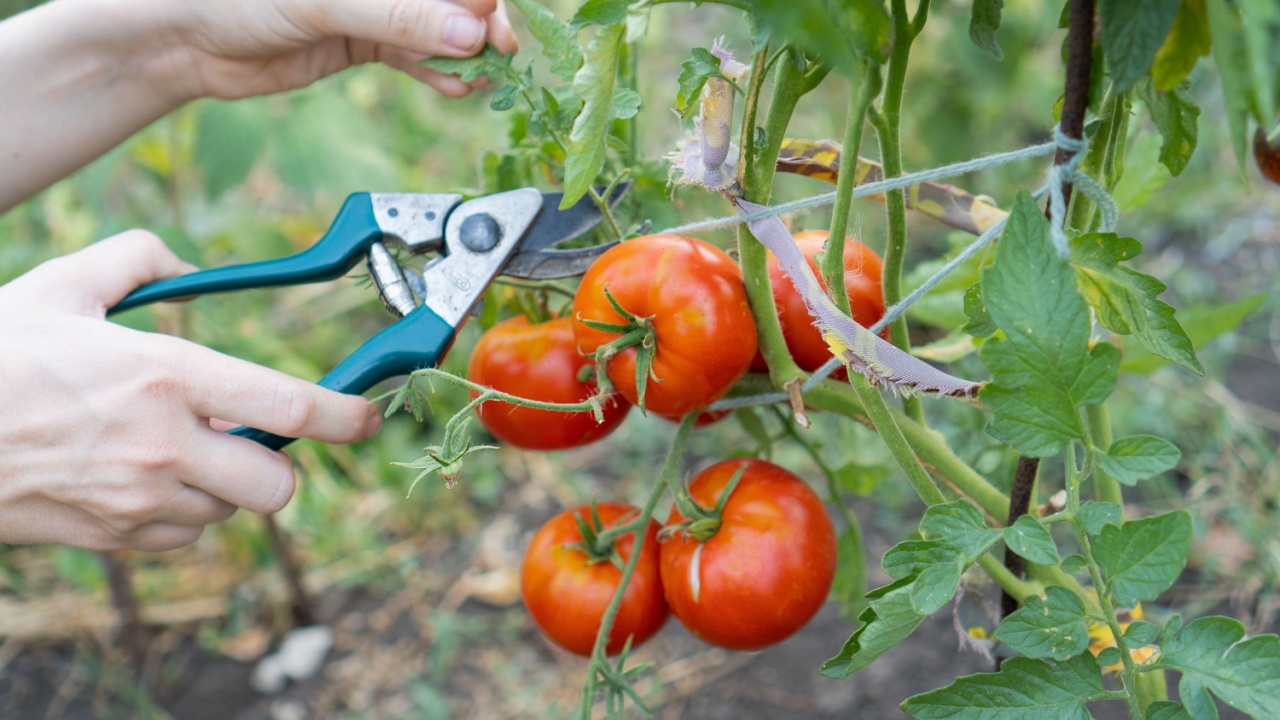
Image Credit: Shutterstock.
Regularly remove the lower leaves and suckers (the small shoots that grow between the main stem and branches).
Why It Matters
Pruning helps improve airflow around your tomato plants, which lowers the chances of fungal diseases like blight and mildew. It also lets more sunlight reach the green tomatoes still growing on the plant. Sunlight is important because it helps the fruit develop sugars and the aromatic compounds that make tomatoes taste great.
How to Do It
Use clean, sharp tools or your fingers to gently pinch off suckers and trim lower leaves that are touching the ground or blocking airflow. Be careful not to over-prune—leave enough leaves to protect the fruit and provide energy through photosynthesis. Aim to keep your tomato plants well-ventilated and bright for the best-tasting tomatoes.
9. Support for Stress-Free Growth

Image Credit: Shutterstock.
Use stakes or cages to keep your tomato plants upright and their fruit off the ground.
Why It Matters
When tomatoes rest on the soil, they’re more likely to get diseases and can ripen unevenly. Both problems can hurt the flavor and quality of your tomatoes.
How to Do It
By staking or caging your plants, you improve air circulation and keep the fruit clean and evenly exposed to sunlight. This helps your tomatoes develop better taste and look healthier overall.
10. Extend Ripening on the Vine

Image Credit: Shutterstock.
Leave tomatoes on the plant until they’re fully ripe—deep in color and just slightly soft to the touch.
Why It Matters
The final phase of ripening is when tomatoes develop the most sugars and flavor compounds. Harvesting too early, even when the fruit is mostly red, can result in less flavorful tomatoes because key aromas and sweetness haven’t finished forming yet.
There is some gardening debate here. If your tomatoes risk being eaten by pests or won’t be eaten immediately, it’s better to pick them. Otherwise, it’s up to you to decide whether keeping tomatoes on the vine helps with flavor or is a tomato myth.
11. Harvest in the Heat
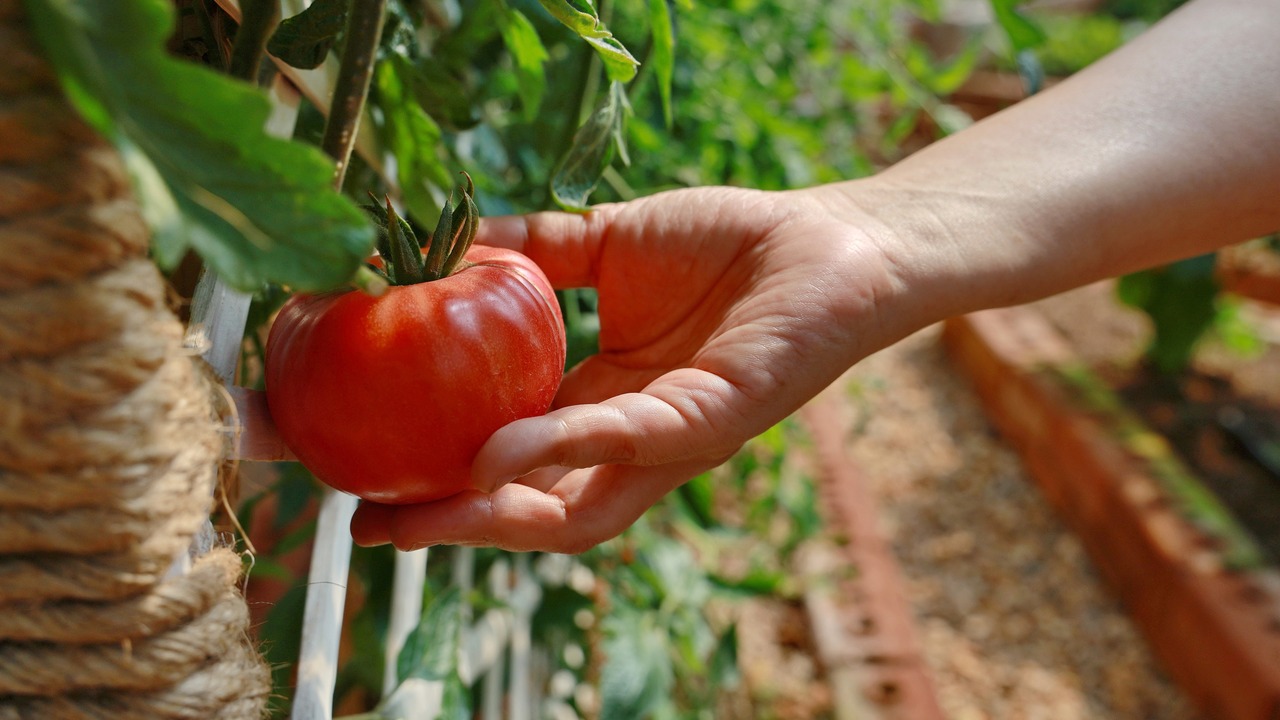
Image Credit: Shutterstock.
Pick ripe tomatoes in the warmer part of the day—usually late morning to afternoon.
Why It Matters
Tomato flavor is tied to the plant’s metabolic activity, which increases in warmth. By the afternoon, sugars and flavor compounds are more fully developed than they are early in the day. That means tomatoes picked in the afternoon—when the sun has been shining on them—tend to taste sweeter and more intense than those picked in the cool of the morning.
Bonus: Tomatoes are also firmer and less likely to bruise if picked when they’re dry and warm.
Finding the Right Combination
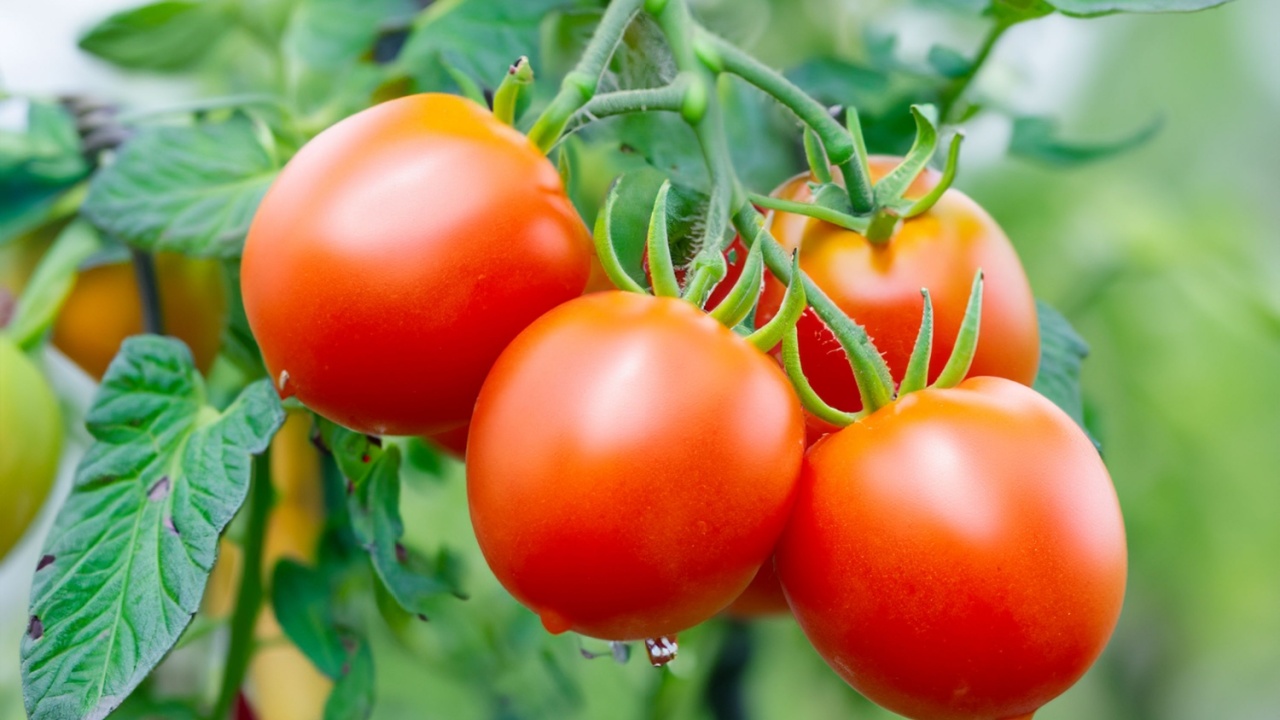
Image Credit: Shutterstock.
Growing irresistible tomatoes is part art, part science. By choosing flavor-rich varieties, giving them sun, controlled stress, and proper care—while sidestepping excess water and nitrogen—you set the stage for taste-packed, aromatic fruit that trumps anything from the store.