
A flickering candle casting a warm glow can transform a house into a home, making any room feel cozier and more inviting. When that candle is scented, it adds another layer of ambiance, filling your space with fragrances from vanilla bean to fresh linen. While many of us love to unwind with a favorite scented candle, it’s worth taking a closer look at what we’re actually burning. The very things that make them smell so good could be introducing unwanted elements into our home environment.
The good news is that giving up scented candles doesn’t mean giving up on a beautifully scented home. There are many wonderful, natural alternatives that can provide the same delightful atmosphere without the potential drawbacks. We’ll explore five key reasons you might want to rethink your scented candle habit and discover some fantastic, garden-inspired options to use instead.
1. They Contribute to Indoor Air Pollution
Image Credit: Shutterstock.com.
When you light a scented candle, you’re not just melting wax; you’re initiating a chemical process. Many candles, especially those made from paraffin wax (a petroleum byproduct), release volatile organic compounds (VOCs) into the air. These can include compounds like acetone, benzene, and toluene. While a single candle isn’t likely to cause immediate harm, regular use contributes to the overall pollution inside your home, which can be more concentrated than outdoor air. Over time, exposure to these compounds can worsen respiratory conditions and contribute to long-term health concerns.
Beyond the wax, artificial fragrances often contain phthalates, which help the scent last longer. As the candle burns, these chemicals are released into your living space. The soot released from a burning wick, especially one that hasn’t been trimmed, is another form of particulate matter that you end up breathing.
2. They Can Trigger Headaches and Allergies

Image Credit: Shutterstock.
Have you ever walked into a store with a strong candle display and instantly felt a headache coming on? You’re not alone. The synthetic fragrances used in many scented products are a common trigger for headaches, migraines, and allergy-like symptoms. Even if you don’t have a diagnosed allergy, your body can still react to the powerful chemicals in artificial scents. These reactions can manifest as a runny nose, watery eyes, sneezing, or a persistent cough.
This happens because the fragrance molecules act as irritants in your nasal passages and airways. For those with fragrance sensitivity, even an unlit candle sitting on a shelf can be enough to cause discomfort. Since you’re creating a pleasant environment for yourself, your family, and guests, it’s important to consider if the fragrance is making anyone feel unwell.
3. They Can Worsen Asthma Symptoms

Image Credit: Shutterstock.com.
For individuals living with asthma, the irritants released by scented candles are more than just an annoyance—they can be a direct trigger for an asthma attack. The fragrances and fine particles released during burning can inflame the airways, leading to shortness of breath, wheezing, and coughing. The reaction can be immediate and severe, making scented candles a significant risk in homes where someone has asthma.
Even natural fragrances can be problematic for some people with highly sensitive respiratory systems. The smoke and soot alone, regardless of the scent, add particulate matter to the air that can make breathing more difficult. If you or a family member has asthma, avoiding scented candles is a simple and effective way to help maintain a healthier indoor environment.
4. They Pose a Significant Fire Hazard

Image Credit: Shutterstock.
This reason has less to do with air quality and everything to do with basic home safety. An open flame is always a fire risk. According to the National Fire Protection Association, candles are a leading cause of home fires. It’s surprisingly easy to forget a lit candle or to place it too close to flammable items like curtains, books, or bedding. One-third of all home candle fires start in the bedroom, a room where people are most likely to fall asleep and leave a candle burning.
Pets and children add another layer of risk, as they can easily knock over a candle, turning a cozy evening into an emergency. While beautiful, the risk of an unattended flame is something every homeowner should take seriously.
5. Many “Natural” Scents Aren’t Natural at All
Image Credit: Shutterstock.com
Labels can be misleading. A candle might be called “Lavender Fields” or “Ocean Breeze,” but that doesn’t mean it contains any actual lavender or sea salt. The term “fragrance” or “parfum” on an ingredient list is often a catch-all for a complex mixture of synthetic chemicals. Companies are not required to disclose the specific ingredients in their fragrance blends, as they are considered trade secrets.
This lack of transparency means you don’t really know what you’re releasing into your home’s air. Even candles made with “essential oils” may only contain a small amount of the natural oil, with the bulk of the scent coming from synthetic enhancers. To ensure a truly natural scent, you need to seek out products that are transparent about their ingredients.
Natural & Garden-Inspired Alternatives to Scented Candles
Image Credit: Shutterstock.
Looking to fill your home with beautiful scents without the potential drawbacks of scented candles? Here are five simple, effective, and natural alternatives to create a fresh and inviting atmosphere inspired by the garden.
1. Essential Oil Diffusers
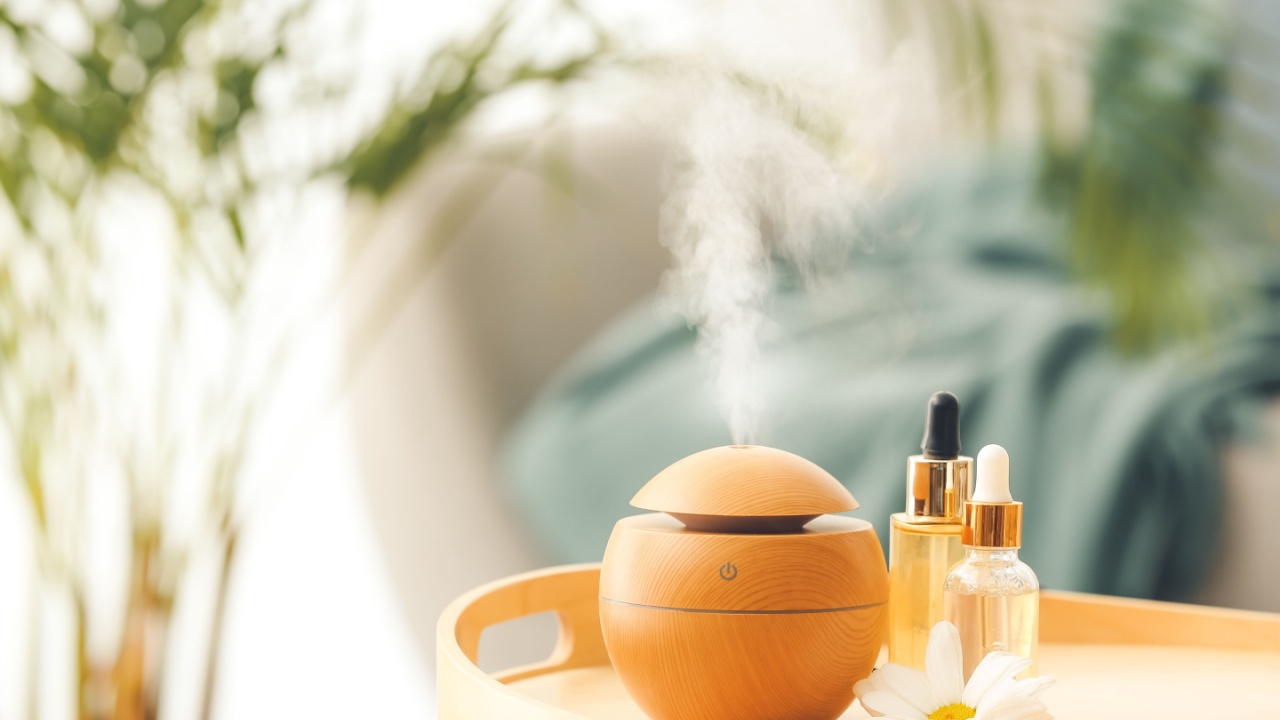
Image Credit: Shutterstock.com.
An ultrasonic diffuser uses water and a few drops of pure essential oil to create a fine, cool mist. This method allows you to enjoy natural fragrances without any smoke or burning. It’s a great way to customize your home’s scent with oils like calming lavender or uplifting lemon.
Looks for high quality pure essential oils and make sure to regularly clean your diffusers to minimize risk of mold.
2. Stovetop Simmer Pots

Image Credit: Shutterstock.
Create your own home fragrance by gently simmering a pot of water on the stove. Add natural ingredients like citrus peels (orange, grapefruit), whole spices (cinnamon sticks, cloves), and fresh herbs from your garden (rosemary, thyme). It fills your home with a warm, comforting aroma.
3. Dried Flower & Herb Bouquets

Image Credit: Shutterstock.com.
For a gentle and continuous scent, place bouquets of dried botanicals around your home. Dried lavender, eucalyptus, and rosebuds work wonderfully. They add a touch of rustic decor while releasing a subtle, natural fragrance without any effort.
4. DIY Room Sprays
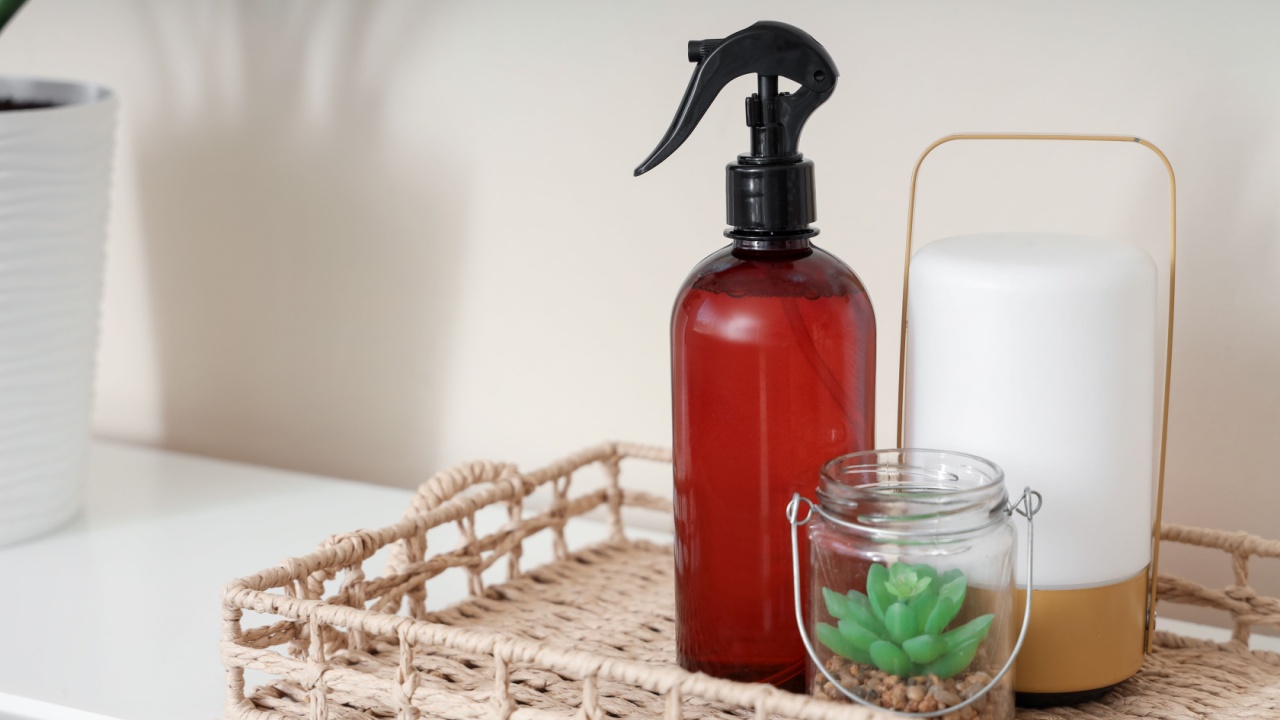
Image Credit: Shutterstock.com.
Mix your own custom room spray for a quick burst of freshness. In a spray bottle, combine distilled water, a splash of witch hazel (to help the oil and water mix), and your favorite essential oils. Shake well before each use and spritz into the air to refresh any space.
5. Flameless LED Candles
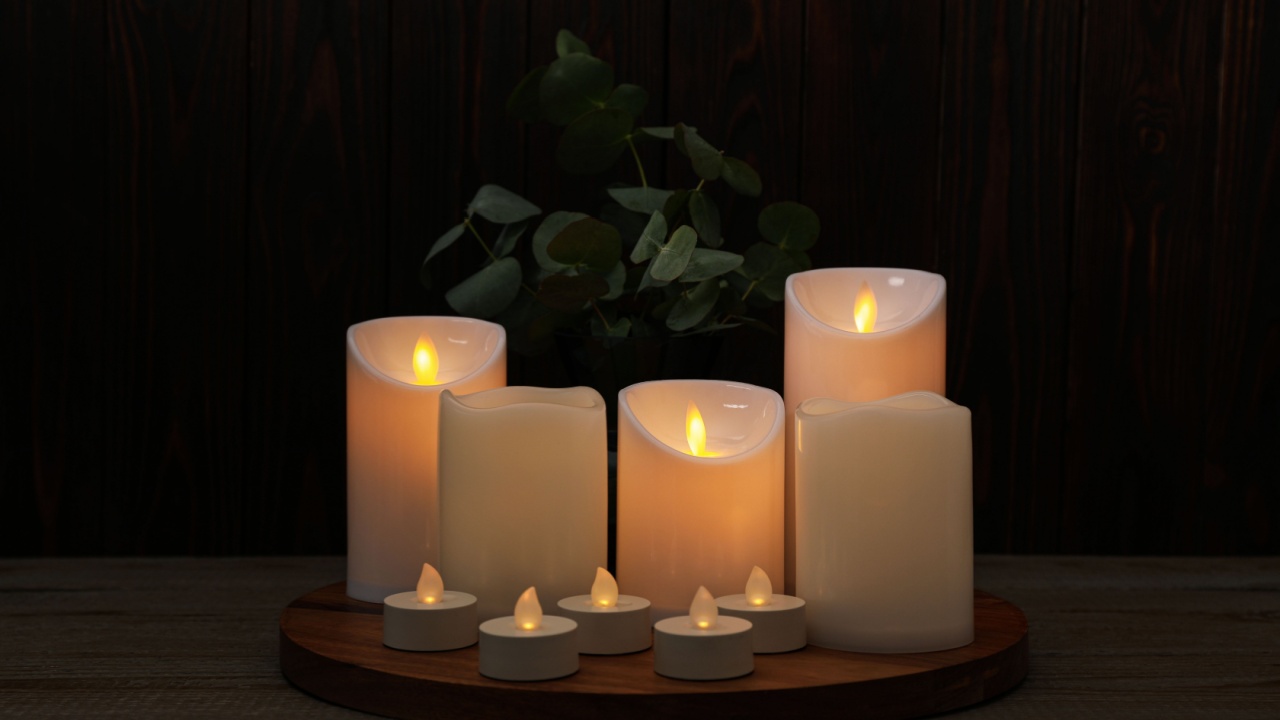
Image Credit: Shutterstock.com.
If you love the warm, flickering glow of a candle but want to avoid an open flame, flameless LED candles are the perfect solution. Many are made from real wax and have a realistic flicker, providing the same cozy ambiance with zero fire risk or air pollutants.
Try a Naturally Scented Home

Image Credit: Shutterstock.
Making the switch from scented candles to natural alternatives is an empowering step toward creating a healthier and more authentic home environment. Start small. The next time you’re about to buy a scented candle, pause and consider one of the alternatives.
Try setting up a small herb pot on your kitchen windowsill with rosemary and mint. The next time you’re tidying up, snip a few sprigs for a simmer pot. Or, invest in a simple essential oil diffuser and a starter set of oils like lavender, lemon, and eucalyptus. You’ll not only be freshening your air but also connecting more deeply with the natural world, bringing the simple, honest beauty of the garden right into your home.