
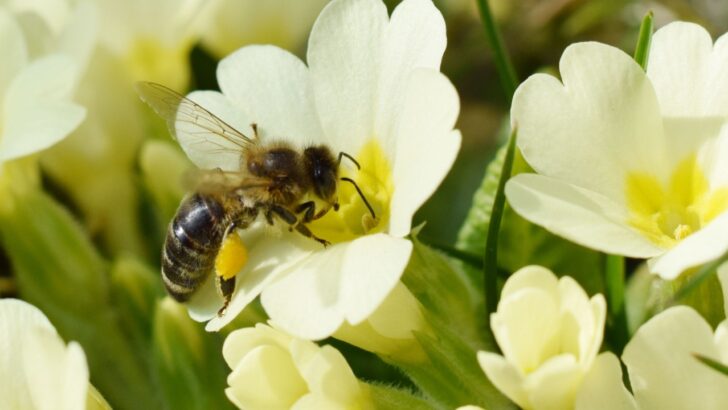
As the vibrant colors of summer and autumn fade from our gardens, it’s easy to assume that all outdoor life has gone dormant. But on milder winter days, you might be surprised to see a fuzzy bumblebee or a determined honeybee venturing out. These pollinators are on a crucial mission: finding food. When temperatures rise just enough, bees leave their hives in search of nectar and pollen, but winter can be a barren landscape. As a gardener, you have a unique opportunity to provide a lifeline for these essential creatures.
Creating a garden that offers sustenance during the colder months is one of the most impactful things we can do for local bee populations. It ensures they have the energy to survive until spring’s full bloom. By thoughtfully selecting a few key plants, your backyard can become a vital winter oasis. This guide will walk you through 14 excellent choices that provide color for your garden and critical food for bees when they need it most.
1. Heather

Image Credit: Shutterstock.
Winter heather is a champion of the cold-season garden, offering a splash of color when little else is in bloom. These low-growing, hardy evergreen shrubs are covered in tiny, bell-shaped flowers that are a magnet for honeybees and bumblebees. An established heather plant can provide a continuous food source for months.
Its dense clusters of flowers offer an efficient foraging spot, allowing bees to gather a significant amount of nectar without expending too much energy. Heather thrives in acidic, well-draining soil and full sun, making it a low-maintenance powerhouse for pollinator support.
Quick Look:
- Plant Type: Evergreen Shrub
- Bloom Time: September to May, with buds often appearing in November
- Best For: Providing a long-lasting, dense nectar source
- Care Tip: Plant in acidic, well-drained soil. Prefers full sun but tolerates partial shade.
2. Oregon Grape (Mahonia)
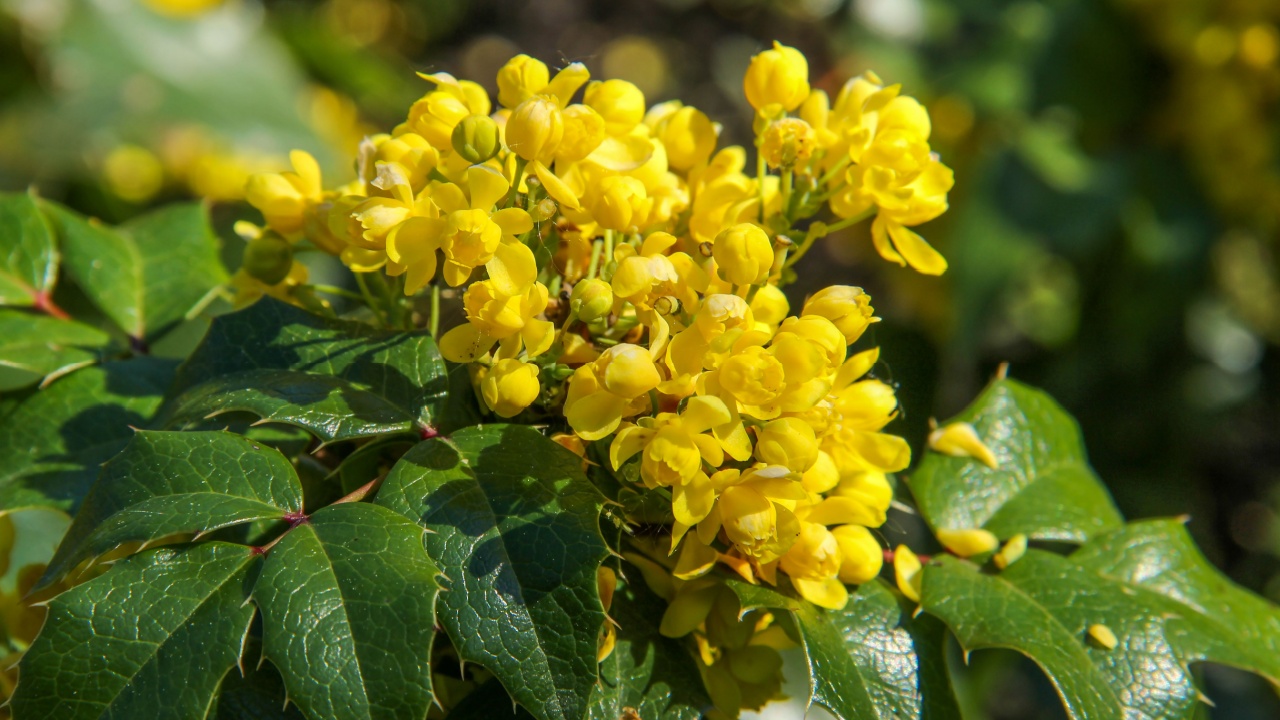
Image Credit: Shutterstock.
Native and resilient, the Oregon Grape is an exceptional choice for any bee-friendly garden. This evergreen shrub features striking, holly-like leaves that add texture to the winter landscape. More importantly, it produces sprays of bright yellow, fragrant flowers that bloom anytime from late fall through early spring.
These early blooms are a critical first food source for emerging bees. The flowers are rich in both pollen and nectar, providing a complete meal for foraging pollinators. Oregon Grape is incredibly tough, tolerating a wide range of conditions from shade to sun and various soil types, making it an easy and reliable addition to your garden.
Quick Look:
- Plant Type: Evergreen Native Shrub
- Bloom Time: November to March
- Best For: Early pollen and nectar for the first active bees
- Care Tip: Very adaptable to different light and soil conditions. Drought-tolerant once established.
3. Calendula (Pot Marigold)
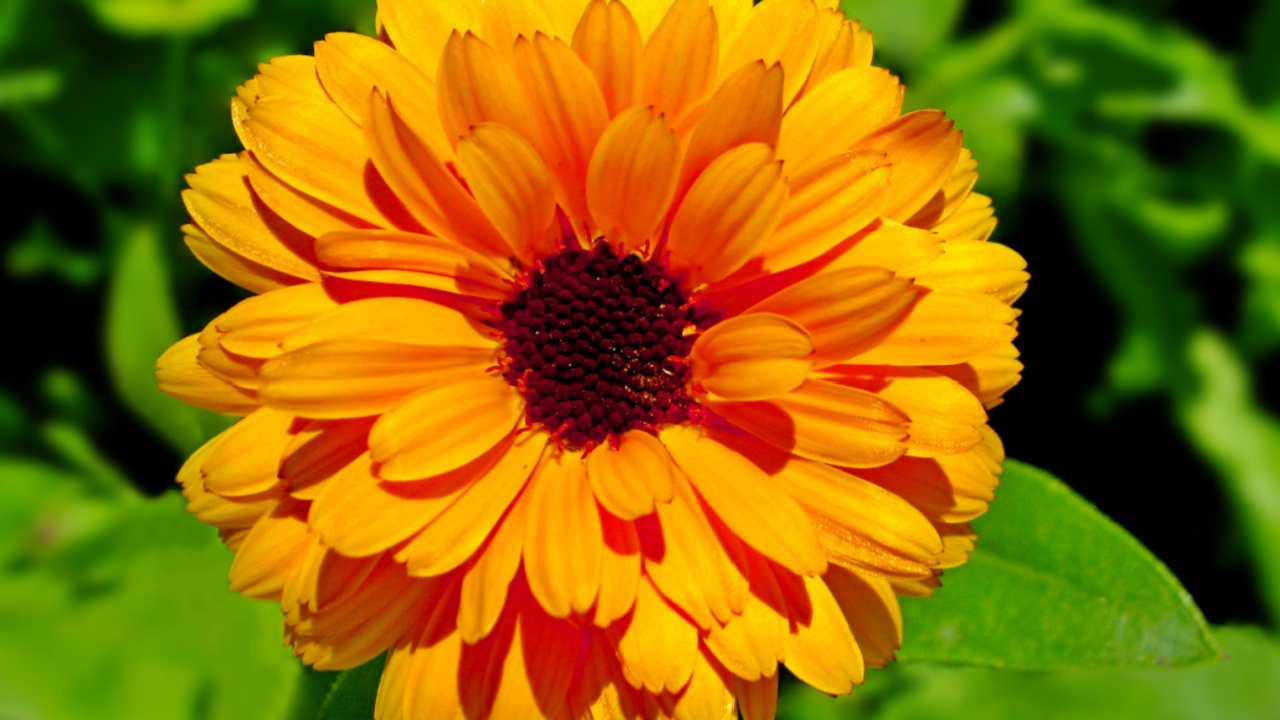
Image Credit: Shutterstock.
Known for its cheerful, daisy-like flowers, Calendula is a hardy annual that often refuses to quit when the cold sets in. In regions with milder winters, it can bloom continuously, providing a reliable food source for bees and other beneficial insects like flower flies.
The open-faced blooms make the nectar and pollen easily accessible to a wide variety of pollinators. Calendula is also famously easy to grow from seed and will often self-seed for the following year. To encourage continuous flowering, simply deadhead the spent blooms throughout the season.
Quick Look:
- Plant Type: Hardy Annual
- Bloom Time: Spring through November, and year-round in mild climates
- Best For: Consistent, late-season nectar
- Care Tip: Deadhead spent flowers to prolong blooming. Will readily self-seed for next season.
4. Crocus, Snowdrop, and Hyacinth
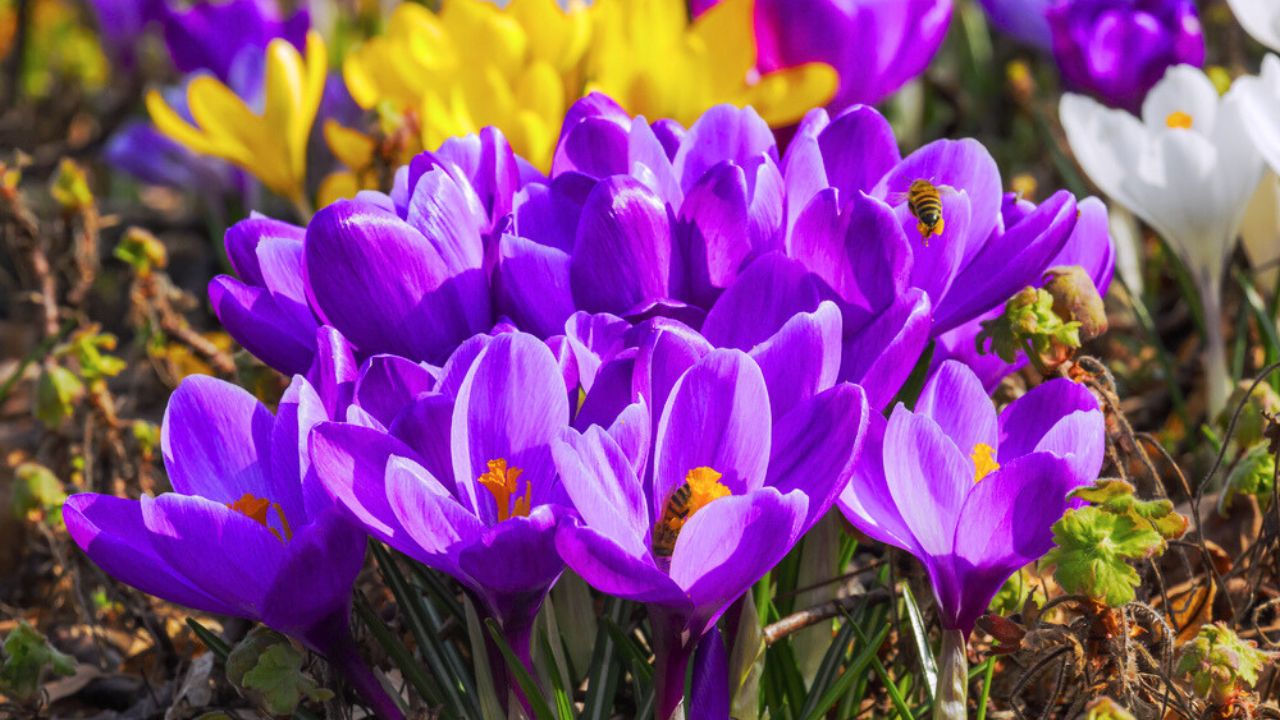
Image Credit: Shutterstock.
These early-blooming bulbs are often the true harbingers of spring, sometimes pushing up through snow to display their colors. For bees that emerge on the first warm days of late winter, these flowers are a welcome sight. Crocuses, in particular, open wide in the sun, offering easy access to their pollen-rich centers.
Planting these bulbs in large drifts or clusters creates a can’t-miss target for foraging bees. They require very little care once planted, naturalizing and multiplying over the years to create an even more impressive display. They are perfect for tucking under trees, along walkways, or in lawn areas.
Quick Look:
- Plant Type: Perennial Bulb
- Bloom Time: January to March
- Best For: Providing one of the earliest pollen sources of the season
- Care Tip: Plant bulbs in the fall in a sunny, well-drained spot. Plant in clusters for maximum impact.
5. Rosemary
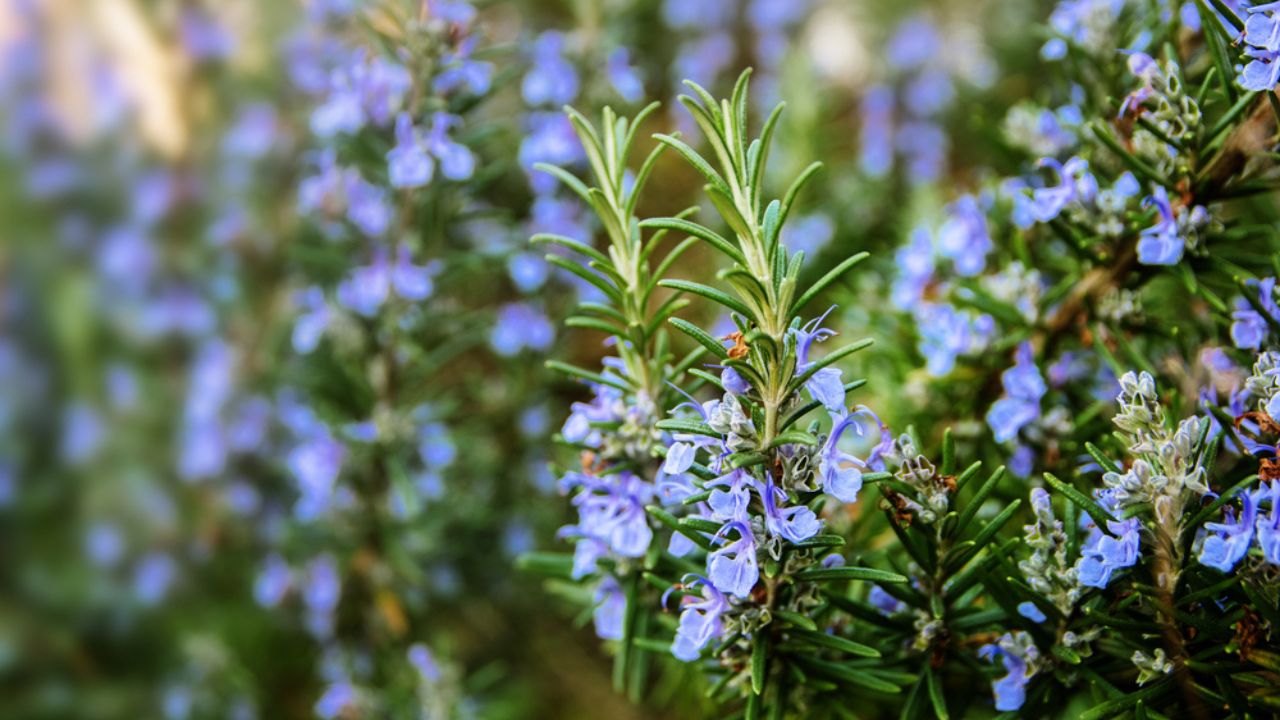
Image Credit: Shutterstock.
More than just a culinary herb, rosemary is a valuable plant for wintering bees. This hardy, evergreen shrub often produces small, delicate blue flowers during unconventional times, including late fall and on mild winter days. While the blooms aren’t large and showy, they are a welcome surprise for bees searching for food.
Rosemary is drought-tolerant and thrives in full sun and well-drained soil, making it perfect for rock gardens or containers. To encourage flowering, prune the shrub after its main blooming season, but avoid cutting back into the old, bare wood, as flowers only appear on new growth.
Quick Look:
- Plant Type: Evergreen Perennial Herb
- Bloom Time: Varies, often blooms in fall (November/December) and spring (March/April)
- Best For: Surprise nectar source on mild winter days
- Care Tip: Needs full sun and excellent drainage. Prune lightly after flowering to shape.
6. Hardy Fuchsia
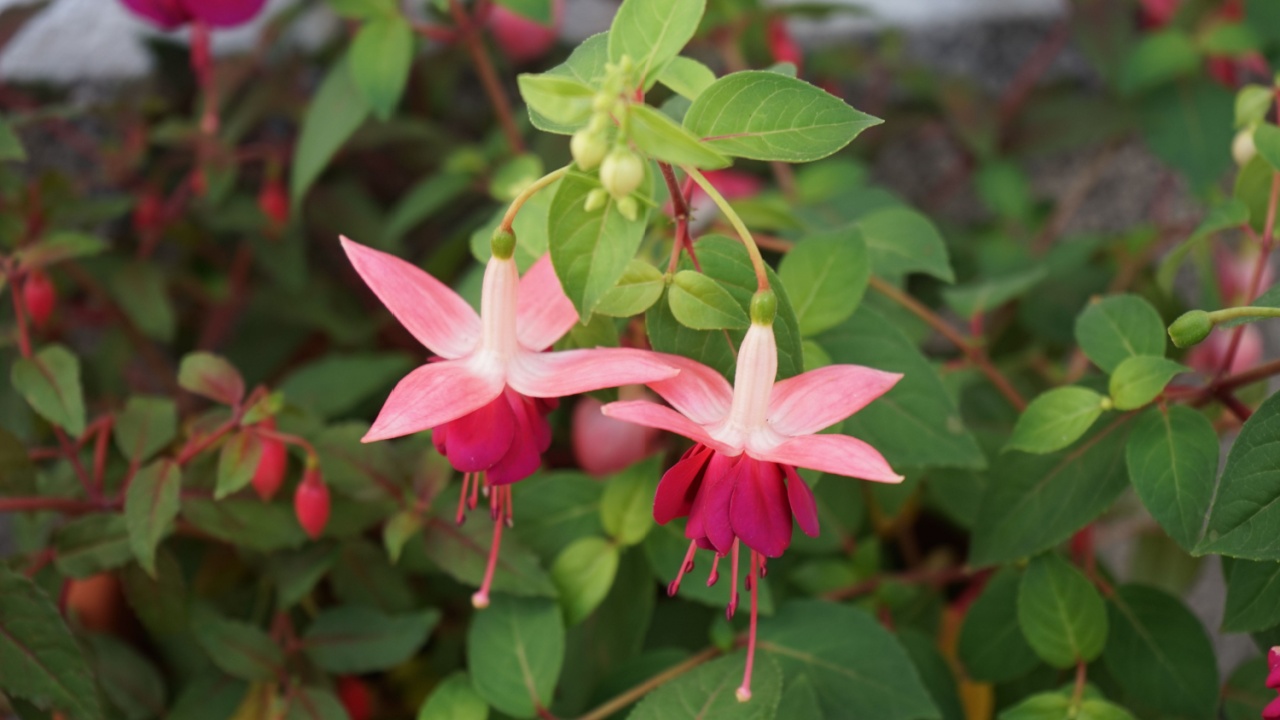
Image Credit: Shutterstock.com.
While many fuchsias are tender annuals, hardy fuchsias can survive the winter and provide a late-season feast for pollinators. Their distinctive, dangling flowers are particularly attractive to long-tongued bees, like bumblebees, and hummingbirds.
These perennials bloom profusely from summer all the way until the first hard frost, often providing nectar well into November. This bridges the gap between the abundance of late summer and the scarcity of winter. Plant them in a sheltered spot with fertile, moist soil to help them thrive.
Quick Look:
- Plant Type: Hardy Perennial
- Bloom Time: June to November
- Best For: Late-season nectar for bumblebees
- Care Tip: Prefers partial shade and moist, well-drained soil. Mulch around the base in fall to protect the roots.
7. Yarrow
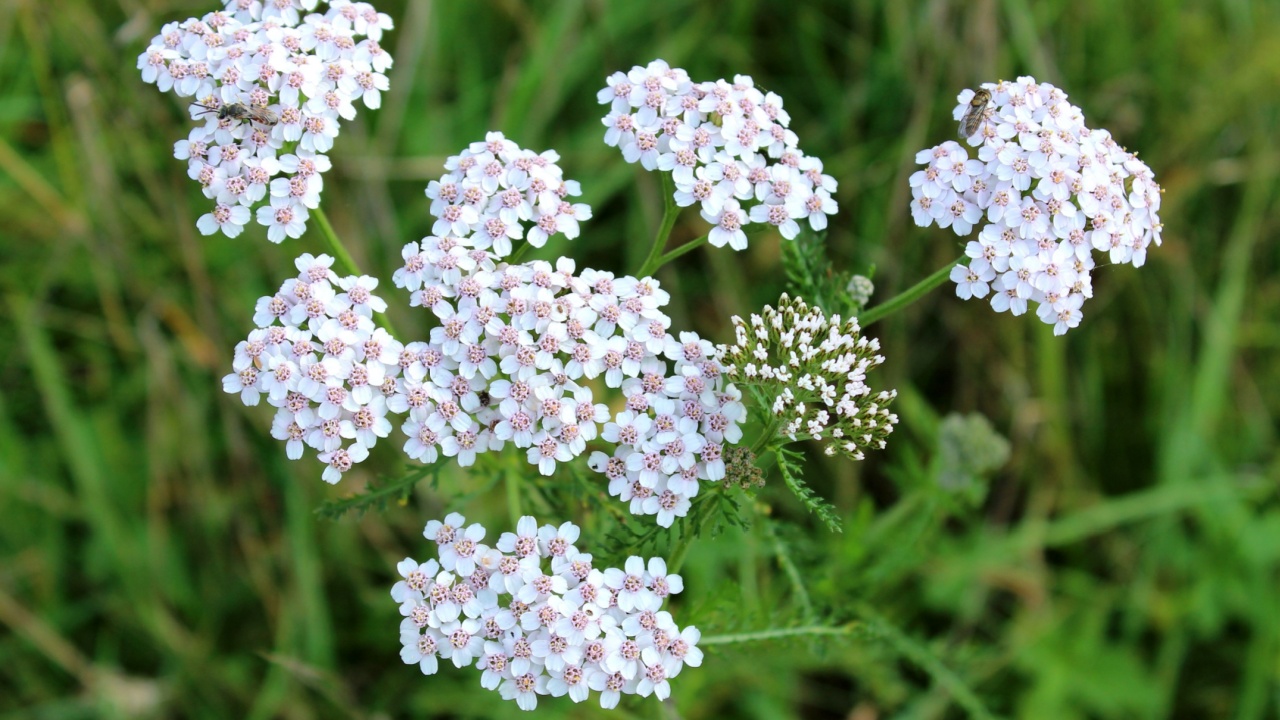
Image Credit: Shutterstock.
Yarrow is a tough, versatile perennial beloved for its feathery foliage and flat-topped clusters of tiny flowers. It’s a long-blooming plant, often flowering from spring right through November. In mild years without a hard frost, yarrow can even continue to offer blooms during the winter months.
The composite flower heads provide a landing pad for bees, allowing them to access dozens of small nectar sources at once. Yarrow is drought-tolerant and thrives in full sun, making it an excellent choice for a low-water garden. Cutting back spent blooms will encourage a second wave of flowers.
Quick Look:
- Plant Type: Hardy Perennial Herb
- Bloom Time: April to November, and year-round in mild climates
- Best For: A long-blooming, drought-tolerant nectar platform
- Care Tip: Thrives in full sun and well-drained soil. Cut back spent flowers to promote reblooming.
8. Early-Blooming Fruit Trees
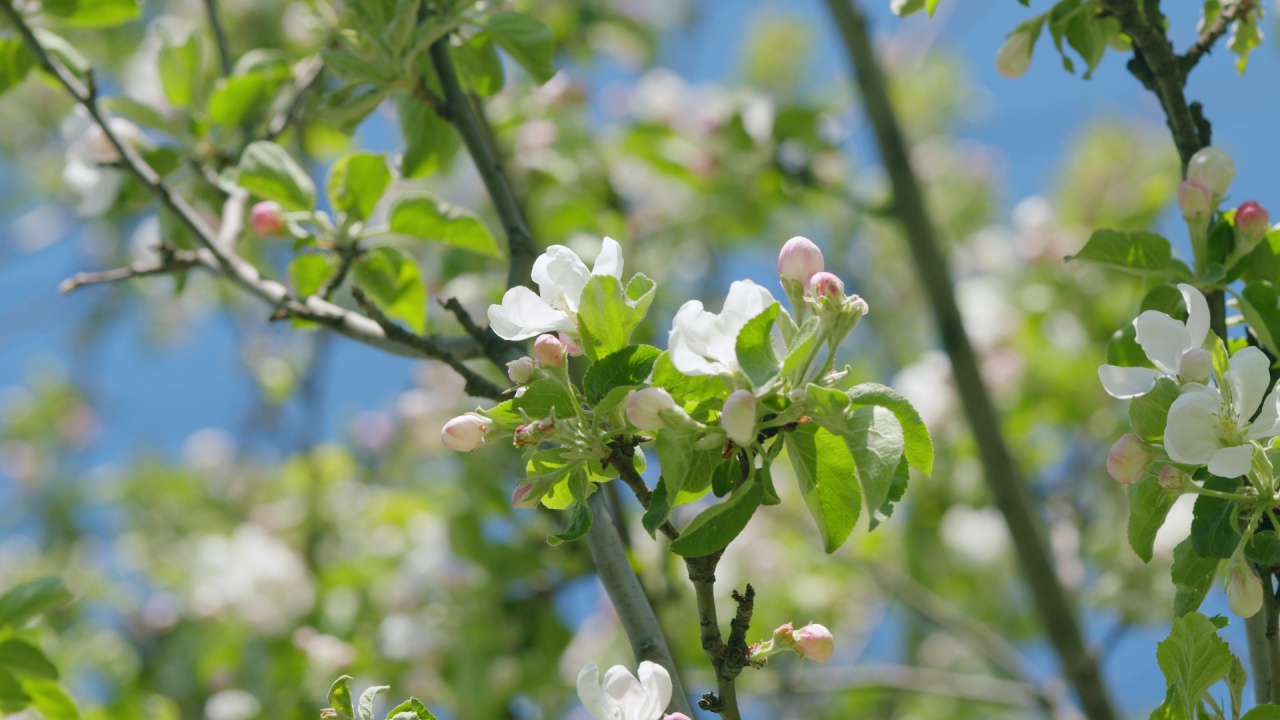
Image Credit: Shutterstock.com.
A single flowering tree can offer more resources for bees than an entire bed of perennials. Early-blooming fruit trees like cherries, plums, and some apple varieties burst into flower as early as February, creating a massive, concentrated food source.
Each tree produces hundreds, if not thousands, of blossoms, providing a feast of pollen and nectar for honeybees and other early pollinators. This supports the bee colonies and ensures your trees are well-pollinated for a future fruit harvest. It’s a win-win for the gardener and the ecosystem.
Quick Look:
- Plant Type: Deciduous Tree
- Bloom Time: Starting in February, depending on the variety
- Best For: Providing a massive, concentrated food source in late winter
- Care Tip: Plant in full sun with well-drained soil. Choose varieties known for early blooming in your region.
9. Primrose
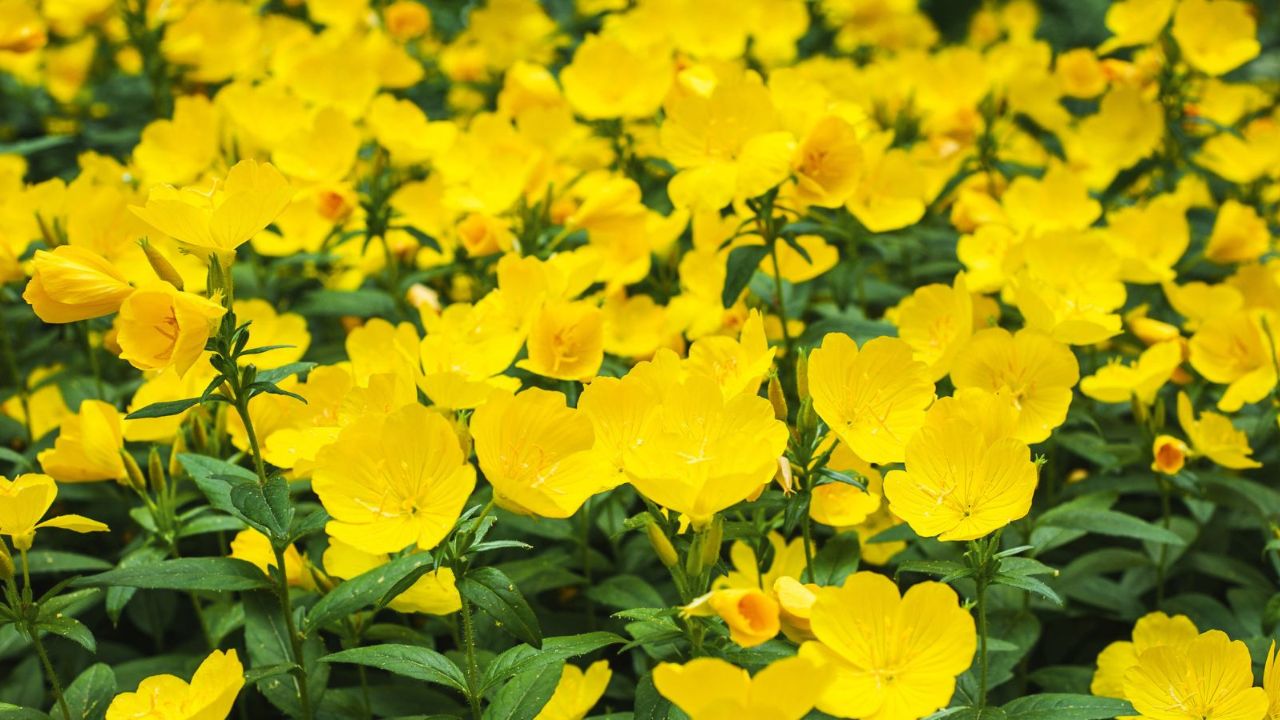
Image Credit: Depositphotos.com.
The cheerful primrose is a classic sign that spring is on its way. In many regions, this hardy perennial begins blooming in midwinter and continues through spring. Some varieties even offer a second, smaller flush of flowers in the fall, around October or November.
Their bright colors make them easy for bees to spot, and their simple flower shape provides easy access to food. Primroses prefer cool, shady spots with moist, well-drained soil, making them perfect for woodland gardens or shady borders.
Quick Look:
- Plant Type: Hardy Perennial
- Bloom Time: Midwinter to Spring, with a potential reprise in fall
- Best For: Bright, easily accessible flowers in shady winter gardens
- Care Tip: Prefers partial shade and consistently moist, well-drained soil.
10. Borage
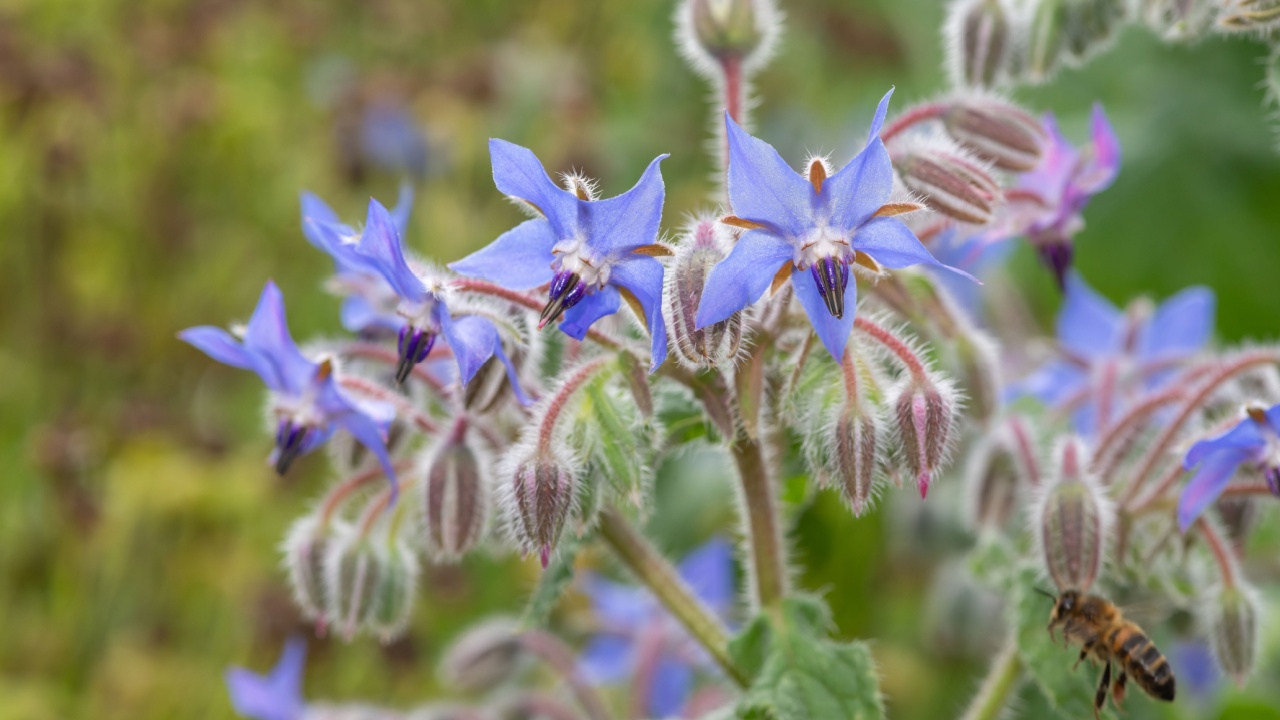
Image Credit: Shutterstock.
With its fuzzy stems and brilliant, star-shaped blue flowers, borage is a standout in any garden. This hardy annual herb is a favorite of bees, who are drawn to its nectar-rich blooms. Borage has a long flowering season, often starting in early summer and continuing right up to a hard frost in November.
The plant cleverly replenishes its nectar supply, meaning bees can return to the same flower multiple times for a reward. Borage is easy to grow from seed and will happily self-seed, ensuring a continuous supply for years to come.
Quick Look:
- Plant Type: Hardy Annual Herb
- Bloom Time: June to November
- Best For: A constantly replenishing nectar source
- Care Tip: Sow seeds directly in the garden in spring. It thrives in full sun and will self-seed.
11. Cornflower
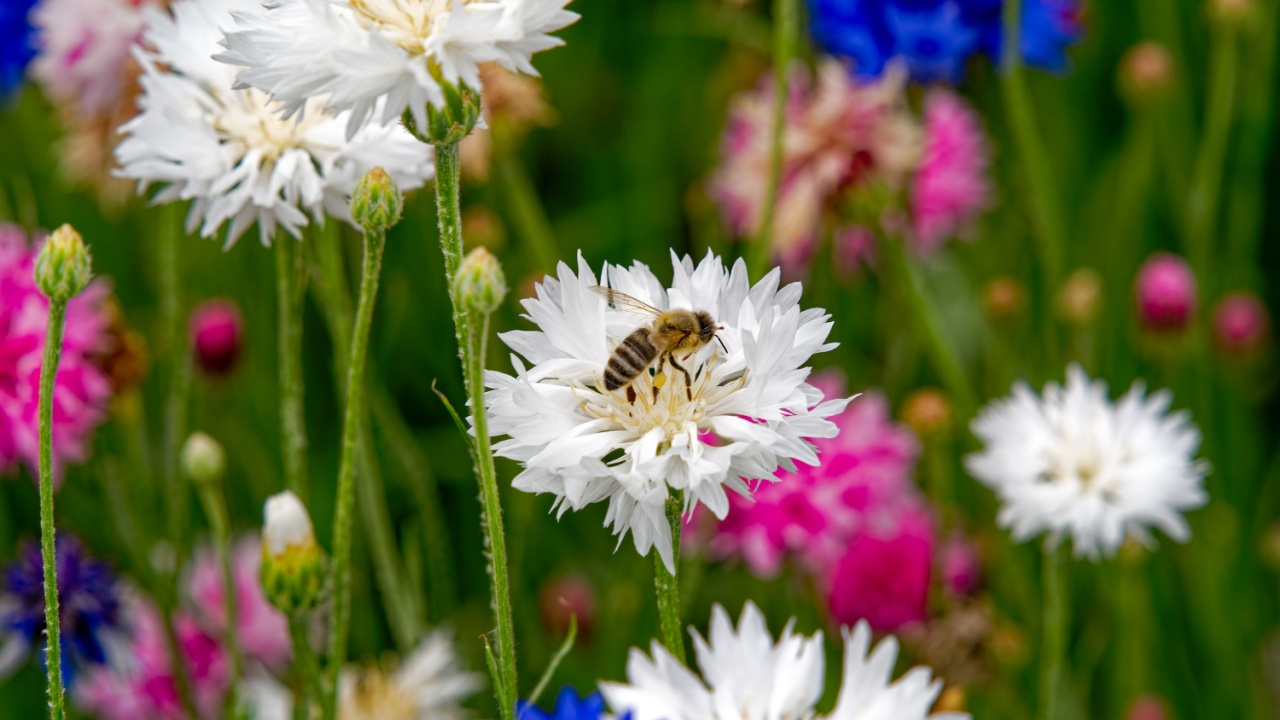
Image Credit: Shutterstock.com.
Also known as Bachelor’s Button, the cornflower is known for its intensely blue flowers, though it also comes in pink, white, and purple. This self-seeding annual provides a good source of nectar from late spring until the weather turns very cold, often blooming into November.
The bright flowers are highly attractive to bees and other pollinators. It’s important to note that in some regions, cornflower can be considered invasive. To be safe, consider planting it in containers or in a confined garden bed where you can manage its spread.
Quick Look:
- Plant Type: Hardy Annual
- Bloom Time: May to November
- Best For: Late-season nectar and vibrant color
- Care Tip: Grow in pots or confined areas to prevent unwanted spreading. Thrives in full sun.
12. Snapdragon
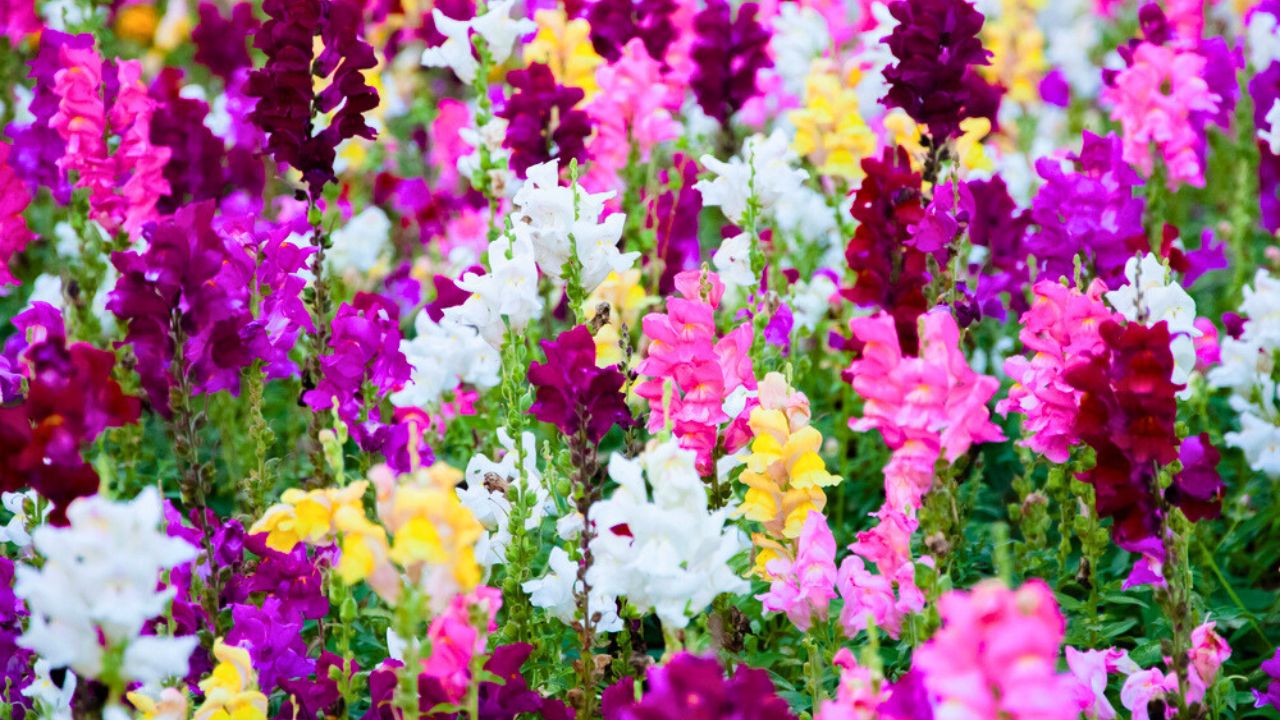
Image Credit: Shutterstock.
Snapdragons are beloved for their unique, snout-shaped flowers that delight both children and bumblebees. While typically grown as annuals, they can survive mild winters and act as short-lived perennials, offering blooms in both cool spring and fall weather.
Their bloom time often extends well into November, providing a late-season food source. The flower shape requires a strong bee, like a bumblebee, to push it open, making them a specialized and valuable food source for these important pollinators.
Quick Look:
- Plant Type: Hardy Annual (can overwinter in mild climates)
- Bloom Time: Spring and Fall, extending into November
- Best For: A specialized food source for bumblebees
- Care Tip: Prefers full sun and well-drained soil. Deadheading can encourage more blooms.
13. Garlic Chives
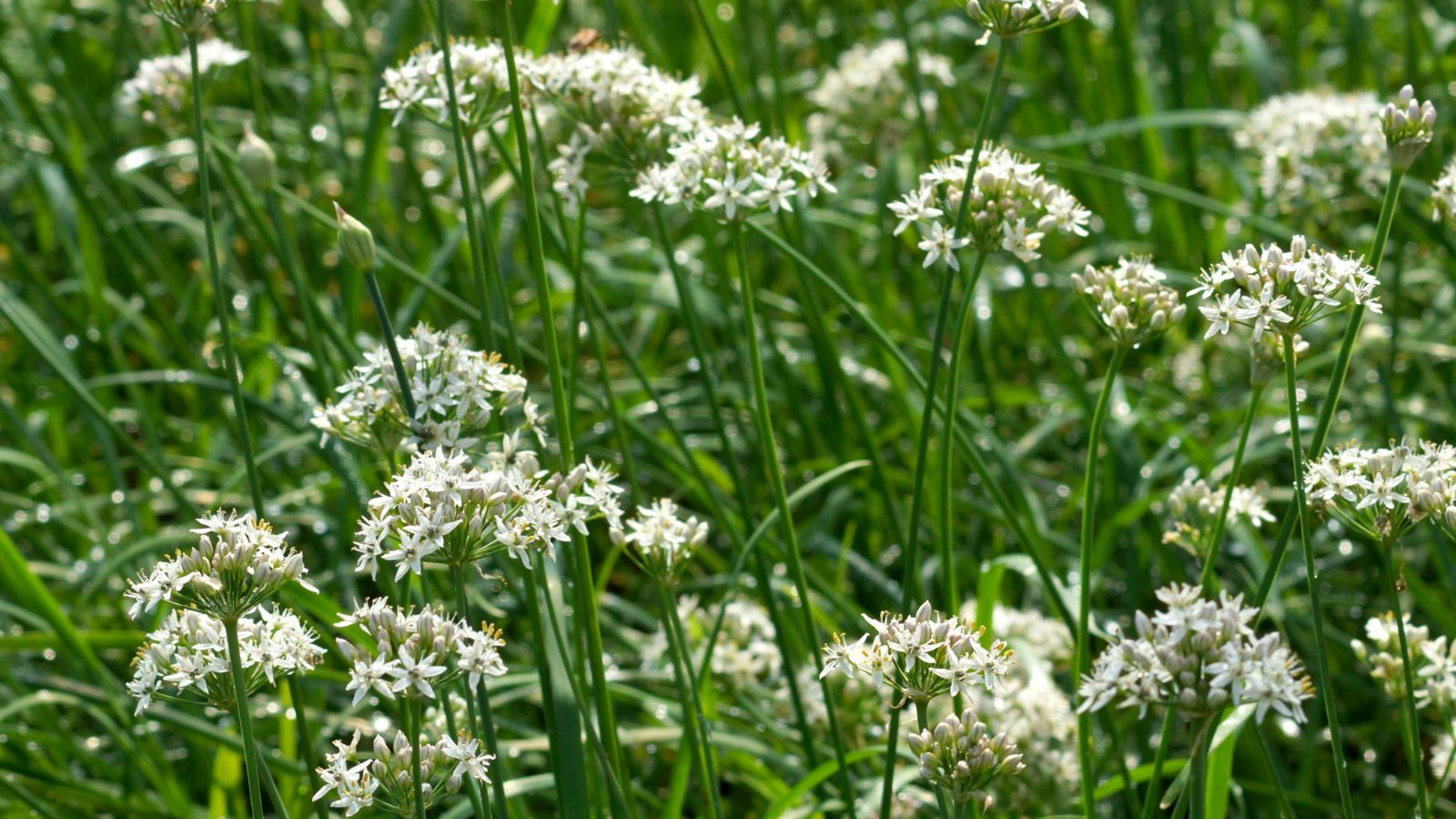
Image credit: YAY Images.
An incredibly useful and attractive herb, garlic chives (or Chinese chives) produce beautiful clusters of white, star-shaped flowers late in the season. Blooming from early summer until November, they provide a reliable food source when many other plants have finished for the year.
The flowers are lightly scented and attract a wide range of pollinators, including bees and butterflies. As a hardy perennial, garlic chives will return year after year with minimal effort, making them a sustainable choice for a bee-friendly garden.
Quick Look:
- Plant Type: Hardy Perennial Herb
- Bloom Time: June to November
- Best For: Late-season nectar for a variety of pollinators
- Care Tip: Very low maintenance. Plant in full sun to partial shade. Divide clumps every few years.
14. Verbena Bonariensis
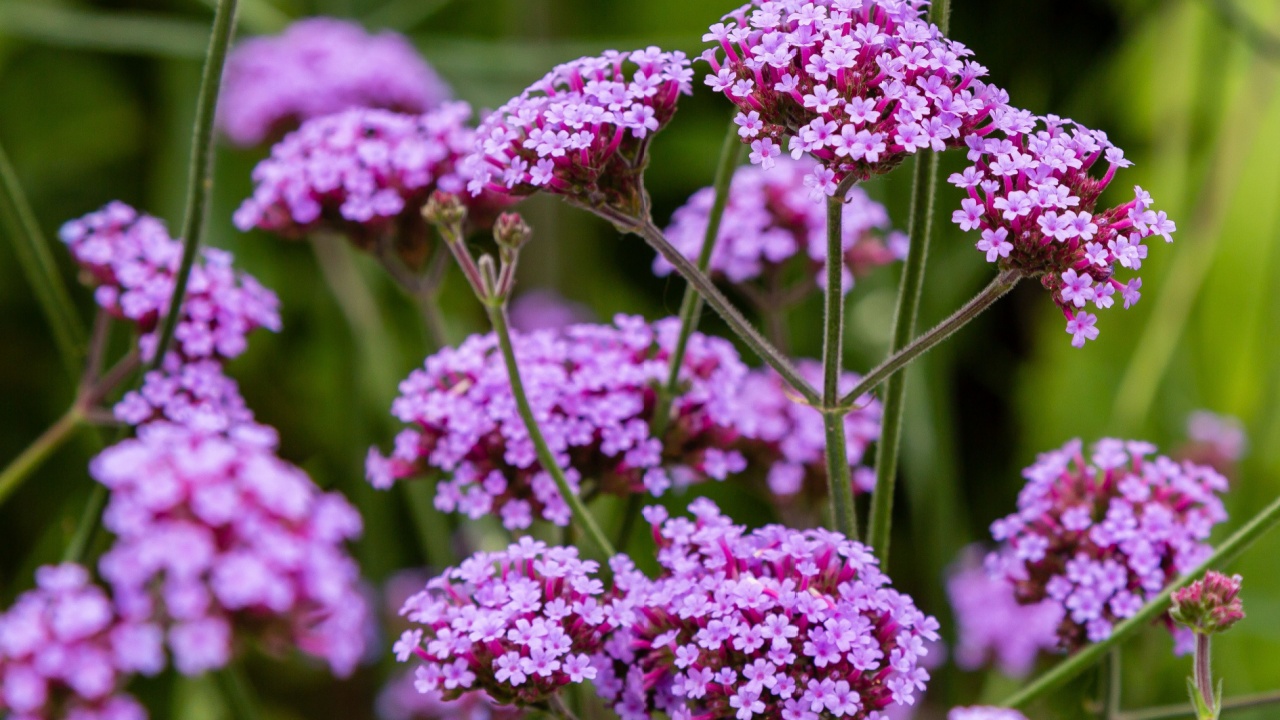
Image Credit: Shutterstock.
With its tall, wiry stems topped with clusters of tiny purple flowers, Verbena bonariensis adds an airy, elegant feel to the garden. It’s a long-blooming plant, flowering from early summer straight through to November.
The clusters of small flowers create a large target for bees and butterflies, offering many small sips of nectar in one place. While it is a perennial in warmer zones (7-11), it can be grown as a long-blooming annual in colder climates and often self-seeds politely.
Quick Look:
- Plant Type: Perennial (in zones 7-11) or Hardy Annual
- Bloom Time: June to November
- Best For: Attracting both bees and butterflies with its tall, clustered blooms
- Care Tip: Thrives in full sun and well-drained soil. Leave the seed heads for winter interest and self-seeding.
A Bee-Friendly Winter Garden
Image Credit: Shutterstock.
Supporting our buzzing friends through the winter doesn’t require a complete garden overhaul. You can start small and make a significant difference.
Your first step is to assess your space. Look for sunny spots, shady corners, and areas that could house a container or two. Next, choose two or three plants from this list that suit your conditions and personal style. Aim for a mix of bloom times—perhaps an early bulb like crocuses, a late-blooming perennial like hardy fuchsia, and a winter-flowering shrub like heather. This creates a successive bloom that provides food across the coldest months.
When planting, remember that clusters are better than single plants. A large patch of heather or a drift of snowdrops is much more visible and efficient for a foraging bee. As you plan for next spring, consider how you can incorporate even more of these pollinator-friendly powerhouses into your garden design. Every flower counts.