
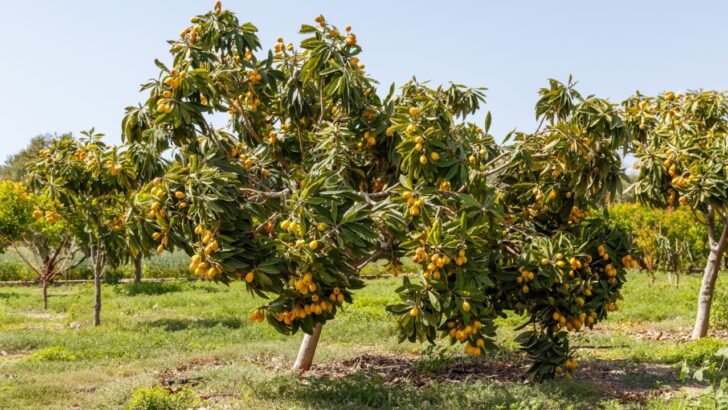
Dreaming of stepping into your backyard to pick fresh, juicy fruit straight from the tree? It might seem like a project reserved for seasoned gardeners with more free time (especially when harvest time comes around). Many fruit trees are surprisingly easy to care for, rewarding you with a delicious harvest without demanding constant attention. These trees are perfect for anyone looking to add beauty and bounty to their outdoor space.
Growing your own fruit is a rewarding experience that connects you with your food and enhances your garden. You get to enjoy produce at its peak freshness, free from pesticides and long transit times. This guide will walk you through 21 of the best low-maintenance fruit trees that thrive with minimal fuss, verified by our own experience and other trusted gardeners.
Note: Many of these trees require a warmer growing zone to bear fruit, always check with your growing zone requirements before planting.
1. Apple Tree
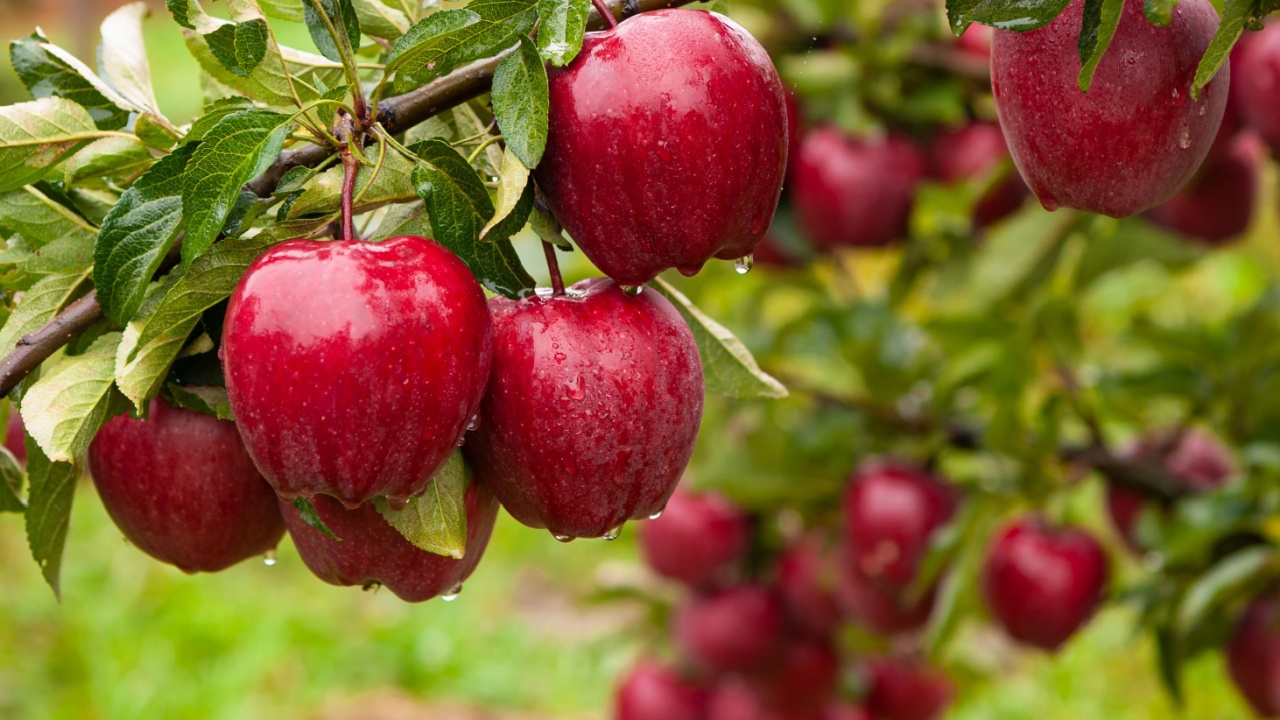
Image Credit: Shutterstock.
The classic apple tree is a staple in home gardens for a reason. It’s one of the most adaptable fruit trees, capable of growing in a wide range of climates. Beyond the iconic fruit, these trees produce beautiful spring blossoms that bring a touch of elegance to any yard. With so many varieties available, from sweet to tart, you can choose the perfect apple for eating fresh, baking pies, or making cider.
Many modern apple tree varieties are bred for disease resistance, which significantly cuts down on maintenance. They are relatively forgiving and can handle different soil types, as long as the area is well-drained. Minimal pruning is needed once the tree is established, mainly just to remove any dead or crossing branches to ensure good air circulation.
Quick Guide:
- Why it’s easy: Highly adaptable, many disease-resistant varieties available, and tolerates various soils.
- Care tips: Plant in full sun (at least 6-8 hours daily). Water regularly during the first year to establish roots. Prune in late winter to maintain shape and airflow.
- Next steps: Research apple varieties that are well-suited for your specific climate zone. Check if you need a second tree for cross-pollination.
2. Pear Tree
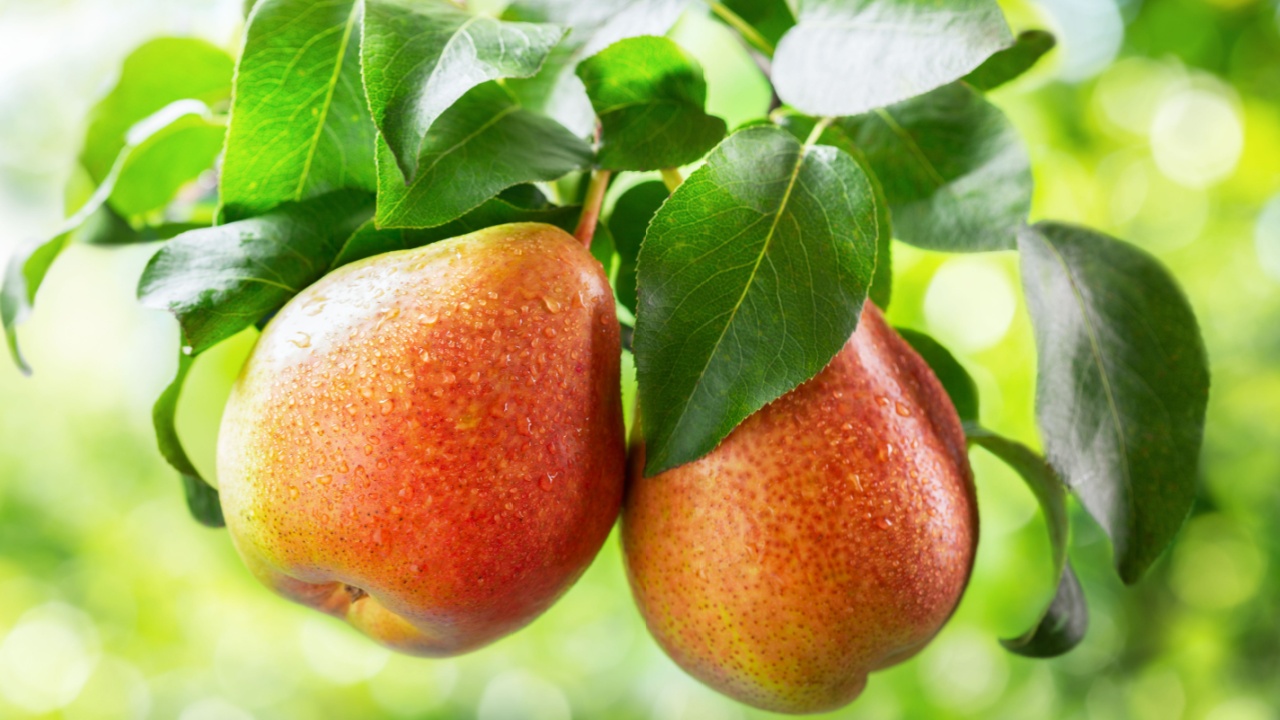
Image Credit: Shutterstock.
Much like apples, pear trees are hardy and can flourish with little intervention. They are known for their longevity and structural beauty, often growing into a lovely pyramid shape. Pear trees are less prone to pests and diseases than many other fruit trees, making them an excellent choice for an organic or low-spray garden.
Once established, pear trees are quite drought-tolerant. They produce sweet, juicy fruit that is perfect for canning, baking, or enjoying straight off the branch. While some varieties are self-pollinating, planting two different kinds that bloom at the same time will often result in a much larger harvest.
Quick Guide:
- Why it’s easy: Hardy, long-lived, and naturally resistant to many common pests.
- Care tips: Prefers full sun and well-drained soil. Water deeply but infrequently after the first year. Lightly prune to shape the tree and remove suckers from the base.
- Next steps: Explore European and Asian pear varieties to find a flavor and texture profile you love. Plan your planting location to accommodate its mature size.
3. Fig Tree

Image Credit: Shutterstock.
Bringing a touch of Mediterranean charm, the fig tree is a fantastic option for gardeners who want an exotic fruit without the hassle. Figs are vigorous growers and can produce two crops a year in warmer climates. They are surprisingly tough and can be grown in the ground or in large containers, which is ideal for smaller spaces or colder regions where they can be moved indoors for winter.
Fig trees require very little care once established. They are drought-tolerant and rarely bothered by pests or diseases. Most common varieties are self-pollinating, so you only need one tree to enjoy a bounty of sweet, rich figs.
Quick Guide:
- Why it’s easy: Drought-tolerant, pest-resistant, and adaptable to container growing.
- Care tips: Provide at least 8 hours of direct sunlight. Let the soil dry out slightly between waterings. Prune lightly to control size and encourage new growth.
- Next steps: Choose a variety known for its productivity in your zone, like ‘Brown Turkey’ or ‘Celeste’. If using a container, select one that is at least 20 gallons.
4. Cherry Tree
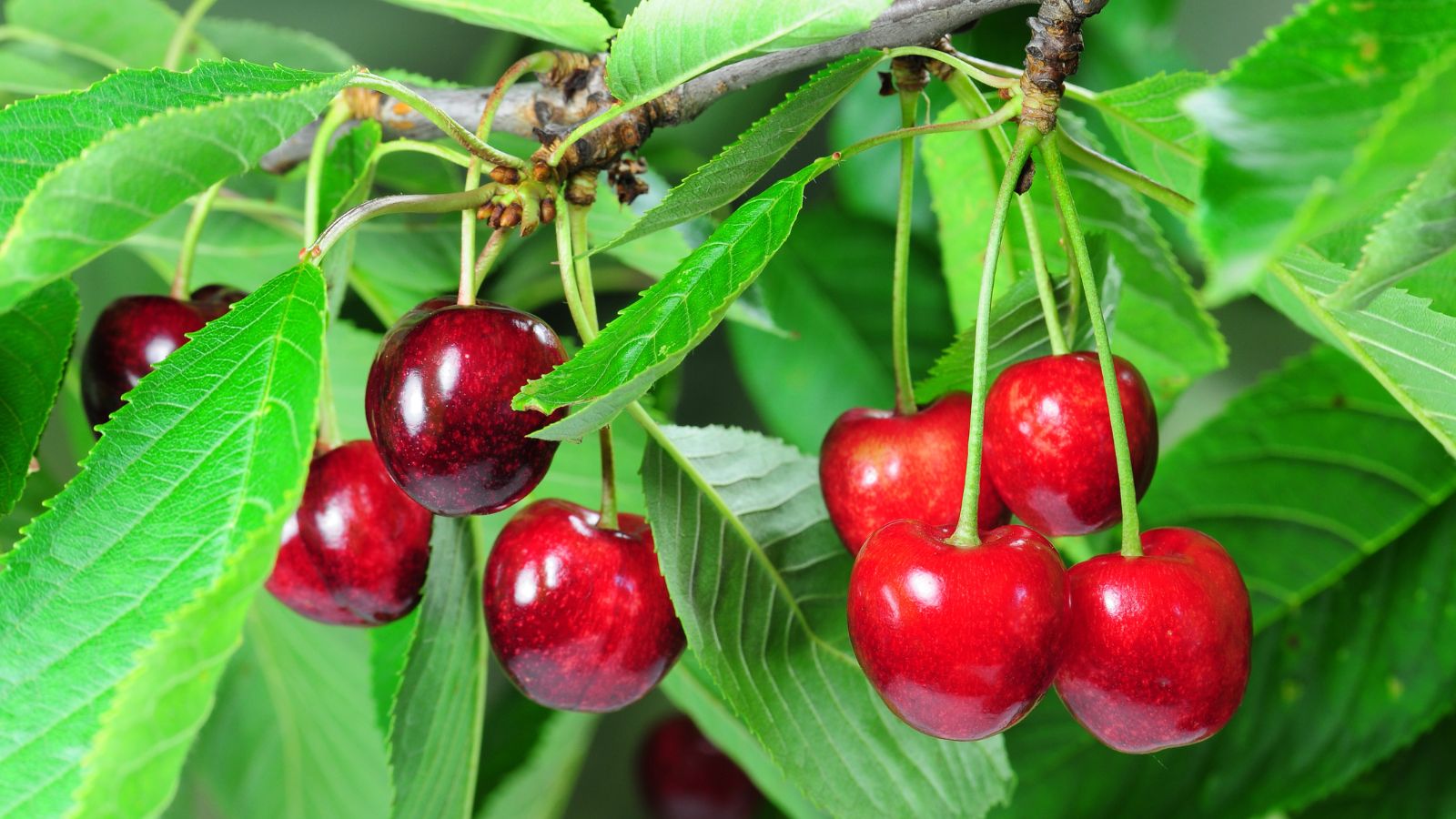
Image Credit: Depositphotos.com.
Cherry trees offer a dual reward: stunning spring blossoms and delicious summer fruit. There are two main types—sweet cherries for fresh eating and tart (or sour) cherries for pies and preserves. Tart cherry trees are generally more low-maintenance and are often self-fertile, meaning you only need one tree to get fruit.
These trees are quite resilient and adapt well to various environments. Once they have a strong root system, they are fairly drought-resistant. Their main requirement is well-drained soil, as they don’t like to have “wet feet.” With just a bit of care, a single cherry tree can provide more than enough fruit for your family to enjoy.
Quick Guide:
- Why it’s easy: Tart varieties are often self-pollinating and hardy. Drought-resistant once established.
- Care tips: Plant in a sunny spot with good air circulation to prevent fungal issues. Protect young trees from birds with netting as fruit ripens.
- Next steps: Decide between sweet and tart cherries based on your culinary preferences. If you choose a sweet variety, confirm whether it needs a pollinator partner.
5. Lemon Tree

Image Credit: Shutterstock.
A lemon tree brings a burst of citrus fragrance and color to your garden or patio. Dwarf varieties are particularly easy to manage and can be grown in pots, allowing you to bring them indoors during winter in colder climates. Having fresh lemons on hand for cooking, drinks, and cleaning is a simple luxury that’s easy to achieve.
Lemon trees are relatively pest-resistant and require minimal pruning. Their primary needs are plenty of sunlight and protection from frost. They prefer their soil to be consistently moist but not waterlogged. With these basic conditions met, a lemon tree can produce fruit almost year-round.
Quick Guide:
- Why it’s easy: Thrives in containers, is naturally pest-resistant, and can fruit year-round.
- Care tips: Requires at least 8-12 hours of sunlight. Use a well-draining potting mix designed for citrus. Fertilize during the growing season.
- Next steps: Select a dwarf variety like ‘Meyer’ or ‘Improved Ponderosa’ for container growing. Find the sunniest spot on your patio or in your yard.
6. Plum Tree
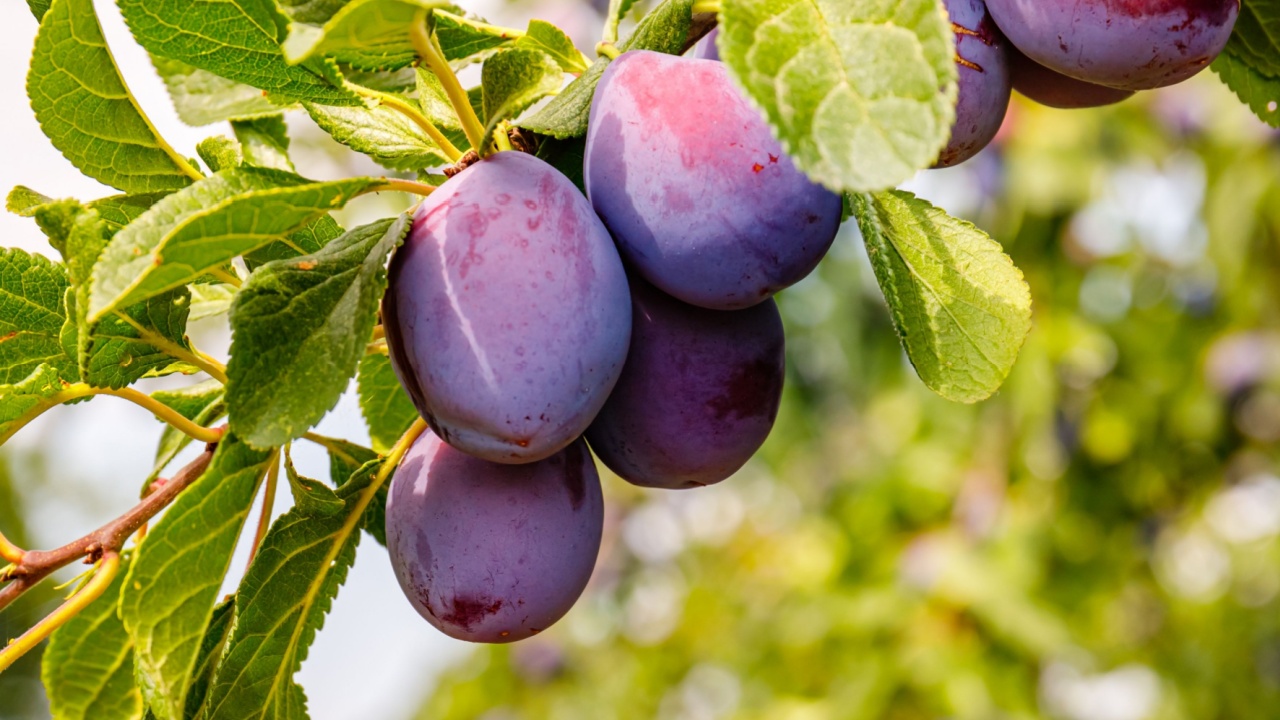
Image Credit: Shutterstock.
Plum trees are remarkably easygoing and reliable producers. They come in a wide range of flavors, from super sweet to pleasantly tart, and the fruit is wonderful for eating fresh, drying, or making jams. European plum varieties are often self-fertile and more cold-hardy, making them an excellent choice for beginners in cooler climates.
These trees are tolerant of various soil types and don’t require much fertilizer. They are self-sufficient and benefit from a simple pruning schedule to keep them open and airy. Their beautiful spring blossoms are an added bonus, attracting pollinators to your garden early in the season.
Quick Guide:
- Why it’s easy: Tolerant of different soil types, requires minimal fertilizer, and many varieties are self-fertile.
- Care tips: Provide full sun exposure. Water during dry spells, especially when fruit is developing. Thinning young fruit can lead to larger, healthier plums at harvest.
- Next steps: Choose a European plum variety like ‘Stanley’ or ‘Italian Prune’ for a reliable, self-pollinating option.
7. Mulberry Tree

Image Credit: Shutterstock.
If you want a tree that produces an abundance of fruit with almost zero effort, look no further than the mulberry. These trees are fast-growing, tough, and adaptable to a wide range of conditions, including poor soil and drought. They produce berries that taste like a cross between a blackberry and a raspberry.
Mulberry trees are so low-maintenance that they often thrive on neglect. They are highly pest and disease-resistant. The main “work” involved is harvesting the berries before the birds get to them. Be mindful of where you plant it, as the dark berries can stain sidewalks and patios.
Quick Guide:
- Why it’s easy: Extremely hardy, fast-growing, and thrives on neglect.
- Care tips: Plant in full sun. Water is only needed during prolonged droughts once established. Pruning is optional but can help control its size.
- Next steps: Look for a dwarf ‘Everbearing’ variety for a manageable size and a long harvest season. Place a tarp under the tree during harvest to easily collect the fruit.
8. Persimmon Tree
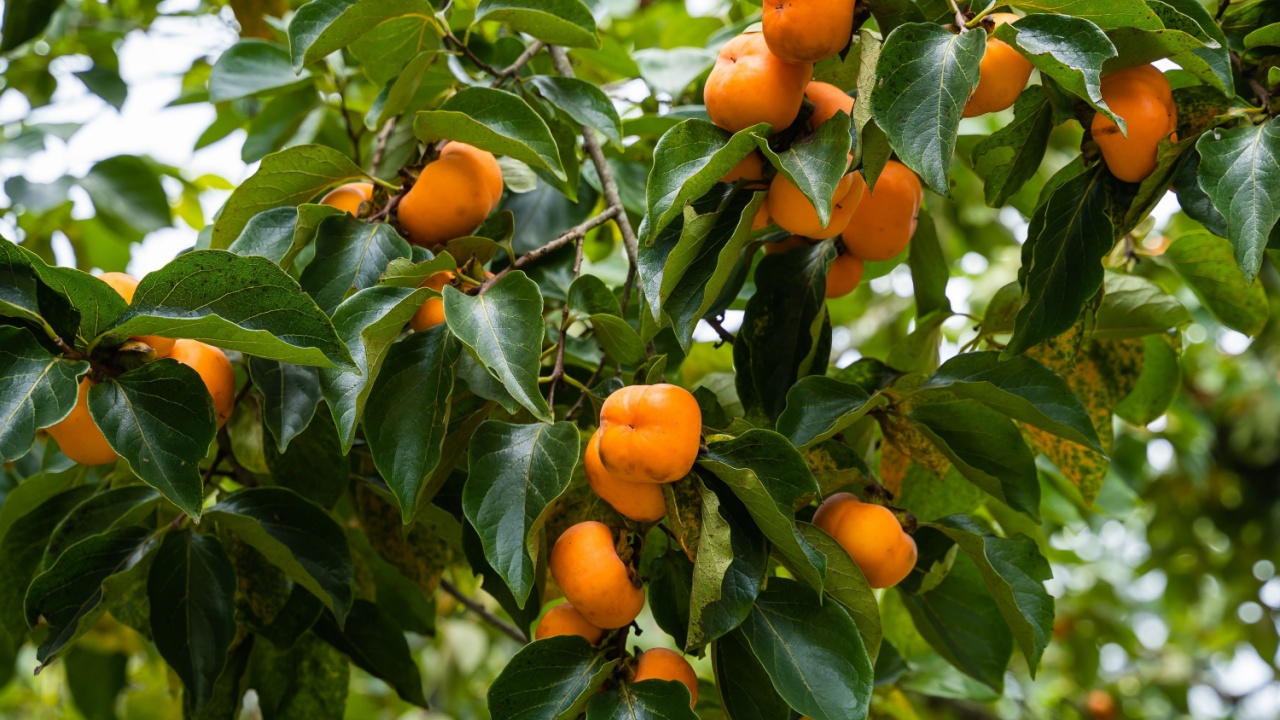
Image Credit: Shutterstock.
Persimmon trees are not only productive but also highly ornamental, with beautiful glossy leaves and stunning fall color. Their sweet, honey-like fruit ripens in the autumn, extending the fresh fruit season. There are two main types: astringent (which must be fully soft to eat) and non-astringent (which can be eaten crisp like an apple).
These trees are very low-maintenance, with few pest problems and a high tolerance for different soil types. They are also drought-tolerant once established. Persimmons require almost no pruning, and their unique, sculptural branches look great in the winter landscape.
Quick Guide:
- Why it’s easy: Few pest issues, drought-tolerant, and requires virtually no pruning.
- Care tips: Needs full sun for best fruit production. Let astringent varieties soften completely before eating.
- Next steps: Choose between an astringent variety like ‘Hachiya’ or a non-astringent one like ‘Fuyu’. American persimmons are more cold-hardy if you live in a cooler zone.
9. Blueberry Bush
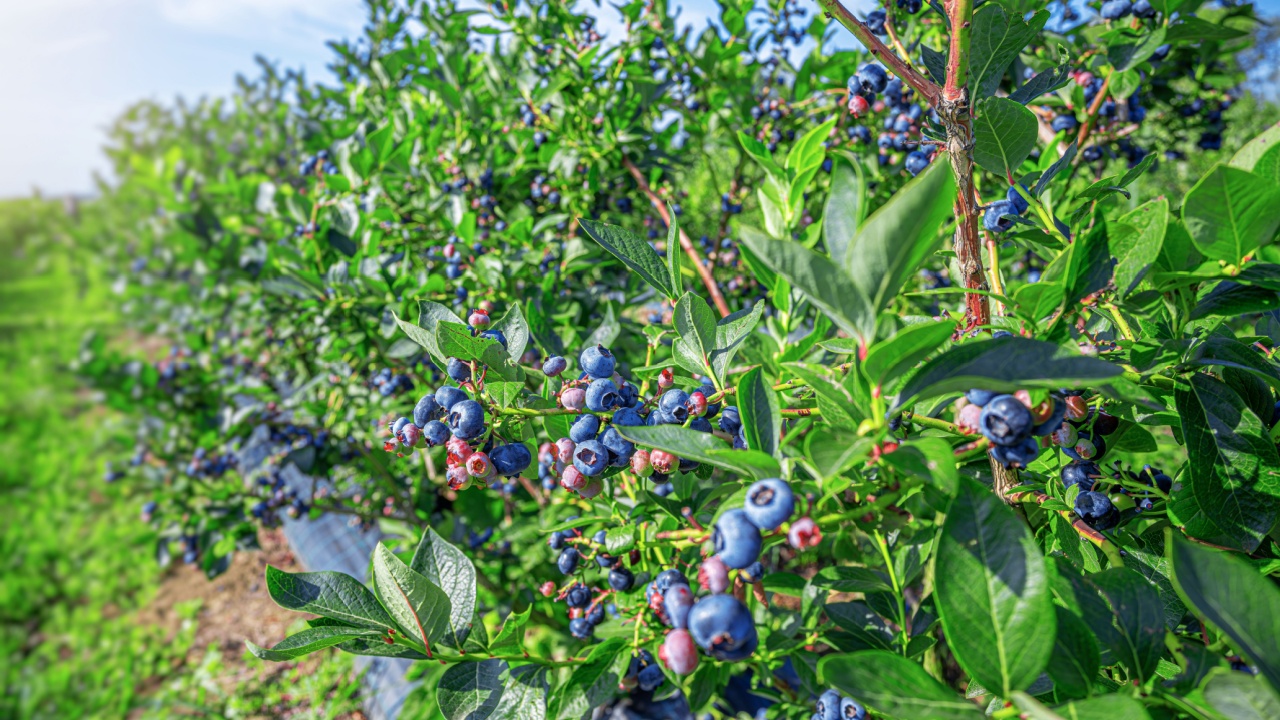
Image Credit: Shutterstock.
While not technically a tree, blueberry bushes are a must-have for any low-maintenance fruit garden. These hardy shrubs provide delicious, antioxidant-rich berries with minimal fuss. They also offer four-season interest, with delicate spring flowers, summer fruit, fiery fall foliage, and reddish winter stems.
The key to happy blueberries is acidic soil. If your soil isn’t naturally acidic, they grow wonderfully in containers filled with an acidic potting mix. They have shallow root systems, so they appreciate a layer of mulch to retain moisture. Once established, they are long-lived and produce reliably for decades.
Quick Guide:
- Why it’s easy: Hardy shrubs with few pests, great for container gardening.
- Care tips: Plant in acidic soil (pH 4.5-5.5) and full sun. Keep the soil consistently moist. Use a fertilizer formulated for acid-loving plants.
- Next steps: Test your soil’s pH or plan to grow in containers. Planting at least two different varieties will improve pollination and yield.
10. Pawpaw Tree
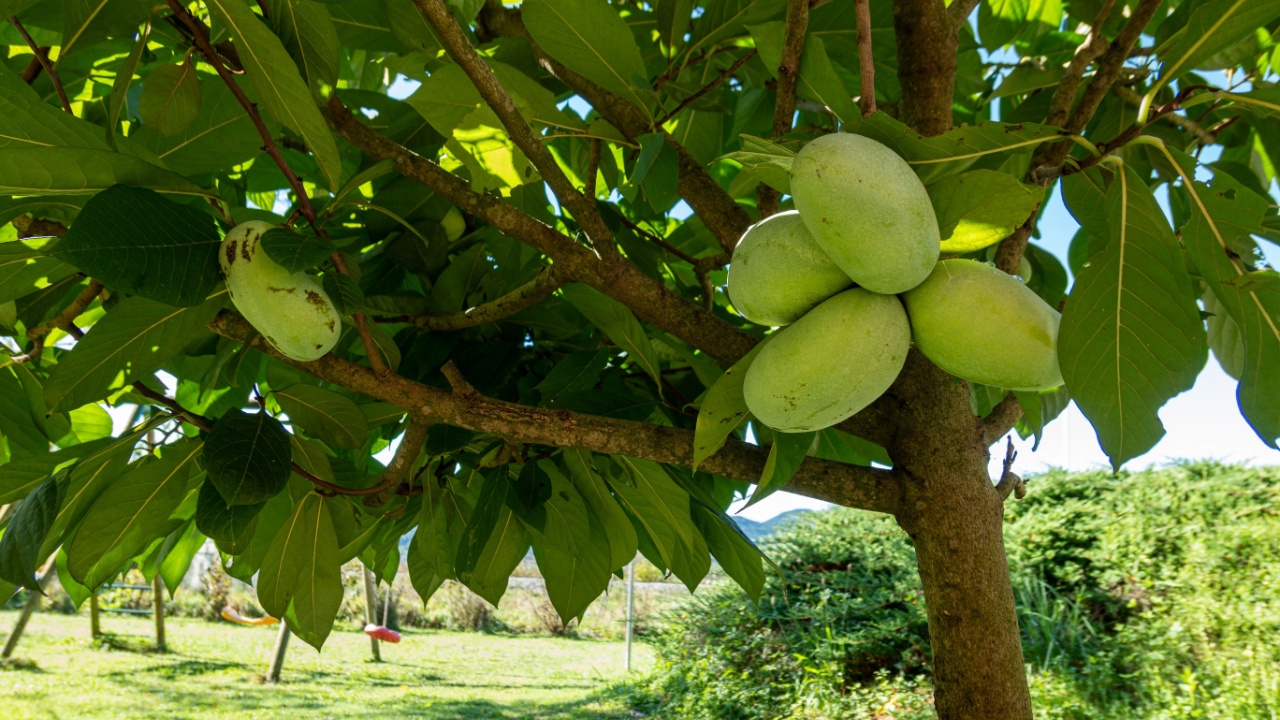
Image Credit: Shutterstock.
For a truly unique, native North American fruit, try growing a pawpaw tree. Often called the “poor man’s banana,” its fruit has a creamy, custard-like texture with a tropical flavor reminiscent of banana, mango, and cantaloupe. These slender, small trees are naturally understory plants, so they can tolerate partial shade.
Pawpaw trees have very few pest problems because their leaves contain natural compounds that deter insects and deer. They are low-maintenance and require little to no pruning. While they can be slow to start, they are very rewarding once they begin to fruit.
Quick Guide:
- Why it’s easy: Native, pest- and deer-resistant, and tolerates partial shade.
- Care tips: Prefers rich, moist, well-drained soil. Protect young trees from intense sun for the first two years. You’ll need two genetically different trees for cross-pollination.
- Next steps: Purchase two unrelated saplings from a nursery to ensure you get fruit. Choose a spot with morning sun and afternoon shade if possible.
11. Jujube Tree
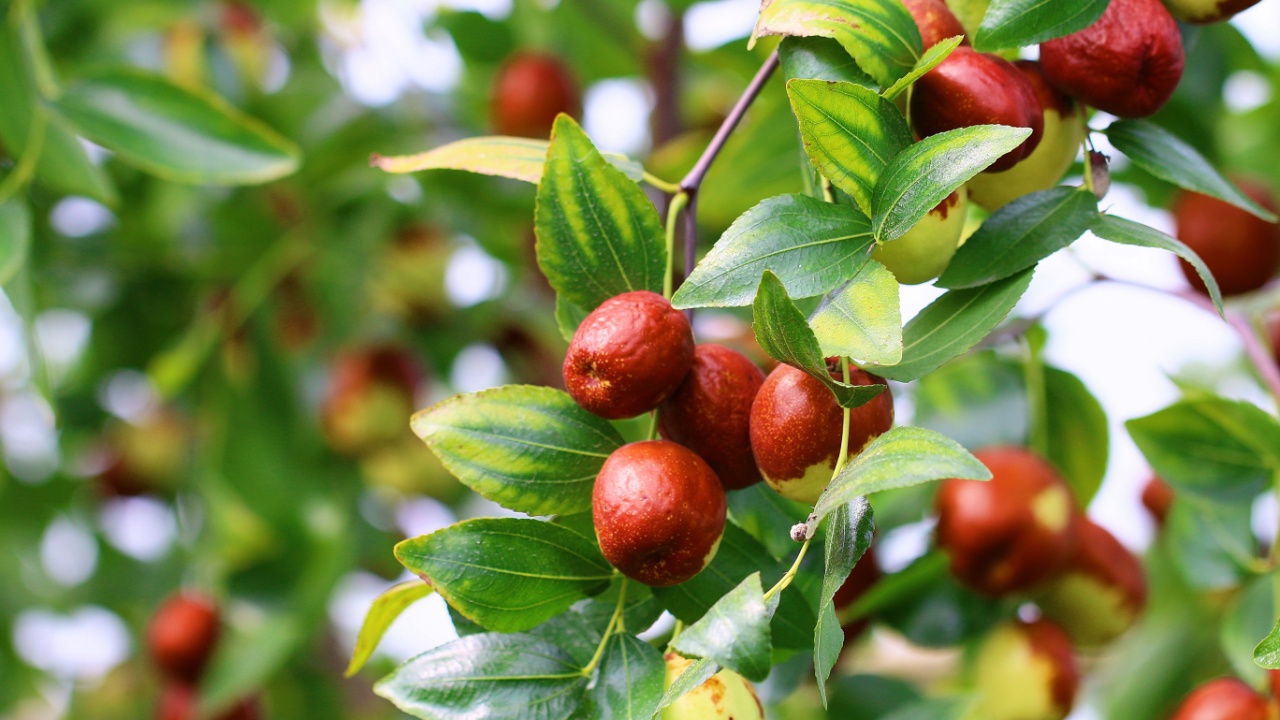
Image Credit: Shutterstock.
Also known as the Chinese date, the jujube tree is an excellent choice for hot, dry climates. These tough, resilient trees are incredibly drought-tolerant and can handle a wide range of soil types, from sandy to clay. The fruit is crisp and sweet when fresh, and when dried, it develops a chewy texture and date-like flavor.
Jujube trees are virtually pest-free and require minimal pruning, mostly just to remove any suckers or shape the tree. They have attractive, glossy leaves and thorny branches, making them a good option for a defensive hedge. Most varieties are self-fertile, so you can get a good crop from a single tree.
Quick Guide:
- Why it’s easy: Extremely drought-tolerant, handles poor soil, and is pest-free.
- Care tips: Needs full, hot sun to produce well. Water deeply but infrequently.
- Next steps: Find a spot in your yard that gets relentless sun. Look for popular varieties like ‘Li’ or ‘Lang’.
12. Pomegranate Tree
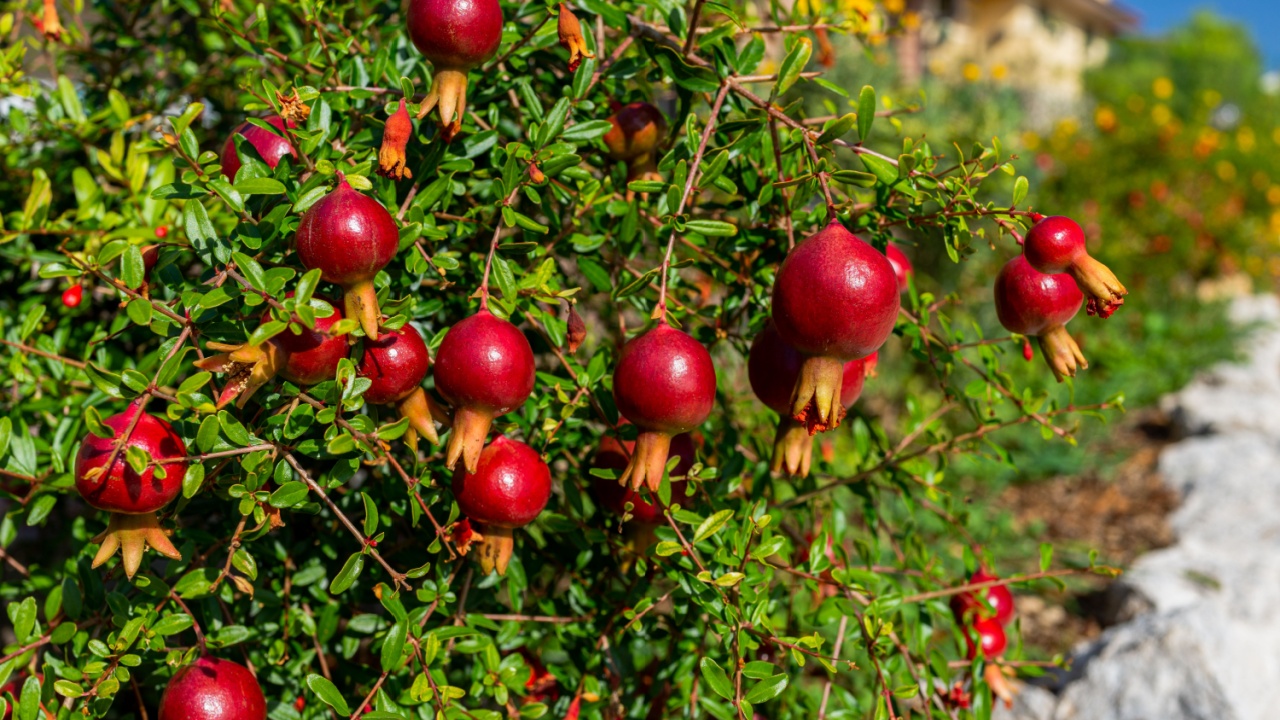
Image Credit: Shutterstock.
Pomegranates are beautiful, shrub-like trees that offer ornamental red-orange flowers followed by unique, antioxidant-rich fruits. They are well-suited to warm, arid climates and are exceptionally drought-tolerant once established. Their arching branches and vibrant fruit make them a stunning addition to an edible landscape.
These trees thrive on a bit of neglect and are resistant to most pests. They can be grown as a large shrub or pruned into a small, single-trunk tree. Pomegranates don’t need particularly rich soil and can produce for many years with minimal care.
Quick Guide:
- Why it’s easy: Very drought-tolerant, thrives in poor soil, and has few pest problems.
- Care tips: Requires full sun and heat for the best fruit. Prune to remove suckers and dead wood in late winter.
- Next steps: Choose a variety known for its flavor, like ‘Wonderful’. Ensure your chosen spot has excellent drainage.
13. Loquat Tree
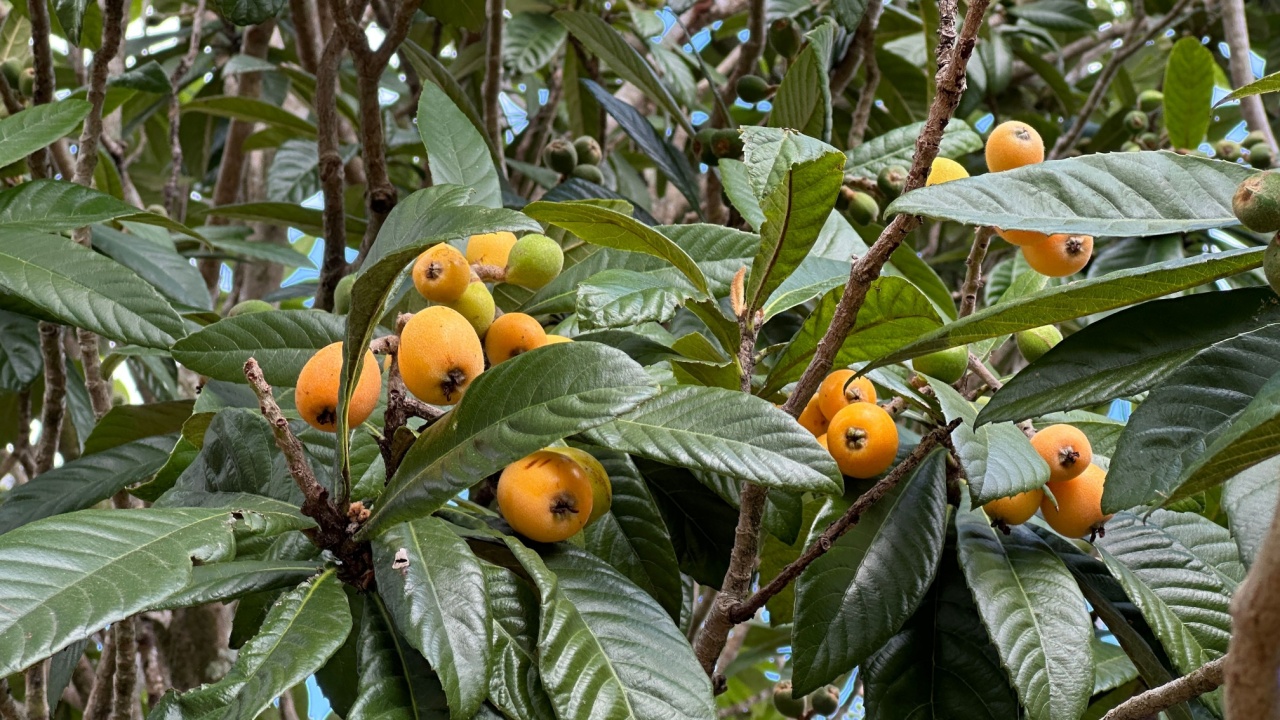
Image Credit: Shutterstock.
The loquat is a beautiful subtropical evergreen that produces small, tangy, and sweet fruits in late spring. It’s often one of the first fruits to ripen in the garden. Its large, tropical-looking leaves add a lush feel to the landscape year-round.
Loquats are very easy to grow, being drought-tolerant and adaptable to various soils. They are resistant to most pests and diseases and require little pruning. They grow quickly and can start producing fruit within a few years of planting.
Quick Guide:
- Why it’s easy: Drought-tolerant, fast-growing, and pest-resistant.
- Care tips: Plant in full sun to light shade. Protect from strong winds to prevent leaf damage.
- Next steps: While often self-fertile, planting another nearby can increase fruit set. Be prepared to protect the fruit from birds.
14. Olive Tree
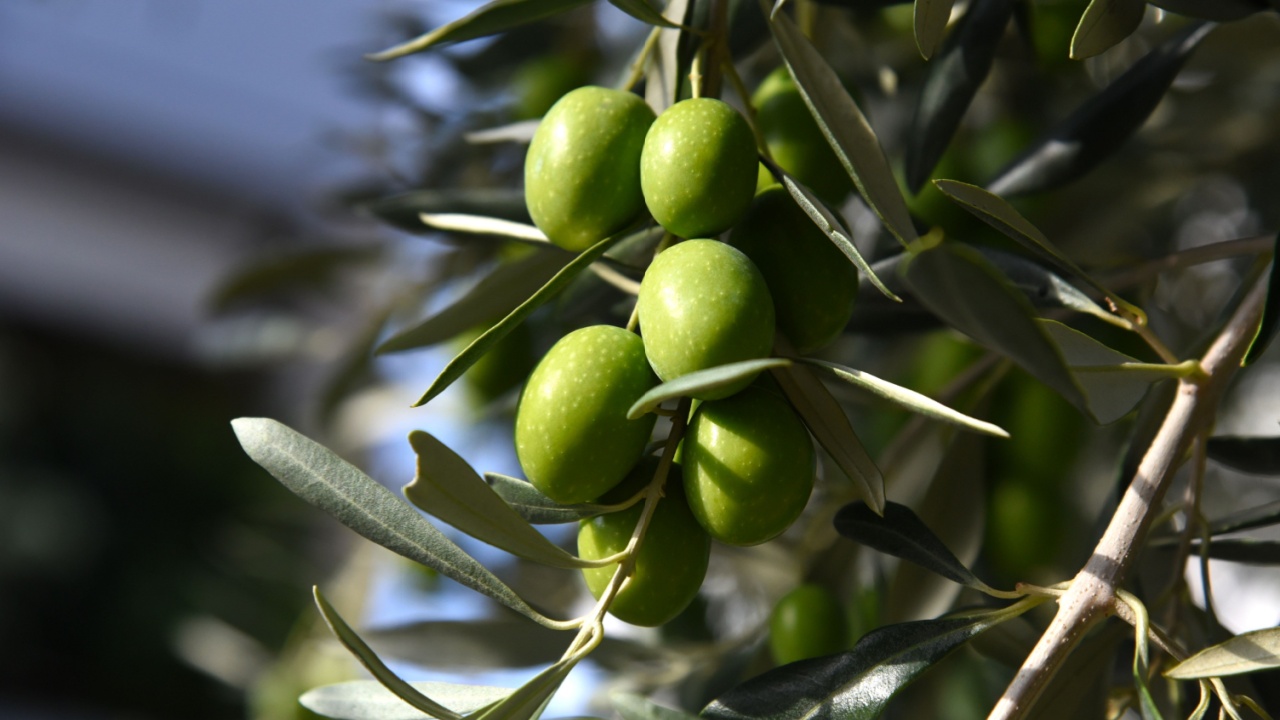
Image Credit: Shutterstock.
A symbol of peace and longevity, the olive tree is an incredibly tough and beautiful plant. It’s known for its silvery-green foliage and gnarled trunk that becomes more character-filled with age. They are extremely drought-tolerant and thrive in hot, dry summers.
Olive trees require minimal watering and can flourish even in poor, rocky soil. They are naturally resistant to most pests and diseases. While they can be grown for their fruit (for curing or pressing into oil), they are also widely used as stunning ornamental trees that need almost no care.
Quick Guide:
- Why it’s easy: Exceptionally drought-tolerant, thrives in poor soil, and has a long lifespan.
- Care tips: Needs full sun and excellent drainage. Minimal pruning is required.
- Next steps: Research varieties suited for your climate. ‘Arbequina’ is a popular, compact, and self-fertile option for home gardens.
15. Quince Tree
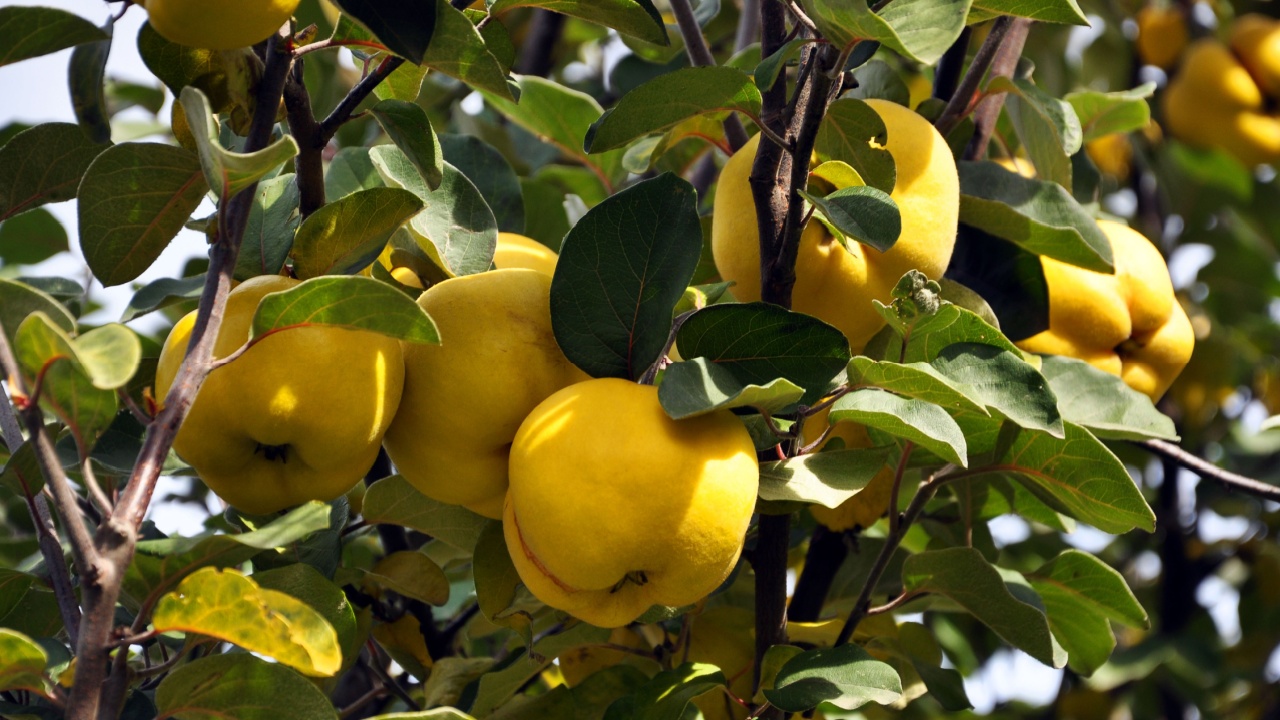
Image Credit: Shutterstock.
An old-fashioned fruit that deserves a comeback, the quince is a small, resilient tree that is both ornamental and productive. It produces beautiful, large pinkish-white blossoms in spring, followed by fragrant, yellow fruits in the fall. Quince fruit is too hard and astringent to eat raw, but when cooked, it transforms into a fragrant, pink-hued delight perfect for jellies, pastes, and baking.
Quince trees are self-fertile and tolerate a range of soil conditions. They are fairly pest-resistant and require minimal pruning once they have established their shape. Their hardy nature makes them a reliable choice for a low-maintenance orchard.
Quick Guide:
- Why it’s easy: Self-fertile, tolerates various soils, and has good pest resistance.
- Care tips: Plant in full sun. Provide regular water during dry periods for best fruit size.
- Next steps: Find a sunny spot for this small but beautiful tree. Look up recipes for quince paste (membrillo) or jam to get excited for your first harvest.
16. Peach Tree
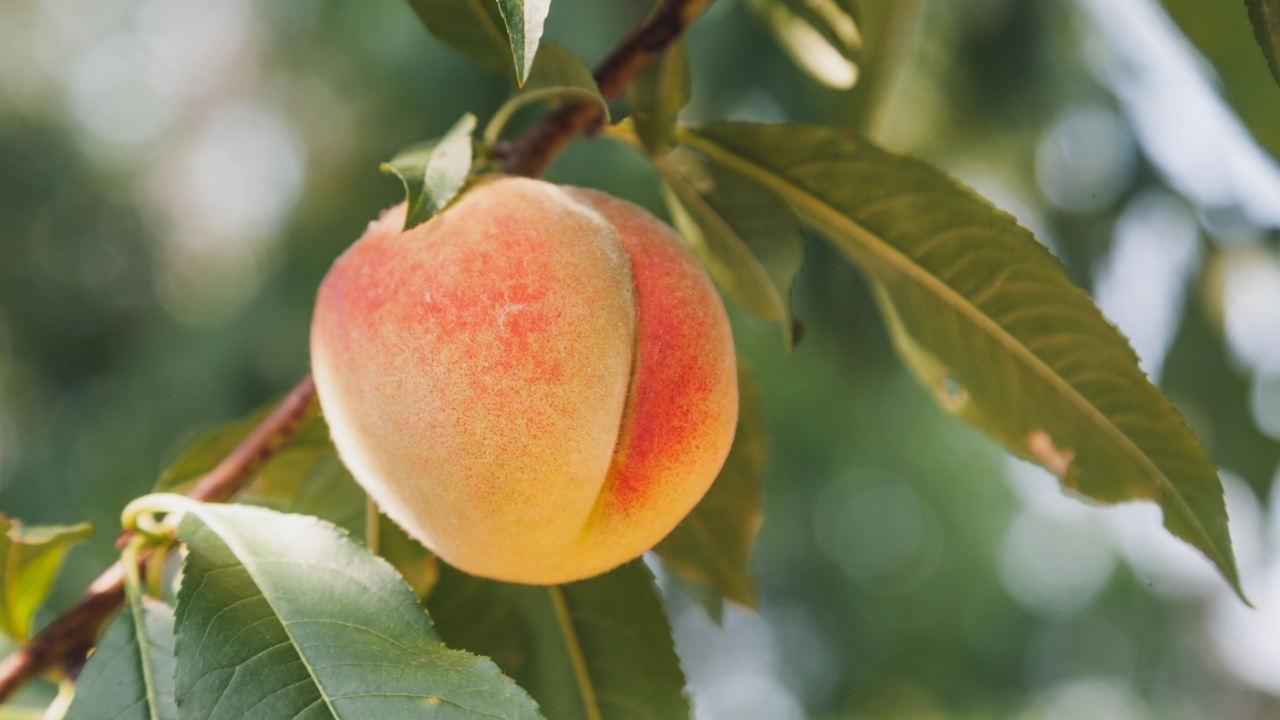
Image Credit: Shutterstock.
Nothing says summer like a tree-ripened peach. While some varieties can be prone to pests, choosing a disease-resistant cultivar and planting it in the right spot makes growing peaches surprisingly straightforward. They love heat and sun, and dwarf varieties are perfect for smaller yards or large containers.
The key to a healthy peach tree is good air circulation, which helps prevent fungal diseases like peach leaf curl. Planting in an open, sunny location and performing a yearly pruning to maintain an open, vase-like shape will set you up for success.
Quick Guide:
- Why it’s easy: Many disease-resistant varieties exist, and they are self-fertile.
- Care tips: Requires full sun and excellent drainage. Prune annually in late winter to create an open center.
- Next steps: Research disease-resistant varieties recommended for your region, such as ‘Reliance’ or ‘Contender’.
17. Avocado Tree

Image Credit: Shutterstock.
Growing your own avocados is the ultimate reward for any gardener. While they require a frost-free climate to thrive outdoors, certain varieties can be grown in containers and protected during winter. They need well-draining soil and consistent moisture but are otherwise fairly low-maintenance.
Avocado trees are pest-resistant and don’t require much pruning. The biggest challenge is often pollination. Some varieties are ‘Type A’ and others are ‘Type B’; planting one of each can dramatically increase your harvest, although some, like ‘Hass’, can produce a decent crop on their own.
Quick Guide:
- Why it’s easy: Pest-resistant and requires infrequent pruning.
- Care tips: Needs well-drained soil and protection from frost and strong winds. Water consistently, but don’t let the soil become soggy.
- Next steps: Determine your climate’s suitability. If you are in a borderline zone, consider a more cold-hardy variety like ‘Mexicola’ and plant it in a protected spot.
18. Guava Tree
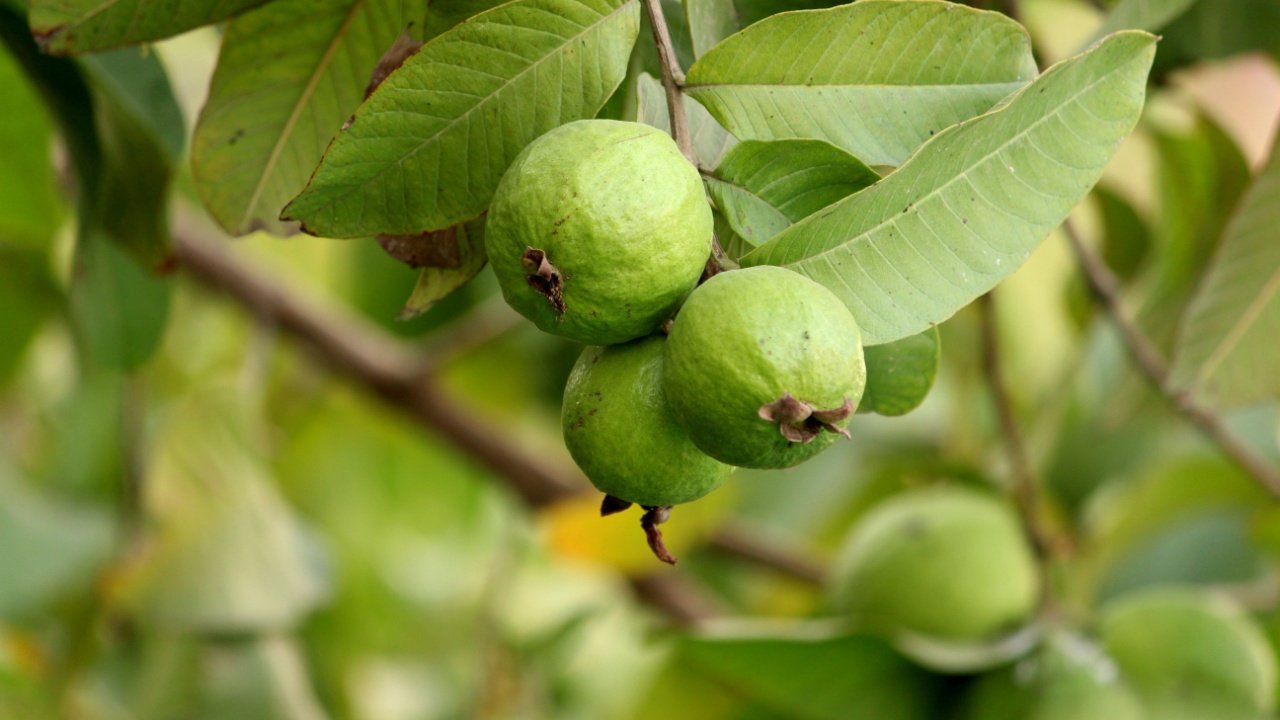
Image Credit: Shutterstock.
Guava trees bring a taste of the tropics to your backyard with their aromatic, sweet fruits. These small trees or shrubs are fast-growing and can start producing fruit in just a couple of years. They are quite hardy and can tolerate a bit of drought once established.
Guavas are not picky about soil and have few serious pest problems. They can be pruned to maintain a manageable size, making them suitable for smaller gardens or large pots. The fruit is delicious, eaten fresh or used in juices, jams, and desserts.
Quick Guide:
- Why it’s easy: Adaptable to different soils, fast-growing, and drought-tolerant.
- Care tips: Thrives in full sun. Protect from frost. Water regularly for best fruit production.
- Next steps: Choose a variety based on your taste preference—some have pink flesh, others white. They can be easily grown from seed if you’re feeling adventurous.
19. Starfruit Tree
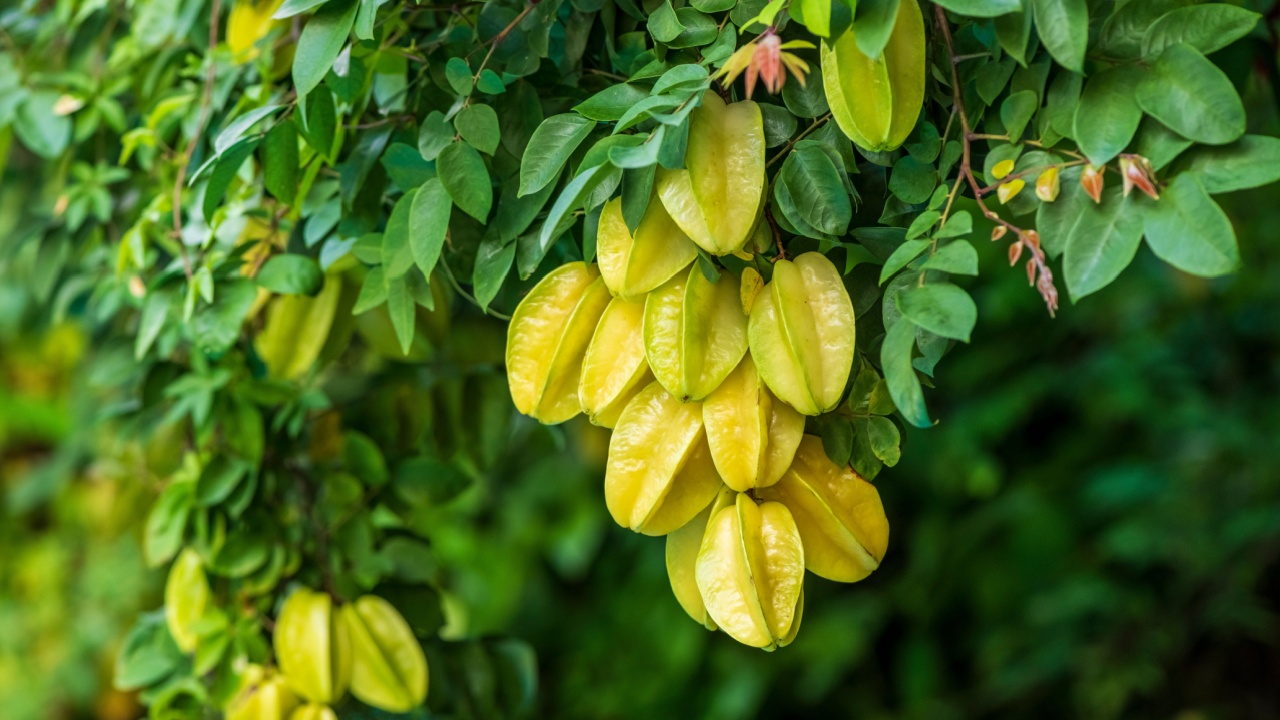
Image Credit: Shutterstock.
The starfruit, or carambola, is a beautiful tree that produces uniquely shaped, juicy fruit with a sweet-tart flavor. When sliced, the fruit creates perfect star shapes, making it a fun and decorative addition to fruit salads and drinks. These trees are well-suited for warm, humid climates.
Starfruit trees are relatively pest-resistant and don’t need heavy pruning. They prefer a sunny location and consistent moisture. In cooler areas, they can be grown in containers and moved to a protected location for the winter.
Quick Guide:
- Why it’s easy: Relatively pest-resistant and doesn’t require much pruning.
- Care tips: Needs a sunny, frost-free location. Keep the soil consistently moist.
- Next steps: Find a warm, protected spot in your garden. Look for sweet varieties like ‘Arkin’ or ‘Kary’ for the best flavor.
20. Medlar Tree
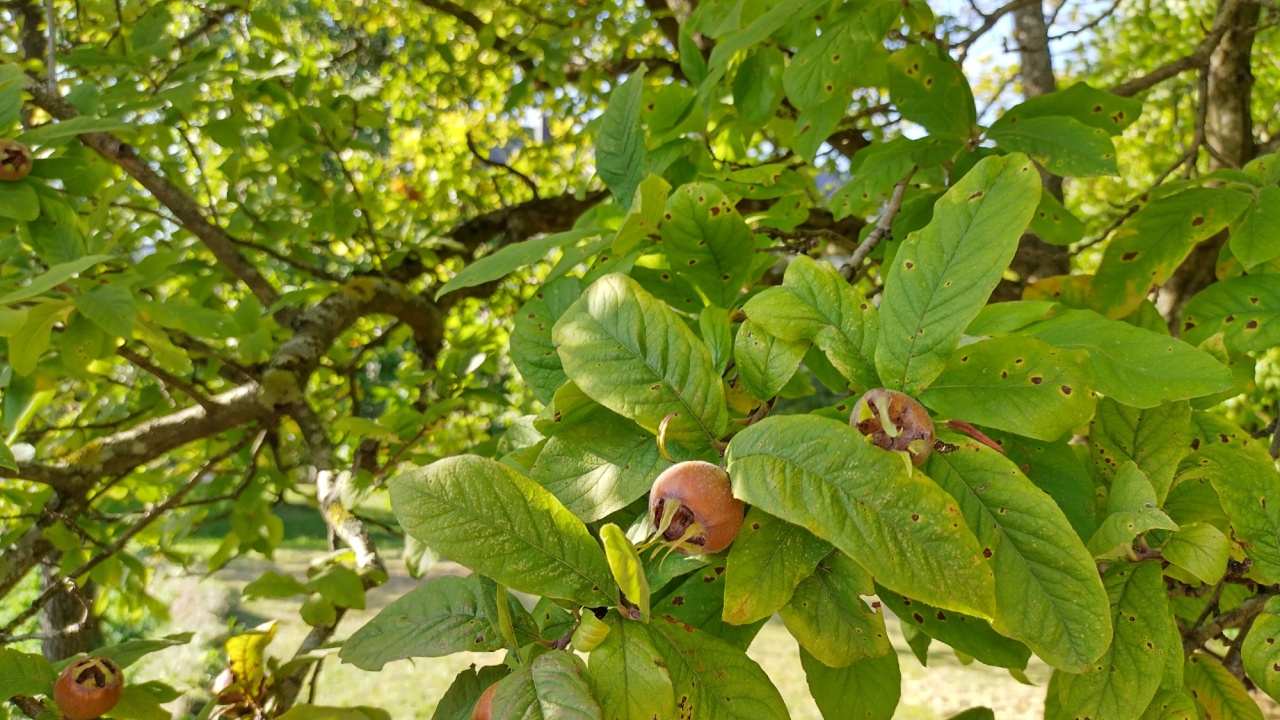
Image Credit: Shutterstock.
The medlar is a unique, ancient fruit tree that is incredibly tough and easy to grow. This small, ornamental tree has a picturesque, crooked shape and lovely white flowers. The fruit itself is unusual; it must be “bletted,” or allowed to overripen off the tree until it’s soft and tastes like spiced applesauce.
Medlar trees are very hardy, self-fertile, and resistant to most common garden pests and diseases. They thrive in a sunny spot with well-drained soil and require almost no pruning or other care once established.
Quick Guide:
- Why it’s easy: Extremely hardy, pest-resistant, and self-fertile.
- Care tips: Plant in full sun. The fruit is ready to pick after the first frosts, then stored until soft.
- Next steps: Embrace the unusual! The medlar is a great conversation piece and a link to horticultural history.
21. Sapodilla Tree
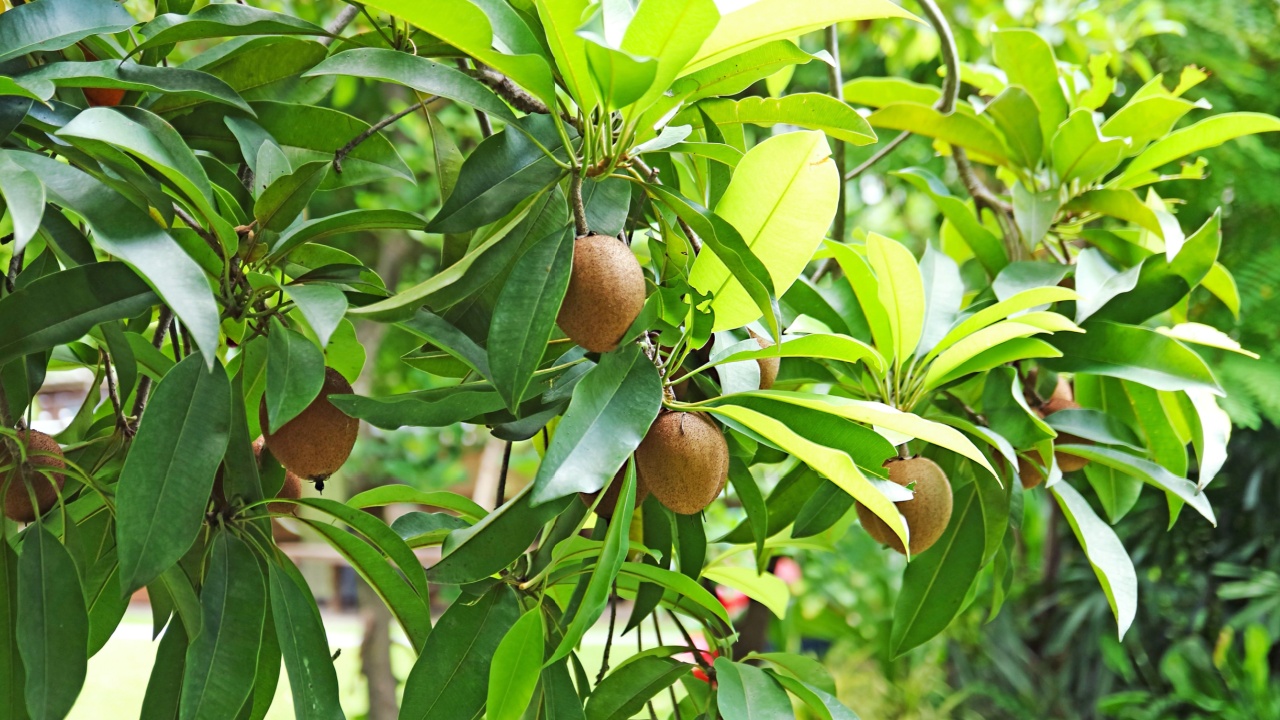
Image Credit: Shutterstock.
For those in tropical or subtropical climates, the sapodilla is a fantastic low-maintenance choice. This slow-growing, long-lived evergreen produces fruit with a malty, brown sugar-like flavor and a slightly gritty texture, similar to a pear. The tree itself is very attractive, with a dense, rounded canopy.
Sapodilla trees are incredibly wind- and drought-tolerant and can even handle salt spray, making them ideal for coastal areas. They have virtually no pest problems and require no pruning. They just need a sunny spot and time to grow.
Quick Guide:
- Why it’s easy: Extremely tough, drought- and wind-tolerant, and pest-free.
- Care tips: Requires a warm, frost-free climate and full sun. Be patient, as they are slow-growing.
- Next steps: If you live in zones 9-11, this is a wonderful “plant it and forget it” tree that will reward you for decades.
Which Trees Can You Grow?
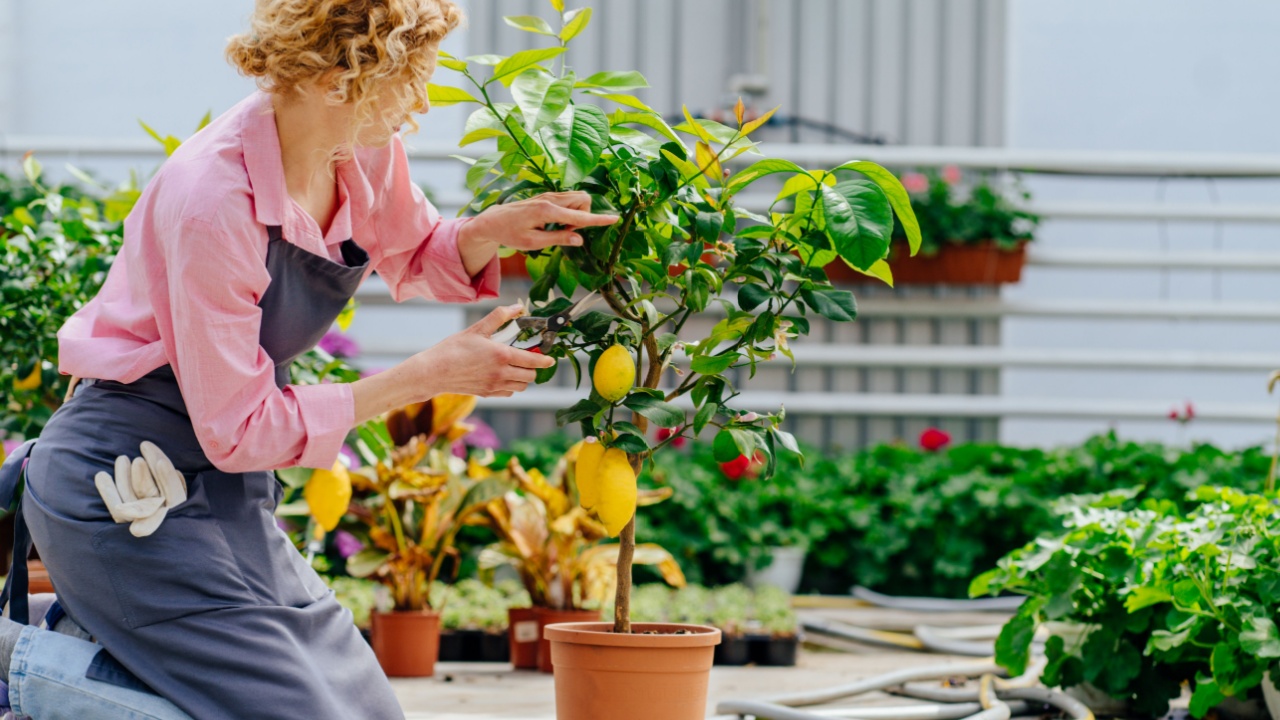
Image Credit: Shutterstock.
Now that you’re inspired, it’s time to take action. The first step is to identify your USDA Hardiness Zone to know which trees will thrive in your local climate. Next, observe your yard to find a spot that gets at least 6-8 hours of direct sunlight per day.
Once you’ve chosen a tree, visit a local nursery. They can provide healthy saplings and offer advice specific to your area. Remember to prepare your planting site by clearing away weeds and loosening the soil. With a little planning, you’ll be on your way to enjoying fresh, homegrown fruit for years to come.