

You pick a fixture, screw in a bulb, and call it a day. But then you notice something is off. The room feels less like a welcoming retreat and more like an interrogation room or a cave. It’s a common tale of home decorating woe, where a simple oversight in lighting can completely deflate the atmosphere you worked so hard to create. Great lighting sets the mood, makes a room functional, and highlights all your best design choices.
Getting your home’s lighting right means avoiding a few frequent missteps. From the type of bulb to the style of fixture, small choices make a huge difference. Let’s illuminate five common lighting mistakes that might be sabotaging your home’s atmosphere and explore how to fix them for a brighter, more inviting space.
1. Using the Wrong Color Temperature
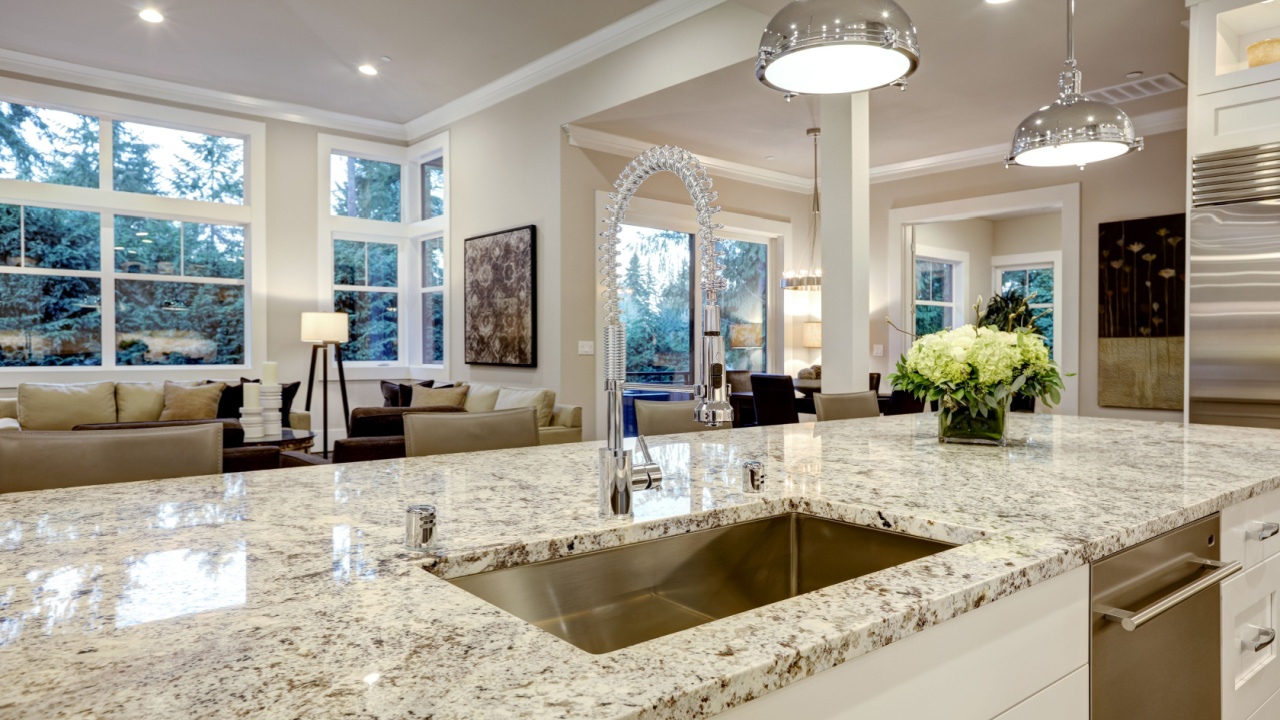
Image Credit: Shutterstock.
Have you ever walked into a room and felt instantly on edge, like you’re under a microscope? Or maybe you’ve tried to read in a room that felt so dim and yellow that your eyes started to hurt. The culprit is often the bulb’s color temperature. Measured in Kelvins (K), this determines if the light appears warm or cool. A low Kelvin number produces a warm, amber-toned light, while a high Kelvin number creates a cool, blue-toned light.
Putting a daylight bulb with a high Kelvin rating in a bedroom lamp can make the space feel sterile and clinical instead of restful. Conversely, using a very warm bulb in a kitchen or home office can make it difficult to see what you are doing, casting a sleepy, yellow haze over everything. The right color temperature supports the room’s function and complements its decor.
2. Ignoring the Room’s Function

Image Credit: Shutterstock.
Choosing a light fixture just because it looks pretty is a classic blunder. That beautiful, tiny pendant light might look stunning in the showroom, but if it’s the only source of light in your kitchen, you’ll be chopping vegetables in the dark. Every room has a purpose, and the lighting should support that purpose. A living room needs flexible lighting for reading, watching TV, and entertaining, while a hallway just needs enough light for safe passage.
When a fixture doesn’t match the room’s function, it creates practical problems. A chandelier with exposed, glaring bulbs over a dining table can be uncomfortable for guests. A single, dim lamp in a home office will lead to eye strain. The first step in selecting lighting should always be considering how the space is used day-to-day. Don’t rely on a single overhead light. Use a combination of ambient (overall), task (focused), and accent (decorative) lighting.
3. Skipping Dimmer Switches
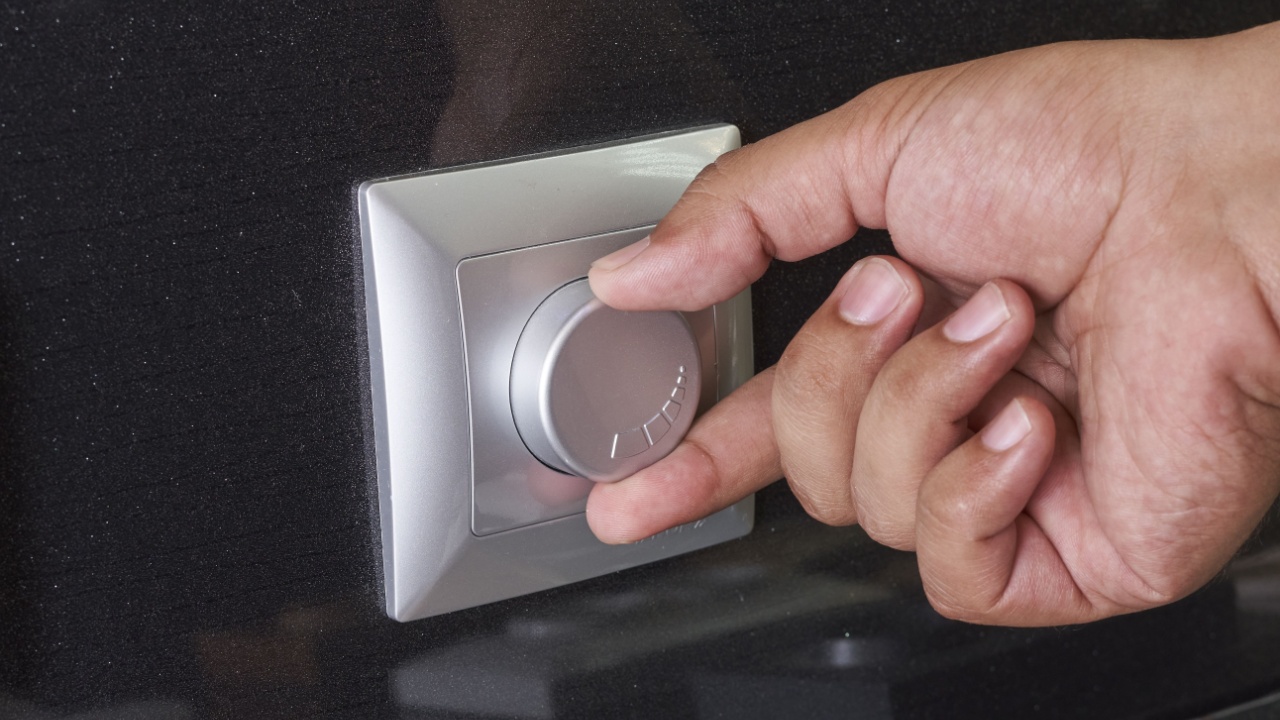
Image Credit: Shutterstock.
A room’s lighting needs can change throughout the day. The bright light you need for cleaning the living room in the afternoon is not the same soft glow you want for a movie night. Without dimmer switches, your lighting is stuck in one mode: on or off. This lack of control is a major missed opportunity for creating a dynamic and comfortable environment.
Dimmers allow you to adjust the intensity of your lights to match any activity or mood. You can turn them up to full brightness when you need to be alert and productive, or dial them down for a more intimate and relaxed setting. Installing dimmers is an easy way to enhance your lights and slash your energy costs.
4. Disregarding Wattage and Lumens
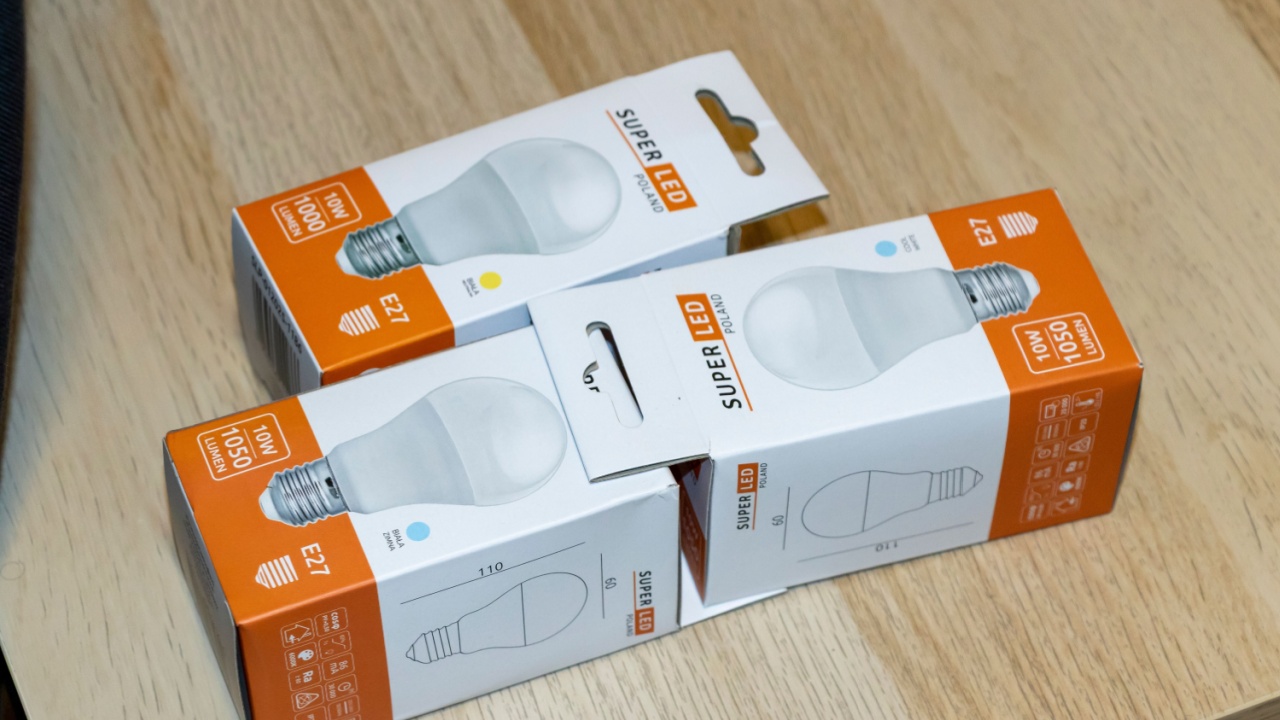
Image Credit: daily_creativity / Shutterstock.
Many people look at the maximum wattage rating on a light fixture and assume that a higher number equals better light. This isn’t always the case. Wattage simply measures how much energy a bulb consumes, not how bright it is. Brightness is measured in lumens. A 60-watt incandescent bulb and a 9-watt LED bulb can produce the same amount of light (lumens), but the LED uses far less energy.
Focusing only on wattage can lead to two problems. First, you might end up with a room that is either too dim or painfully bright. Second, exceeding the maximum wattage rating on a fixture is a fire hazard. Check the “Lighting Facts” label on the bulb’s packaging. For a standard-sized room, a good rule of thumb is to aim for a total of 20 lumens per square foot.
5. Still Using Fluorescent Bulbs
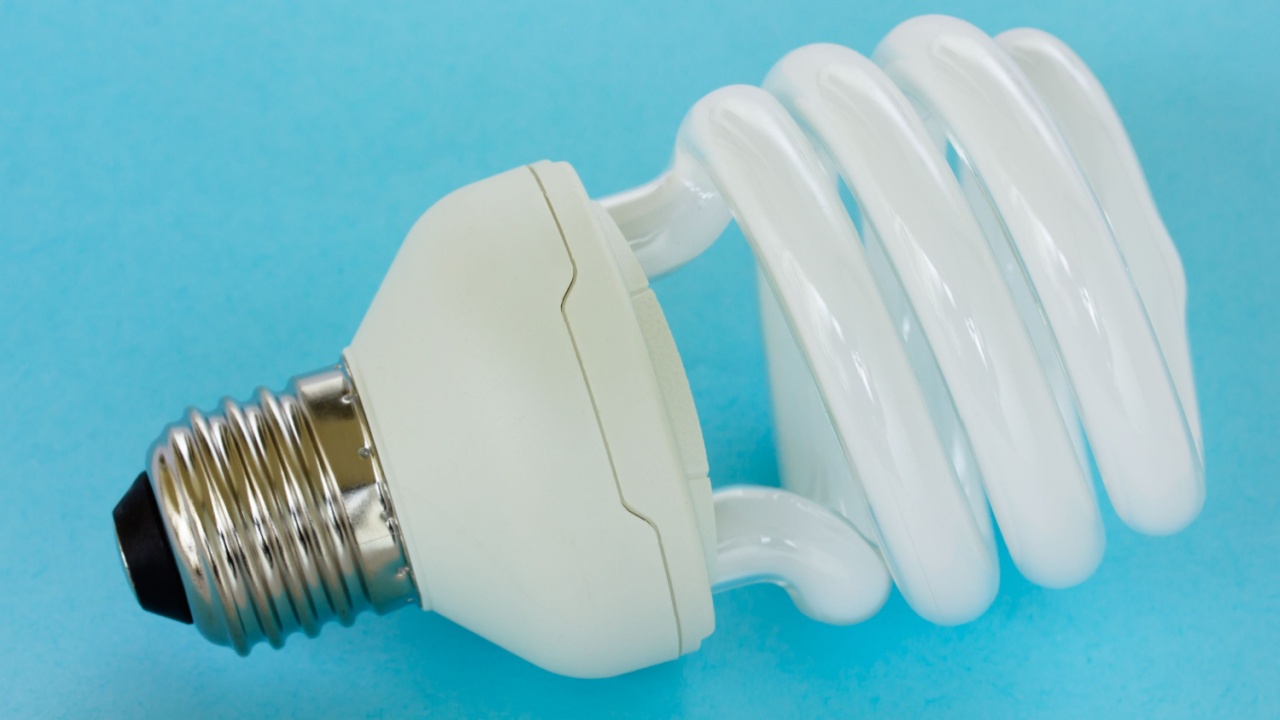
Image Credit: Shutterstock.
For a long time, compact fluorescent lamps (CFLs) were promoted as the energy-efficient alternative to incandescents. While they do use less energy, they come with some significant downsides. Many CFLs emit a harsh, unflattering light that can make skin tones look washed out. They also take a moment to warm up to full brightness, which can be annoying in rooms where you need instant light.
Beyond the quality of light, there’s a safety concern. Fluorescent bulbs contain a small amount of mercury. If a bulb breaks, you need to follow specific cleanup procedures to handle the hazardous material safely. With the vast improvements in LED technology, there is little reason to stick with fluorescent lighting in a home setting anymore.
Making the Right Lighting Choice

Image Credit: Deposit Photos.
Improving home lighting doesn’t require a whole new setup. It starts with looking at how each space functions and how bright or comfortable it actually feels day to day.
Notice if certain corners are gloomy or if overhead lights glare down like a spotlight at an awkward talent show. Replace a bulb with one that gives a gentler or brighter glow, or add a dimmer to change up the mood when you need it. These tweaks make a living room, kitchen, or bedroom more pleasant and easier to use.