
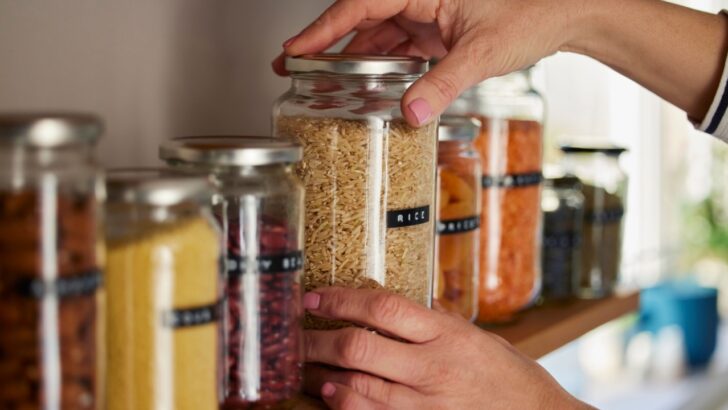
The kitchen tends to be one of the most clutter-prone spaces in the house.
From mismatched containers and unused appliances to expired food items, it’s easy for things to pile up over time. However, decluttering your kitchen can help create a more functional, inviting space that inspires you to cook and entertain with confidence.
We scoured the internet for pro tips and narrowed down a list of 18 kitchen items to declutter for a more organized space. Whether you’re looking to streamline your daily routine or create a more visually appealing kitchen, these tips will help you achieve your goal.
A Note Before You Get Started
No one needs an article written by a stranger to dictate what they should keep or toss. This list is meant as a helpful guide to spark ideas and give you a starting point for creating a kitchen that works for your lifestyle. Feel free to adapt these suggestions to meet your unique needs, and always prioritize what helps you feel most at home in your space.
1. Unused Small Appliances

Image Credit: Shutterstock.
Juicers, bread makers, and sushi kits often seem essential when purchased but can lose their appeal after a few months. These appliances take up precious counter and cabinet space while collecting dust.
What to Do Instead
Donate unused appliances or sell them online. If you’re unsure about parting ways permanently, store the appliance in a less cluttered area; if you don’t reach for it in six months, it’s safe to say it’s time to move on.
2. Takeout Condiments and Plastic Cutlery
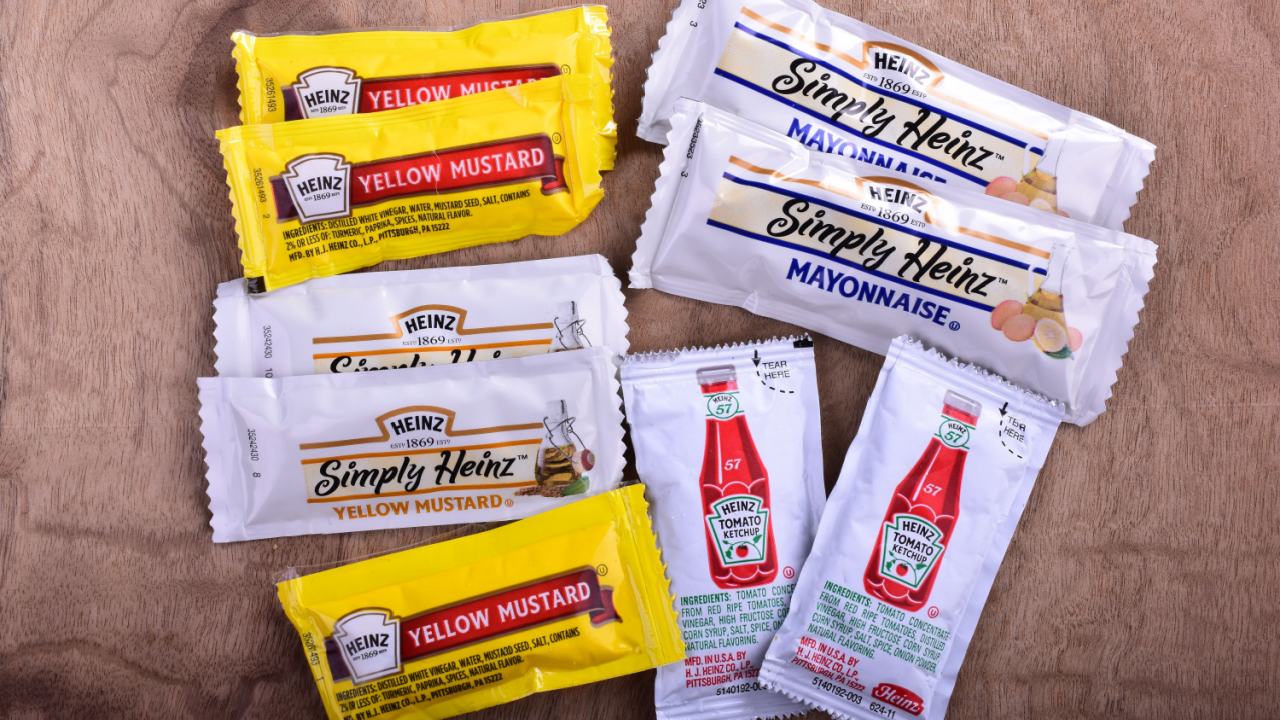
Image Credit: Shutterstock.
That drawer filled with extra soy sauce packets, ketchup, and takeout utensils? It’s time to relinquish most of it. These items often expire before you can use them or simply pile up unnecessarily.
What to Do Instead
Keep a small stash of essentials in an organized container. Store them in your pantry or an “on-the-go” bin for when you pack lunches or picnics. Compost or recycle expired packets responsibly.
3. Expired Food

Image Credit: Shutterstock.
Many people forget about expired oils, spices, or canned goods lurking in the back of their pantry. These items can lose quality and pose a health risk if consumed long past their shelf life.
What to Do Instead
Check expiration dates (or use by, best by, etc.) on pantry staples during your next cleaning session. Toss anything expired and set a reminder to rotate stock regularly to prevent waste. (Note: Some people will argue that these foods are still good, it’s up to you to make the choice.)
4. Old or Dull Spices
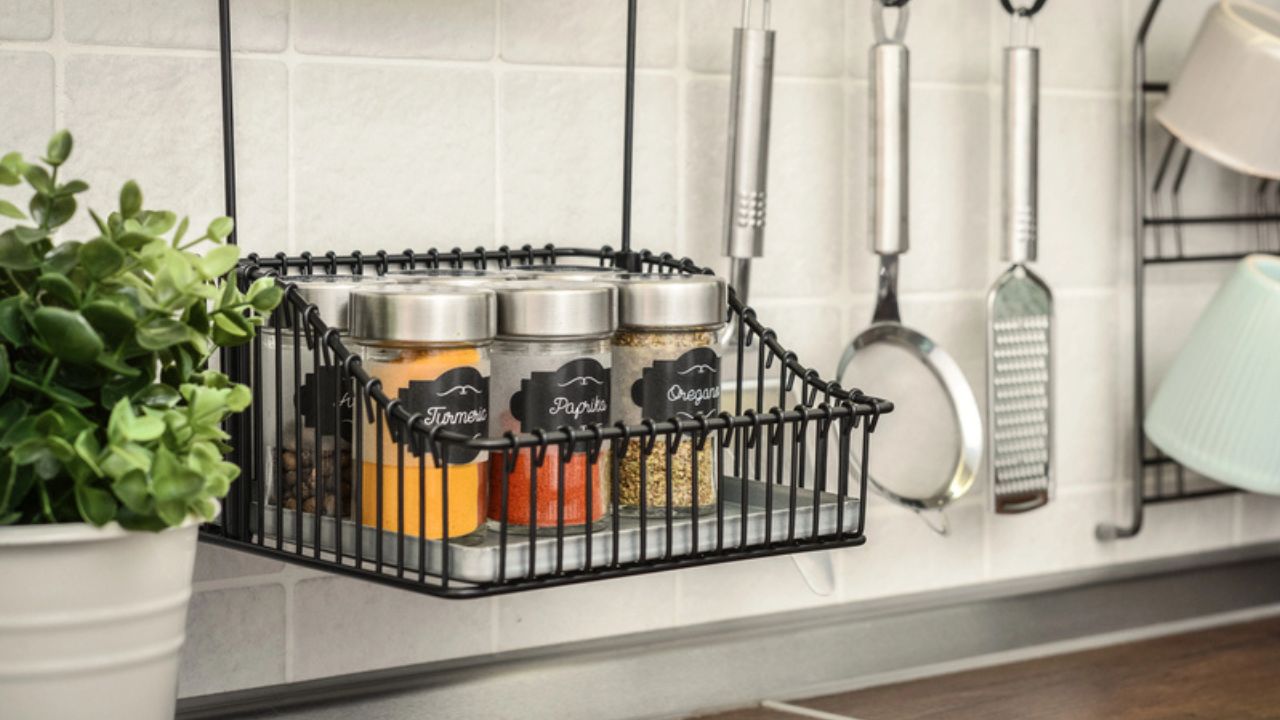
Image Credit: Depositphotos.com.
Spices lose their potency over time, leaving your recipes less flavorful. If you haven’t used certain spices in years, they might not be worth keeping.
What to Do Instead
Inspect your spice rack annually and replace anything older than a year or two. Invest in smaller quantities of specialty spices to reduce waste.
5. Scratched Nonstick Pans
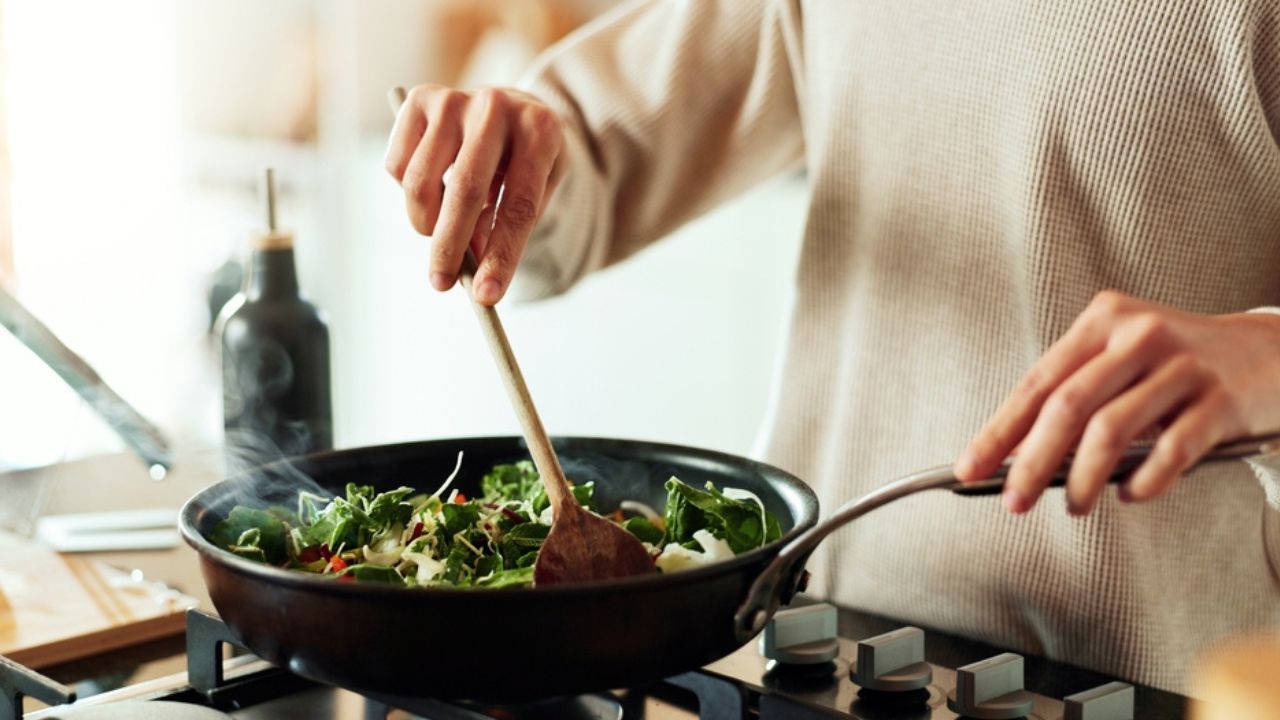
Image Credit: Shutterstock.
Nonstick pans with scratches can release toxic chemicals into your food and are less effective at preventing sticking.
What to Do Instead
Replace old pans with new, high-quality options, or consider stainless steel or cast-iron alternatives that last much longer and don’t require replacement as often.
6. Mismatched Tupperware
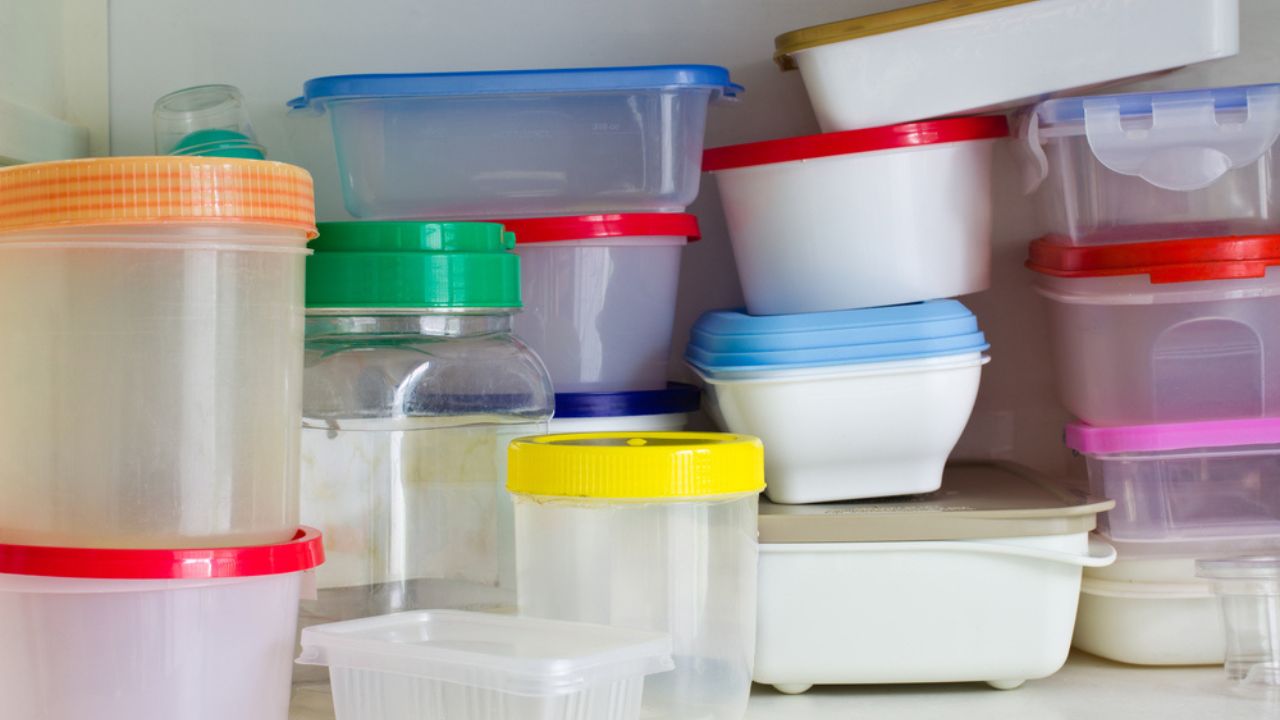
Image Credit: Shutterstock.
Plastic containers with no matching lids (or vice versa) make organization impossible and waste useful space.
What to Do Instead
First, see if you find a replacement lid online if you’d like to keep the container and minimize waste. Keep only a few multipurpose containers and store them with their lids attached to save space. Consider glass alternatives, which are more durable and less prone to staining.
7. Bulky Entertaining Items

Image Credit: Depositphotos.com
Large serving bowls, platters, or extra wine glasses can be useful for hosts but often feel like clutter for those who rarely entertain.
What to Do Instead
Rent or borrow these items when hosting large events, or reevaluate how often you actually use them before giving up precious kitchen storage space. Ultimately, it’s up to you to decide if they’re worth keeping. Even if it’s just one a year, they can serve a purpose for sure.
8. Inherited China or Cookware
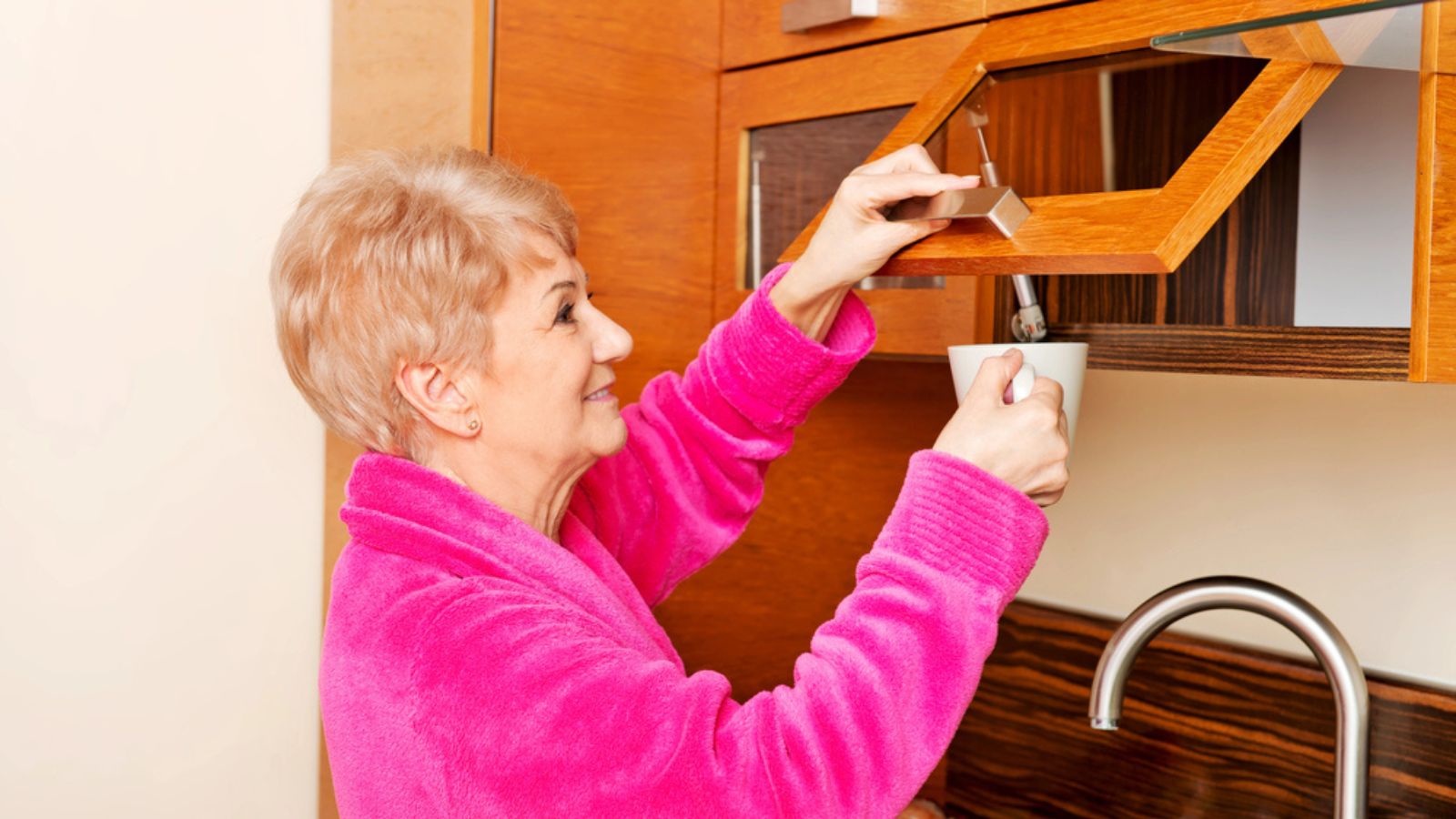
Image Credit: Depositphotos.com
While sentimental, heirloom dishes or cookware can take up valuable storage space if they’re never used. If you love and cherish the hand me downs, please keep them. If you’re storing them away out of guilt, this is your sign to let go.
What to Do Instead
Keep pieces that truly bring you joy or serve a functional purpose. Donate or sell the rest to someone who will appreciate them.
9. Unused Cookware
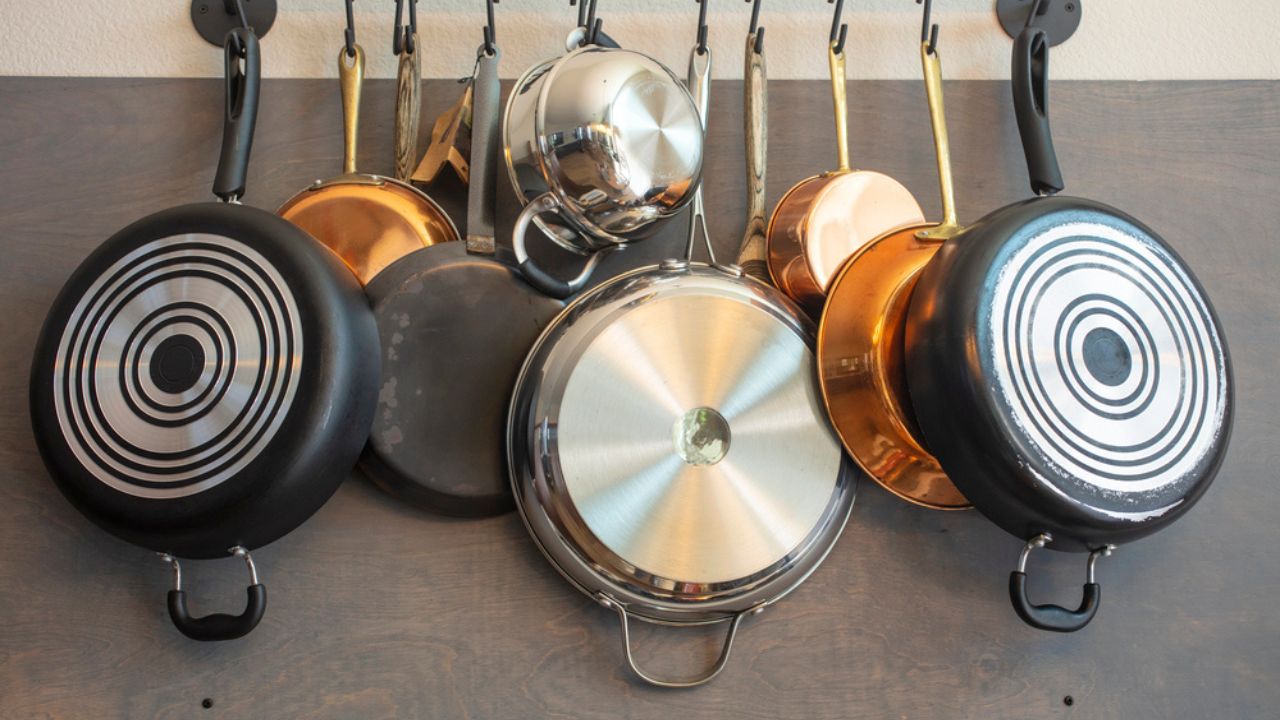
Image credit: Depositphotos.com.
Do you have duplicate pie pans or cake molds? Cookware that doesn’t align with your current cooking habits can be another source of clutter.
What to Do Instead
Keep versatile items and donate or sell niche cookware you rarely, if ever, use.
10. Cracked or Chipped Dishes
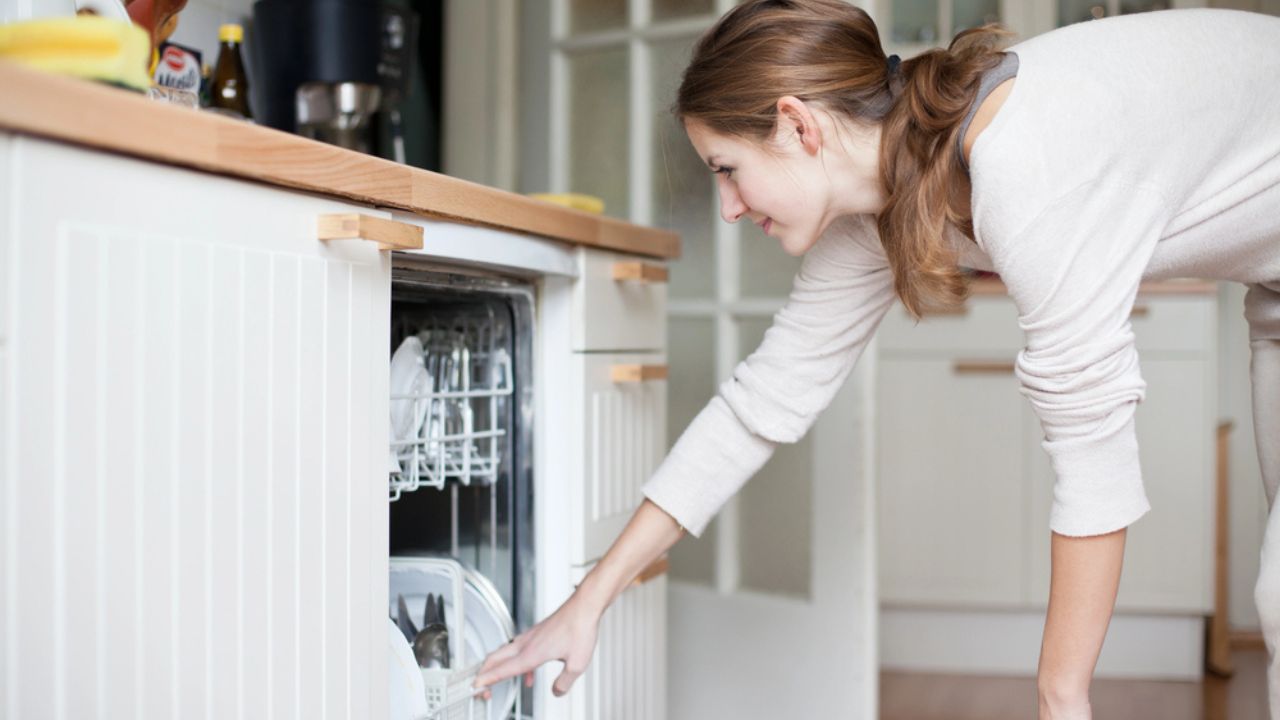
Image Credit: Deposit Photos.
Damaged dishes not only look unappealing but can also harbor bacteria in their cracks.
What to Do Instead
Replace cracked items with durable dishware and commit to a regular decluttering schedule to remove any damaged dishes promptly.
11. Freezer-Burnt Foods
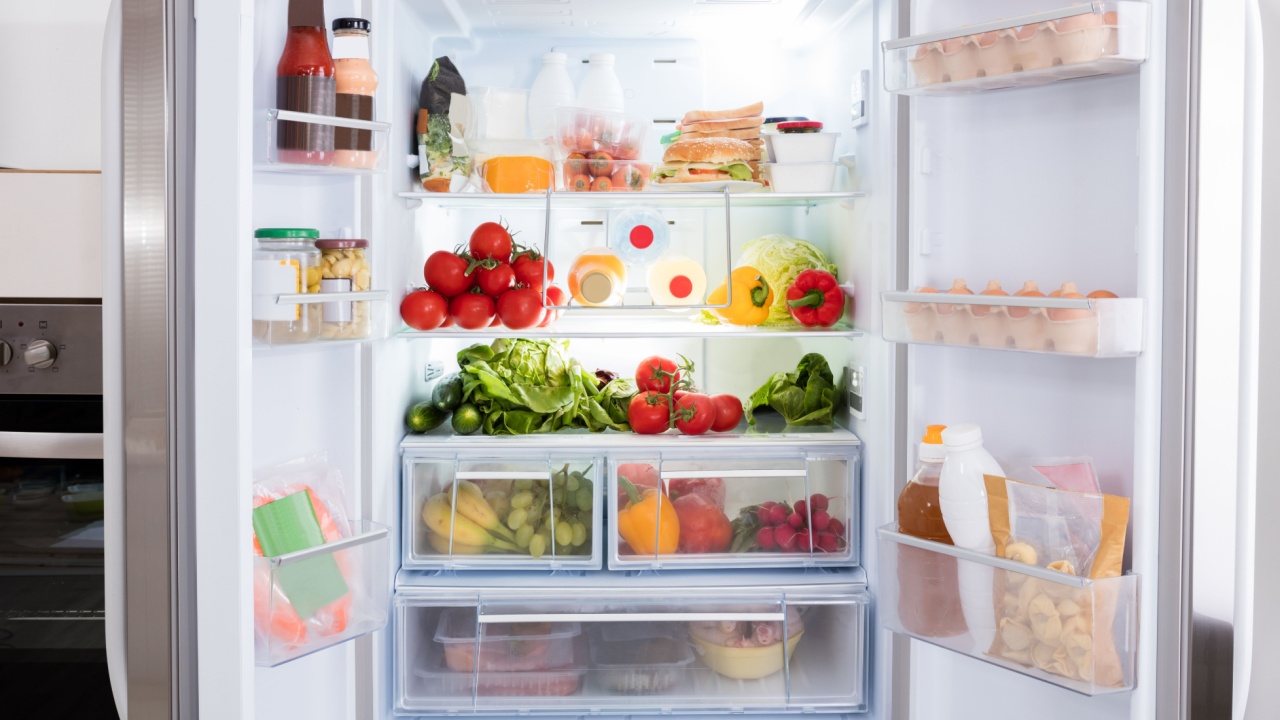
Image Credit: Shutterstock.
Does it feel like there’s no space in the freezer? Forgotten soups, meats, or vegetables buried in the freezer lose their flavor and texture over time, making them less appetizing to eat.
What to Do Instead
Organize your freezer using labeled bins or sections. Adopt a “first in, first out” rule to use older items first. Regularly clean out anything showing signs of heavy freezer burn.
12. Empty Jars or Containers
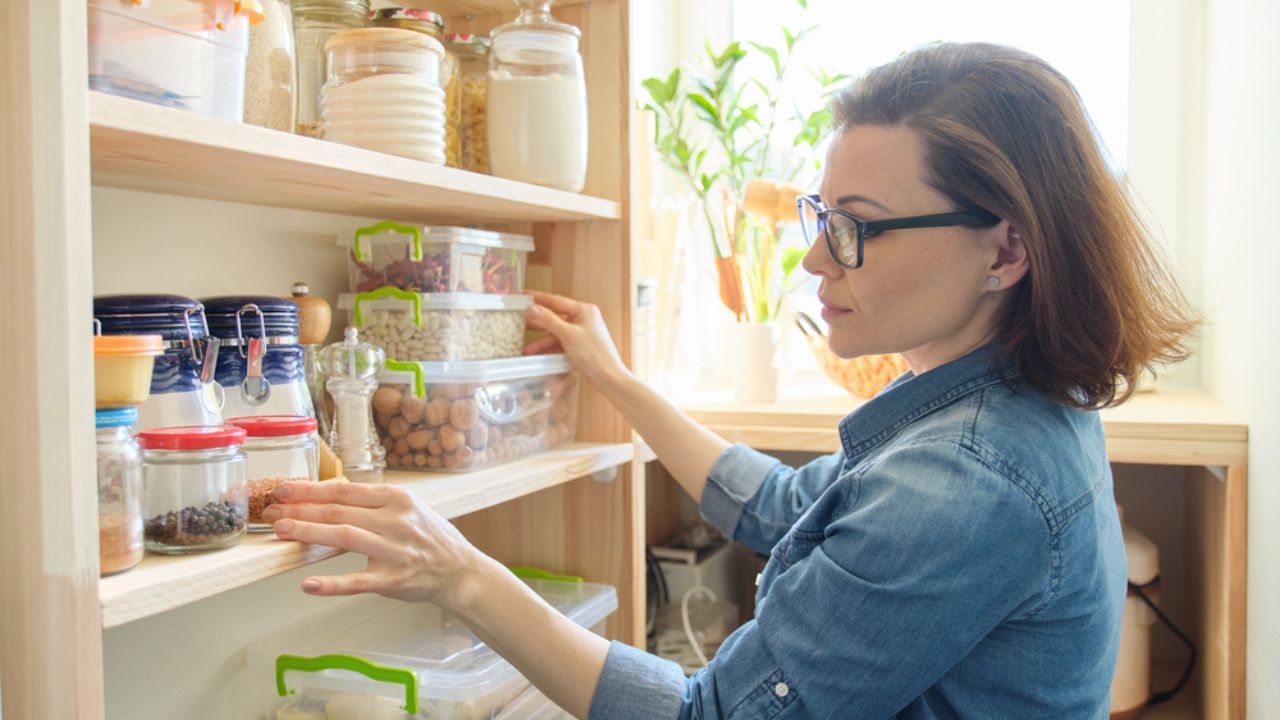
Image Credit: Depositphotos.com.
Glass or plastic jars often seem too sturdy to toss, so they accumulate in cabinets “just in case.” If you’re keeping them around as to-go containers for holidays or birthdays, then continue. But if they’ve been there forever with no plan in sight, then it’s time to get rid of them.
What to Do Instead
Recycle jars that you’ve been holding onto for over a year but haven’t used. Only keep a few if you frequently make homemade sauces or preserves (be mindful of which ones you keep, since reusing lids for canning isn’t recommended).
13. Excess Water Bottles
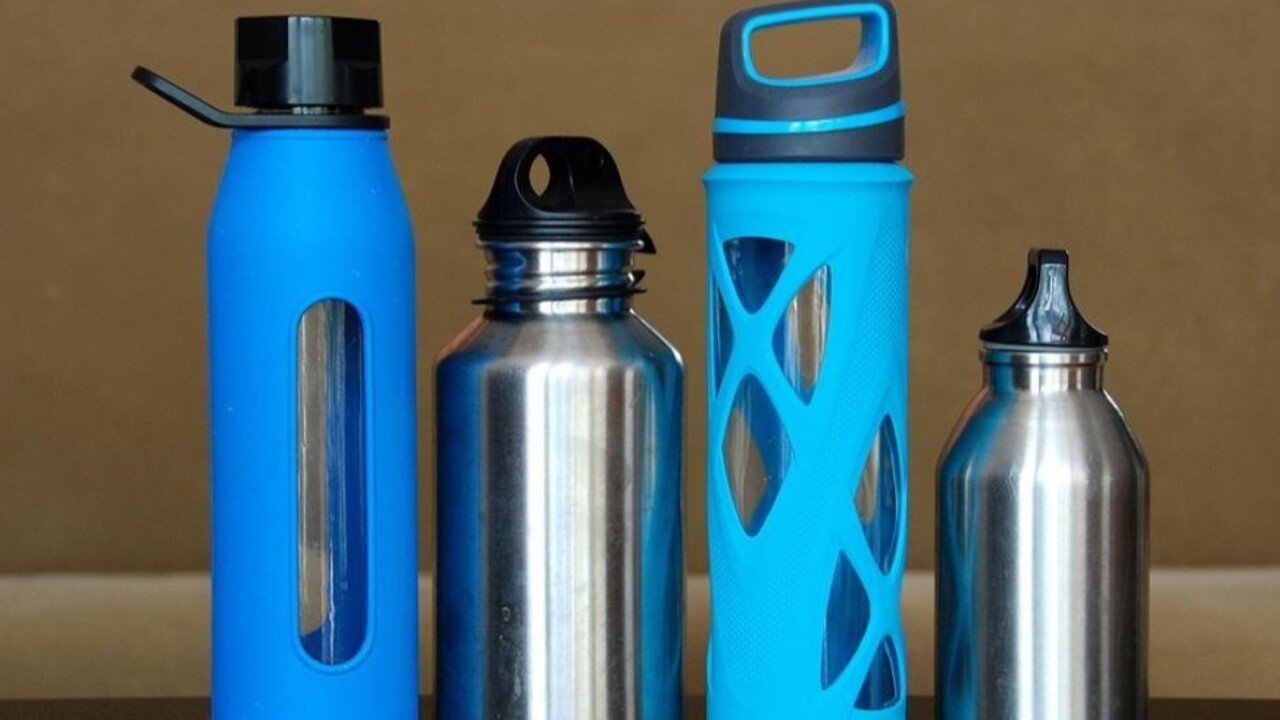
Image Credit: No ho posa, CC0, Wiki Commons.
Families often hoard reusable water bottles, which take up an inordinate amount of space in cabinets and drawers. What is it about water bottles?
What to Do Instead
Limit yourself to one or two water bottles per person. Donate extras to shelters or sports programs.
14. Duplicate Kitchen Tools
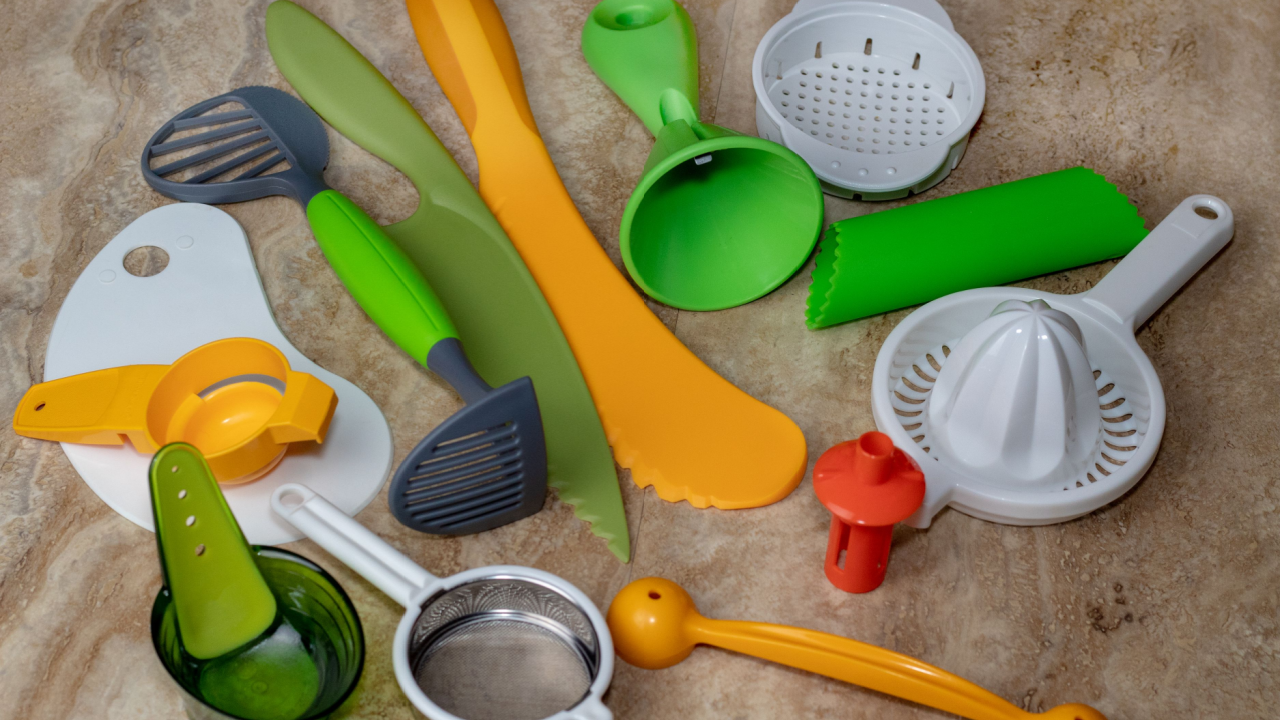
Image Credit: Shutterstock.
Multiple cheese graters, whisks, or spatulas aren’t necessary unless you regularly cook for large groups.
What to Do Instead
Stick to one high-quality version of each tool. Donate duplicates to reduce clutter.
15. Chipped or Old Mugs
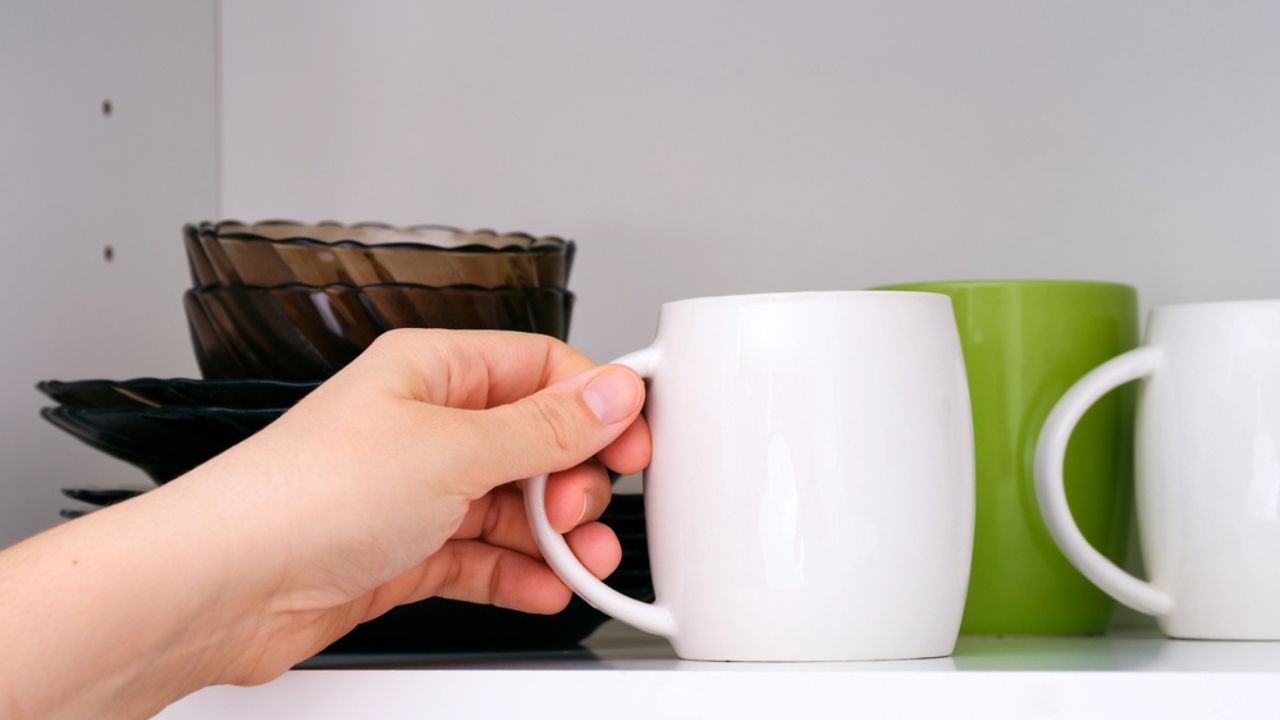
Image Credit: Shutterstock.
Mugs tend to pile up faster than most items—especially if you collect ones from trips or events. It’s easy to end up with far more than you actually need.
What to Do Instead
Pare your collection down to the size of your household, plus a few extras for guests. Donate or recycle any chipped or unwanted mugs.
Gardener bonus: If you need a few more small pots for starters, why not upcycle these mugs for growing clippings or sprouts?
16. Old Fridge Magnets or Menus
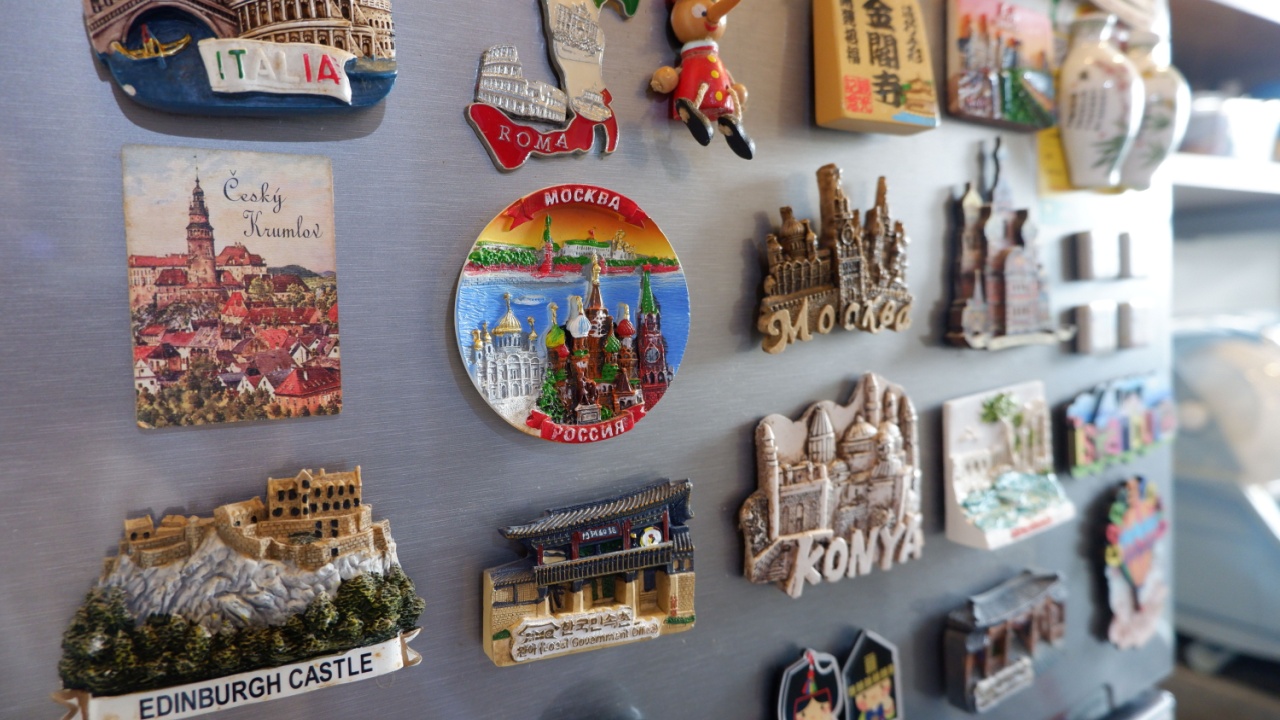
Image Credit: Depositphotos.com
Outdated or unused magnets and takeout menus can crowd your fridge, making it feel cluttered.
What to Do Instead
Keep a small bulletin board in the kitchen for menus or notes. Update magnets as needed to keep the fridge tidy. Or better yet, toss them. You can look up most menus online these days.
17. Overloaded Drawer Contents
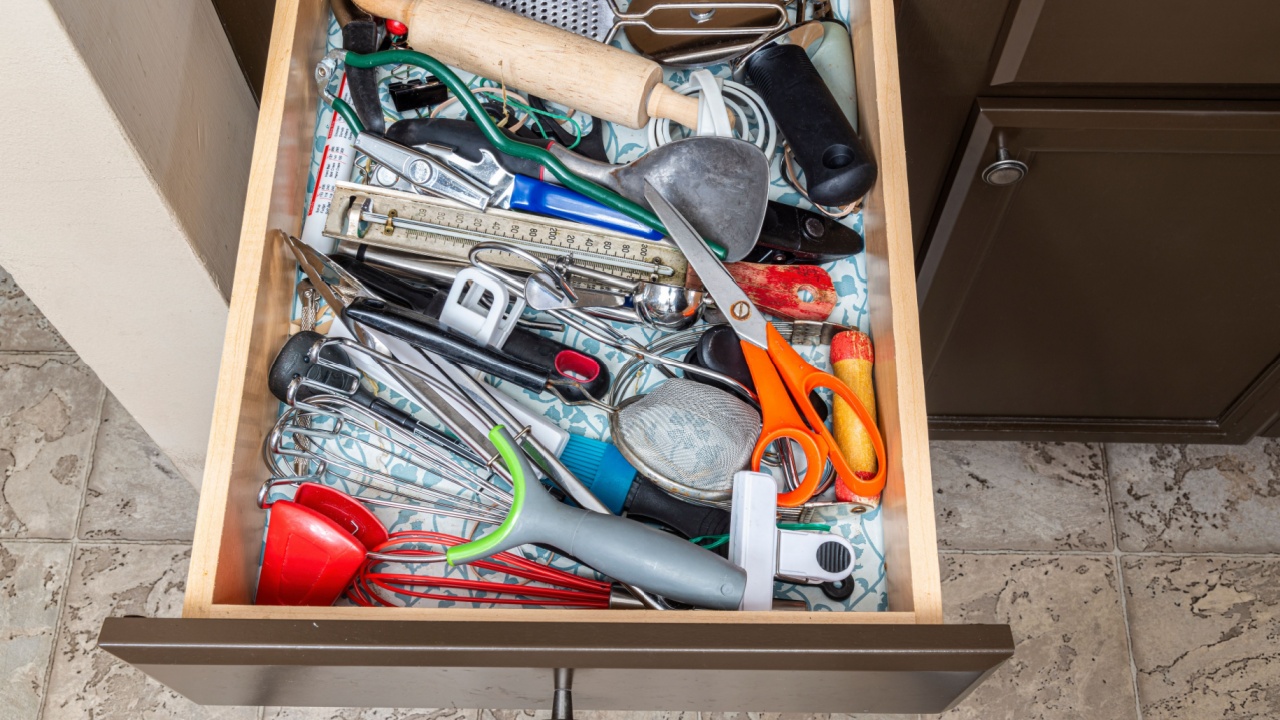
Image Credit: Depositphotos.com
Is it even a kitchen if it doesn’t have a junk drawer? “Junk drawers” often contain expired batteries, broken tools, or useless trinkets.
What to Do Instead
This one is pretty obvious. Sort through the drawer and designate clear sections for tools, miscellaneous small items, or kitchen essentials. If something hasn’t been used in over a year, toss or donate it.
18. Novelty Items That Serve No Purpose
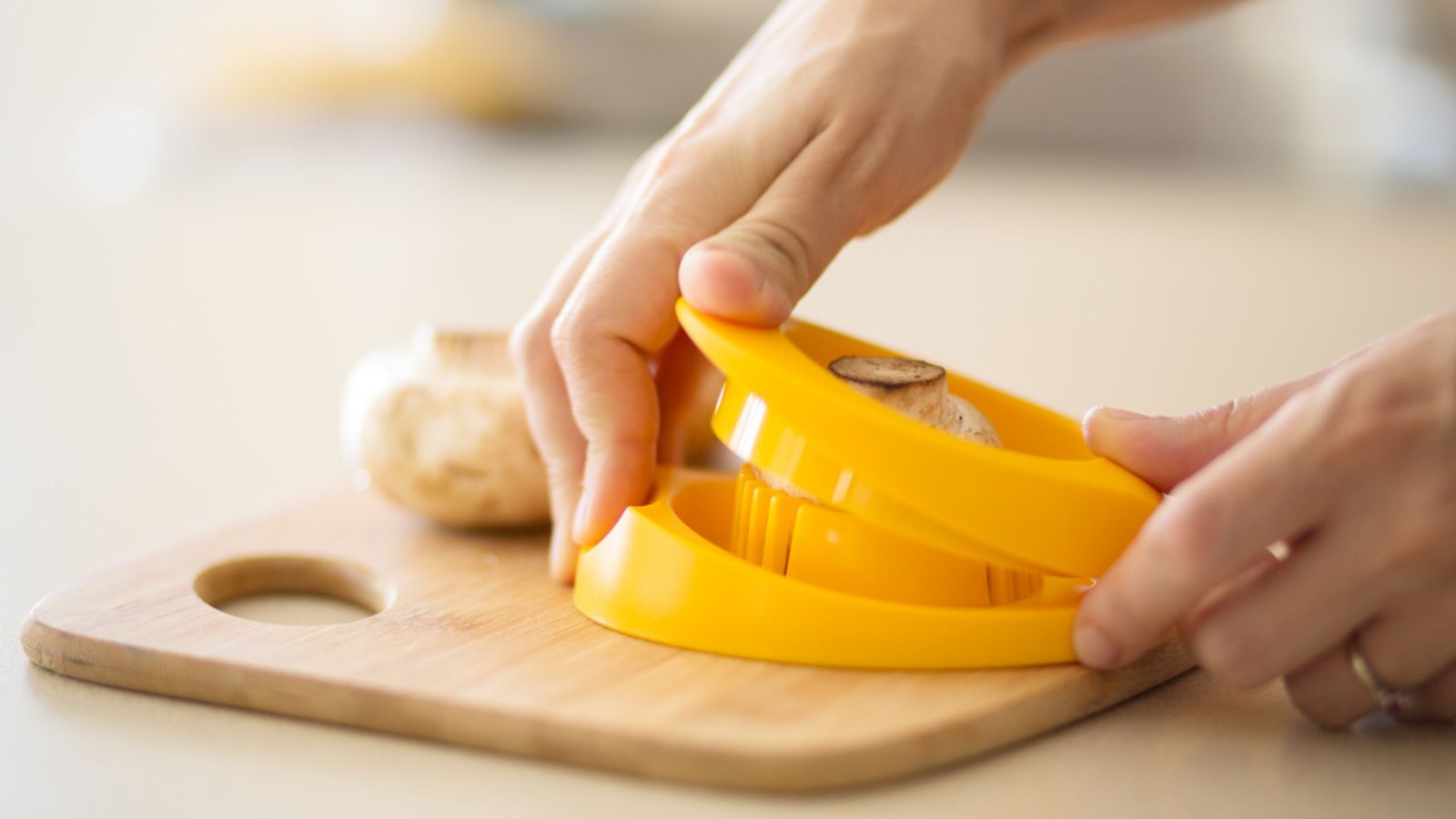
Image Credit: Depositphotos.com
Whether it’s a pineapple corer, avocado slicer, or an unusual gadget from a gift basket, these items can create clutter. If you use it, by all means keep it, but many just gather dust.
What to Do Instead
Replace multi-use gadgets with basic, versatile knives and a manual peeler (that you probably already have!). Donate novelty items to community centers or shared spaces.
Make Space for What Matters
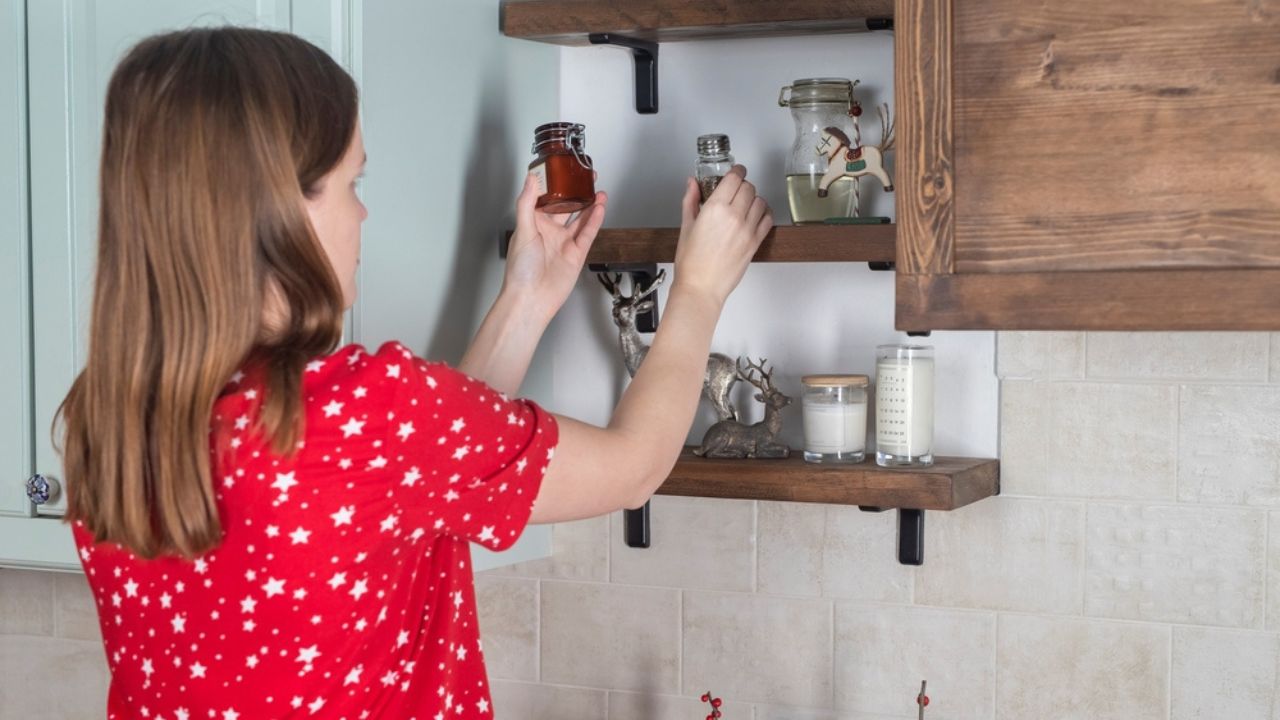
Image Credit: Shutterstock.
Decluttering your kitchen isn’t about getting rid of everything—it’s about making mindful decisions to create a space that works for you. By tackling the items on this list, you’ll free up room for the tools and supplies that bring value to your cooking and entertaining habits. Start small, aim for consistency, and enjoy the rewards of an organized and functional kitchen!