

The kitchen serves as the central hub of the house, where the family touches base, cooks, and makes nightly messy memories over meals. With a designated junk drawer, an ever-growing number of plastic cups and mason jars, and a few outdated appliances shoved in the back of the pantry, the kitchen can easily become the house’s dumping site.
Clutter can quickly accumulate over time, resulting in waste, visual chaos, and possibly even health risks. Decluttering your kitchen regularly will help ensure food safety, quality, efficiency, and cleanliness. Better yet, your mental health will vastly improve when life feels more organized and you can find what you’re looking for.
If decluttering is on your list of self-improvement goals this year, here are 15 things you should consider taking out of your kitchen today. As you read through these, it’ll be obvious how we came up with this list. These are the most common items we tend to become blind to, as confirmed by other home sites and forums.
1. Expired Spices and Herbs

Image Credit: Depositphotos.com.
If you were to peek into several pantries at this moment, you’d probably find numerous spice bottles that were supposed to be used last during the pandemic era.
Spices lose their flavor (and nutritional potency) over time, so if they’re past their expiration date, they won’t enhance your dishes anymore—it’s time to toss them.
2. Chipped Utensils

Image Credit: Depositphotos.com.
Chipped or cracked plates, cups, and bowls not only detract from the aesthetics of your tableware but also present a hygiene concern. Cleaning in the cracks is difficult, and they hide grime, making them a perfect hiding spot for bacteria and mold.
Check for any damaged dishware and remove it in order to keep your kitchen hygienic and clean.
3. Rusty or Damaged Kitchen Knives

Image Credit: Depositphotos.com.
Knives are an essential part of your kitchen, but if they’re rusty or broken, they can be dangerous to use. Damaged knives also don’t provide clean cuts.
Sort out your knife collection and remove any with broken handles or blades or those showing signs of rusting.
4. Scratched Non-stick Pans

Image Credit: Depositphotos.com.
Nonstick pans are gorgeous when new but an eyesore when the coating comes off. Scratches, especially if the coating is damaged, can release toxic chemicals into food.
Once the metal underneath is exposed, non-stick pans can rust and no longer be suitable for use in the kitchen. It’s time to ditch them for a new nonstick pan or something more hearty like a cast iron pan.
5. Old Dish Sponges

Image Credit: Depositphotos.com.
Dish sponges are excellent at making your dishes squeaky clean, but after several washes and not enough drying, they become breeding grounds for bacteria and spread germs onto your dishes.
Martha Stewart recommends replacing your kitchen sponges once they show signs of wear and tear.
6. Torn Dish Towels

Image Credit: Depositphotos.com.
Many people are guilty of using their dish towels until the towels are hanging by a thread, literally. If you can’t tell the towel’s original color, it’s time to get rid of it.
Worn-out towels are ineffective at drying dishes and can spread bacteria if not cleaned properly.
7. Worn-out Chopping Boards
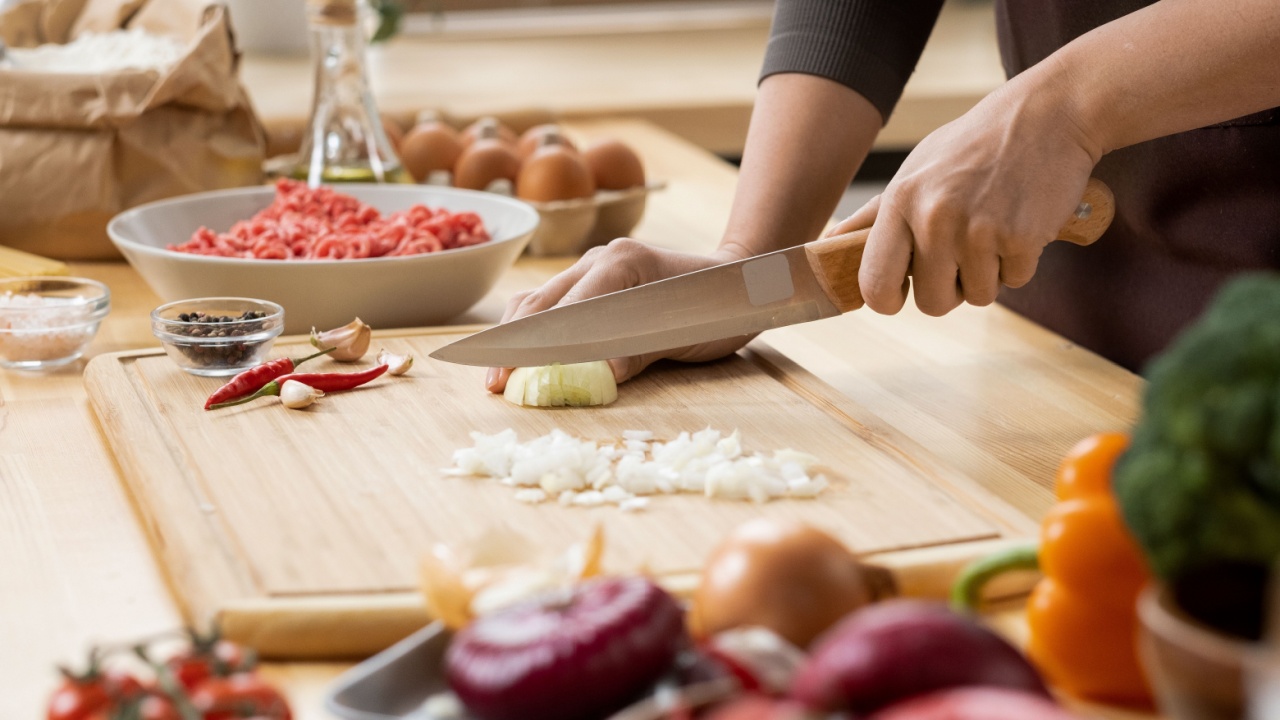
Image Credit: Shutterstock.
While chopping boards are great for making food preparation easy, they also take quite a beating from all the altercations with the knives.
Once the boards are ridden with deep cuts or stains, they should be discarded. Chopping boards, especially wooden ones, can harbor bacteria and are difficult to clean effectively- especially if high-risk foods like raw meat are cut on them.
8. Old or Unused Cookbooks
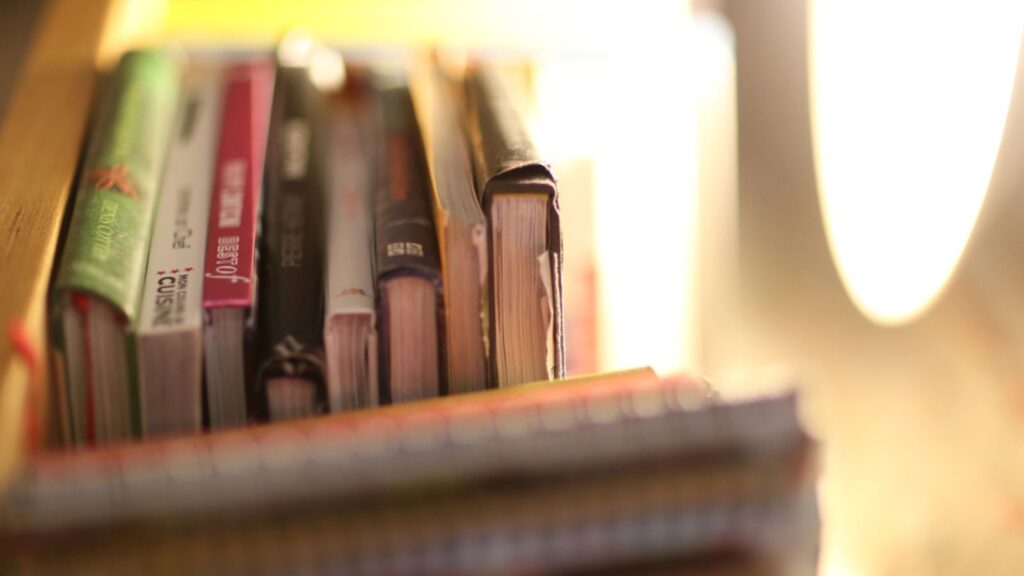
Image Credit: Depositphotos.com.
Once you have gone through your cookbooks, recipe by recipe, and you no longer refer to them for recipes, consider donating or recycling them.
Unused Cookbooks can become clutter in your kitchen, making it look untidy. They may also hide pests such as roaches, especially if they’ve not been opened for a long time.
9. Stale Snacks

Image Credit: Depositphotos.com.
It’s possible to miss the expiration date of snacks, especially if you buy many of of them. Check your snacks, especially the dry ones, and see if any are neighboring their sell-by date.
If the expiration dates on your chips, crackers, and other snacks are allowed to lapse, it’s time for them to go to the dustbin.
10. Plastic Storage Containers without Lids

Image Credit: Depositphotos.com.
Plastic storage containers, particularly those intended for single use (e.g., yogurt or lunch meat containers), can accumulate an alarming amount of clutter.
If the plastic containers have cracked or broken seals, they can no longer effectively keep your food fresh or properly stored; they should be discarded.
11. Expired Canned Goods
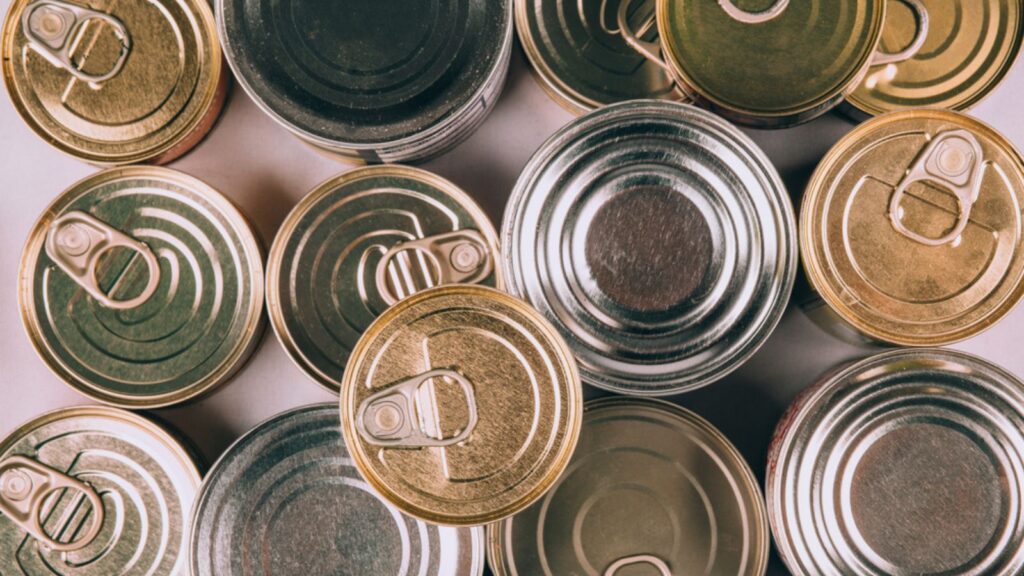
Image Credit: Depositphotos.com.
It’s easy to imagine that canned goods last forever, but they don’t. If your kitchen still has expired canned goods, check the dates and toss the stale ones.
Eating expired canned goods can lead to food poisoning.
12. Burnt Out Light Bulbs

Image Credit: Depositphotos.com.
Dim lighting makes cooking more difficult and can be a safety hazard. Kitchen bulbs tend to get covered in oil and steam, making them dull and foggy.
If the bulbs are becoming less bright than they initially were, it’s time to remove them and replace them with brighter ones.
13. Worn-out Oven Mitts and Pot Holders

Image Credit: Depositphotos.com.
If they no longer protect your hands from heat, it’s time to replace them for safety reasons.
Constant usage may also burn mittens, leaving hands exposed. If your mittens have burn holes, they need to be discarded.
14. Broken Appliances

Image Credit: Depositphotos.com.
If you haven’t used that sandwich maker in years, it’s probably time to let it go. If the said sandwich maker has a missing knob you’ve been meaning to replace for months, it’s definitely time to let it go.
Broken appliances fill up space where you could be storing working equipment.
15. Used Storage Bags

Image Credit: Shutterstock.
Once those bags have been used and perhaps even reused, it’s time to bid them goodbye. Specifically, storage bags that have previously held food items should be discarded.
While you may want to keep washing storage bags, it’s not a very hygienic practice, as they may be greasy and not get cleaned well. Plus, the plastic is designed for single use and can start leeching plastic with overuse. If you want to practice genre habits, switch to silicone bags or glass containers that are made for regular washing.