

Feeling the pinch at the grocery store checkout? You’re not alone. It seems like every trip for essentials requires a small loan and a pep talk. While we can’t control the economy, we can get a little smarter in the aisles. One of the most immediate and effective ways to do that is by opting for cheaper alternatives.
Making small, strategic changes to your shopping list can lead to significant savings without sacrificing flavor or nutrition. This guide is all about simple, clever food swaps that keep your pantry full and your wallet a little lighter.
Where We Got Our Data

Image Credit: Shutterstock.
The information in this article is based on authoritative research from the United States Department of Agriculture, the Bureau of Labor Statistics, and expert analysis from ForHers. These sources track food price trends, inflation impacts, and nutritional comparisons across common grocery items. Data from these authorities guarantees that the swaps recommended are grounded in verified cost changes and reflect realistic market conditions for households navigating rising food expenses.
Here are 16 swaps you can make on your next shopping trip.
1. Swap Beef Steaks for Turkey

Image Credit: Shutterstock.
That beautiful cut of beef steak might be calling your name, but its price tag can be a real conversation stopper. For a leaner protein that is kinder to your budget, consider turkey. It’s a versatile meat that readily absorbs marinades and seasonings, making it a fantastic substitute in stir-fries, roasts, and even sliced for sandwiches.
Quick Look:
- Why it’s a good option: Turkey has seen a much smaller price increase compared to beef. It’s also a lean source of protein, which is great for building muscle and staying full. A whole turkey or larger cuts can be particularly cost-effective, providing multiple meals from one purchase.
- Pro-Tip: When you roast a whole turkey, don’t discard the carcass. Simmer it with vegetable scraps like onion peels, celery ends, and carrot tops to create a rich, flavorful broth for future soups and stews.
2. Swap Ground Beef for Chicken

Image Credit: Deposit Photos.
Ground beef is a staple for everything from burgers to pasta sauce, but its price has been climbing steadily. For a lower-cost alternative, ground chicken is an excellent choice. It has a mild flavor that works well in a wide variety of dishes and is often significantly cheaper per pound.
Quick Look:
- Why it’s a good option: Chicken prices have remained more stable than beef prices. Ground chicken is lower in saturated fat, making it a lighter option for many recipes. It’s a simple one-to-one substitute in most dishes, so you won’t need to adjust your favorite recipes much.
- Pro-Tip: Ground chicken can sometimes be a little dry. To keep it moist and flavorful, mix in some finely grated zucchini or mushrooms before cooking. This adds moisture and sneaks in some extra vegetables.
3. Swap Beef Roasts for Pork Chops
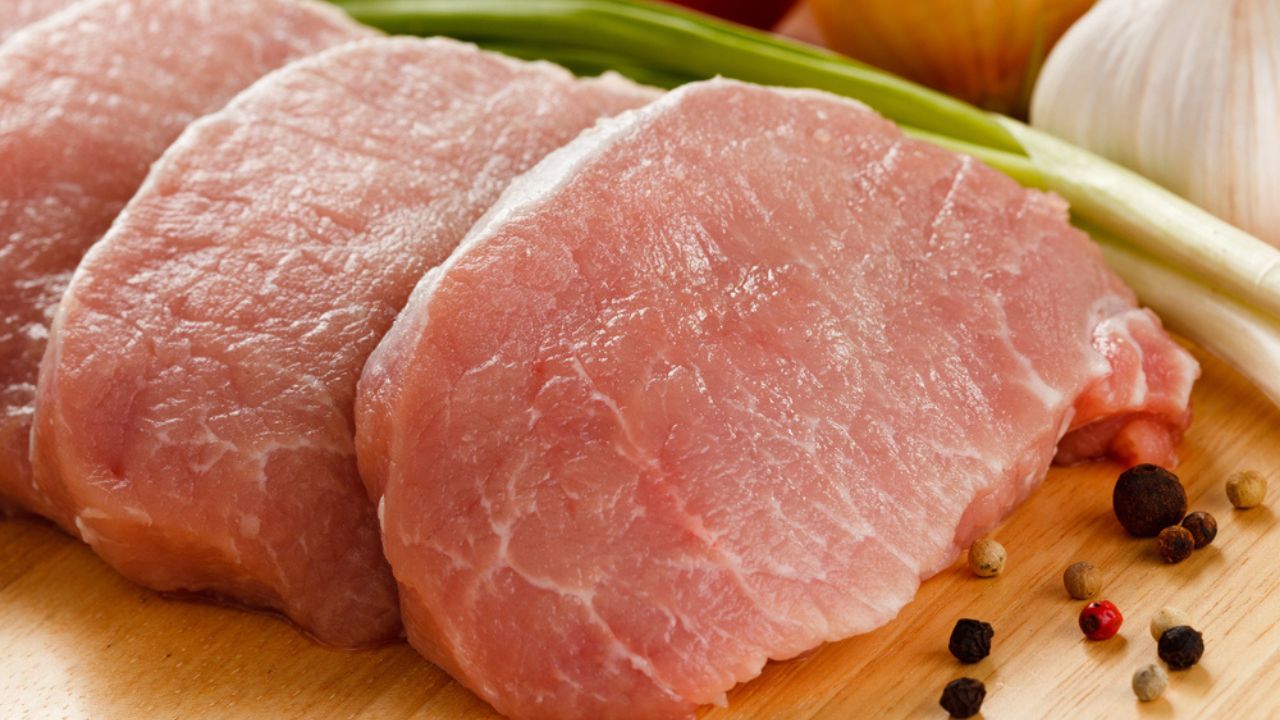
Image Credit: Deposit Photos.
A Sunday beef roast is a wonderful tradition, but it’s becoming a luxury item. For a satisfying and meaty meal that doesn’t break the bank, look to pork chops. They cook up quickly and offer a delicious, savory flavor that can satisfy your craving for a hearty protein.
Quick Look:
- Why it’s a good option: Pork chop prices have increased at a much slower rate than beef roasts. They are portion-controlled and cook much faster, saving you time and energy. From pan-seared to baked, they are incredibly versatile.
- Pro-Tip: Brining pork chops for just 30 minutes in a simple saltwater solution before cooking makes a world of difference. It helps them stay juicy and tender, preventing the dreaded dry-out.
4. Swap Eggs for Greek Yogurt

Image Credit: Shutterstock.
Breakfast can get expensive when a carton of eggs costs more than your morning coffee. While eggs are a protein powerhouse, Greek yogurt or cottage cheese can step in to fill the role, especially when egg prices are high. They offer a creamy, protein-packed start to your day. Greek yogurt often packs more protein and probiotics anyway.
Quick Look:
- Why it’s a good option: These dairy items have experienced much smaller price jumps. Greek yogurt provides a comparable amount of protein with less fat. It’s also a great source of probiotics, which support gut health.
- Pro-Tip: Buy plain Greek yogurt in a large tub instead of individual flavored cups. You can sweeten it yourself with a little honey, maple syrup, or fresh fruit, giving you control over the sugar content and saving money.
5. Swap Ham for Pork Chops

Image Credit: Deposit Photos.
Deli ham and pre-cooked hams often carry a high price per pound, making them less budget-friendly than fresh pork chops. Pork chops are a fresher, minimally processed alternative that provides similar protein levels while costing less on average.
USDA retail price data shows that deli ham can average around $7–$9 per pound, while bone-in pork chops typically average $4–$6 per pound, depending on cut and region.
Quick Look:
- Why it’s a good option: Pork chops are lean, versatile, and can be prepared in a variety of ways, from grilling and roasting to pan-searing, without losing their nutritional value.
- Pro-Tip: Enhance flavor by marinating pork chops with herbs, spices, or a citrus-based marinade. Cook in batches or freeze extra portions to extend shelf life and reduce waste. Even the bone can be simmered with vegetables to make a rich stock for soups and stews.
6. Swap Bacon for Ground Turkey

Image Credit: Deposit Photos.
The sizzle of bacon is hard to resist, but its rising cost can be a deterrent. For a leaner and more affordable alternative, try browning some seasoned ground turkey. It can provide that savory, meaty element in breakfast hashes, salads, and pasta dishes.
Retail data from the USDA shows that sliced bacon averages around $6–$7 per pound. Meanwhile, the USDA’s turkey retail report lists ground turkey (85% lean) for approximately $3.99–$4.99 per pound.
Quick Look:
- Why it’s a good option: Ground turkey is a lean protein that has remained relatively stable in price. By seasoning it with a bit of smoked paprika, salt, and a touch of maple syrup, you can mimic some of bacon’s smoky-sweet flavor profile for a fraction of the cost.
- Pro-Tip: To get a crispy, bacon-like texture, cook the ground turkey in a single layer in a hot pan without overcrowding it. Let it get nicely browned on one side before breaking it up with a spoon.
7. Swap Fresh Apples for Bananas
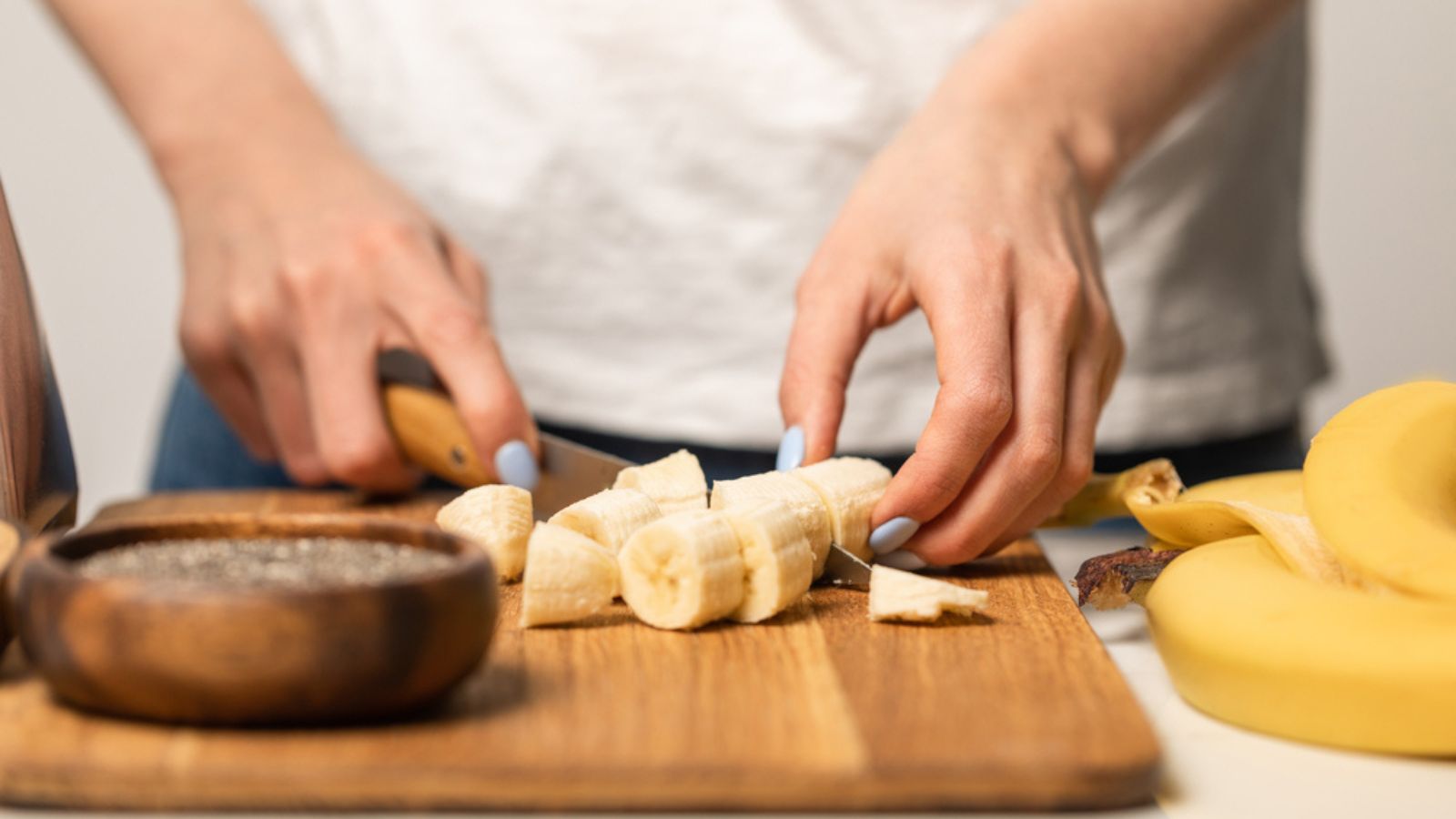
Image Credit: Deposit Photos.
An apple a day might keep the doctor away, but it can also take a bite out of your budget. Apples have seen one of the highest price increases among fruits. Bananas, on the other hand, have remained consistently affordable, making them a smart swap.
Quick Look:
- Why it’s a good option: Banana prices have stayed flat, making them one of the most budget-friendly fruits available. They are packed with potassium and offer similar fiber content to apples. Their soft texture makes them perfect for smoothies, baking, or just a quick snack.
- Pro-Tip: To maximize the nutritional benefits, eat bananas when they are still slightly green. At this stage, they contain more resistant starch and less sugar. This type of fiber is great for digestive health.
8. Swap Charcuterie Boards for Fruit Boards
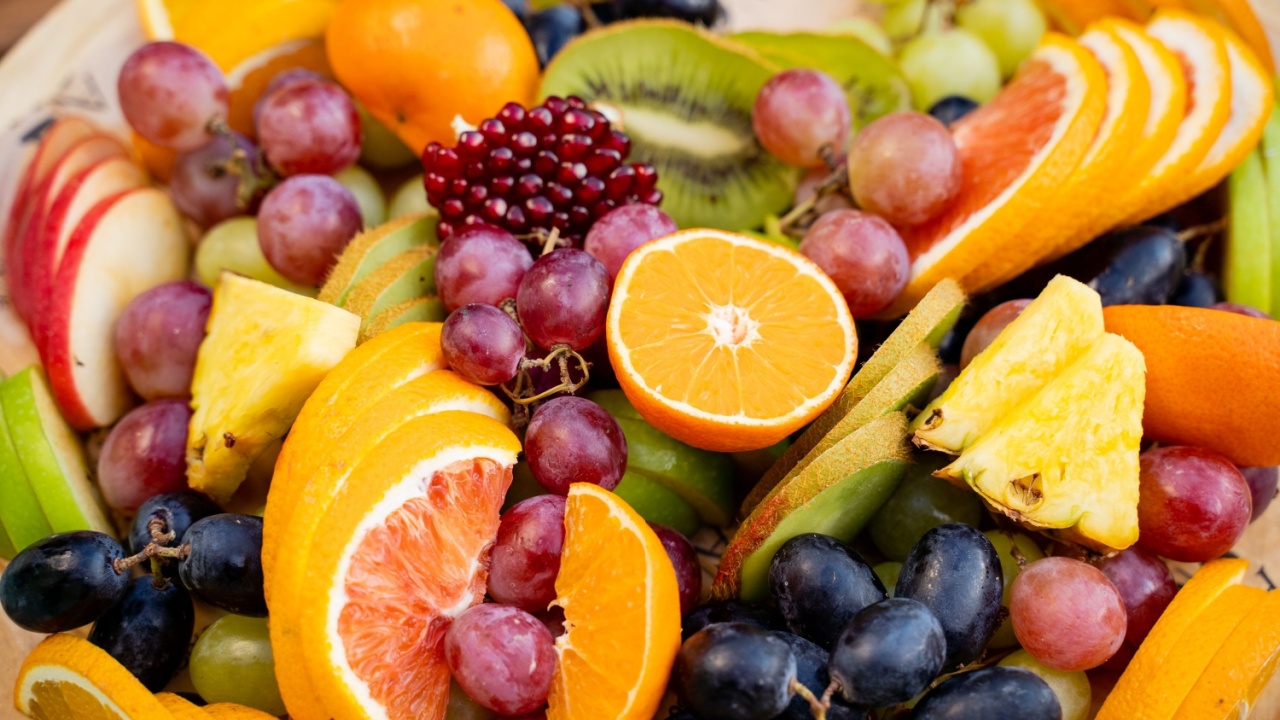
Image Credit: Shutterstock.
Classic charcuterie boards with cured meats, artisanal cheeses, and various brined olives are delicious but can add up quickly. These specialty items have all seen price hikes. For a fresher, lighter, and more affordable gathering snack, create a vibrant fruit board instead.
Quick Look:
- Why it’s a good option: Many fresh fruits have seen much smaller price increases than cheeses and cured meats. A colorful platter of sliced oranges, berries, melon, and grapes is visually appealing and adds healthy fiber to your spread.
- Pro-Tip: To make your fruit board more substantial, add a simple dip like a honey-sweetened yogurt or a cream cheese dip. This introduces a protein element and makes the board feel more like a complete snack.
9. Swap Canned Vegetables for Frozen Vegetables
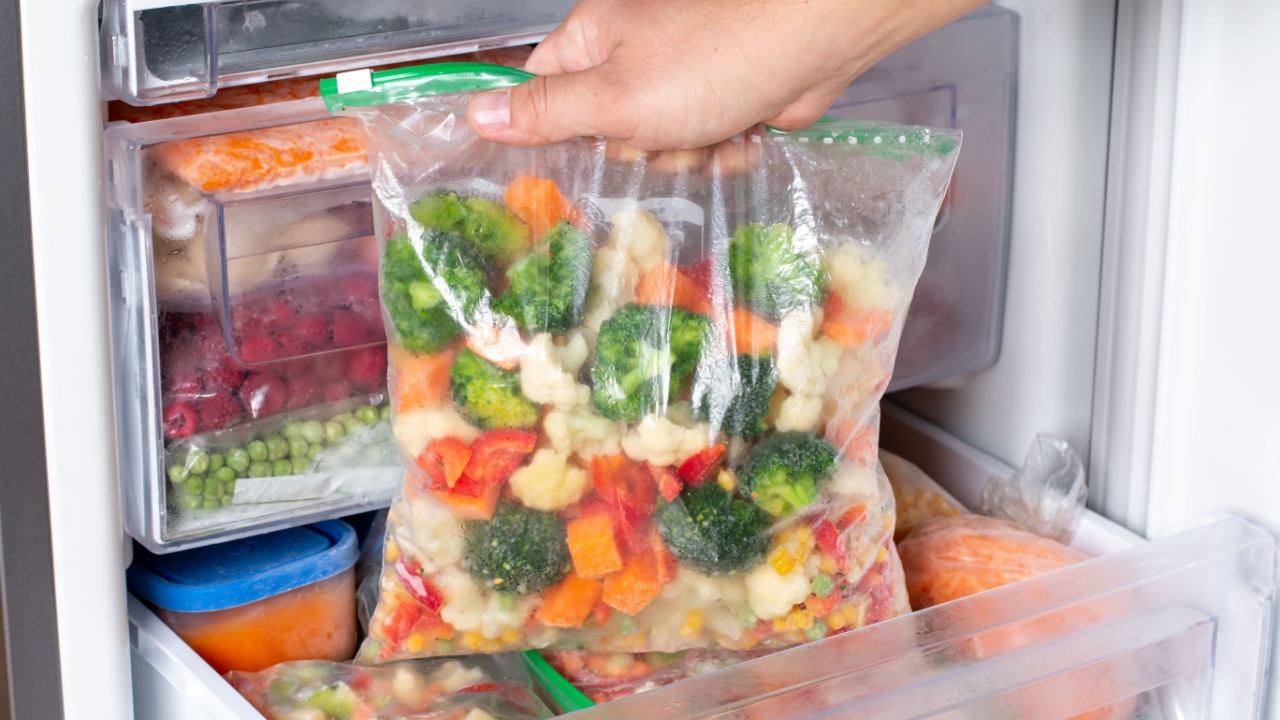
Image Credit: Shutterstock.
While canned vegetables may seem like a budget-friendly choice, frozen vegetables often offer a better value and higher nutrition. The flash-freezing process preserves vitamins and minerals more effectively than the high-heat canning process.
Quick Look:
- Why it’s a good option: They are picked and frozen at peak ripeness, locking in nutrients that can be lost when fresh produce sits on a truck or shelf. You can use exactly what you need and return the rest to the freezer, reducing food waste.
- Pro-Tip: Don’t boil your frozen vegetables into a mushy oblivion. Instead, try roasting them with a bit of olive oil and spices, or stir-fry them quickly to maintain their texture and flavor.
10. Swap Lettuce for Cabbage
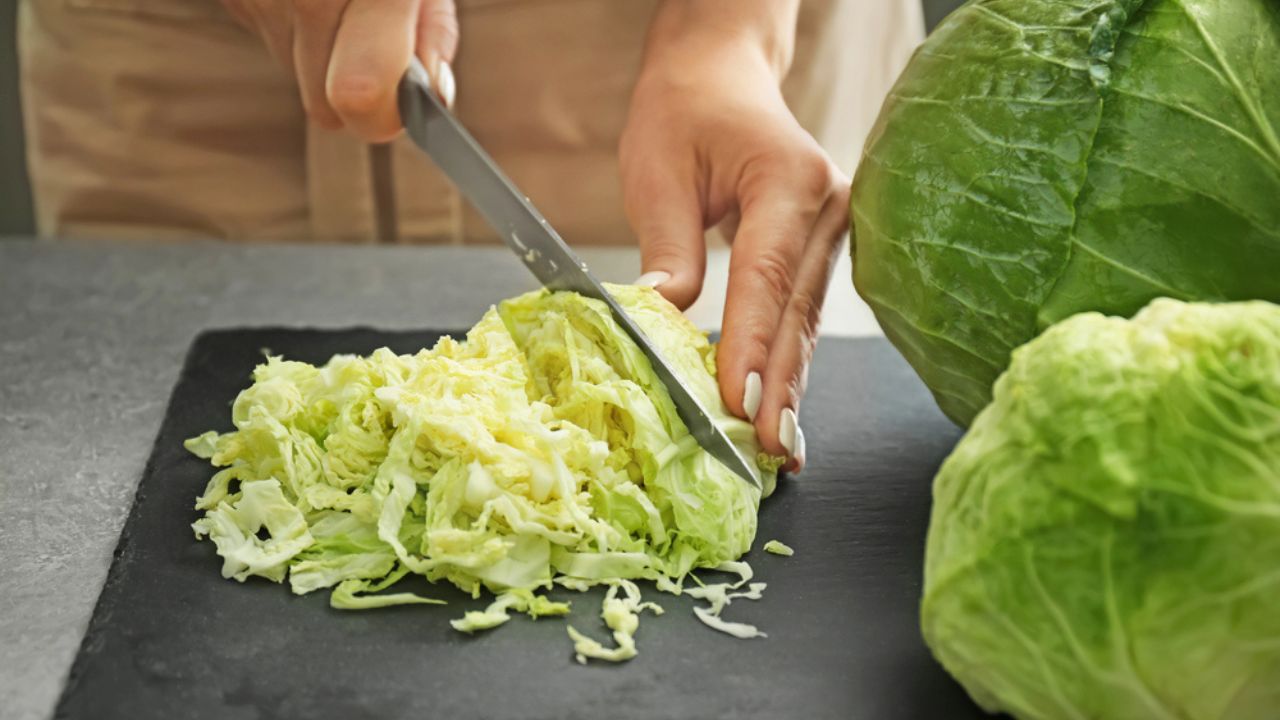
Image Credit: Deposit Photos.
A bag of pre-washed lettuce can be convenient, but it’s often pricey and doesn’t last long. Cabbage is a durable, versatile, and incredibly inexpensive alternative. One head of cabbage can provide the base for multiple meals, from salads to sautés.
Quick Look:
- Why it’s a good option: Cabbage is a fraction of the cost of many lettuces and can last for weeks in your refrigerator’s crisper drawer. It’s packed with vitamins C and K and provides a satisfying crunch.
- Pro-Tip: Finely shred cabbage to make a crisp slaw, use whole leaves as wraps for fillings, or chop it and add it to stir-fries and soups where it holds its texture well.
11. Swap Fresh Berries for Frozen Berries

Image Credit: Deposit Photos.
Fresh berries are a delightful treat, but their price and short shelf life can be frustrating. Frozen berries offer the same great taste and nutritional benefits at a more stable, often lower, price. Frozen berries are available year-round at a consistent price, saving you from seasonal price spikes. They are perfect for smoothies, baking, or making a quick sauce for pancakes or yogurt.
Quick Look:
- Why it’s a good option: Because they are frozen right after picking, they retain their vitamins and antioxidants.
- Pro-Tip: Thaw frozen berries in the microwave for a minute to create a warm, compote-like topping for oatmeal or ice cream. The natural juices create a delicious syrup without any added sugar.
12. Swap Fresh Fish for Shelf-Stable Fish

Image Credit: Deposit Photos.
Fresh fish is a wonderful source of omega-3s, but fillets from the seafood counter can be expensive. Don’t overlook the canned and pouched fish aisle. Options like tuna, salmon, and sardines are packed with nutrients and are much easier on the wallet.
Quick Look:
- Why it’s a good option: The price of shelf-stable fish has actually dropped. It’s a convenient, long-lasting protein that is ready to use anytime. Canned salmon, for example, often includes the soft, edible bones, which are a fantastic source of calcium.
- Pro-Tip: Elevate canned tuna or salmon by mixing it with Greek yogurt instead of mayonnaise, then adding fresh herbs like dill or parsley, and a squeeze of lemon juice. It makes a fresh, flavorful salad for sandwiches or crackers.
13. Swap (Certain) Fresh Vegetables for Root Vegetables
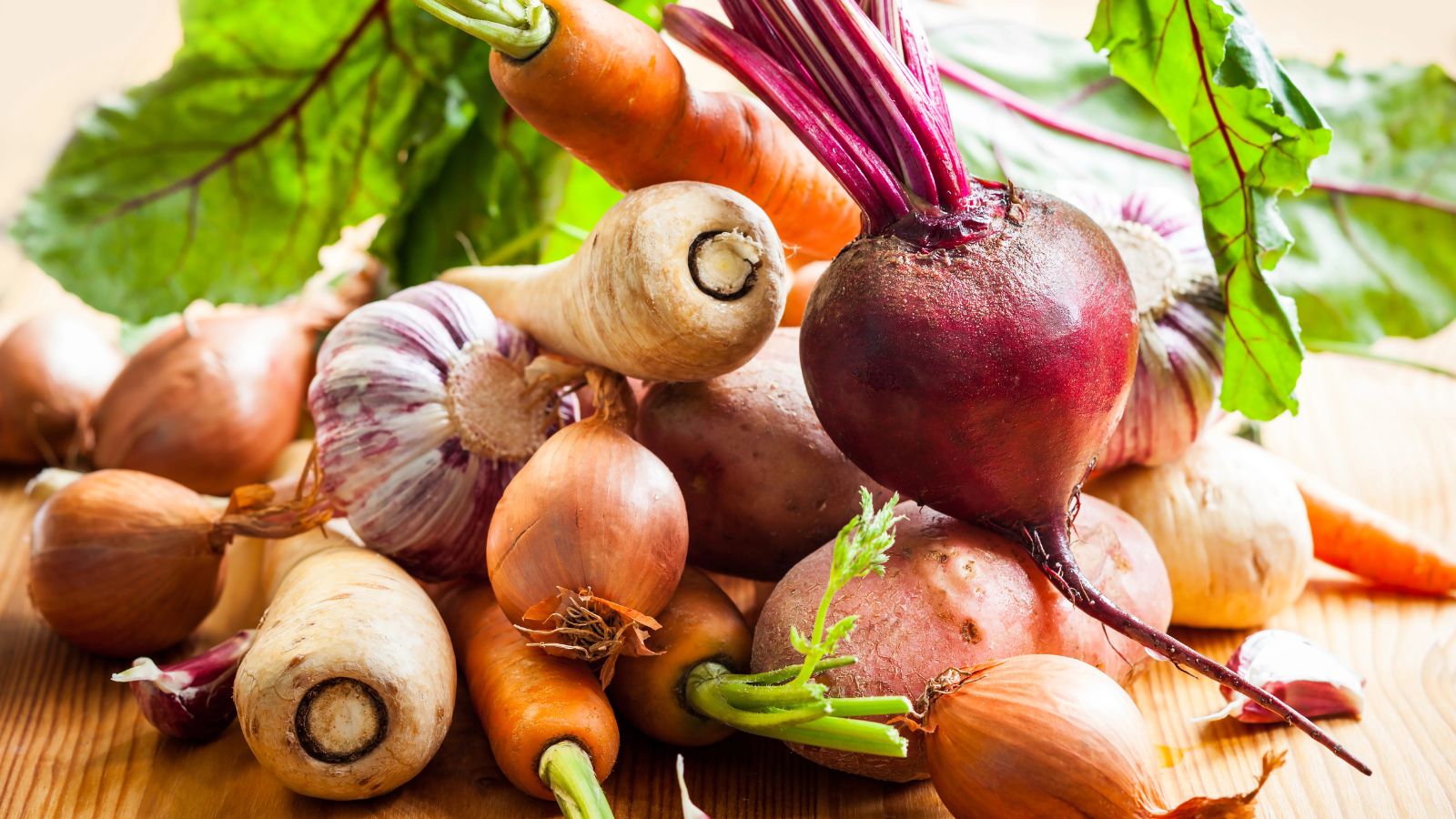
Image credit: Deposit Photos.
When prices for delicate greens and other fresh veggies are high, turn to the humble root vegetable. Potatoes, carrots, and sweet potatoes are nutritional powerhouses that are consistently among the most affordable items in the produce section.
Quick Look:
- Why it’s a good option: Root vegetable prices are very stable, and some have even seen slight decreases. They have a long shelf life when stored in a cool, dark place, which helps reduce food waste. They are also incredibly versatile, perfect for roasting, mashing, or adding to soups.
- Pro-Tip: Don’t peel your potatoes and carrots. The skins are full of fiber and nutrients. Just give them a good scrub before cooking.
14. Swap Cheese for Nutritional Yeast

Image Credit: Deposit Photos.
Cheese prices have been on the rise, making that cheesy pasta or popcorn a bit of an indulgence. For a savory, cheesy flavor without the dairy or the high cost, try nutritional yeast. This deactivated yeast has a nutty, umami-rich taste that mimics Parmesan.
Quick Look:
- Why it’s a good option: A container of nutritional yeast is inexpensive and lasts a long time. It’s a great source of B vitamins and adds a depth of flavor to sauces, soups, and vegetable dishes.
- Pro-Tip: Sprinkle nutritional yeast over popcorn with a little salt for a delicious, cheesy snack. You can also use it to make a vegan “cheese” sauce by blending it with soaked cashews, water, and spices.
15. Swap Dried Beans for Canned Beans
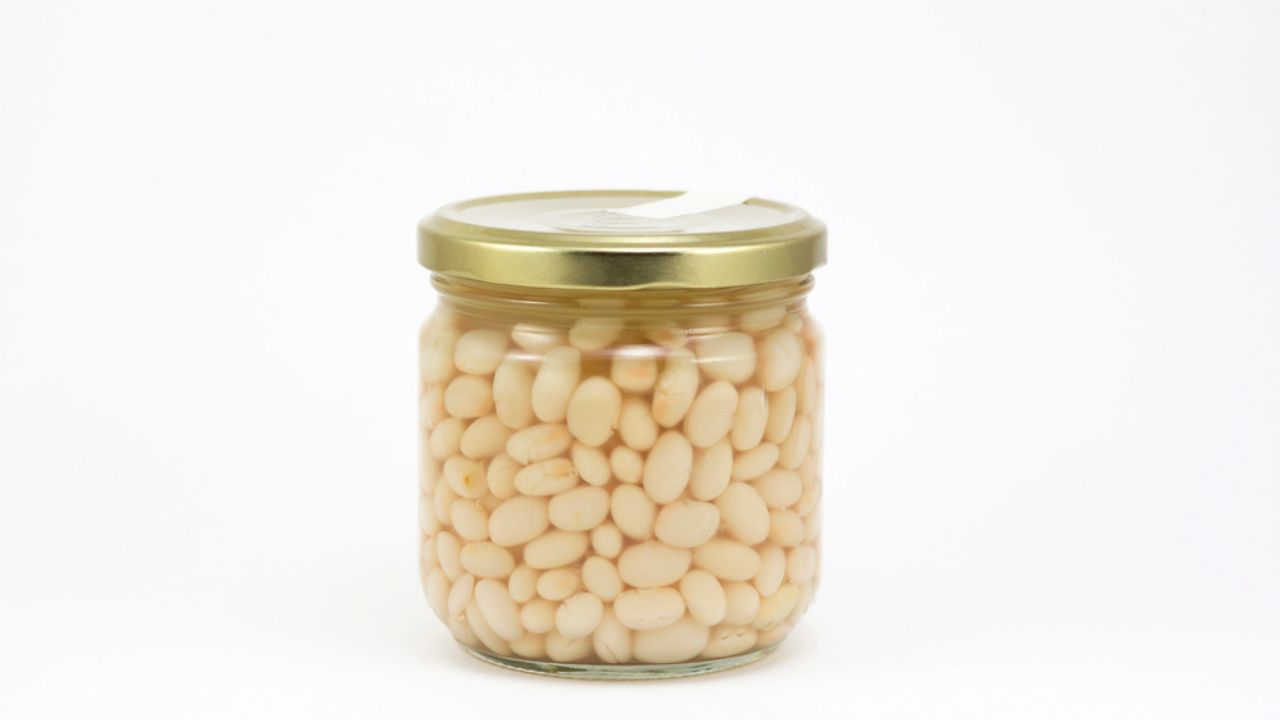
Image Credit: Deposit Photos.
Dried beans, peas, and lentils have seen a surprising price increase. While they are still a budget-friendly protein, you might find that canned beans are currently a better deal. They save you the long soaking and cooking time, offering ultimate convenience.
Quick Look:
- Why it’s a good option: Canned beans are pre-cooked and ready to go, making them perfect for quick weeknight meals. Just be sure to rinse them well to remove excess sodium.
- Pro-Tip: The liquid in a can of chickpeas, known as aquafaba, is a remarkable egg-white substitute. You can whip it to make meringues, mousses, or add body to cocktails.
16. Swap Juice for Water with Citrus

Image Credit: Shutterstock.
Store-bought juices are often expensive and packed with added sugars. For a healthier and more affordable way to hydrate, infuse your water with citrus. The price of citrus fruits has dropped, making them a cheap way to add a burst of flavor.
Quick Look:
- Why it’s a good option: You’ll save money and cut down on sugar by skipping the juice aisle. A single lemon or lime can flavor multiple pitchers of water. This simple swap can also encourage you to drink more water throughout the day.
- Pro-Tip: Slice a lemon, lime, or orange and add it to a pitcher of water in the fridge. For extra flavor, add a few sprigs of mint from your garden. You can refill the pitcher several times before the fruit loses its potency.
Shop Smarter

Image Credit: Deposit Photos.
Navigating rising food costs doesn’t have to mean eating boring meals. The secret is to shop smarter, not harder. Instead of walking into the store with a rigid list, think of it as a flexible blueprint. Check the weekly ads before you go and see which proteins and produce are on sale.
Build your meal plan around those discounted items. Being open to trying a new cut of meat or a different vegetable can unlock delicious new meals and significant savings. Embracing these swaps is a practical way to eat well, reduce food waste, and keep your budget firmly in check.