
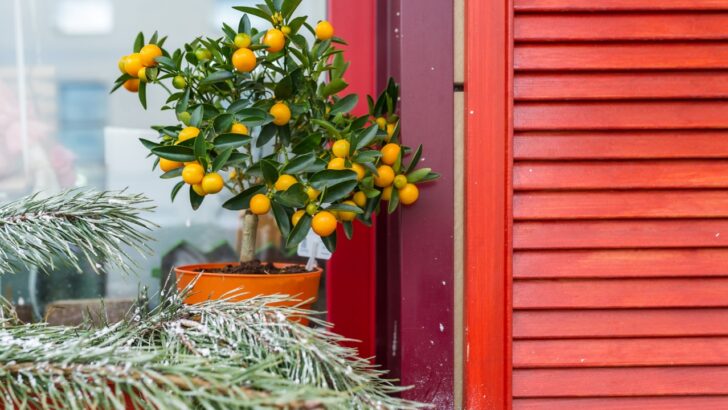
Imagine plucking a fresh, juicy lemon from a tree in your living room or adding homegrown figs to your morning yogurt. You don’t need a sprawling backyard or a perfect climate to enjoy the rewards of growing your own fruit. Many fruit trees can flourish indoors, bringing natural beauty, cleaner air, and delicious, fresh produce right into your home. Growing dwarf fruit trees indoors is a rewarding project for any gardener. (Note: These are also a great choice for growing outdoors in the right climate.)
These compact varieties are specially grafted to stay a manageable size without sacrificing their ability to produce fruit. With the right care and a sunny spot, you can create a miniature orchard in your home. This guide will walk you through 15 excellent options for indoor fruit trees and how to care for them, from indoor gardening experts.
1. Meyer Lemon Tree

Image Credit: Shutterstock.
Meyer lemon trees are perhaps the most popular choice for indoor gardening, and for good reason. They are known for their compact size and reliable fruit production. The lemons themselves are a delightful cross between a traditional lemon and a mandarin orange, resulting in a sweeter, less acidic fruit with a thin, edible rind.
These trees are self-pollinating, meaning you only need one plant to get fruit. While they can take two to three years to mature and bear fruit, their fragrant blossoms are a joy in the meantime. To keep your Meyer lemon tree happy, place it in a spot where it will receive at least six to eight hours of direct sunlight daily. Use a well-draining soil mix and water it thoroughly whenever the top inch of soil feels dry. Pruning is essential to maintain a manageable size, as they can still reach up to eight feet tall if left unchecked.
Quick Care Tips:
- Sunlight: 6-8+ hours of direct sun.
- Water: Keep soil consistently moist, but not waterlogged.
- Soil: Well-draining potting mix, ideally one for citrus.
- Fertilizer: Use a balanced, slow-release fertilizer or a citrus-specific formula during the growing season.
- Special Note: They are self-pollinating.
2. Key Lime Tree
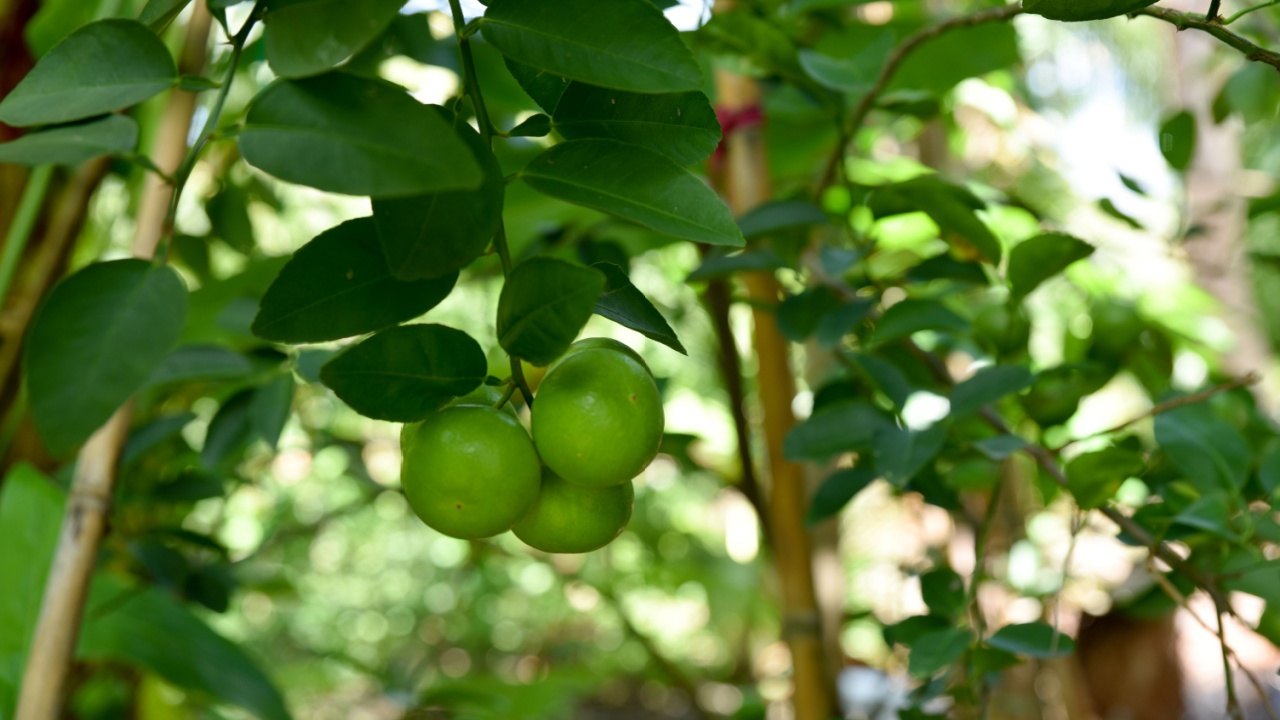
Image Credit: Shutterstock.
Bring a taste of the tropics indoors with a dwarf Key lime tree. These limes are smaller, have a thinner skin, and a more intense, aromatic flavor than the common Persian limes found in most grocery stores. They are perfect for pies, marinades, and cocktails. Like other citrus, Key lime trees crave sunlight and warmth.
A south-facing window is an ideal location. Unlike Meyer lemons, you may need to help with pollination to ensure a good fruit set. Simply use a small, clean paintbrush or cotton swab to gently transfer pollen from one flower to another. Set them outdoors during the summer to benefit from natural pollinators and increased light.
Quick Care Tips:
- Sunlight: 6-8+ hours of direct sun.
- Water: Water when the top inch of soil is dry.
- Soil: Fast-draining citrus or cactus mix.
- Fertilizer: Feed regularly during spring and summer.
- Special Note: Hand-pollination is often necessary for indoor trees.
3. Calamondin Orange Tree
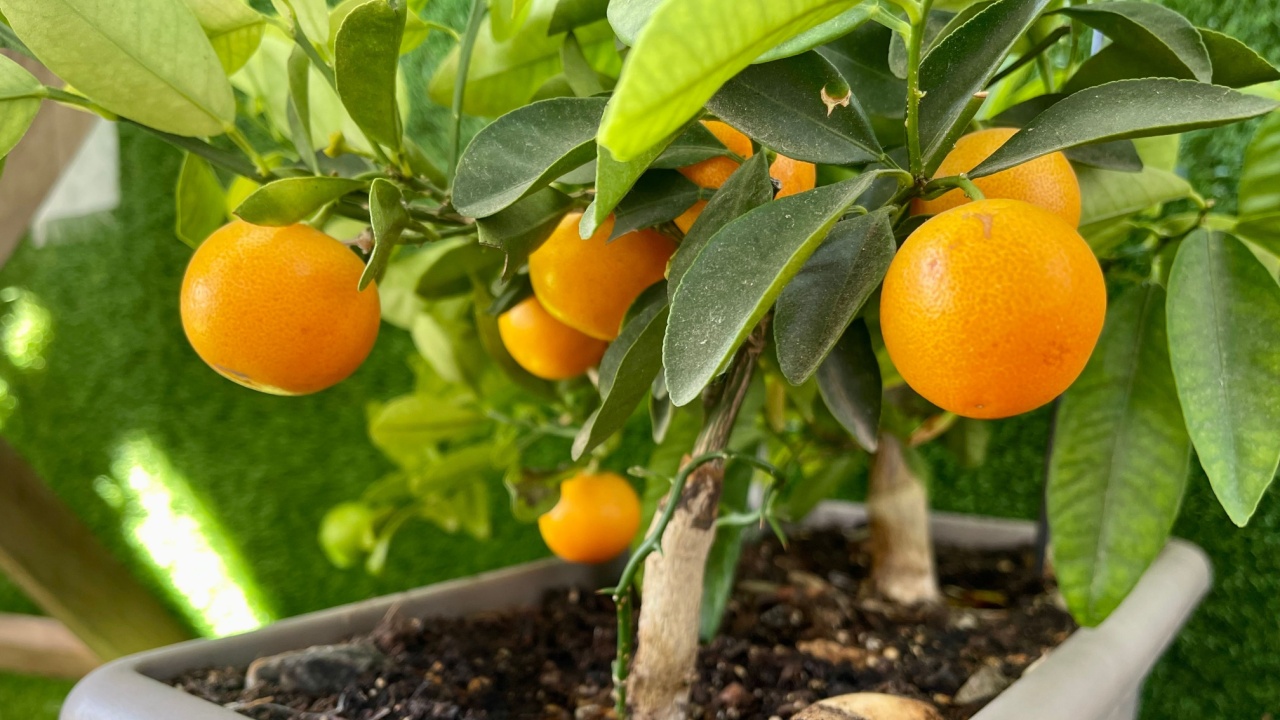
Image Credit: Shutterstock.
Calamondin orange trees are one of the easiest citrus varieties to grow indoors. They are highly productive and often have flowers and fruit on the tree at the same time, making them beautiful ornamental plants. The fruit is a cross between a mandarin orange and a kumquat, resulting in a small, round orange with a tart flesh and a sweet, edible peel.
These trees are naturally self-pollinating and quite forgiving. They need plenty of bright, direct sunlight to thrive. Water consistently, but allow the soil to dry slightly between waterings to prevent root rot. Their compact size makes them a perfect fit for smaller spaces.
Quick Care Tips:
- Sunlight: 6+ hours of direct sun.
- Water: Allow soil to dry out slightly between waterings.
- Soil: Standard well-draining potting mix.
- Fertilizer: Use a citrus-specific fertilizer every few months.
- Special Note: The entire fruit, including the peel, is edible.
4. Brown Turkey Fig Tree
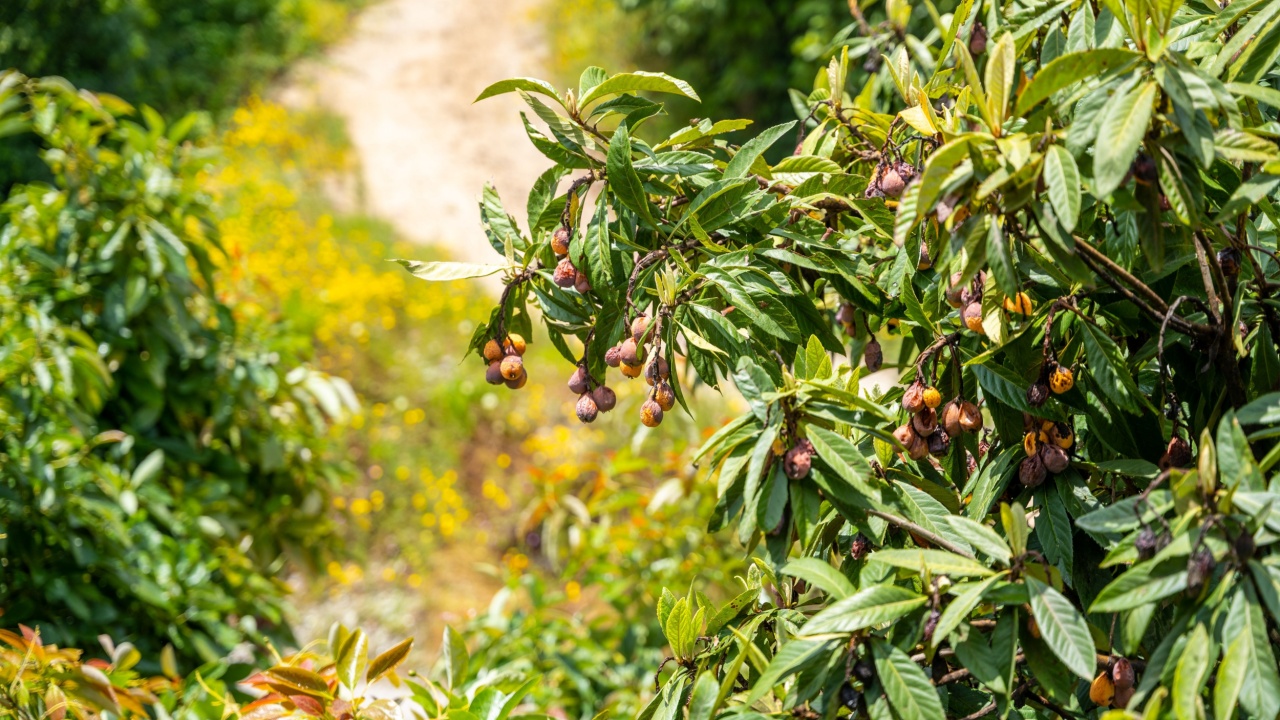
Image Credit: Shutterstock.
Figs are surprisingly well-suited for container life. While they need warm weather to grow outdoors in most climates, they make excellent indoor trees. The ‘Brown Turkey‘ variety is a great choice because it’s self-pollinating and reliably produces sweet, brownish-purple figs. Fig trees need a humid environment, so you may need to mist the leaves regularly, especially during dry winter months.
Place them in a location that receives at least six hours of full sunlight each day. The size of the pot will influence the size of your tree; a larger pot encourages more growth and a larger harvest. Water about once a week, or whenever the soil feels dry, and be sure to prune it to maintain your desired height.
Quick Care Tips:
- Sunlight: 6-8 hours of direct sun.
- Water: Water weekly; avoid letting the soil dry out completely.
- Soil: Loamy, well-draining soil.
- Humidity: Benefits from regular misting.
- Special Note: Keep away from cold drafts.
5. Dwarf Cavendish Banana Tree
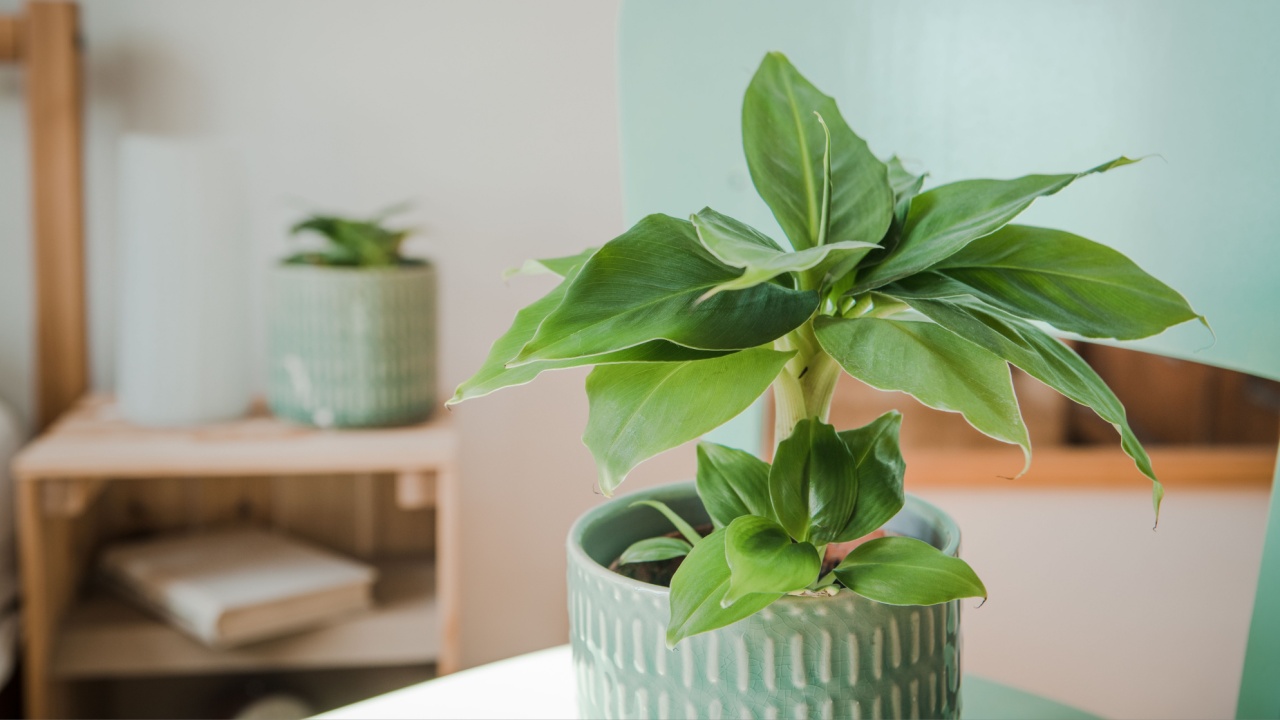
Image Credit: Shutterstock.
While technically a herbaceous plant and not a tree, the banana plant’s tree-like appearance and ability to produce fruit make it a stunning indoor choice. The ‘Dwarf Cavendish’ is a popular variety that stays relatively compact, typically under ten feet tall, making it suitable for homes with high ceilings.
As a tropical plant, a banana tree needs plenty of sunlight, warmth, and humidity. A south-facing window is ideal. You’ll need to water it frequently to keep the soil consistently moist. To boost humidity, you can mist the large leaves daily or place a humidifier nearby. With the right conditions, you can enjoy small, sweet bananas in a few years.
Quick Care Tips:
- Sunlight: 6-8 hours of bright, direct light.
- Water: Keep soil consistently moist but not soggy.
- Soil: Rich, well-draining potting mix.
- Humidity: Requires high humidity; mist daily.
- Special Note: It will die after fruiting, but produces new “pups” from the base.
6. Arbequina Olive Tree
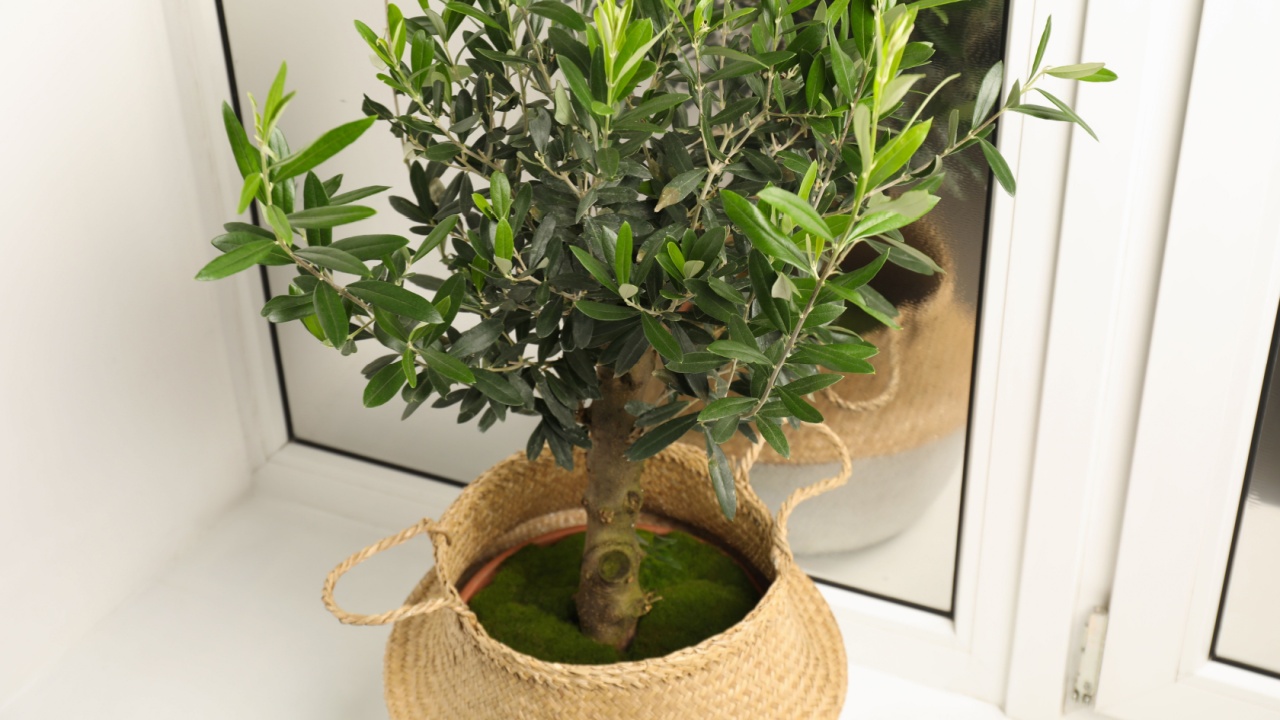
Image Credit: Shutterstock.
Olives may not be the first thing you think of when you imagine indoor fruit, but these beautiful trees are surprisingly low-maintenance. The ‘Arbequina‘ variety is a slow-growing, self-pollinating tree that adapts well to containers. Its silvery-green foliage makes it a gorgeous houseplant even before it fruits.
Olive trees need at least six hours of full sun daily. They are quite drought-tolerant, so you should only water them when the top inch or two of soil has completely dried out. For the tree to produce its small, flavorful olives, it needs to experience a period of cooler temperatures (around 50°F or 10°C) for about two months to simulate winter. You can achieve this by moving it to a cool garage or unheated room.
Quick Care Tips:
- Sunlight: 6-8 hours of direct sun.
- Water: Water only when the top 1-2 inches of soil are dry.
- Soil: Very well-draining soil, like a cactus mix.
- Fertilizer: Fertilize lightly in spring.
- Special Note: Requires a cool period (about 2 months) to set fruit.
7. Moorpark Apricot Tree
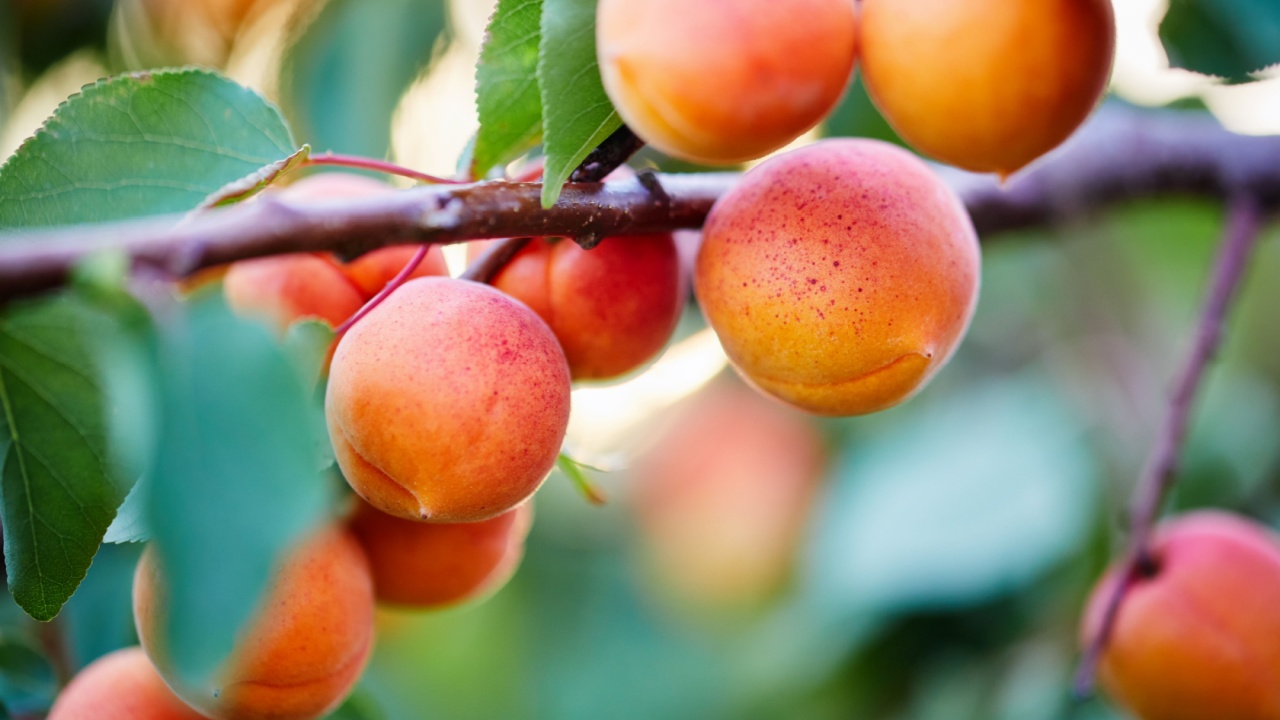
Image Credit: Shutterstock.
Fresh apricots are a summer delicacy, and you can grow them right in your living room. The ‘Moorpark’ variety is a popular dwarf choice that typically stays around six feet tall with regular pruning. It produces large, sweet, and juicy apricots.
Apricot trees need a snug container with well-draining soil. Like peaches, they thrive when their roots are slightly confined. Place your tree near a sunny, south-facing window for maximum light exposure. Keep the soil consistently moist, never allowing it to dry out completely. Prune annually to maintain a compact, manageable shape.
Quick Care Tips:
- Sunlight: 6+ hours of direct sun.
- Water: Keep soil consistently moist.
- Soil: Well-draining, loamy soil.
- Fertilizer: Feed with a balanced fertilizer in early spring.
- Special Note: Regular pruning is key to keeping it small and productive.
8. Nectarine Tree
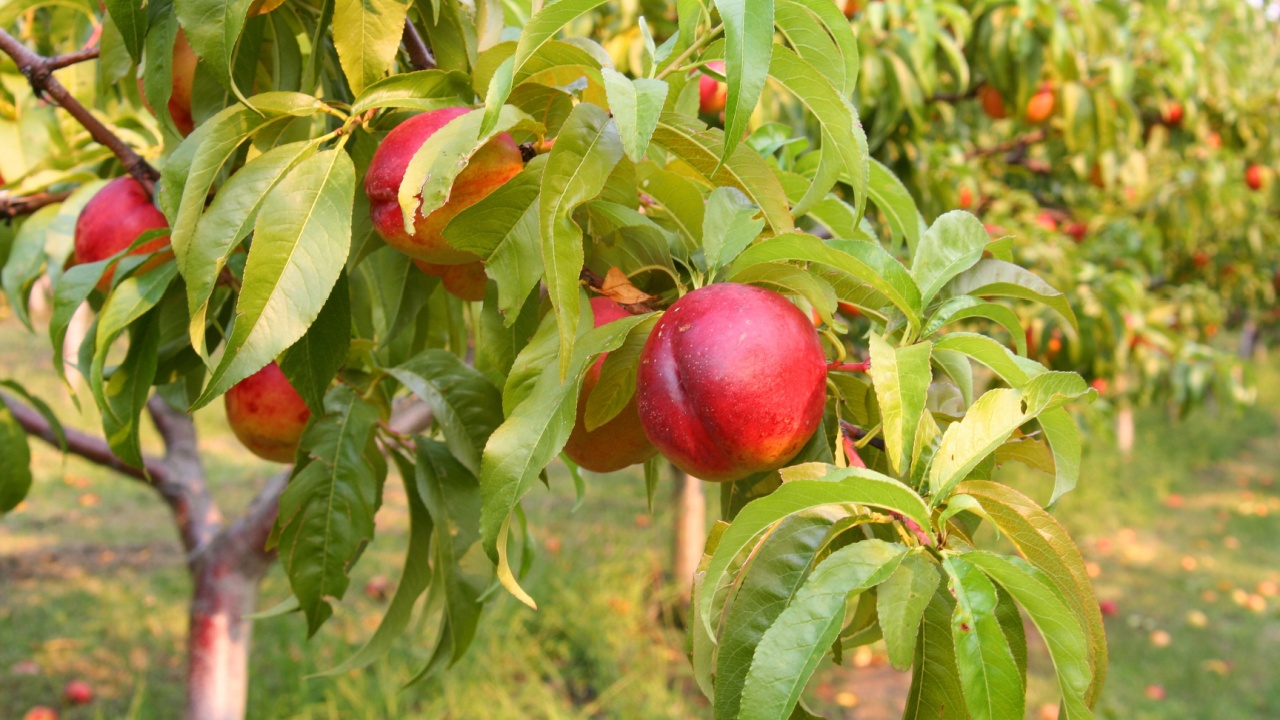
Image Credit: Shutterstock.
Nectarines and peaches are close relatives with very similar growing needs. If you prefer the smooth skin of a nectarine, a dwarf variety is an excellent choice for indoor growing. Like peaches, they require plenty of sunlight and consistent care to thrive.
Plant your dwarf nectarine tree in a large container with good drainage and loamy soil. It’s important not to over-pot; choose a container just slightly larger than the current root ball. Keep the soil consistently moist and provide your tree with as much direct sunlight as possible. Regular feeding throughout the spring and summer will support healthy growth and fruit development.
Quick Care Tips:
- Sunlight: 6-8 hours of direct sun.
- Water: Maintain consistently moist soil.
- Soil: Loamy, well-draining soil.
- Fertilizer: Feed regularly from spring through summer.
- Special Note: Very similar care requirements to peach trees.
9. Passion Fruit Vine
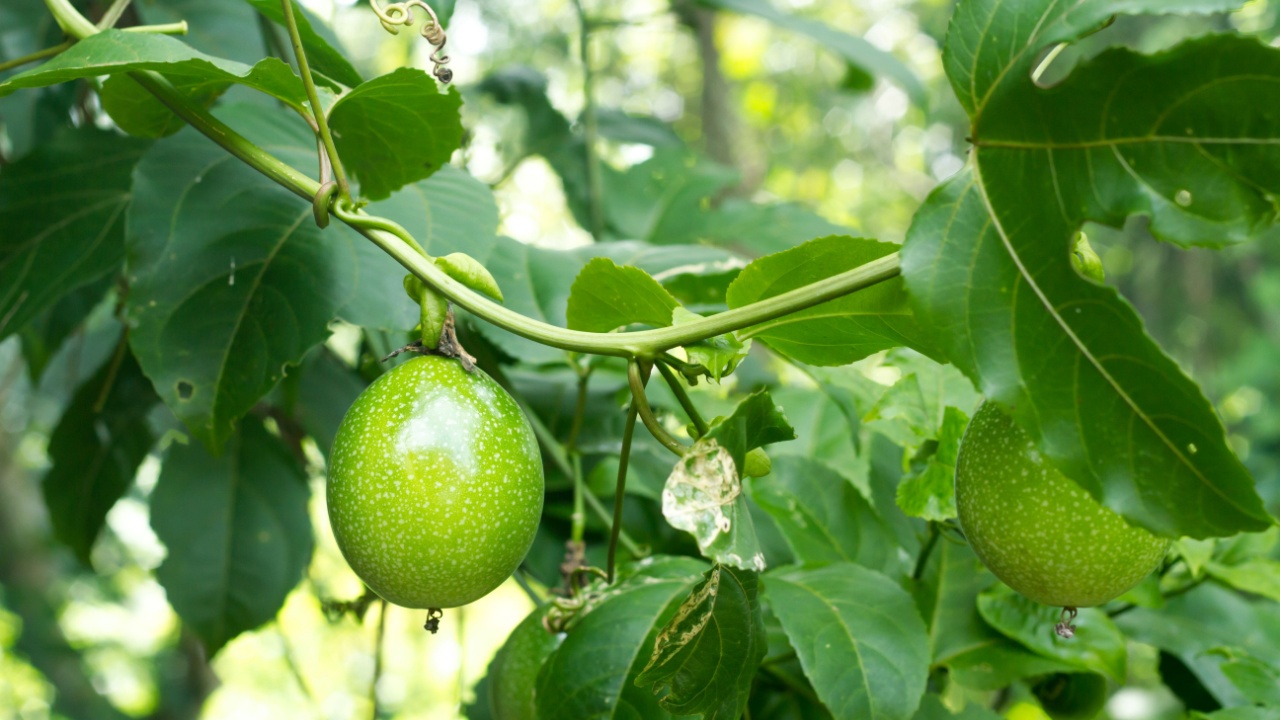
Image Credit: Shutterstock.
While technically a vine, passion fruit can be grown in a container like a tree with the help of a trellis. The stunning, exotic flowers are a beautiful feature on their own, followed by the uniquely tangy and aromatic fruit. Provide your passion fruit vine with a large pot and a sturdy trellis to climb.
They need at least six hours of full sunlight each day and consistently moist soil. These are vigorous growers and will benefit from regular watering and feeding. You may need to hand-pollinate the flowers to encourage fruit production indoors.
Quick Care Tips:
- Sunlight: 6+ hours of direct sun.
- Water: Keep soil consistently moist.
- Soil: Rich, well-draining soil.
- Support: Requires a trellis or other support structure.
- Special Note: Produces spectacular flowers before fruiting.
10. Everbearing Mulberry Bush
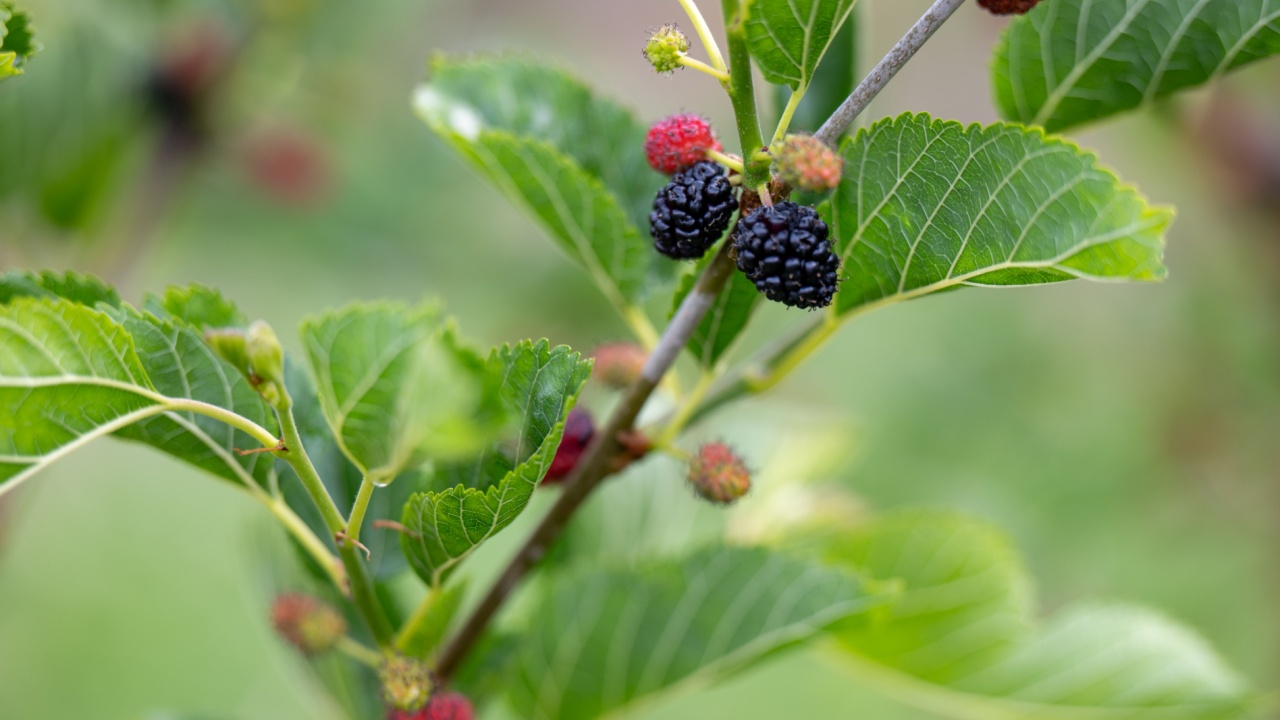
Image Credit: Shutterstock.
While not technically a “tree,” this bush yields tasty berries any indoor gardener will love. ulberry bushes are fast-growing and can produce sweet, blackberry-like fruits throughout the summer. Dwarf varieties like ‘Everbearing’ or ‘Issai’ look more like bushes than trees and are perfect for containers. Mulberries are not picky about soil but do require a pot with good drainage.
They need a spot with plenty of bright, direct light to produce an abundance of fruit. Because they grow so quickly, you will need to prune them regularly to maintain a compact size suitable for indoors. Fertilize every six months to keep them healthy and productive.
Quick Care Tips:
- Sunlight: 6-8 hours of direct sun.
- Water: Water regularly, allowing the topsoil to dry slightly.
- Soil: Good-quality, well-draining potting soil.
- Pruning: Requires regular pruning to control its vigorous growth.
- Special Note: Fruit can stain, so be mindful of placement when harvesting.
11. Kumquat Tree
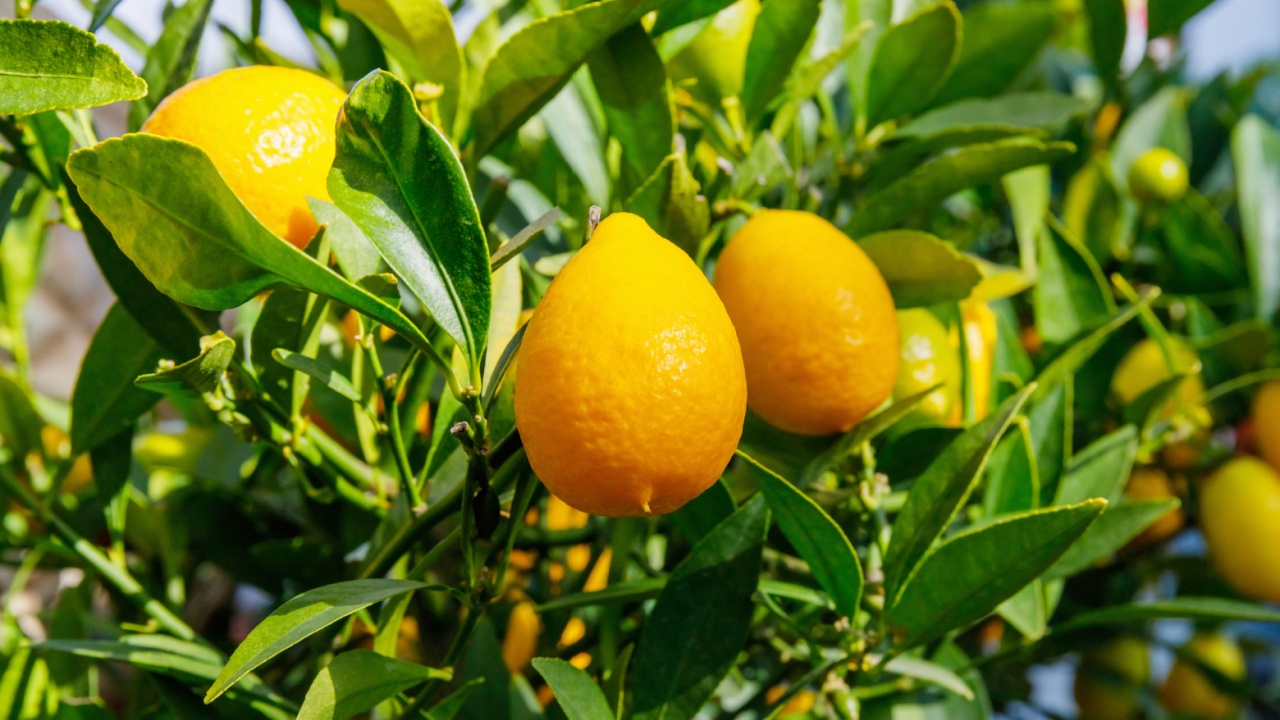
Image Credit: Shutterstock.
Kumquats are unique citrus fruits where the entire fruit peel and all is edible. The flesh is sour, while the peel is surprisingly sweet, creating a burst of flavor when eaten together. Dwarf kumquat trees are highly ornamental, with glossy green leaves and bright orange fruit.
Care for a kumquat tree is similar to any other indoor citrus. They need at least six to eight hours of direct sunlight, high humidity, and consistent watering. A unique tip for kumquats is to pinch back the growing tips of the branches. This encourages the plant to become bushier and sturdier, which leads to more fruit production.
Quick Care Tips:
- Sunlight: 6-8 hours of direct sun.
- Water: Keep soil moist; increase watering when fruiting.
- Soil: Well-draining citrus mix.
- Humidity: Appreciates higher humidity levels; misting helps.
- Special Note: Pinching back new growth promotes a bushier plant and more fruit.
12. Goji Berry Bush
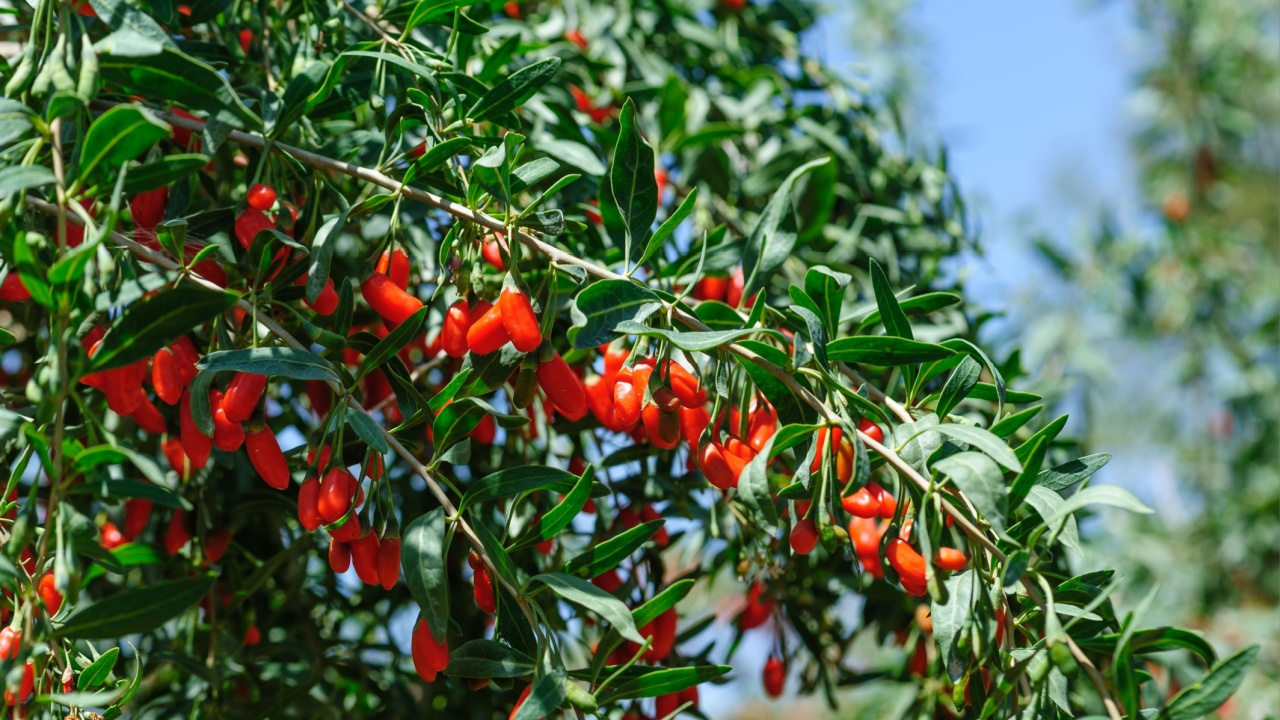
Image Credit: Shutterstock.
Goji berries are celebrated as a superfood packed with vitamins and antioxidants. These plants are surprisingly hardy and can be grown indoors in a container. They are drought-tolerant and relatively low-maintenance once established.
Place your goji berry bush in your sunniest spot, preferably a south-facing window. They dislike “wet feet,” so use a fast-draining soil mix and allow the soil to dry out between waterings. When the bright red berries are ripe, harvesting is easy: just place a sheet under the plant and gently shake the pot.
Quick Care Tips:
- Sunlight: 8+ hours of direct sun for best results.
- Water: Drought-tolerant; let soil dry out between waterings.
- Soil: Very well-draining, almost sandy soil.
- Fertilizer: Does not require much fertilizer.
- Special Note: Berries fall off easily when ripe.
13. Ground Cherry
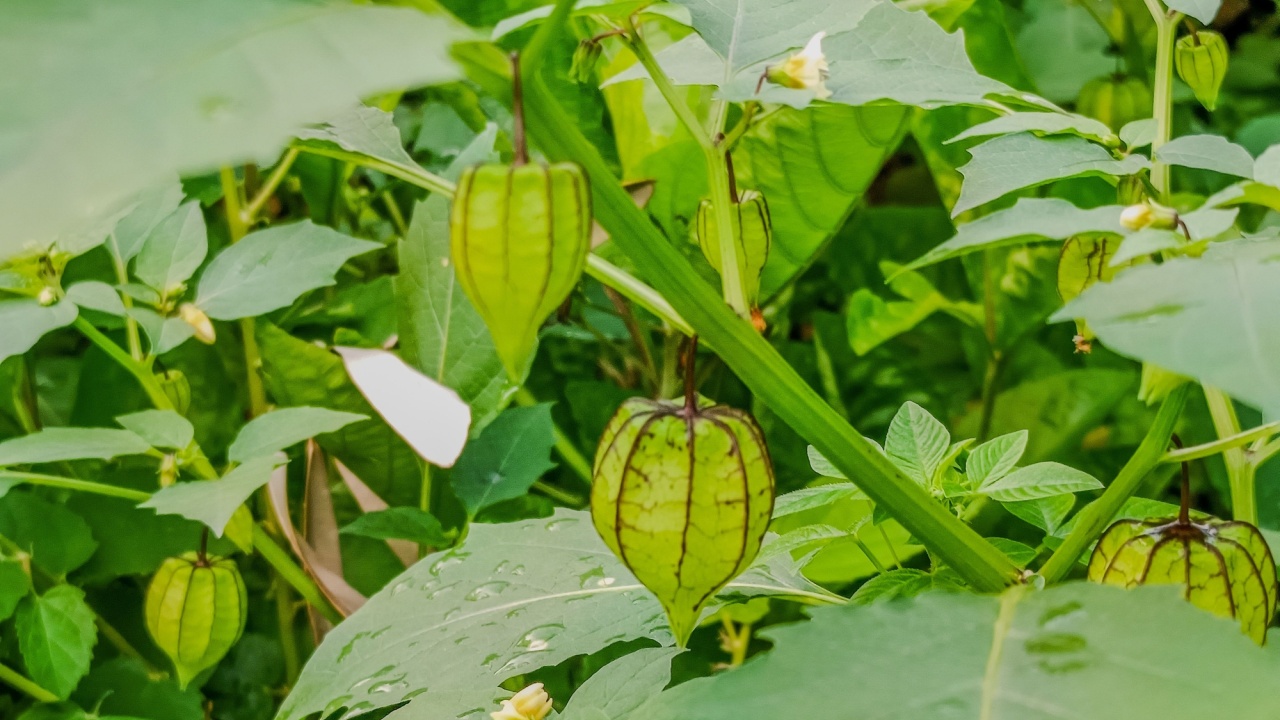
Image Credit: Shutterstock.
Also known as Cape Gooseberries, ground cherries are not trees but small, bushy plants from the same family as tomatoes. They are incredibly easy to grow and produce sweet, tropical-tasting fruits encased in a papery husk. The flavor is often described as a mix of pineapple, tomato, and citrus.
Ground cherries are typically grown as annuals. You can start them from seed in an eight-inch pot with a good-quality potting mix. Like tomatoes, they need full sunlight and consistent moisture to thrive. They will produce fruit throughout the summer until the first frost.
Quick Care Tips:
- Sunlight: 6-8 hours of direct sun.
- Water: Keep soil consistently moist.
- Soil: Rich, well-draining potting mix.
- Harvesting: Fruit is ripe when it falls to the ground inside its husk.
- Special Note: Grown as an annual, so you’ll need to plant new seeds each year.
14. Pomegranate ‘Nana’
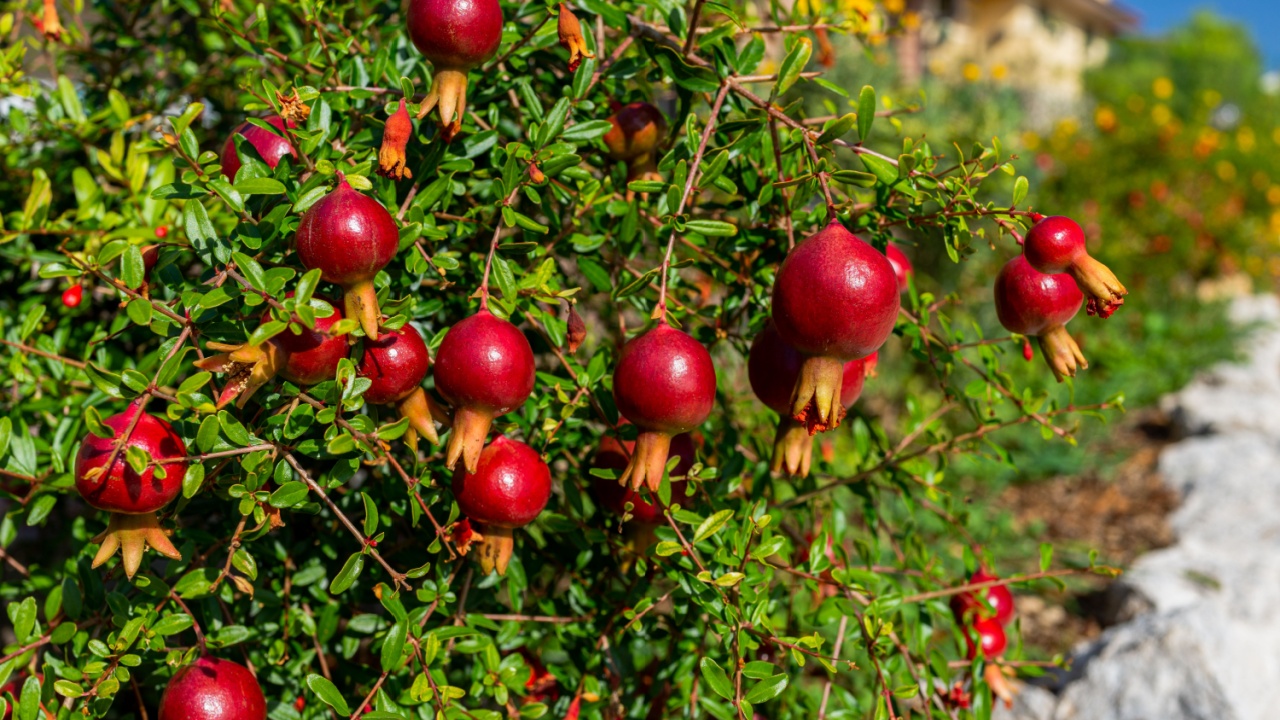
Image Credit: Shutterstock.
The ‘Nana’ variety is a true dwarf pomegranate that is perfect for container gardening. It typically grows to only three feet tall and produces beautiful, vibrant orange-red flowers followed by small, ornamental fruits. While the fruits are edible, they are mostly seeds and not as fleshy as standard pomegranates.
Pomegranates love the sun and heat. Give your plant the sunniest, warmest spot in your home. They are quite drought-tolerant, so be careful not to overwater. Allow the top few inches of soil to dry out completely before watering again. This tough little plant is a great choice for beginners looking for a unique indoor fruit tree.
Quick Care Tips:
- Sunlight: 6-8+ hours of direct sun.
- Water: Drought-tolerant; water deeply but infrequently.
- Soil: Well-draining mix; a cactus or succulent soil works well.
- Fertilizer: Feed with a balanced liquid fertilizer every few weeks during the growing season.
- Special Note: Prized for its beautiful flowers as much as its fruit.
15. Meyer-Improved Dwarf Avocado
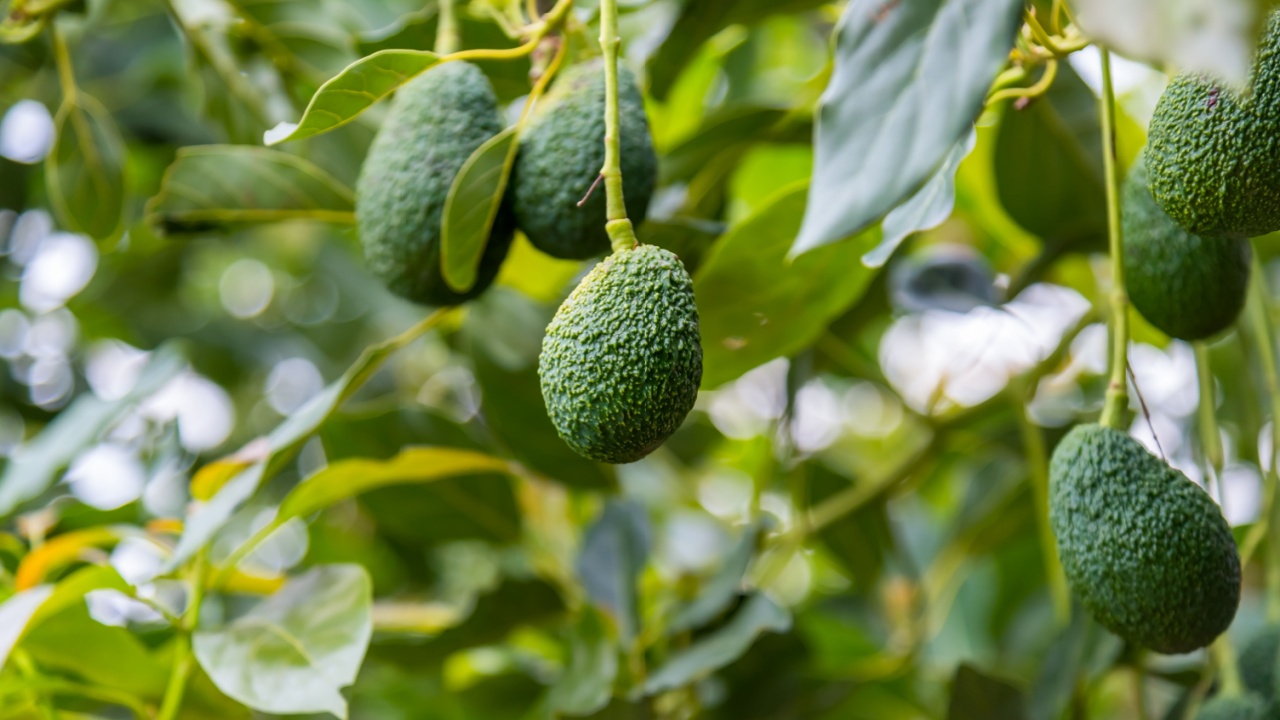
Image Credit: Shutterstock.
While you can sprout an avocado pit in a glass of water, those plants rarely produce fruit and can take over a decade to mature. For a real harvest, it’s best to buy a grafted dwarf avocado tree, such as the ‘Meyer-Improved’ variety.
These are selected for their ability to fruit in containers and at a younger age. Avocado trees need lots of bright, indirect sunlight, though they can handle some direct sun. They require well-draining soil and consistent watering, but are sensitive to overwatering. Getting an indoor avocado to fruit can still be a challenge, but a grafted dwarf variety gives you the best possible chance.
Quick Care Tips:
- Sunlight: Bright, indirect light for 6-8 hours.
- Water: Water thoroughly when the top inch of soil is dry.
- Soil: Loamy, fast-draining soil.
- Humidity: Prefers higher humidity.
- Special Note: Buying a grafted tree is essential for fruit production.
Your Indoor Orchard Awaits
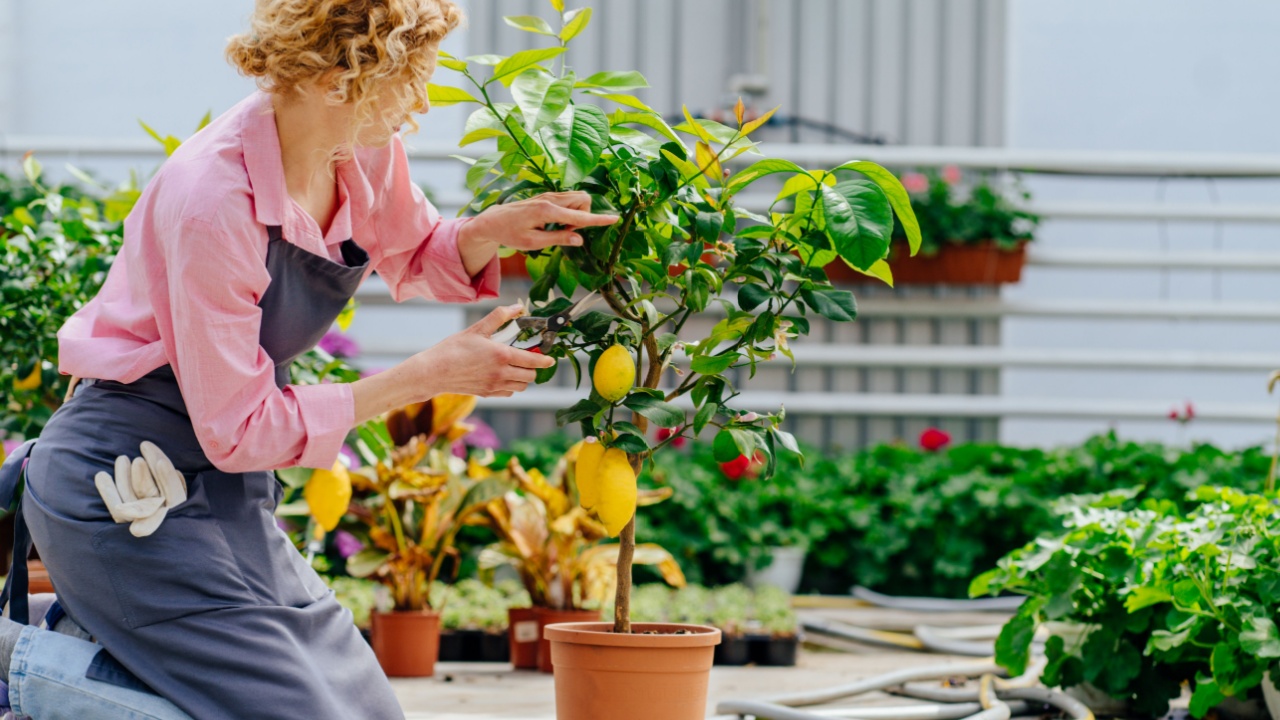
Image Credit: Shutterstock.
Growing fruit indoors is an exciting way to connect with your food and bring a piece of the garden inside. The key to success is choosing the right variety and providing it with the conditions it needs to thrive. Your next step is to assess the light in your home. Find your sunniest window and measure how many hours of direct light it gets each day.
Once you know what you can provide, choose a tree from this list that matches your environment. Visit your local nursery or an online specialty grower to find your perfect plant. Before you know it, you’ll be enjoying the sweet success of your very own homegrown fruit.