
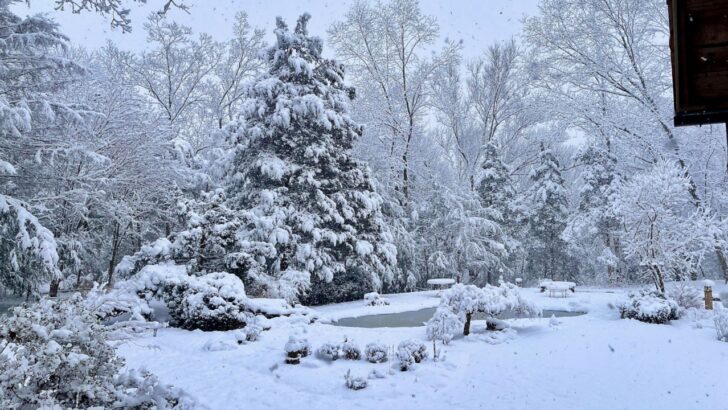
As winter sets in, your lawn care routine might shift to the back of your mind. While you’re not mowing it every week, your lawn still needs attention to stay healthy for the spring. Many people don’t realize that one of the most damaging things you can do to your grass during the colder months is simply walking on it.
We spoke with Angelika, a Lawn Care and Gardening Expert at Online Turf, who has nearly two decades of experience growing and maintaining turf. She shared why keeping off the grass is crucial during winter and what you can do to protect it until the growing season returns.

Image Credit: Online Turf.
Why is Walking on a Winter Lawn So Bad?
“Never walk on a wet or frozen lawn,” Angelika warns. “This can compact the soil and damage grass blades, resulting in breakage and brown patches developing. Otherwise, you’ll spend a lot of time fixing them in the spring.”
Compacted soil is a serious problem. It restricts the amount of air, water, and essential nutrients that can reach the grass roots. This weakens the grass, making it less able to handle the stress of cold weather and increasing the risk of water pooling on the surface.
What If You Have to Cross the Lawn?
Sometimes, walking across the lawn is unavoidable. “The best way to minimize damage if you do need to step on a cold or wet lawn as a one-off is by placing wooden planks on the lawn and stepping on those rather than on the grass directly,” Angelika advises. “This distributes your weight evenly and prevents the soil from being compacted.”
If you find yourself crossing the same patch of grass regularly, she suggests a more permanent solution. “Consider investing in stepping stones to create a path in high-traffic areas and avoid stepping on the grass and the soil directly altogether.”
How to Manage Lawns with Kids and Pets
Families with children or pets know that keeping everyone off the grass is a tall order. “The best way to minimize damage is to limit the amount of foot traffic that the lawn receives,” she explains. “One of the best ways to do this is to encourage your kids and pets to play on hard surfaces, like a patio, instead.”
If that isn’t an option, try to spread out the activity. “Make sure to minimize concentrated traffic in just one area of the lawn. This can be achieved by dividing your lawn into different zones and rotating their use periodically. This will spread the wear more evenly, resulting in less compacted soil.”
How to Repair a Damaged Lawn in Spring
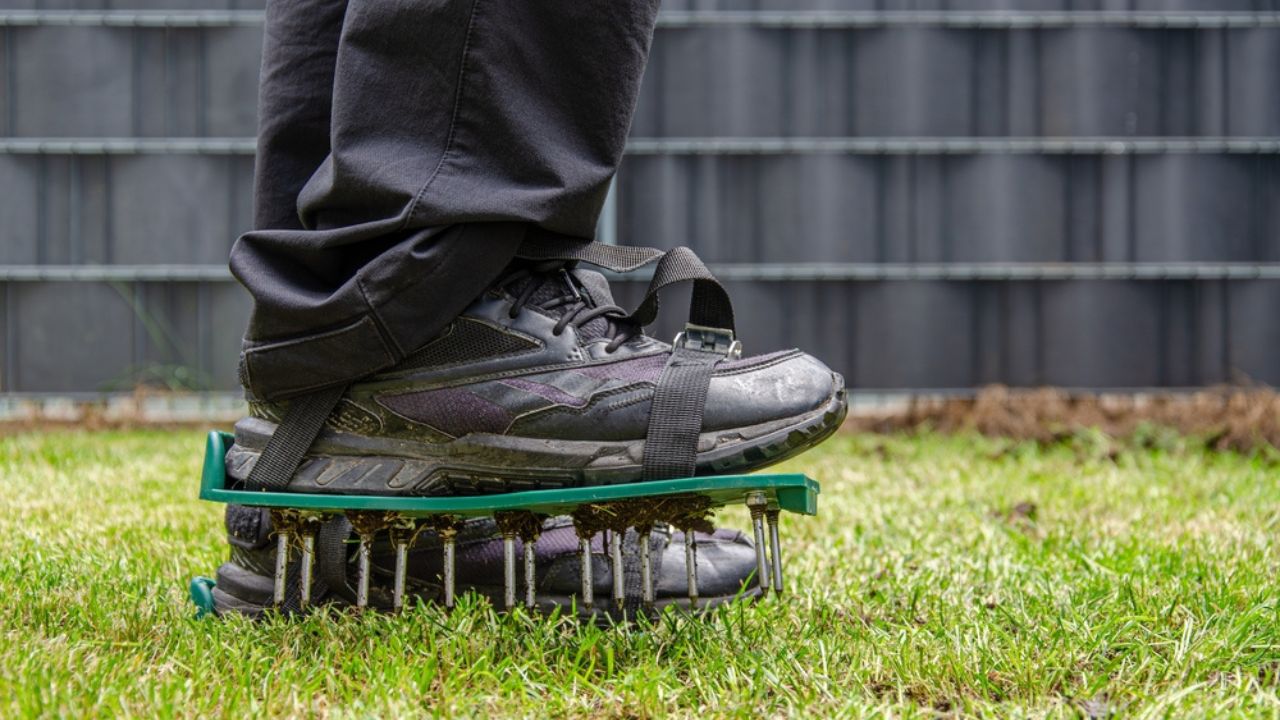
Image Credit: Shutterstock.
Angelika says the first step is to “aerate and overseed your lawn.” Lawn aeration is the process of creating small holes in the ground to loosen compacted soil, helping air, water, and nutrients reach the roots. There are two main methods:
- Spike Aeration: This method simply pokes holes in the ground. It’s a good option for lawns that aren’t heavily compacted.
- Plug Aeration: This technique utilizes hollow tines to remove small “plugs” of soil. “If your lawn is heavily compacted, choose this option,” Angelika recommends. You can leave the plugs on the lawn to break down and act as a natural fertilizer.
After aerating, you should overseed the lawn to fill in any bare or thin patches with new, strong grass. Once the new grass is established, you can apply a fertilizer to give it a nutritional boost and help it fully recover.
Other Lawn Winter Care Tips:
- Clear your lawn and soil: Angelika advises homeowners to clear lawns of leaves and other debris. Wet leaves block sunlight and can lead to fungal diseases. Also, clear garden beds of weeds or diseased plants.
- Inspect for pests: Angelika recommends inspecting your plants for pest eggs or larvae to prevent them from re-emerging in the spring.
- Protect with mulch: “A layer of mulch will insulate the soil, keeping any tender plants’ roots warm and safe from extreme temperature fluctuations,” says Angelika. Mulch also enriches the soil as it decomposes.
Give Your Lawn a Winter Rest
Your lawn works hard during the warmer months. Giving it a rest during winter is one of the best things you can do to ensure it comes back green, lush, and healthy in the spring. By minimizing foot traffic and following expert advice, you can protect your turf and save yourself a lot of repair work later on.
About Our Feature Guest: Angelika Zaber is a Lawn Care Specialist and Gardening Expert working for Online Turf. She provides exceptional lawn care expertise and gardening advice that encourages both novice and experienced gardeners to have healthy, vibrant outdoor spaces all year round.