

Florida’s warm climate makes it a prime target for invasive species. Many non-native plants introduced for landscaping have spread aggressively, crowding out native species, harming wildlife, and increasing maintenance costs for homeowners and municipalities.
But a new resource from the University of Florida’s Institute of Food and Agricultural Sciences (UF/IFAS) is helping homeowners and landscapers combat those invasive species while at the same time promoting sustainable landscaping.
The guide, “Plant This, Not That: A Guide to Avoiding Invasive Plant Species in Florida,” provides easy-to-follow recommendations for replacing harmful invasive plants with eco-friendly alternatives. Developed by UF/IFAS researchers, the booklet aims to protect Florida’s biodiversity and prevent further ecological damage caused by non-native plant species.
The Problem with Invasive Plants
Controlling invasive species costs Florida over $100 million annually, according to the Florida Invasive Species Council.
Invasive plants don’t just take over gardens — they disrupt entire ecosystems. They reduce biodiversity, impact water quality, and even fuel wildfires.
Common offenders include Brazilian pepper trees (Schinus terebinthifolius), Chinese tallow (Triadica sebifera), and air potato vines (Dioscorea bulbifera), all of which spread rapidly and push out native plants.
A Practical Solution
The “Plant This, Not That” guide provides a simple approach to invasive plant management. It offers side-by-side comparisons of common invasive plants and their recommended replacements, with details on appearance, growth habits, and environmental impact.
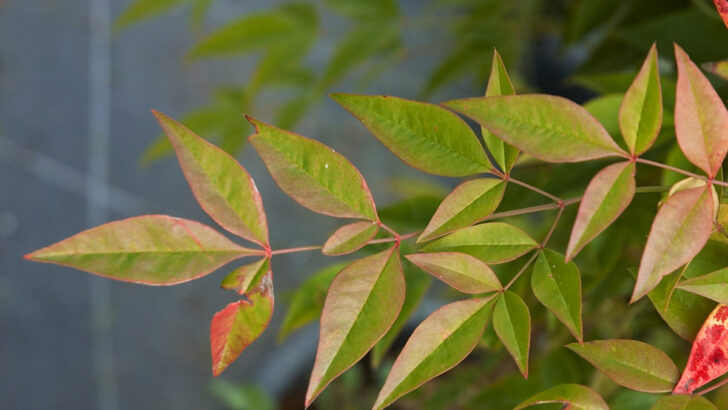
For example, it offers solutions such as instead of planting Heavenly Bamboo (Nandina domestic), gardeners could plant Wild coffee (Psychotria nervosa). By making small changes, such as choosing native plants over invasive ones, homeowners can help restore Florida’s natural balance.