

Do you ever look at chopsticks and think, “Oh, such an engineering marvel!” Most likely not. Some of the best designs are the ones we barely notice. They solve a problem so perfectly that they blend into the background of our daily lives. These objects ask for no applause; they just quietly do their job, making everything a little bit easier.
It’s a bit like having a helpful ghost who follows you around, opening jars and finding your keys. We’re pulling back the curtain on some of these brilliant, everyday items to give them a well-deserved moment in the spotlight. From the kitchen to your desk, these designs prove that genius is often found in simplicity.
Here are some everyday designs whose origins and design are pure genius.
1. The Ballpoint Pen

Photo Credit: Depositphotos.com.
The humble ballpoint pen is a masterpiece of engineering that most of us use without a second thought. Its design allows you to write smoothly on most surfaces without smudging or leaking ink everywhere, a modern luxury if you’ve ever dealt with a leaky fountain pen. The secret is the tiny rotating ball at its tip, which picks up ink from a cartridge and transfers it onto paper with remarkable consistency.
This design is brilliant because it’s both practical and incredibly cheap to produce. It solved the major problems of its predecessors: fountain pens that required constant refilling and smudged easily, and pencils that needed sharpening. The ballpoint pen is reliable, portable, and ready to go whenever inspiration strikes or you need to sign a receipt.
At a Glance:
- Unique Feature: A tiny, rotating metal ball at the tip that evenly distributes a viscous, oil-based ink.
- Why It’s Genius: It’s a low-cost, leak-resistant, and reliable writing tool that works on almost any paper surface.
- Care Tips: Store pens tip-down to keep the ink flowing toward the ball. If it dries out, scribbling on a slightly rough surface, like the sole of a shoe, can sometimes get it working again.
2. The Pop Tab
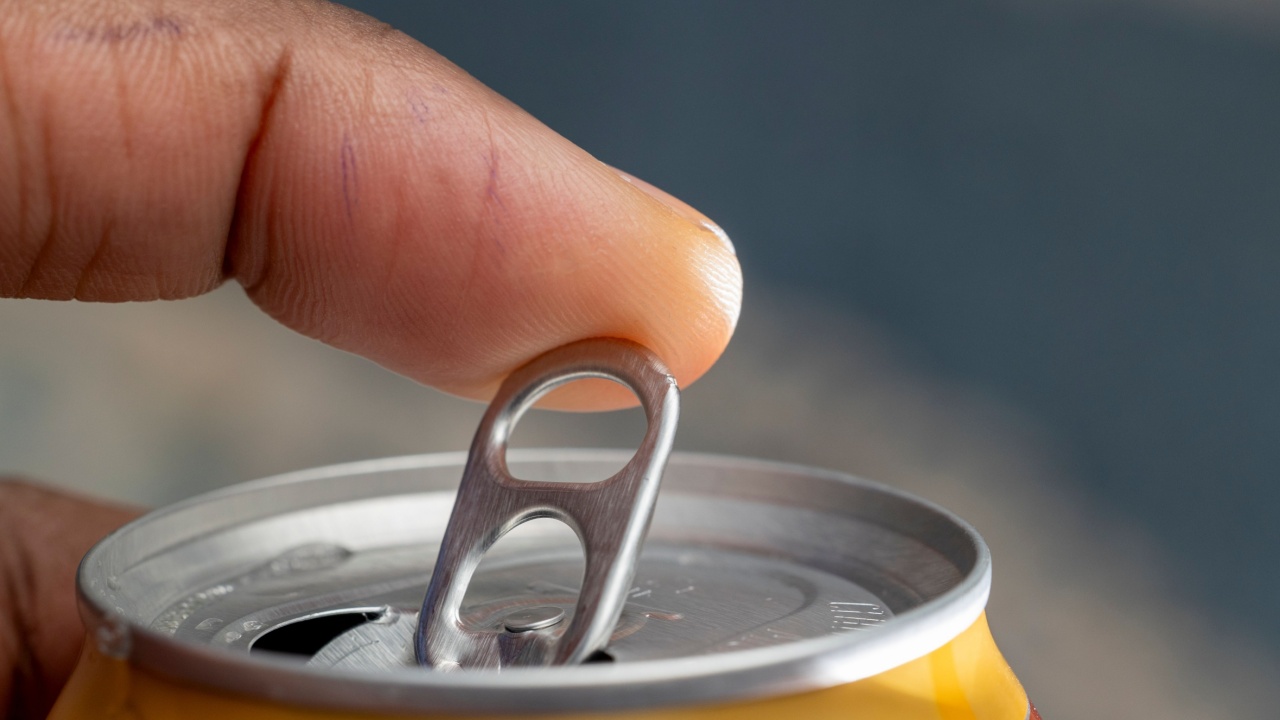
Image Credit: Shutterstock.
Opening a can of soda used to require a separate tool called a can piercer, or a “church key.” You’d have to punch a hole in the top, which was neither convenient nor particularly safe. The invention of the pop tab, or ring pull, changed everything. This simple lever system makes opening a can effortless. The initial design was a pull-off tab, which created a lot of litter. The modern “stay-on-tab” was an even more ingenious improvement.
This design uses the principles of leverage to create a clean opening with minimal force. When you lift the tab, it pushes a scored section of the aluminum lid down into the can. The tab then conveniently folds back down, staying attached to the can and out of the way. It’s a small, self-contained solution that is both user-friendly and environmentally considerate.
At a Glance:
- Unique Feature: A two-part lever system built directly into the can lid. The tab acts as a lever to push open a scored section.
- Why It’s Genius: It provides a simple, tool-free way to open a can. The stay-on design reduces litter by keeping the tab attached to the can.
- Next Steps: The hole in the tab is perfectly sized to hold a straw, preventing it from bobbing around in a fizzy drink.
3. The Paperclip
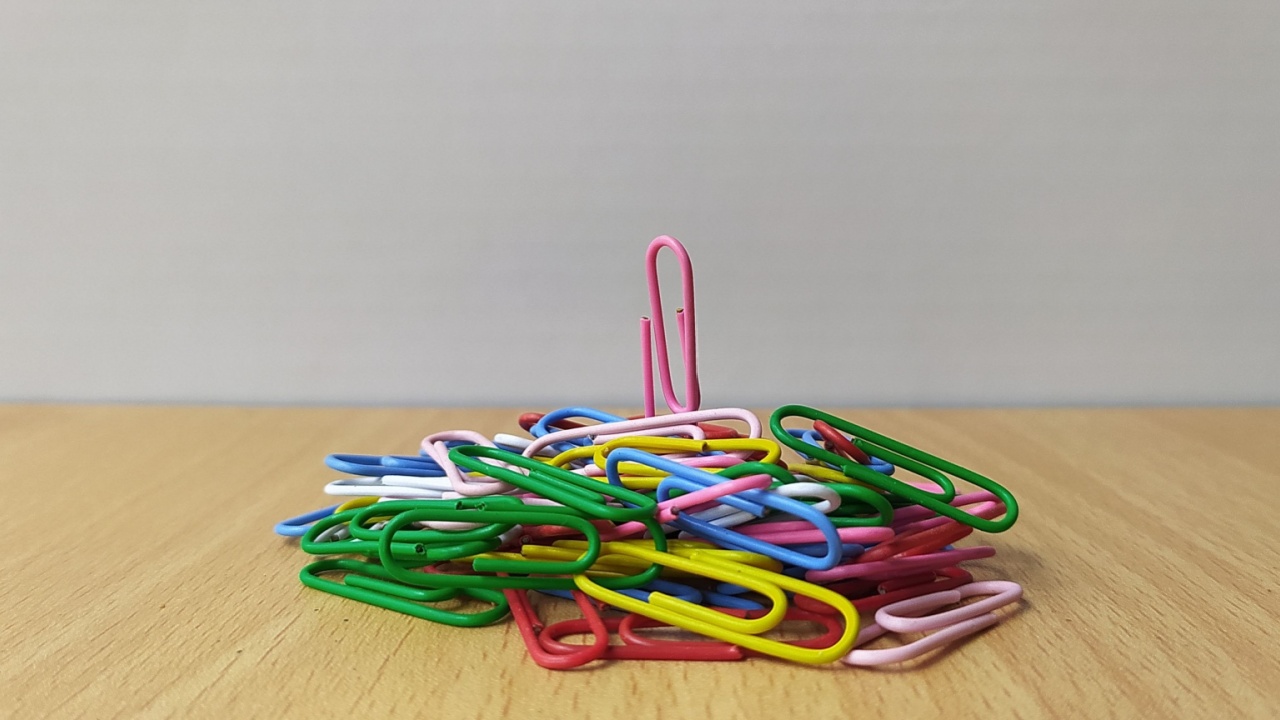
Image Credit: Shutterstock.
The paperclip is the definition of simple, elegant design. It’s just a single piece of bent wire, yet it can securely hold a stack of papers together without tearing or permanently marking them. The iconic Gem-style paperclip, with its two nested loops, has remained largely unchanged for over a century for a good reason: it works perfectly.
The genius lies in its use of tension and elasticity. The wire is bent in a way that creates a natural spring-like force, gripping the papers firmly. When you remove it, the papers are left unharmed. It’s a temporary binding solution that is reusable, cheap, and effective. Its form follows its function so directly that it has become a universal symbol for attaching things, both in the real world and the digital one.
At a Glance:
- Unique Feature: A looped wire design that uses torsion and tension to hold sheets of paper together.
- Why It’s Genius: It’s a simple, reusable, and non-damaging way to organize documents. Its production requires minimal material and energy.
- Care Tips: While great for papers, avoid using them for anything too thick, as this can permanently bend the wire and reduce its gripping power.
4. The Zipper
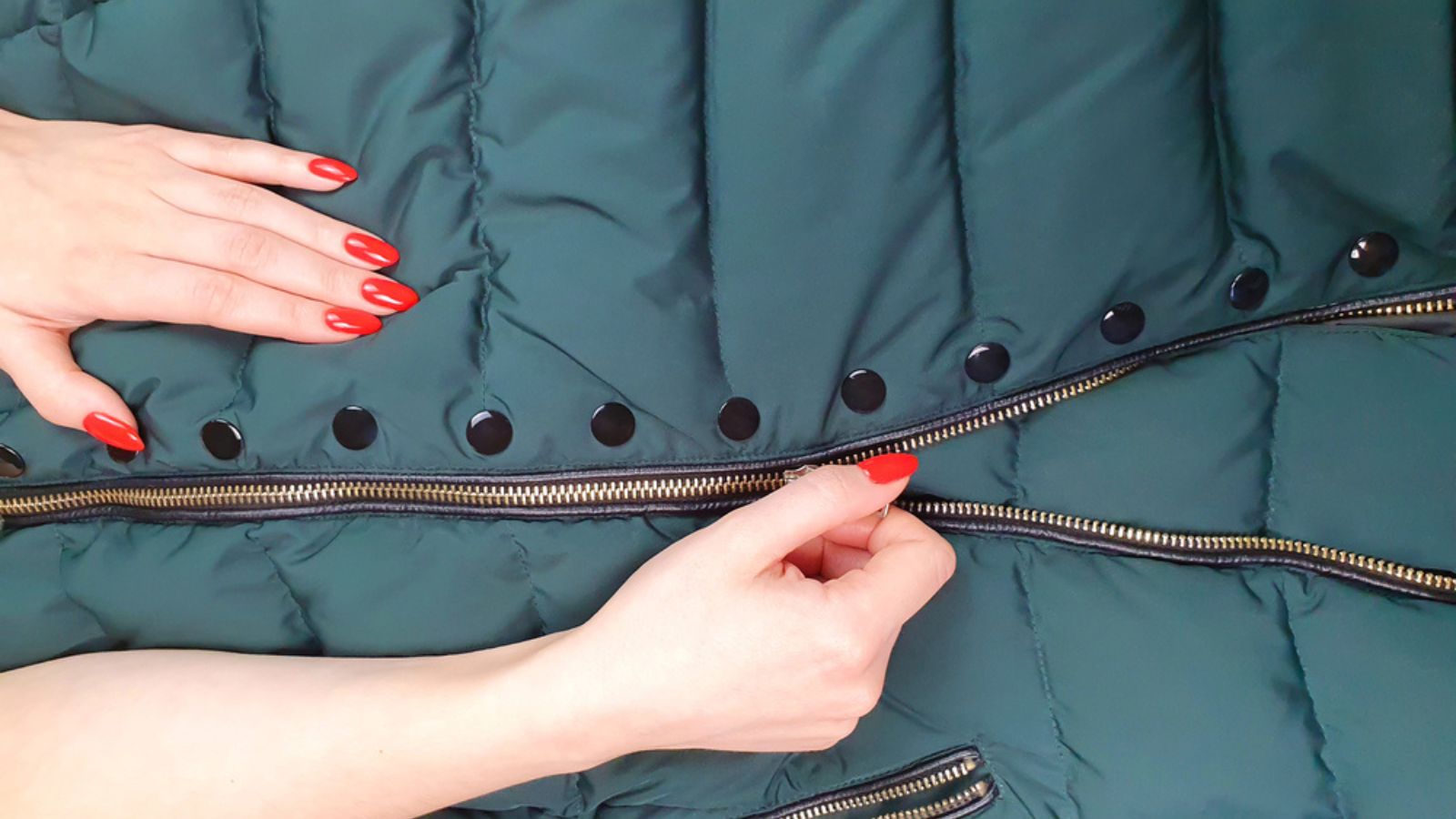
Photo Credit: Depositphotos.com.
Imagine having to button up a winter coat with frozen fingers or lace up tall boots every single morning. The zipper, with its interlocking teeth, provides a fast and secure way to open and close clothing, bags, and countless other items. The mechanism is a small wedge inside the slider that cleverly guides two rows of teeth together or pulls them apart.
Its design is a marvel of mechanical precision on a small scale. Each tooth is shaped to lock with the ones opposite it, creating a strong, continuous closure. The slider makes this complex interaction happen with a simple pull. It’s a solution that offers both speed and security, far surpassing the slow, single-point-of-failure nature of a button or a tie.
At a Glance:
- Unique Feature: Two rows of interlocking teeth brought together or separated by a sliding mechanism.
- Why It’s Genius: It allows for quick and secure fastening and unfastening of fabrics and other materials.
- Care Tips: If a zipper gets stuck, rubbing the teeth with a graphite pencil, a bar of soap, or some wax can help lubricate it and get the slider moving smoothly again.
5. The LEGO Brick

Image Credit: Shutterstock.
The LEGO brick is more than a toy; it’s a system of creative construction. The genius is in the precise and consistent “clutch power” of the interlocking tubes and studs. This allows bricks to stick together firmly but also be pulled apart with a reasonable amount of force. This perfect balance is what makes building with LEGO so satisfying.
The design is based on incredibly strict manufacturing tolerances. Every single brick made since 1958 can connect with any other brick. This creates a universe of endless possibilities from a set of simple, standardized components. It’s a system that teaches spatial reasoning, planning, and creativity without any instructions needed.
At a Glance:
- Unique Feature: A “stud-and-tube” coupling system that provides a consistent and reliable connection between bricks.
- Why It’s Genius: It’s a modular, endlessly reusable system that fosters creativity and problem-solving. Its universal compatibility makes every brick valuable.
- Next Steps: Have a brick that won’t come apart? Use another brick’s edge as a lever to pry it off, or better yet, invest in an official brick separator.
6. The Anglepoise Lamp

Image Credit: Shutterstock.
Designed by a car suspension engineer, the Anglepoise lamp uses springs to balance the lamp’s arm in any position you move it to. Unlike other adjustable lamps that require tightening and loosening knobs, the Anglepoise moves fluidly and holds its position as if by magic. You can direct light exactly where you need it with just a gentle push or pull.
This design is brilliant because it looks like it’s mimicking the tension and balance of a human arm. A set of springs provides the constant tension needed to counteract gravity, allowing the arm to remain perfectly poised. It was a revolutionary approach to task lighting that combined flexibility with stability, and its iconic form is still celebrated in the design world today.
At a Glance:
- Unique Feature: A spring-loaded mechanism that perfectly balances the lamp’s articulated arm, allowing it to hold any position.
- Why It’s Genius: It offers unparalleled flexibility and ease of adjustment for task lighting.
- Care Tips: The springs may lose a little tension over decades of use. They can often be tightened or replaced to restore the lamp’s original balancing act.
7. The KitchenAid Stand Mixer
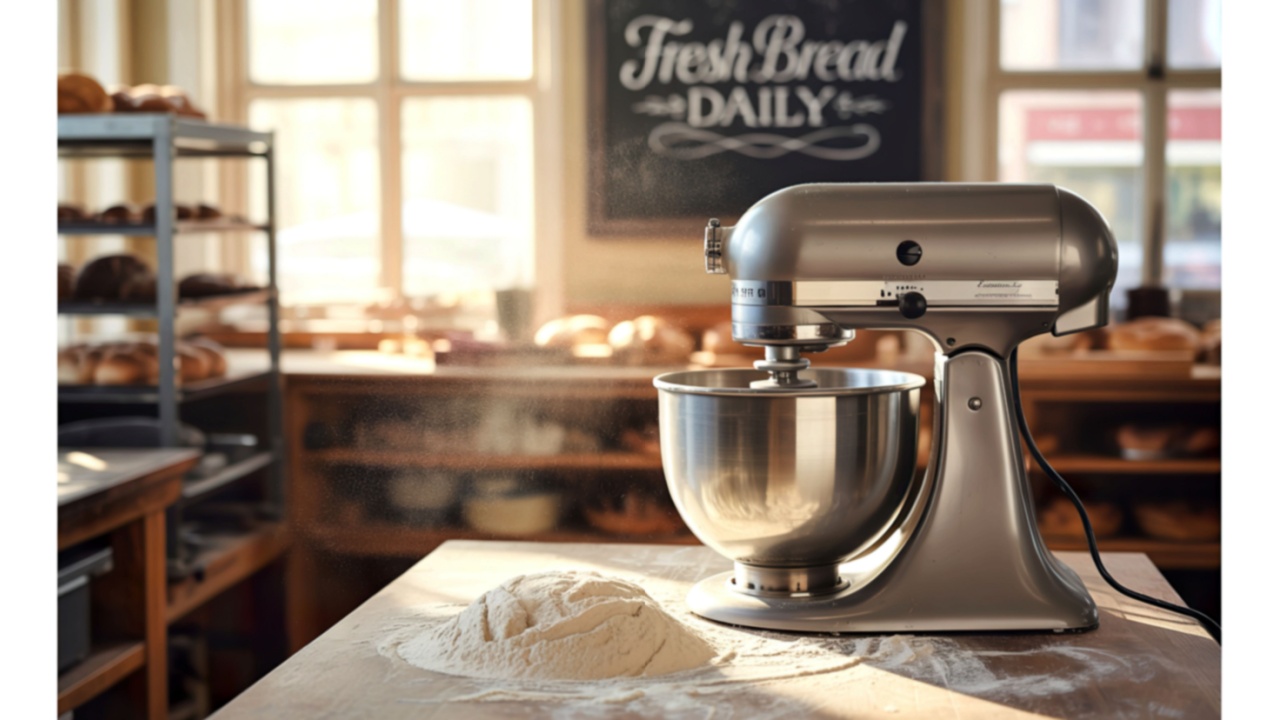
Image Credit: Shutterstock.
For anyone who loves to bake, the KitchenAid stand mixer is an icon. Its true genius lies in its planetary mixing action. The beater spins on its axis while also orbiting around the bowl. This ensures that all ingredients are thoroughly and evenly incorporated without you having to constantly stop and scrape the sides.
This motion was inspired by the equipment used in commercial bakeries and scaled down for home use. The result is a machine that works smarter, not harder, delivering consistent results for everything from fluffy meringues to dense bread dough. The power hub on the front also turns it into a multi-purpose machine, with attachments for making pasta, grinding meat, and more.
At a Glance:
- Unique Feature: A planetary mixing action where the beater spins and simultaneously moves around the bowl.
- Why It’s Genius: It provides hands-free, efficient, and complete mixing, saving time and effort while yielding superior results.
- Next Steps: Explore the wide range of attachments. The pasta roller, ice cream maker, and food grinder attachments can transform your mixer into a kitchen workhorse.
8. The Carabiner

Image Credit: Shutterstock.
Originally designed for mountaineers, the carabiner is a metal loop with a spring-loaded gate. It’s a simple, strong, and incredibly versatile connector. Its primary purpose is safety, allowing climbers to quickly and securely clip into ropes and anchors. But its usefulness has made it a common sight far from any mountain.
The brilliance of the design is in its combination of strength and ease of use. The gate allows for one-handed operation, snapping shut automatically to secure the connection. The shape of the carabiner is engineered to direct the load onto the spine, its strongest part. While the colorful ones on your keychain are not for climbing, they use the same genius principle for holding keys, water bottles, and other accessories.
At a Glance:
- Unique Feature: A looped clip with a spring-loaded gate that allows for quick and secure connections.
- Why It’s Genius: It’s a strong, reliable, and easy-to-use connector that works with one hand.
- Care Tips: For keychain use, any carabiner will do. For any activity involving personal safety, like climbing, only use carabiners that are officially rated and certified.
9. The Post-it Note

Photo Credit: Depositphotos.com.
The Post-it Note was born from a failed experiment to create a super-strong adhesive. Instead, a scientist at 3M created a low-tack, reusable adhesive. It was a solution without a problem until a colleague realized it was perfect for creating bookmarks that wouldn’t fall out of his hymnal. And so, the Post-it Note was born.
Its genius is the “barely there” adhesive. It’s strong enough to stick to most surfaces but weak enough to be removed without leaving any residue or damage. This makes it the perfect tool for temporary notes, reminders, and annotations. It’s a physical manifestation of a fleeting thought, allowing you to place information exactly where you need it, when you need it.
At a Glance:
- Unique Feature: A low-tack, pressure-sensitive adhesive that allows the note to be easily attached, removed, and repositioned.
- Why It’s Genius: It provides a non-damaging, temporary way to leave notes and reminders on any surface.
- Next Steps: To prevent the bottom of the note from curling, peel it from the side of the pad instead of pulling it straight up from the bottom.
10. The Bubble Wrap
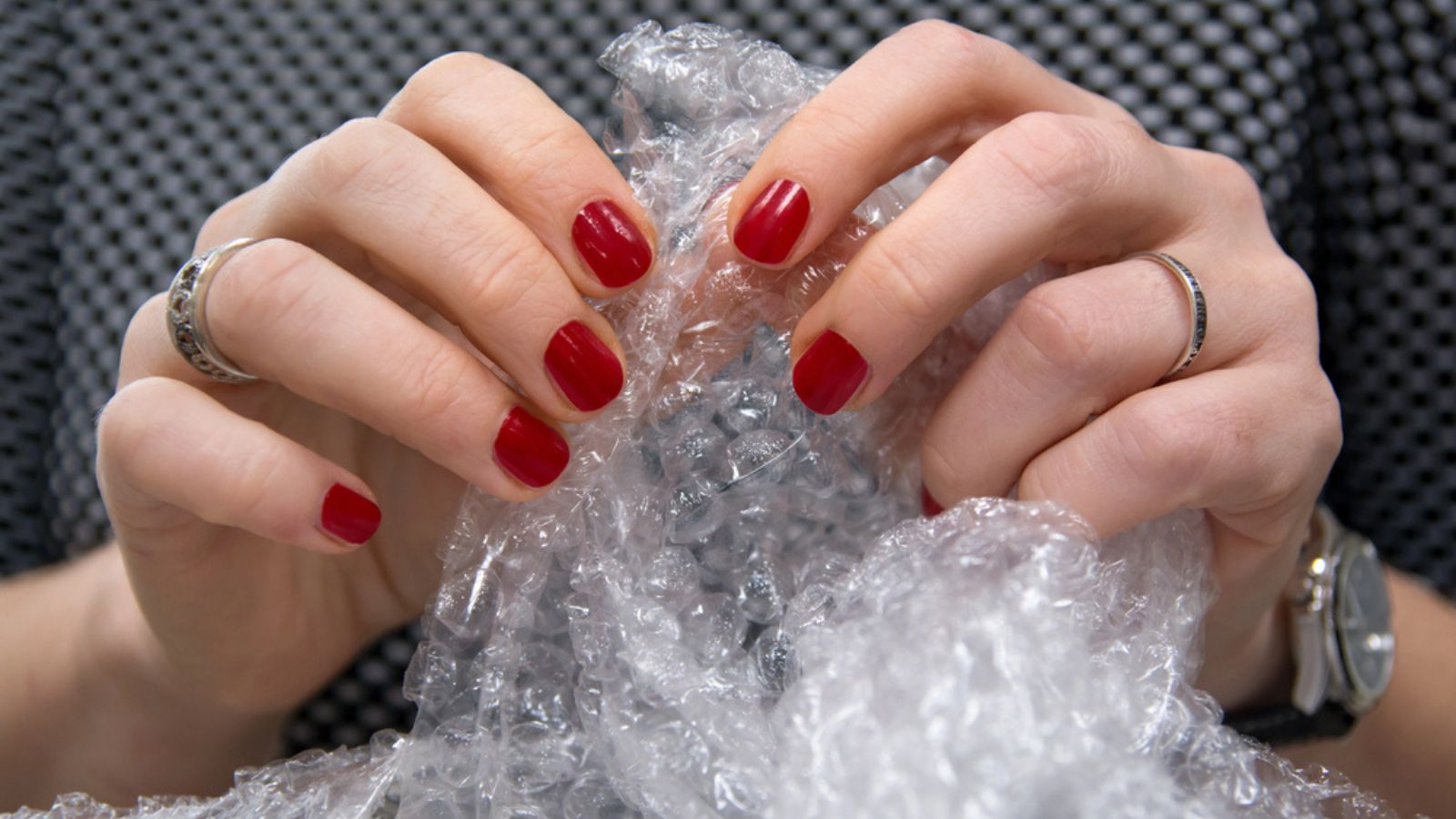
Photo Credit: Depositphotos.com.
Another accidental invention, bubble wrap, was initially intended to be a textured, three-dimensional wallpaper. When that idea failed to (ahem) stick, its creators realized its lightweight, cushioning properties made it the perfect material for protecting items during shipping.
The design is simple: a grid of air-filled pockets sealed between two layers of plastic film. These air bubbles absorb shock and prevent impact from reaching the item being protected. It’s incredibly lightweight, which keeps shipping costs down, and flexible enough to wrap around objects of any shape. It protects our packages, and popping the bubbles is plain therapy.
At a Glance:
- Unique Feature: Pockets of trapped air are sealed between plastic sheets, creating a lightweight and effective cushioning material.
- Why It’s Genius: It provides excellent protection against impact and vibration while adding minimal weight or cost to shipping.
- Care Tips: If reusing bubble wrap, check to make sure most of the bubbles are still inflated. The more air, the better the protection.
11. The Safety Pin
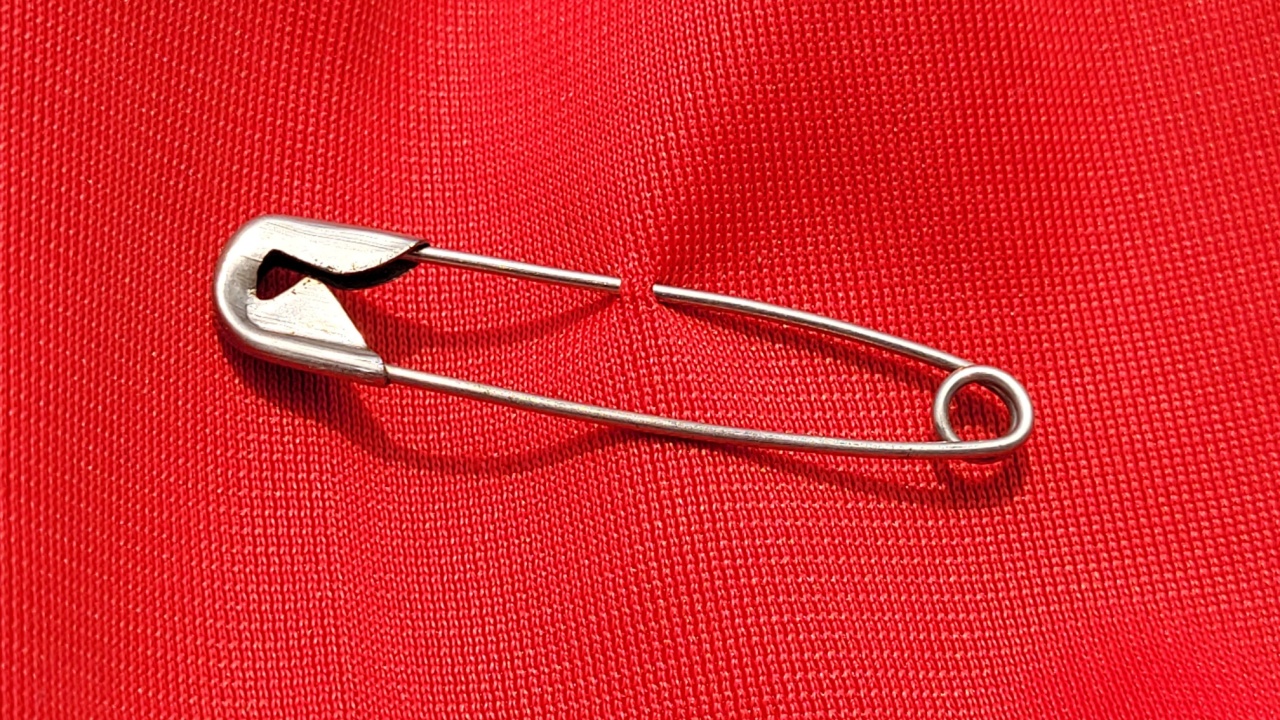
Image Credit: Shutterstock.
The safety pin is a clever improvement on the straight pin. It’s a simple clasp made from a single piece of wire that incorporates a spring, a pin, and a cover to protect the user from the sharp point. It was supposedly invented in a few hours by an engineer who needed to pay off a small debt.
The design is genius because it solves the main problem of a straight pin: its tendency to fall out and poke people. The clasp at one end secures the pin and covers its sharp tip, making it a safe and reliable fastener for clothing, diapers, or emergency repairs. The coil at the other end acts as a spring, providing the tension that keeps the pin closed.
At a Glance:
- Unique Feature: A clasp that covers the sharp point of the pin, combined with a coiled spring that holds it in place.
- Why It’s Genius: It’s a secure, safe, and reusable temporary fastener.
- Next Steps: In a pinch, a safety pin can be used to reset small electronic devices, clear a clogged nozzle, or even as a makeshift fishhook.
12. The Chopstick

Photo Credit: Depositphotos.com.
Chopsticks are one of the oldest and simplest eating utensils in the world. They are essentially just two small sticks, yet in skilled hands, they can pick up everything from a single grain of rice to a hefty piece of meat. Their design is the ultimate in minimalism.
Chopsticks are versatile. They function as a pincer, allowing for precise control over food. Unlike a fork that pierces food, chopsticks can gently lift and hold it. This preserves the texture of delicate foods like tofu or fish. They can also be used to stir, mix, and separate food. It’s a design that has remained unchanged for thousands of years because, for many types of cuisine, it is simply the perfect tool.
At a Glance:
- Unique Feature: Two identical sticks are manipulated in one hand to function as tongs.
- Why It’s Genius: They are a highly versatile and precise utensil made from minimal material.
- Care Tips: When not in use, rest chopsticks on a chopstick rest or neatly on the side of your plate or bowl. Sticking them upright in a bowl of rice is considered a major faux pas in many cultures.
A Quick Look at Genius

Photo Credit: Depositphotos.com.
The world is full of clever solutions hiding in plain sight. Everyday objects like pens, zippers, and paperclips remind us that the best designs are often so intuitive and effective, we stop noticing them altogether. Their simplicity masks the brilliance behind them, each one a quiet triumph of engineering, creativity, or sheer luck.
These tools are a testament to human ingenuity, solving problems with elegance and ease. Recognizing the thought behind their design can spark a deeper appreciation for the things we use every day, turning the ordinary into something quietly extraordinary.