

A shocking 600 million people globally fall ill from contaminated food every year. Foodborne illnesses, or food poisoning, can cause anything from mild stomach upset to severe health complications, affecting people of all ages and backgrounds.
We often associate food poisoning with exotic dishes or dodgy restaurants, but the truth is many culprits are lurking in our own kitchens and daily routines. Simple oversights in handling, storing, or preparing food can create a breeding ground for harmful bacteria.
Let’s look at 14 common factors that frequently lead to foodborne illness. Understanding these risks and taking preventative measures can safeguard your health and ensure every meal is a safe and enjoyable experience.
1. Neglecting Hand Hygiene

Image Credit: Deposit Photos.
Before pointing fingers at any specific foods, don’t forget that our hands are the primary way bacteria hitch a ride onto our food. Skipping proper handwashing before, during, and after food prep can easily contaminate meals, leading to nausea, vomiting, and diarrhea.
Wash your hands thoroughly with soap and warm water for at least 20 seconds, scrubbing all surfaces, including between your fingers and under your nails. This simple habit significantly reduces the risk of foodborne illness.
2. Cross-Contamination

Image Credit: Deposit Photos.
Cross-contamination occurs when harmful bacteria from one food transfer to another. This often happens when raw meat juices mingle with ready-to-eat foods like fruits and vegetables, spreading pathogens like Salmonella or E. coli.
Prevent this by using separate cutting boards and utensils for raw meat and produce. Color-coded cutting boards can be a helpful visual aid. Always wash them thoroughly with hot, soapy water after use. Additionally, avoid placing cooked food on plates or surfaces that have previously held raw meat.
3. Undercooking
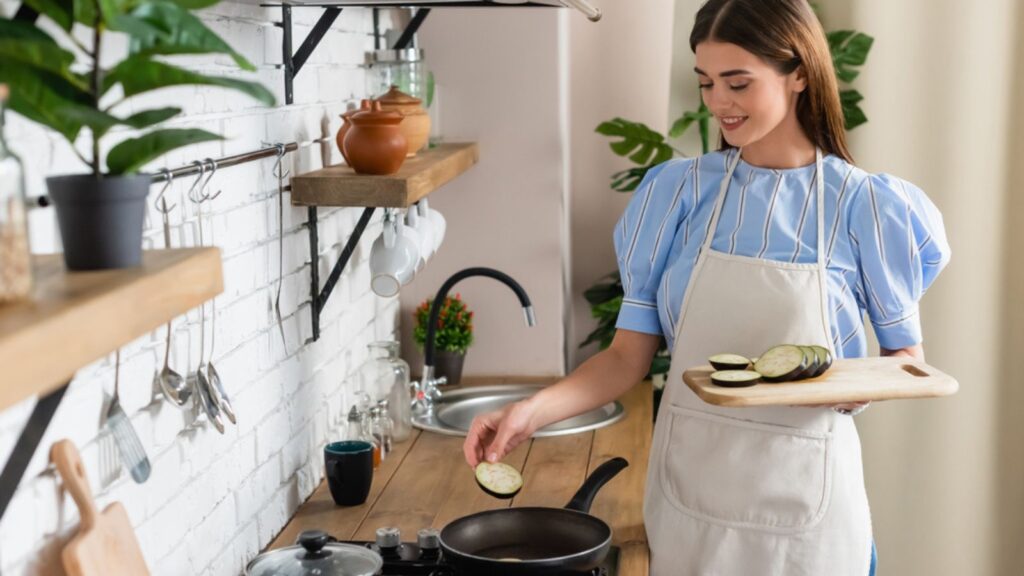
Image Credit: Deposit Photos.
Cooking food to the right internal temperature is crucial for killing harmful bacteria. Undercooked meat, poultry, eggs, and seafood can harbor pathogens that cause serious illness, such as Campylobacter, Salmonella, and E. coli.
Invest in a reliable food thermometer and use it to ensure your food is cooked thoroughly. Pay special attention to ground meats, which need to be cooked all the way through to eliminate any potential bacteria.
4. Improper Storage

Image Credit: Deposit Photos.
Improper food storage creates a perfect environment for bacterial growth. Leaving perishable foods at room temperature for too long, storing raw meat above ready-to-eat foods in the fridge, or forgetting to refrigerate leftovers promptly can all increase the risk of foodborne illness.
Familiarize yourself with safe food storage guidelines. Refrigerate perishable foods promptly at 40°F (4°C) or below, store raw meats on the bottom shelf of the fridge to prevent drips, and consume leftovers within a few days.
5. Contaminated Produce
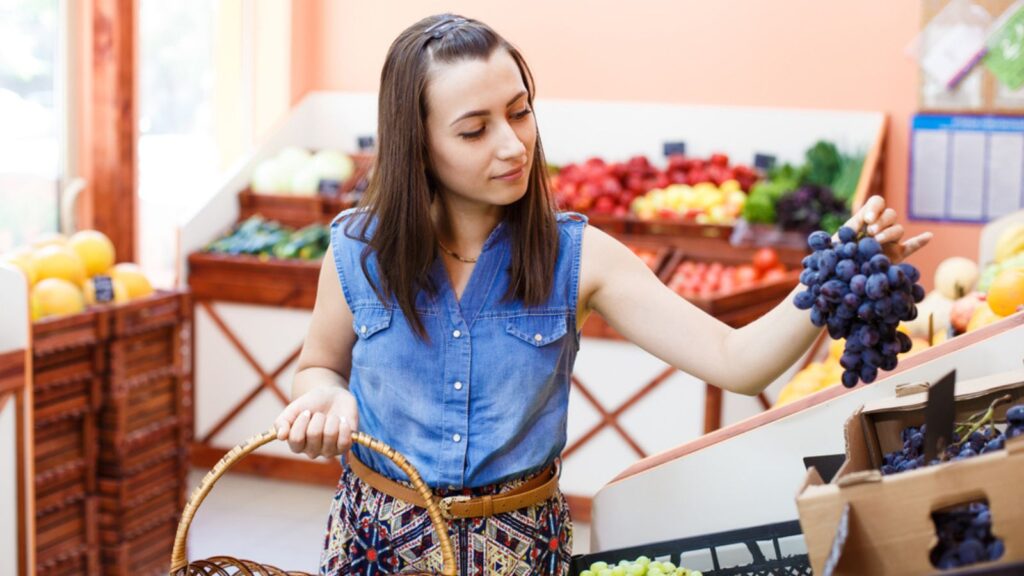
Image Credit: Deposit Photos.
Fresh produce can carry harmful bacteria. Contaminated irrigation water, improper handling during harvesting and transportation, or cross-contamination in the kitchen can all lead to foodborne illness from fruits and vegetables.
Wash all fruits and vegetables thoroughly under running water before eating them, even if you plan to peel them. Scrub firm produce with a clean brush to remove any dirt or debris, and avoid using soap or detergents.
6. Unpasteurized Dairy

Image Credit: Deposit Photos.
Unpasteurized dairy products, such as raw milk and some cheeses, can contain harmful bacteria like E. coli and Listeria. Pasteurization is a heat-treatment process that kills these pathogens, making dairy products safe to consume.
Choose pasteurized dairy products to reduce your risk. If you’re unsure whether a product is pasteurized, check the label or ask the vendor. While some enjoy the taste of unpasteurized products, the potential health risks are significant so make sure to only eat these if you trust the vendor.
7. Expired or Spoiled Food
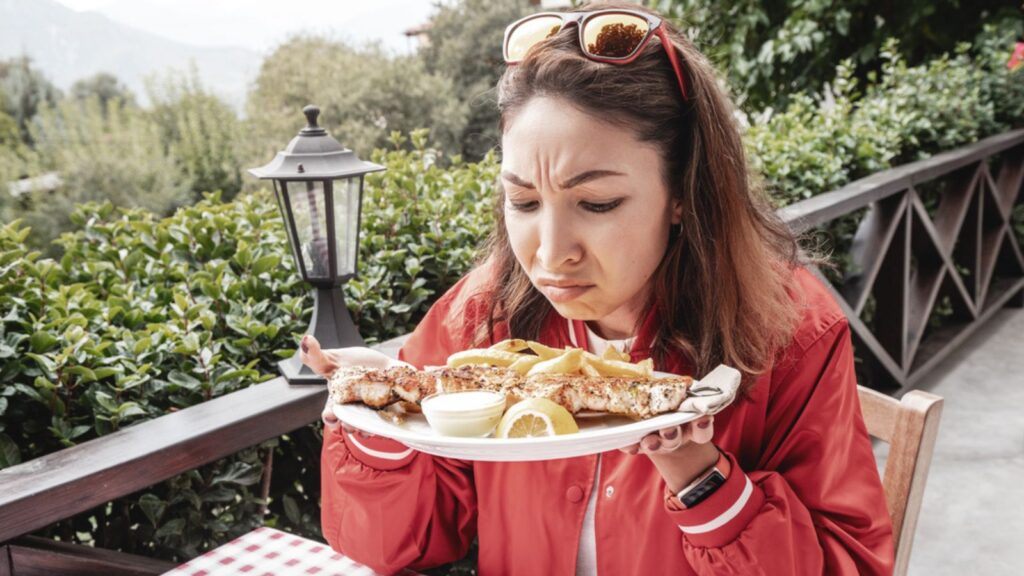
Image Credit: Deposit Photos.
Consuming expired or spoiled food is a recipe for food poisoning. Even if food looks and smells okay, it may still harbor harmful bacteria that can cause nausea, vomiting, and other unpleasant symptoms.
Always pay close attention to expiration dates and “use by” dates on food packaging. When in doubt, throw it out. Trust your senses; if something smells off or looks unusual, it’s best to discard it.
8. Contaminated Water

Image Credit: Deposit Photos.
Drinking contaminated water can lead to a range of illnesses. Even in developed countries, water sources can occasionally become contaminated due to natural disasters, infrastructure issues, or other factors.
If you’re unsure about the safety of your tap water, use a water filter or boil it for at least one minute before drinking. When traveling to areas with questionable water quality, opt for bottled water or other safe beverages to avoid traveler’s diarrhea and other waterborne illnesses.
9. Leftovers Left Out Too Long
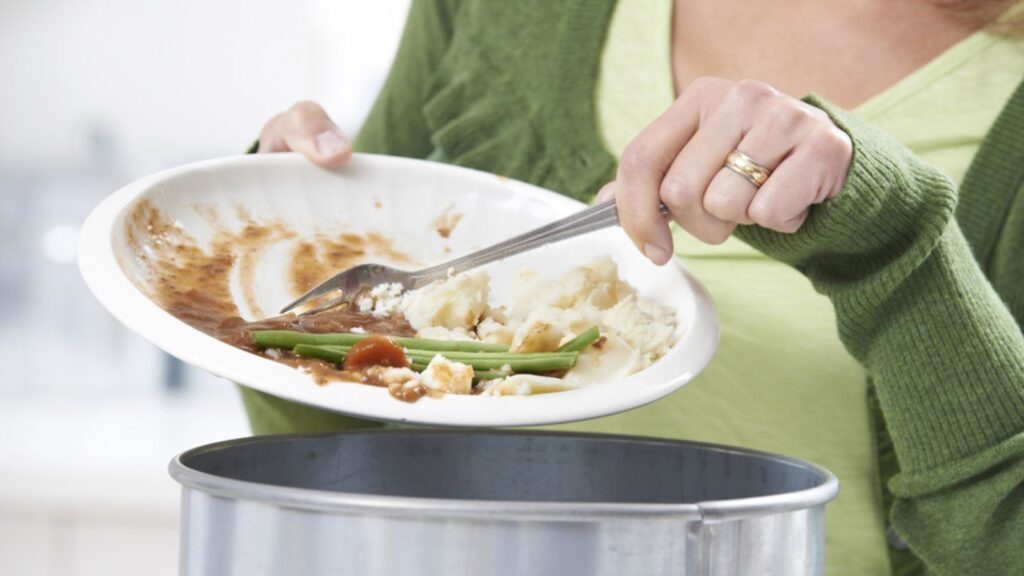
Image Credit: Deposit Photos.
Leftovers are a great way to reduce food waste and enjoy a quick meal. However, leaving leftovers at room temperature for too long allows bacteria to multiply rapidly, increasing the risk of foodborne illness. The “danger zone” for bacterial growth is between 40°F and 140°F.
Refrigerate leftovers promptly within two hours of cooking. When reheating leftovers, ensure they reach an internal temperature of 165°F to kill any potential pathogens.
10. Eating Raw or Undercooked Eggs
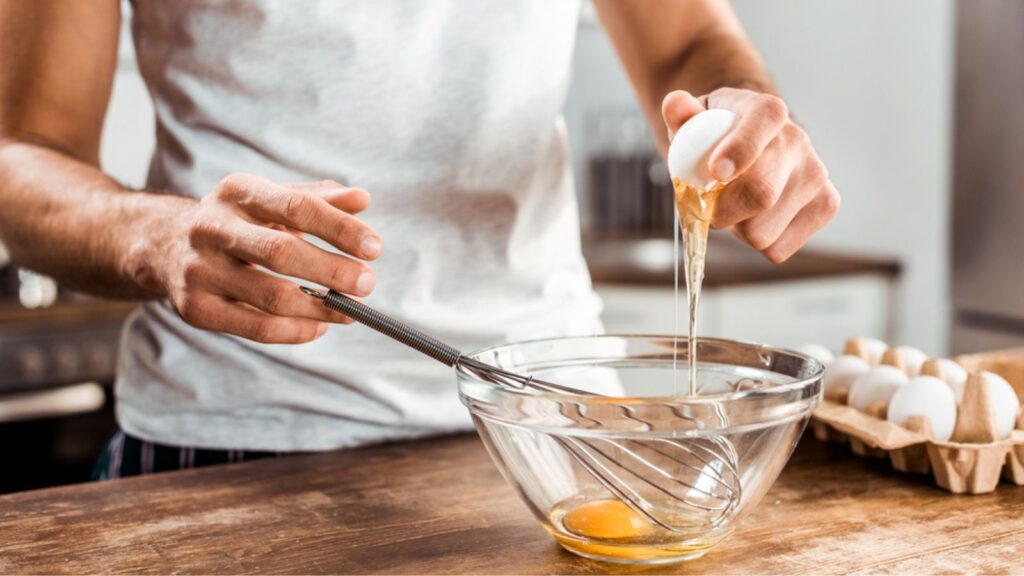
Image Credit: Deposit Photos.
Raw or undercooked eggs can contain Salmonella bacteria, which can cause food poisoning with symptoms like fever, diarrhea, and abdominal cramps. If you’re concerned or are immunocompromised, avoid consuming foods that contain raw or lightly cooked eggs, such as homemade mayonnaise, Caesar salad dressing, and some desserts like tiramisu.
Choose pasteurized eggs or cook eggs thoroughly until both the yolk and white are firm. If you’re unsure about the safety of a dish containing eggs, it’s best to err on the side of caution and avoid it, especially if you’re pregnant, elderly, or have a weakened immune system.
11. Improperly Canned Foods

Image Credit: Deposit Photos.
Improper canning techniques can create an anaerobic environment where Clostridium botulinum, the bacteria responsible for botulism, can thrive. Botulism is a rare but serious illness that can cause paralysis and even death.
When canning at home, be sure to follow trusted recipes and procedures meticulously. Avoid using damaged or rusty cans, and discard any canned goods that show signs of spoilage, such as bulging lids, leaks, or foul odors.
12. Contaminated Utensils and Equipment

Image Credit: Deposit Photos.
Kitchen utensils and equipment, such as knives, cutting boards, and blenders, can harbor harmful bacteria if not properly cleaned and sanitized. Using contaminated utensils can transfer these pathogens to your food, increasing the risk of foodborne illness.
Wash all utensils and equipment thoroughly with hot, soapy water after each use. Sanitize cutting boards and other surfaces that come into contact with raw meat by using a solution of one tablespoon of bleach per gallon of water. Using a glass cutting board is also a great choice for minimizing bacteria getting trapped in divets in plastic or wooden boards.
13. Eating Raw Sprouts

Image Credit: Deposit Photos.
Raw sprouts, such as alfalfa, bean, and clover sprouts, can be contaminated with harmful bacteria like Salmonella and E. coli. These bacteria can thrive in the warm, humid conditions in which sprouts are grown.
If you choose to consume sprouts, cook them thoroughly to reduce the risk of foodborne illness. People with weakened immune systems, pregnant women, and young children should avoid raw sprouts. You might consider making your own, too.
14. Not Thawing Food Properly
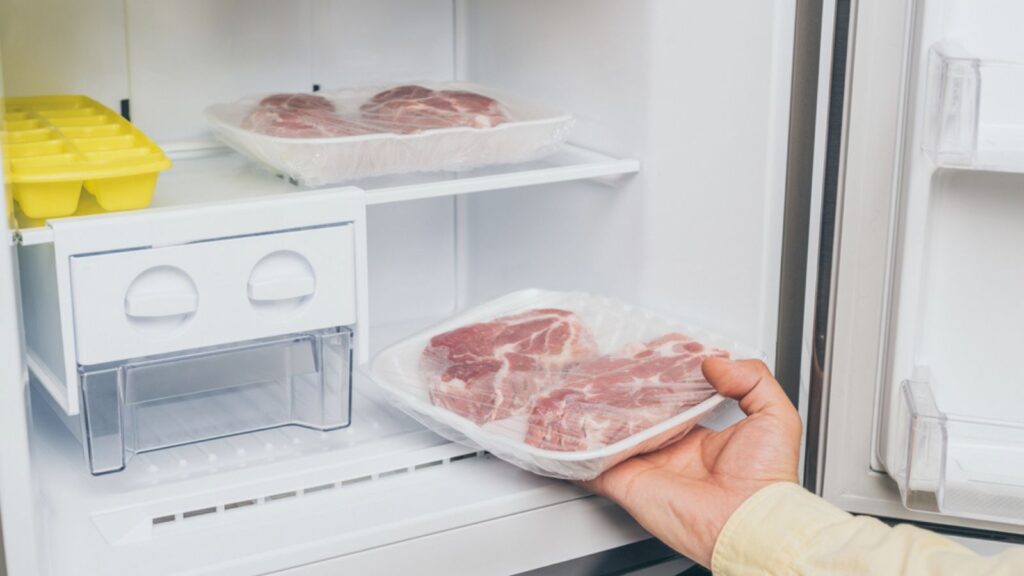
Image Credit: Deposit Photos.
Thawing food improperly, such as leaving it on the counter at room temperature, can allow bacteria to multiply rapidly. The outer layers of the food may thaw while the inner layers remain frozen, creating an ideal environment for bacterial growth.
Thaw food safely in the refrigerator, in cold water, or in the microwave. Never thaw food on the counter. Cook food immediately after thawing to minimize the risk of bacterial contamination.