
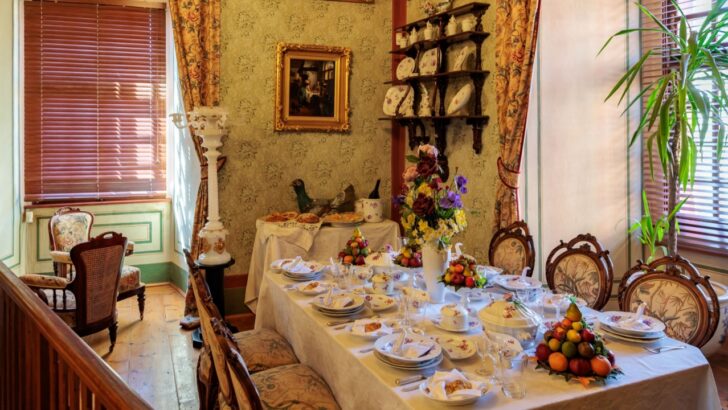
Most of us have them. Boxes tucked away in the attic, a cabinet filled with figurines, or a stack of old records in the basement. These are the treasures we, our parents, or even our grandparents held onto, certain that one day they would be worth a fortune. The hope of a hidden gem turning into a windfall is a powerful one.
But the reality is that many of the items we believe to be valuable collectibles are often worth little more than the memories attached to them. As you organize your home, declutter your shed, or prepare for a garden sale, it’s helpful to know which items are truly valuable and which are simply taking up space.
This guide will walk you through 25 common “collectibles” that often don’t live up to their financial hype. We’ll explore why their value has dropped and offer practical ideas for what to do with them, whether it’s finding a new home for them or creatively repurposing them.
1. Vinyl Records

Image Credit: Depositphotos.com.
Many people dream of finding a rare Beatles album worth thousands, but most record collections aren’t a ticket to early retirement. The vinyl revival is real, but it’s driven by collectors seeking pristine, first pressings of rare albums or fans buying new reissues. The records most of us have stored away are often common pressings, played and loved, with scratches and worn covers that significantly decrease their value.
- Why It’s Not Worth Much: Mass production and wear-and-tear are the biggest factors. Unless you have a sealed, first-edition copy of a highly sought-after album, most common records from the ’60s, ’70s, and ’80s sell for just a few dollars, if at all.
- Exceptions: Extremely rare pressings, albums with withdrawn cover art (like the Beatles’ “Butcher” cover), or albums signed by the artist can be valuable.
What to Do:
- Sell: Bundle them as a genre lot (e.g., “Classic Rock Record Lot”) and sell them on platforms like Facebook Marketplace.
- Repurpose: Old record covers make fantastic wall art. You can also melt and shape the vinyl itself into decorative bowls, bookends, or even garden markers.
2. Stamps
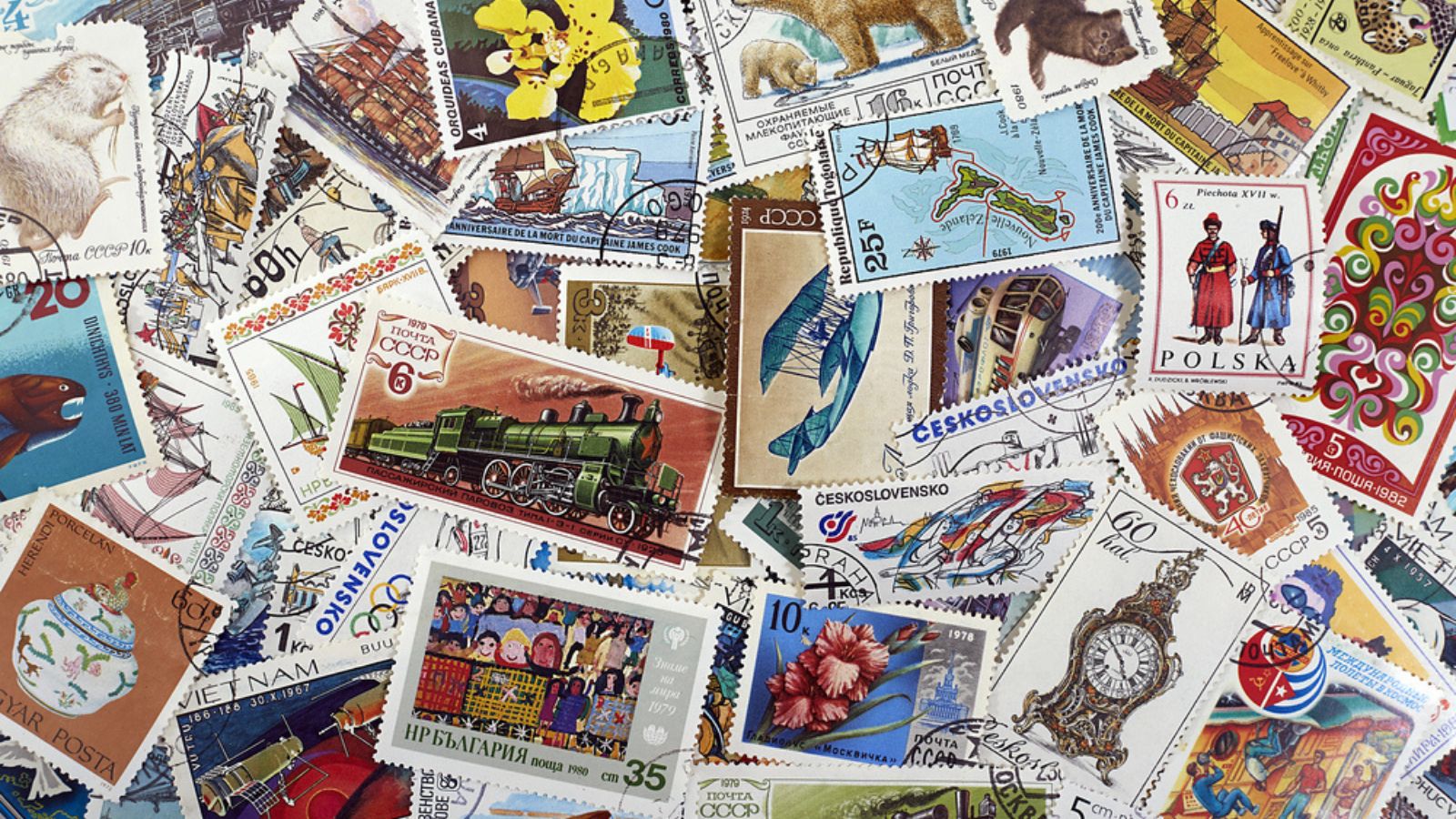
Image Credit: natkin_zu at Depositphotos.com.
The hobby of stamp collecting, or philately, has a reputation for being a treasure hunt. While it’s true that a few rare stamps can fetch astronomical prices, the vast majority are worth very little. Most people save stamps that are visually appealing or commemorate a special event, but these are typically printed by the millions.
- Why It’s Not Worth Much: Rarity is everything. Common postage stamps from the last 70-80 years, especially used ones torn from envelopes, were produced in such massive quantities that they hold almost no value for serious collectors.
- Exceptions: Stamps with printing errors, pre-1930s issues in mint condition, or complete, unused sheets of older stamps can be valuable.
What to Do:
- Donate: Schools and craft groups often appreciate stamps for art projects.
- Repurpose: Use colorful stamps to create a unique collage, decorate a lampshade, or create custom coasters by sealing them with a clear resin.
3. Wheat Pennies
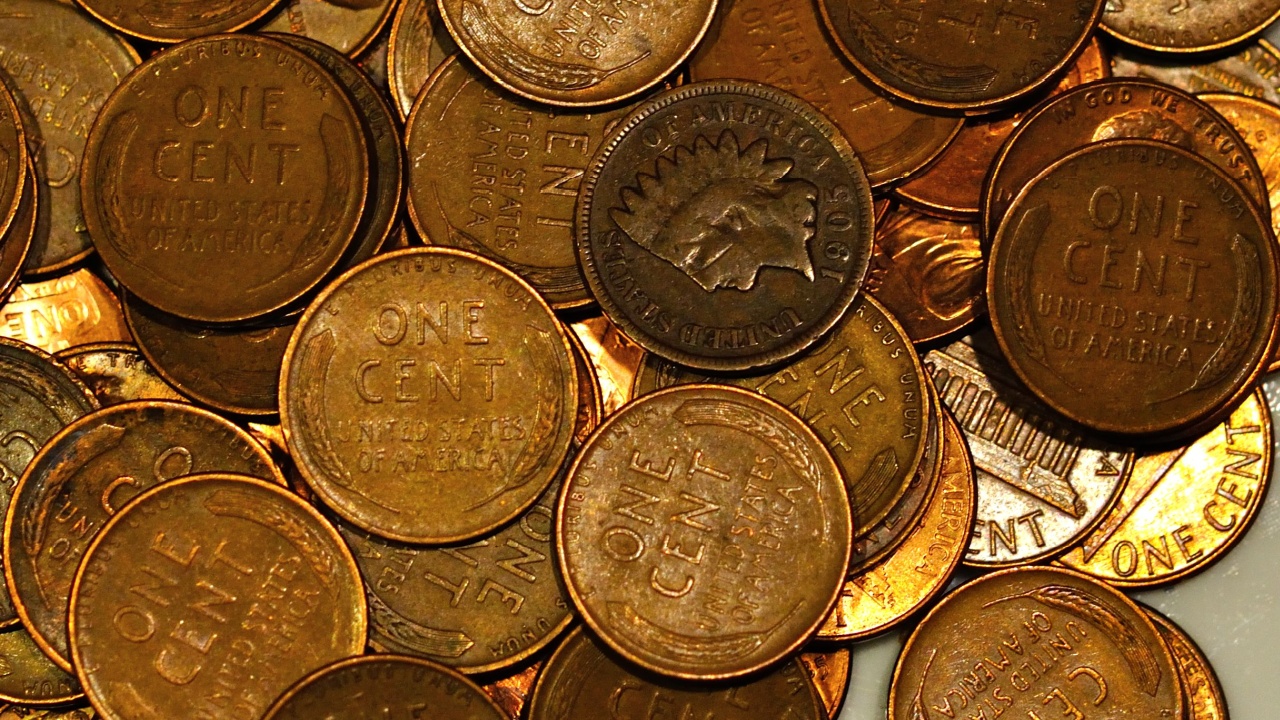
Image Credit: Shutterstock.
Finding a penny with the wheat stalk design on the back can feel like a mini-jackpot. These pennies, minted from 1909 to 1958, are certainly worth more than one cent. However, they are far from rare. Billions were minted, and many families saved them in jars.
- Why It’s Not Worth Much: Their value is only slightly above face value, typically ranging from 3 to 10 cents each for common dates in circulated condition. You would need a massive quantity to make any significant money.
- Exceptions: The 1909-S VDB, 1914-D, and the 1943 copper penny (a famous mint error) are the holy grails for collectors and are worth a fortune.
What to Do:
- Sell: Coin dealers will buy them in bulk, but don’t expect a high payout.
- Repurpose: Use them to create a unique countertop or floor mosaic by setting them in epoxy. They can also be used to add weighted bottoms to outdoor planters.
4. Beanie Babies
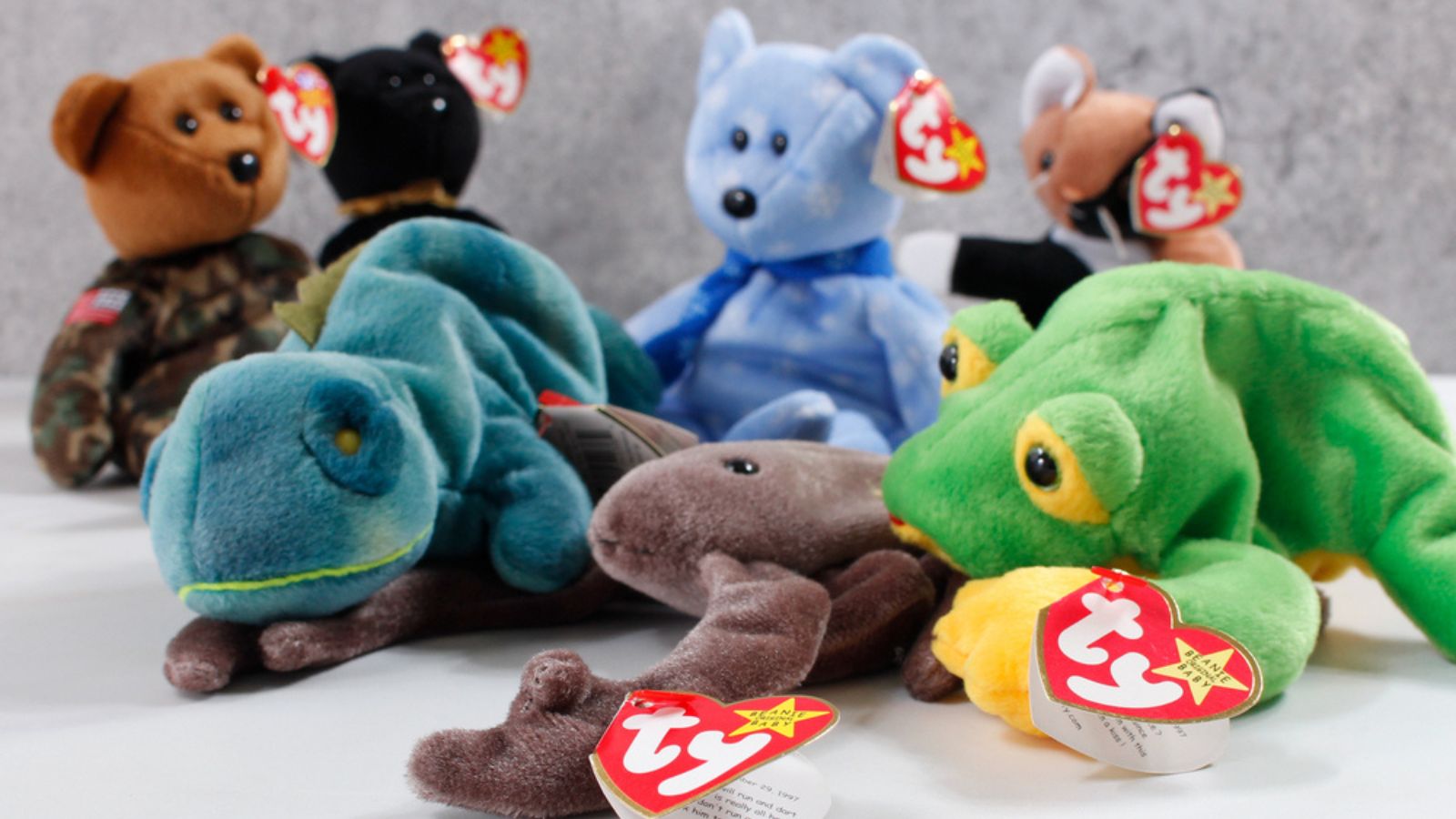
Image Credit: PBT at Depositphotos.com.
In the 1990s, the Beanie Baby craze led people to believe these plush toys were a serious investment. The reality is that the market was a bubble created by strategic “retirements” and over-production. When the bubble burst, values plummeted.
- Why It’s Not Worth Much: Ty Inc. eventually produced so many Beanie Babies that scarcity became a non-issue. Most are now worth a dollar or two at most.
- Exceptions: A few of the very first originals (like Peanut the Royal Blue Elephant) or those with rare tag errors can still fetch a good price, but they must be in perfect, mint condition.
What to Do:
- Donate: Give them to children’s hospitals, shelters, or daycare centers where they will be loved and played with.
- Repurpose: The stuffing can be used for other craft projects or to fill DIY outdoor pillows.
5. Happy Meal Toys
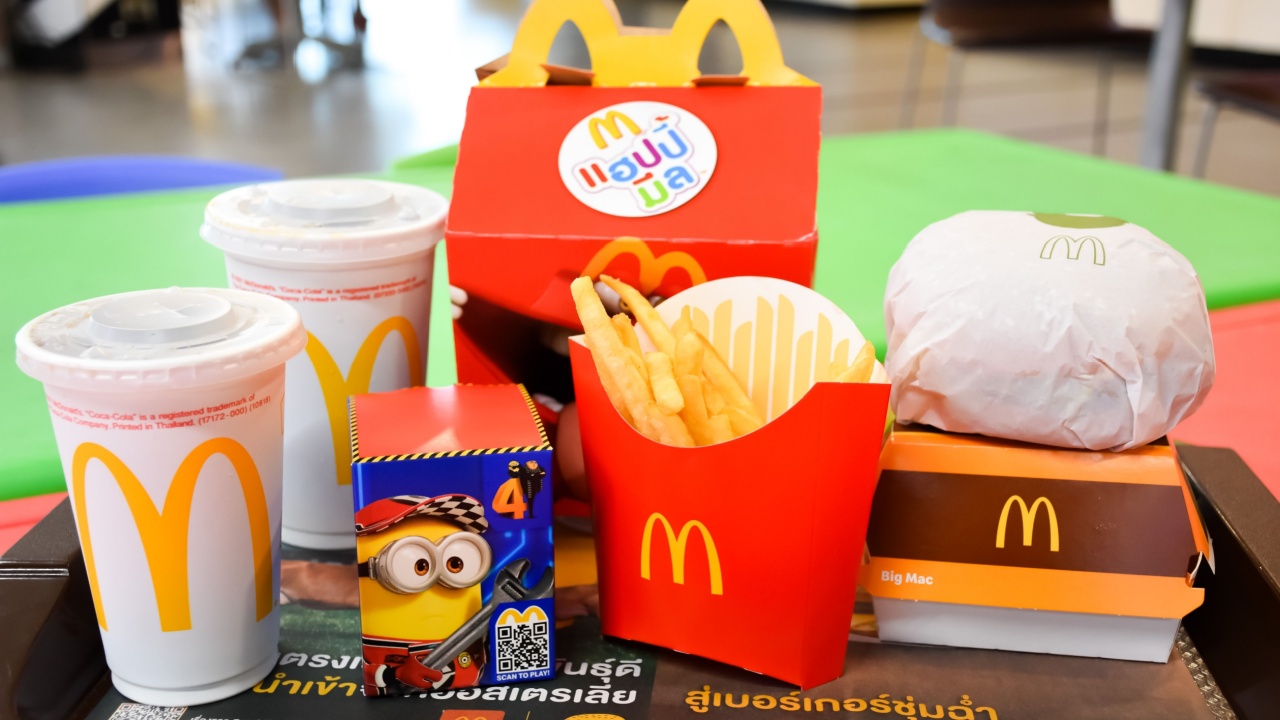
Image Credit: Patcharaporn Puttipon4289 / Shutterstock.com
Those little toys from a McDonald’s Happy Meal were a childhood highlight. While a few complete, in-package sets from the 80s have gained some value, the majority of individual toys are essentially worthless.
- Why It’s Not Worth Much: They were mass-produced as giveaways and are almost always opened and played with immediately, destroying their mint condition, which is critical for value.
- Exceptions: Complete, unopened sets of popular collections like the “101 Dalmatians” or early Disney characters can be worth a few hundred dollars to niche collectors.
What to Do:
- Sell: Sell them in a “grab bag” or lot at a garage sale for a few dollars.
- Repurpose: Small figurines can be glued onto jar lids to create fun storage containers or used as whimsical markers for your indoor herb garden.
6. ‘Brown’ Furniture
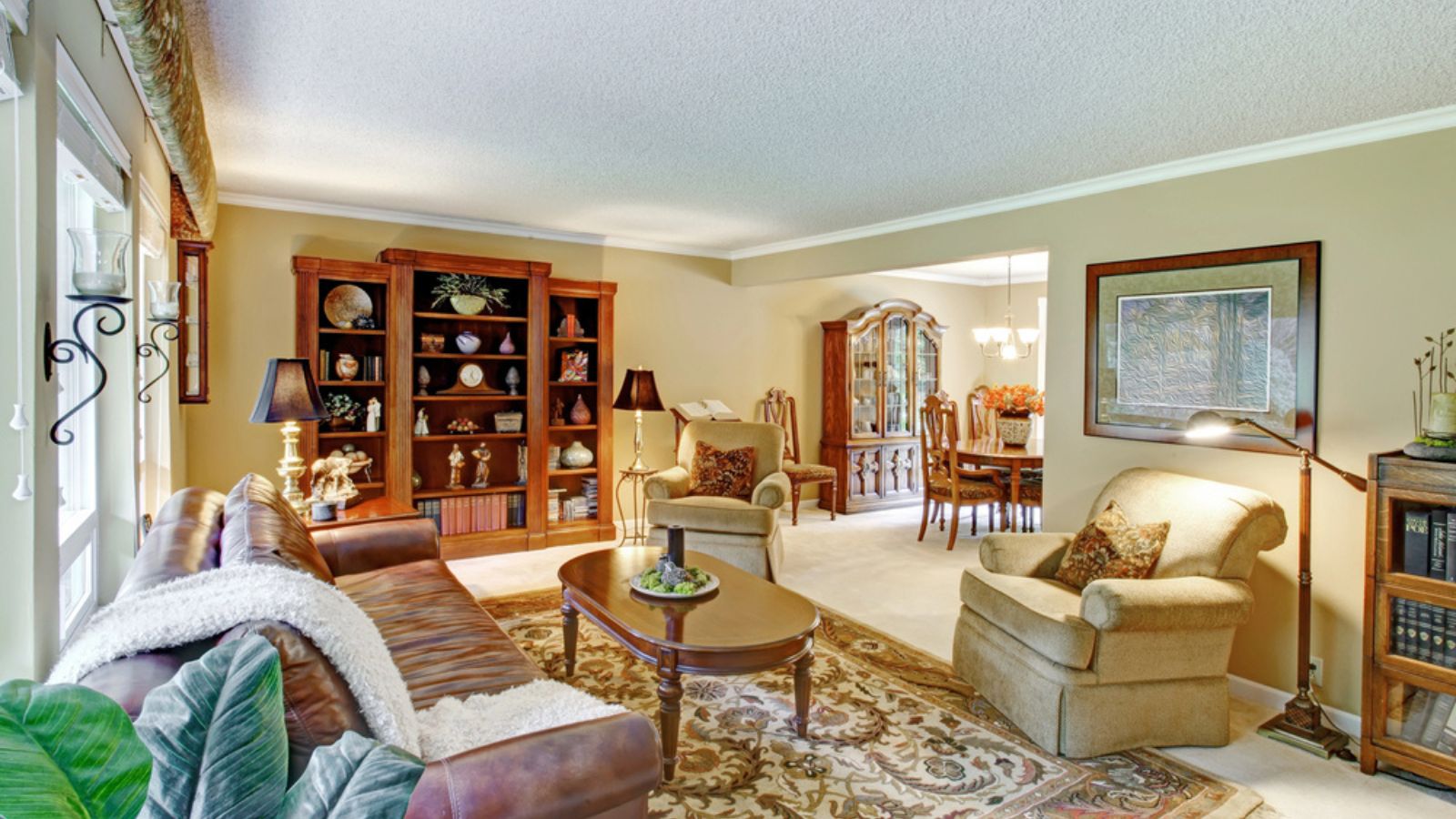
Image Credit: Depositphotos.com.
“Brown furniture” is the trade term for the dark, heavy wood pieces (like dining sets, armoires, and buffets) that were common from the late 1800s through the mid-20th century. While these pieces were well-made, tastes have shifted towards lighter, more modern styles.
- Why It’s Not Worth Much: The market is flooded with these pieces as baby boomers downsize. Their large size and dark color don’t fit into many modern homes, driving prices down.
- Exceptions: Pieces made by renowned craftsmen like Stickley or those from a significant historical period in pristine condition can retain value.
What to Do:
- Refinish: A coat of chalk paint can completely transform an old, dark piece into a beautiful shabby-chic or modern farmhouse accent for your home or covered porch.
- Donate: Some charities will pick up large furniture for free.
7. Comic Books
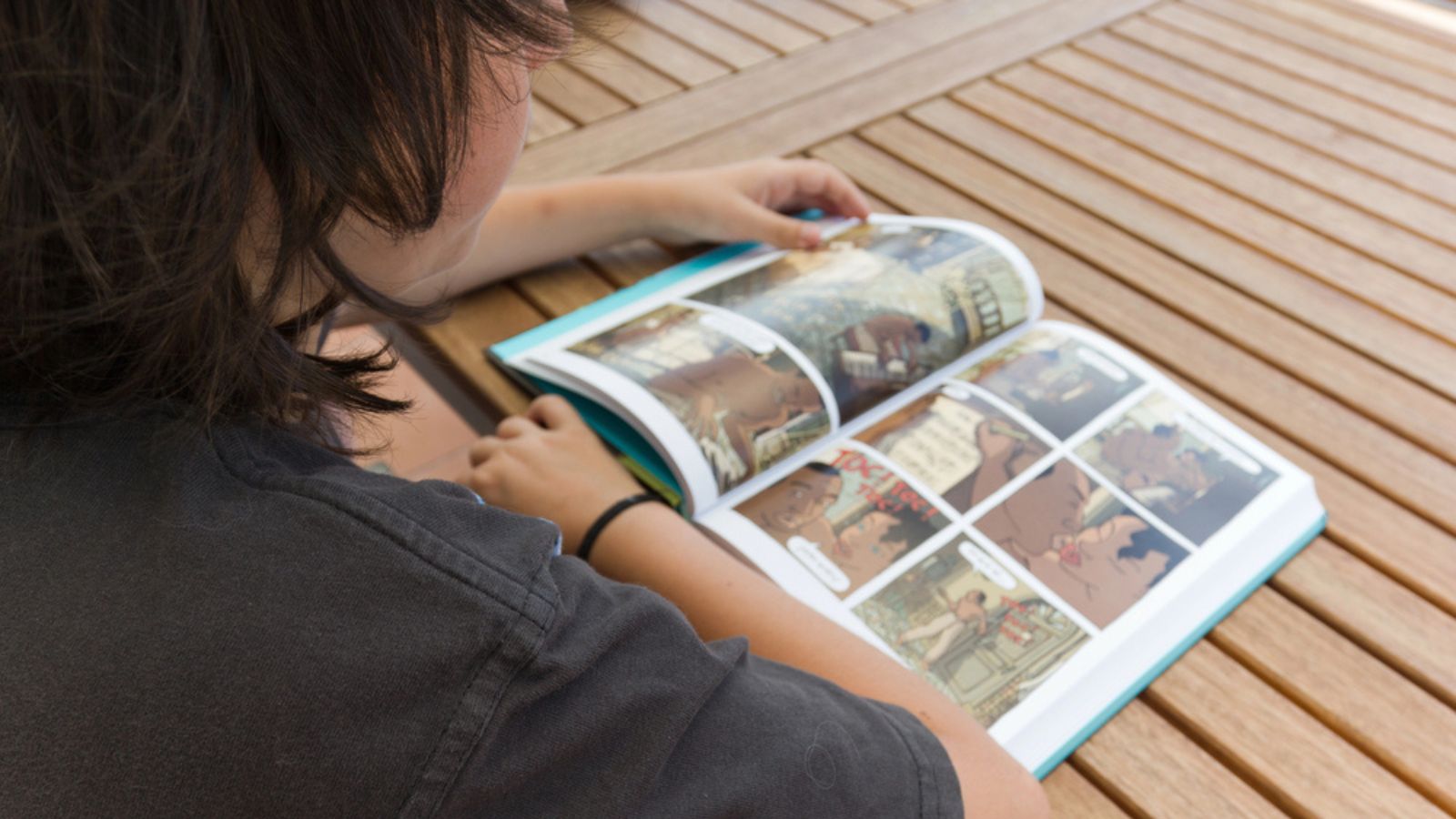
Image Credit: Depositphotos.com.
Unless you have a pristine copy of Action Comics #1, your childhood comic book collection is probably more valuable for its memories. The market was flooded in the 1980s and 1990s with “collectible” issues that were printed in the millions, making them anything but rare.
- Why It’s Not Worth Much: Overproduction during the “speculator boom” and the fact that most comics were read and handled mean they lack the perfect condition required by serious collectors.
- Exceptions: Comics from the “Golden Age” (1930s-1950s) and key issues featuring the first appearance of a major character (like Spider-Man or the X-Men) are highly valuable, especially if professionally graded.
What to Do:
- Research: Check a few key issues on comic-valuing websites. You might have one or two worth something.
- Repurpose: Frame iconic covers for wall art or use pages for decoupage projects on furniture or storage boxes.
8. Costume Jewelry
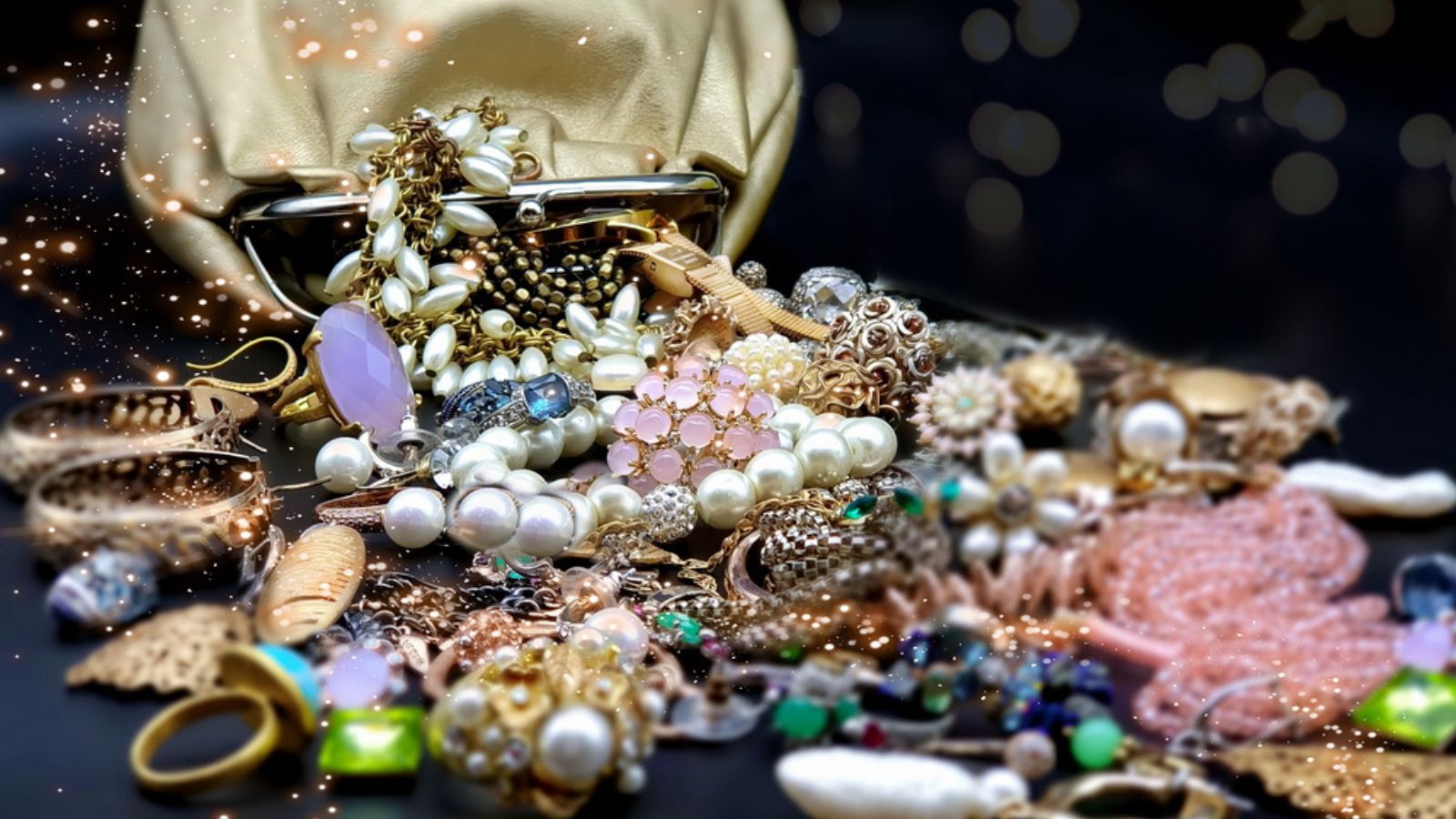
Image Credit: Depositphotos.com.
Costume jewelry was made to be an affordable and fashionable accessory. While some signed designer pieces are highly collectible, the vast majority of brooches, necklaces, and earrings found in jewelry boxes are mass-produced items.
- Why It’s Not Worth Much: Most of it was inexpensive to begin with and trends have changed. Pieces with missing stones, broken clasps, or worn plating have little to no monetary value.
- Exceptions: Signed pieces from high-end designers like Chanel, Miriam Haskell, or Schiaparelli in excellent condition are always in demand.
What to Do:
- Sell: Bundle it into a “craft lot” for artists who repurpose jewelry.
- Repurpose: Glue colorful brooches or earrings onto a plain picture frame or corkboard for a touch of glamour. They can also be used to create sparkly garden stakes.
9. Model Train Sets
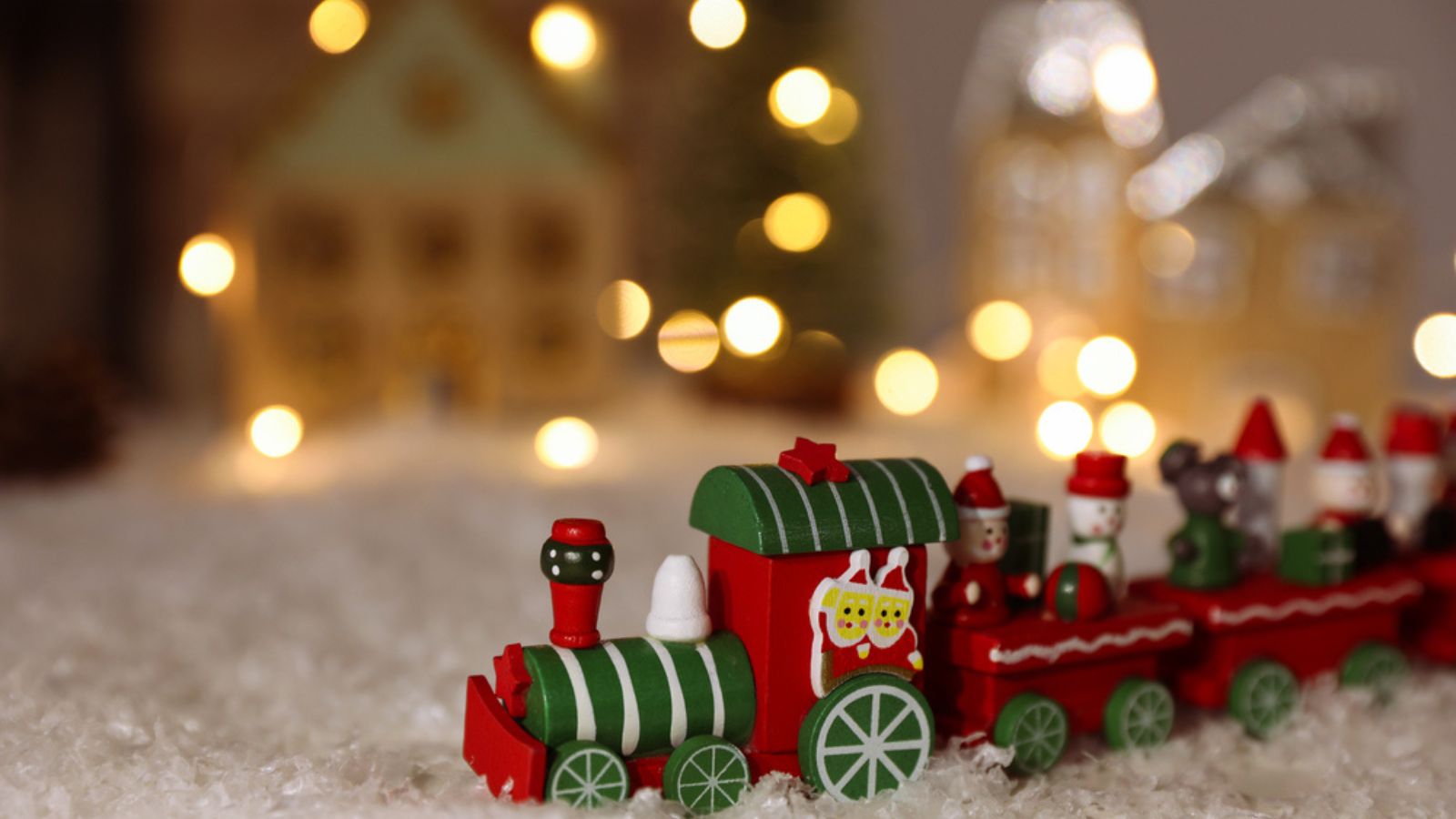
Image Credit: Depositphotos.com.
That classic Lionel train set circling the Christmas tree is a nostalgic icon. While some pre-war sets in their original boxes are valuable, most post-war and modern-era trains were produced in large numbers.
- Why It’s Not Worth Much: Condition is key. Sets that have been played with, have rust, or are missing original packaging are considered “runner grade” and sell for a fraction of mint-condition prices.
- Exceptions: Rare, limited-edition sets and trains from the early 20th century in pristine condition can be worth thousands.
What to Do:
- Enjoy: Set it up and run it! The joy it brings is its primary value.
- Sell: Offer it to a local hobby shop or list it online, being honest about its condition.
10. Serving Platters
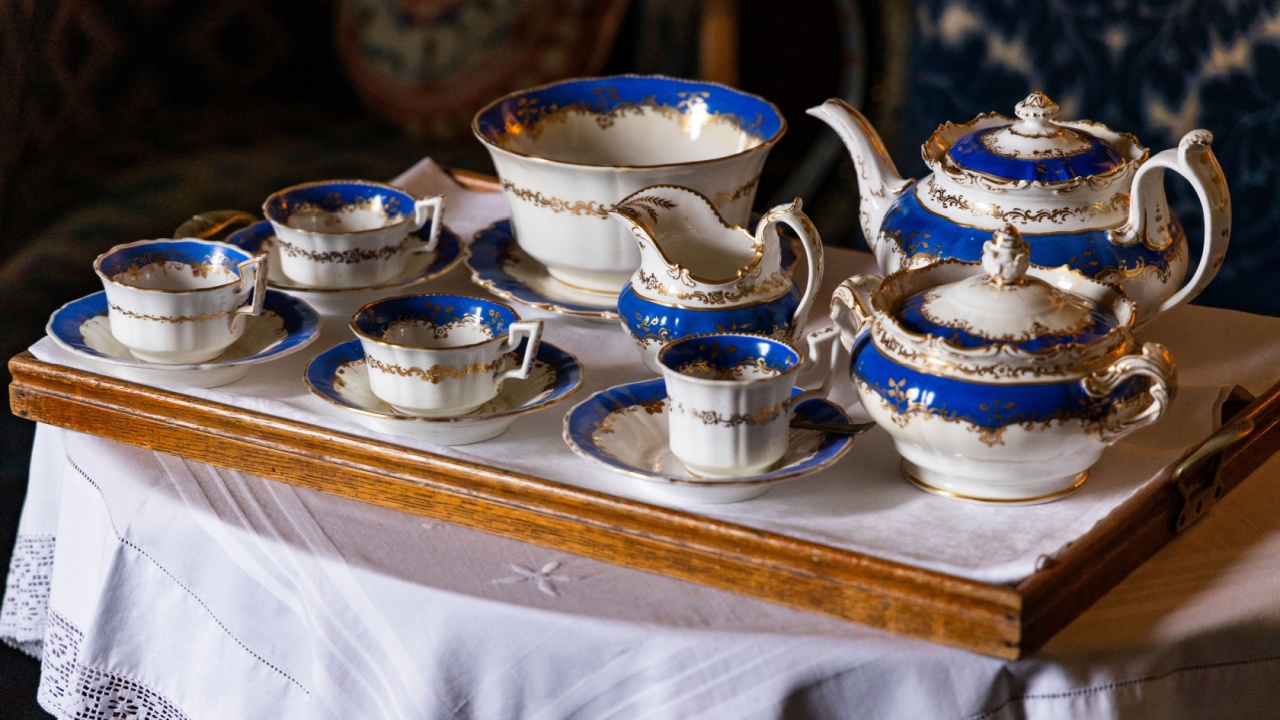
Image Credit: Shutterstock.
Many families have a special china platter reserved for holiday meals. Unless it’s part of a complete, highly sought-after pattern from a famous maker, a single platter usually isn’t worth much.
- Why It’s Not Worth Much: Most people want a complete dinner set, not just one platter. The market is also full of reproductions that look similar to valuable antique patterns.
- Exceptions: Platters from high-end brands like Royal Copenhagen (especially Flora Danica), early Spode, or rare Wedgwood patterns can be valuable.
What to Do:
- Use It: Don’t save it for an extra special occasion every 5 years! Use it to serve appetizers at your next gathering.
- Repurpose: Use it as a beautiful base for a table centerpiece, a catch-all tray for keys and mail, or a unique bird feeder in the garden.
11. Children’s Books
Image Credit: Depositphotos.com.
First editions of classics like Where the Wild Things Are or early Dr. Seuss books can be valuable, but the copy you read as a child likely isn’t one of them. Loved books with dog-eared pages, crayon marks, or a name written inside have sentimental value only.
- Why It’s Not Worth Much: Children’s books are printed in huge numbers and are meant to be read, not preserved. Their condition rarely meets collector standards.
- Exceptions: A true first edition/first printing with its original dust jacket in fine condition is the only version that will command high prices.
What to Do:
- Donate: Pass them on to a local library, school, or a Little Free Library in your neighborhood.
- Repurpose: Frame beautiful illustrations for a child’s room or use pages for craft projects.
12. Precious Moments Figurines
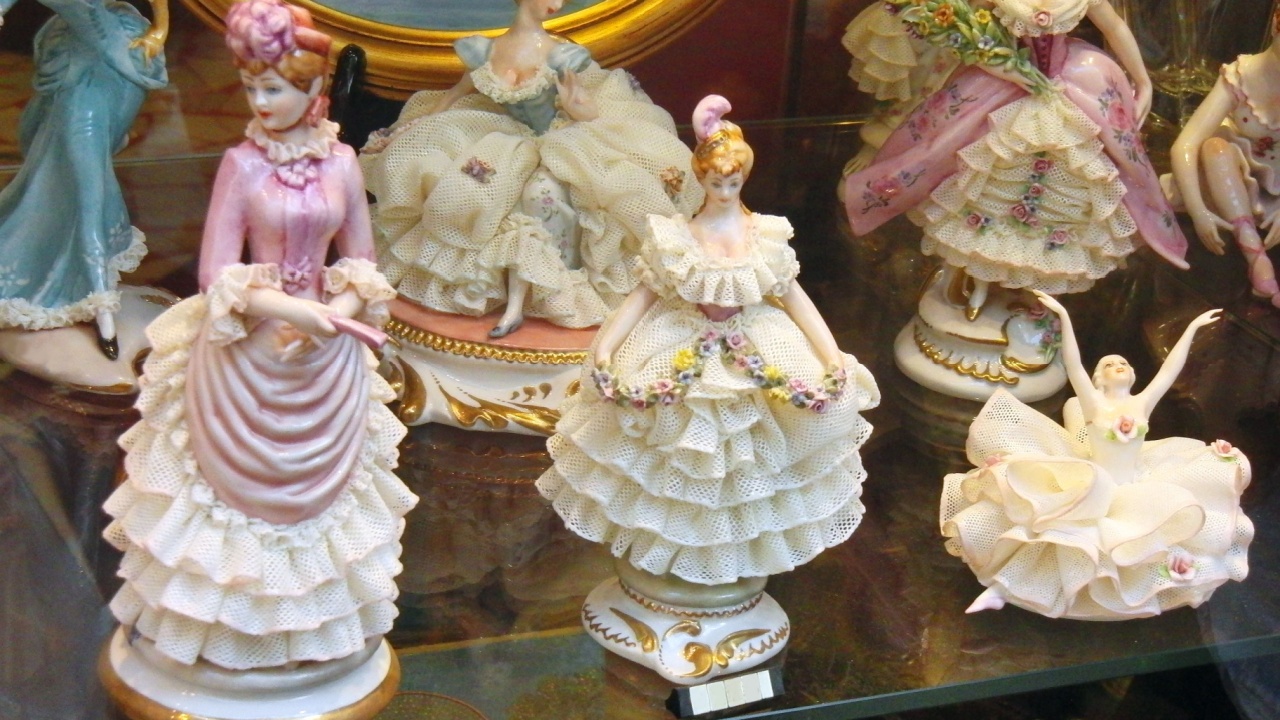
Image Credit: Shutterstock.
(Note: Not pictured here due to copyright concerns.) These teardrop-eyed porcelain figurines were incredibly popular as gifts for weddings, birthdays, and baptisms. The company produced millions of them, and the collecting craze has long since faded.
- Why It’s Not Worth Much: The market is oversaturated, and the younger generation has not embraced collecting them. Most common figurines sell for just a few dollars online.
- Exceptions: The “Original 21” figurines released in 1978 can have slightly more value, but only if they are in perfect condition with the original box.
What to Do:
- Gift: If it has sentimental value, pass it down to a family member who might appreciate the thought.
- Repurpose: Place them in a terrarium or fairy garden to add a touch of kitschy charm.
13. Norman Rockwell Collector Plates
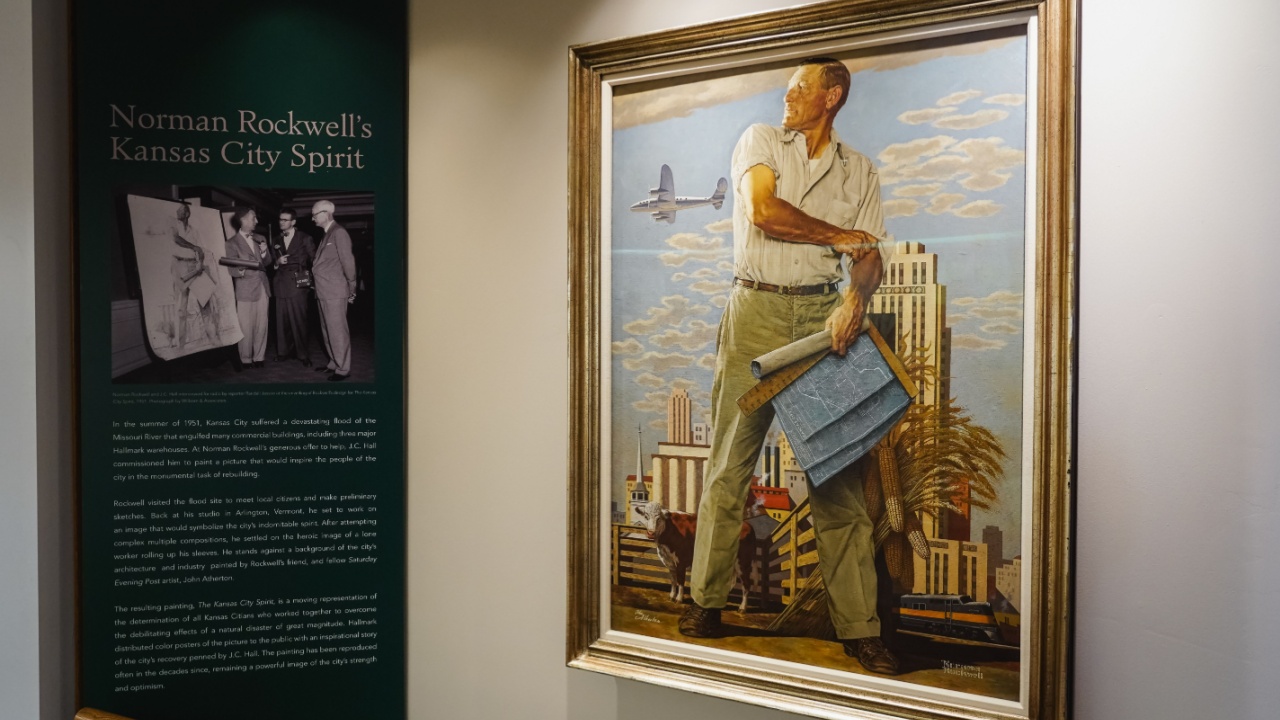
Image Credit: Logan Bush / Shutterstock.com
Norman Rockwell’s art is an American institution, but the collector plates featuring his work were produced in massive quantities and marketed as “limited editions” that weren’t actually very limited.
- Why It’s Not Worth Much: The term “collector’s plate” was more of a marketing gimmick than an indicator of value. The market is flooded, and you can find most of them for $5-$10.
- Exceptions: The very earliest plates from the 1970s might sell for a bit more, but we’re talking $20-30, not hundreds.
What to Do:
- Display: If you love the art, use it for wall decor. Plate hangers are inexpensive and easy to use.
- Repurpose: Use them as serving dishes for cookies or candies. They also make lovely bases for small potted plants.
14. Cabbage Patch Kids
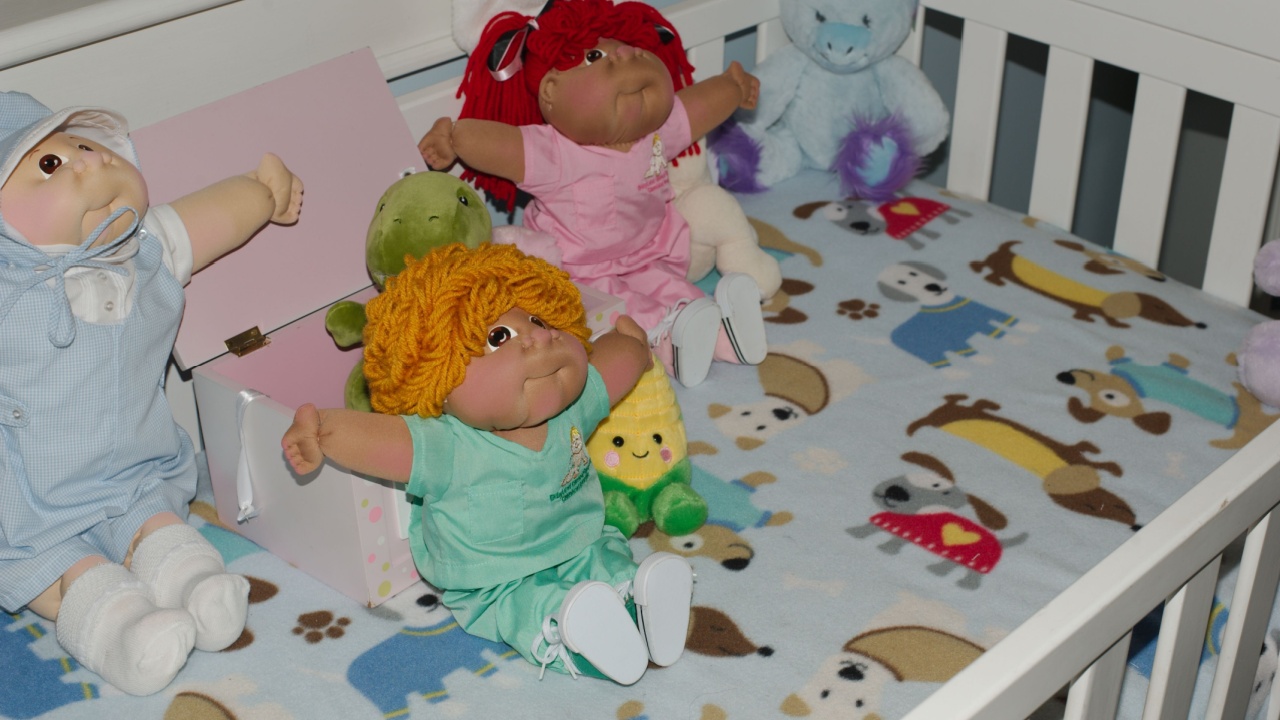
Image Credit: Del Harper / Shutterstock.com
The Cabbage Patch Kids riots of the 1980s are legendary, but the dolls themselves are not a retirement plan. Once the initial craze died down, they were mass-produced for years.
- Why It’s Not Worth Much: Condition is everything. Unless your “Kid” is in its original, unopened box with adoption papers, it’s considered a toy, not a collectible.
- Exceptions: Some of the very early, soft-sculpture dolls created by Xavier Roberts himself (before the mass-marketed vinyl versions) can be quite valuable.
What to Do:
- Donate: Give them to a child who will create new memories with them.
- Refresh: Clean them up, find or make new clothes, and give them a second life.
15. Hummel Figurines
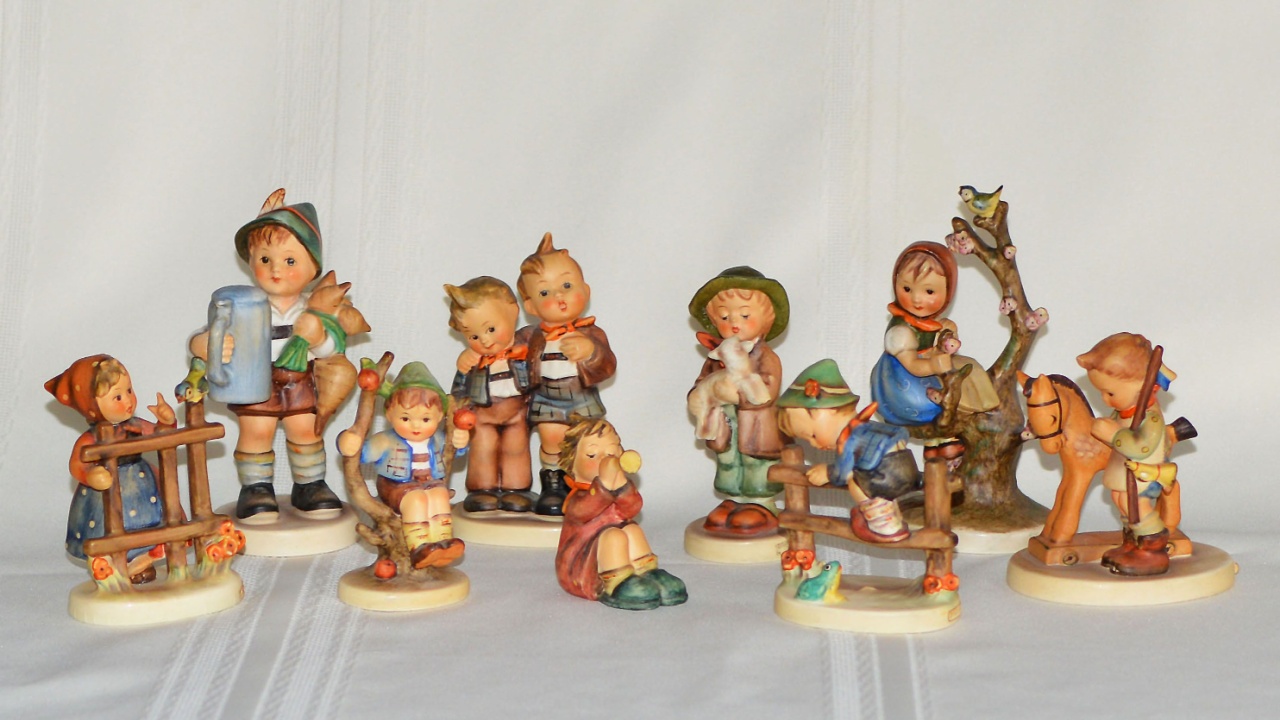
Image Credit: Vintagepix / Shutterstock.com
These charming porcelain figurines of children were once a staple in display cabinets across the country. Created in Germany, they were a popular souvenir for soldiers after WWII. However, their popularity has waned significantly.
- Why It’s Not Worth Much: The primary collectors of Hummels are aging, and younger generations haven’t developed the same passion. The market is saturated with common models.
- Exceptions: Very large, rare, or early models can still hold value. The “Apple Tree Boy” and “Apple Tree Girl” are among the more desirable pieces.
What to Do:
- Research: Check the trademark at the bottom. Older marks can indicate a higher value.
- Repurpose: Use them in a shadow box display or nestle them among your houseplants for a whimsical touch.
16. Hot Wheels Cars
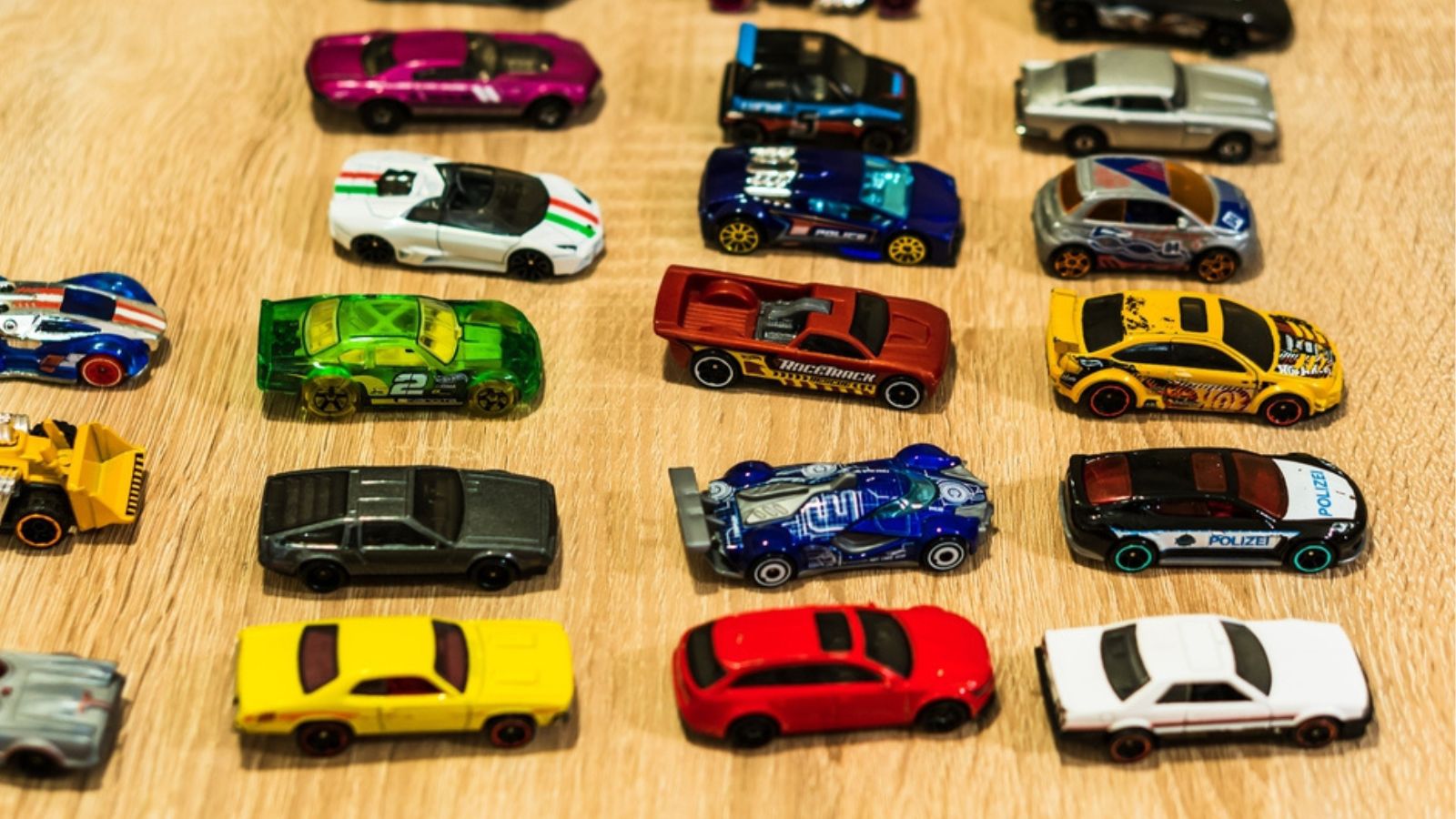
Image Credit: Wirestock at Depositphotos.com.
Hot Wheels have been a childhood staple for over 50 years. While a few ultra-rare models have sold for staggering amounts, the millions of cars that were actually played with are worth very little.
- Why It’s Not Worth Much: Most were taken out of the package and raced across floors, leading to chipped paint and bent axles. This “play wear” destroys their value.
- Exceptions: The 1969 “Rear-Loader” Volkswagen Beach Bomb in pink is considered the most valuable Hot Wheels car. Redline-era cars (made before 1977) in mint condition are also desirable.
What to Do:
- Sell: Sell them in a large lot to other parents or at a garage sale.
- Repurpose: Glue magnets to the bottom and use them as fun refrigerator magnets.
17. Select Barbie Dolls
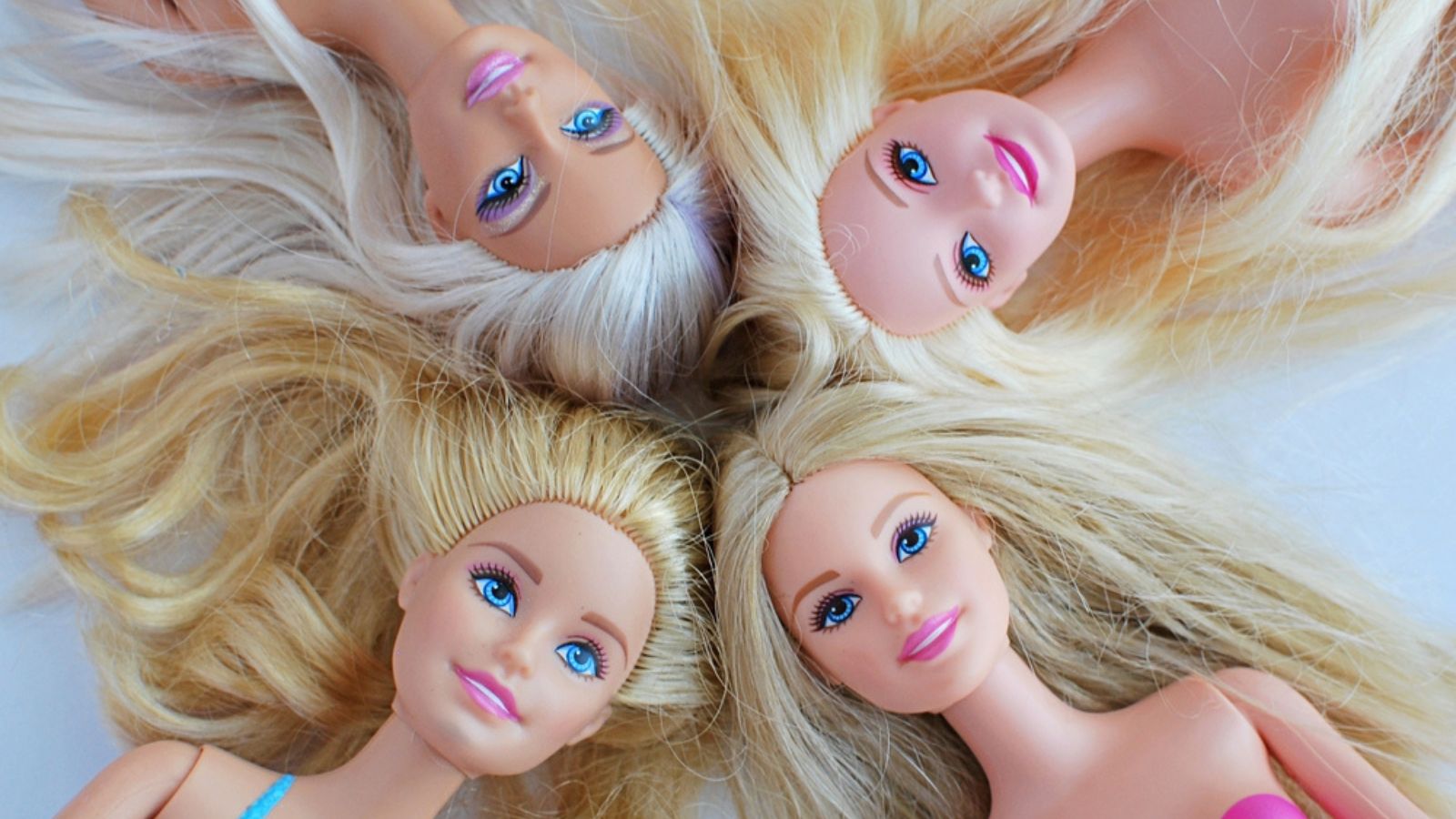
Image Credit: Indrepau from Depositphotos.com.
The Barbie market is complex. While a mint-in-box #1 Barbie from 1959 is worth a fortune, the holiday Barbies and other “collector edition” dolls from the ’80s and ’90s were produced in such large numbers that their value has remained low.
- Why It’s Not Worth Much: The term “limited edition” was often a misnomer. Most dolls made after the 1970s, even if they’ve never been out of the box, are worth less than their original retail price.
- Exceptions: The original 1959 Barbie, rare designer collaborations, and dolls with manufacturing errors are the most valuable.
What to Do:
- Donate: Give them to organizations that provide toys for children.
- Repurpose: Use the dolls’ clothing for craft projects or the dolls themselves as quirky garden decor (a Barbie scarecrow, perhaps?).
18. Baseball Cards from the 1980s and 1990s
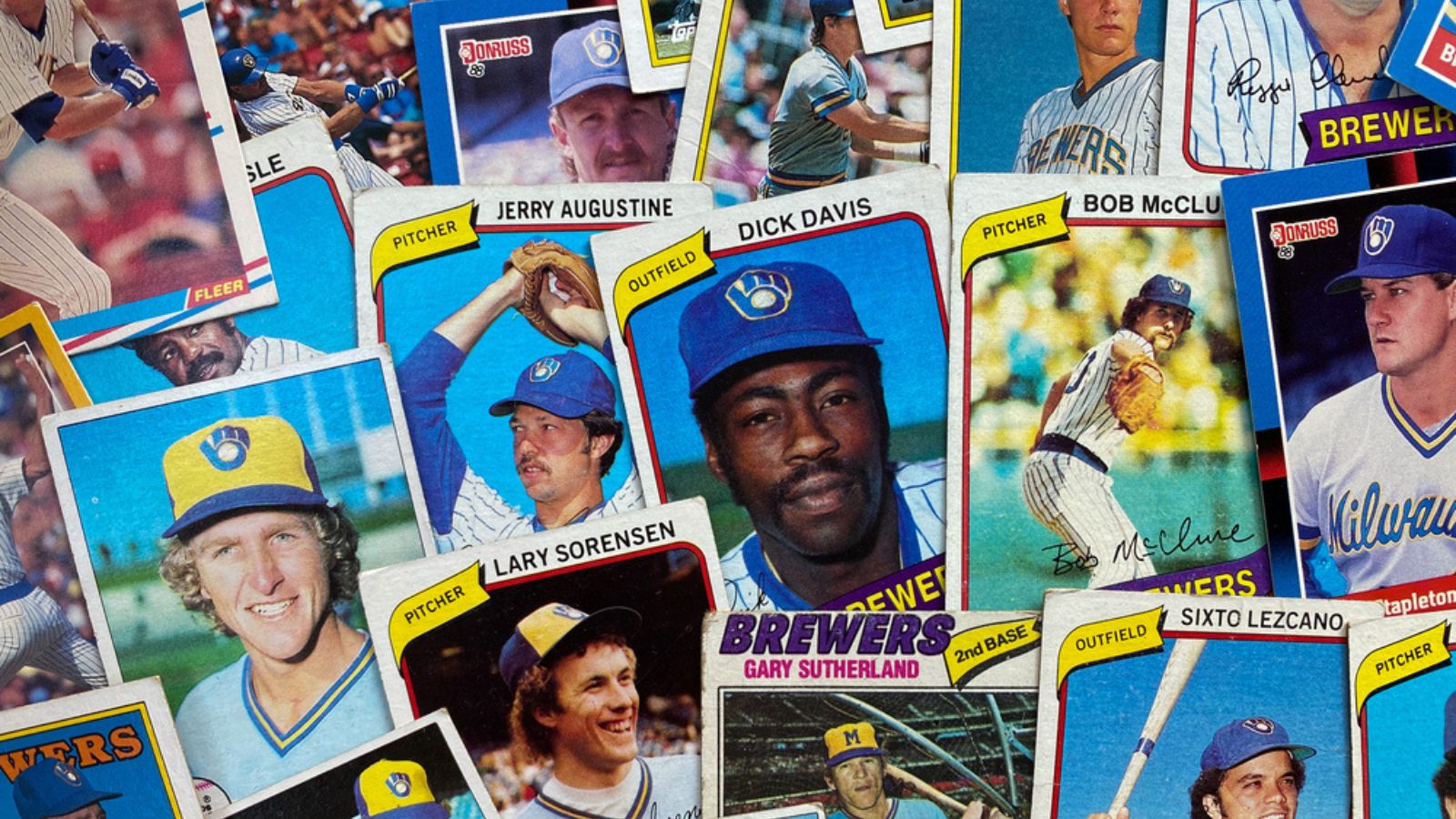
Image Credit: luvemak at Depositphotos.com.
This era, known as the “Junk Wax Era,” saw card companies print billions of cards to meet booming demand. As a result, almost every card from this period is essentially worthless.
- Why It’s Not Worth Much: Simple supply and demand. There are more cards available than there are collectors who want them.
- Exceptions: A few key rookie cards, like the 1989 Upper Deck Ken Griffey Jr., have held some value, but only if they are in perfect, professionally graded condition.
What to Do:
- Sell: You might be able to sell a massive, unsorted collection for a small amount online.
- Repurpose: Use them to create a cool collage, laminate them into coasters, or just enjoy the nostalgia.
19. Cookie Jars
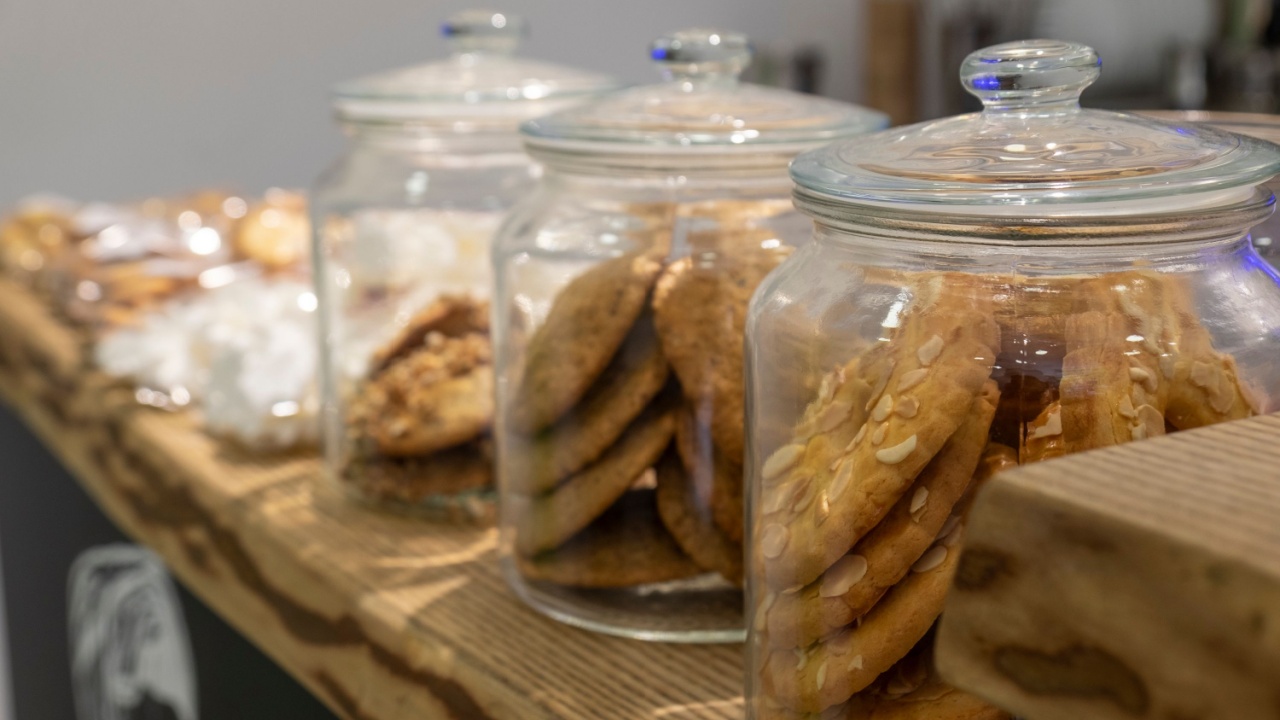
Image Credit: Shutterstock.
Cookie jars come in countless fun and whimsical shapes. While artist Andy Warhol’s famous collection sold for a fortune, most common, mass-produced jars are flea market fare.
- Why It’s Not Worth Much: They were made to be functional kitchen items, and many have chips or cracks. The market is also full of reproductions of popular vintage designs.
- Exceptions: Jars from the 1940s and 50s by recognized pottery companies like McCoy or Brush in rare designs and perfect condition are the most sought-after.
What to Do:
- Use Them: Store cookies, pet treats, or kitchen utensils in them. A fun cookie jar can also make a great planter for herbs on your windowsill.
20. Souvenir Bells
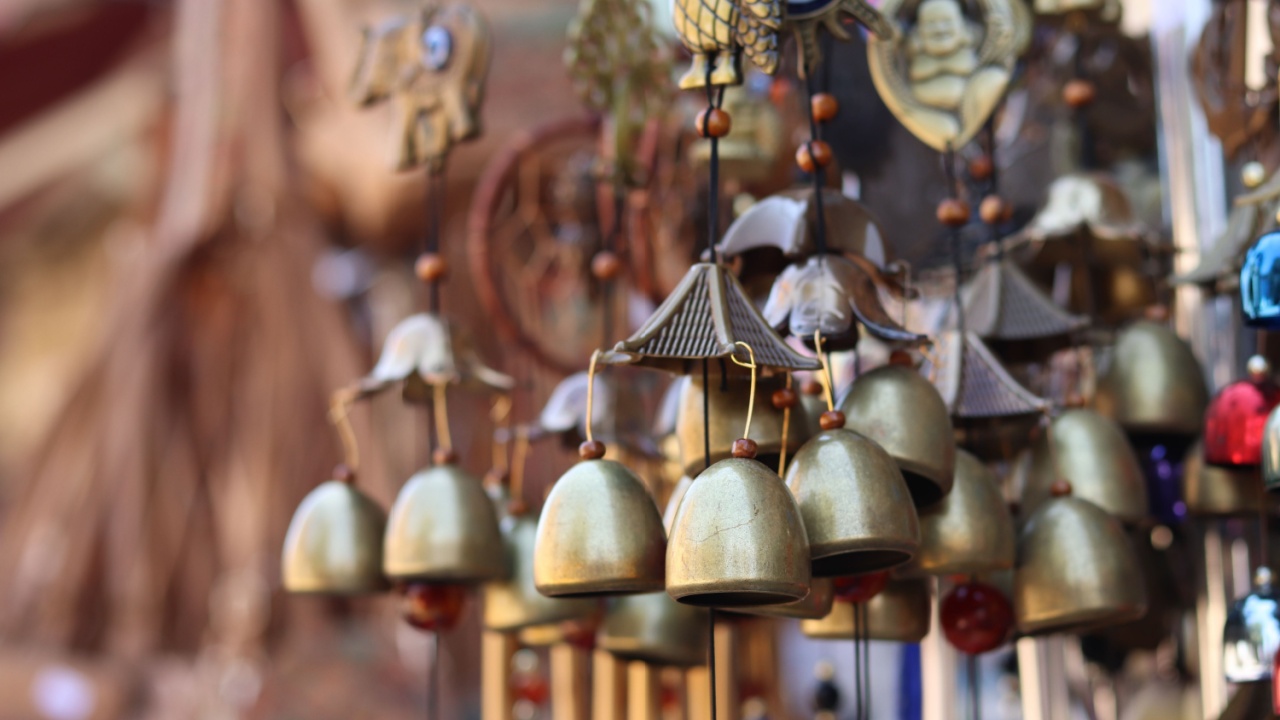
Image Credit: Shutterstock.
A small porcelain bell from a tourist destination was once a popular souvenir to collect. Today, these little trinkets are more likely to collect dust than value.
- Why It’s Not Worth Much: They were mass-produced for the tourist trade and hold little interest for serious collectors. You can find them for a dollar or two at any thrift store.
- Exceptions: There are virtually no exceptions. Even bells from famous events or locations have minimal value.
What to Do:
- Repurpose: Tie them with ribbon to your garden gate to create a gentle chime, or use them as unique place card holders for a dinner party.
- Donate: Drop them off at your local thrift shop.
21. Salt and Pepper Shaker Sets
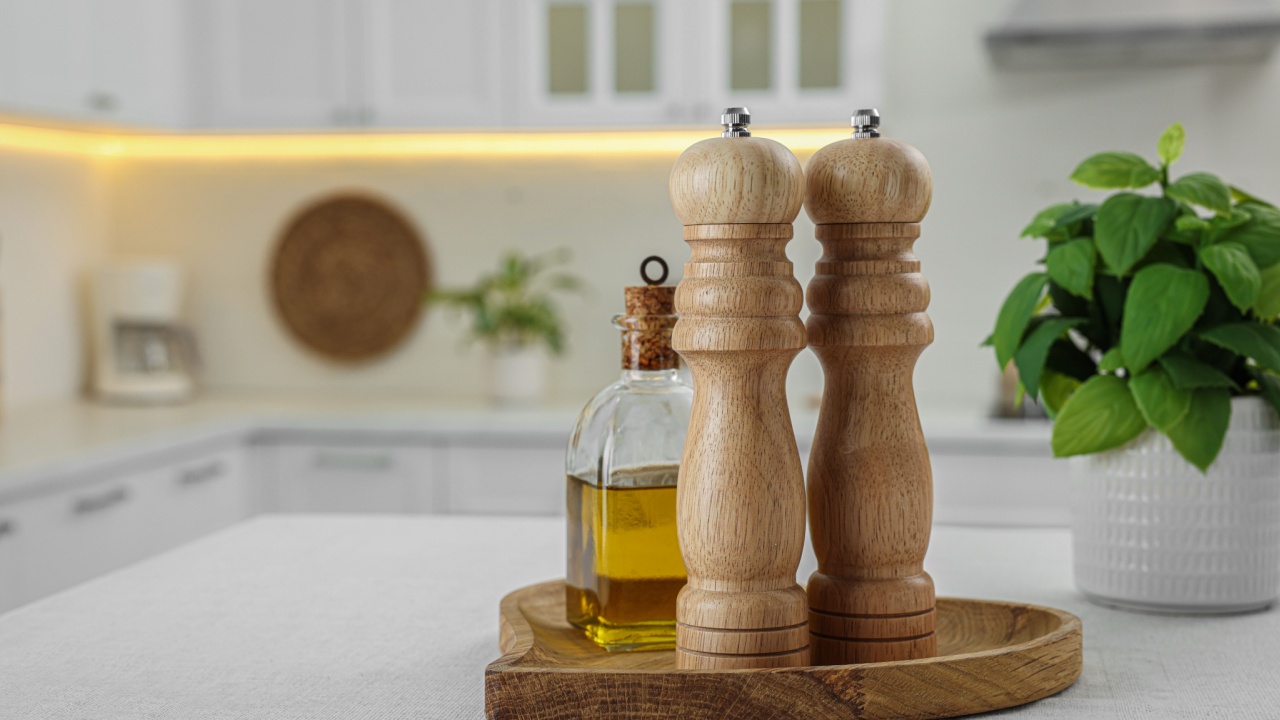
Image Credit: Shutterstock.
Novelty salt and pepper shaker sets, shaped like everything from cats to cowboy hats, were once a collecting craze. Today, most of these sets are worth just a few dollars.
- Why It’s Not Worth Much: They were mass-produced, inexpensive, and collecting them is no longer a popular hobby.
- Exceptions: Rare, early sets from known ceramic companies or those with intricate designs in perfect condition might fetch a slightly higher price from niche collectors.
What to Do:
- Use Them: Put them to work at your next BBQ or family dinner.
- Display: Group them by color or theme on a small shelf for a fun, retro kitchen display.
22. Farm Tools
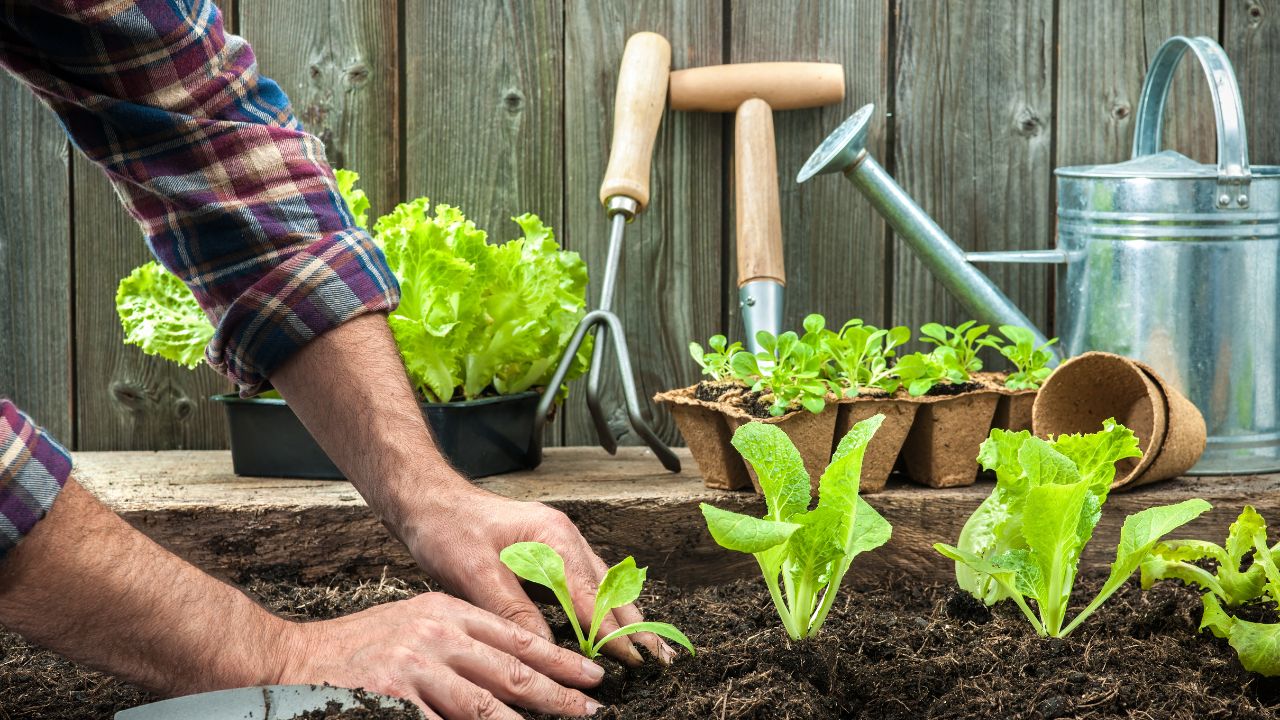
Image Credit: Shutterstock.
Old, rustic farm tools like sickles, pitchforks, and pulleys became a popular decorating trend for the “farmhouse” look. However, the market became saturated with both authentic pieces and reproductions.
- Why It’s Not Worth Much: Supply is high, and the decorating trend has evolved. Most common tools have very little monetary value unless they are exceptionally old or unique.
- Exceptions: Tools with a maker’s mark from a well-known blacksmith or very unusual, specialized implements can be of interest to historical collectors.
What to Do:
- Decorate: They still make great decorative accents in a garden, on a porch wall, or as part of a rustic interior design scheme. An old rake head can be repurposed to hold garden tools or wine glasses.
23. Thomas Kinkade Collectibles
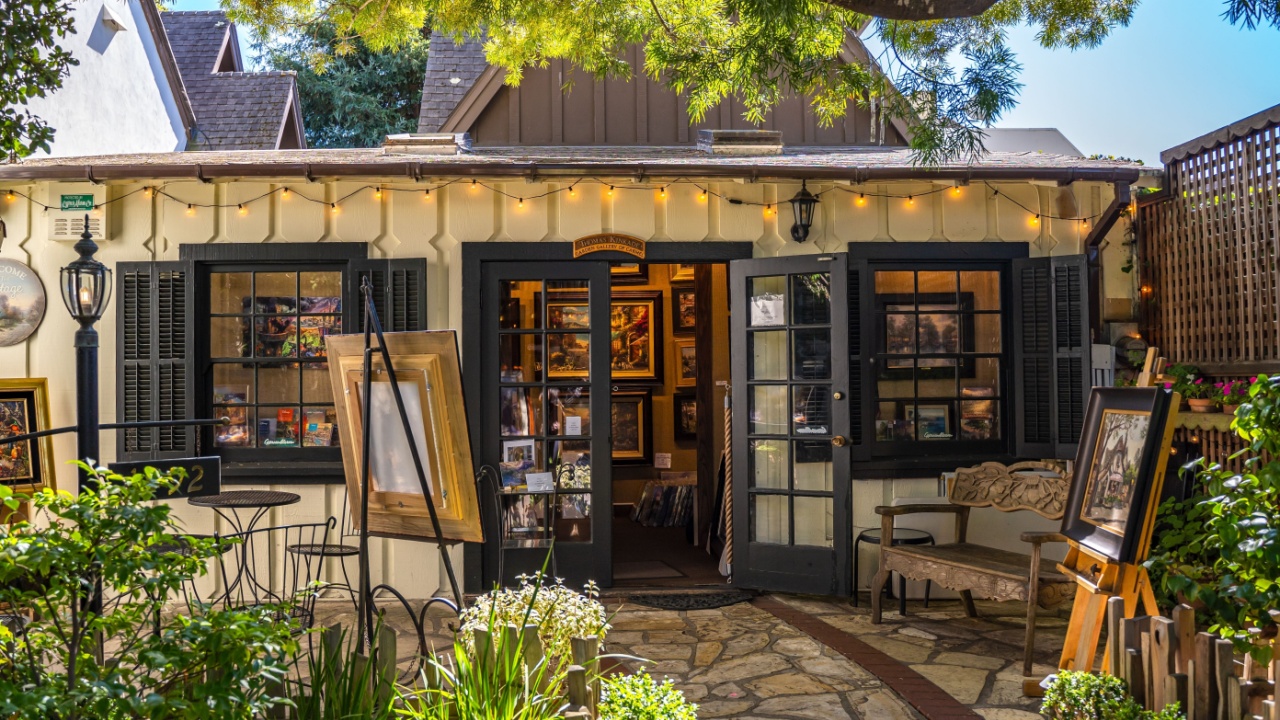
Image Credit: Iv-olga / Shutterstock.com
Thomas Kinkade, the “Painter of Light,” marketed his work brilliantly through a wide range of products, from prints and plates to music boxes and village miniatures. The sheer volume of this merchandise means none of it is particularly rare.
- Why It’s Not Worth Much: The business model was based on mass-market appeal, not scarcity. The secondary market is flooded with Kinkade products.
- Exceptions: An original canvas painting by Kinkade himself would be valuable, but the prints and licensed goods are not.
What to Do:
- Enjoy: If the peaceful, light-filled scenes bring you joy, display them proudly in your home.
- Donate: Thrift stores are full of Kinkade items, but they will still accept them.
24. Longaberger Baskets
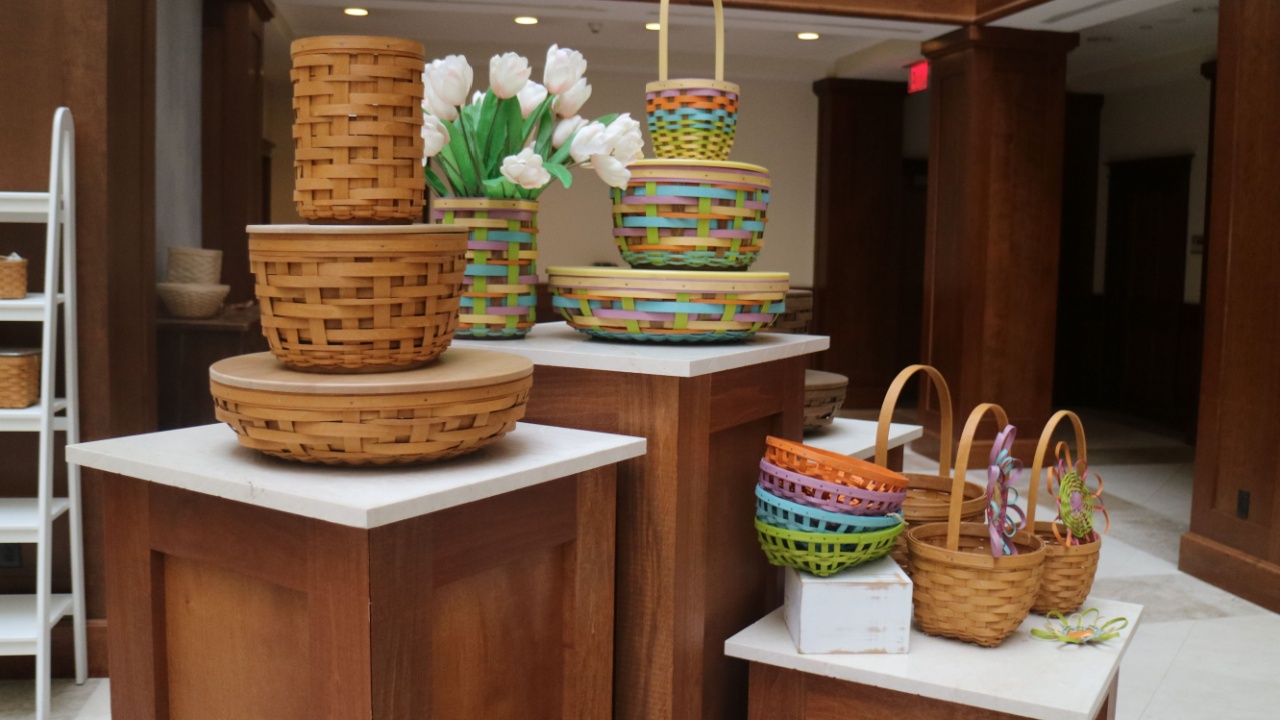
Image Credit: Daniel L. Locke / Shutterstock.com
For a time in the 1990s, these handmade maple wood baskets were a status symbol and a hot collectible, with some selling for hundreds on the secondary market. When the company closed in 2018, many hoped for a surge in value, but the opposite happened.
- Why It’s Not Worth Much: The market had already cooled, and the company’s closure didn’t create new demand. The baskets are bulky to store, and their style is considered dated by many.
- Exceptions: A few very large, early, or rare baskets (like the J.W. Collection) have retained some value, but most are worth a fraction of their original price.
What to Do:
- Use Them: They are incredibly well-made. Use them for picnics, organizing magazines, storing knitting supplies, or as a beautiful container for a potted plant.
25. Hess Trucks
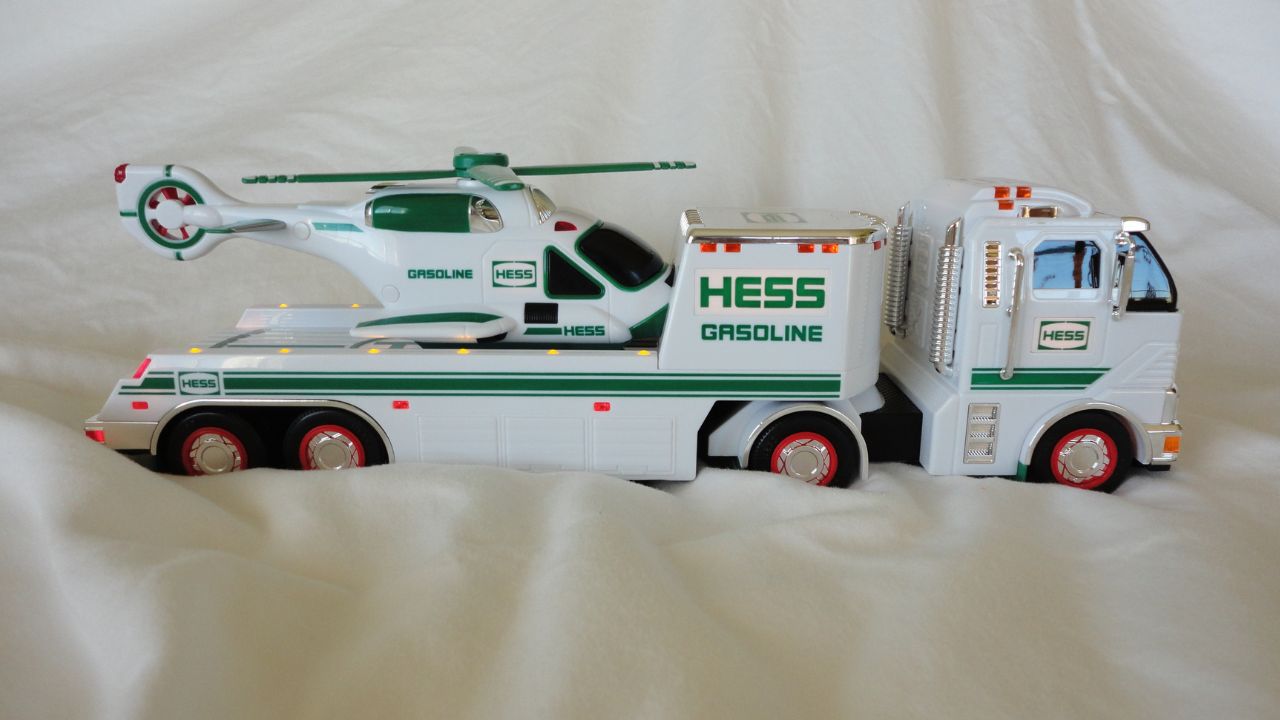
Image Credit: AvidInsight – Own work – CC BY-SA 3.0/Wiki Commons.
The annual Hess toy truck, released every holiday season since 1964, is a tradition for many families. While the first truck from 1964 in mint condition is valuable, most trucks, especially from the 80s onward, are not.
- Why It’s Not Worth Much: Hess produced more trucks each year to meet demand, and many people saved them. Unless it’s in a pristine, unopened box with working batteries, its value is minimal.
- Exceptions: The 1964 tanker truck, the 1966 tanker ship, and a few other early models in perfect condition are the most desirable.
What to Do:
- Let Kids Play: They are sturdy, well-made toys. Let a new generation enjoy them.
- Display: Line them up on a shelf in a playroom or garage for a fun, chronological display.
What to Keep and What to Finally Declutter

Image Credit: Shutterstock.
Going through old collections can be an emotional process, but it’s also a liberating one. The true value of these items often lies not in their price tag, but in the stories and memories they hold. Once you’ve sorted through your treasures, you can decide what to do next.
- Research First: Before selling or donating, do a quick search on sites like eBay. Check the “sold” listings to see what items like yours have actually sold for, not just what sellers are asking.
- Declutter with Purpose: Consider giving items to family members who might cherish the sentimental value. For the rest, you can hold a garage sale, sell them in lots online, or donate them to a local charity.
- Embrace Repurposing: Get creative! Many of these items can find a new life in your home or garden. An old platter can become a bird bath, a cookie jar can become a planter, and old furniture can be a fun weekend painting project. Freeing up space by finding a new purpose for old things is a reward in itself.