
When it comes to cleaning your home, shelves are lined with products promising sparkling surfaces, fresh scents, and ultimate convenience. But not all products live up to the hype. Some are more expensive than they’re worth, less effective than expected, or have affordable and efficient alternatives.
Before we jump into the list, here’s the truth—everyone’s cleaning habits are unique. If you love a product and it works for you, keep using it! This list is here to highlight options that often don’t deliver as promised and to suggest smarter alternatives for a cleaner home without overspending.
Here are 25 cleaning products you might want to rethink, based on forums, social media threads, and home websites that we scoured and compiled data from.
1. Laundry Detergent Pods
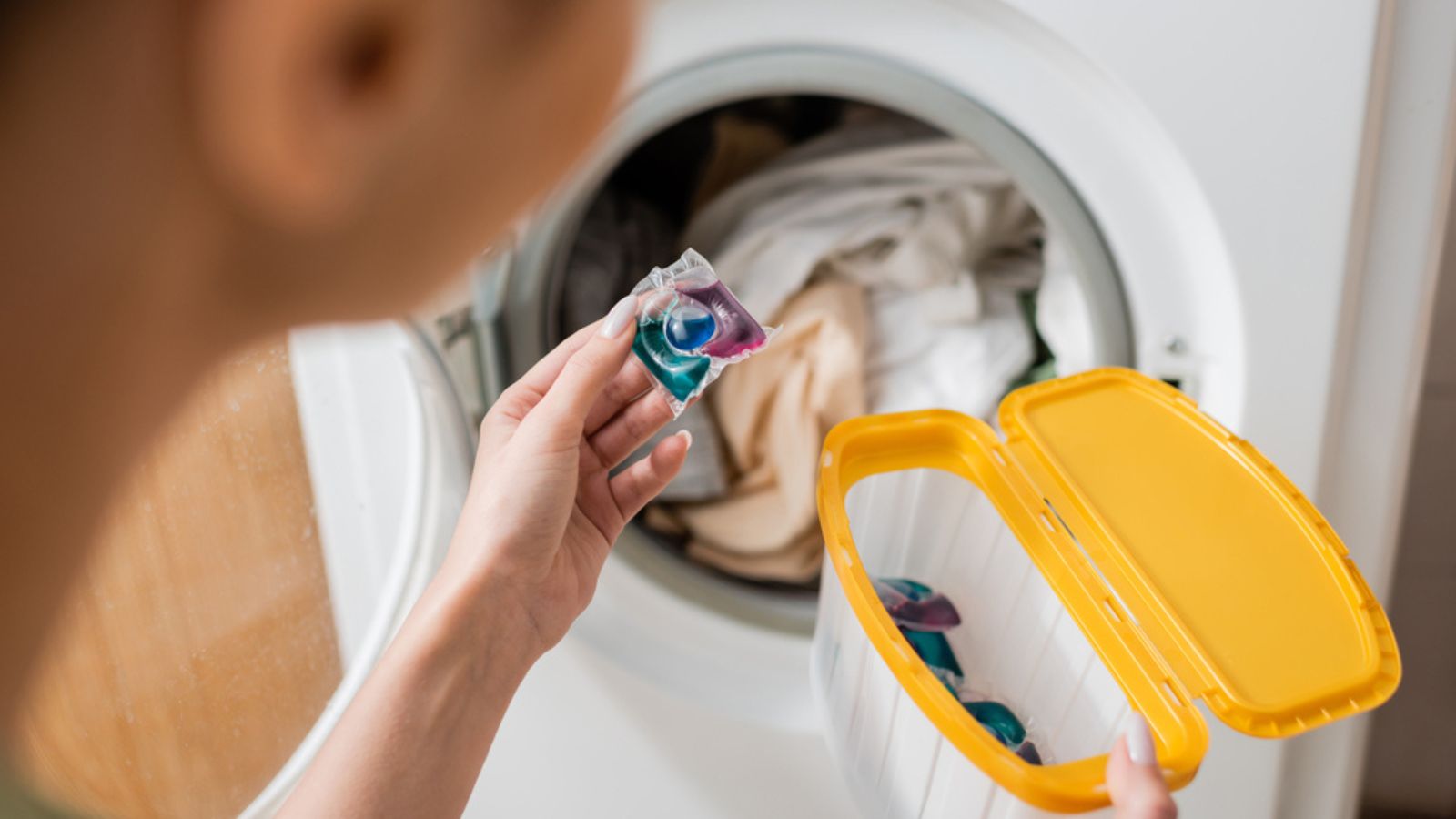
Image Credit: Depositphotos.com.
Laundry pods may look convenient, but they’re more expensive than liquid detergent and, in some cases, don’t clean as effectively (if they’re not placed in the right type of washing machine). Worse yet, pods can leave residue behind, especially in cold water.
Try instead: Opt for store-brand liquid detergent, which is cheaper and often cleans better. For eco-conscious users, leverage concentrated liquid formulas to reduce waste.
2. Swiffer Sweeper Cloths
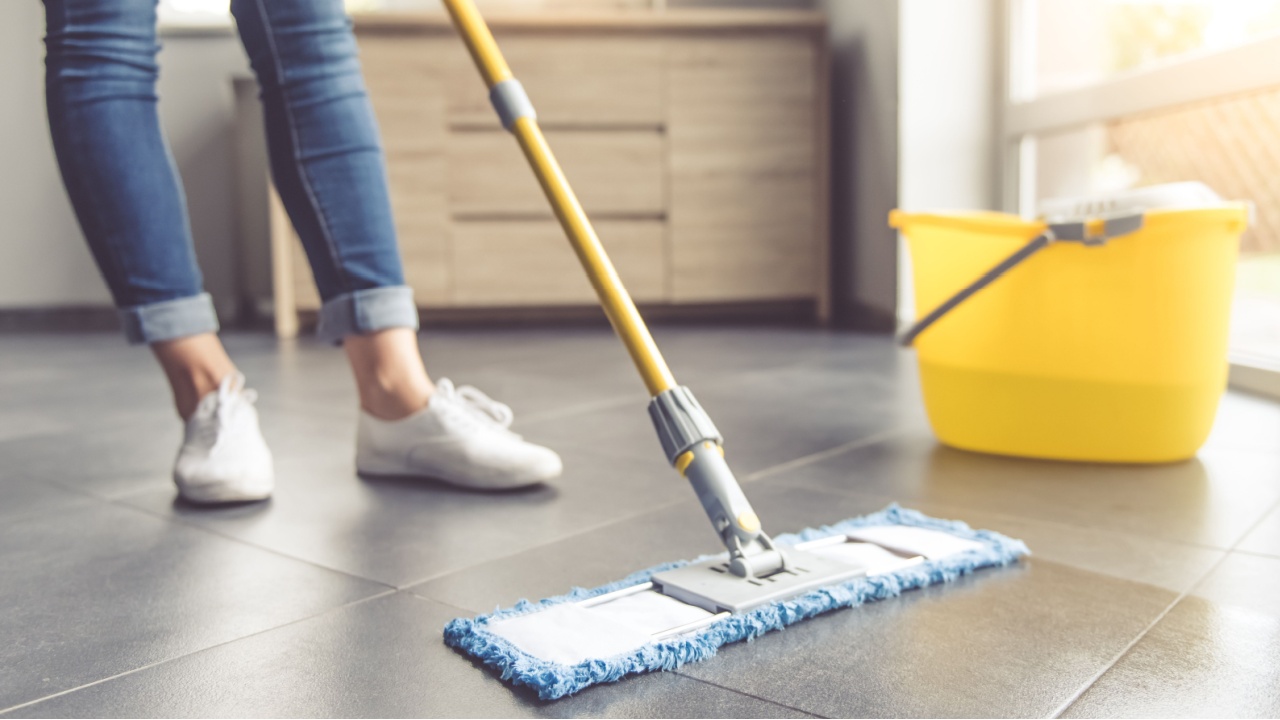
Image Credit: Shutterstock.
Swiffer cloths are undeniably easy to use but wasteful and costly. Depending on usage, they add substantial ongoing expenses and contribute to landfill waste.
Try instead: Use a microfiber mop with reusable, washable pads. These get floors just as clean without the constant expense of refills.
3. Disinfecting Wipes

Image Credit: Depositphotos.com.
While these wipes were lifesavers at the height of the pandemic, frequent use is costly for your wallet and the environment. A single pack can be gone in weeks while adding tons of non-recyclable waste.
Try instead: Use a spray disinfectant and washable rags for a cheaper and more sustainable option.
4. Automatic Toilet Cleaners
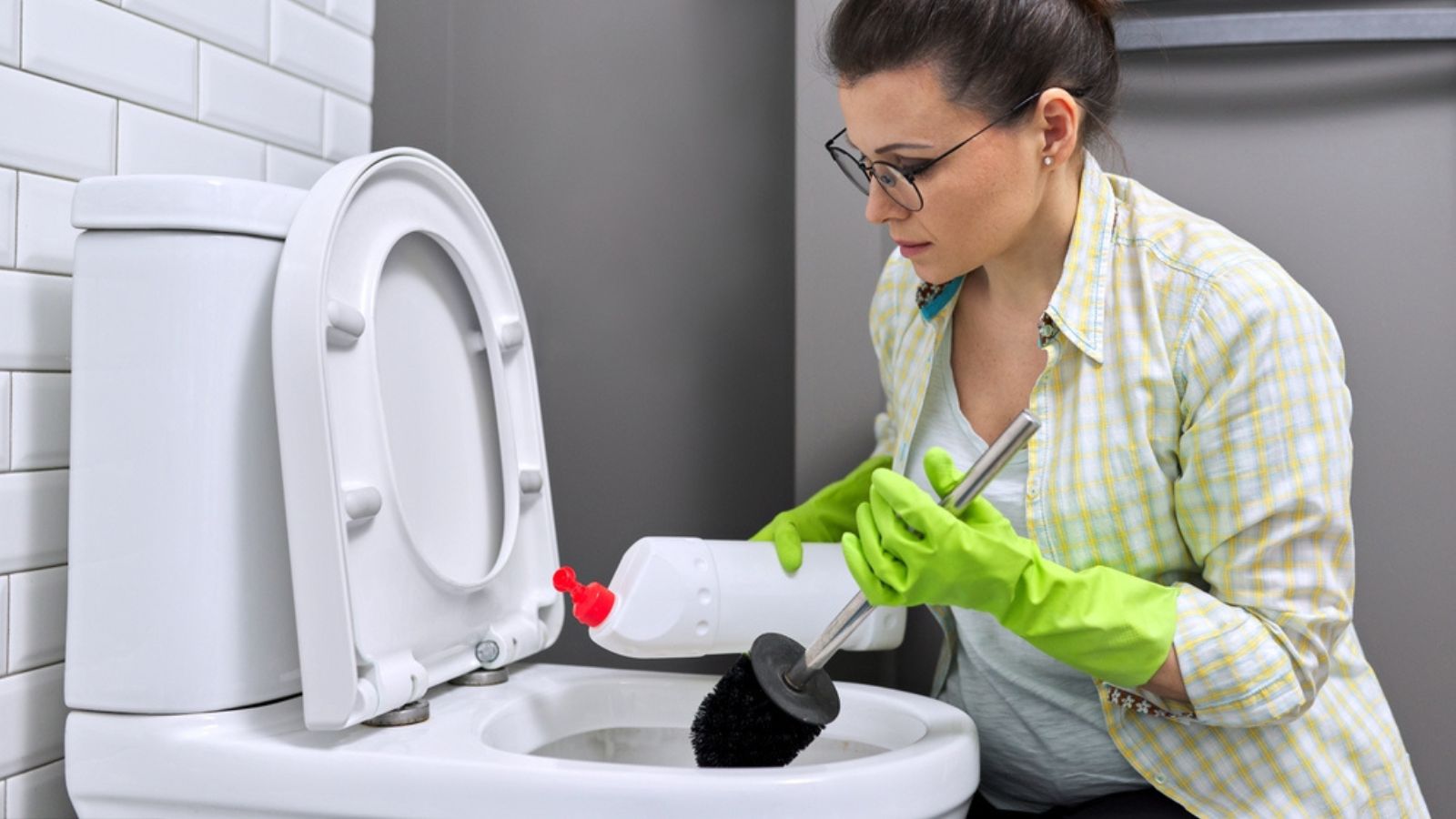
Image Credit: Depositphotos.com.
Drop-in toilet cleaners promise hands-free convenience but can damage the internal parts of your toilet tank with harsh chemicals.
Try instead: Use white vinegar regularly to keep your toilet clean. Pour half a cup into the tank and bowl to prevent buildup without harming toilet components.
5. Air Fresheners
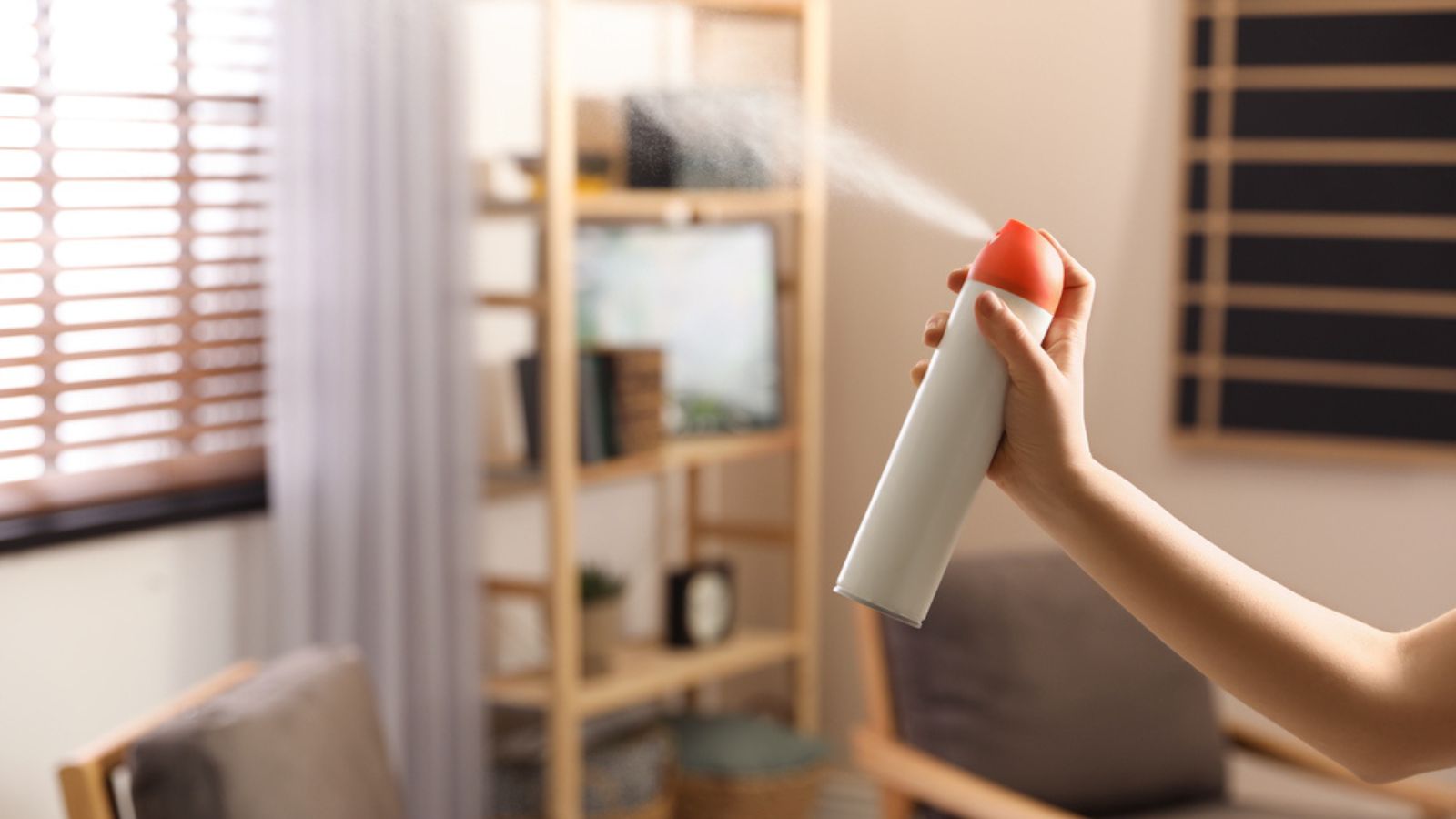
Image Credit: Depositphotos.com.
These pricey products offer fleeting scents while releasing chemicals that could trigger allergies or respiratory issues in sensitive individuals. Beyond masking, some contain undisclosed volatile ingredients and contribute to indoor air quality problems.
Try instead: Neutralize odors naturally with baking soda or make a DIY air freshener with water, essential oils, and a spray bottle.
6. Ionic Air Purifiers
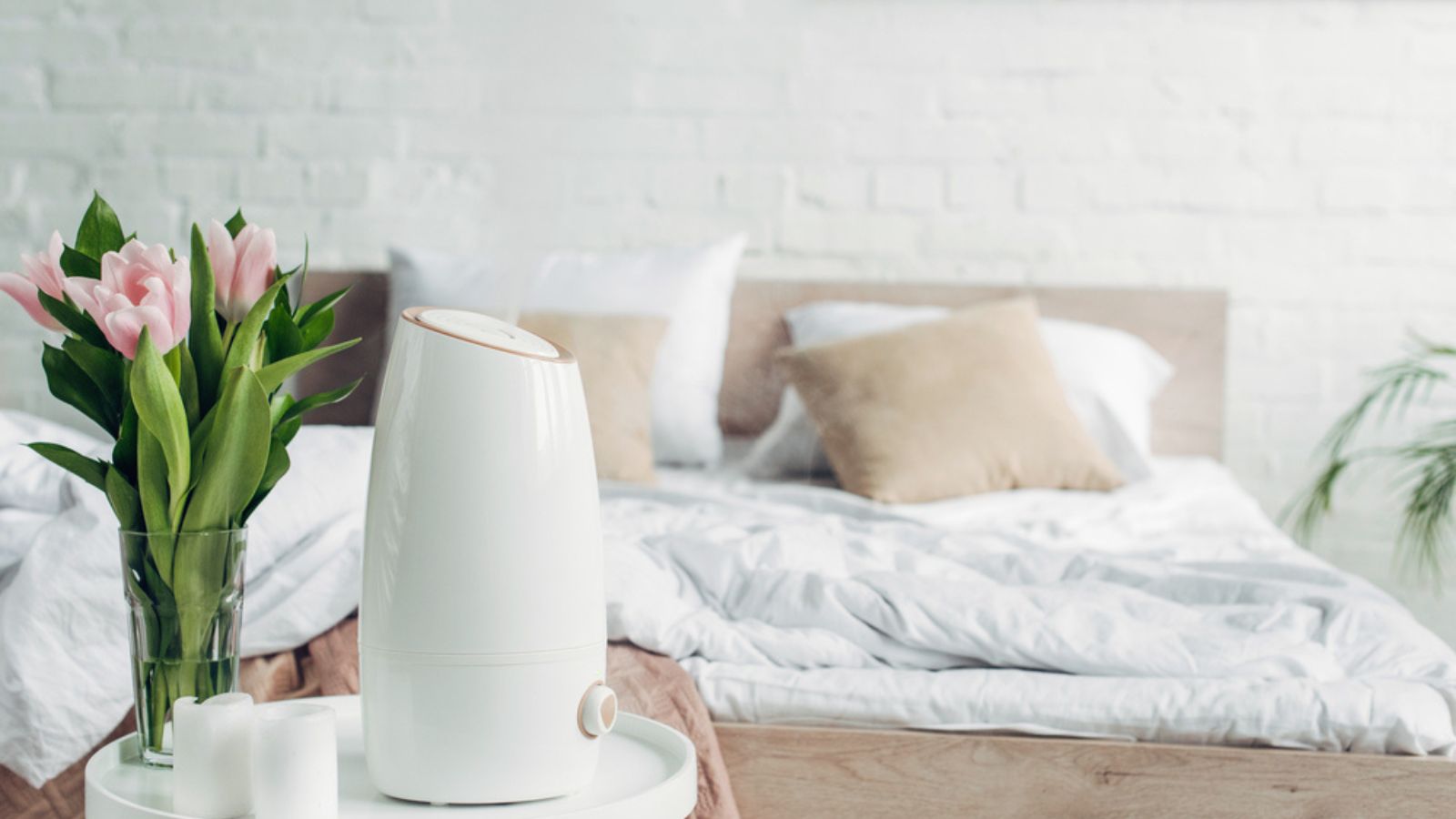
Image Credit: Depositphotos.com.
Though marketed as cutting-edge, ionic air purifiers can be ineffective at trapping allergens and can release low levels of harmful ozone.
Try instead: Choose air purifiers with true HEPA filters, which are proven to capture allergens effectively.
7. Feather Dusters
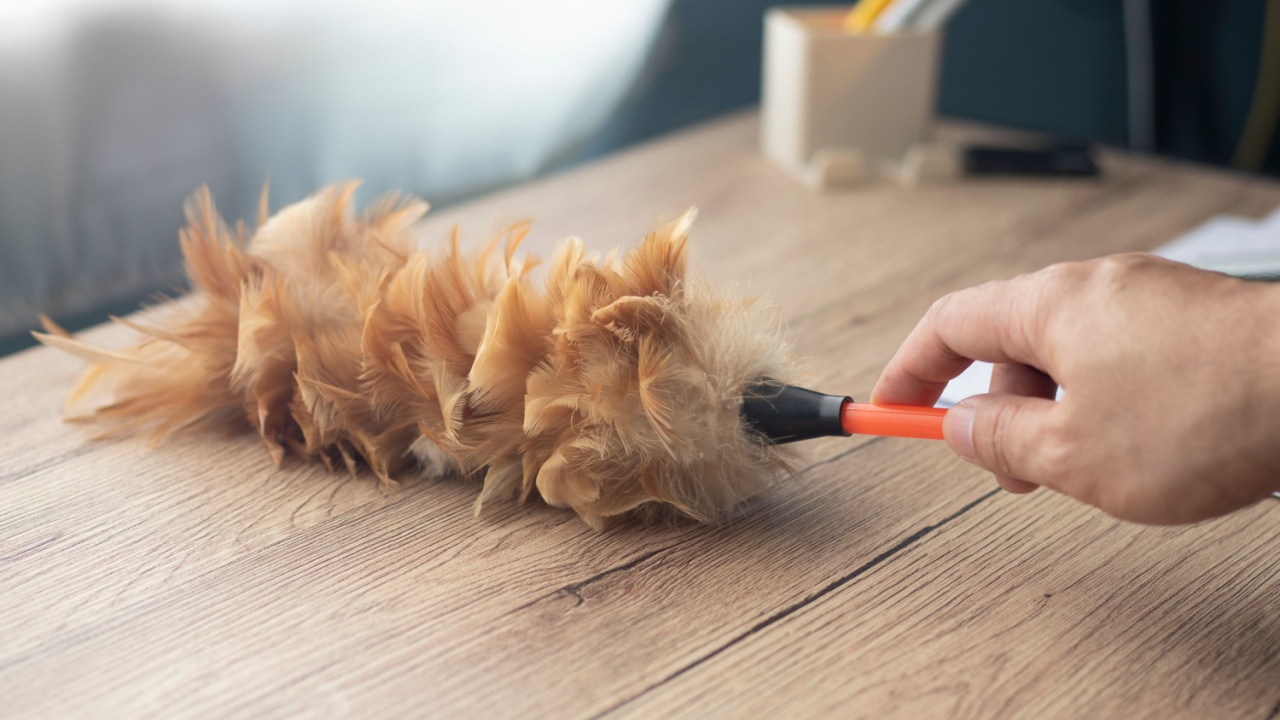
Image Credit: Depositphotos.com.
These nostalgic cleaning tools are less effective than you’d think, simply moving dust around while stirring allergens into the air.
Try instead: Use slightly damp microfiber cloths that trap dust and allergens without spreading them.
8. Paper Towels
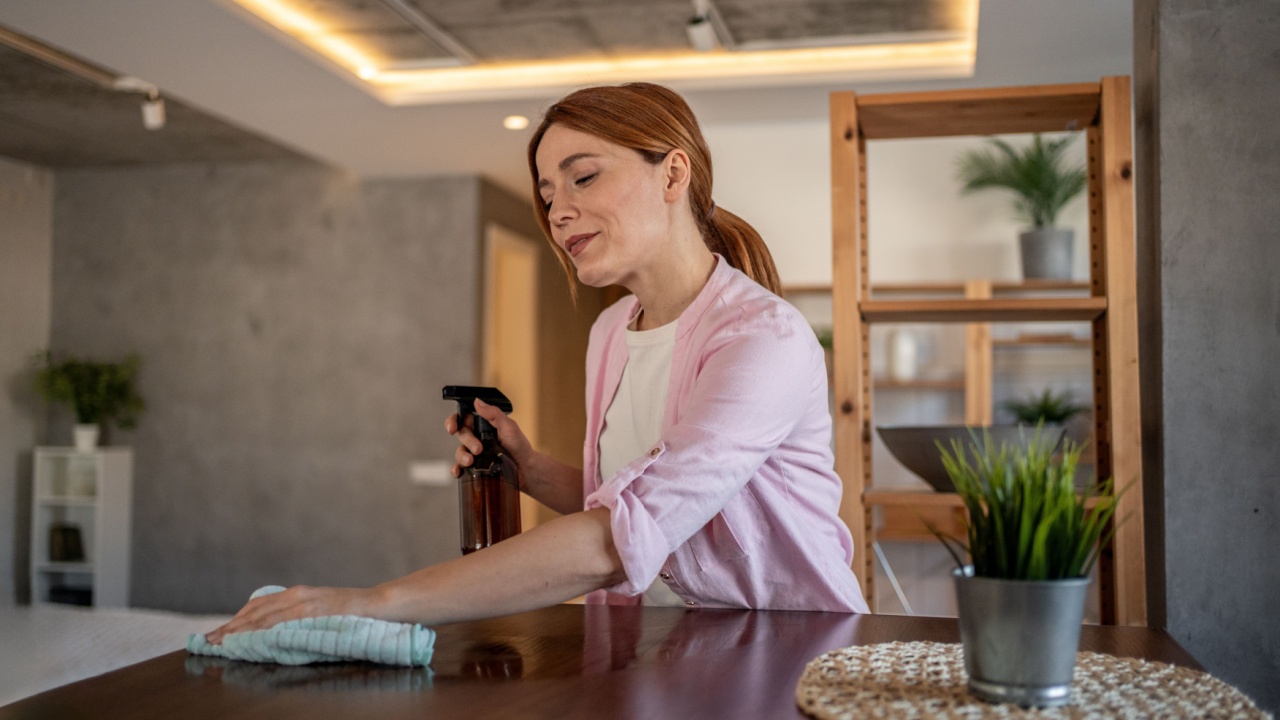
Image Credit: Shutterstock.
Paper towels are a go-to for quick messes but can add up financially If you’re concerned with that) while taking a toll on the environment.
Try instead: Keep reusable microfiber cloths or rags on hand for common spills and wiping needs. Simply toss them in the wash when they need to be refreshed.
9. Steam Mops
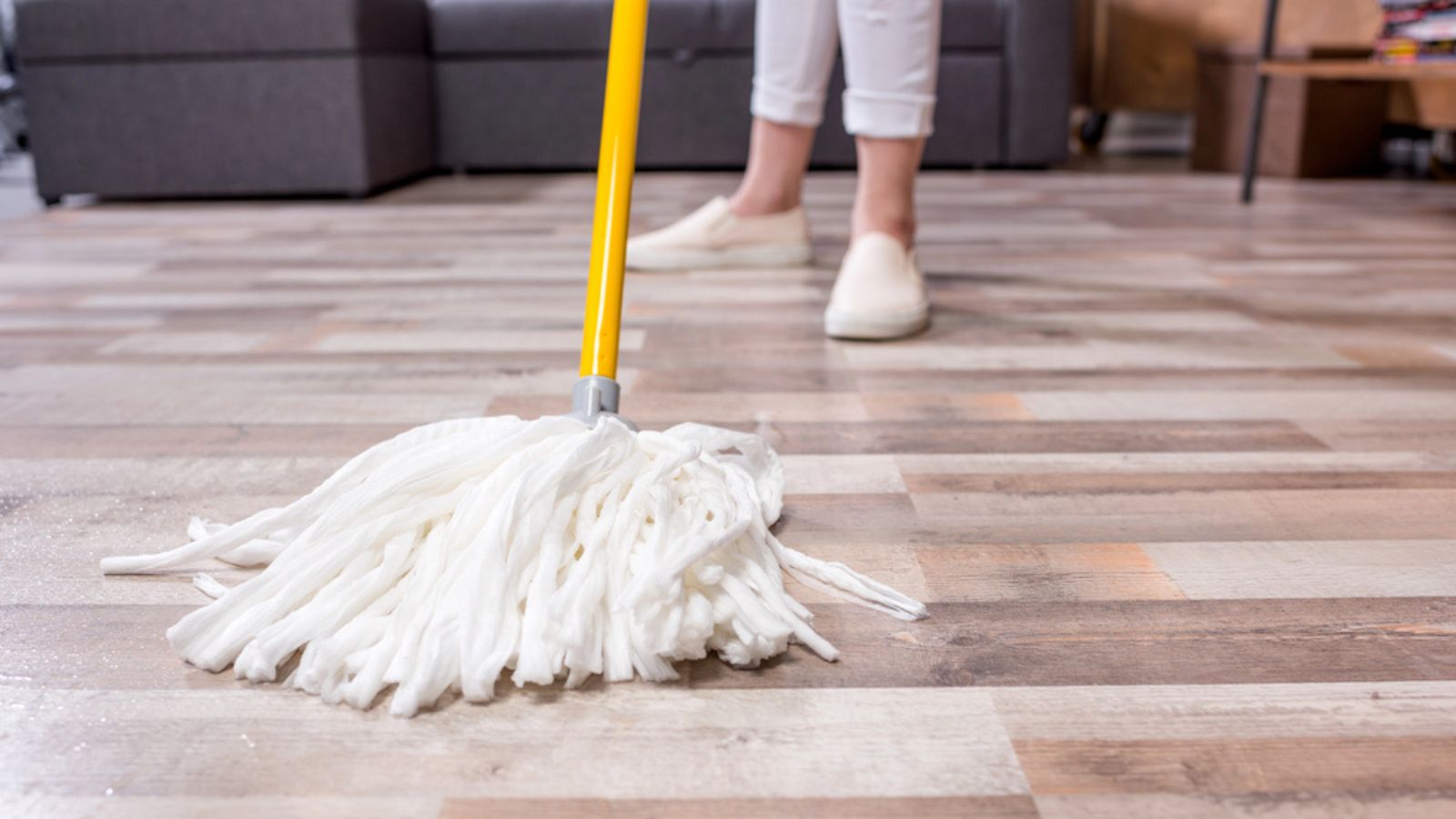
Image Credit: Depositphotos.com.
Although appealing and a great way to clean with fewer chemicals, steam mops are notorious for pushing messes around and potentially damaging wood or laminate floors with excess moisture.
Try instead: Many people sear by their steam mops as long as they use them responsible on the right type of floor. Otherwise, stick to a traditional mop, where you control the water level and prevent floor damage.
10. Disposable Toilet Brushes
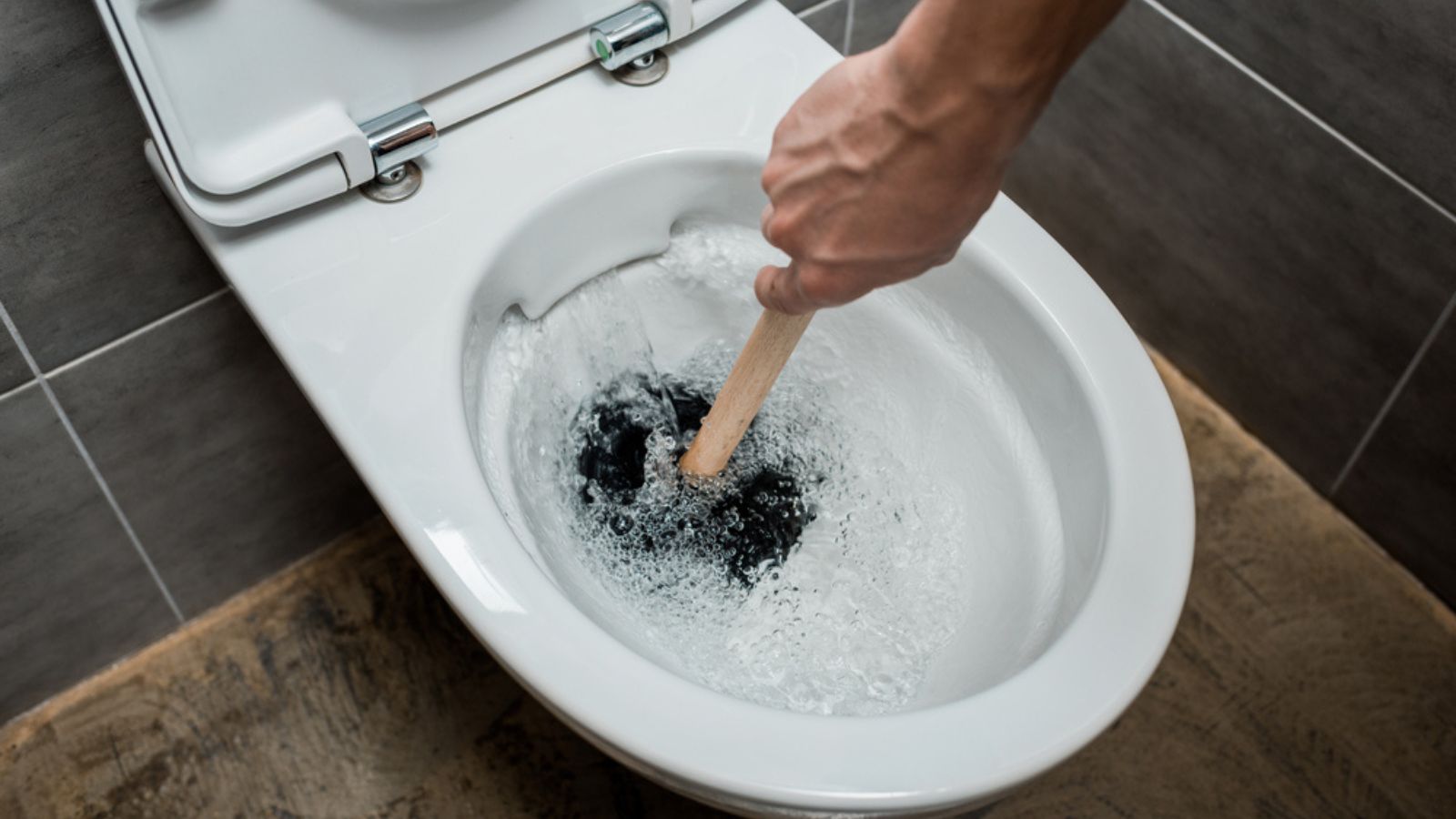
Image Credit: Depositphotos.com.
Disposable brush systems are convenient but lead to recurring costs and extra plastic waste for landfills. Since they are more hygienic, some consumers will choose disposable anyways (which is fair).
Try instead: A durable, reusable toilet brush paired with your preferred cleaner for less waste and better scrubbing power.
11. Laundry Scent Boosters
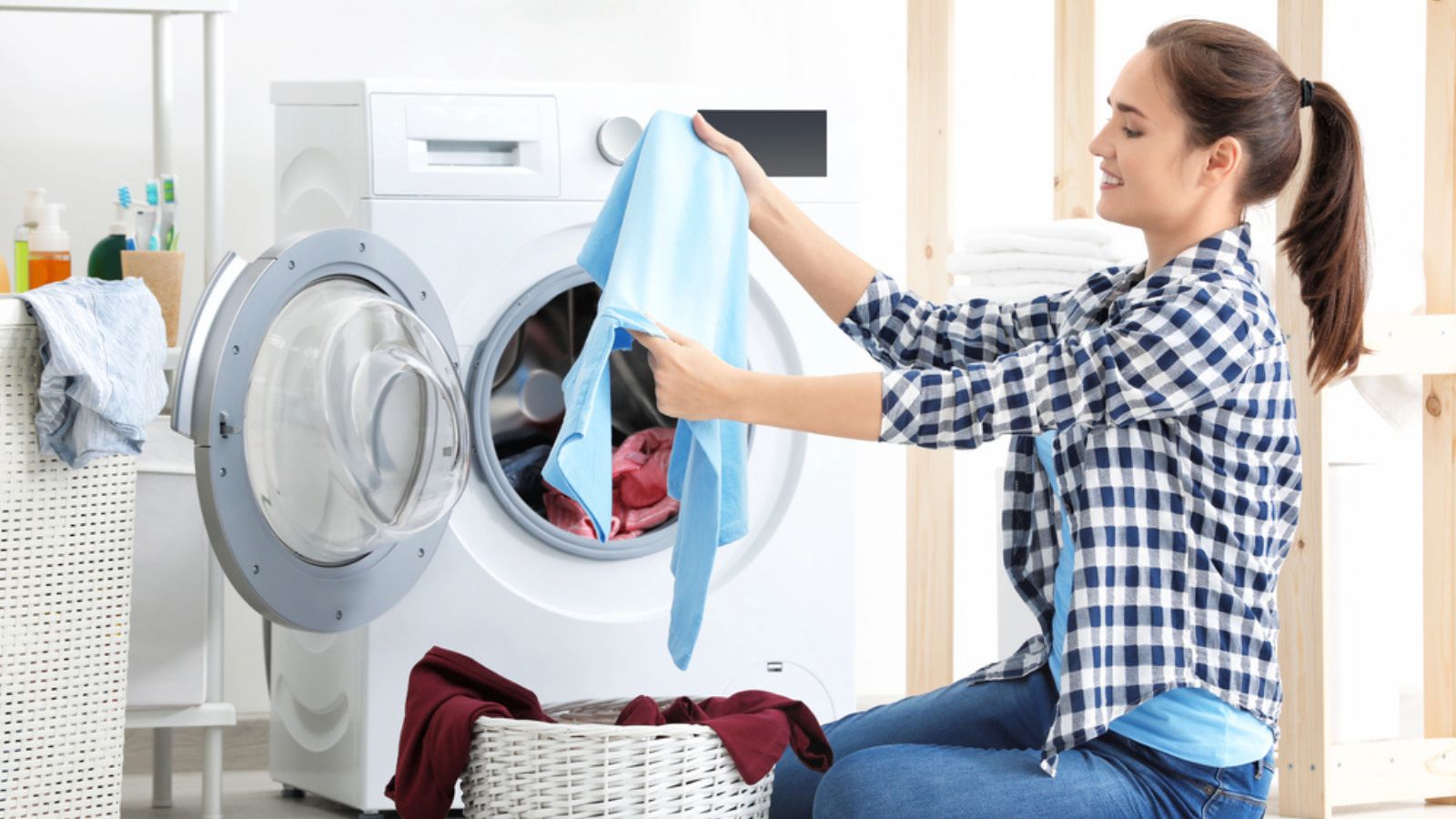
Image Credit: Depositphotos.com.
Scent boosters smell great, but they add unnecessary chemicals and costs to your laundry routine without improving cleanliness. Essentially, they add fragrance and chemicals without improving cleanliness (but if you enjoy the scent, that’s another story!).
Try instead: Add a few drops of essential oils to wool dryer balls for a budget-friendly, customizable scent.
12. Robotic Vacuums
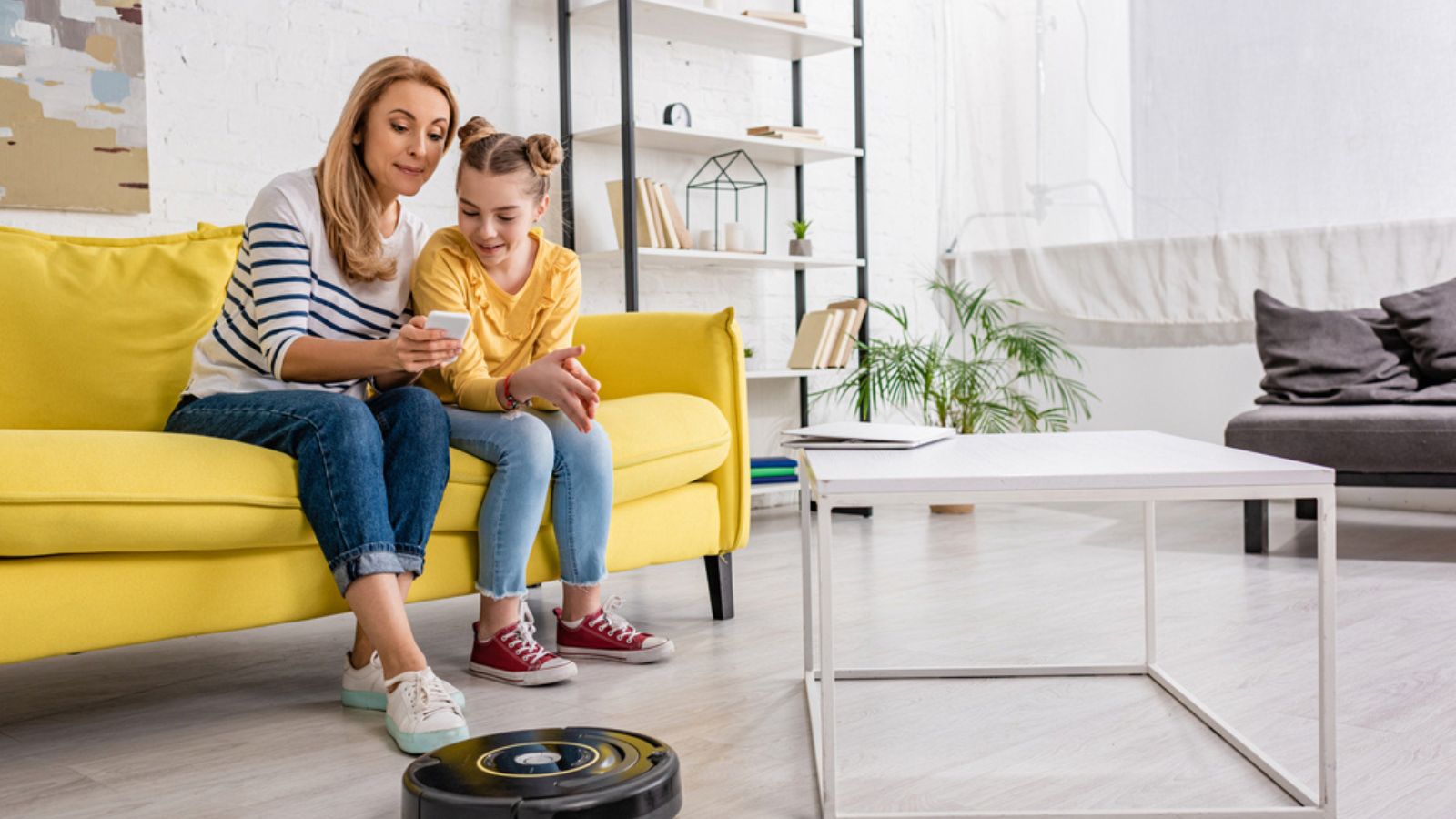
Image Credit: Depositphotos.com.
These gadgets work for uncluttered, single-level homes but are far less effective than traditional vacuums and come at a steep price point.
Try instead: Invest in a cordless stick vacuum for better suction, faster results, and wider usability.
13. Lint Rollers

Image Credit: Shutterstock.
Lint rollers are effective but wasteful, relying on sticky sheets that add up quickly.
Try instead: Use a rubber glove or a reusable lint remover to de-fuzz upholstery and clothes without constant refills.
14. Baby Laundry Detergent
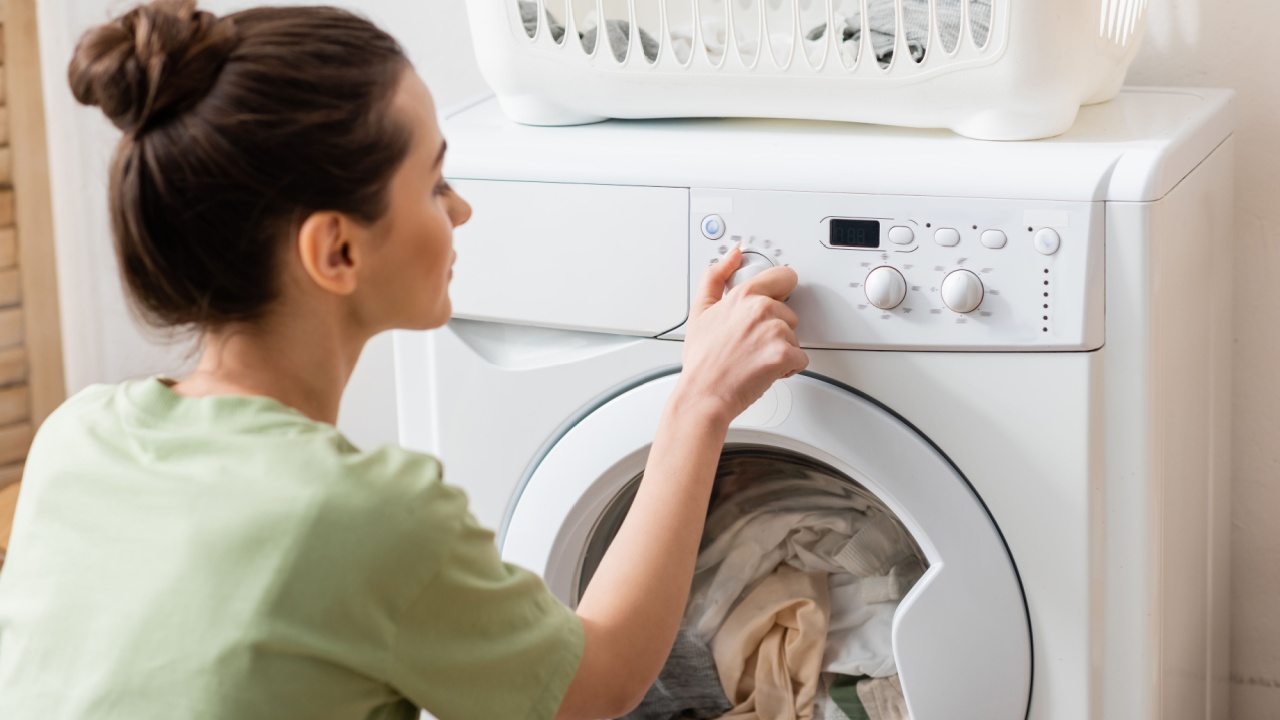
Image Credit: Shutterstock.
Specialized baby detergents are gentler, but they’re also pricier and less effective, often leaving behind odors and stains.
Try instead: A dye- and fragrance-free detergent works just as well and is gentler for both babies and adults.
15. ‘Natural’ Cleaning Products
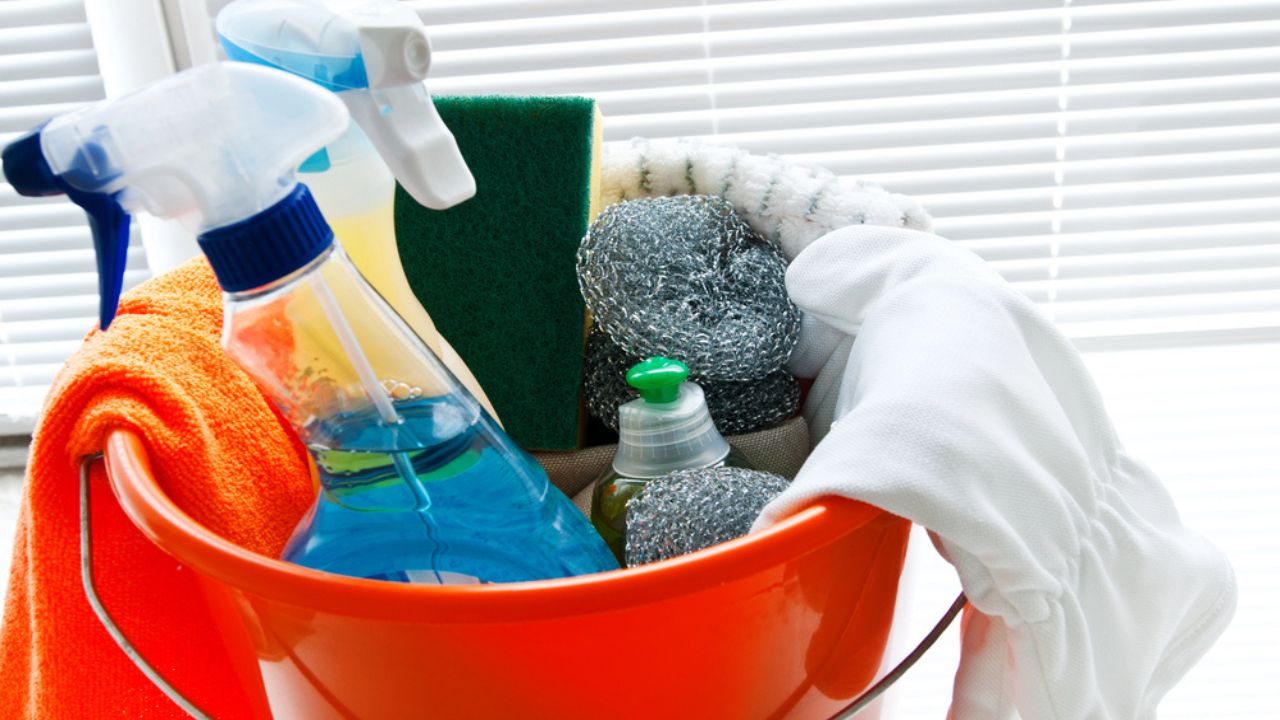
Image Credit: Depositphotos.com.
“Natural” cleaners often cost more without being significantly safer or better-performing, as vague labeling regulations don’t guarantee quality (also known as greenwashing).
Try instead: Make DIY cleaners with water, vinegar, and baking soda for simple and effective solutions.
16. Drain Cleaners

Image Credit: Shutterstock.
Chemical drain cleaners are tough on pipes and often fail to solve clogs entirely. They should be a last resort and not used regularly.
Try instead: Use a plunger or a drain snake to remove clogs safely without damaging your plumbing.
17. Toothbrush Sanitizers

Image Credit: Shutterstock.
While these gadgets sound innovative, experts say there’s no evidence that they improve oral hygiene.
Try instead: Stick to cleaning your toothbrush properly by rinsing and storing it upright to dry. Don’t forget to replace it every few months.
18. Oven Cleaners
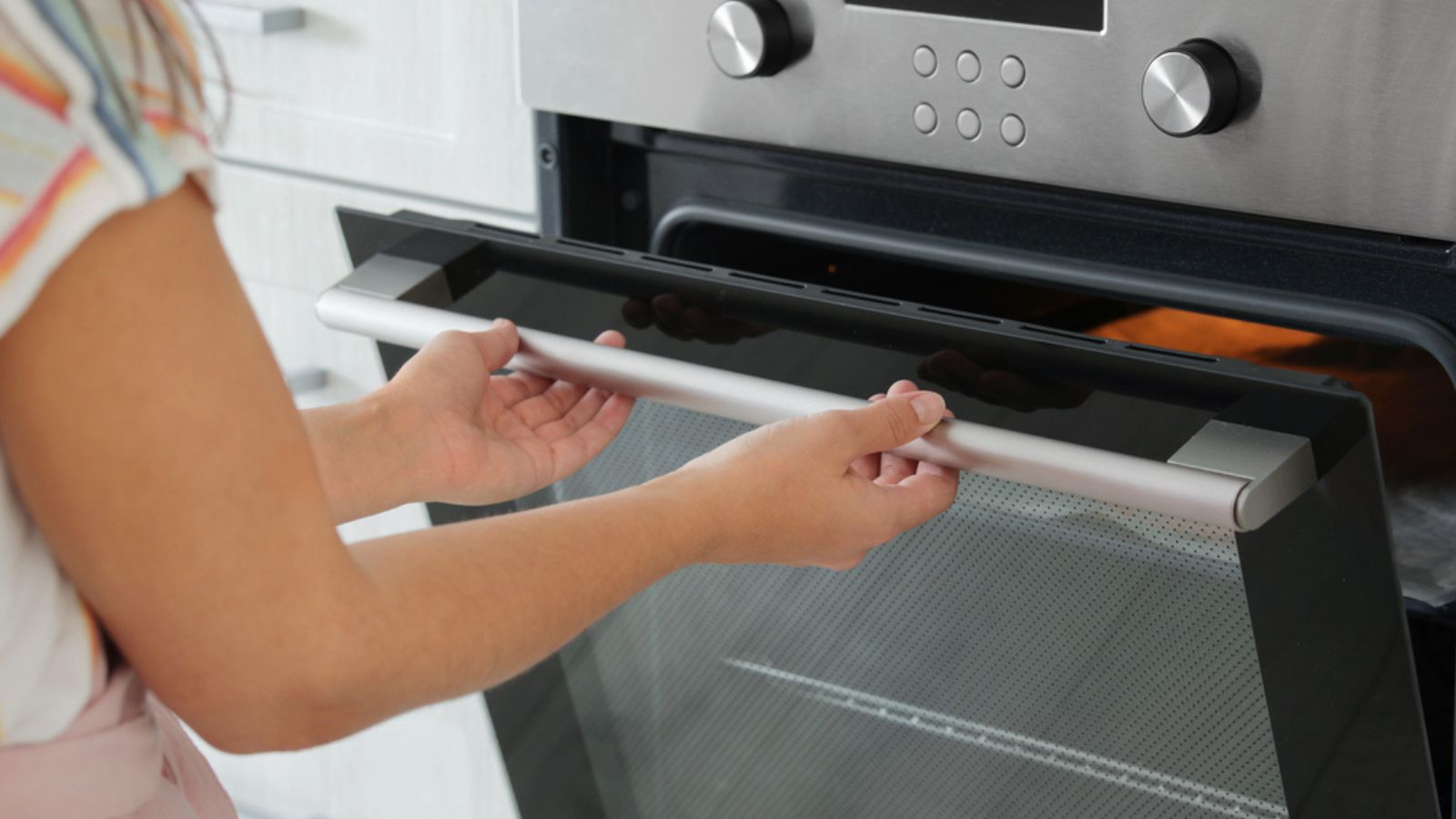
Image Credit: Depositphotos.com.
Oven cleaners with harsh chemicals can damage self-cleaning ovens and may irritate respiratory issues.
Try instead: A paste of baking soda and water left overnight works just as effectively.
19. Grout Cleaners
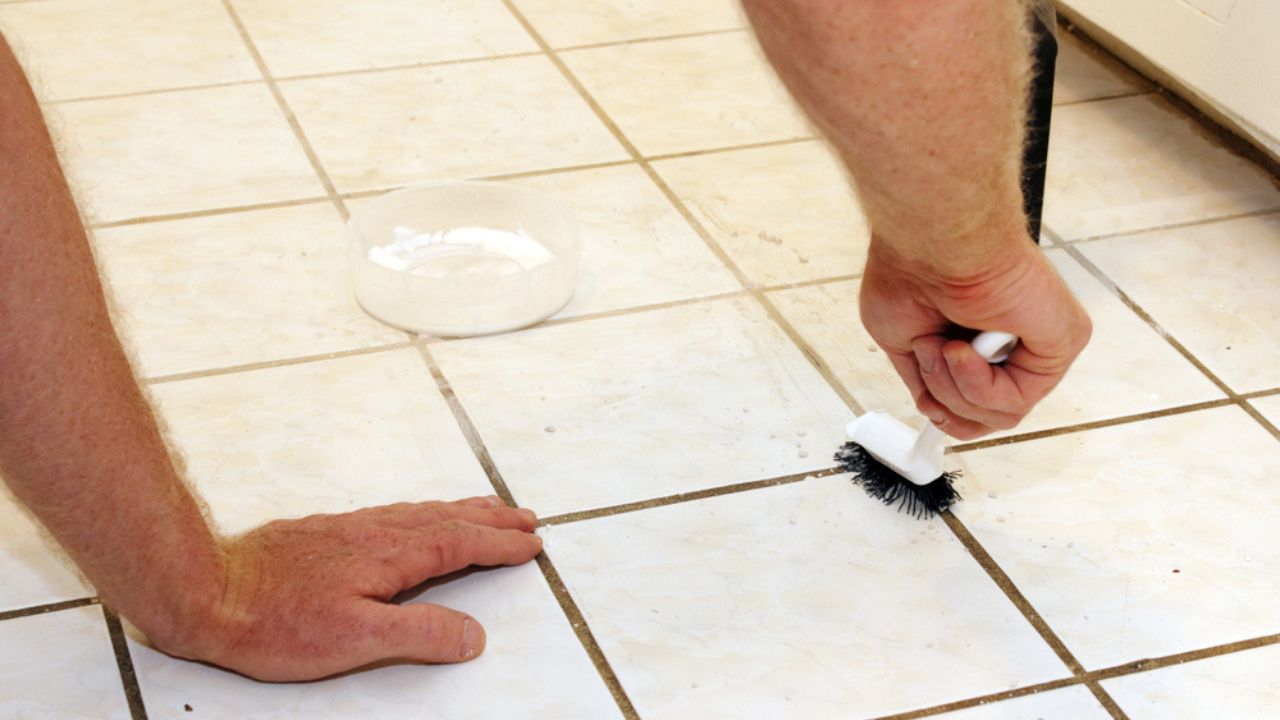
Image Credit: Depositphotos.com.
Many cheap grout cleaners overpromise but under-deliver, leaving your tiles just as grimy as before.
Try instead: Scrub with a drill brush or Magic Eraser for better results without gimmicks.
20. Screen Cleaners for Electronics

Image Credit: Shutterstock.
Screen cleaners work, but they’re overpriced when similar results can come from basic DIY methods.
Try instead: A lightly dampened microfiber cloth will clean most screens without streaks or added expense.
21. Multi-Surface Floor Cleaners

Image Credit: Shutterstock.
All-in-one floor cleaners often leave streaks or residue on certain surfaces, depending on the material.
Try instead: Check flooring recommendations for specific products and use targeted cleaners for hardwood, tile, or laminate.
22. Scented Trash Bags
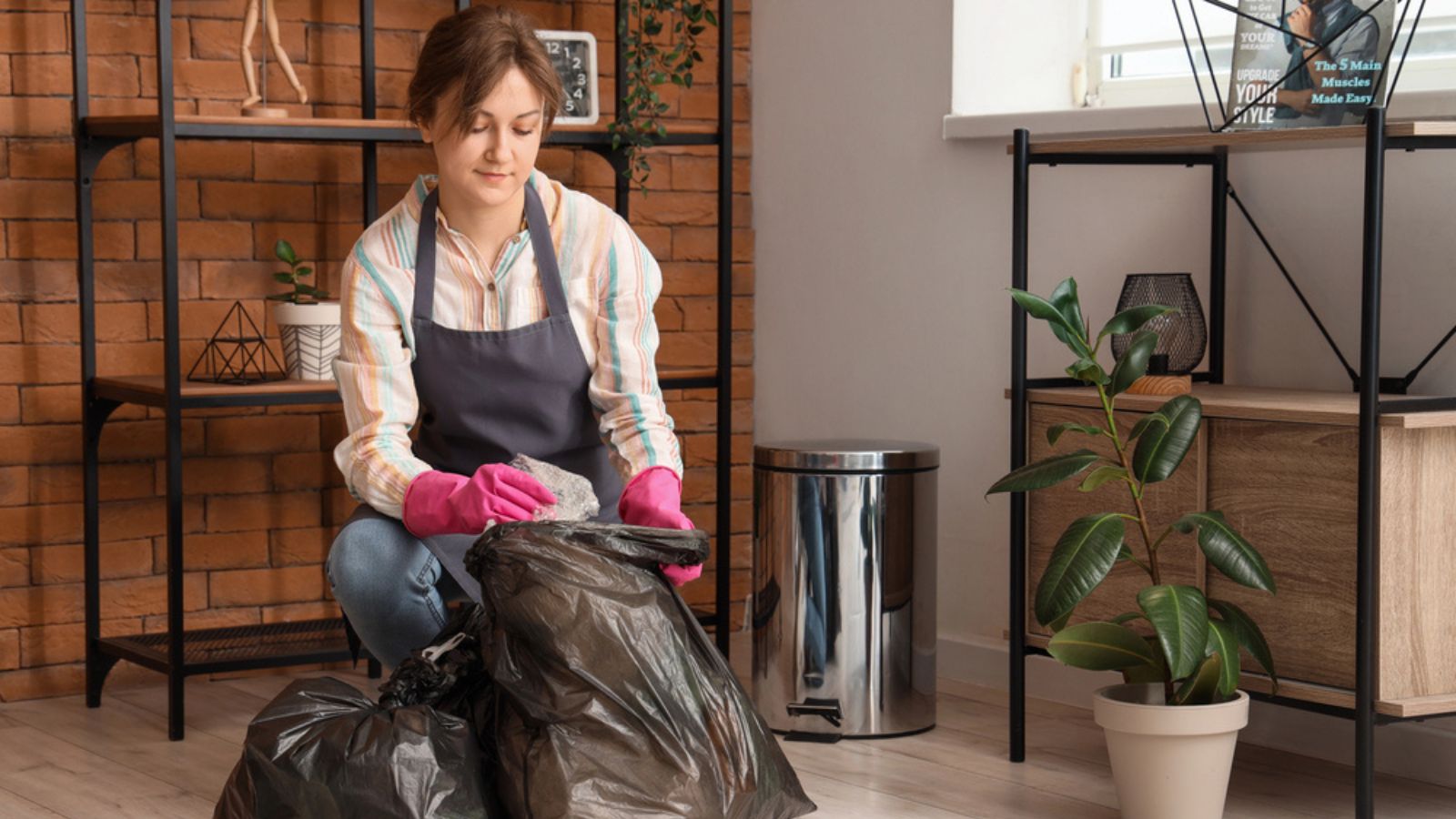
Image Credit: Depositphotos.com.
While scented trash bags seem like a great idea, the fragrance rarely lasts long enough to make a difference.
Try instead: Opt for unscented, durable trash bags paired with baking soda or a deodorizer at the bottom of your bin.
23. Fabric Refreshers
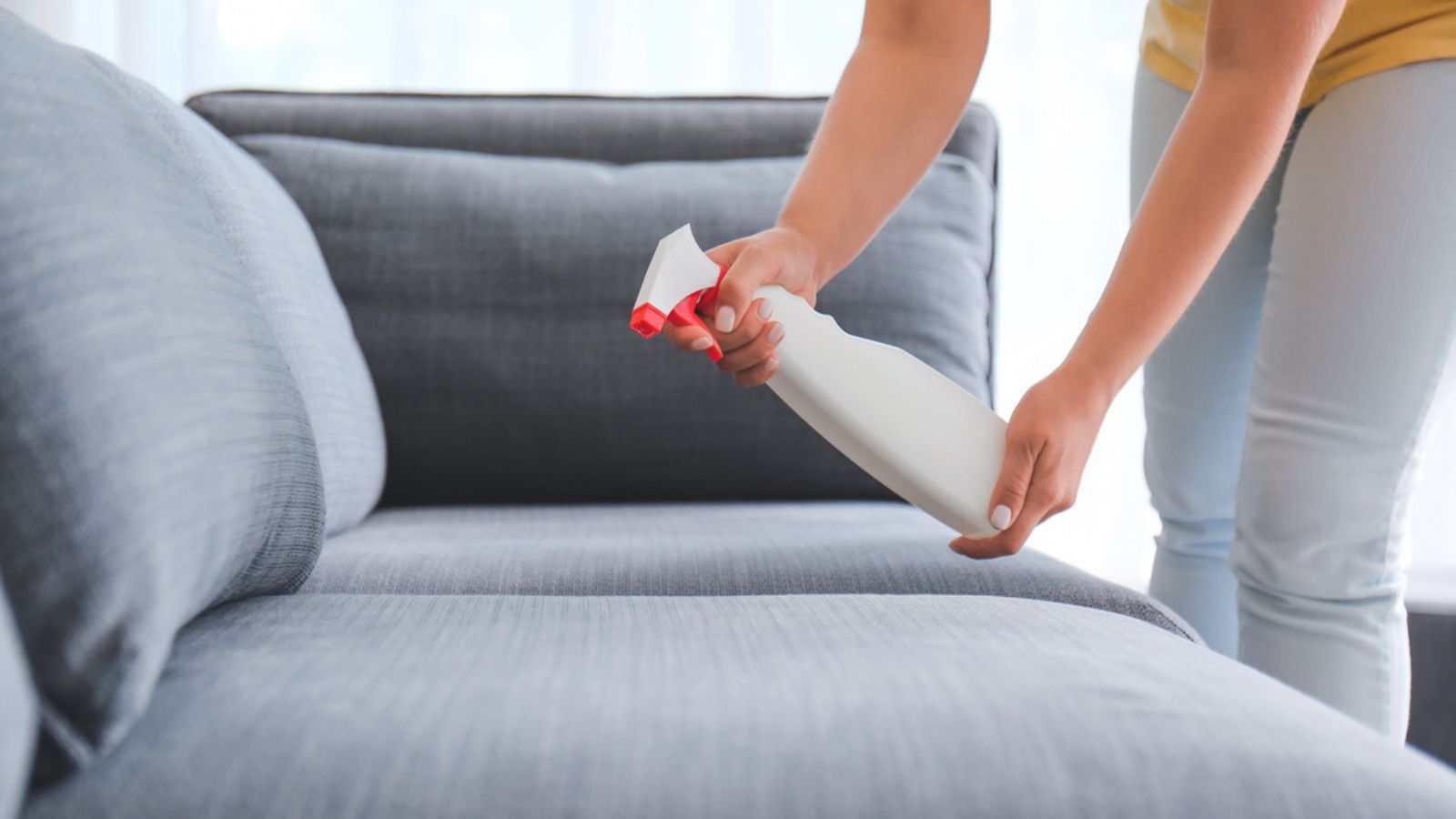
Image Credit: Depositphotos.com.
Fabric refreshers rely on masking bad odors with overpowering chemicals that fade quickly. For a true clean, the fabric must require moisture removal or cleaning.
Try instead: For a more effective solution to odor, apply a mix of baking soda and essential oils directly to the fabric.
24. Expensive Floor Wax

Image Credit: Joseph Hendrickson / Shutterstock.com.
Floor wax marketed as premium or specialized often doesn’t perform significantly better than standard options.
Try instead: A reputable mid-range floor polish can often get the same results without overpaying.
25. All-Purpose Wipes
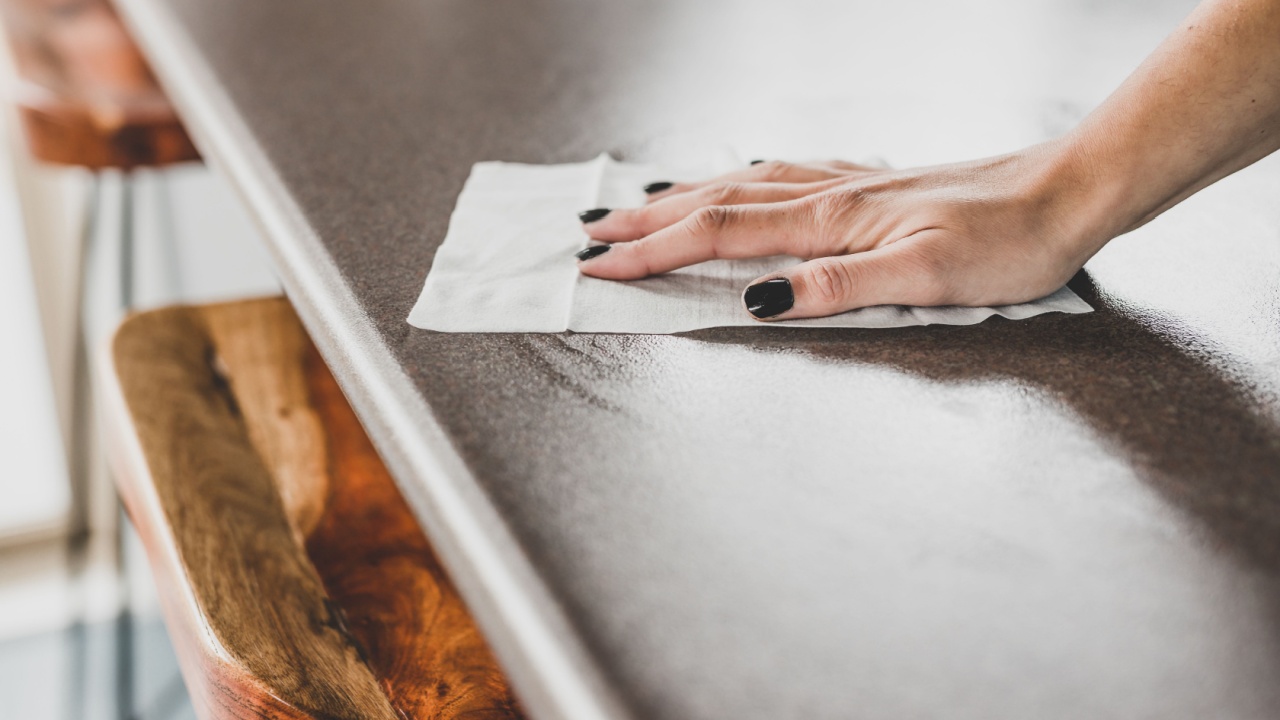
Image Credit: Depositphotos.com.
While all-purpose wipes are handy, they suffer the same drawbacks as disinfecting wipes, including waste and expense.
Try instead: A reusable rag paired with a spray cleaner offers more versatility and less environmental impact.
Pick What Works for Your Home

Image Credit: Shutterstock.
Cleaning products should make your life easier—not drain your wallet or clutter your home. Consider these smarter, often greener alternatives for a home that’s cleaner and more organized without breaking the bank. Remember, the best cleaning routine is the one that works for you—this list is simply a guide to help rethink what’s truly needed.