

When summer fades and school bells ring, family life shifts overnight. Early alarms, permission slips, homework, sports, and meal prep all pile on at once.
This guide lays out 10 back-to-school organizing hacks, inspired by trusted home publications and parent-tested ideas. As parents ourselves, we offer these hacks to help you glide into structured school days with fewer meltdowns and more margin. Each section explains what to do, how it works, and why it makes life easier. Good luck!
1. Do a Sentimental Paper Dump
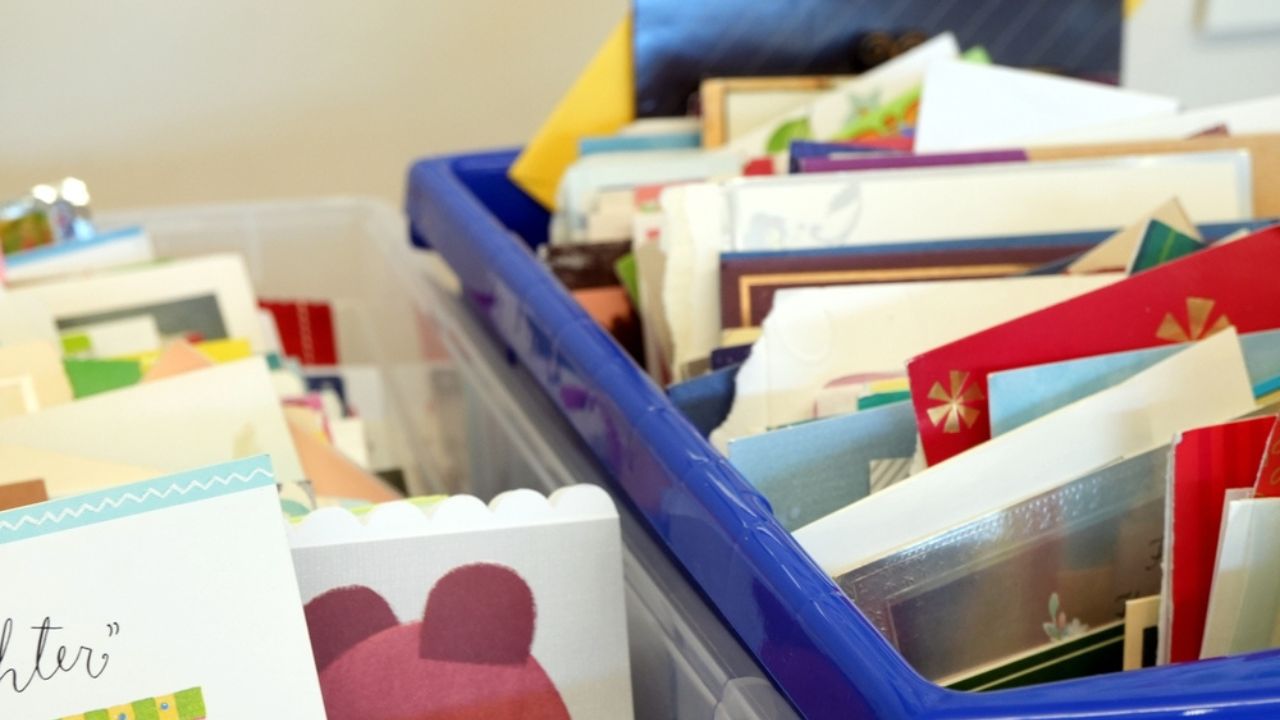
Image Credit: Shutterstock.
What the Hack Is
Create a single spot (bin, drawer, or oversized folder) for all kid papers you can’t sort right away—artwork, worksheets, certificates, and sentimental bits.
How It Works
- During the week, drop everything in the bin without judgment.
- At the end of each quarter or semester, set a 20–30 minute timer.
- Pick 10 favorites per child to keep; recycle or photograph the rest.
- Store keepers in a slim portfolio or labeled file.
Why It Makes Life Easier
Paper clutter is the first thing to snowball when school starts. A “dump now, decide later” rule keeps counters clear and removes daily decision fatigue. You’ll still honor memories—just on your schedule, without the mess.
Pro tip: Snap photos of art and create a yearly photo book—less storage, same memories.
2. Make a Visual Routine Chart
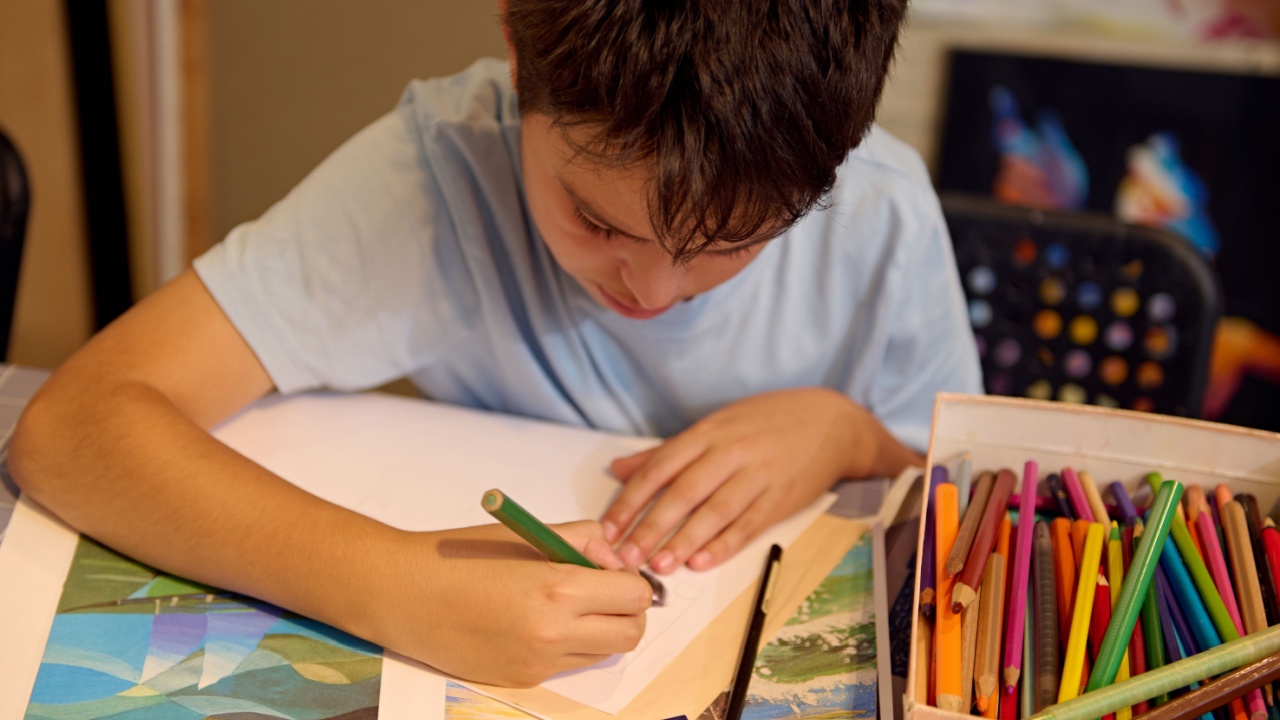
Image Credit: Shutterstock.
What the Hack Is
Use a picture-based morning and evening checklist for kids: get dressed, brush teeth, pack lunch, homework, pack backpack, lights out.
How It Works
- Post a laminated chart at kid height on the fridge or bedroom door.
- Pair icons with simple words for emerging readers.
- Kids check off tasks with a dry-erase marker as they go.
Why It Makes Life Easier
Visuals reduce nagging and help kids build independence. When children know what’s next, mornings and evenings move faster with fewer arguments. Routine charts also support neurodiverse learners who benefit from predictable sequences.
Going one step further: Color-code steps by time block (e.g., blue for morning, green for evening) so kids intuitively know when tasks happen.
3. Start Your Morning Routine at Night
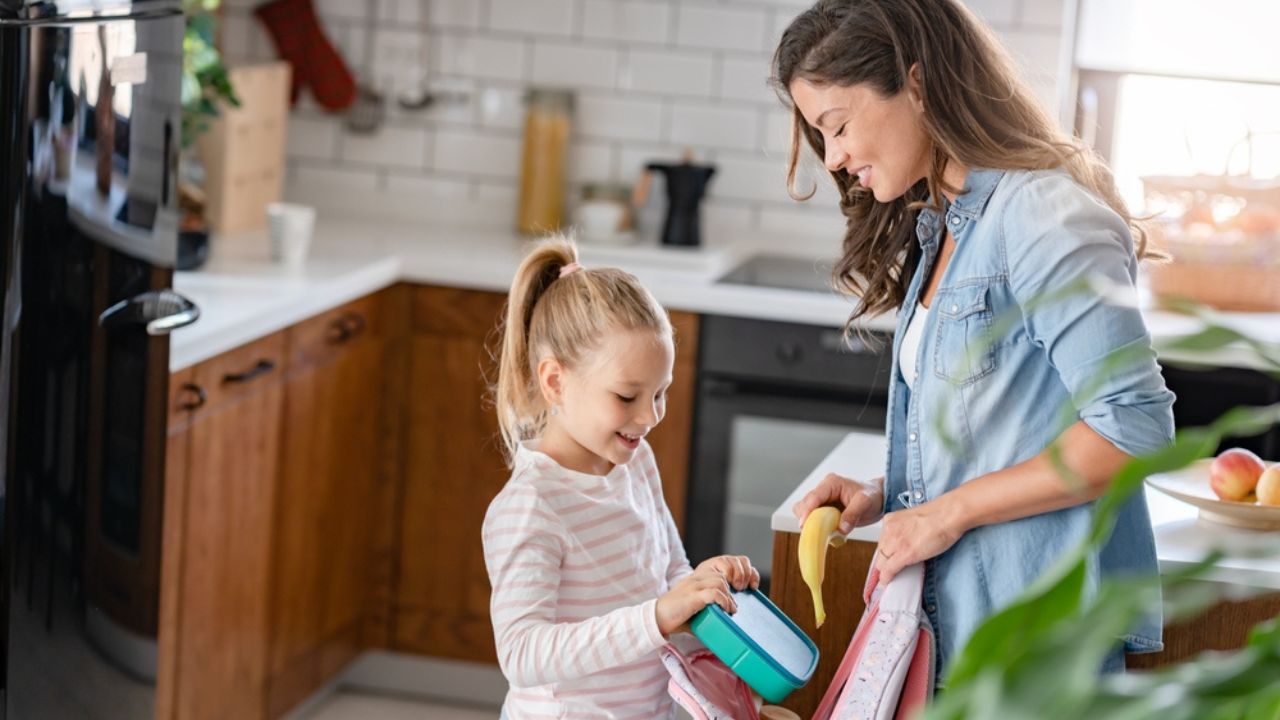
Image Credit: Shutterstock.
What the Hack Is
Shift as many morning tasks as possible to the evening: lay out clothes, prep lunches and water bottles, sign papers, pack backpacks, set breakfast basics.
How It Works
- Tie prep to an existing habit (after dinner or right after homework).
- Use a 10-minute family “reset” timer to tidy common areas and prep bags.
- Keep a “to school” tray by the door for library books and forms.
Why It Makes Life Easier
Evenings are naturally less time-pressured than mornings. Prepping at night reduces AM chaos and frees you up to handle surprises (lost shoe, spilled milk) without derailing the clock. It also lowers cortisol spikes for everyone—better mood, better focus.
Habit stacking (adding a task to a routine you already do) improves follow-through because you don’t need extra willpower to remember a new behavior.
4. Create a Homework Basket

Image Credit: Shutterstock.
What the Hack Is
Corral supplies in a portable bin: pencils, sharpener, highlighters, glue sticks, scissors, index cards, sticky notes, calculator, spare chargers, headphones, and a lap desk.
How It Works
- Store the basket where kids naturally work (kitchen, family room).
- Add a simple timer (15–25 minutes) for focused work intervals.
- Include a “finished work” folder and a “needs signature” folder.
Why It Makes Life Easier
When tools are mobile and complete, kids can set up and clean up in under a minute. That prevents supplies from raiding every room and stops the “Where’s a pencil?” scavenger hunt. A dedicated system also helps you see when items need replenishing.
Pro tip: Keep a small cup designated for pre-sharpened pencils so writing starts instantly.
5. Batch Work Your Week

Image Credit: Shutterstock.
What the Hack Is
Group similar tasks to do them once for the whole week: snacks, outfits, calendar check, activity bags.
How It Works
- Sunday setup:
- Pre-pack five snacks per child into labeled gallon bags (store in pantry or fridge).
- Use a 5-shelf hanging closet organizer to stage outfits (include socks/undies).
- Check school calendar and sports schedule; add reminders to your phone.
- Reset activity bags (cleats, water bottle, uniform) and place by the door.
Why It Makes Life Easier
Context switching kills time. Batching minimizes decisions and last-minute scrambles. If everything’s prepped, any adult can step in on busy mornings. It also gives kids more ownership since they helped choose outfits and snacks.
Bonus: Add a “Weather check” sticky note to Saturday—adjust outfits if the forecast shifts.
6. Keep a Trash Can in Your Car
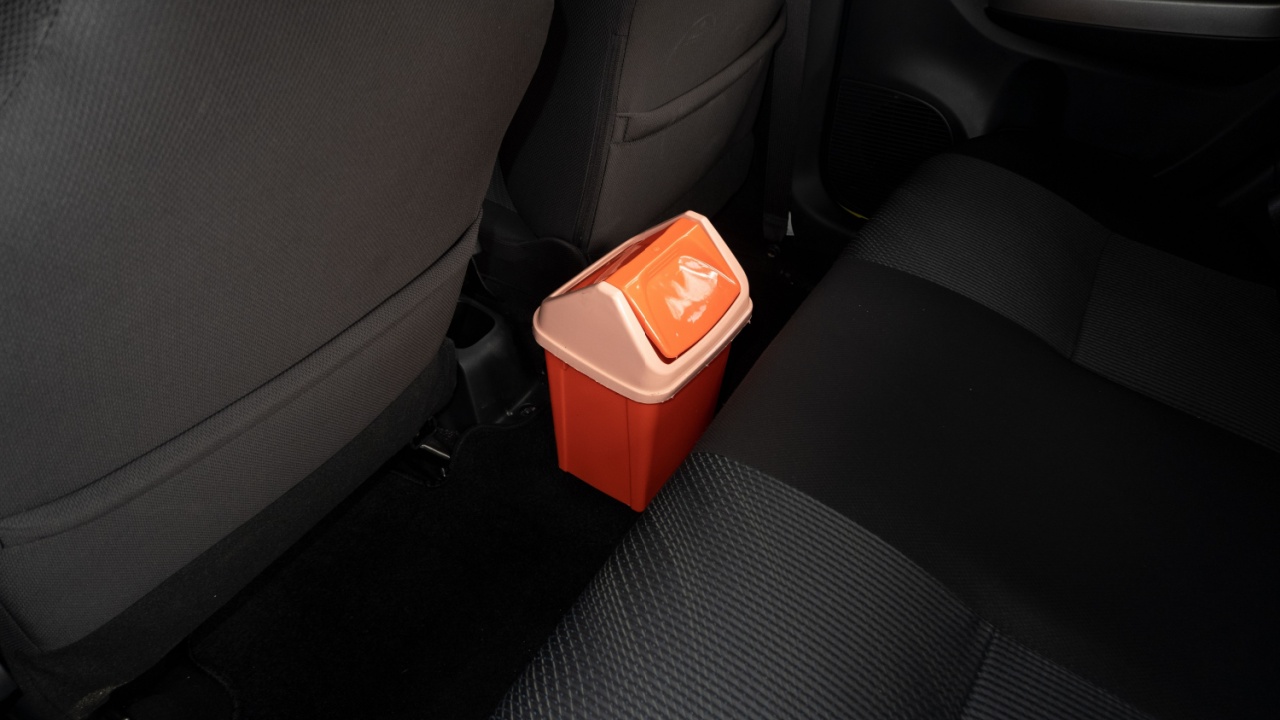
Image Credit: Shutterstock.
What the Hack Is
Place a small, lidded bin or a lined container in the car for wrappers, tissues, and receipts.
How It Works
- Line with grocery bags for fast changes.
- Empty on the same day as your household trash day.
- Add a small stash: wipes, tissues, spare masks, hand sanitizer.
Why It Makes Life Easier
School runs tend to create car clutter. A designated trash spot stops mess from migrating to floors and seats. Keeping wipe-down essentials within reach reduces stickiness and stress between drop-offs and practices.
Extra: Add a zip pouch for “car-only” snacks to avoid open-food chaos.
7. Create a Launch Pad by the Door
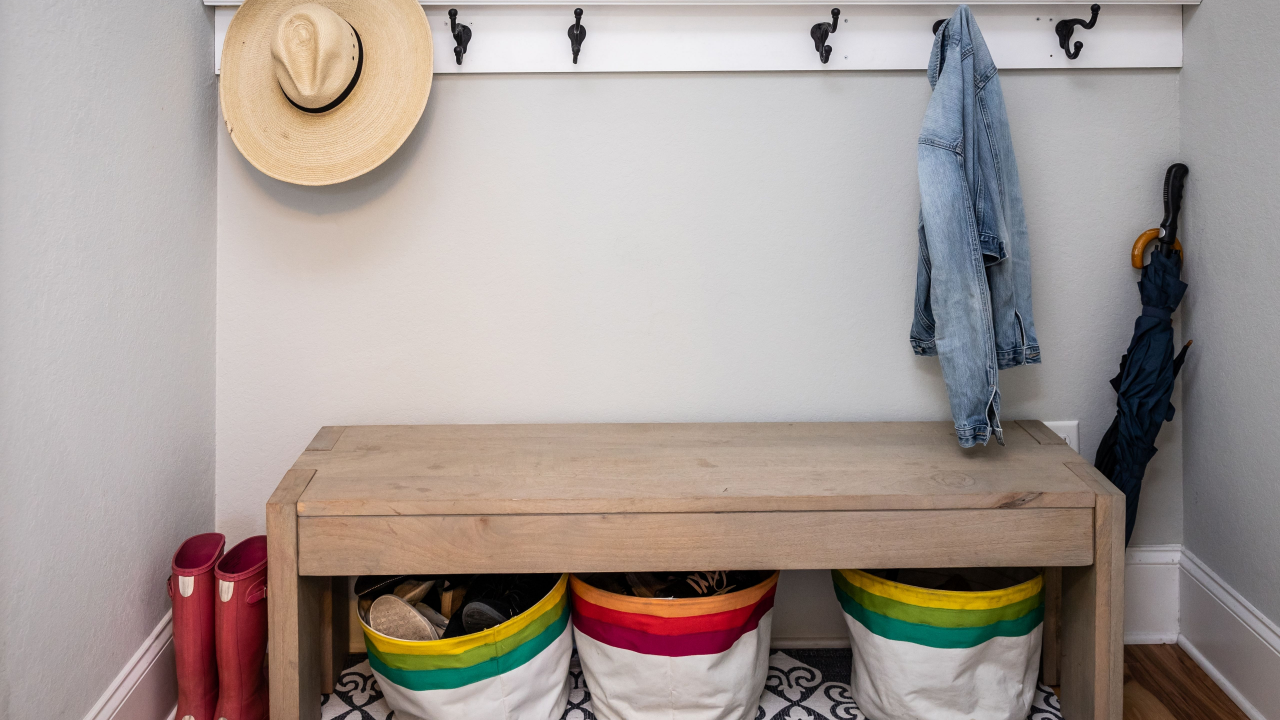
Image Credit: Shutterstock
What the Hack Is
Set up a grab-and-go zone near the main exit with hooks, cubbies, and a small surface.
How It Works
- Assign each child: one hook for backpack, one bin for shoes/library books, and a labeled basket for extras (hat, gloves, sports gear).
- Mount a family calendar or whiteboard above with the week’s highlights.
- Park a charging station for school devices nearby.
Why It Makes Life Easier
Everything lives by the exit, so mornings don’t involve room-to-room searches. The visual calendar helps everyone see what’s coming and prevents missed spirit days or practices. Charging near the door makes “grab device, go” automatic.
Make Life Even Easier: Keep a “last-minute lifesavers” basket (hair ties, lint roller, stain stick, sunscreen) right on the launch pad.
8. The 10-Minute Sunday Family Huddle

Image Credit: Depositphotos.com.
What the Hack Is
A quick, standing family meeting to align on the week: events, rides, deadlines, and who’s doing what.
How It Works
- Stand at the launch pad with the calendar visible.
- Cover: big events, early releases, permission slips, practice times, and one fun thing to look forward to.
- Assign micro-roles (e.g., “Ella sets breakfast bowls,” “Sam brings recycling out on Tuesday”).
Why It Makes Life Easier
Clarity reduces conflict. When everyone sees the week and has a small job, you spread responsibility and cut down on parental mental load. Kids feel included and more likely to follow through on tasks they “owned” during the meeting.
Tip: End with a 5-minute “house reset” so Monday starts clean (tackle those little things that make a big difference).
9. Outfit Capsule + Photo Cue
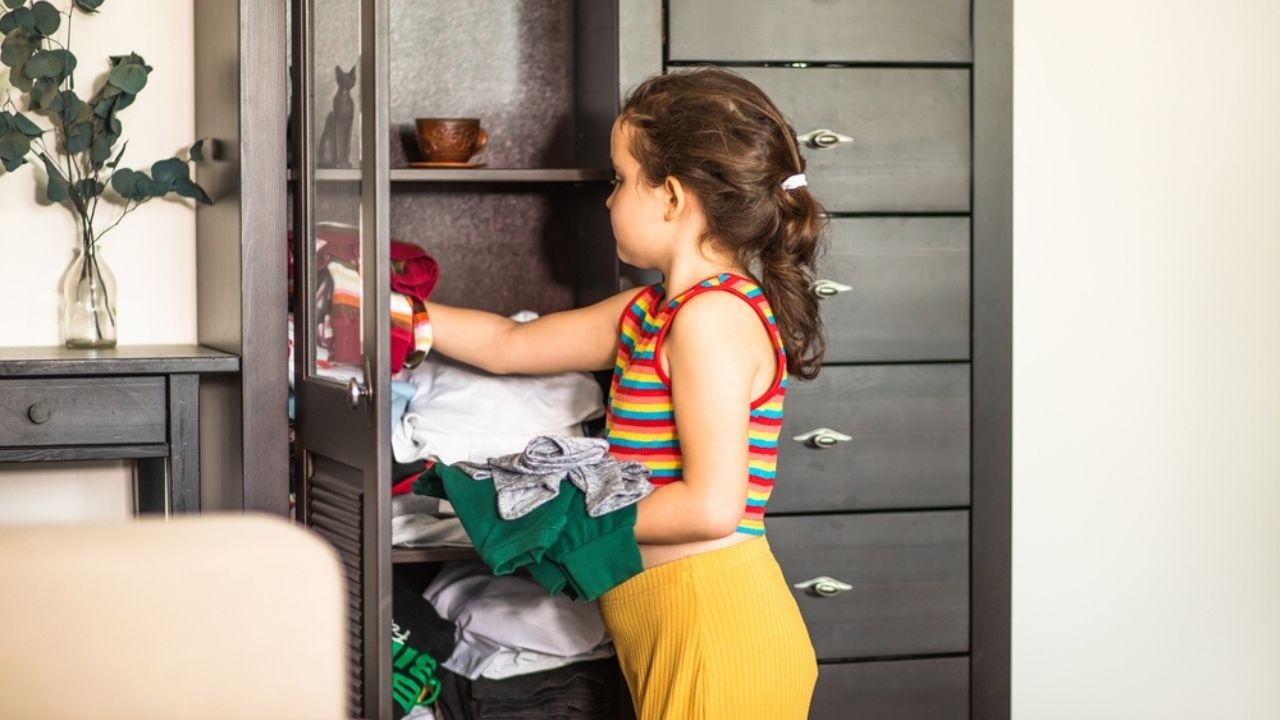
Image Credit: Shutterstock.
What the Hack Is
Build a tiny school-week capsule for each child—10–12 mix-and-match pieces—and add a photo of 5 preset outfits to their closet door.
How It Works
- Choose neutral bottoms and solids up top; limit patterns to one per outfit.
- Snap photos of five combos; print and tape to the closet or inside a drawer.
- On laundry day, restock the 5-shelf organizer using those combos.
Why It Makes Life Easier
Decision fatigue is real at 7 a.m. A tight capsule with visual cues lets kids dress themselves in minutes and still look put together. It also reduces laundry piles because you’re not cycling through the entire closet every week.
Parent perk: Fewer clothing battles and faster out-the-door times.
10. Family Command Center with Triage Trays
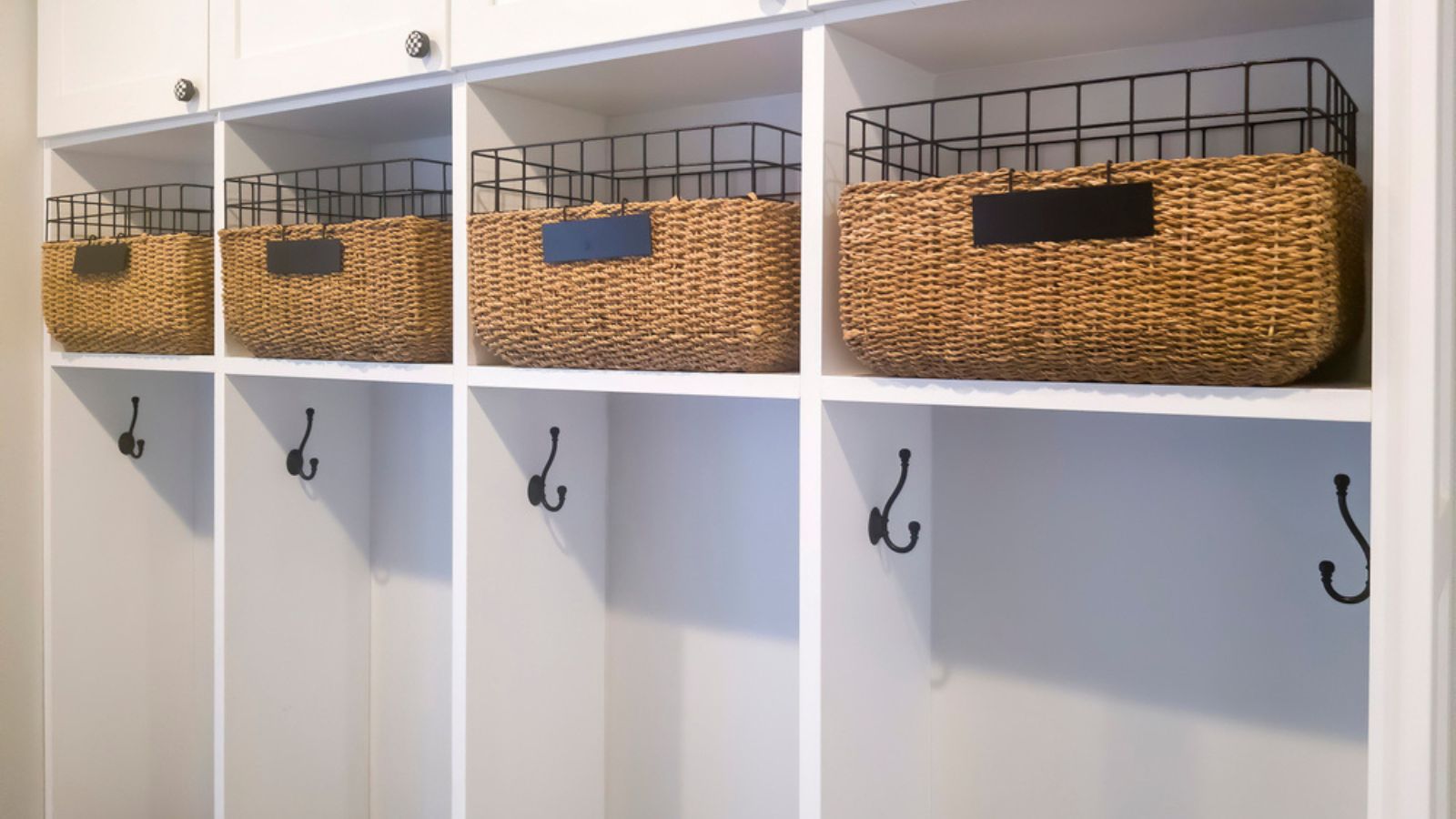
Image Credit: Depositphotos.com.
What the Hack Is
A single wall or cabinet space that centralizes calendar, meal plan, incoming papers, and quick-reference info—plus three labeled trays: “To Sign,” “To File/Save,” and “To Do.”
How It Works
- Post a monthly calendar and weekly meal plan.
- Add a magnetic pocket for coupons, lunch menus, and carpool lists.
- Use the three-tray stack to sort papers the minute they come in.
- Schedule two 10-minute triage sessions per week (e.g., Tue/Thu evenings).
Why It Makes Life Easier
When information and papers live in one place, you stop losing forms and repeating “What’s for dinner?” A predictable triage schedule keeps the backlog small. The trays remove friction—no hunting for where to put something.
Make it friendlier: Add a “Wins of the Week” sticky area to celebrate small victories (perfect spelling test, on-time streak).
How These Hacks Smooth the Shift to Structured Days

Image Credit: Shutterstock.
A plan in place and these hacks make a huge difference! Here’s why:
- Reduce morning friction: Night prep, visual charts, and outfit capsules shrink the number of decisions before school.
- Keep info centralized: Launch pads and command centers turn chaos into known locations and routines.
- Build kid independence: Routine charts, homework baskets, and assigned micro-roles help children own their tasks.
- Protect parent bandwidth: Batch work and Sunday huddles cut mental load and last-minute scrambles, leaving energy for connection.
Small systems, used consistently, beat big overhauls. Pick two hacks this week, add another next week, and keep what sticks.
Quick Start Checklist

Image Credit: Depositphotos.com.
Where to start? We’ve got you.
- Print and post a visual routine chart.
- Set up a homework basket and a car trash can.
- Do a 15-minute launch pad reset by the door.
- Run a 10-minute Sunday family huddle.
- Batch snacks and outfits for five days.
Start Small, Win Big
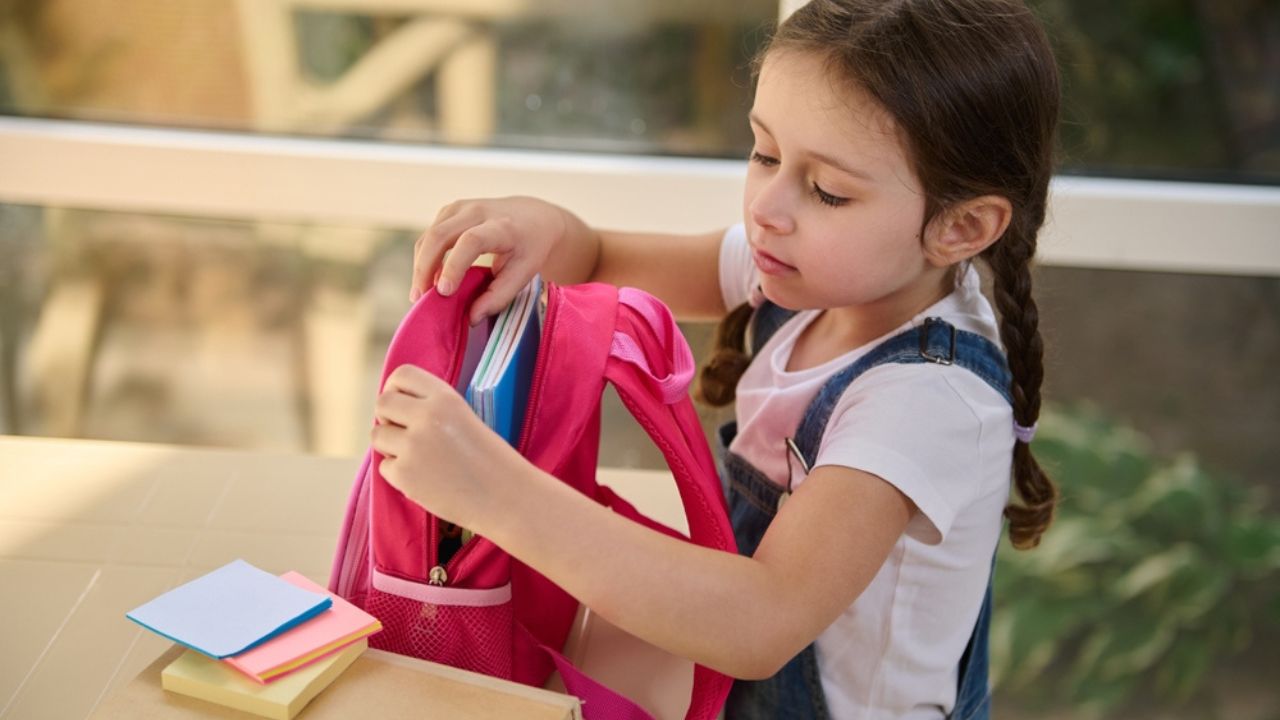
Image Credit: Shutterstock.
Back-to-school weeks are busy, but they don’t have to be frantic. These ten hacks work because they reduce decisions, place essentials where you need them, and involve kids in simple systems.