

The definition of bliss in life is being warm when it’s cold or cool when it’s hot. Whether you’re going to bed spread like a starfish to prevent excessive sweating in summer, or putting on two pairs of socks just to stay warm at night in January, better insulation is the answer to both problems.
There are a handful of budget-friendly hacks to insulate your home. This means it holds cold in the summer and (arguably most importantly, as we approach snowy weather) heat in the winter better, reducing your power bills and keeping you happy and comfortable. Some can even be easily implemented over a weekend without sending a small fortune.
Here are some affordable insulation tips that will keep you feeling snug in winter and refreshed in summer. We rounded up all the best tips from trusted home sites to help you on your home improvement journey.
1. Add a Rug

Image Credit: Shutterstock.
Do you have a drafty spot near your sofa or bed? Adding a rug elevates your home’s aesthetic appeal and provides an extra layer of insulation. Plus, it’ll feel a lot warmer on your feet when you get up in the morning.
Rugs can make a space cozy by trapping heat and preventing cold air from seeping through the floor as quickly. For maximum insulation, opt for thicker rugs with dense fibers.
2. Plant Trees and Shrubs Around Your House

Image Credit: Depositphotos.com.
Nature can be an excellent pocket-friendly ally in your quest for a well-insulated home. Although it may not be a quick fix, planting trees and shrubs around your house creates a natural barrier against wind, sun, and cold, providing passive insulation.
Consider planting deciduous trees on the south and west sides of your home. During the summer, these leafy trees offer shade, reducing the amount of heat entering your home. In winter, evergreen shrubs (anything with needles) can act as windbreaks around the perimeter of the house, minimizing heat loss.
3. Reverse Your Ceiling Fan

Image Credit: Depositphotos.com.
Did you know your ceiling fan can help with insulation? By reversing the direction of your ceiling fan blades, you can circulate warm air during the winter months. Most modern fans have this functionality if you’re looking for an upgrade. Or your fan might have this feature, and you just didn’t know how to maximize its use.
In the summer, set the fan to spin counterclockwise on higher settings to create a cool breeze. In winter, a clockwise rotation on low (to minimize any cooling effect of air movement) pulls cool air up and pushes warm air down, keeping your living spaces warmer without cranking up the heat.
4. Use Draft Stoppers
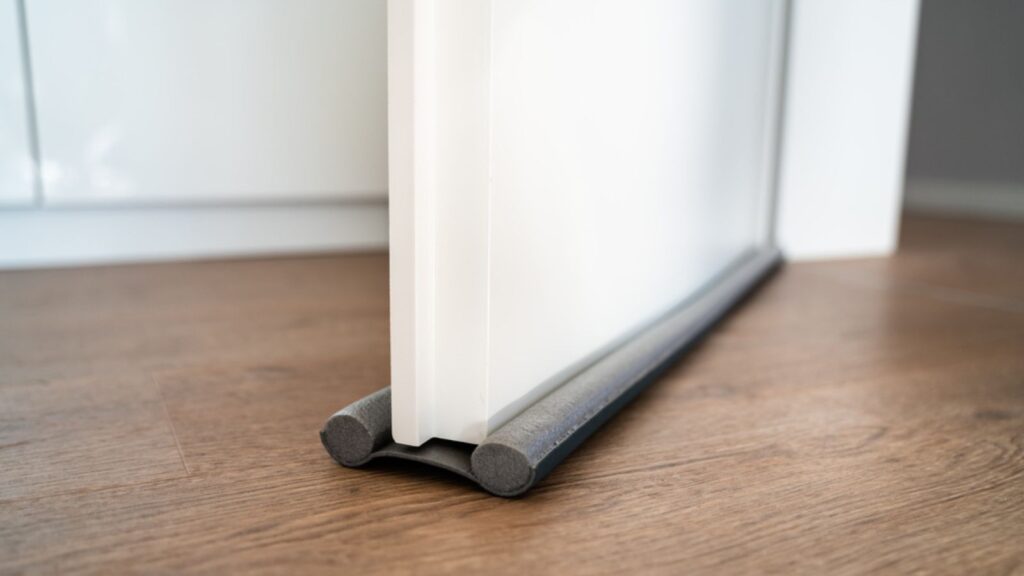
Image Credit: Depositphotos.com.
Draft stoppers are a cheap yet effective barrier, blocking drafts and helping to maintain a consistent indoor temperature (they can even help with noise). You can find draft stoppers (online or at home stores), or you can get crafty and make your own using fabric and filling materials like styrofoam, rice, or beans.
Place draft stoppers at the base of exterior doors and even interior doors leading to unheated spaces.
5. Improve Your HVAC System
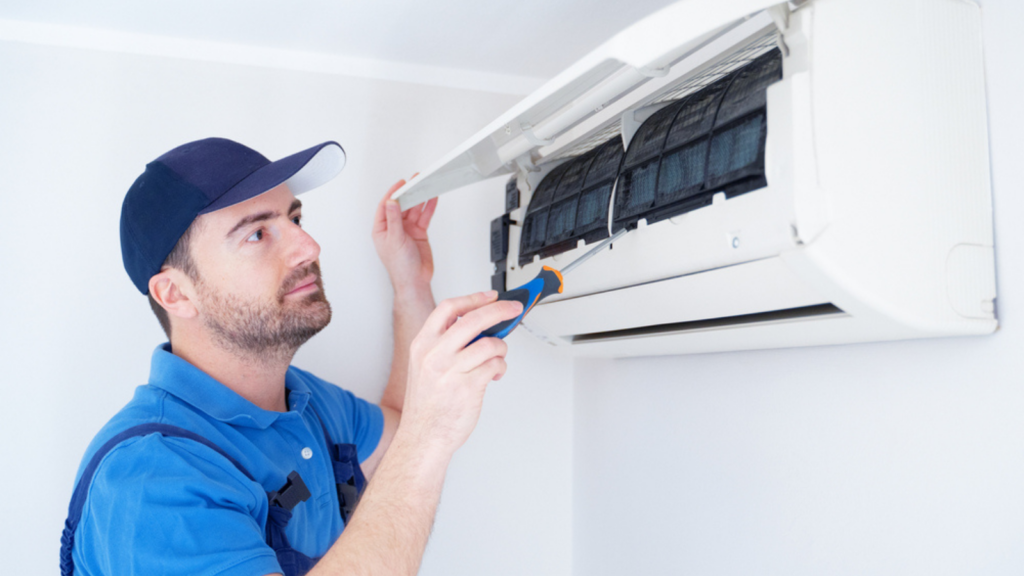
Image Credit: Depositphotos.com.
Your HVAC system is basically the Goldilocks of temperature control, making sure everything is just right. Regular maintenance, such as cleaning or replacing filters and sealing ducts, can improve efficiency and performance.
An efficient HVAC system will keep you comfortable in any season thanks to better temperature control and lowering energy bills. Inspect your ducts for any visible leaks or gaps, especially at joints and connections.
6. Install Window Insulator Kits

Image Credit: Depositphotos.com.
Window insulator kits will keep your heat from sneaking out the window like a naughty teenager. These kits typically include clear plastic film that you apply to the interior of your windows.
The film helps create an insulating layer, reducing drafts to make a room feel oh-so-cozy. To install it, you’ll need to roll up your DIY sleeves and clean the window surface, apply the adhesive tape, and attach the film.
7. Insulate Your Attic

Image Credit: Depositphotos.com.
Here is some simple physics: heat rises because it expands, making it later than cold air. Thus, having adequate insulation in your attic helps retain warmth during winter by reducing heat loss.
Different insulation materials are available, including fiberglass, cellulose, and spray foam. A professional can recommend what is best. Good attic insulation boosts comfort and lowers energy use, saving money in the long run.
8. Add a Storm Window Insert
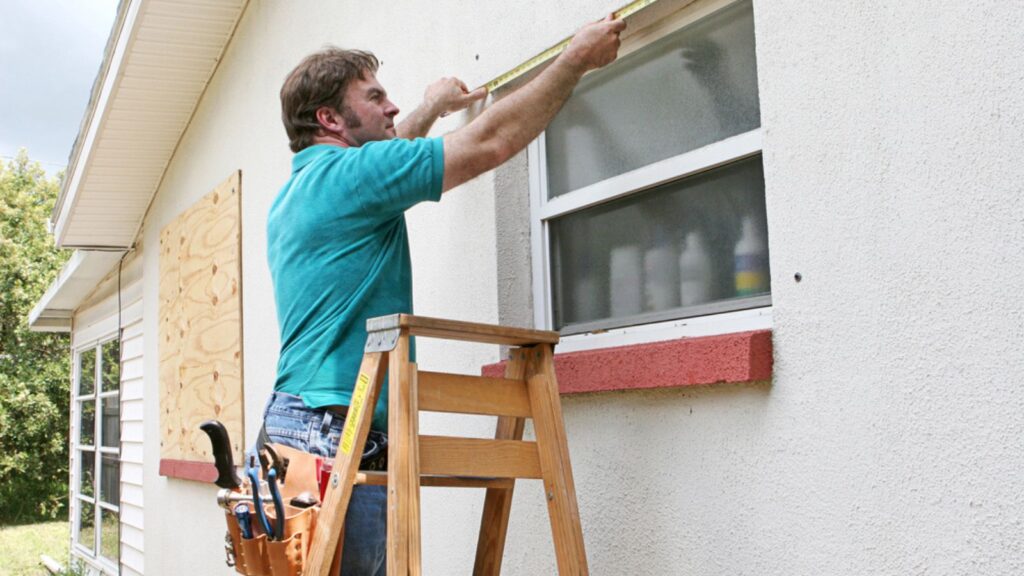
Image Credit: Depositphotos.com.
If you’re a DIY enthusiast, you may want to grab your drill and add a storm window insert. Otherwise, you can hire help too.
These inserts fit inside your existing window and provide an extra layer of protection against the elements (hot and cold). Plus, they are also great for blacking out rooms at night for better sleep.
9. Let the Shower Steam Flow to the House

Image Credit: Depositphotos.com.
If you’ve ever visited somewhere with high humidity, you know that lower temperatures feel warmer. In a dry area, harness the power of shower steam to add warmth and humidity to your home. After a hot shower, leave the bathroom door open to allow steam to circulate throughout the house.
While it’s not a replacement for proper insulation, it’s a quick and easy way to boost warmth in those chilly months. On the flip side, shut that door tight and keep the bathroom fan on in summer to keep the humidity from dissipating.
10. Repair Cracks and Gaps

Image Credit: Depositphotos.com.
Cracks and gaps around windows and doors can be significant sources of drafts and energy loss in older homes. Inspect these areas for any visible damage and repair them promptly.
Use caulk or weatherstripping to seal gaps, preventing cold air from entering and warm air from escaping. Regularly maintaining windows and doors keeps your home warm and improves its look and function.
11. Buy an Electric Fireplace

Image Credit: Depositphotos.com.
An electric fireplace can add both warmth and ambiance to your home without the hassle of traditional wood-burning fireplaces. You choose a style (there are lots) that fits your decor and heating needs.
If you spend most of your day in specific rooms, a fireplace reduces the need to rely solely on your central heating system.
For cooler temps on hot days, there are also solutions for tackling main rooms, such as a swamp cooler or even a high quality fan that at least keeps the air moving.
12. Bask in the Sun

Image Credit: Depositphotos.com.
Take advantage of natural sunlight to warm your home during the day in those cold winter months. Open curtains and blinds on south-facing windows to allow sunlight to enter and heat your living spaces. It’s surprising how much warmth you can feel through a sunny window, even on subpolar days.
Sunlight is a free and abundant source of energy (depending on where you live), making it an excellent way to boost your home’s warmth naturally. Close curtains and blinds at night to retain the heat gained during the day.
13. Move Furniture Away from Your Radiator
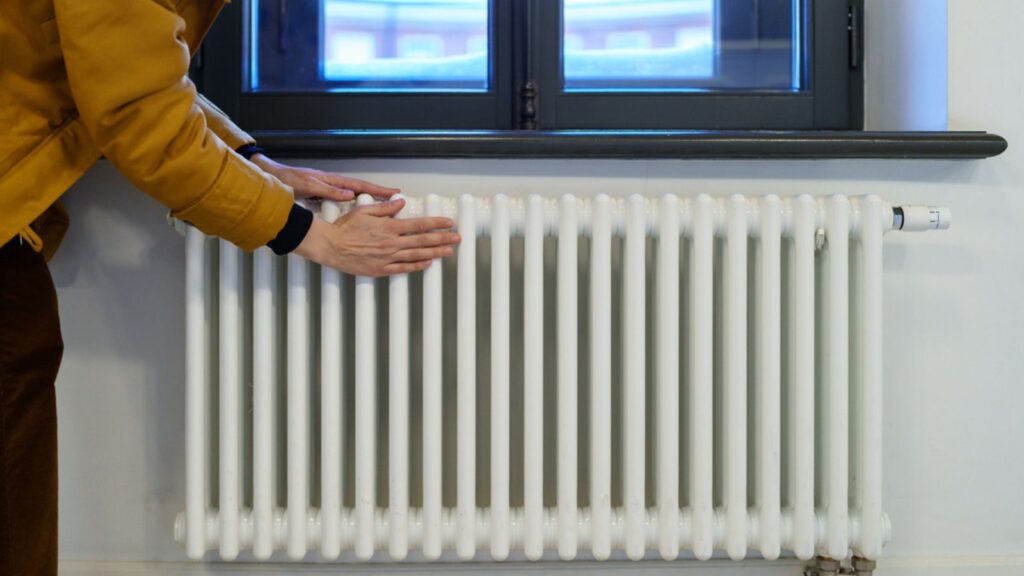
Image Credit: Depositphotos.com.
Your radiators (if you have them) can efficiently heat your home if you keep them clear of obstructions. Move that huge sofa, bed, and other items away from radiators to allow heat to circulate freely.
Blocked radiators can’t distribute warmth very well, leading to uneven heating and increased energy consumption. Rearrange your furniture and improve the efficiency of your heating system while giving your house a fun makeover.
14. Get Thicker Curtains

Image Credit: Depositphotos.com.
You now have an excuse to get those heavy, blackout curtains you’ve always wanted. Heavy drapes act as an additional layer of insulation, helping to block drafts and keep heat or cold from escaping.
You can look for stylish curtains made from materials like velvet or thermal fabric, which are specifically designed to trap heat. Or even make your own.
15. Cover Your Chimney When Not in Use

Image Credit: Depositphotos.com.
If you don’t use your fireplace frequently, consider plugging your chimney to prevent heat from escaping. An unused chimney can be a significant source of drafts, allowing warm air to escape and cold air to creep in. On windy days and nights, an empty chimney can be quite chilly.
You can easily install a chimney balloon or a special flue plug (to cap the top) to create an airtight seal. Just be sure to remove the plug when you’re ready to light a fire again.