

Adding hanging plants can transform a room, lifting the greenery off the floor and creating layers of visual interest. But the thought of drilling holes into walls or ceilings can be overwhelming, especially for renters or anyone hesitant to make permanent changes. Nevertheless, you can achieve that lush, suspended garden look without ever touching a power tool.
These seven methods use tension, adhesion, and clever positioning to give your plants the elevated home they deserve, keeping your walls and ceilings pristine.
1. Tension Rods in Window Frames
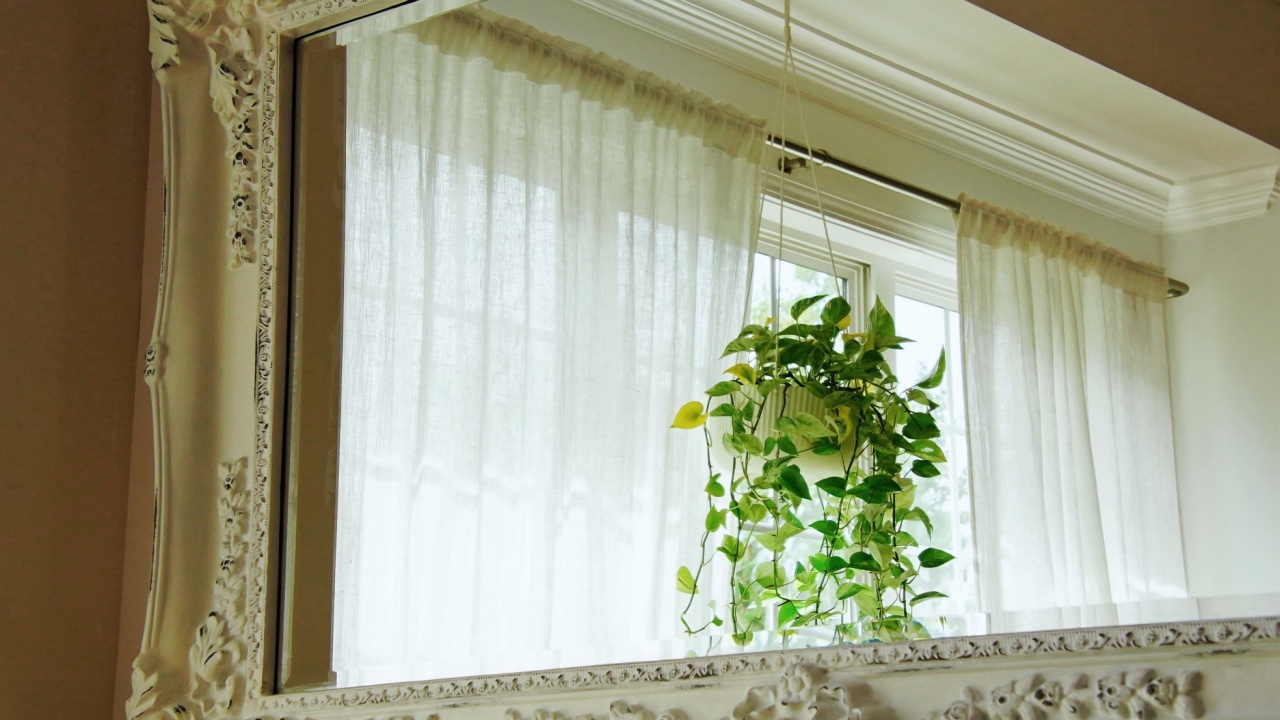
Image Credit: Shutterstock.
Remember those rods used for shower curtains? They have a life outside the bathroom. A tension rod, when fitted snugly inside a window frame, creates a sturdy, horizontal bar perfect for hanging plants. This method is particularly good for sun-loving plants, placing them directly in the path of incoming light. Most tension rods have a weight limit, so they’re best suited for smaller pots with plants like string of pearls or pothos.
Quick Look:
- Best for: Sun-loving trailing plants in lightweight pots.
- Where to use: Snug window frames or small alcoves.
- Weight limit: Check the product packaging; it typically holds 10-20 pounds, but it varies.
2. C-Clamps
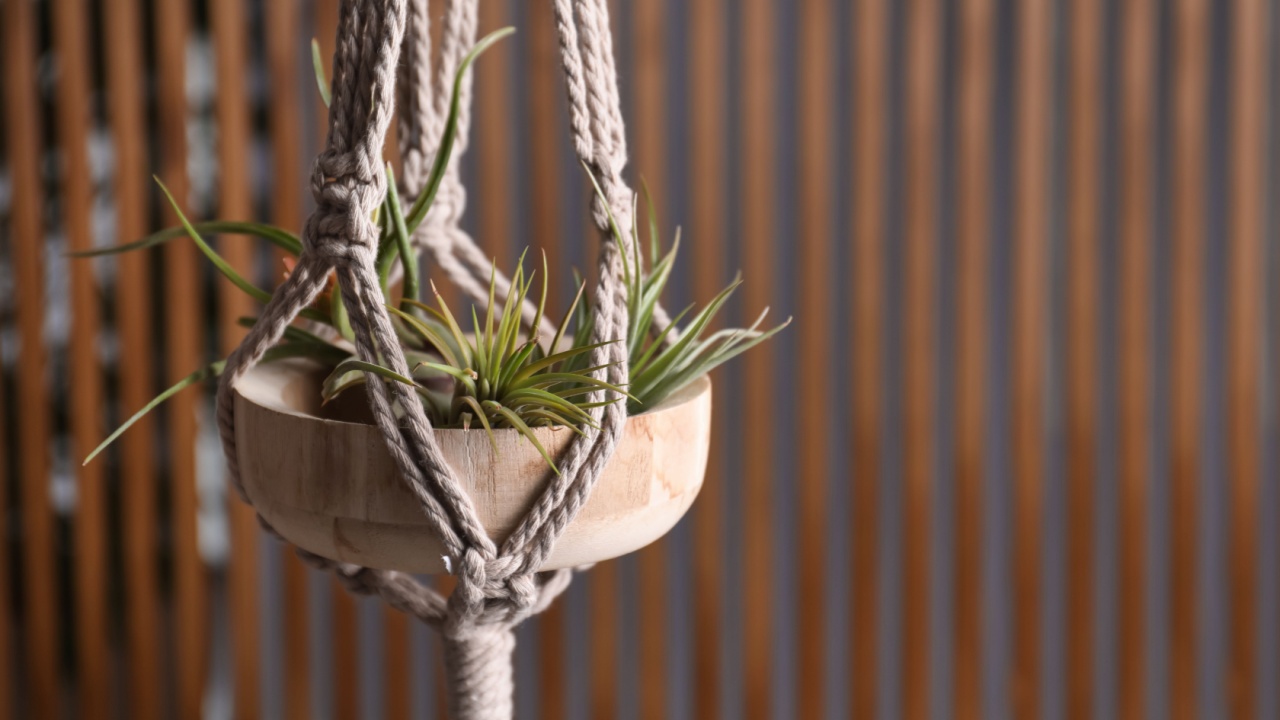
Image Credit: Shutterstock.
These simple devices can be tightened onto exposed structural elements like rafters, beams, ledges, or even the edge of a sturdy shelf. Once the clamp is secure, you have an instant, solid anchor point for hanging a potted plant on your balcony. C-clamps are a solid choice for heavier plants that other temporary solutions might not support. They offer a strong grip without leaving a mark, provided you don’t overtighten them on soft wood.
Quick Look:
- Best for: Medium to heavy plants that need a strong anchor.
- Where to use: Exposed beams, rafters, sturdy bookshelves, or ledges.
- Weight limit: Varies by clamp size, but many can hold 30+ pounds easily.
3. Trellis on Command Hooks
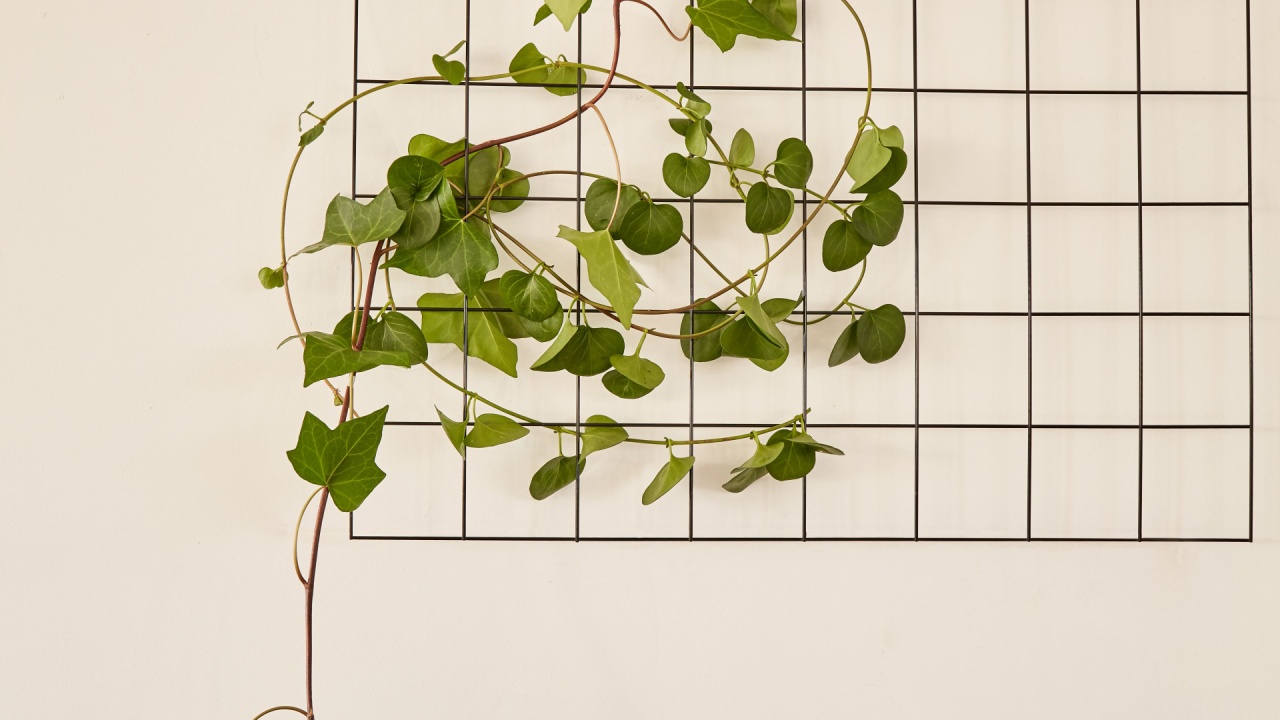
Image Credit: Shutterstock.
Who says a trellis is only for the outdoor garden? Mount a lightweight one on your wall using several large Command hooks. Distributing the weight across multiple hooks creates a stable vertical garden. You can train vining plants like philodendrons or hoyas to climb it, or hang small pots from its rungs. It’s a renter’s dream because the adhesive hooks come off cleanly. Just make sure you use enough hooks to support the total weight of the trellis and plants.
Quick Look:
- Best for: Lightweight vining plants or multiple small pots.
- Where to use: Any large, empty wall space.
- Weight limit: Dependent on the number and strength of the adhesive hooks used.
4. Leaning Trellis
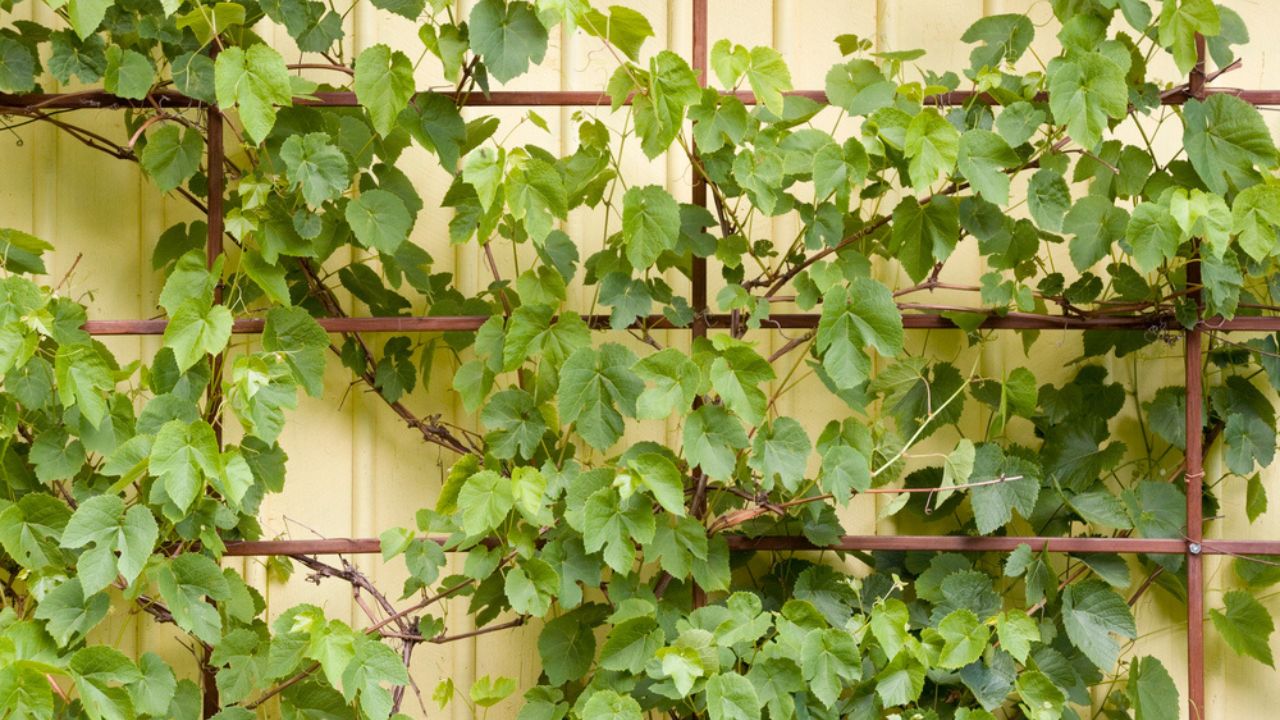
Image Credit: Deposit Photos.
If you want an even simpler approach, skip the hooks altogether. A large, decorative trellis can be leaned directly against a wall. This creates a freestanding structure for climbing plants and for hanging very small, lightweight pots. Place the base of the trellis in a wide, heavy planter for stability or position it behind a piece of furniture to keep it from tipping. You can move it anytime your heart desires a room refresh.
Quick Look:
- Best for: Climbing plants like ivy or pothos; very lightweight hanging pots.
- Where to use: Against a wall in a corner or behind furniture for support.
- Weight limit: Best for climbers; hanging weight should be minimal to maintain stability.
5. Over-the-Door Hooks

Image credit: Depositphotos.
Another household item with a secret life as a plant hanger is the over-the-door hook. Typically used for coats or towels, these hooks can be repurposed to hold hanging planters. It’s perfect for adding a touch of green to a bedroom, bathroom, or home office. Since doors are opened and closed, it’s best for hardy plants that don’t mind a little movement. Look for hooks with a flat profile so the door can close properly.
Quick Look:
- Best for: Small to medium-sized plants in rooms where you need a quick solution.
- Where to use: Any standard interior door.
- Weight limit: Typically 5-10 pounds, but check the product details.
6. Lightweight Pots with Suction Cups
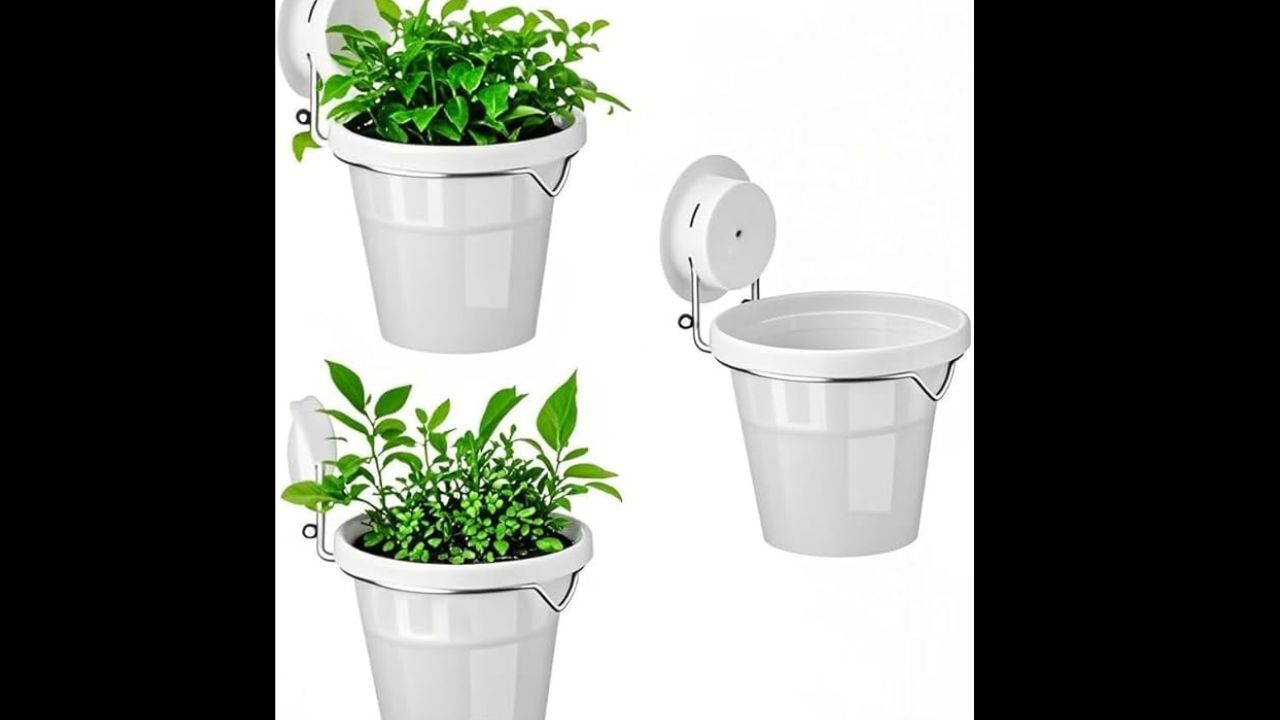
Image Credit: VirgoLeo / Amazon
Suction cups have come a long way. Modern suction-cup hangers create a strong seal, making them suitable for very lightweight plants on windows or smooth tile. They work well for air plants, succulents, or small cuttings that benefit from extra light and create a subtle floating effect. These hangers are great for kitchen or bathroom windows, where herbs or humidity-loving plants thrive. Just keep weight in mind and check the suction occasionally to make sure everything stays secure.
Quick Look:
- Best for: Air plants, small succulents, or plant cuttings in very light containers.
- Where to use: Windows, mirrors, or smooth, non-porous tile.
- Weight limit: Very low, usually under 2-3 pounds.
7. Magnetic Pots
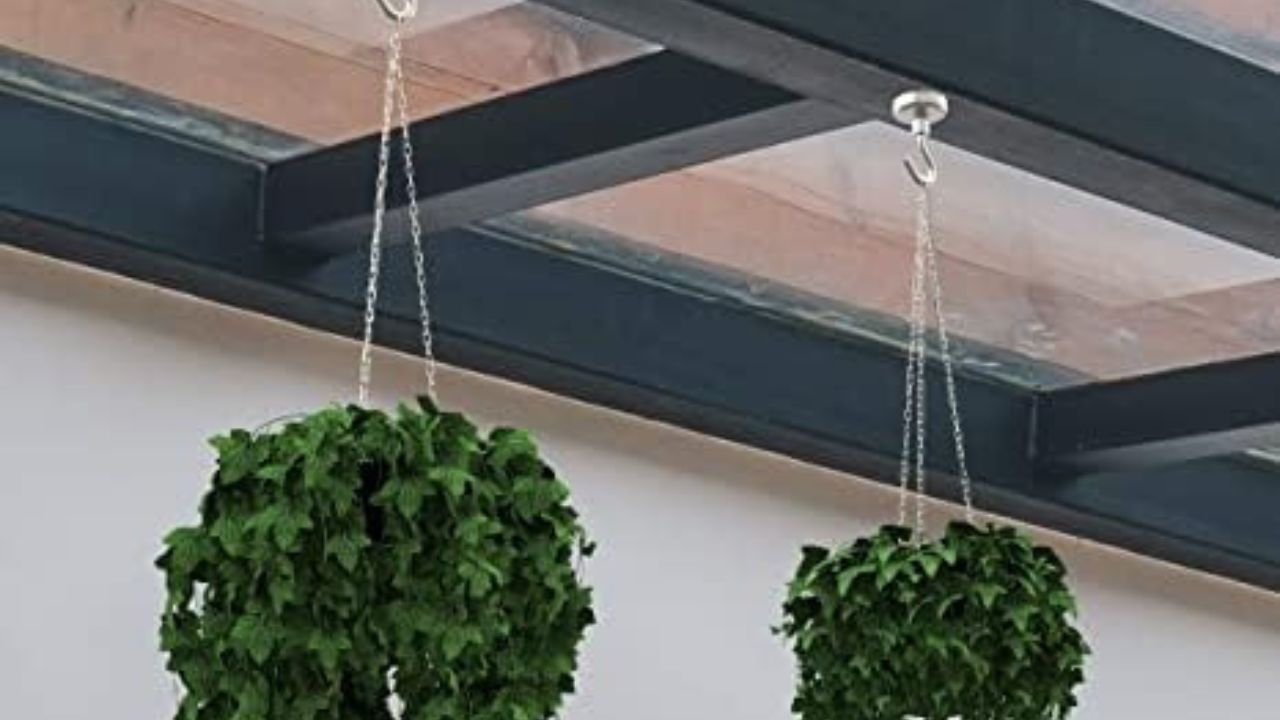
Image Credit: INF Store / Amazon
Harness the power of magnets to place plants in unexpected places. Small magnetic pots or hooks can attach to any metal surface. It is perfect for bringing life to utilitarian spaces like the kitchen or office. A collection of small herbs on the side of a refrigerator is both beautiful and practical. Just be sure the magnet is strong enough to support the weight of the pot, plant, and soil, and that the surface you are attaching it to is indeed magnetic.
Quick Look:
- Best for: Small, lightweight plants like air plants, succulents, or herbs.
- Where to use: Refrigerators, metal shelves, filing cabinets, or other magnetic surfaces.
- Weight limit: Varies greatly by magnet strength; check the product specifications.
Getting Started with Your Drill-Free Garden
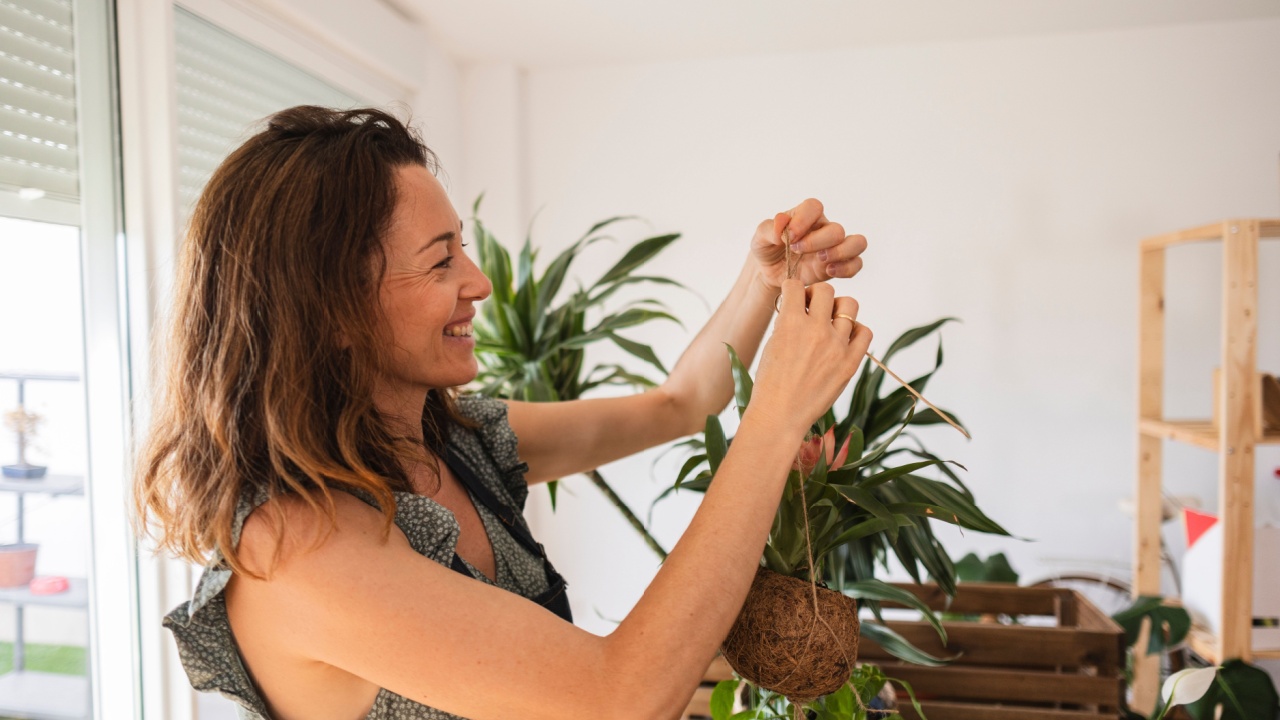
Image Credit: Shutterstock.
Now that you have these damage-free methods, you can confidently start planning your vertical garden. Before you buy anything, take a walk around your home. Look at your window frames, doors, and exposed surfaces with fresh eyes. Where could a tension rod go? Is there a beam just waiting for a C-clamp?
Match the method to the plant and the location. Lighter, sun-loving plants are perfect for tension rods and suction cups in windows, while heavier ferns might need the support of a C-clamp. Begin with one or two locations to see how you like the look and feel. Soon enough, you’ll have a beautiful display of hanging plants, all without leaving a single mark.