
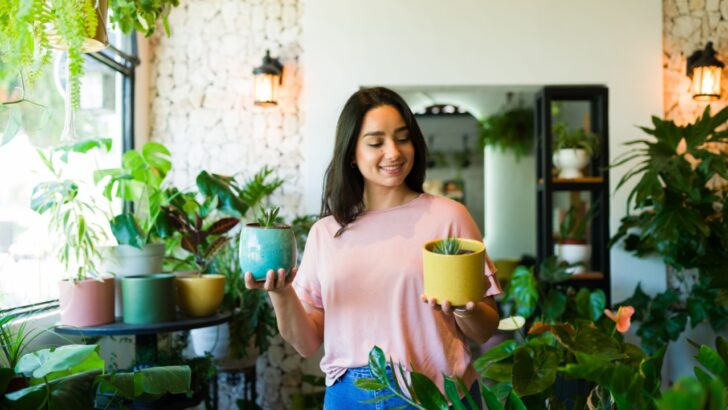
Transforming a corner of your living room into a lush, green sanctuary is a deeply rewarding project that can bring a sense of accomplishment and daily joy. A mini indoor jungle does more than look beautiful; it brings a touch of nature’s inherent calm and vibrant vitality right into the heart of your home.
Adding a single plant to fill your negative space is one thing, but creating a mini jungle requires a dash of your own creative flair. Here is a comprehensive guide to walk you through all the essential steps you need to create and sustain your very own indoor jungle.
1. Choose the Right Location
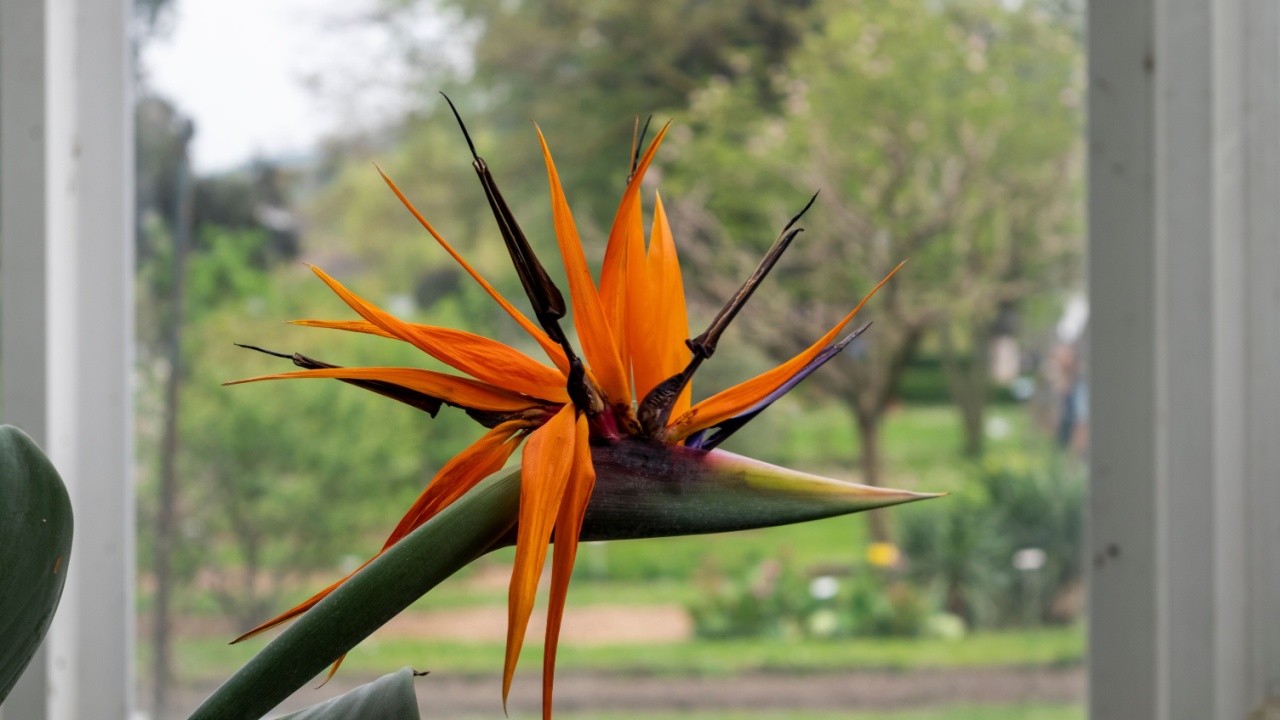
Image Credit: Shutterstock.
The success of your indoor jungle hinges on its location. Before you bring home a single plant, assess your living room to find the perfect spot. The amount of natural light an area receives is the most critical factor, as it will dictate which plants can thrive there. Most living rooms have a variety of light conditions.
A spot near a south-facing window will offer bright, direct light for most of the day, ideal for sun-loving plants like succulents or a Bird of Paradise. An east-facing window provides gentler morning sun, while a west-facing window gets strong afternoon light. North-facing windows offer the least amount of direct light, making them suitable for low-light-tolerant species. Observe the chosen corner throughout the day to understand its light patterns.
2. Pick a Variety of Plants
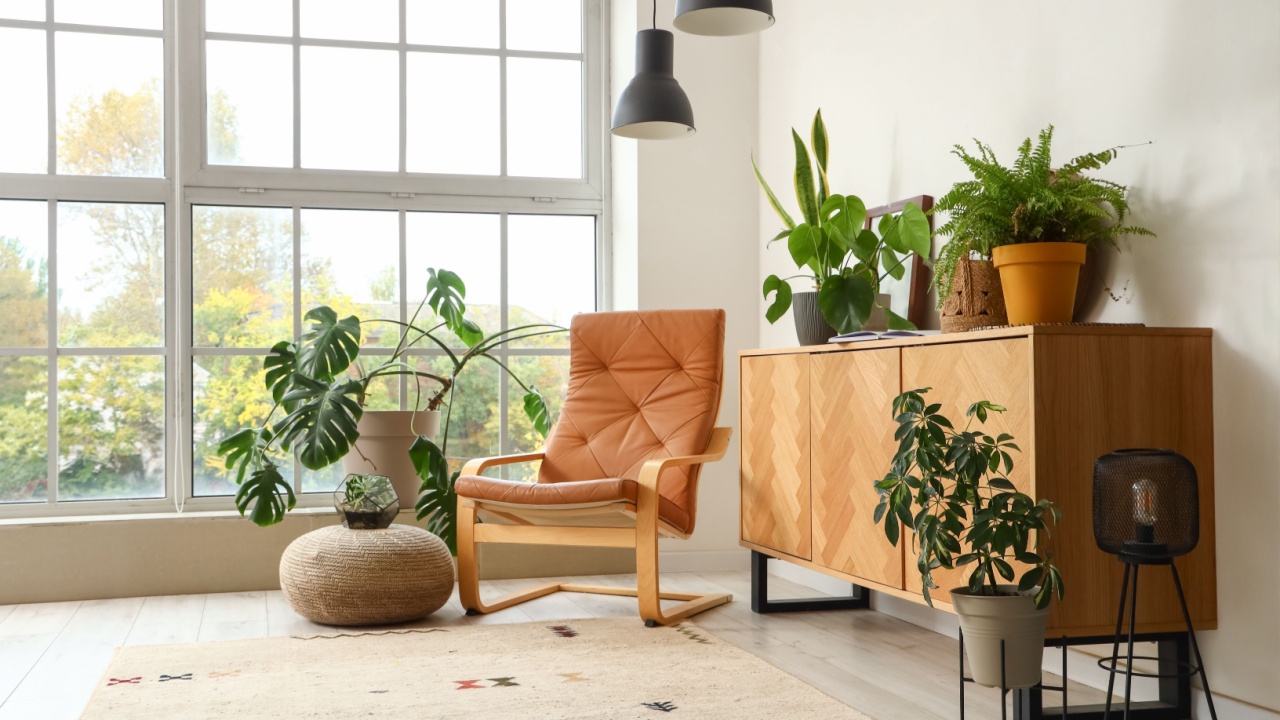
Image Credit: Shutterstock.
A jungle is anything but uniform. Its beauty springs from a mix of colors, textures, and forms. Choosing an assortment of plants brings visual interest and keeps the display lively and appealing. Include a “statement” plant; something bold and attention-grabbing, like a Monstera Deliciosa or Fiddle Leaf Fig.
Complement your centerpiece with medium-sized options such as Snake Plants, ZZ Plants, or Philodendrons, which are reliable and easygoing. For pops of interest, weave in smaller selections like Pothos, Spider Plants, or vibrant Calatheas. Trailing or climbing plants can add movement and soften the look. A broad mix is pleasing to the eye and allows you to nurture a mini ecosystem right in your living room.
3. Layer Your Plants
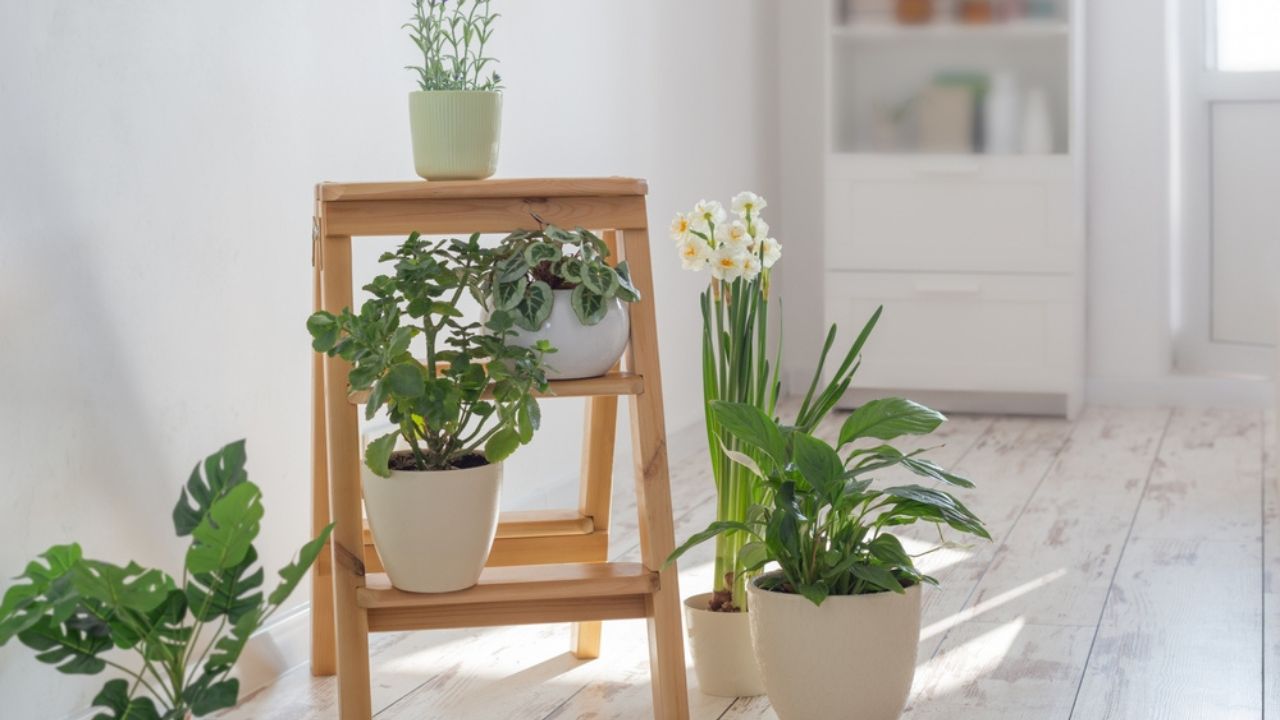
Image Credit: Shutterstock.
Creating the illusion of a dense jungle involves strategic placement. Layering your plants by using different heights and positions draws the eye upward and makes the collection feel more substantial. This technique mimics how plants grow in a natural forest, with tall trees, mid-level shrubs, and low-growing ground cover.
Use plant stands, stools, and side tables to elevate some plants off the floor. This immediately creates different levels. Place taller plants at the back of your arrangement and shorter, fuller ones in the front. Allow trailing plants like Pothos or String of Hearts to cascade down from shelves or hanging baskets. Grouping plants of varying heights enhances the visual depth and also helps create a humid microclimate that many houseplants enjoy.
4. Use the Right Pots and Planters
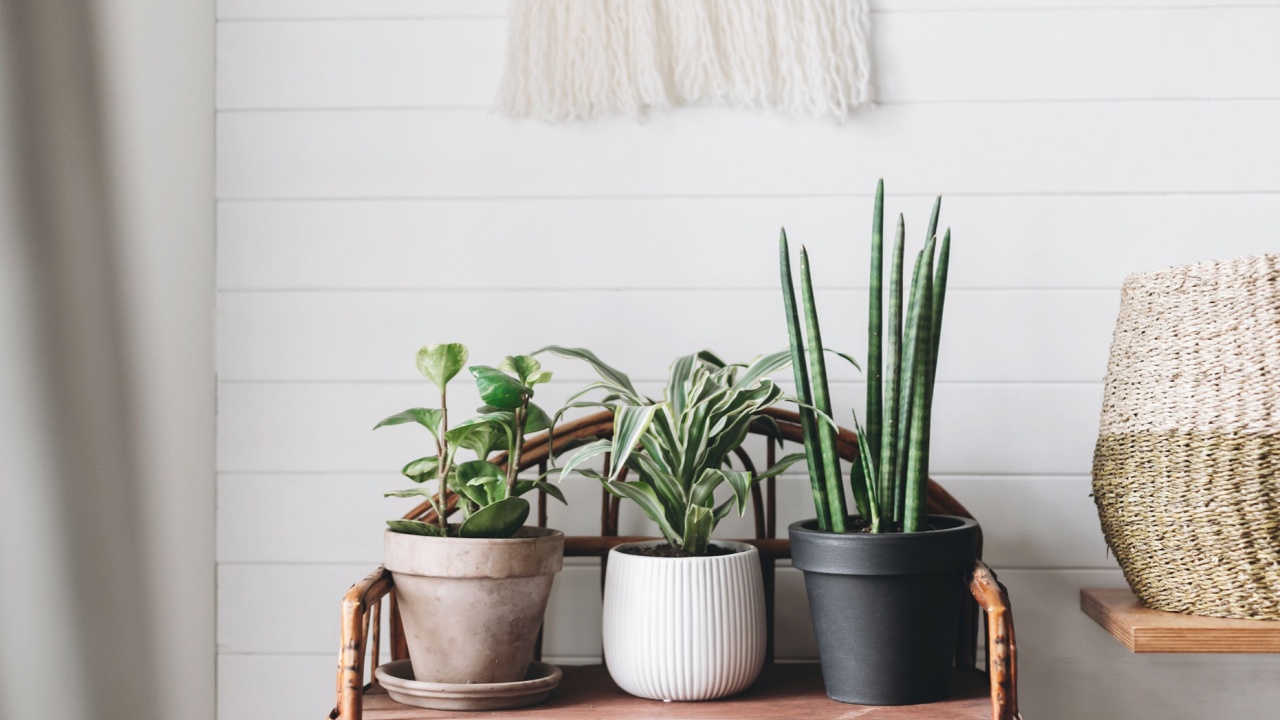
Image Credit: Shutterstock.
Pots and planters are more than just containers; they are a key part of the aesthetic. Your choice of pots can unify the look of your indoor jungle or add eclectic charm. While it can be tempting to choose a pot based on looks alone, function is just as important for plant health. Always choose pots with drainage holes. Without proper drainage, water can collect at the bottom, leading to root rot, which is a common cause of plant demise.
If you fall in love with a decorative pot that lacks a hole, you can use it as a “cachepot.” Simply keep the plant in its plastic nursery pot and place it inside the decorative one. You can then remove it for watering and allow it to drain completely before putting it back. Mix up materials like terracotta, ceramic, and woven baskets to add texture and interest.
5. Keep It Wild but Organized
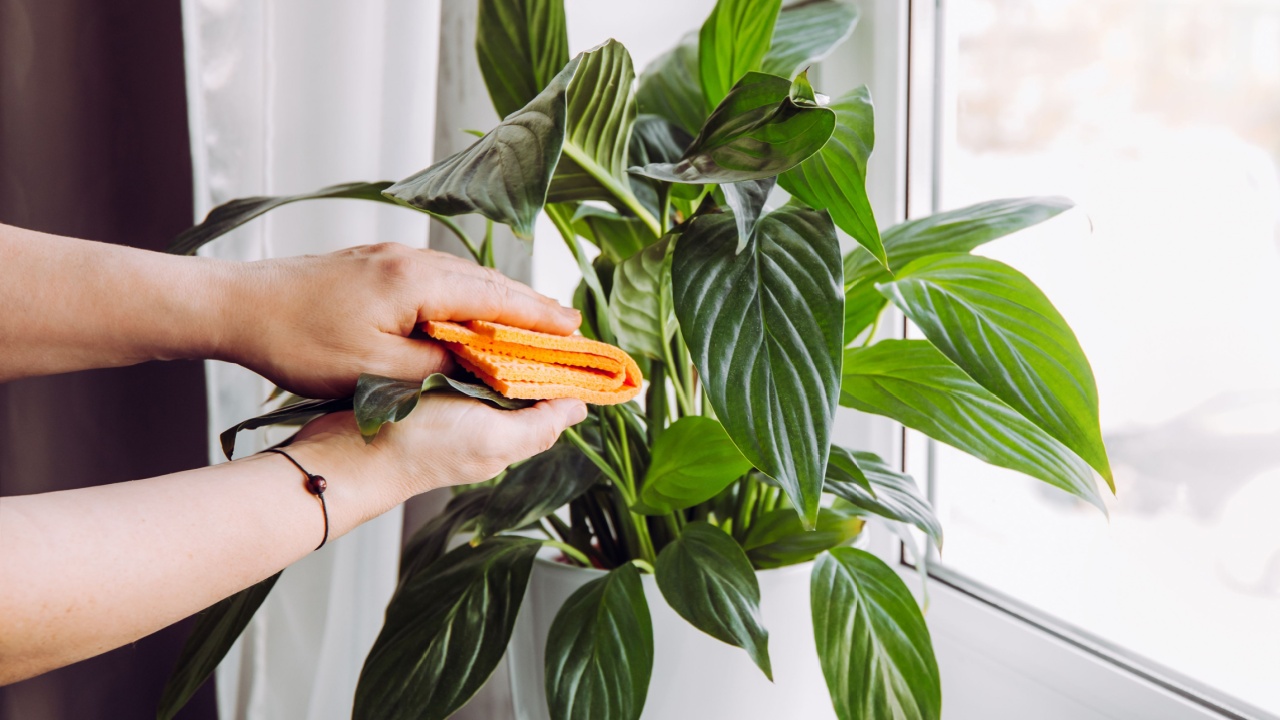
Image Credit: Shutterstock.
An indoor jungle should feel lush and untamed, but it shouldn’t look messy. Regular maintenance is what separates a thriving plant collection from a chaotic one. Pruning, cleaning, and thoughtful arrangement will keep your green space looking its best. Regularly remove any yellowing or dead leaves.
Wipe down large leaves with a damp cloth every few weeks to remove dust, which can block light and hinder photosynthesis. Rotate your plants a quarter turn every time you water them to encourage even growth on all sides. You can also add non-plant decor elements like small statues, interesting rocks, or decorative moss to enhance the “jungle floor” and add personal flair.
6. Water Wisely and Feed Regularly
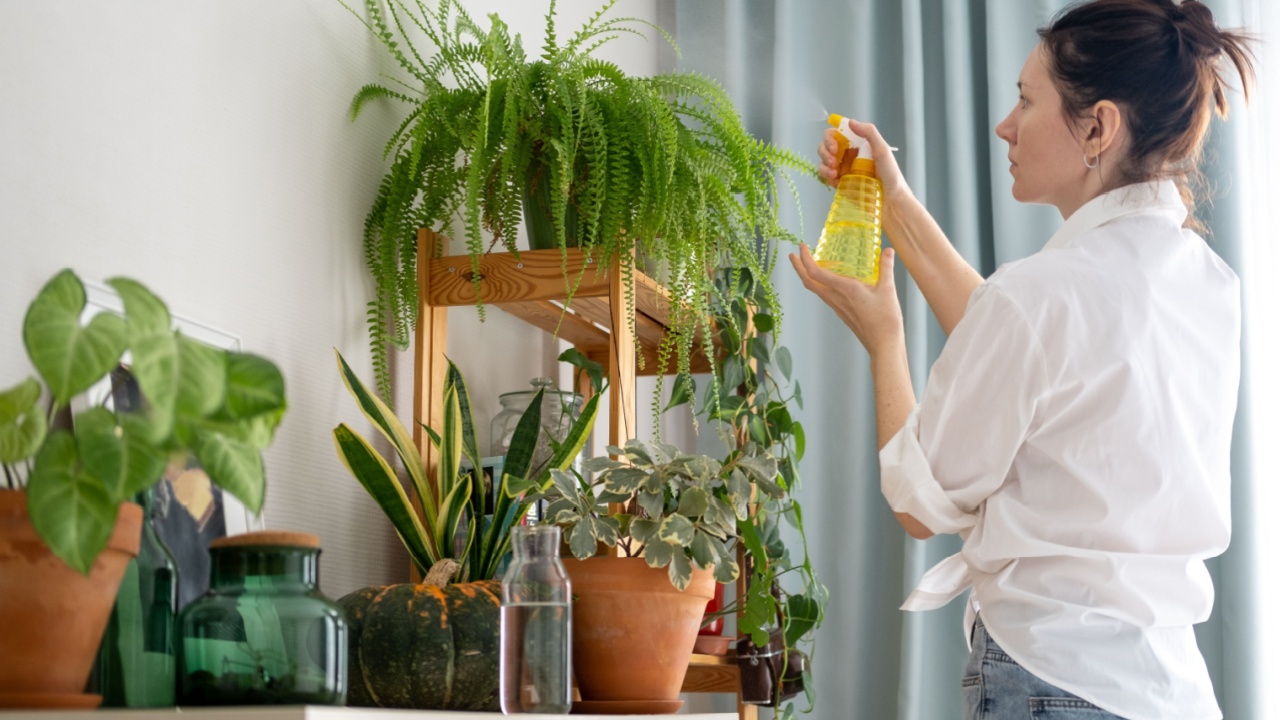
Image Credit: Shutterstock.
Watering could harm or help your plants. Understanding your plants’ needs for water and nutrients is the final piece of the puzzle. Overwatering is a frequent mistake made by new plant owners. Instead of watering on a strict schedule, check the soil first.
After watering, let the water drain thoroughly before putting it back on its saucer. During the growing season (spring and summer), most houseplants also benefit from regular feeding. Every 4-6 weeks, use a balanced, all-purpose indoor plant fertilizer, usually diluted to half-strength. Reduce or stop fertilizing in fall and winter when plant growth slows.
Your Jungle Awaits
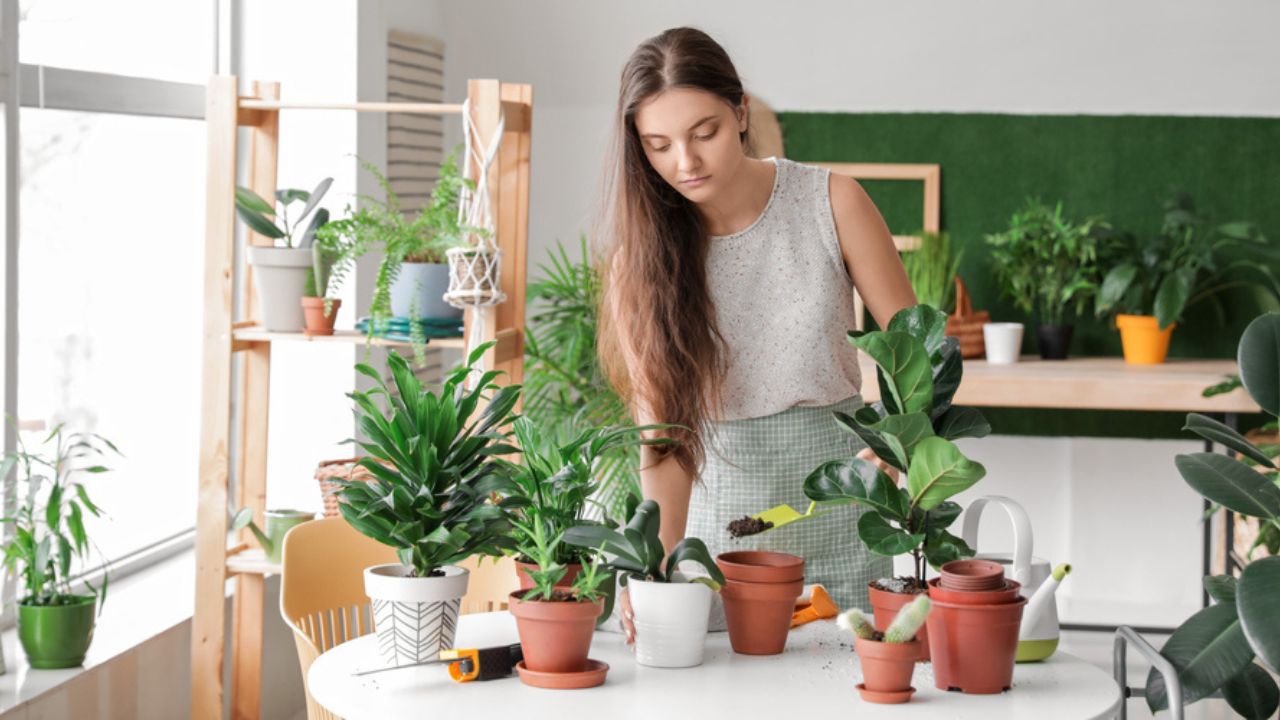
Image Credit: Deposit Photos.
Creating a mini indoor jungle is a journey of growth, both for your plants and for you as a plant parent. The space will evolve as your plants grow, and you will learn more about how to keep your plants in check along the way.
Don’t be afraid to move plants around to see where they look and feel best. As you gain confidence, you might experiment with propagation to create new plants from your existing ones.